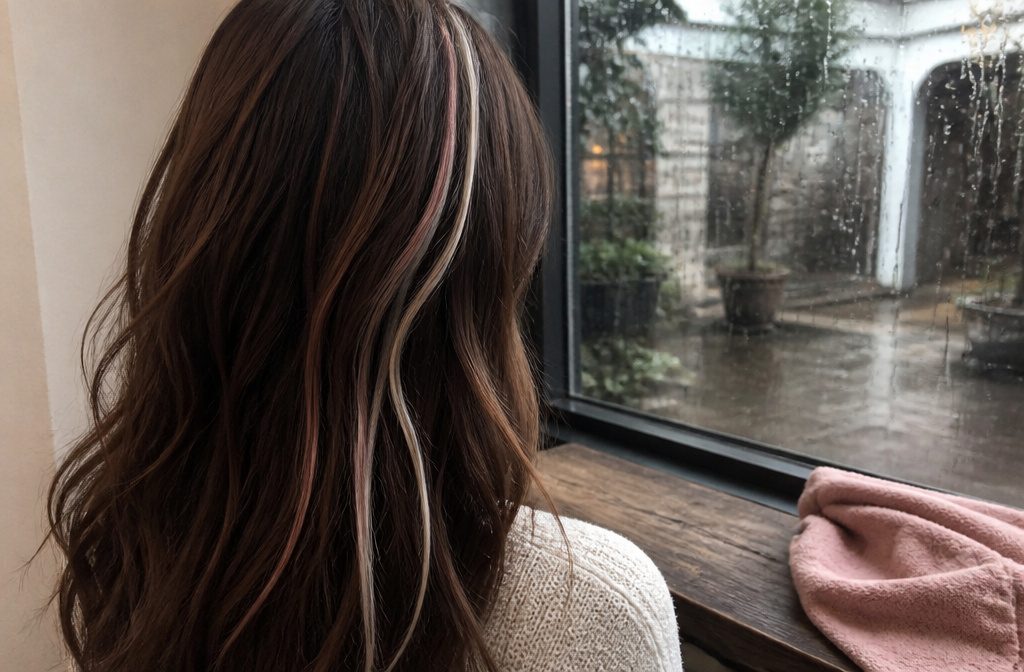
Stripes hair color means coloring a few chosen strands a different shade from your base, instead of dyeing everything.
How it reads depends on the gap: a money piece 2 to 3 shades lighter looks sun-touched, while platinum only shows on dark hair. Temporary 1-day sprays let you test a shade before committing.
Money-Piece Streaks
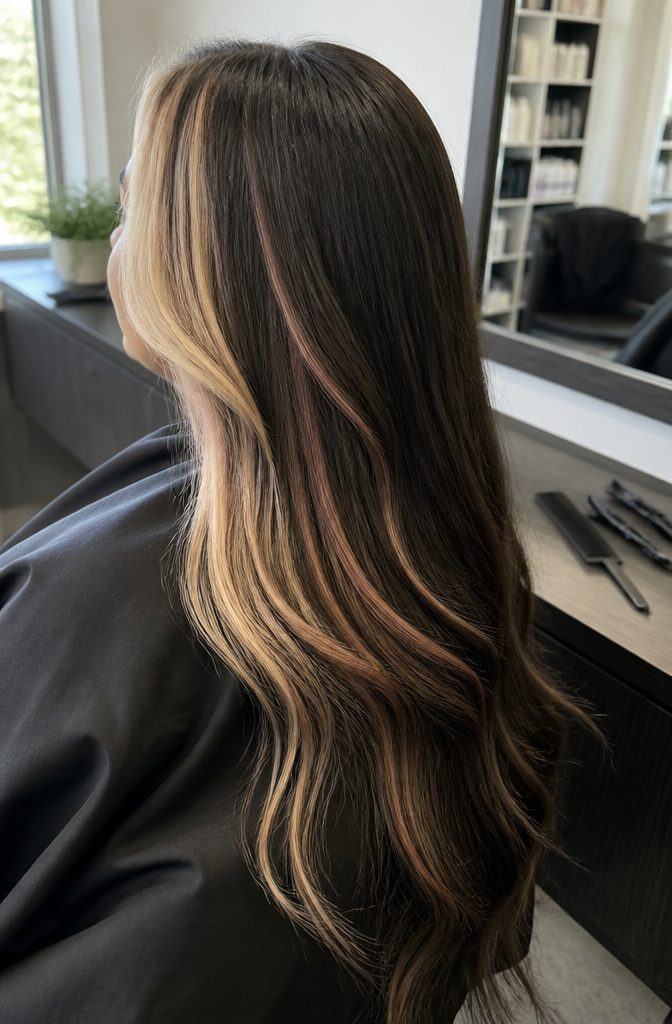
Money-piece streaks sit at the front, in the strands that frame your face, so the brightness lands where people look first. Blonde or brunette keeps them quiet, while lilac or rose gold makes the face frame the statement.
The shade rule fits in one line:
a money piece should be two to three shades lighter than your base color to create the perfect amount of contrast.
Staying 2 to 3 shades lighter reads as sun-touched hair, and a bigger jump starts to look like a stripe.
Grey Streaks
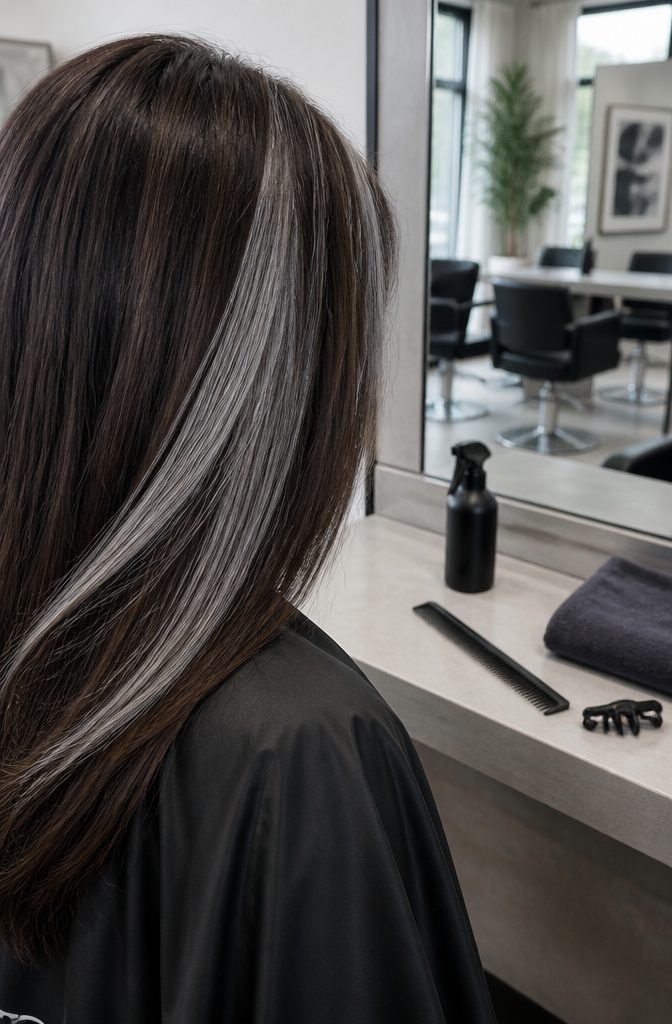
Grey looks fashion-forward rather than aged when it sits against cool, dark brown or black hair, because the contrast does the work.
On that base a silvery streak reads as deliberate. On a warm or light base it can blur into the background.
Placement is flexible, but I’d start with a grey money piece, the strands framing your face. They catch the light every time you turn your head, and the rest of your hair can cover them if you change your mind.
Before committing to anything permanent, try the L’Oréal Paris Colorista Hair Makeup Temporary 1-Day Hair Color Spray in Silver. It lasts one day, so you can judge the shade against your skin tone and base color first.
Tiny Streaks
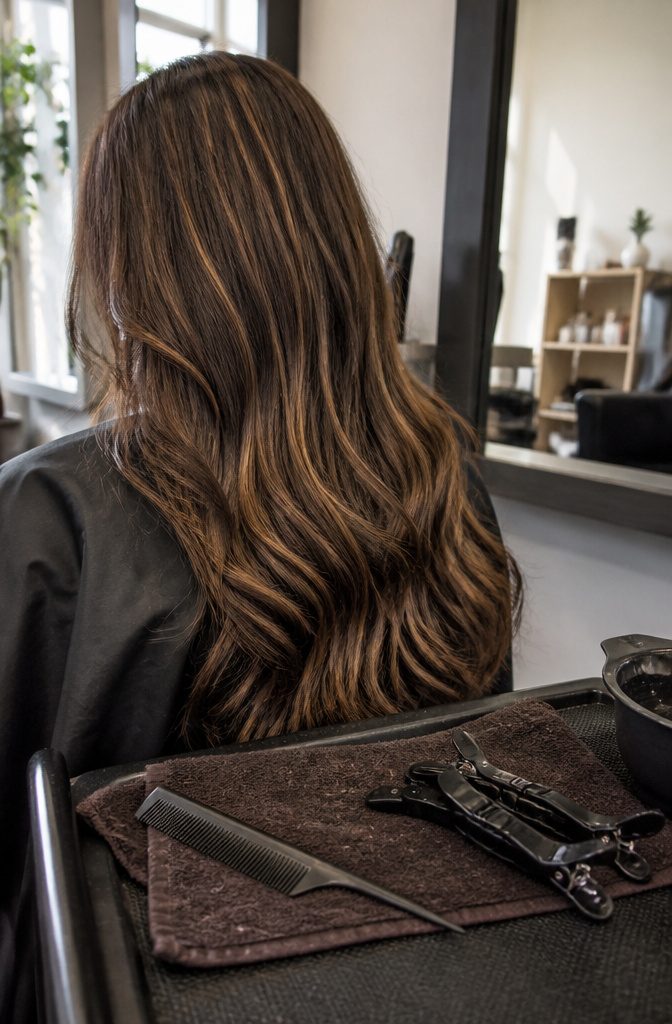
Tiny streaks are the blended option: thin, carefully placed strands that add dimension without announcing themselves. Gold on a chocolate brown base is the natural version, and it reads as sun-warmed depth rather than a color job.
Red on espresso is the louder pairing. The strands stay thin, but red against that dark base catches light and gets noticed.
I’d choose gold if you want people to say your hair looks great without knowing why, and red if you want them to know exactly why.
Ask your colorist to lace the strands throughout instead of stacking them in one section, because that spread keeps them from reading as stripes.
Turquoise Streaks
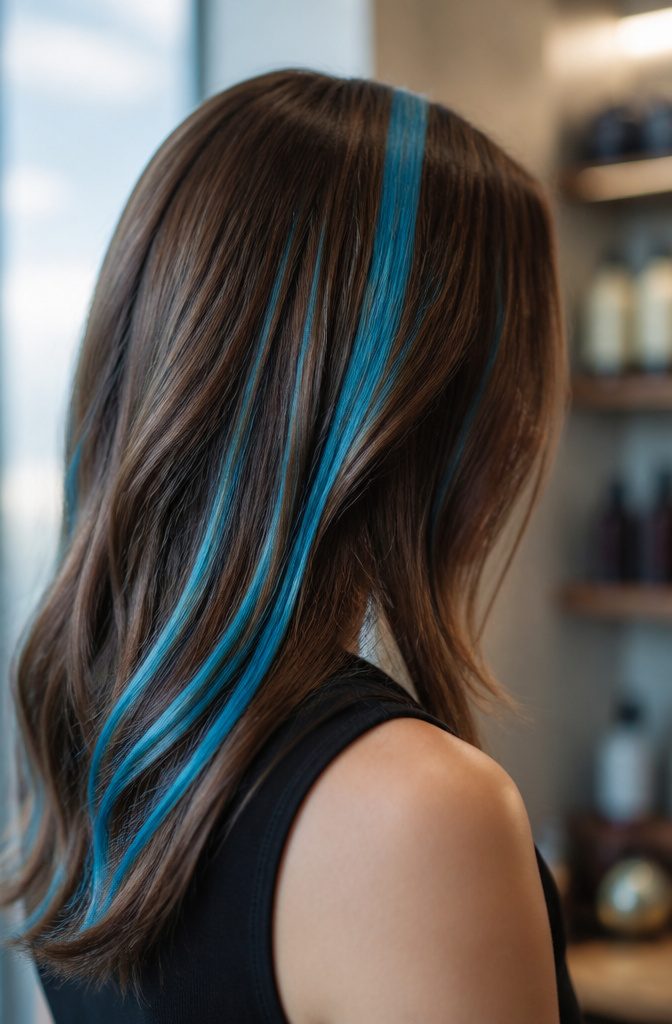
Turquoise is a vivid blue with a mermaid feel, and it works on brown, blonde and black bases alike.
Against rich brown, I think it looks best: the deep backdrop gives the streaks the most contrast, so even a few read as a deliberate accent.
For the color itself, L’Oréal Paris Colorista Semi-Permanent Hair Color in Turquoise is the product to start with.
A semi-permanent formula is a gentler commitment than permanent dye, which suits a shade this loud. If you’re torn between a thin streak and a wide one, go thin on blonde and let brown and black carry a bolder stripe.
Stand-Alone Streak
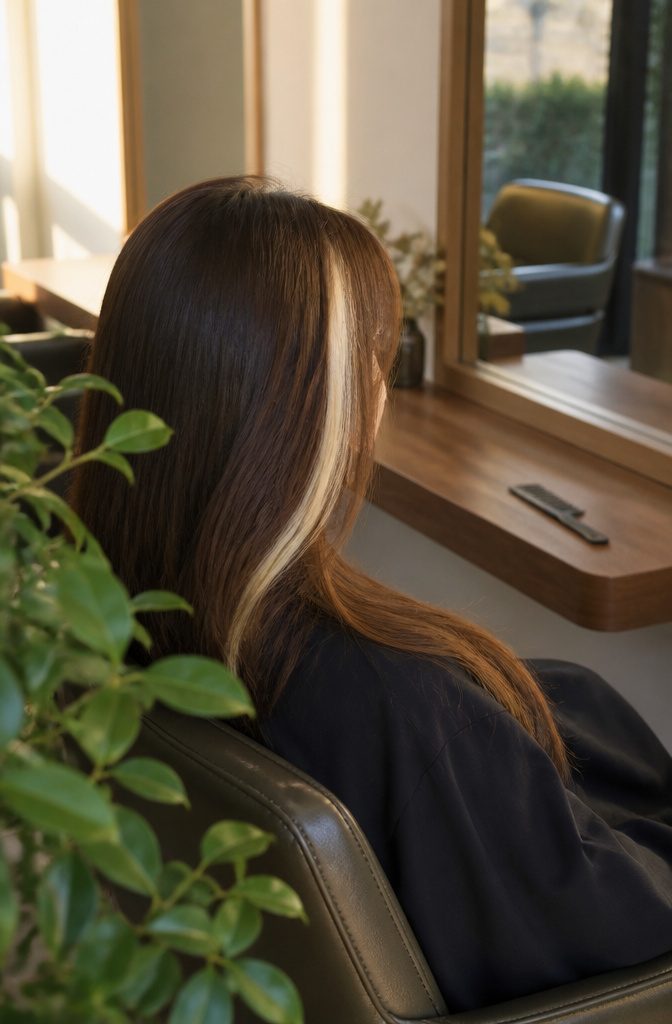
A single streak near the front of the head does the work of a full color plan.
Because it sits alone, it reads as a decision rather than a leftover from a bigger job, and the eye lands on it and then on your face.
Placement matters more than shade here: put the one streak at the front, framing your face, and leave everything else your current color.
I’d pick this over scattered streaks for anyone who wants a single statement and no overall change. Adding a second or third streak turns it into a different look and costs you the clean focal point that made it work.
Platinum Streaks
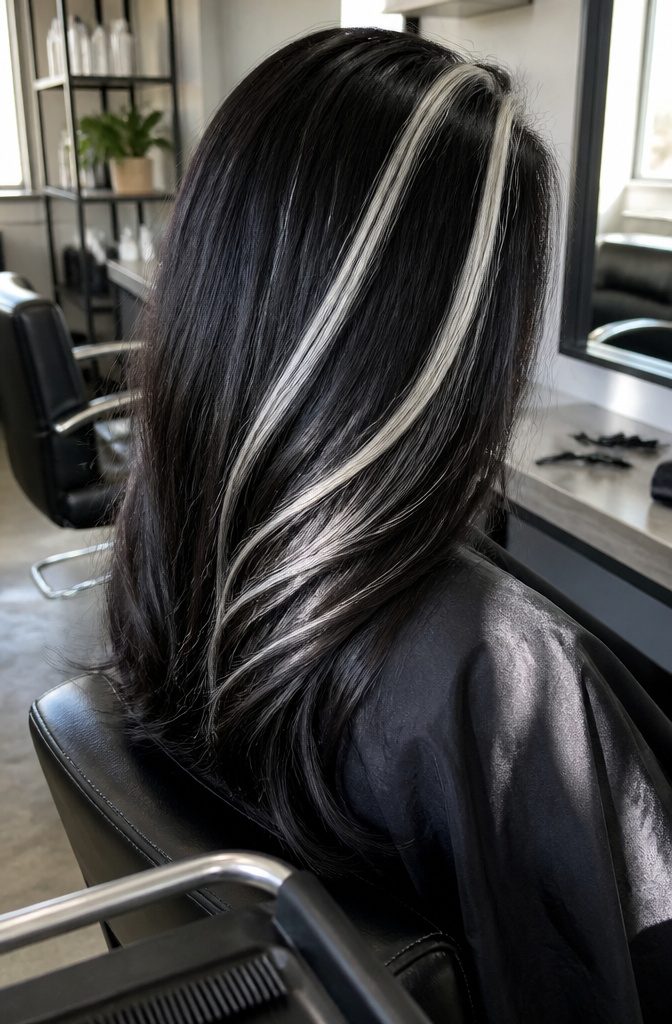
Platinum is the boldest streak on the list, and it needs a dark base to work. Platinum streaks only read on dark hair, because the whole look is contrast.
Pale pieces against deep strands look stark and deliberate. On light hair, the streak sits too close to the color around it and blends in, so you get a faint change from what is meant to be a loud one.
On black or dark brown hair, I’d pick platinum over any softer shade if you want the color seen from across a room.
Bring a photo to the salon and ask for "platinum streaks" so the stylist knows how bright you mean. Keep the pieces few if you want an accent rather than a full stripe pattern.
Red and Burgundy Streaks
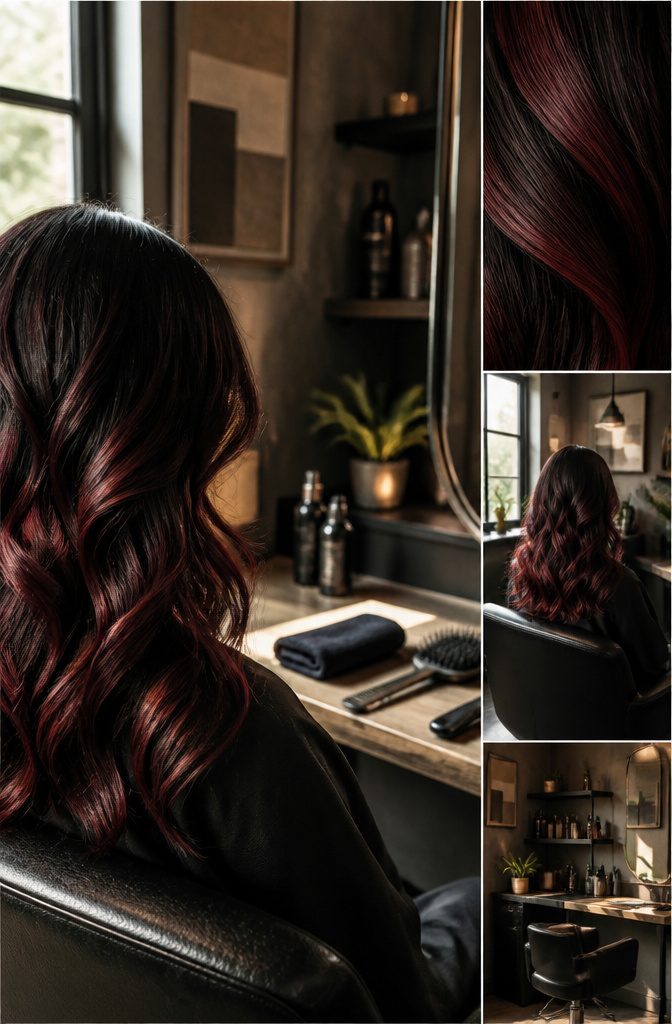
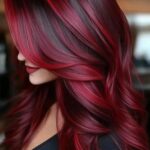
Red streaks look striking against a dark base, and a bright ruby red gives the strongest contrast.
For most people I’d steer toward ruby wine instead. This deep burgundy is versatile: it draws attention without shouting, and on dark Indian hair tones it blends in enough to read as subtle.
Fair to medium skin tones get a pop of richness from it too, and it swings between glam and relaxed with the outfit.
Warm undertones suit ruby wine best, so if your skin leans golden, this is the red to ask for by name.
Bangs Streak
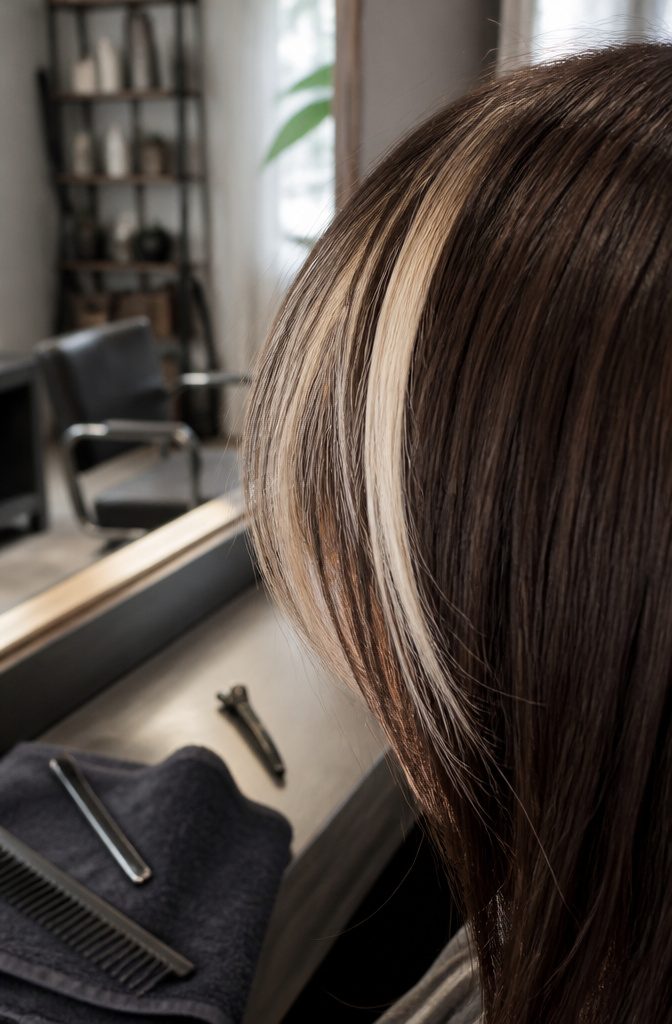
Bangs sit closest to the eyes, so a streak here shows up in every photo and every glance in the mirror. Color the whole fringe or only a few strands; either way, make sure it contrasts with your base.
Platinum blonde is the shade I’d pick for this spot. Against brown or black hair, a platinum streak in the bangs brightens the center of the face and pulls attention toward the brows and cheekbones, almost like a built-in highlight.
On a lighter base that contrast shrinks, so I’d color a few strands rather than the full fringe, which keeps it reading as a streak.
Peek-a-Boo Streak
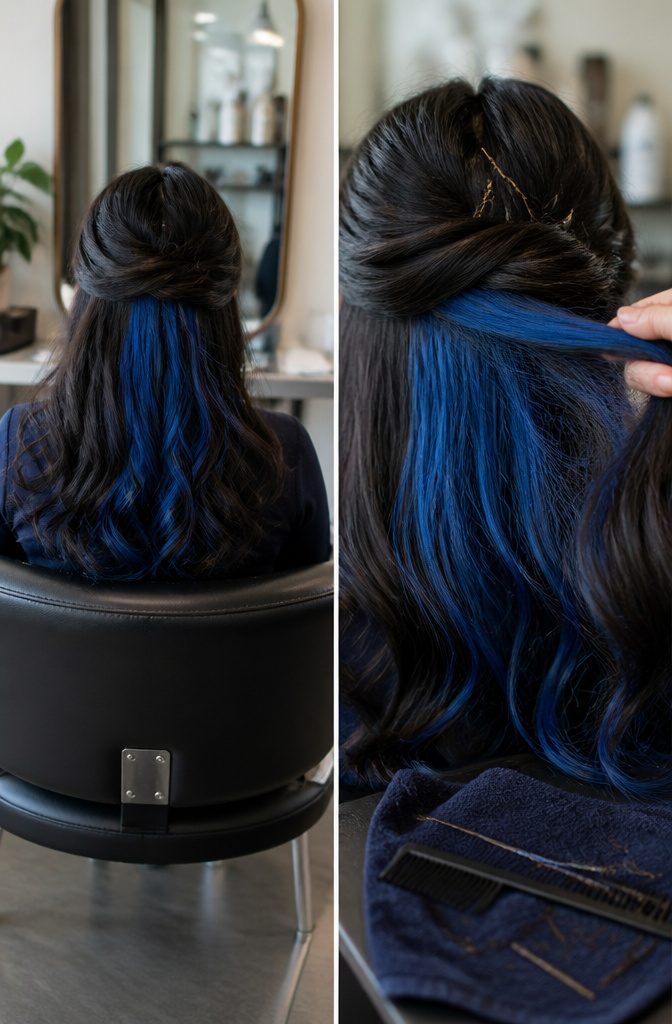
A peek-a-boo streak sits on the underlayer of your hair, so wearing it down covers the color and pulling it up shows it off.
For anyone who needs to keep things low-key at work, or wants a bold shade to appear only at certain events, it is the easiest placement to live with.
I’d choose it over any front-facing streak for a first try, since a bright pink or blue stays out of sight until you decide otherwise.
Wear your hair down and the streak disappears; a ponytail, bun or half-up style brings it out. Styling controls the reveal, so there’s no hiding it behind a hat or a careful part.
Pastel Blue Streaks
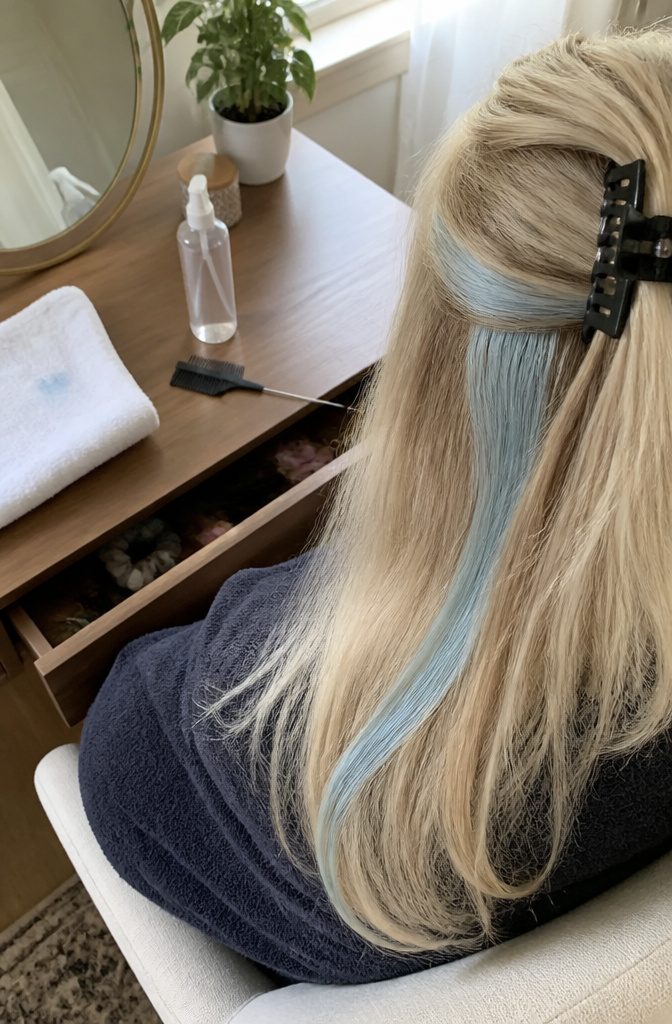
Pale blue is one of the few pastels that flatters blondes, brunettes and every shade between, which makes it an easy first streak to try.
The L’Oréal Paris Colorista Hair Makeup Temporary 1-Day Hair Color Spray in Pastel Blue is how I’d test it: a one-day color, so a bad guess costs you a shampoo.
Spray a single section instead of your whole head, and clip the rest of your hair back so the blue stays a clean stripe.
If you still like it by evening, you have a good reason to look at something longer-lasting. If it reads too sweet against your skin tone, you’ve lost nothing.
Neon Green Streaks
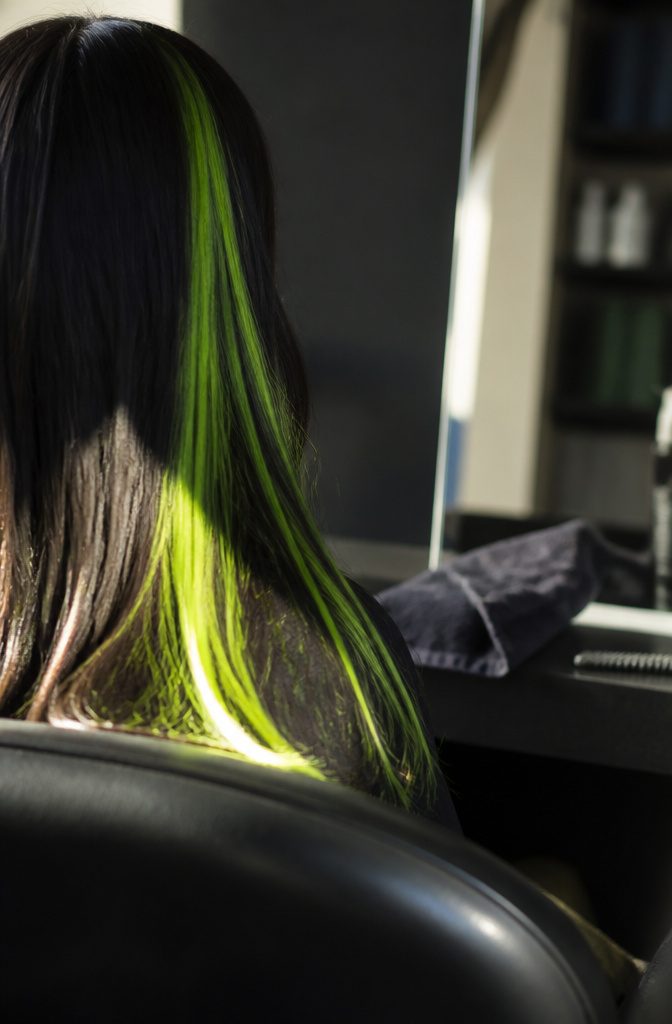
Neon green is the loudest shade in any streak lineup, and the L’Oréal Paris Colorista Hair Makeup Temporary 1-Day Hair Color in Neon Green is where I’d start.
It glows in the dark, and it washes out in one shampoo, so a wrong guess costs you a single day instead of months of growing out.
That makes it a fair test for anyone who loves the look on Pinterest but can’t picture it against their own skin tone and base color.
Apply one streak near your face, then check it in daylight and again in dim light, where the glow shows.
If you still like it by evening, a longer-lasting version is worth taking to a stylist. If you don’t, one wash settles the question.
Box-Braid Streaks
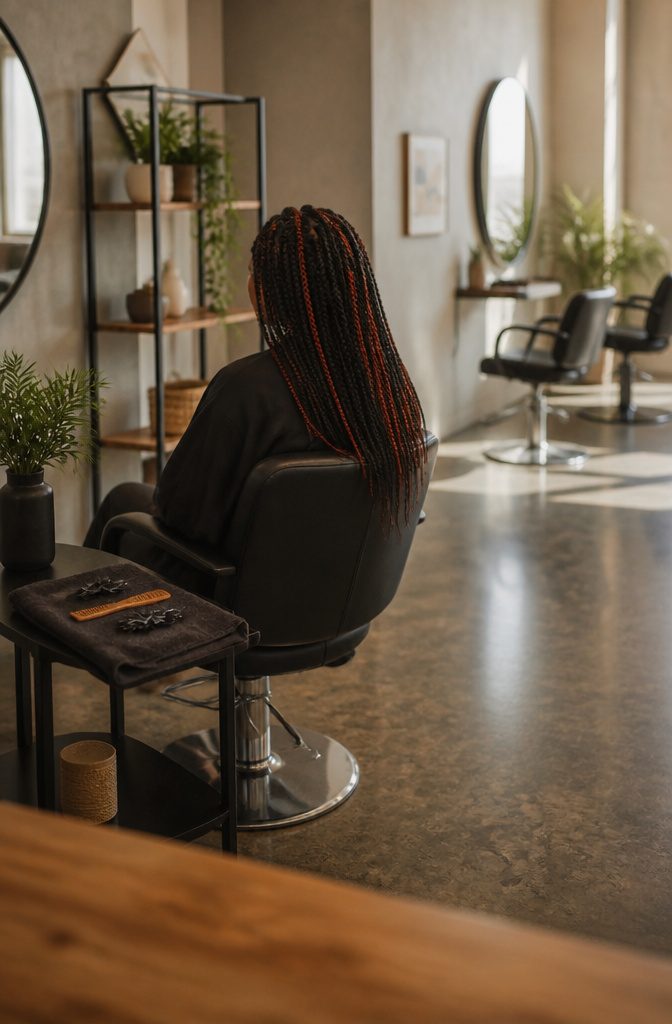
Box braids come pre-sectioned, which makes them a natural fit for streaks: color only select braids in a different hue and leave the rest of the style alone.
Red and auburn are my picks, since both read as warm accents rather than a full change.
For a low-commitment test, L’Oréal Paris Colorista Hair Makeup Temporary 1-Day Hair Color in BronzeAuburn is made for coloring strands yourself, and as the name says, it lasts a single day.
That makes it a fair way to see auburn against your braids before settling on it. If you can’t pick one shade, go multicolored and give each streaked braid its own hue.
Multicolored Streaks
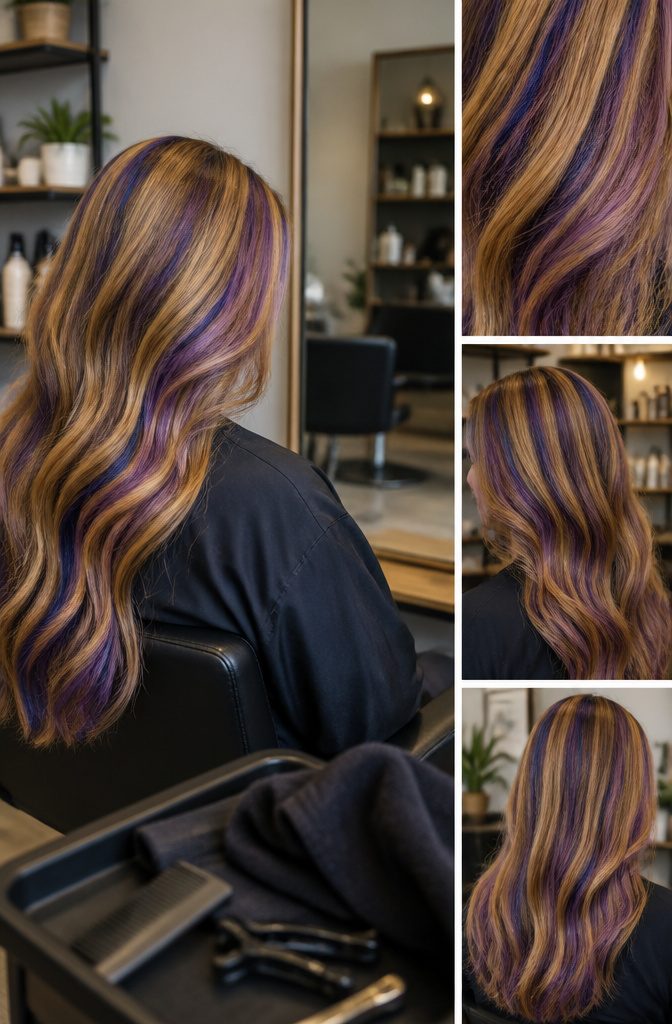
Gold and royal purple works because the two sit near opposite sides of the color wheel, so each makes the other look richer instead of muddy.
Copy that logic: keep every shade at the same intensity, all deep and jewel-toned or all soft, and the streaks read as one palette. I’d stop at three colors, since a fourth starts to look like a box of markers.
Give one shade the most strands and let the others play support. Placing the accent colors side by side, rather than spacing them evenly, makes the pairing read as a deliberate stripe instead of confetti.
Moonstone Streaks
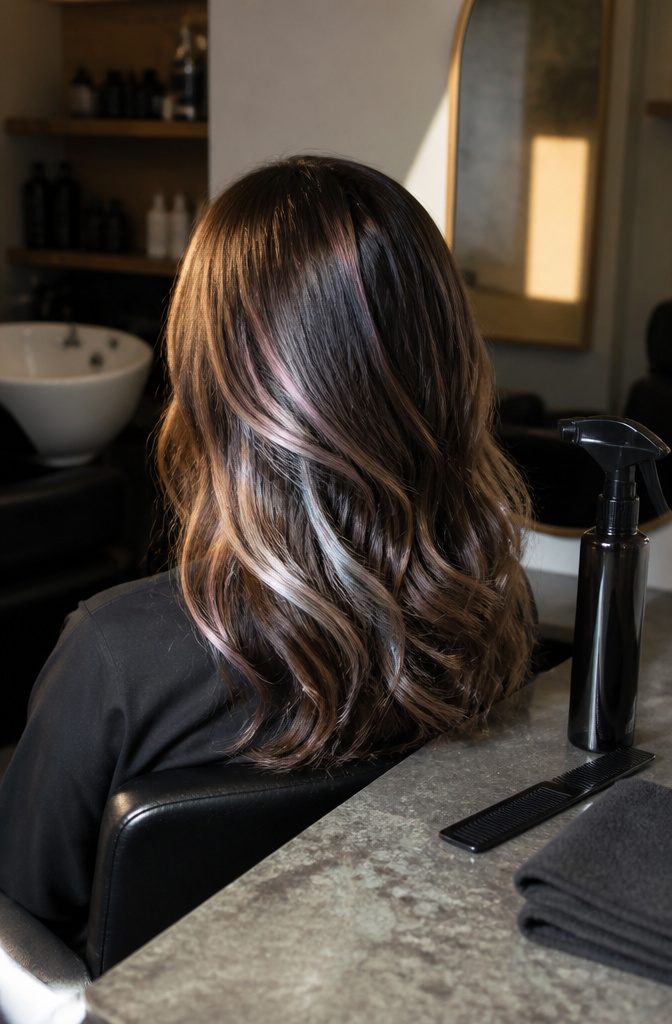
Moonstone is the streak that won’t settle on one color. The finish is pearly and shade-shifting, an iridescent look in the same family as the holographic hues that were everywhere in 2020.
The easiest way to try it is the L’Oréal Paris Colorista Hair Makeup Temporary 1-Day Hair Color in Moonstone.
The "1-Day" in the name tells you it’s a temporary color change, so you can test the effect without committing to anything permanent.
I’d keep it to a few face-framing sections, because a shifting, pearly shade reads best against a plain backdrop of your natural color. For a first attempt, I’d choose this over a permanent iridescent job every time.
Indigo Streaks
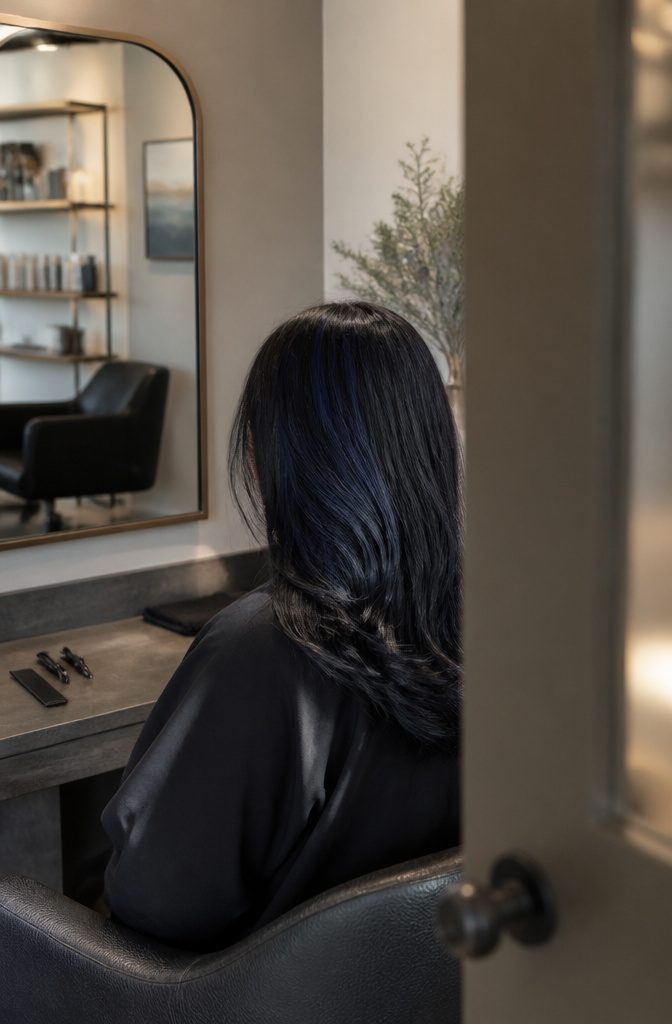
Indigo is the blue for anyone who wants color without the glare.
On black hair, this deep shade gives the look of a star-filled midnight sky: dark first, blue second. Electric and pastel blues announce themselves from across the room, while indigo rewards people standing close enough to notice.
L’Oréal Paris Colorista Semi-Permanent Hair Color in Indigo is the one to reach for.
For an office or classroom, I’d pick it over a brighter blue, since a streak that reads almost black at a distance is easier to live with.
It stays quiet. If you want the streak spotted from across a parking lot, skip it.
Chunky Streaks
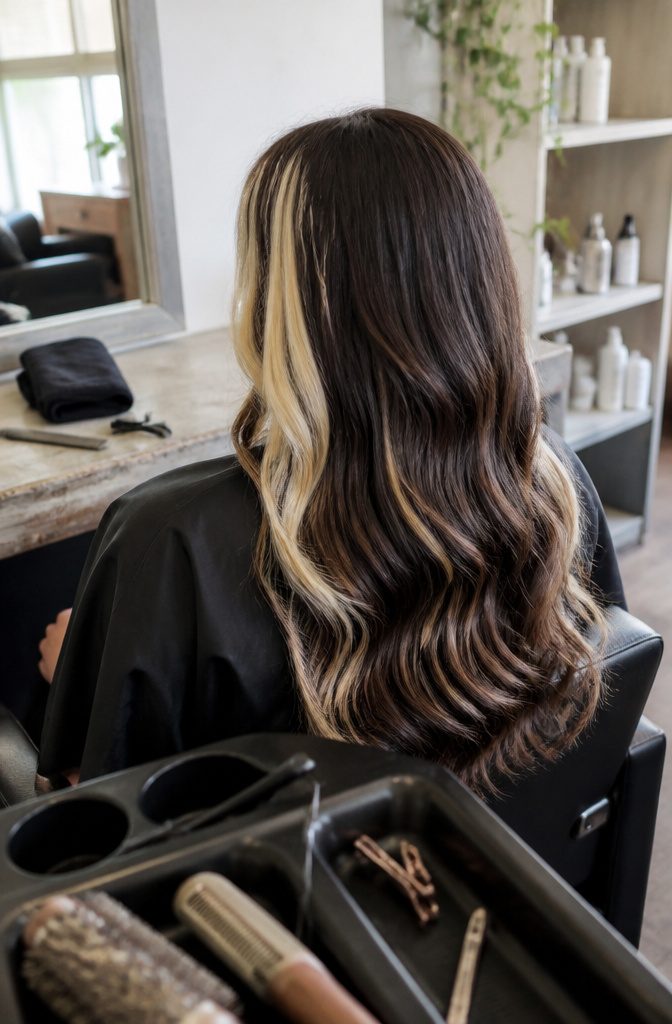
Thin streaks whisper; chunky ones announce themselves.
A wide piece reads as a deliberate stripe rather than a glint, so placement matters more here than with fine highlights. Two face-framing chunky streaks, one on each side, give you contrast without overwhelming the rest of your hair.
Scattering wide pieces all over is the version I’d skip. The contrast gets diluted, and the look turns busy instead of bold.
Face-framing pieces sit right beside your cheeks and jaw, so they are the first thing anyone sees when you turn your head.
They also sit closest to your skin, which means the shade has to flatter your face, not just look good in a photo.
Clip-In Streaks
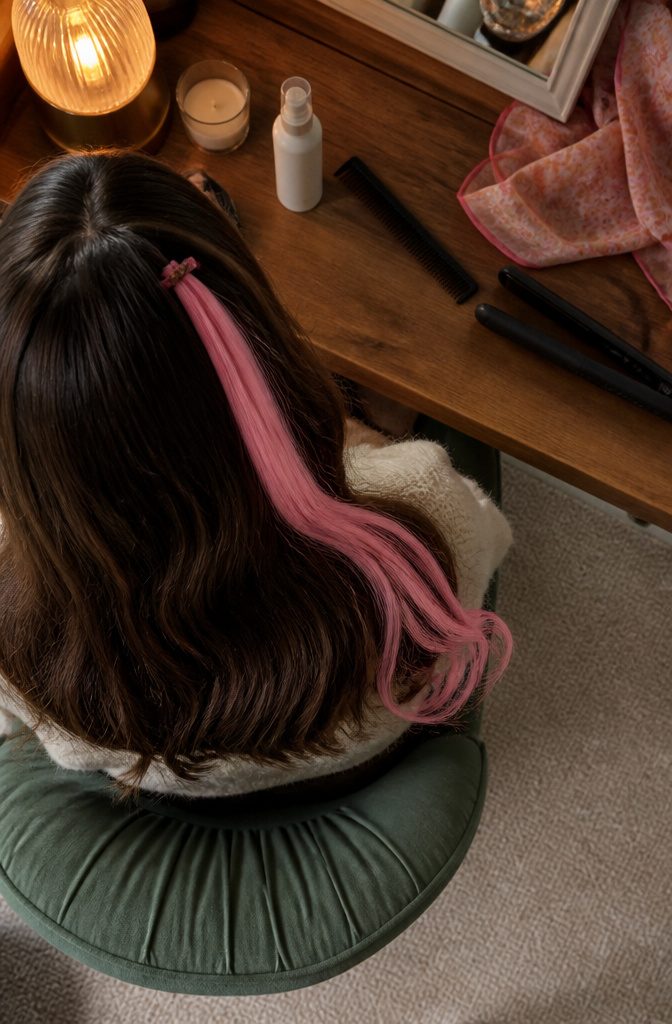
Clip-in streaks give you color without applying temporary dye every morning, and without committing to anything. They snap in and come out in moments, so a pink stripe can last through brunch and be gone by the commute home.
Diva Divine’s Barbie Core Pink Coloured Strands are 100% human hair and tangle-free, with single or triple clip options.
Because the hair is human, clip-in highlights can be heat-styled after a heat-protectant spray, which lets you curl or smooth the stripe to match the rest of your hair.
They need no salon bleaching either, so your own strands never take the chemical hit.
I’d choose the single clip for a thin accent and the triple for a wider, bolder stripe.
Caramel and Golden Blonde Streaks
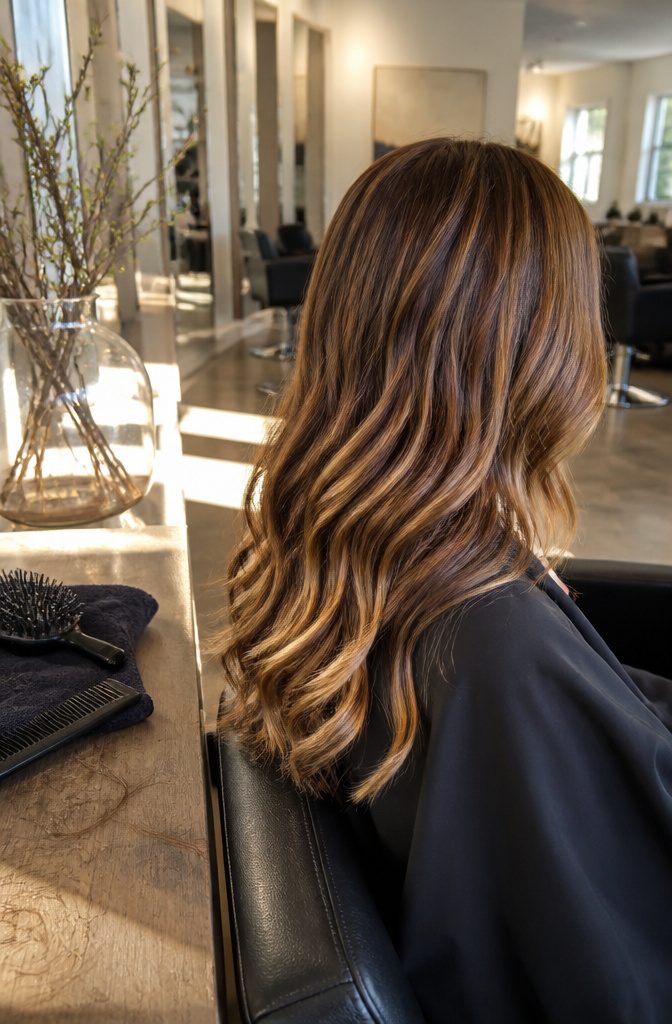
On a warm brown base, caramel blonde is the streak I’d pick first.
The shade reads as chocolate melting into caramel, so it looks like part of your hair instead of a stripe laid on top. It gives a soft, natural lift, the opposite of the sharp contrast icy blonde delivers.
Honey and sun-kissed streaks run a touch brighter but stay warm.
Golden blonde goes furthest, and it flatters warm undertones best. On cool undertones I’d choose a different family.
Neutral undertones can wear nearly any of these. The contrast frames your face, which is why the look suits weddings and vacations.
Barbie Pink Streaks
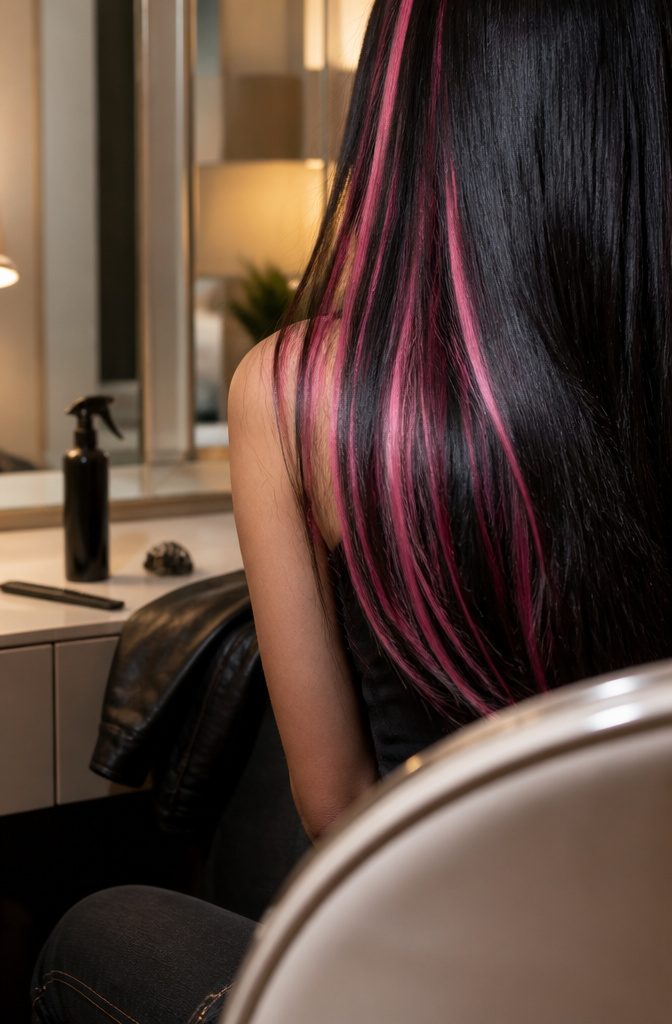
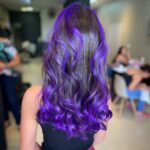
Vivid pink holds its own on glossy black, deep brown and lighter hair alike. A few streaks are enough, since they add drama without drowning your natural color.
Styling sets the mood.
Waves read romantic, and sleek straight hair gives the pink a chic, edgy line. I’d go straight if you want to be noticed.
For anyone who doesn’t want to dye, Diva Divine’s Barbie Core Pink strands are made from 100% human hair and are tangle-free.
They come with single or triple clip options for a secure grip, so the pink goes in for a night out and comes out afterward.
Lavender Streaks
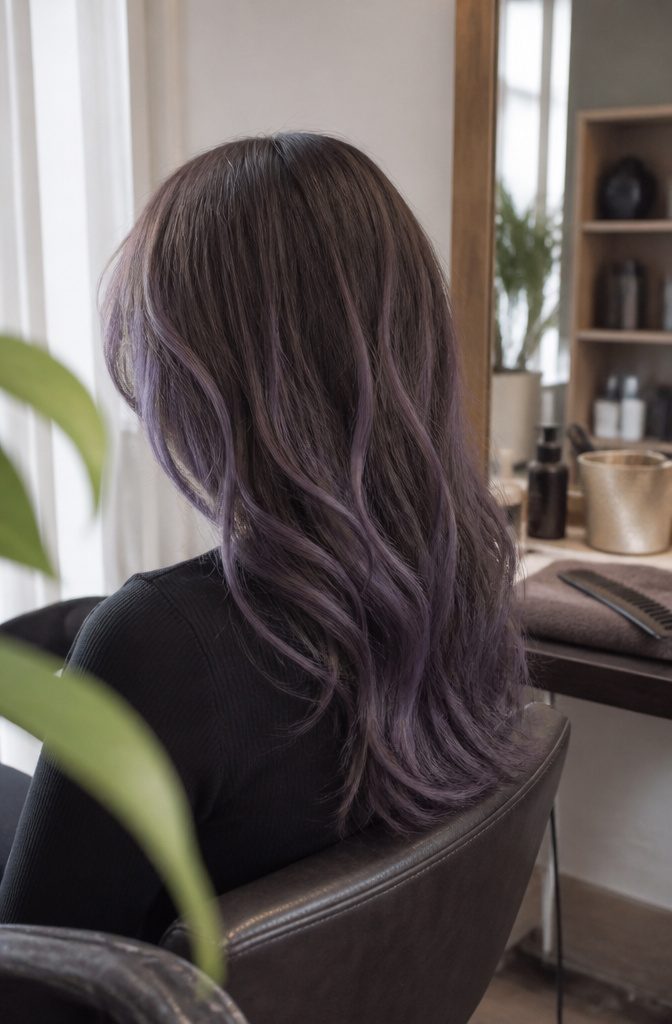
Lavender sits between mystical and fashion-forward, and it reads far softer than a neon.
It has a playful edge without shouting, so it works as well at a brunch date as at a music festival. For a first streak that still looks elegant in photos, I’d pick it over almost any bright.
Undertone decides how well it lands. Lavender pops against cool undertones, so that’s where it wins.
Neutral undertones can wear it easily, since most shades work on them. If your undertone runs warm, I’d skip lavender and choose golden blonde or ruby wine, which glow on warm skin.
Emerald-Green Streaks
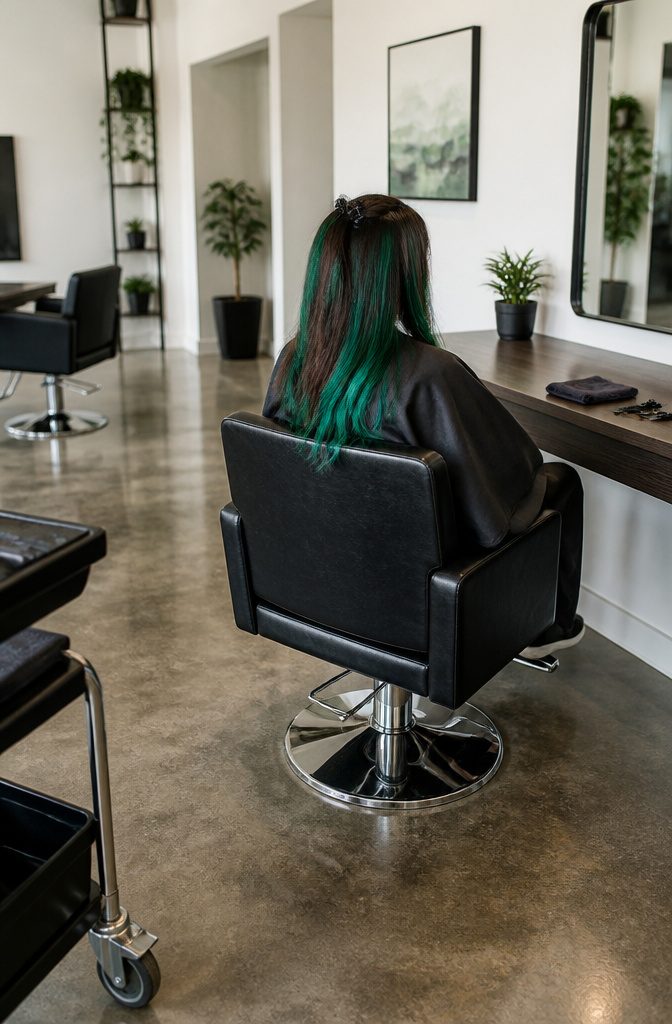
Emerald is a jewel-toned green, and its look depends on what’s underneath.
On black or dark brown hair, it gives a sharp, high-contrast streak. On lighter bases, the same shade turns richer and more earthy, so expect a softer result the lighter you start.
Cool undertones get the most from it.
Emerald sits especially well against that skin, and neutral undertones can wear it too. Warm undertones tend to look better in golds and wine reds.
Before you commit to dye, I’d try the Enchanted Emerald Coloured Strands.
These clip-in pieces mean no salon bleaching, so you can see how the green plays against your skin and base color first. If it looks wrong, you unclip it.
Electric-Blue Streaks
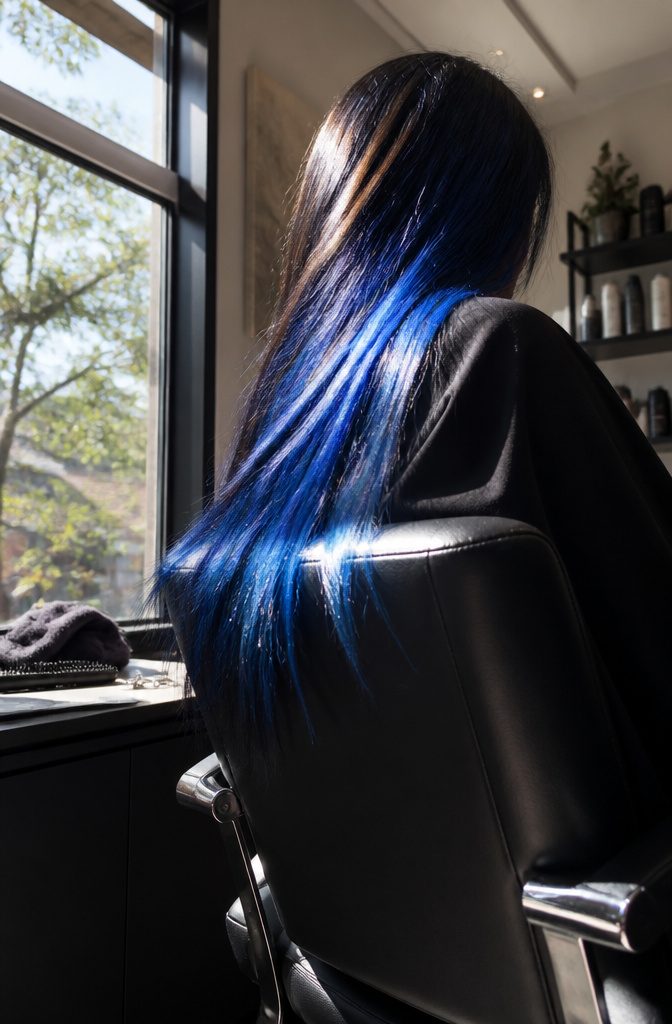
Electric blue shifts with the light, reading as deep ocean tones in shade and bright sapphire in direct sun.
That depth separates it from the turquoise streaks earlier, which are bright and mermaid-style, and from pastel blue, which stays pale and soft in any light. A streak in this shade has more range than either.
Undertone decides whether it works on you. Cool undertones pop against electric blue, and I’d put it first on the list for anyone who looks best in silver.
Warm skin does better with ruby wine or golden blonde. Neutral undertones can wear it too.
It started as an early-2000s rebellion shade, but it now shows up in everyday street style.
Icy-Blonde Streaks
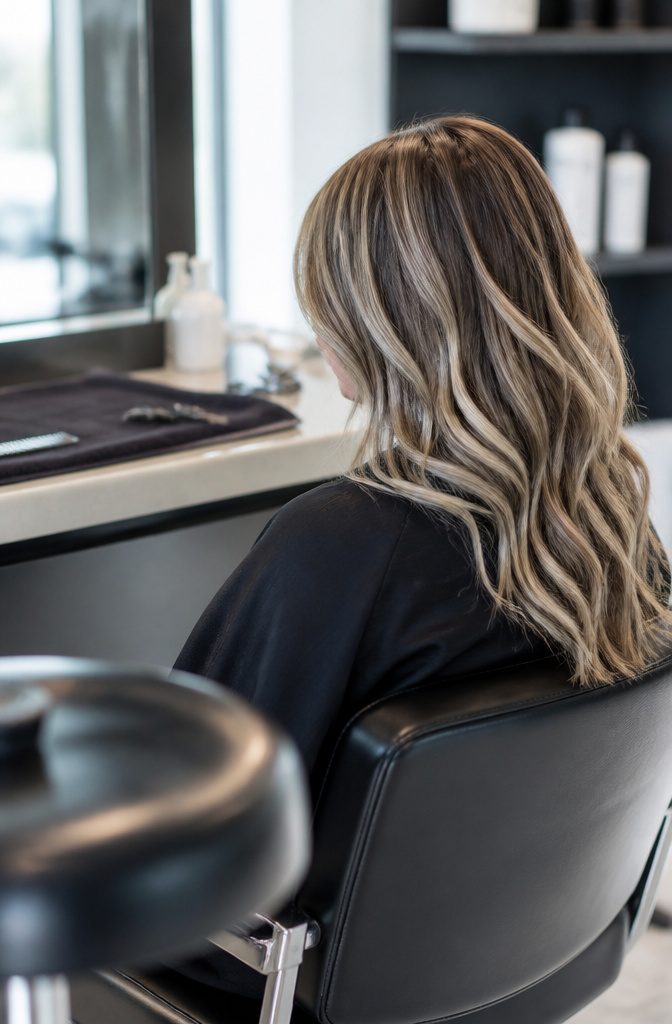
Icy-blonde streaks sit between caramel and platinum: cooler and bolder than caramel’s soft, natural lift, but not as stark as full platinum.
The shade gives hair a fashion-week-ready edge, which is why it suits weddings, vacations, or any day you want a little drama.
It also needs contrast to read as a stripe, so a brown or darker base is where it shows up best.
On hair that is already light blonde, the pale, cool tone melts into the surrounding color and the stripe nearly vanishes.
I’d choose icy over caramel if you want the streaks noticed across a room. Caramel is the better pick if you’d rather people assume the sun did it.
Sunshine-Yellow Streaks
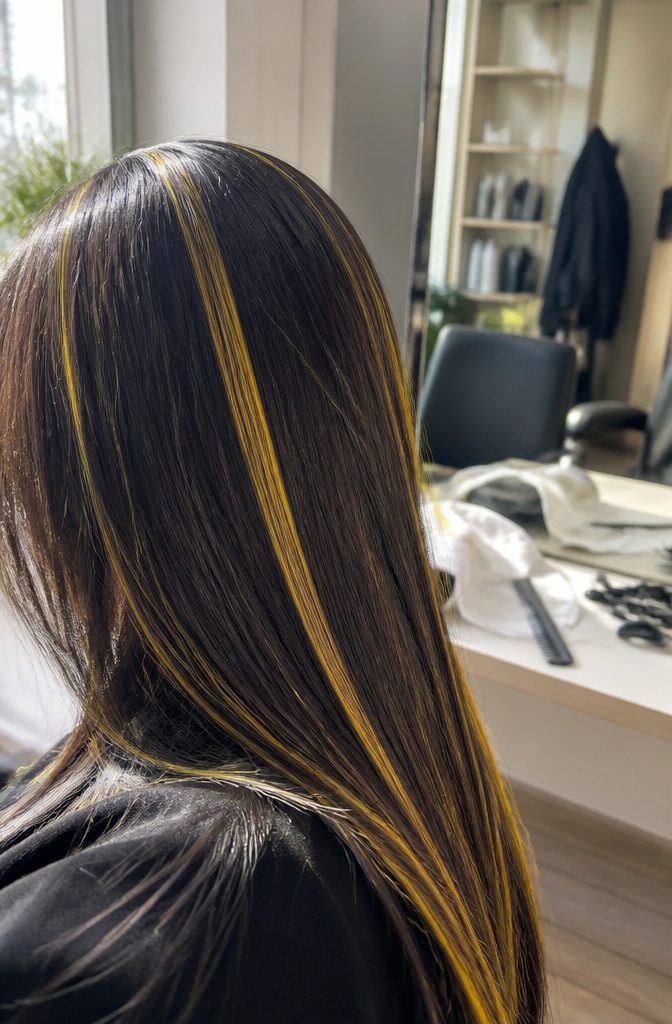
Yellow is the brightest streak shade you can pick, and a few strands let you wear it without dyeing your whole head.
It has moved from K-pop idols and festival crowds into a real fashion statement, and a handful of yellow pieces reads as pure energy.
Texture sets the mood.
On curls, the streaks look carefree and summery. On sleek straight hair, the same shade turns sharp and editorial, and I’d choose that route for a dressier occasion.
Warm undertones suit sunshine yellow best, because the color echoes the warmth already in your skin.
Neutral undertones can wear it too. If yours run cool, I’d steer toward lavender or electric blue instead.
Match the Base Color
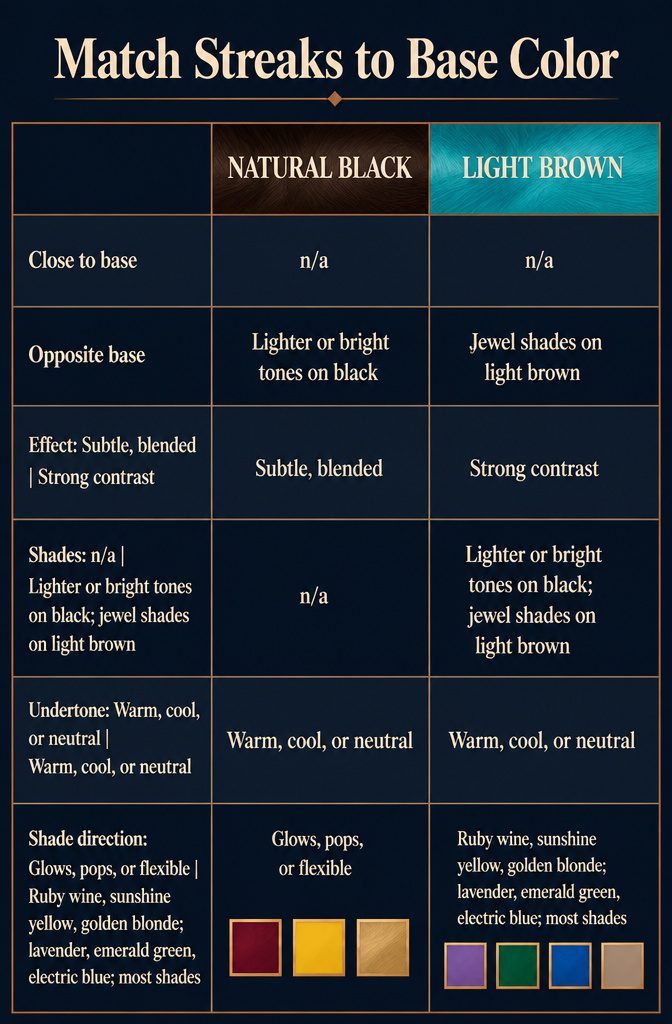
Distance from your base sets the volume.
A streak close to your natural shade blends in, while one opposite it on the color wheel reads bold. Undertone then narrows the exact shade.
| Choice | Effect | Shades |
|---|---|---|
| Close to base | Subtle, blended | n/a |
| Opposite base | Strong contrast | Lighter or bright tones on black; jewel shades on light brown |
| Warm undertone | Glows | Ruby wine, sunshine yellow, golden blonde |
| Cool undertone | Pops | Lavender, emerald green, electric blue |
| Neutral undertone | Flexible | Most shades |
I’d decide the contrast level first, then let undertone pick the shade. A bold streak in the wrong undertone is the version you’ll notice every time you pass a mirror.
Pick Your Boldness
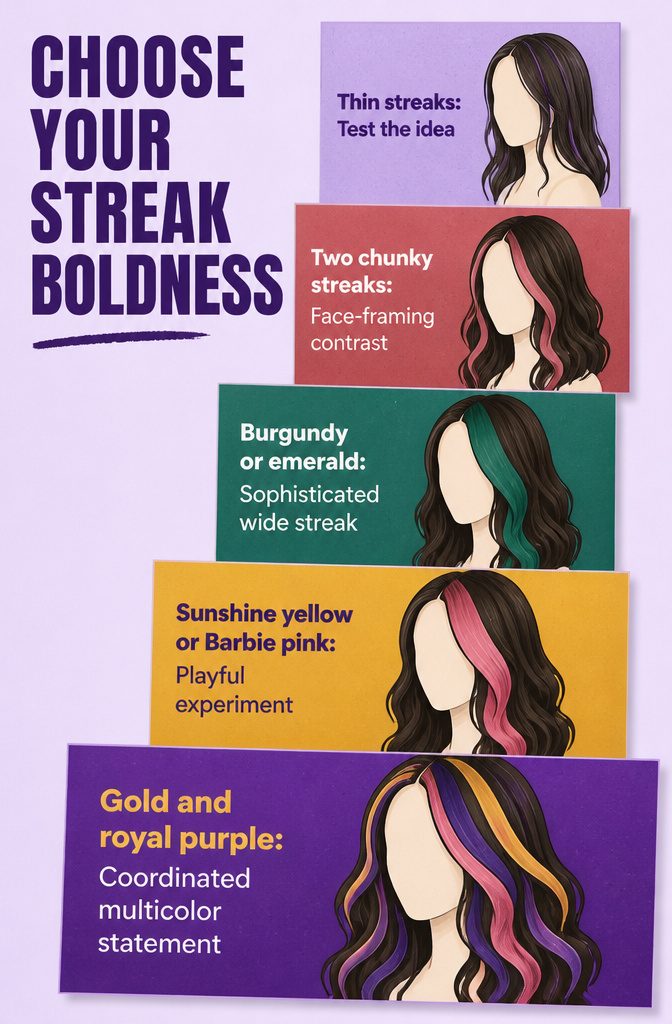
Thin, subtle streaks suit anyone who wants to test the idea first, or who isn’t ready for a bright stripe to draw comments.
Chunky streaks are the step up: two face-framing chunky streaks give enough contrast to look deliberate without covering your whole head. I’d choose that route once you know you like the look.
Shade matters as much as width. Sunshine yellow or Barbie pink reads playful and experimental.
Burgundy or emerald keeps even a wide streak sophisticated, so first-timers should start there. Multicolored streaks are the full statement, and coordinating shades such as gold and royal purple keep them from looking chaotic.
Color Without Commitment
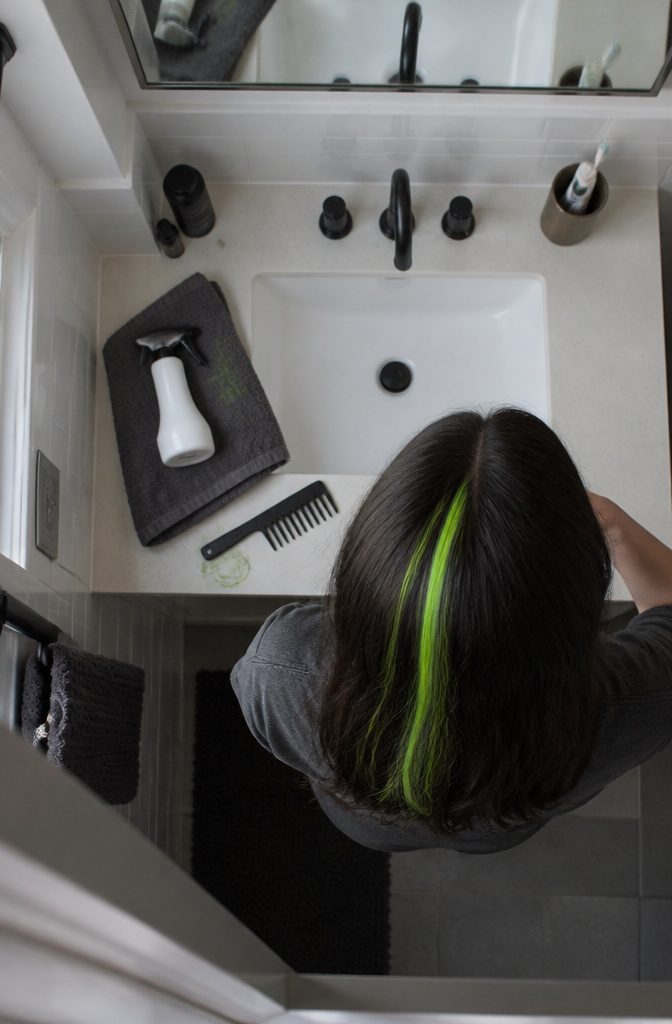
Streaks can change your look while your base color stays put, as long as the color is temporary.
The L’Oréal Paris Colorista Hair Makeup Temporary 1-Day Hair Color in Neon Green glows in the dark and washes out in one shampoo, so a bad idea is gone by the next wash.
I’d pick a one-day spray over permanent color for any first try at a loud shade. Neon green is hard to live with for weeks, and a spray lets you test it against your skin tone before committing.
Clip-in colored strands made from human hair are the other route. They leave your own hair untouched and can stay in longer than a single wash.
Frequently Asked Questions
How do you put pink stripes in your hair?
The no-dye route is clip-in pink strands, such as Diva Divine’s Barbie Core Pink Coloured Strands, which are 100% human hair and tangle-free.
Use the single clip for a thin accent or the triple clip for a wider stripe. Pink shows up on black, deep brown and lighter hair, and a few streaks are enough to add drama without covering your natural color.