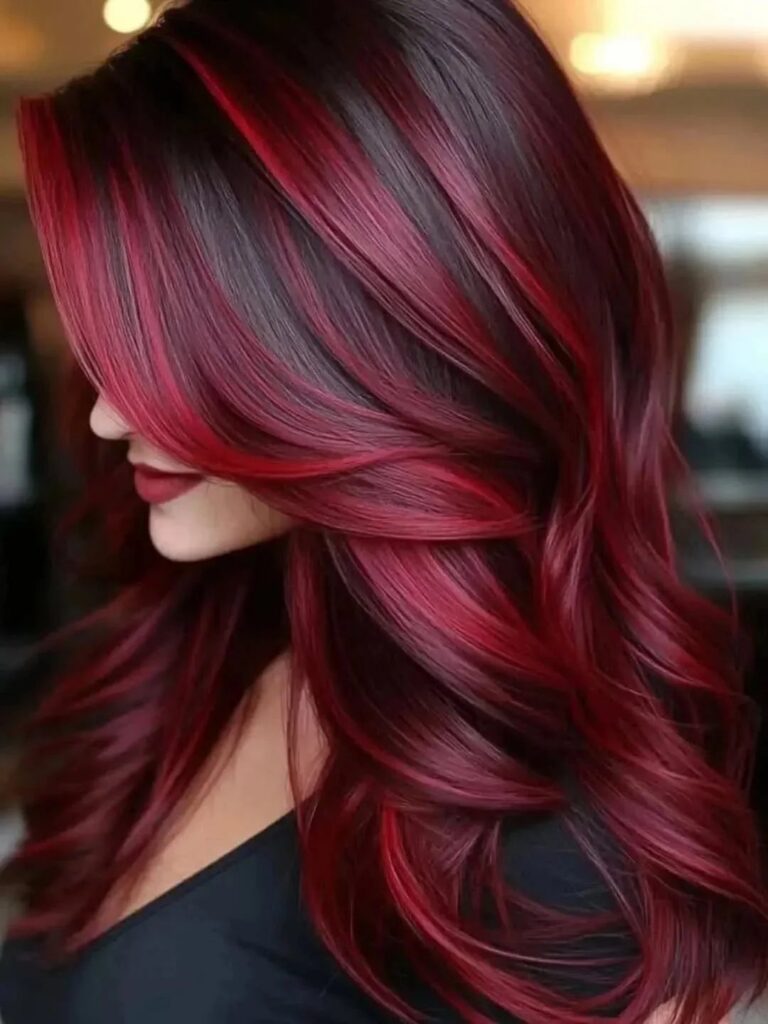
The ideas here run from natural-looking dimension like babylights and freehand balayage to all-over vivid shades like pink and purple, plus guidance on choosing by undertone and keeping color fresh.
Your skin undertone decides which shade will look natural on you: warm undertones suit caramel and chestnut, cool undertones take ash brown and espresso, and neutral can go either direction.
1. Freehand Balayage Gradient
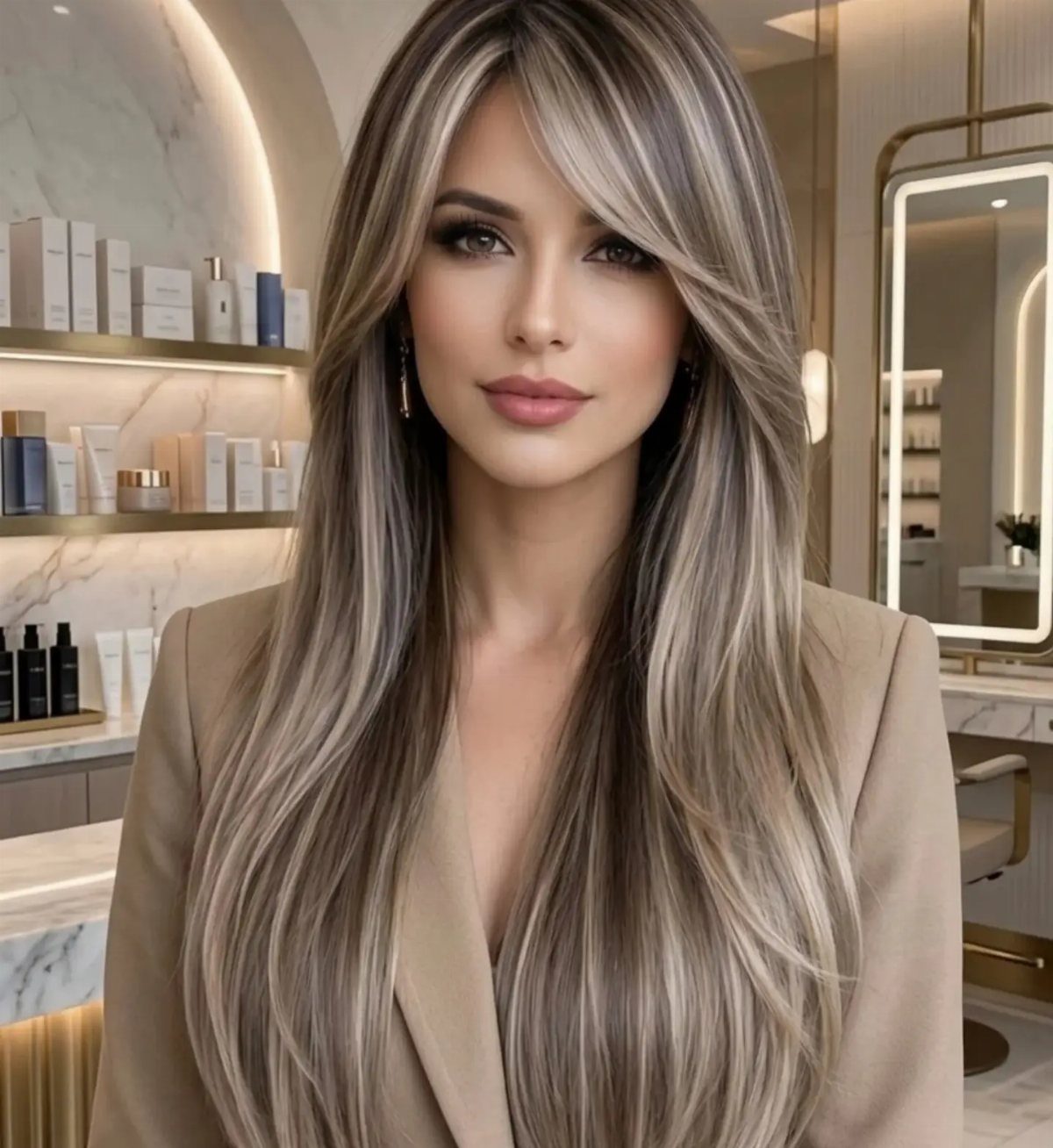
Color is painted onto the hair rather than pulled through foils, which gives a soft, lived-in fade from darker roots to lighter ends.
The hand-painting method lets a colorist place highlights exactly where they want them, so the result looks less striped than foil highlights.
Upkeep is lighter than full highlights because the roots blend naturally as they grow. Touch-ups keep the gradient looking deliberate; skip them if you want a deeper root or you like how the contrast softens over time.
This suits someone who wants dimension without a sharp line of regrowth. The gradient reads as sun-lightened rather than obviously dyed.
2. Ombre
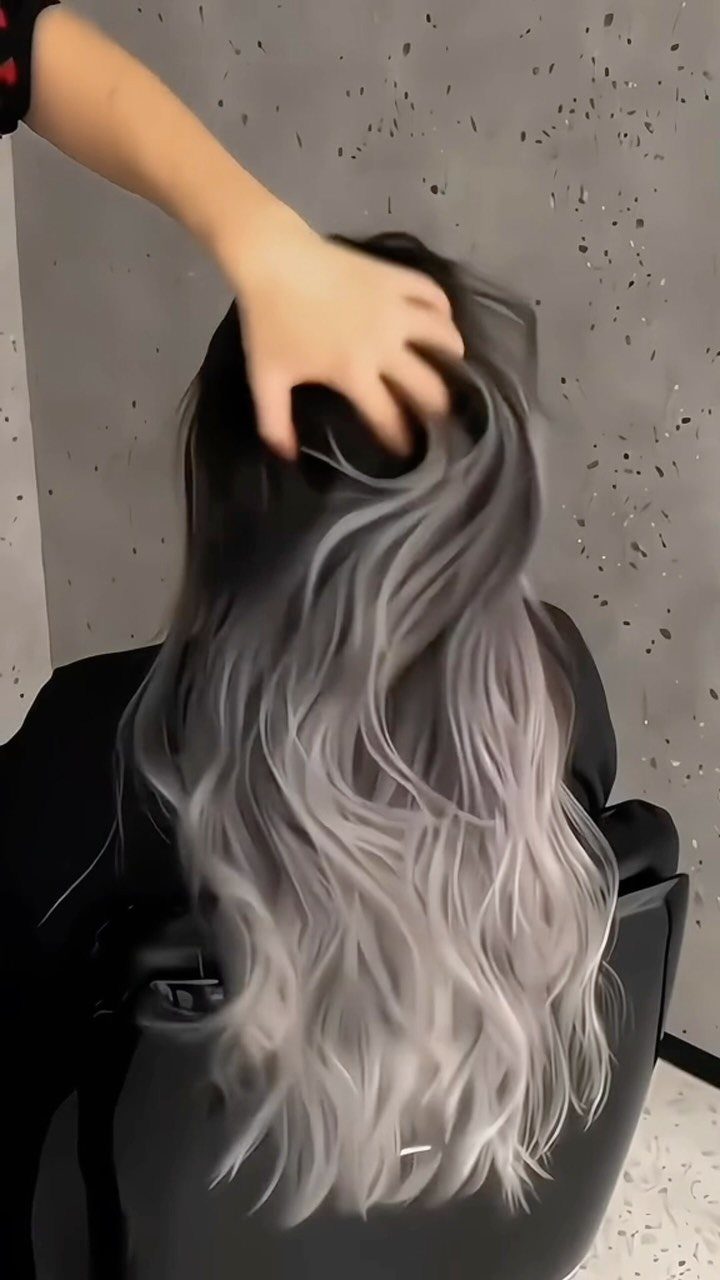
Ombre keeps your natural root and shifts to a different color somewhere below it.
The transition can sit anywhere from mid-length to just the last few inches, and the contrast can be subtle or dramatic depending on how far apart the 2 shades are.
Dark roots that melt into silvery gray ends need pre-lightening unless you start pale blonde. If you’re working with box dye at home, ombre works best when you’re lifting the ends 2 shades or less; anything more benefits from salon bleaching.
The grow-out is forgiving because the roots are left natural. You can refresh the ends every few months or let them fade and trim them off.
3. Red Brown Hair
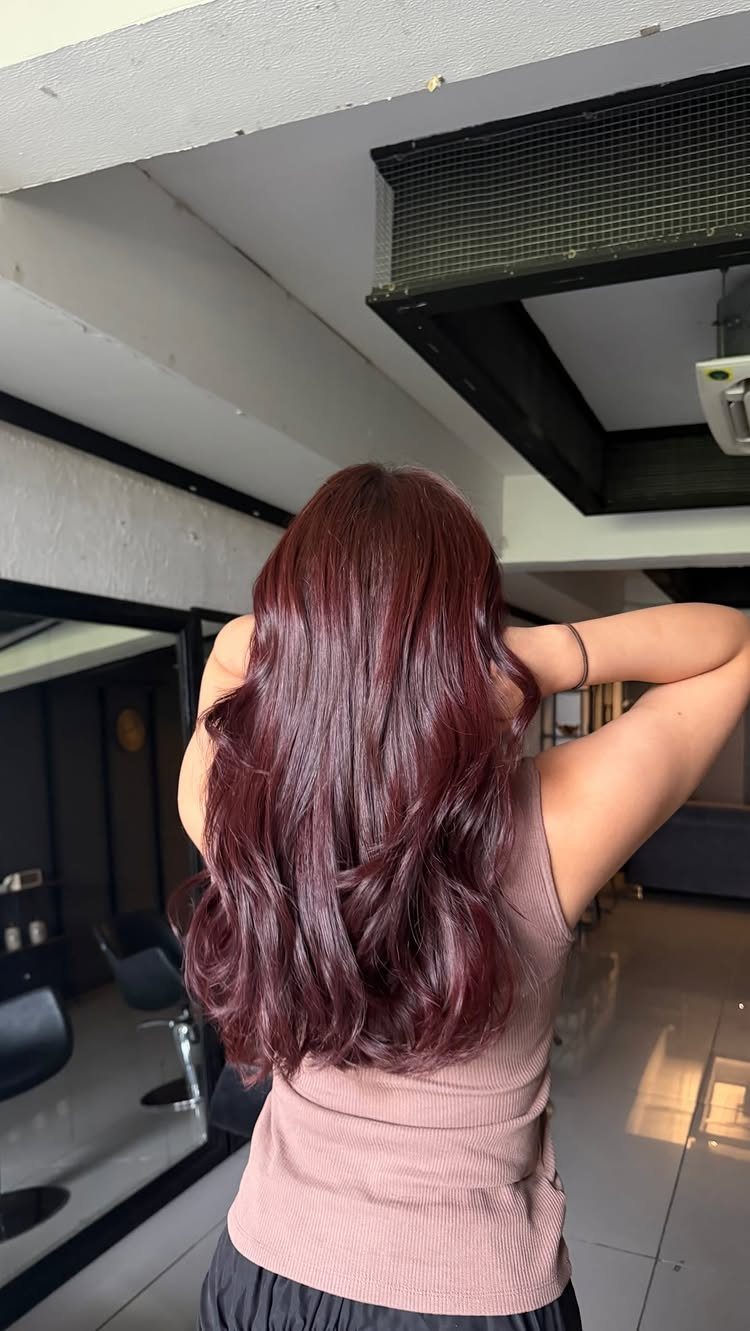
Red brown sits warmer than plain brunette by mixing red tones into the brown base. The red shows up most in bright light and can read as chestnut or auburn depending on the mix.
This shade suits warm skin tones and brown eyes, though it works on a range of complexions if the red isn’t too fiery.
It fades faster than most browns because red pigment washes out quickly, so color-depositing shampoo helps hold it between dye sessions.
If you’re dyeing at home, start with a warm brown base and add a red tone on top. Permanent dye gives the longest wear, but semi-permanent is worth trying first if you’re unsure about the intensity.
4. Honey Brown
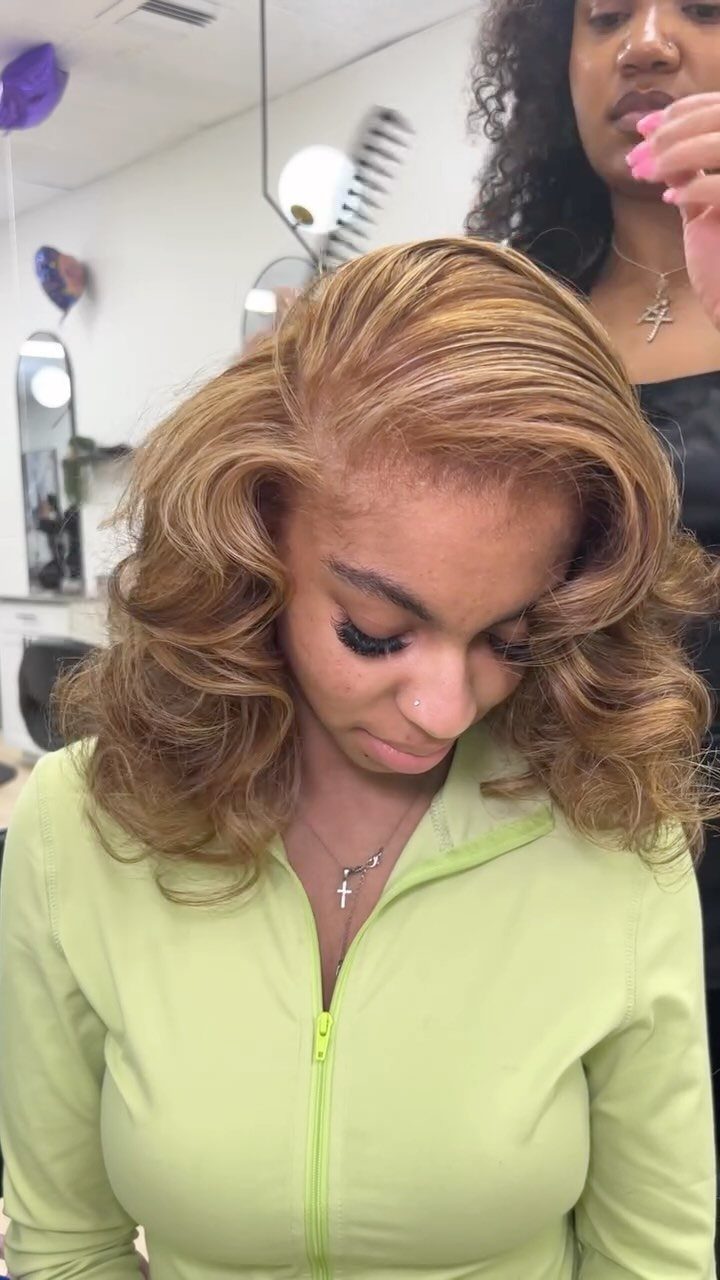
A natural-looking brunette shade with warm honey tones running through it. The base is brown, but the gold keeps it from looking flat or one-dimensional.
This shade suits medium to warm skin tones and looks particularly good on anyone who tans easily. It’s less upkeep than full highlights because the warmth is mixed into the base color rather than painted on in separate pieces.
If you’re lifting from a darker brown, you’ll need a lightener first to get the honey tones to show.
If you’re starting closer to medium brown, a warm dye with gold or caramel undertones will get you there in one step.
5. Chocolate Cherry
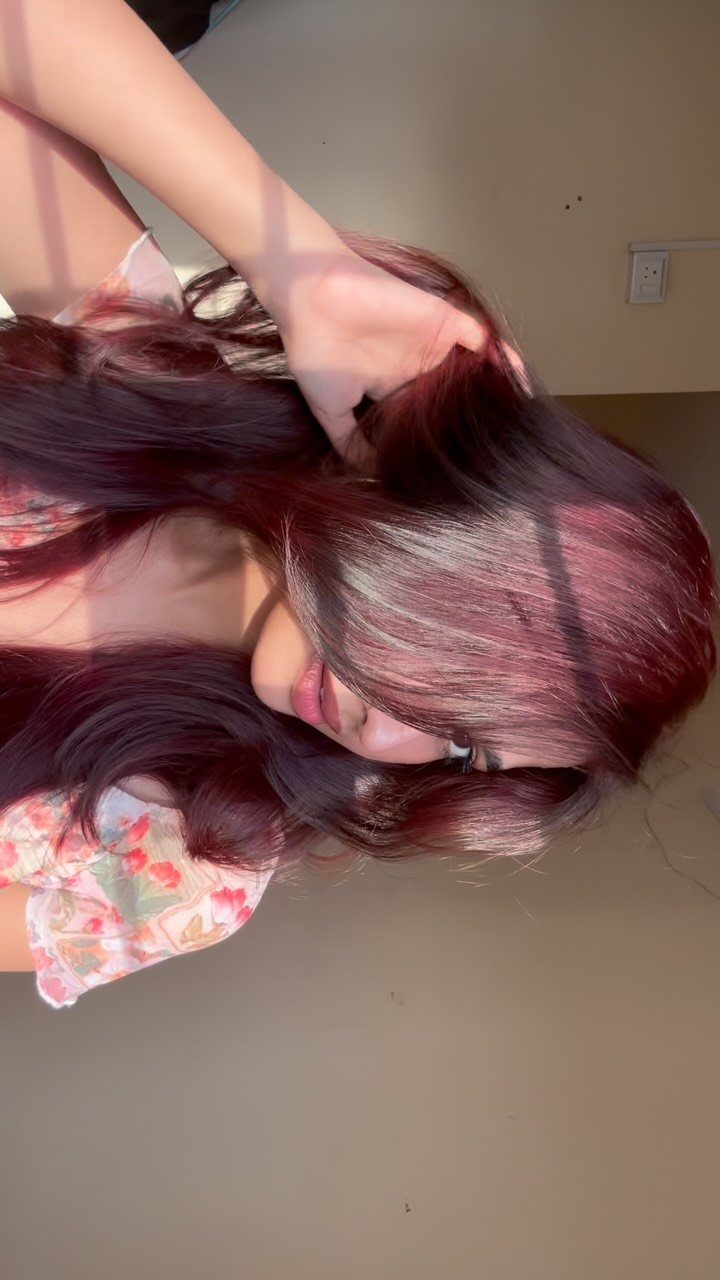
A rich, glossy red-brown shade that leans more brown than red but still reads as warm. The cherry tone shows up in sunlight and gives the color depth without looking orange.
This suits someone who wants a low-commitment red. The brown base keeps it wearable for work or formal settings, and the red fades gradually rather than turning brassy.
Red pigment fades faster than brown, so the cherry tone dims unless you refresh the color. Color-depositing conditioner in red or burgundy stretches the time between dye sessions.
6. Mushroom Blonde
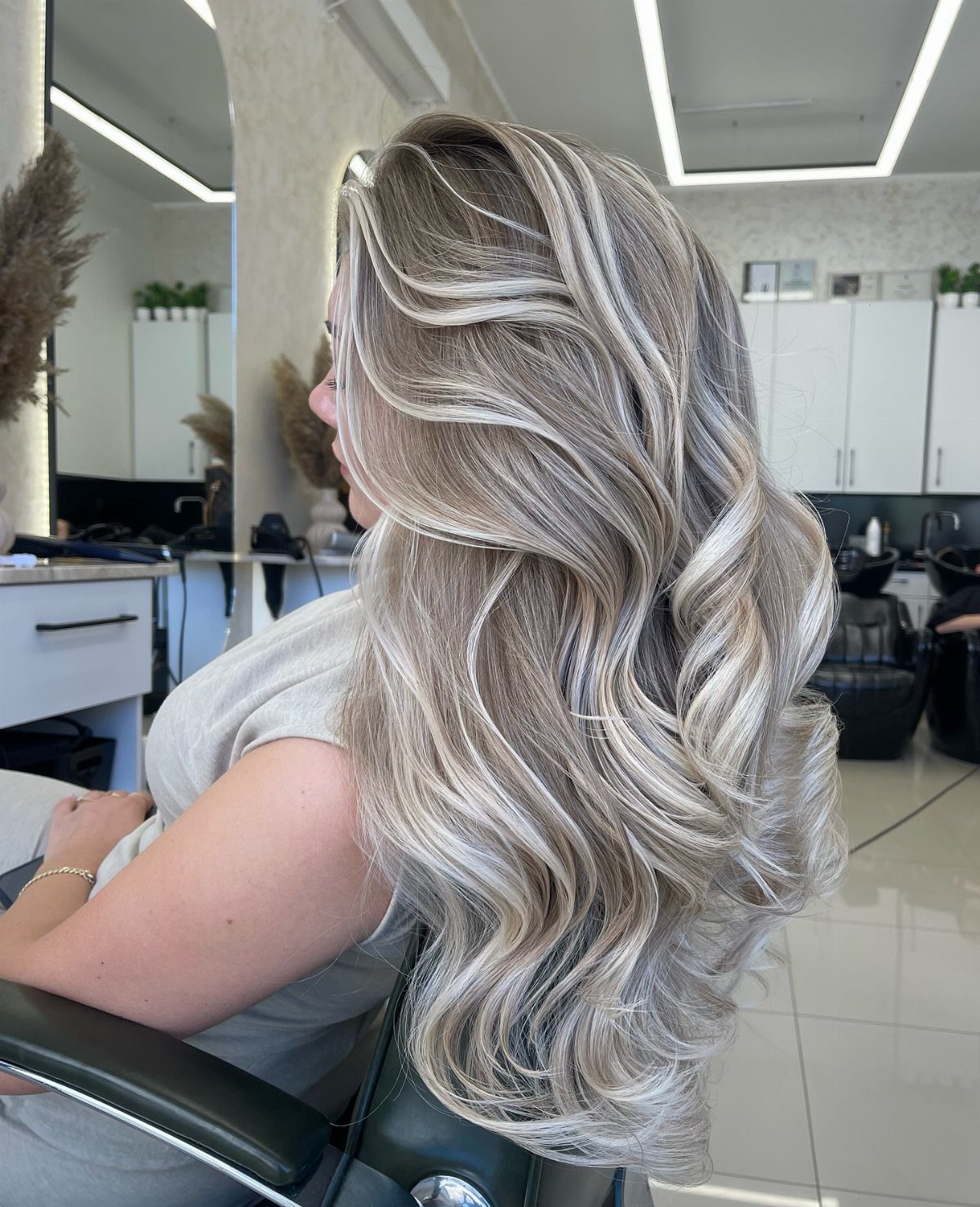
A muted, cool blonde that mixes blonde and brunette tones. The result is ashy without looking gray, and it sits somewhere between dirty blonde and light brown depending on the light.
This shade suits cool or neutral skin tones and works well if you want blonde hair without the upkeep of platinum. The brunette base means roots blend as they grow, so you can stretch salon visits.
Getting to mushroom blonde from darker hair takes lightening first, then toning with ash or beige to knock out any warmth. If your hair pulls gold or brassy, you’ll need a purple shampoo to keep the cool tone from fading.
7. Deep Auburn
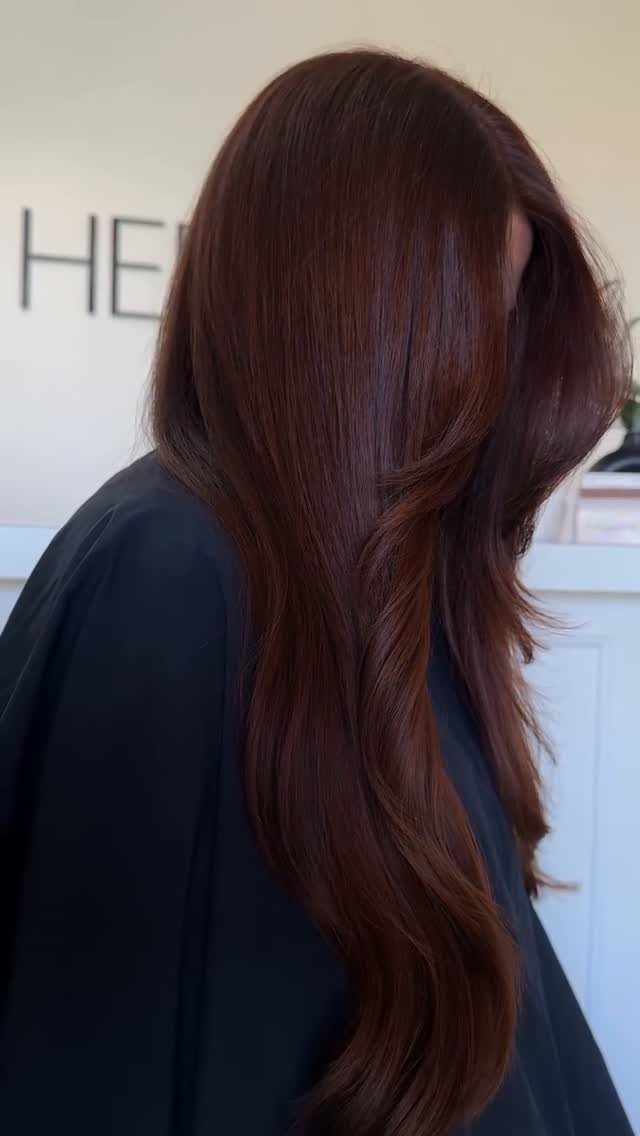
Auburn with enough depth that it reads brown in low light and red in the sun. The color is saturated, so it holds better than lighter reds but still fades faster than non-red browns.
This suits warm or neutral skin tones and works particularly well with brown or hazel eyes. Black or very dark brown needs lightening before you apply red, but medium brown takes a permanent auburn formula straight on.
8. Mushroom Brown
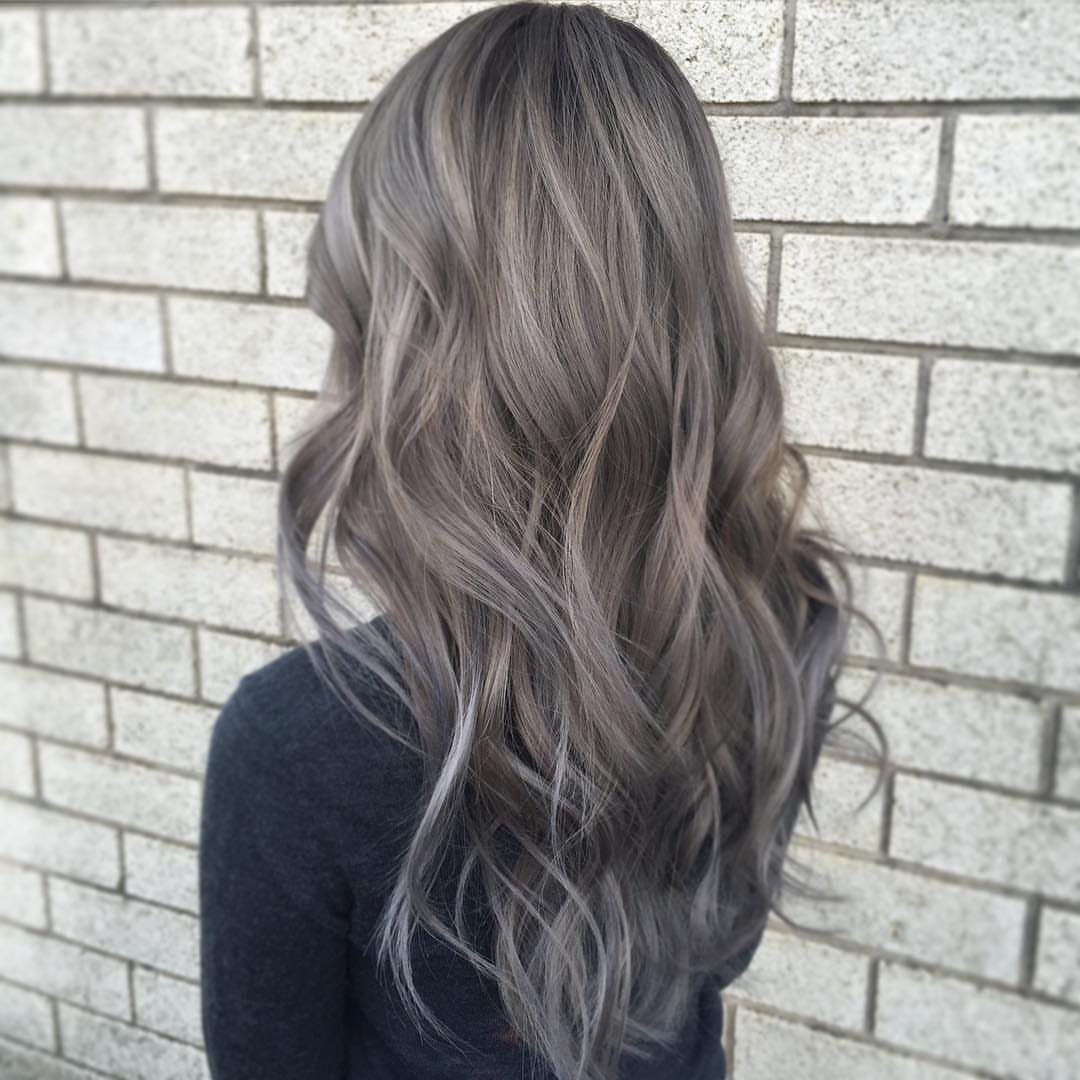
Ashy brown with muted, cool-toned depth. The color sits between mushroom blonde and plain brunette, reading neutral to cool rather than warm.
The ash tone keeps it from looking flat, and the muted quality makes it easier to maintain than brighter blonde or red shades.
The color can be done with ash brown dye alone or by mixing ash blonde highlights into a brunette base.
9. Bronzed Blonde
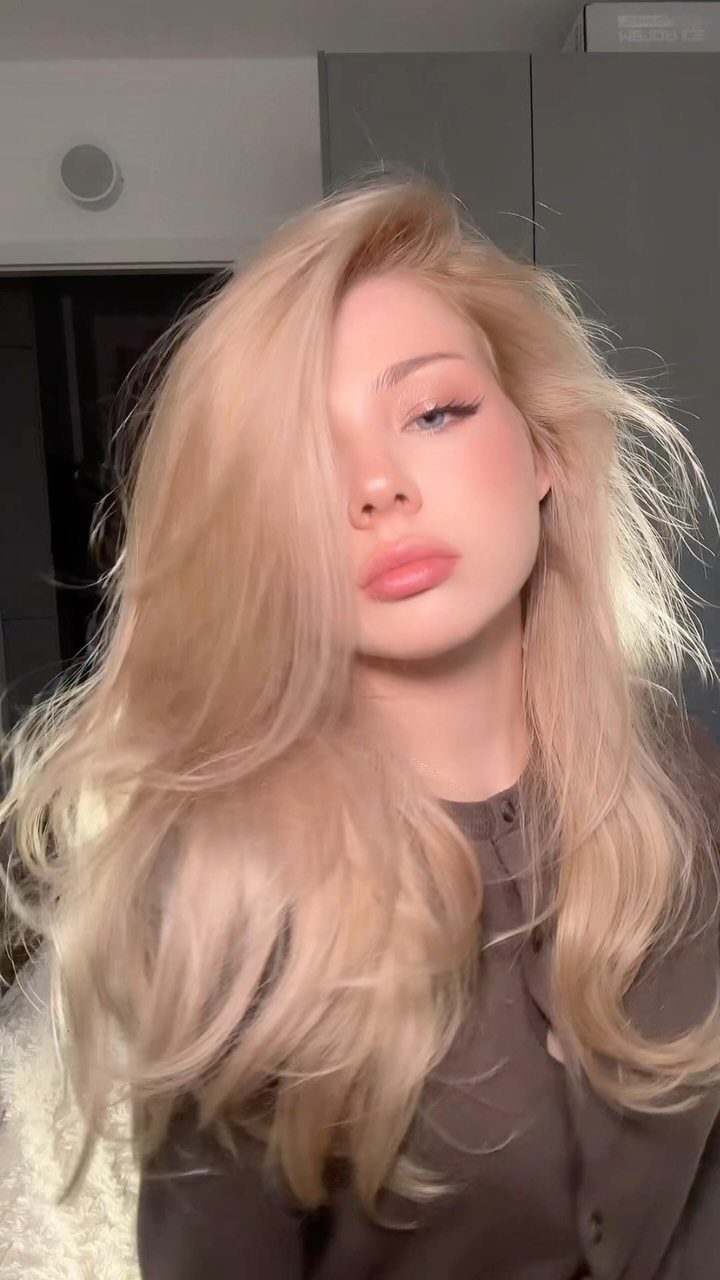
Blonde with warmth mixed in, landing somewhere between golden and beige. The color is creamy rather than icy, so it reads softer and suits a wider range of skin tones than cool blonde.
This works well on warm or neutral complexions and looks natural if you tan easily. If you’re lifting from brunette, you’ll need a lightener followed by a warm or neutral toner to avoid brassiness.
The warmth fades more slowly than ash tones, so touch-ups can stretch longer. If the color starts to look too gold, a toning shampoo in violet or pearl brings it back toward beige.
Lower-maintenance than icy platinum, but just as brightening, butter blonde is the perfect trend to try in 2026. “People hear ‘lived-in’ and think they can’t be that bright beautiful blonde anymore, but in reality it’s all about the placement of the blonde,” says DeLaTorre.
— Glamour
10. Babylights
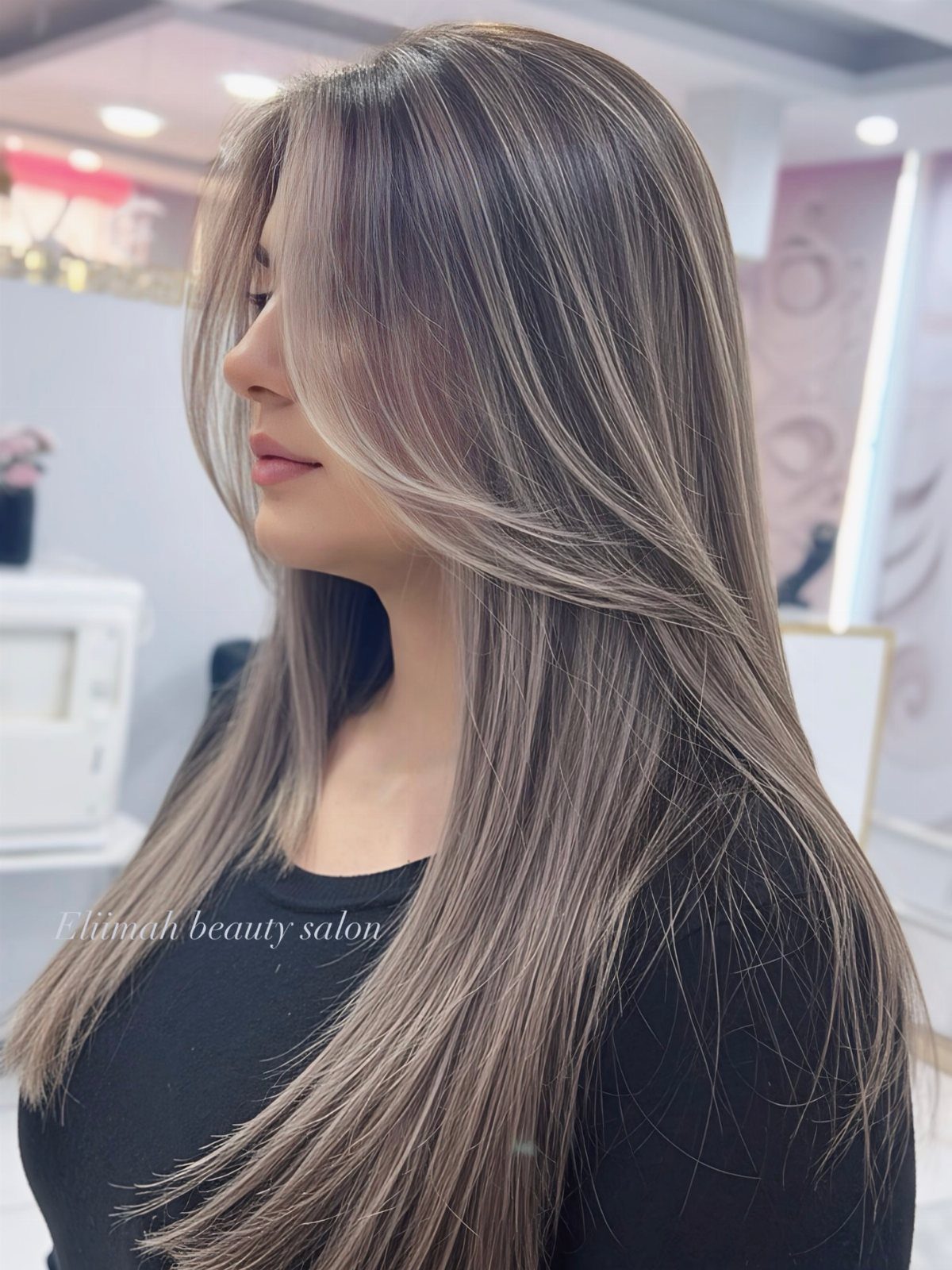
Fine, delicate highlights painted close together, usually around the face and through the top layers. The individual pieces are thinner than standard highlights, so the color shift is subtle and the result looks naturally sun-kissed.
This suits someone who wants brightness without obvious streaks. The fine placement means regrowth is less visible, so you can stretch salon visits longer than with thicker highlights.
Babylights take longer to apply than regular highlights because of the precision involved, so expect a longer appointment. The technique works on any base color but shows up most on brunettes.
11. Caramel Highlights
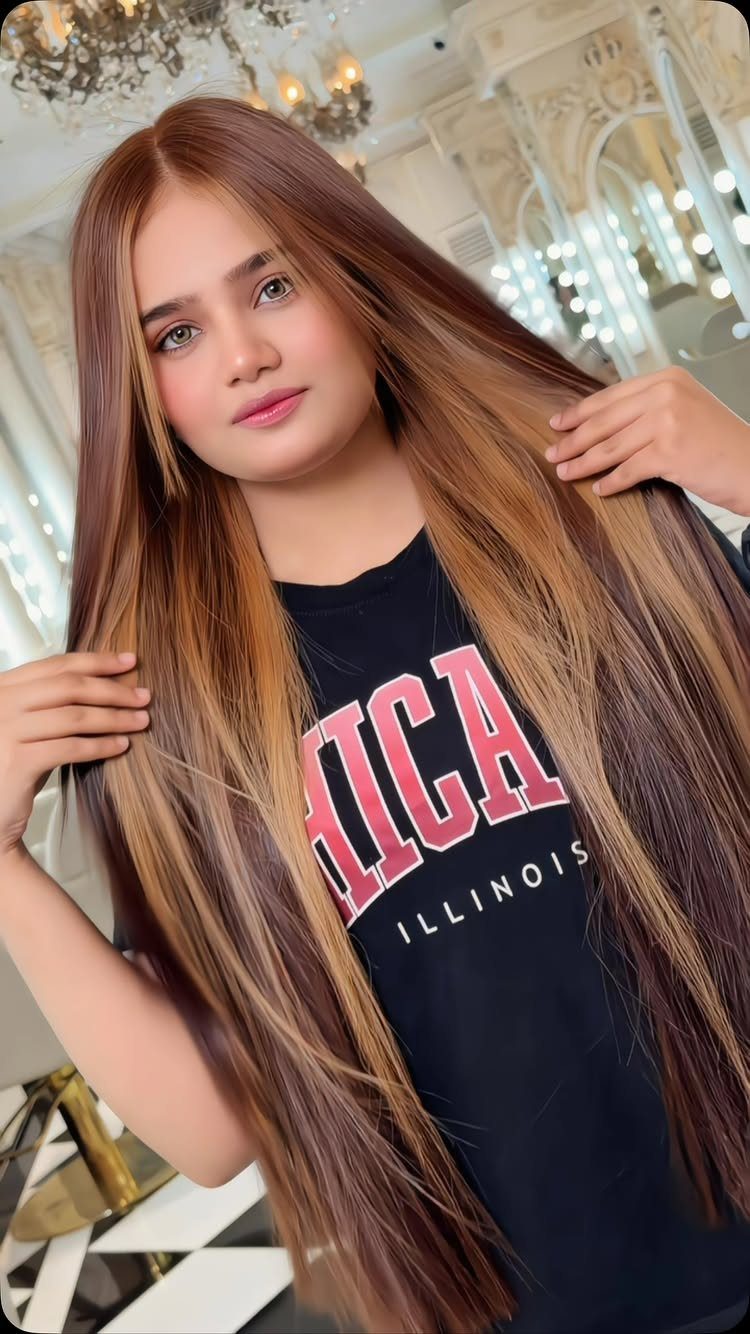
These are honey-toned pieces through a darker base, not bleached but still bright enough to catch light. The caramel tone sits between honey and toffee, warm enough to catch light but not so light that it looks striped.
The highlights can be placed all over or concentrated around the face, depending on how much contrast you want.
If you’re doing this at home, lifting 2 shades from your natural base usually gets you into caramel territory. Salon highlighting lets you go lighter and place the color exactly where you want it.
12. Pink Hair
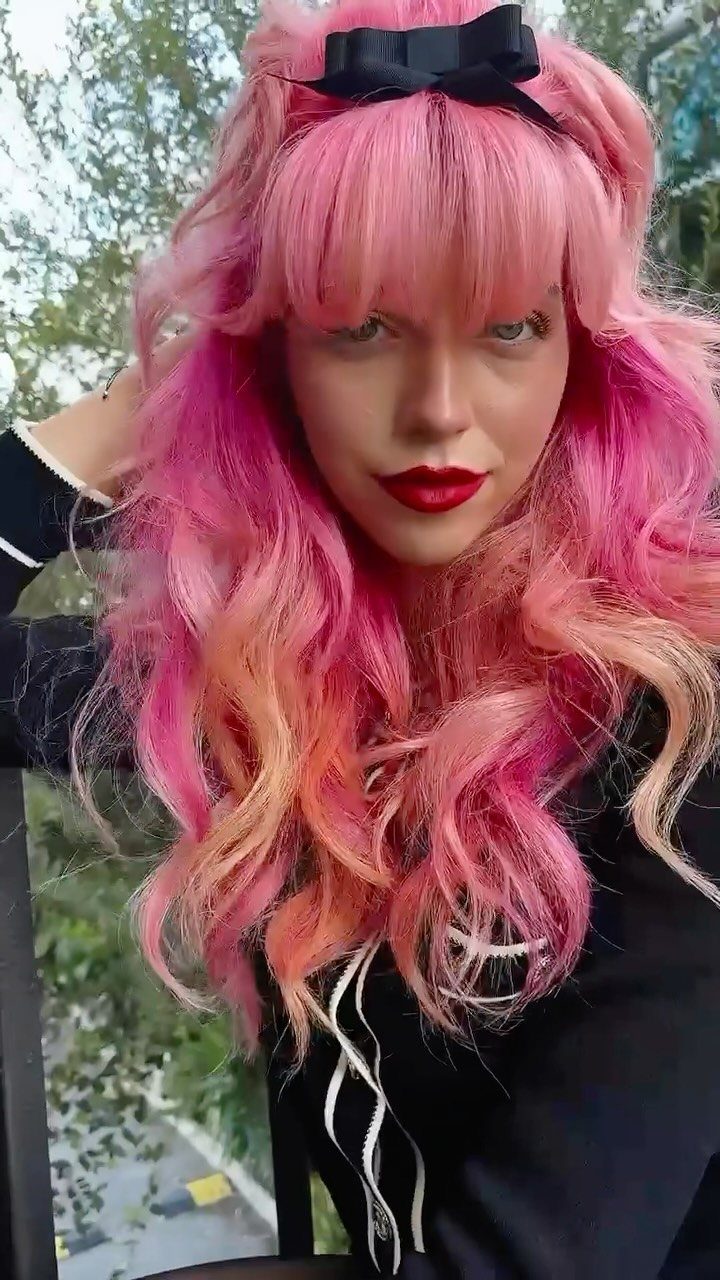
Pink can be applied as an all-over color or painted onto the ends, face-framing pieces, or underlayers.
The shade range runs from soft pastel to bright fuchsia, and the intensity depends on how light your hair is before you apply it.
Pastel pink needs pre-lightened hair, usually to pale yellow or white blonde. Brighter pinks show up on lighter bases but can tint darker blonde or bleached hair as well.
Pink washes out fast and shifts peachy as it goes, so plan to refresh or accept the fade. Semi-permanent dye refreshes the color at home between salon visits, and washing in cool water slows the fade.
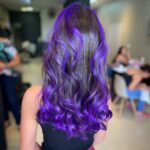
13. Purple Hair
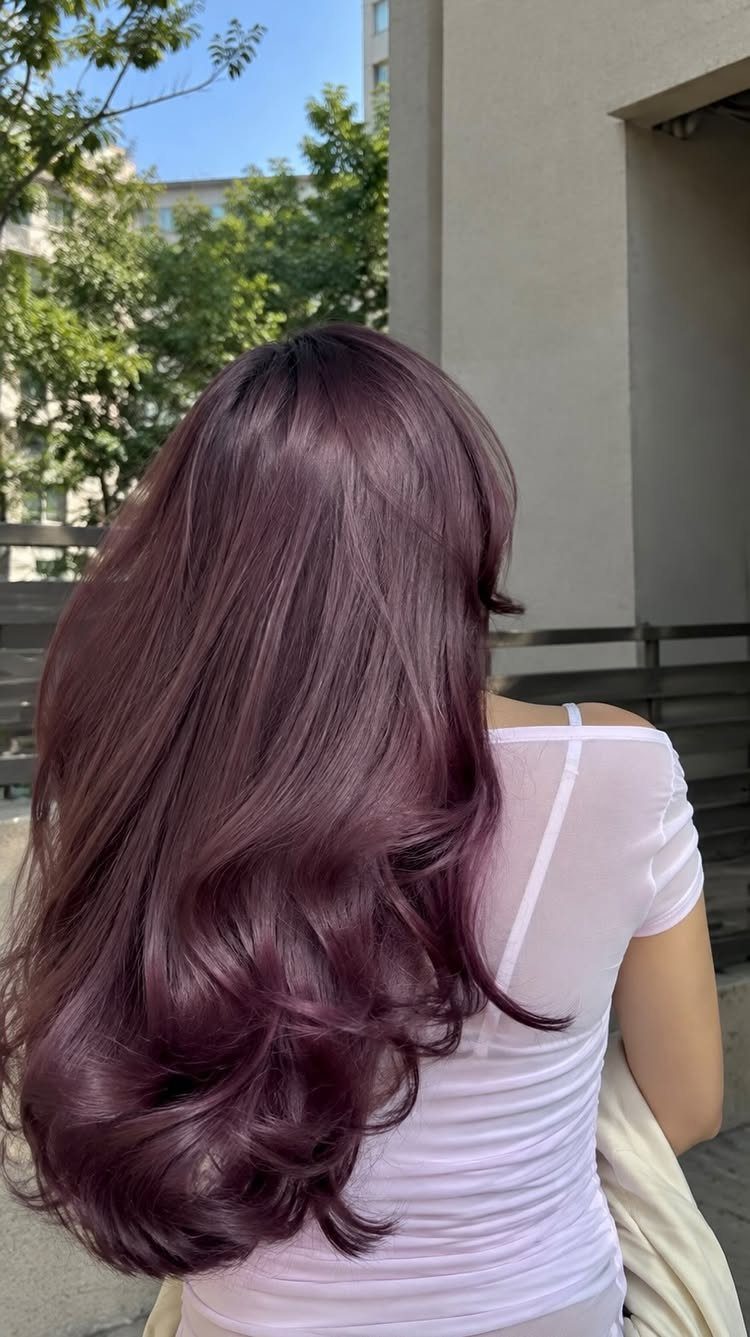
The tone shifts from violet to plum depending on the base color and how much pigment you pack in.
All purples need pre-lightened hair to show up clearly. Pastel lavender requires pale blonde underneath, while deeper plum or eggplant can sit on mid-toned blonde or bleached hair.
Purple fades to gray or silver as it washes out, which some people prefer to the original shade.
14. Bambi Brunette
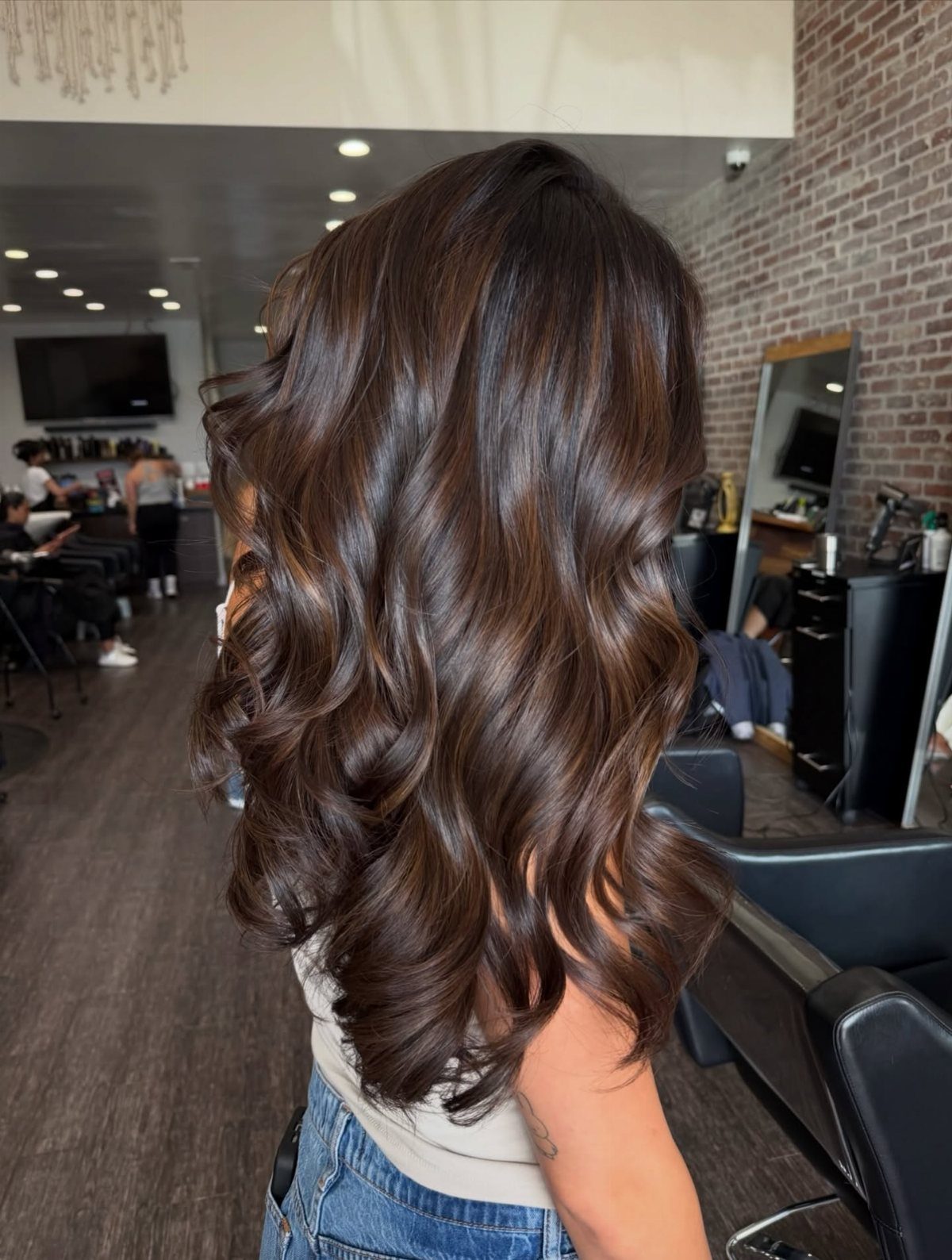
A rich, dimensional brunette with enough warmth to keep it from looking flat. The shade picks up gold and caramel tones in the light but stays firmly brown rather than crossing into auburn or red territory.
It’s the kind of brown that catches light without announcing itself, warm enough to feel lived-in but still controlled. It suits warm and neutral skin tones and works on anyone who wants depth without going too dark.
Single-process color can get you there if you’re starting near medium brown. Darker bases benefit from a few lighter pieces mixed in to build the dimension.
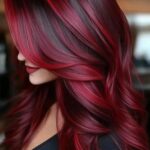
15. Cherry Cola Red
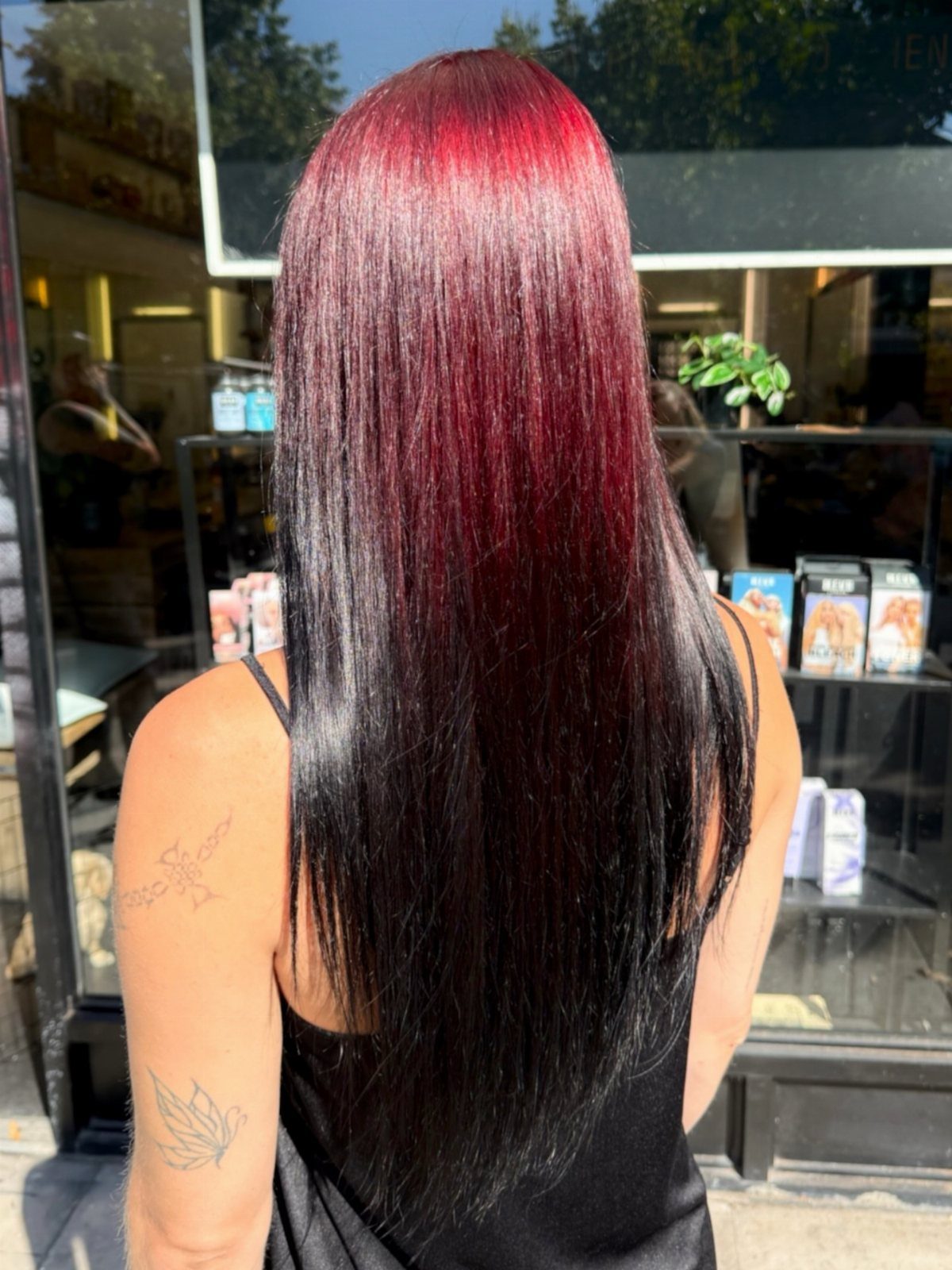
A saturated red that leans burgundy rather than bright. The depth keeps it from looking orange or brassy, and the cool undertone makes it stand apart from standard auburn or copper.
Getting there from dark hair takes lightening first, then layering the red on top. Medium brown can take a permanent burgundy formula directly.
16. Dark Blonde with Ash Tones
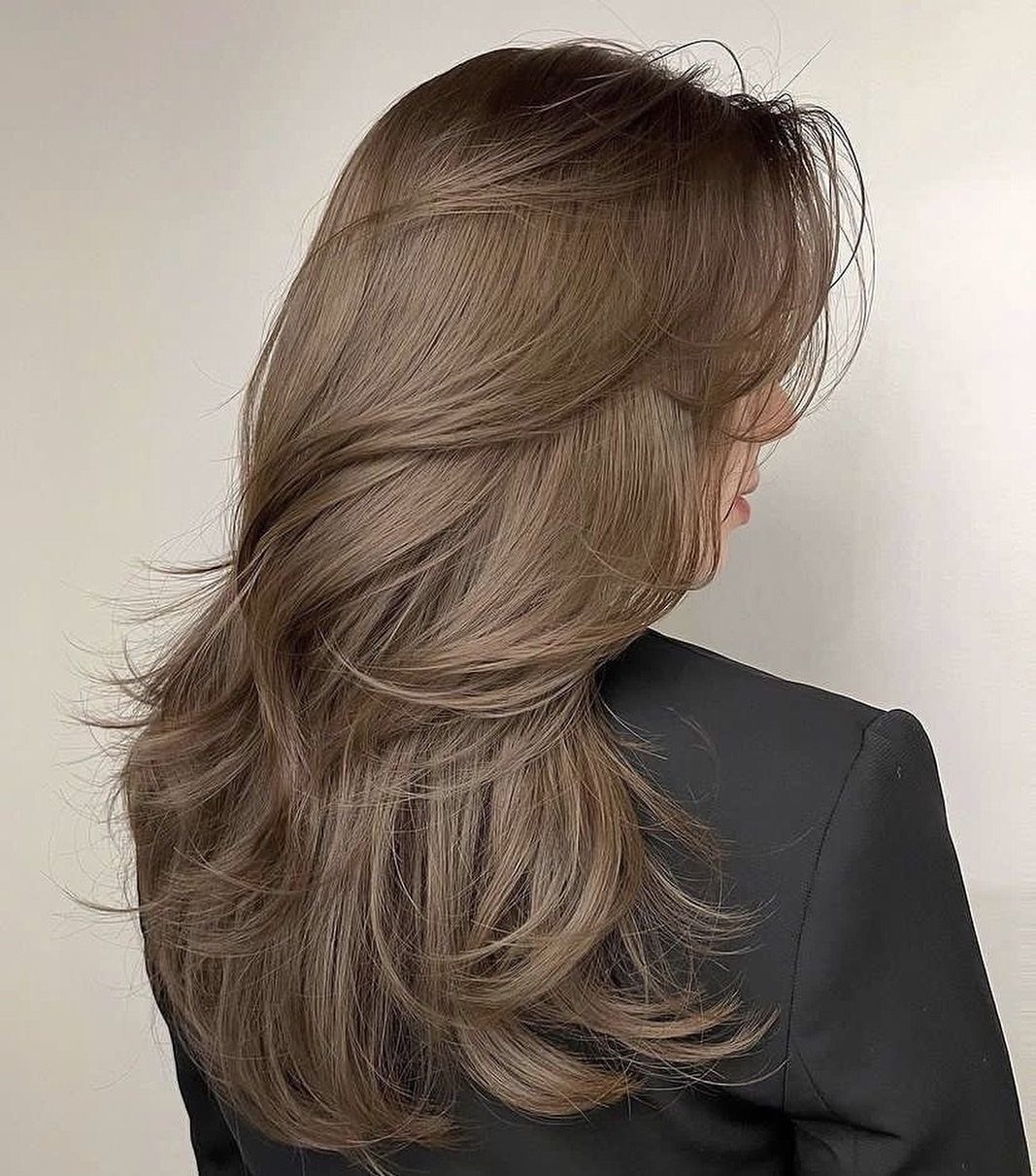
Dark blonde is toned down with ash to remove any gold or warmth. The result sits neutral to cool and reads more muted than standard blonde.
Purple shampoo keeps the cool tone from warming up over time.
Choosing Shades by Undertone
If your skin has yellow, peach or golden tones, you’re looking at warm. If that describes your skin, caramel or chestnut brown will look natural on you.
Pink or blue in your skin means cool, and ash brown or espresso will sit better. Neutral undertones can go either direction: rich chestnut or dark cherry brown both work.
Fair to light skin can carry soft lavender, smoky silver, denim blue, or rose gold without looking washed out.
Cool skin takes silver-based shades without a fight. If you’re warmer, peachy rose gold and sunflower ombré bring more balance than icy tones.
Your natural hair and eye color matter too. If you’re unsure about your undertone, try thinking about which jewelry suits you best: gold usually means warm, silver usually means cool.
Keeping Vivid Color Vibrant
Sulfate-free shampoo and conditioner slow fading on vivid color. Moisture holds pigment, so condition every wash and consider a leave-in treatment if your hair feels dry.
Wash with cool water to slow the fade.
Hot water opens the cuticle and lets color escape faster. Air-dry when you can instead of blow-drying, and keep your hair out of direct sun when possible.
If lightening left your hair feeling beaten up, a recovery formula will soften it and go easier on the color. Handle wet hair carefully since it stretches and breaks more easily than dry hair.
Color Consultation and Upkeep
Bring reference pictures to a consultation because color words mean different things to different people. A licensed colorist can look at your existing hair color and tell you what will work without damaging it.
Ask how the color will grow out and fade, and what maintenance looks like at home. Red and fantasy shades fade with every wash because the pigment sits on top of the hair shaft rather than penetrating it.
Single-process color means regrowth shows as a line, so the bigger the jump from your natural shade, the more often you’ll be back for touch-ups.
White blonde requires care to keep it bright, and jet black fades but is hard to remove completely.
Frequently Asked Questions
What are some cool ideas for hair dye colors?
Pink, purple, cherry cola red, and mushroom blonde all offer different levels of boldness.
Pastels only read true on hair lifted to pale blonde, but burgundy or warm auburn take hold on medium brown without any bleach. Fantasy colors wash out faster than natural shades, so expect to refresh them more often.
What are the hair dye trends for 2026?
Cool deep brunettes, bronde blends with high and lowlights, and low-contrast roots are gaining ground over the warm, beige tones that dominated recently.
Cherry cola red is trending for people who want a polished red without going full auburn. Copper is still popular and isn’t fading anytime soon.
What color should I dye my hair?
Start with your skin’s undertone: warm skin (yellow, peach, or gold) suits caramel or chestnut brown, while cool skin (pink or blue) looks better with ash brown or espresso.
If you land in the middle, both warm chestnut and cool-toned plum brown stay flattering. Pale skin reads lavender, ash blonde, and dusty rose without getting washed out.
Which bold hair color is best for you?
Light skin holds pewter, ice blue, mauve, and champagne pink without fading into nothing.
Cool tones pull off platinum and steel blue easily; warm skin needs coral or copper to keep from clashing. If you’re unsure about your undertone, think about whether gold or silver jewelry looks better on you.
What is the most low-maintenance hair color?
Techniques that blend with your natural root or start at mid-lengths give the softest grow-out.
Balayage, babylights, and ombré all keep color away from the root line, so regrowth stays subtle and you can stretch salon visits. Any shade that sits close to your natural tone also needs less upkeep than a big contrast.
Which hair color is the most high maintenance?
Reds and fantasy colors rinse out fast because the molecules sit on the surface instead of locking inside the strand.
All-over color draws a hard line at the root, so a big contrast means touch-ups every 4 to 6 weeks. Platinum takes weekly toning to stay clean, and true black stains the cuticle so it resists lifting later.
What is ombré?
Ombré leaves your root alone and switches to another color partway down, with the blend landing at your collarbone, your shoulders, or lower.
Regrowth blends in because the top stays natural, so you can redo the ends twice a year or just cut them when they fade.
What is balayage?
Balayage is freehand painting instead of foils, which builds a softer gradient from root to tip.
Painting by hand puts color only where the stylist chooses, so you get dimension instead of stripes. You need fewer appointments because the root area stays dark on purpose and the grow-in looks intentional.
How is a reverse balayage different?
Reverse balayage adds darker lowlights back into hair that has been lightened, deepening the tone and creating dimension. The technique is the same freehand painting, just applied in the opposite direction.