How far you want to drift from your natural dark hair decides which of these ideas is yours, from Dark Mocha at the close end to Teal Violet Pink Streaks at the far one.
Glossy Onyx Hair, Midnight Blue Black and Dark Plum stay close to dark hair, while Teal Violet Pink Streaks need each piece lightened before the color shows.
With the Silver Gray Fade, dark roots stay put, so new growth looks like part of the plan instead of a flaw to hide.
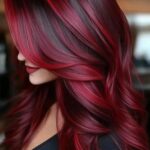
1. Burgundy Face-Framing Highlights
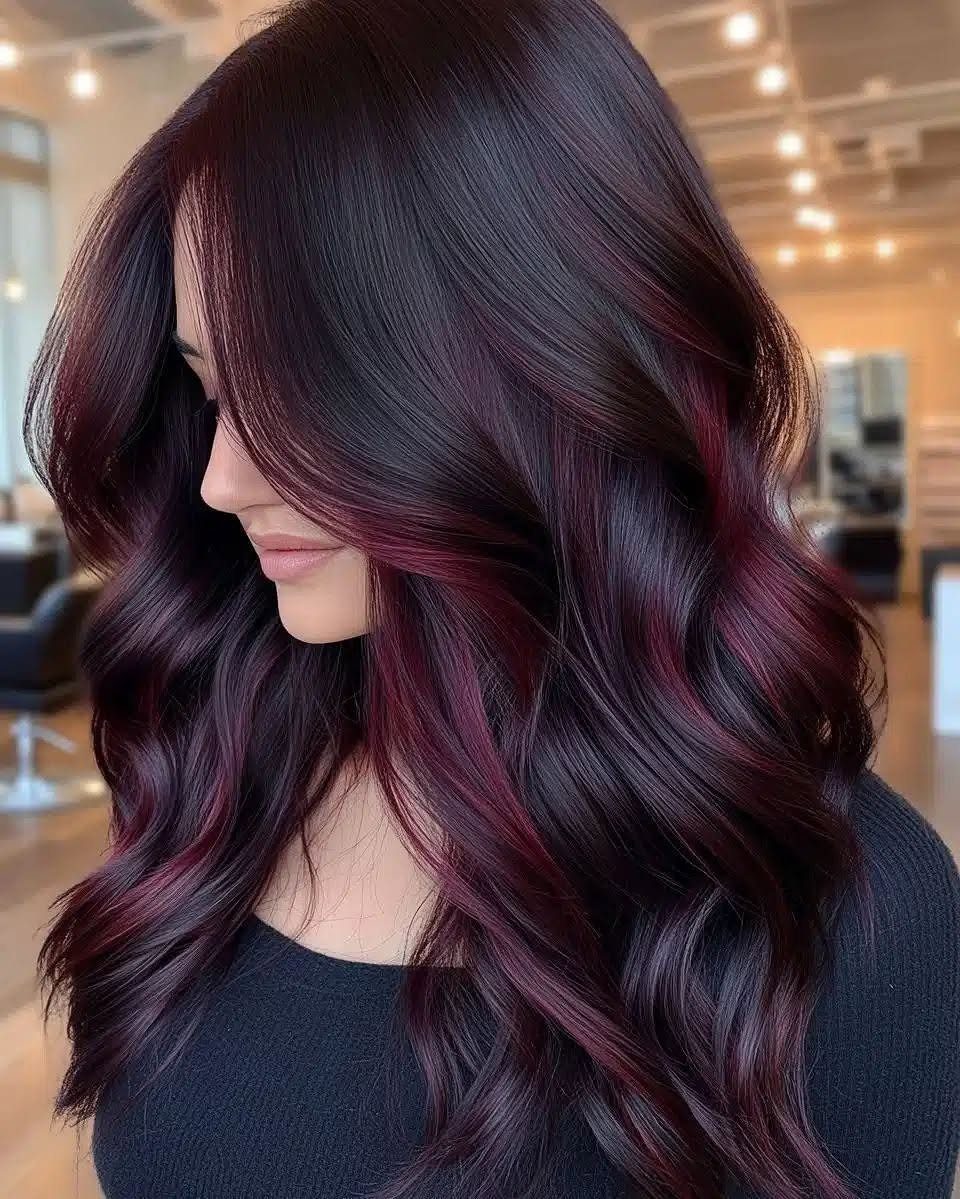
Limiting the burgundy to the front pieces puts the color where the eye lands first and leaves the rest of the dark hair alone. Ask for deep burgundy, not bright red, so it reads moody and warm against the dark.
I like it most on long waves, where the movement lets the red show up in flashes instead of one flat stripe.
2. Dark Burgundy
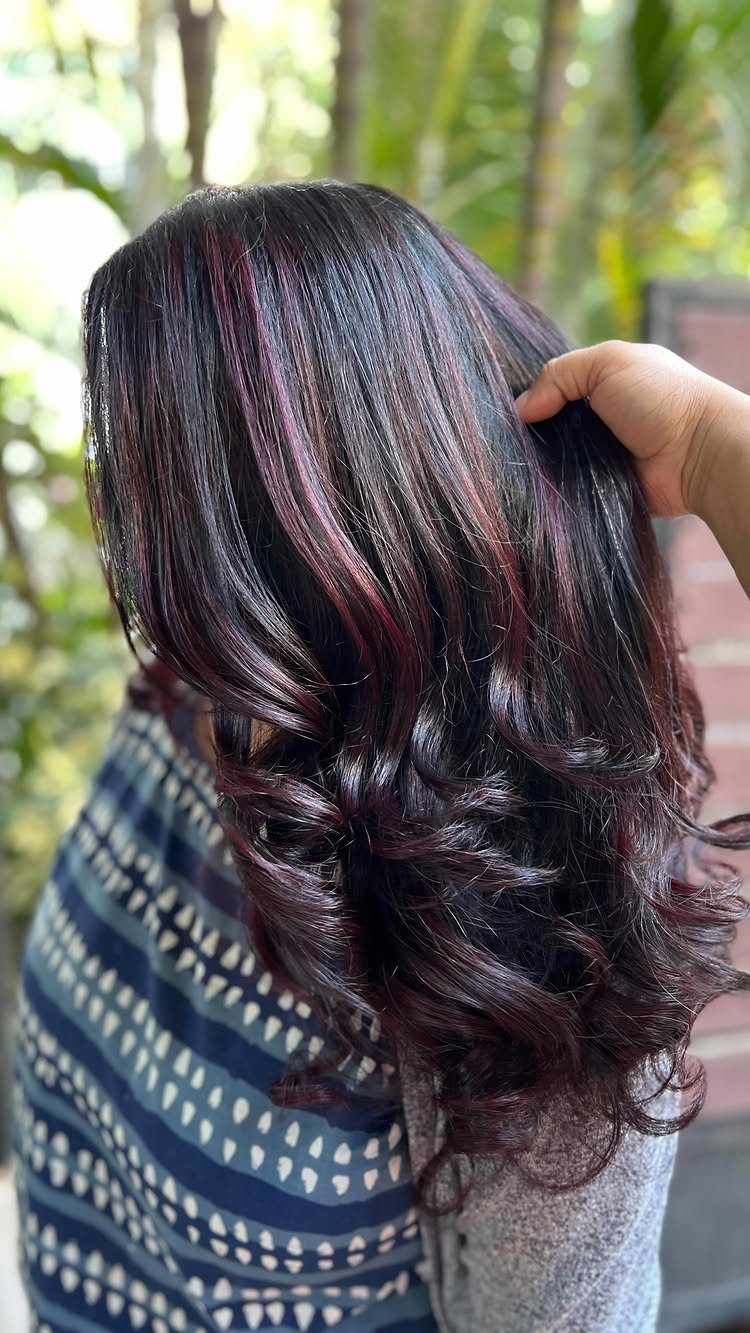
Richness without brightness is the reason to pick this one. Ask your stylist for a deep red-brown, and say you want it to read as dark hair first and burgundy second.
Curls suit it well.
Streaks break up as the curls twist and shift, so the red shows in pieces. I prefer that to an even all-over wash, which can look flat.
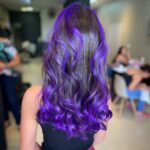
3. Teal Violet Pink Streaks
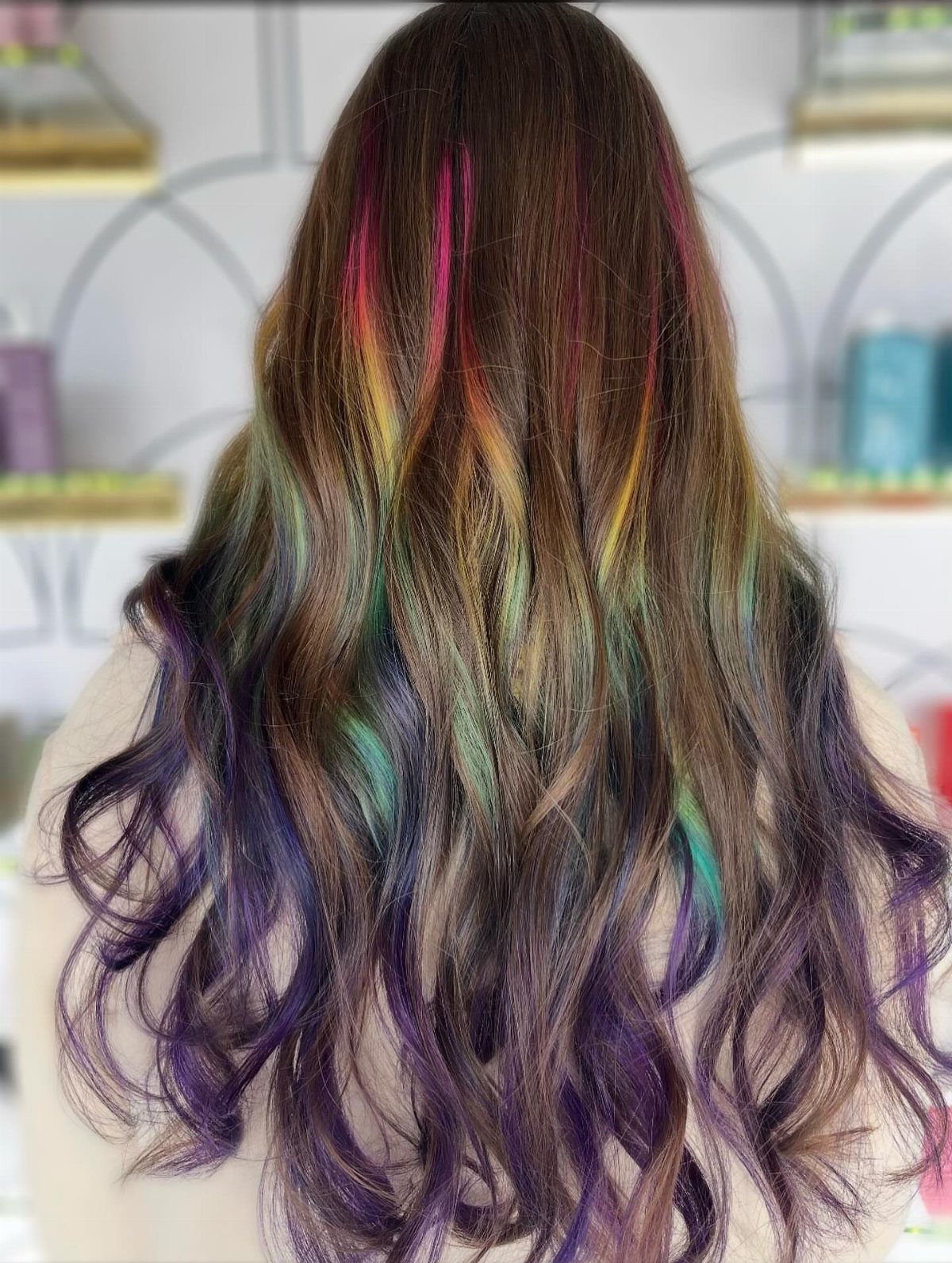
Name all 3 colors when you book: teal, violet and muted pink. "Rainbow" leaves too much room for a stylist to guess, and the muted pink is what keeps the mix from looking like a toy box.
Because the streaks are scattered, most of the dark base stays as it is. On dark hair, though, each piece has to be lightened before the color shows, so ask what that means for your hair before you commit.
4. Burgundy-Purple Hair with Lavender-Pink Highlights
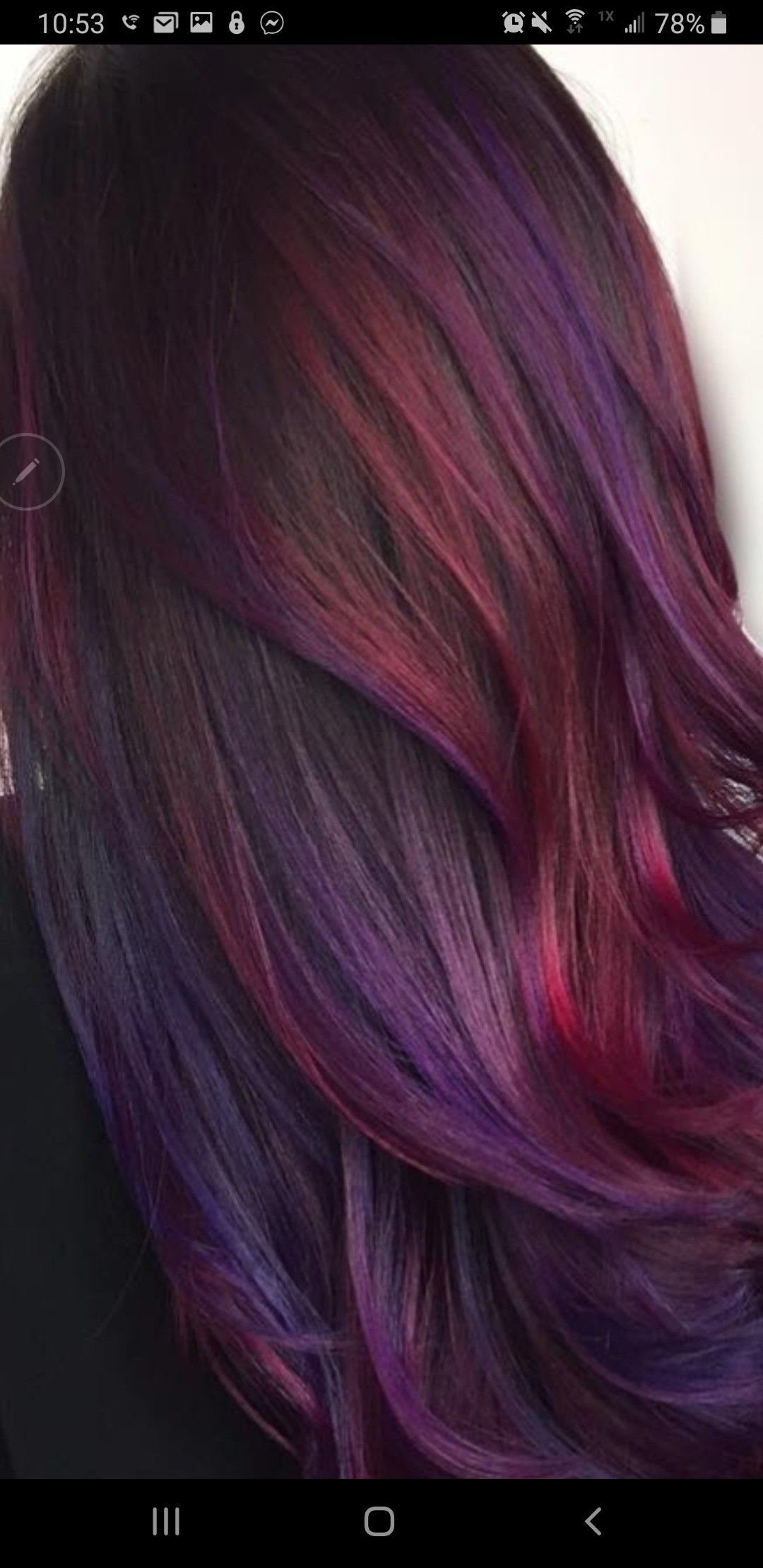
Gloss does a lot of work here. The base is a burgundy-purple, and the lavender-pink highlights sit lighter on top, so the contrast is the whole look.
Bring the photo and ask for the base first, then the highlights. I would keep the highlights thin, so the deep color still reads as the main shade and the pink works as an accent.
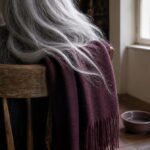
5. Silver-Gray Root Highlights
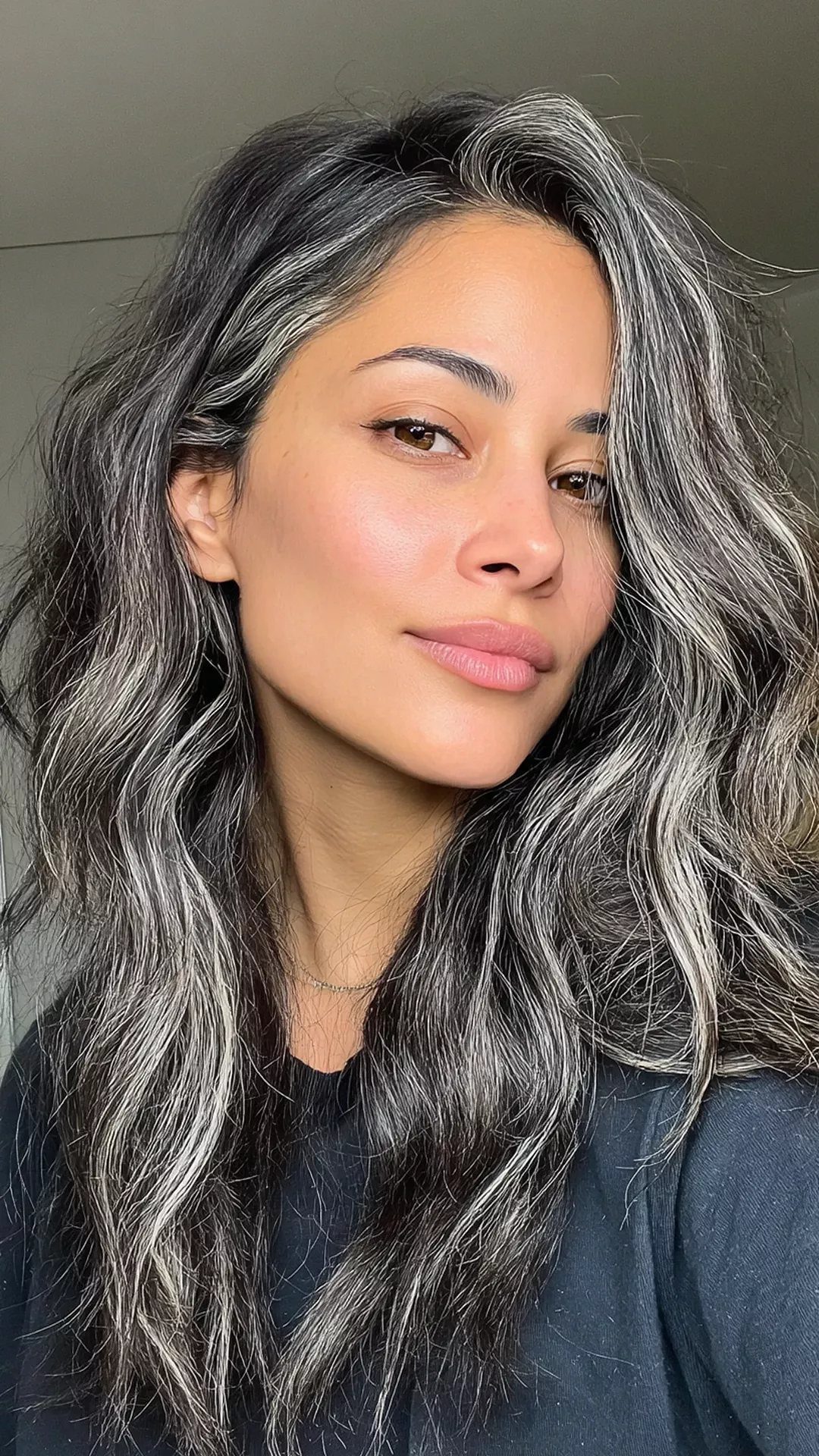
Silver at the roots and temples looks like gray growing in on its own schedule, which makes this a gentle way to try gray before deciding on more. Ask for silver-gray strands blended into the dark, not hard stripes.
For readers curious about going gray on their own terms, I think this is the most natural place to start. Right at the hairline, the silver-gray frames the skin.
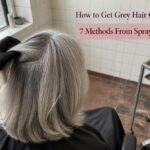
6. Ash Gray Balayage
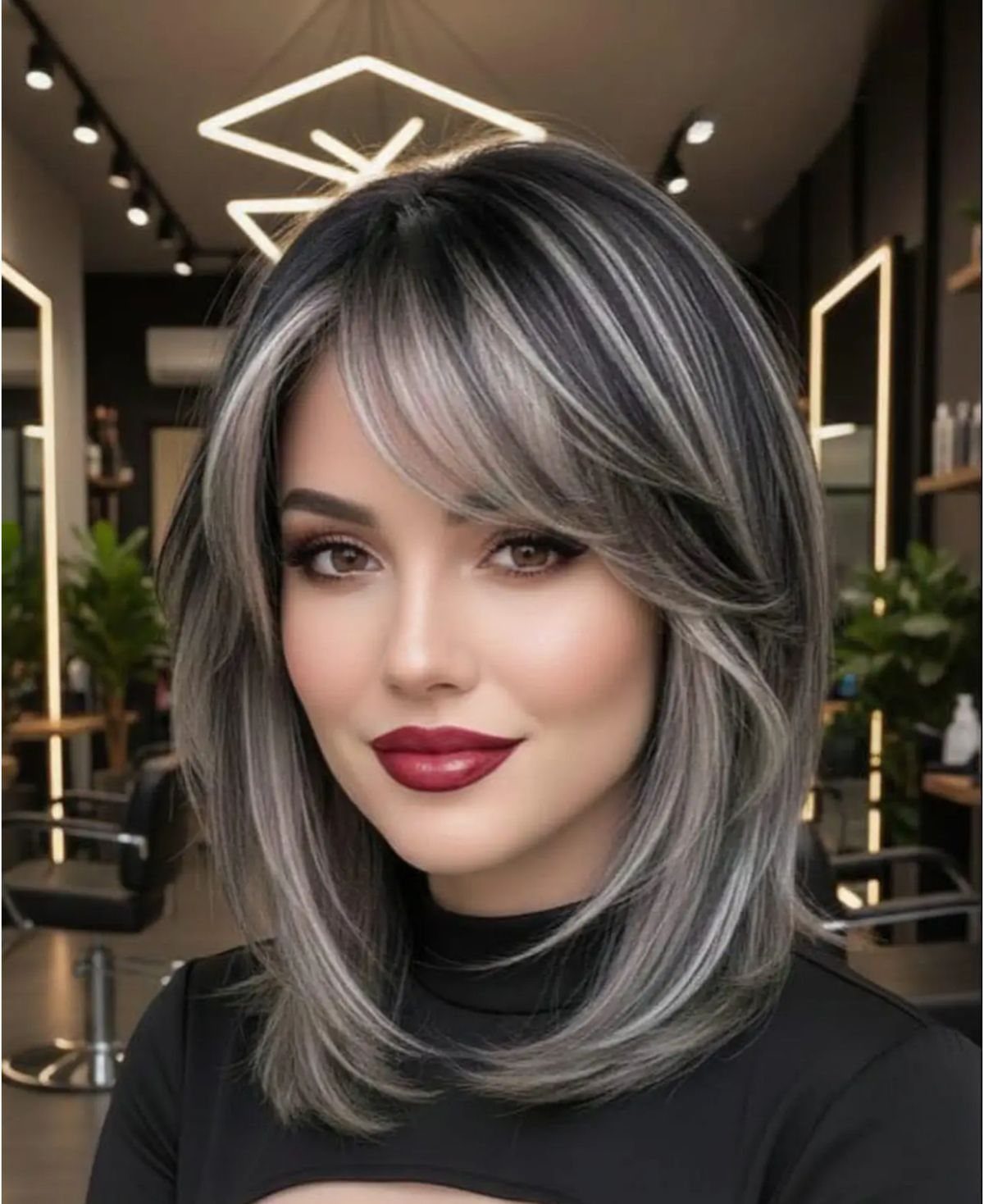
Balayage is the word to bring to the stylist, along with "ash gray" and "silver" so the tone stays cool.
The color is painted by hand and blended from the roots through the ends, which means no obvious line where the gray starts.
Layers help it along, since each layer catches a different amount of silver. I would ask for the softest blend, because soft blending lets the dark base stay part of the look.
7. Silver Gray Fade
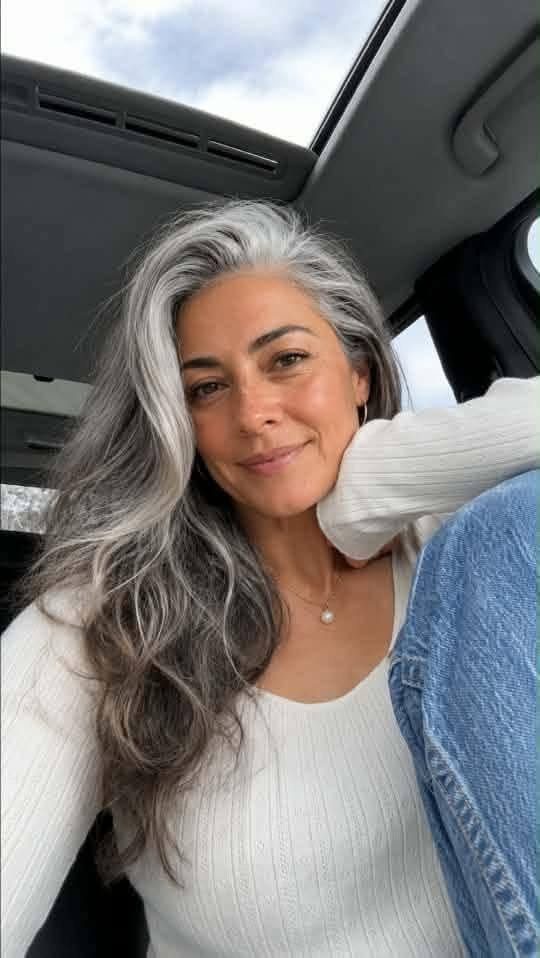
Dark roots left in place are what make this work. The silver-gray runs down the length and the natural color stays at the top, so regrowth reads as part of the design instead of a problem to fix.
Ask for a soft fade, not a sharp line where dark meets silver. I would pick this over a full silver all-over if you want to go gray without a salon appointment every few weeks.
8. Caramel Highlights
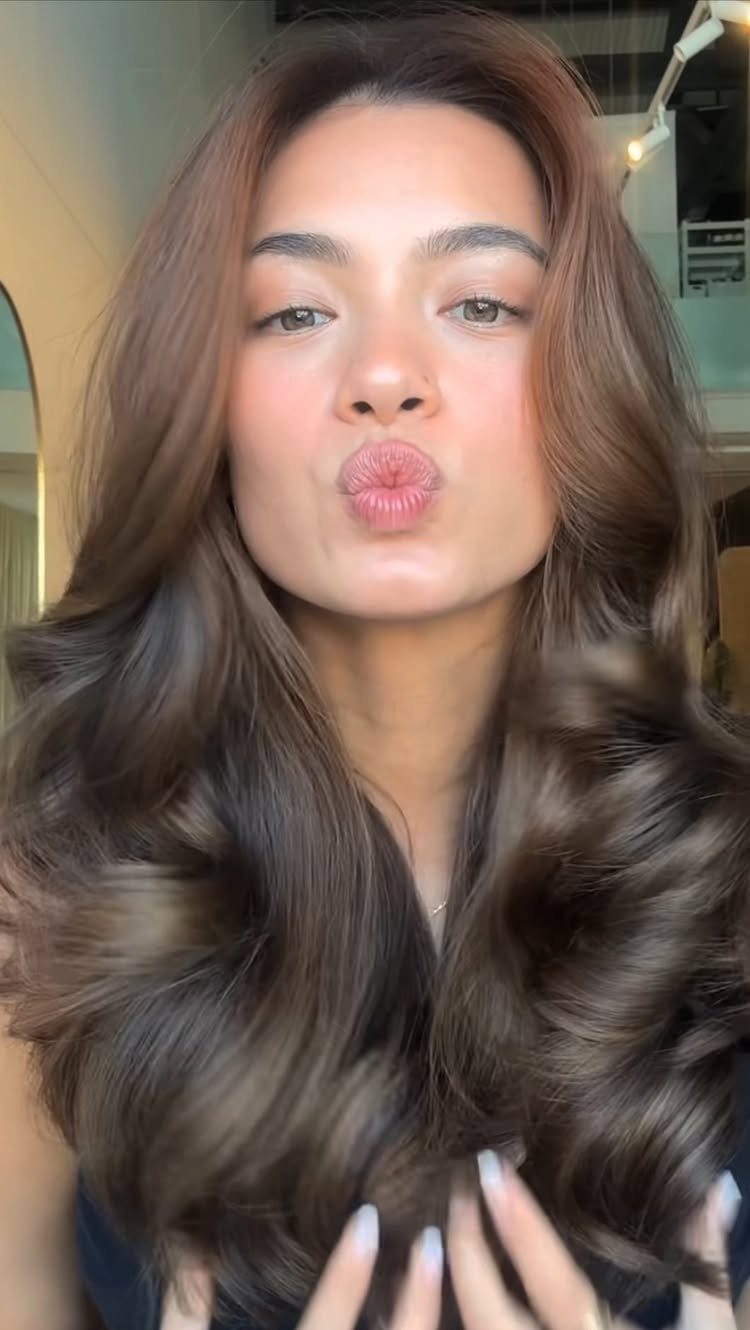
Caramel works best when it’s subtle, and a dark brunette base is the right backdrop for it. Ask for warm caramel ribbons, thin and spaced widely, so the brown still leads and the caramel adds dimension.
Curls and waves are where I’d wear it.
The bends catch the light and show the lighter pieces in flashes. On straight hair, the same highlights can sit flatter.
9. Copper Highlights
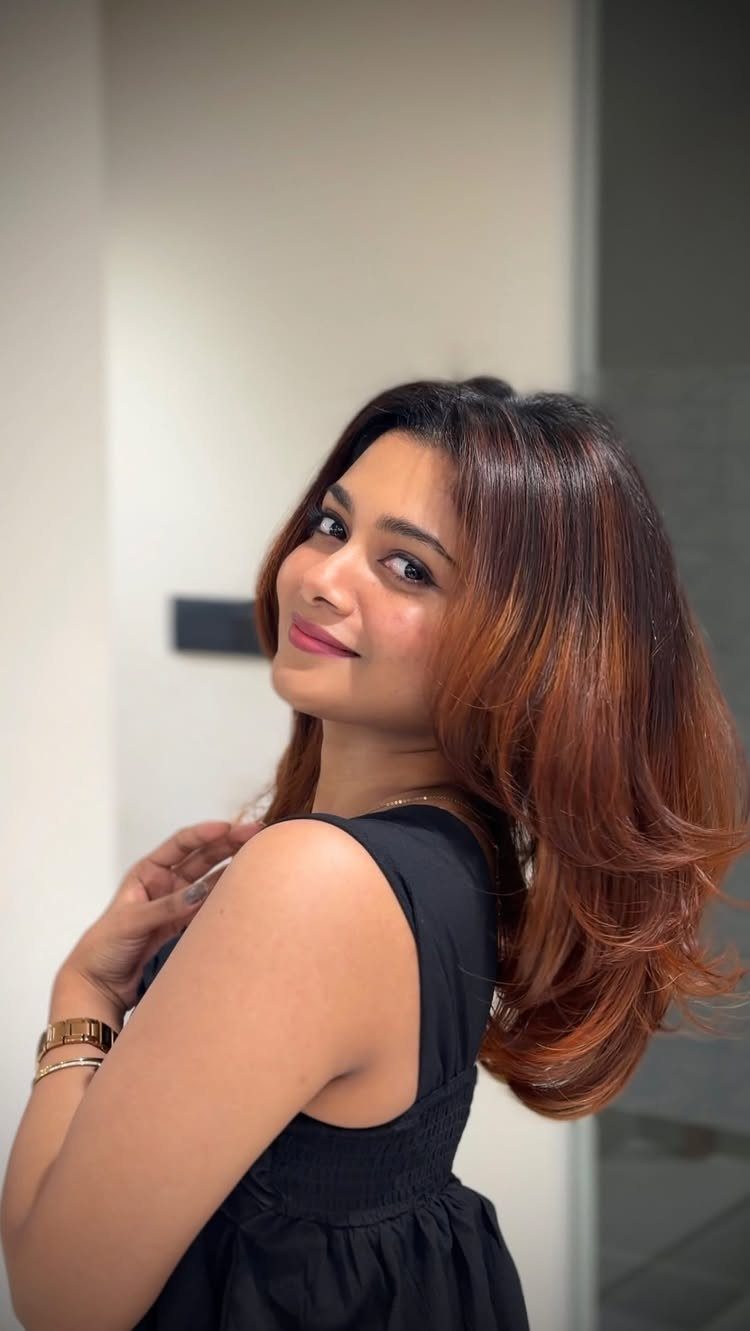
Copper is a step brighter than caramel, and that’s the reason to choose it.
Say "copper ribbons" to your stylist, with the dark brown staying as the base, so the warmth shows as an accent and not a full change of color.
If you’re nervous about going bright, ask for fewer, thinner pieces. You can always add more at the next visit; taking copper out of dark hair is harder.
10. Midnight Blue Black
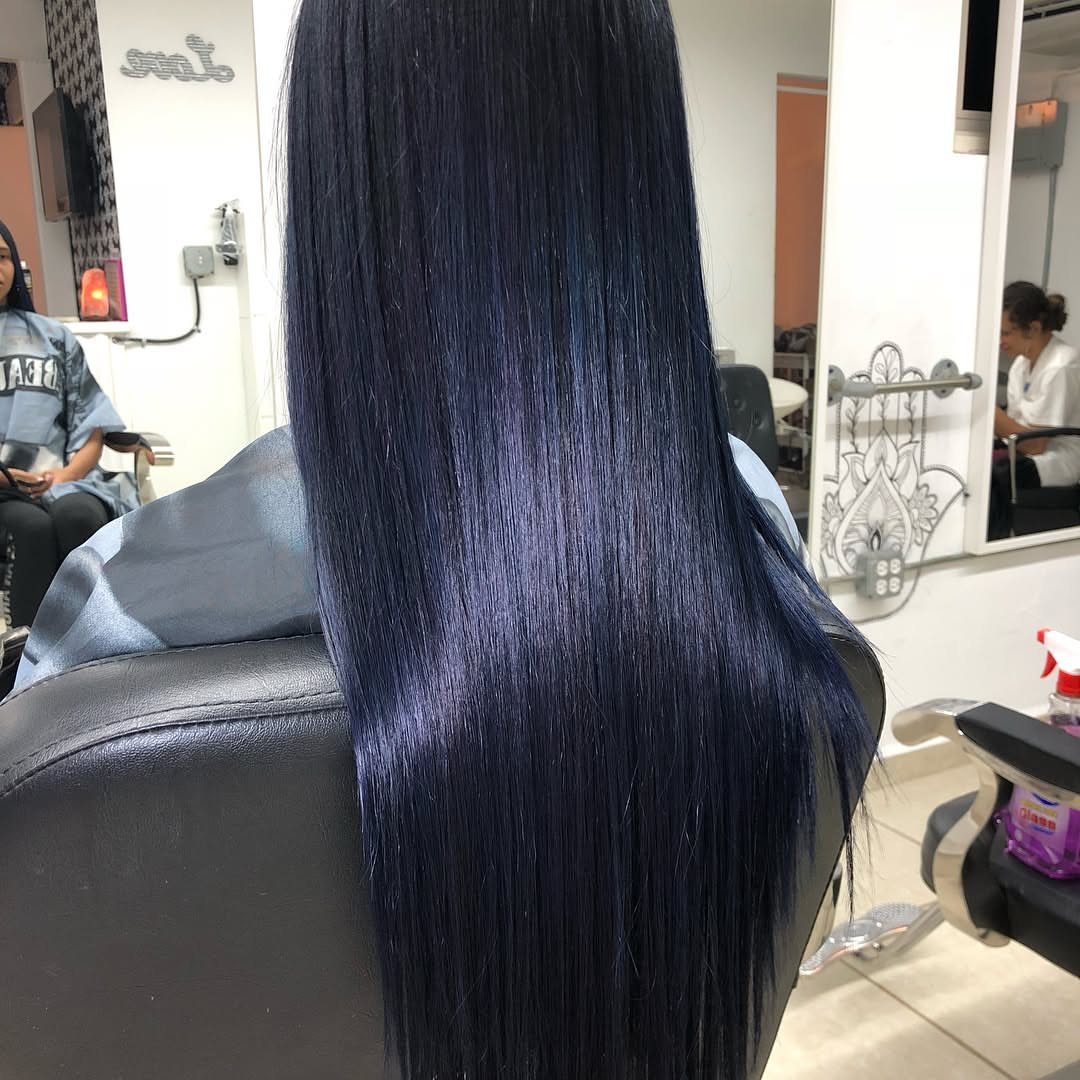
Almost nobody will call this blue at first glance, and I like that about it. The hair reads as black until the light hits it, then a navy or indigo shimmer comes through.
Ask for midnight blue-black by that name, and say the blue should stay subtle. Straight, smooth hair shows the sheen best, since a flat surface reflects light evenly.
11. Smoky Ash Brown
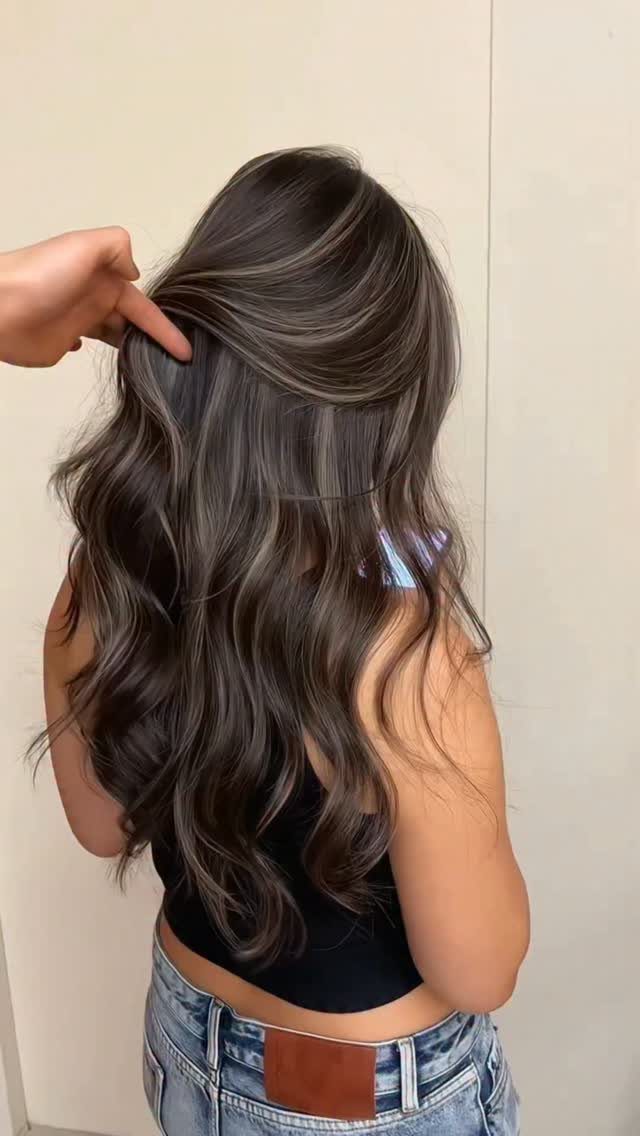
Smoky ash brown is for anyone who finds most brunettes too warm. The shade leans gray and taupe, so ask for "ash" and "smoky" together, and say you want to avoid golden or red tones.
Wavy lengths show the highlights well, because the cool pieces sit between the darker ones. My pick for this look would be a soft, muted blend over stark contrast.
12. Dark Mocha
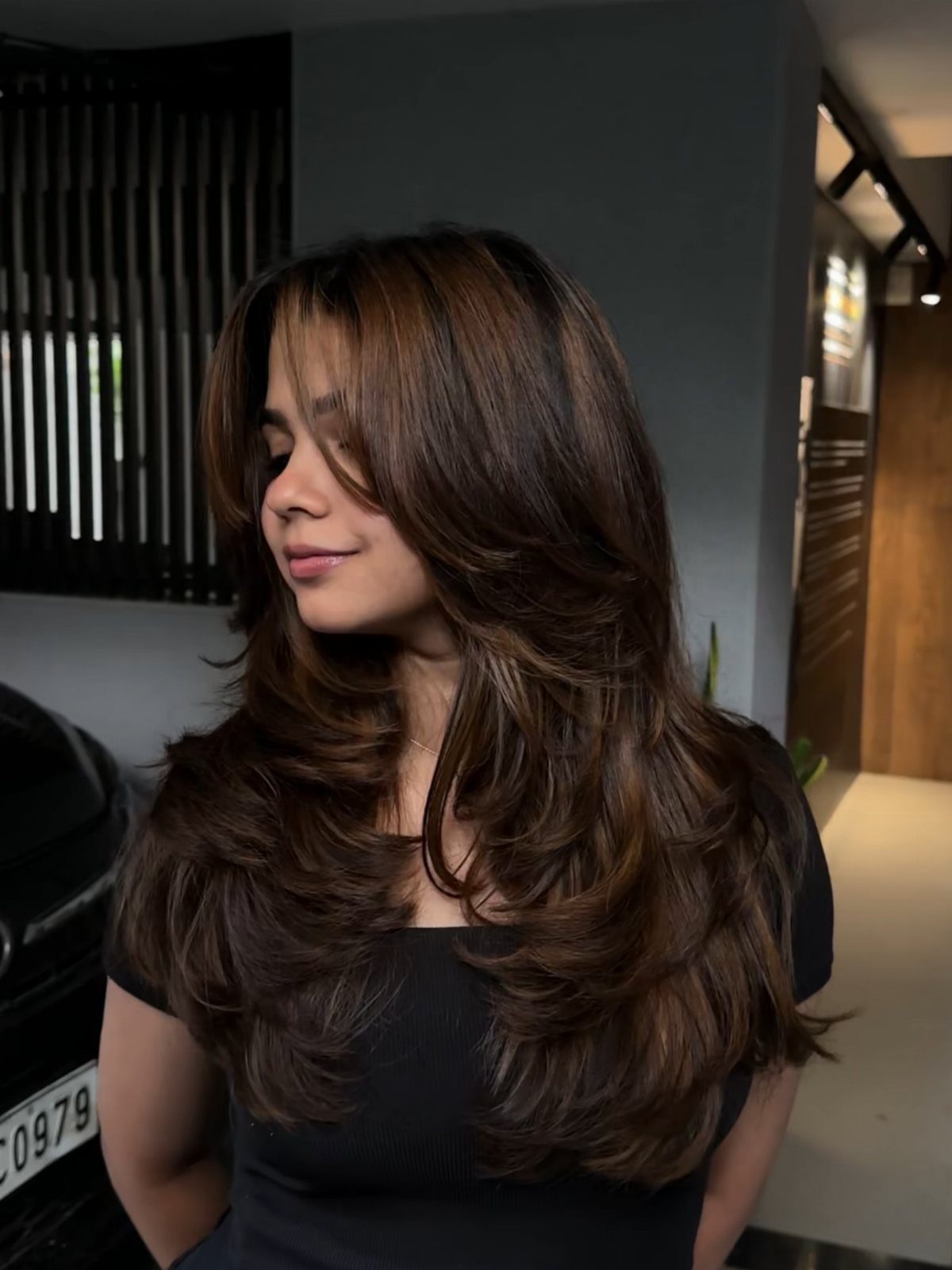
Dark mocha sits between espresso and caramel: creamy, warm and rich without turning golden. Use "dark mocha" as the name when you book, and mention you want warmth but not red.
Cutting long layers lets each one read as its own depth of brown. For dark hair with some softness, I would take mocha over a flat espresso.
13. Dark Plum
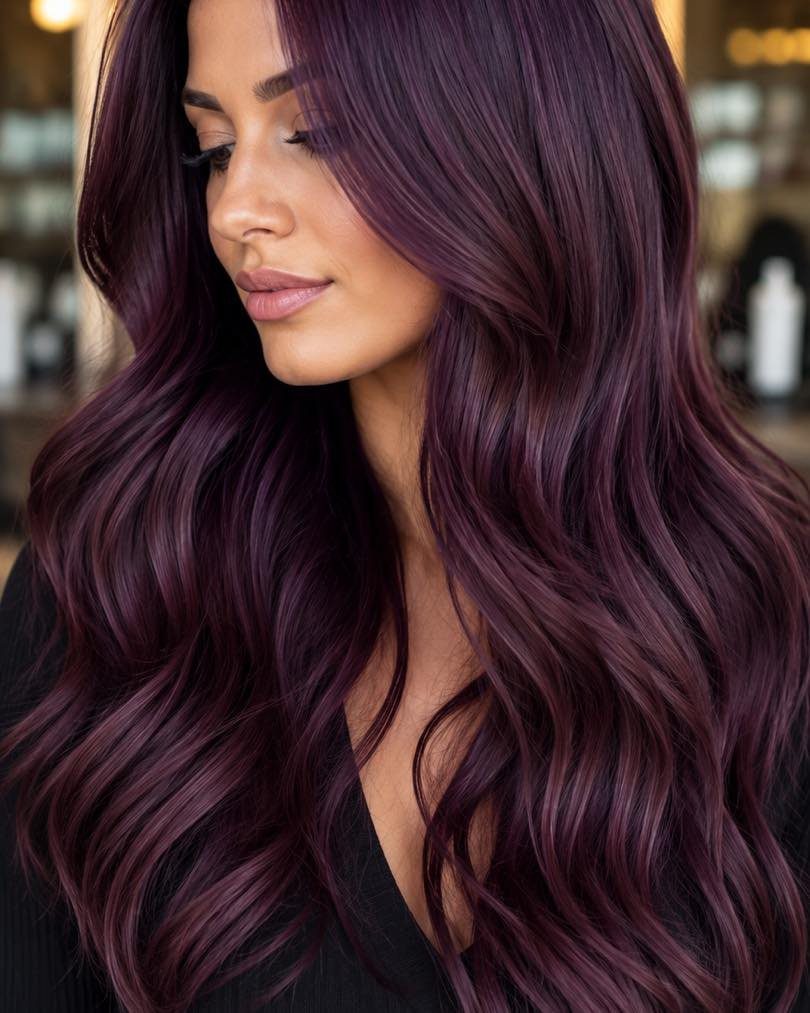
Violet is what separates plum from a plain dark brown, and on long waves it shows up in the bends.
Plum works best on dark hair when the violet stays quiet, so name the shade "dark plum" at the consult and ask for a deep base with only a flicker of purple that shows in sunlight.
I would choose this over a bright purple if you want color that still reads as dark hair from across a room.
14. Warm Chestnut

Red and copper undertones are what make chestnut worth asking for. Book it as "warm chestnut," and mention that you want copper warmth in the brown, not a flat medium shade.
At shoulder length, one even color can look plain, so I would ask for a few coppery pieces for depth. The warmth also sits well with gold jewelry.
15. Bright Face-Framing Highlights
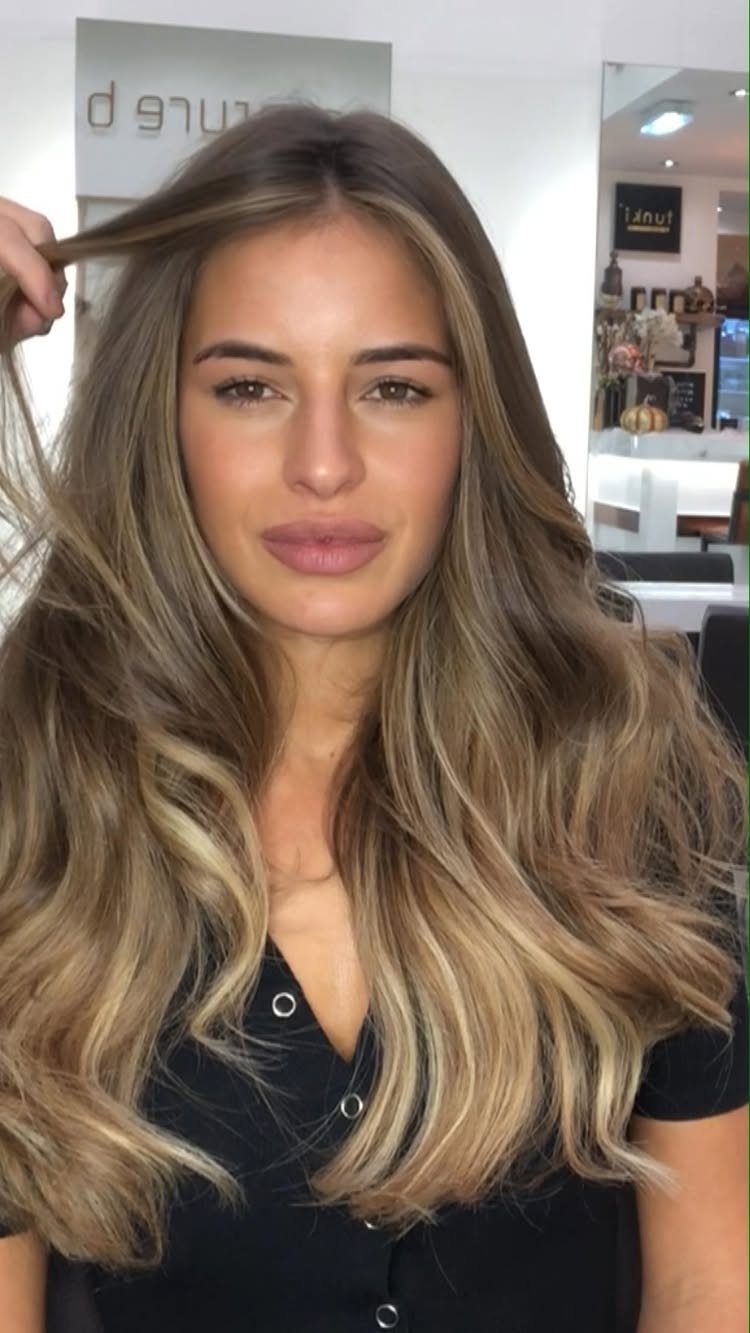
Bright blonde pieces at the front put the lightest color right beside the face, where it catches the eye first. Ask for face-framing highlights in the brightest blonde you want, and keep the brown base untouched.
I like this on long waves, since the bends break the blonde into strands. Lightening only the front sections is a smaller change than going blonde all over.
16. Glossy Onyx Hair
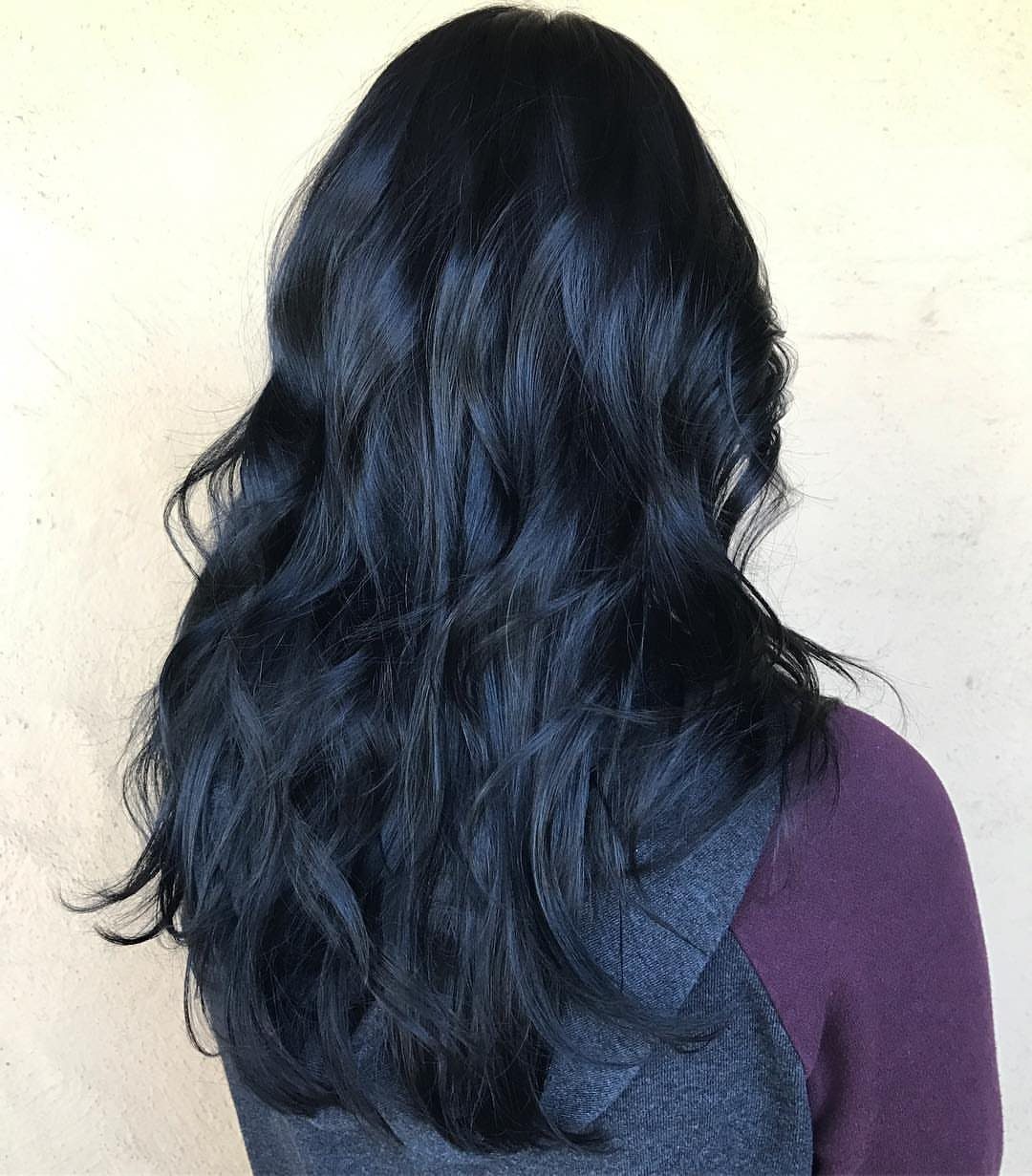
Shine does the work in this one. Ask for "onyx" with a glossy finish, and tell your stylist you want a true black that reflects light, not a dull ink shade.
Long waves suit it, since every curve catches a bit of light. I would pick onyx over a matte black any time, because gloss is what keeps such a dark color from looking flat.
Frequently Asked Questions
What color shows best on dark hair?
It depends on your undertone. Warm complexions tend to suit chestnut, mocha and copper, while cooler ones do better with ash brown, midnight blue and soft black.
Deep burgundy and dark plum also show well, especially in waves and curls, where the red or violet flashes through in pieces. Keep those two quiet so the hair still reads as dark.
What are the trendy brown hair colors for 2026?
Dark brown with subtle burgundy-red highlights is all over Pinterest right now, along with wine burgundy and cherry red.
Caramel is another heavily requested shade at salons. Burgundy works best as a deep, wine-dark shade instead of true red, and caramel looks right as a few fine ribbons set far apart so brown stays the main color.
Will dark hair color work on already dark natural hair?
Yes, for the deepest shades. A dark base already sits at or below the level of these shades, so espresso, jet black and soft black go on without any bleaching first.
Midnight blue and plum can need a little lift to show up, while teal, violet and pink only appear on hair that has been lightened, so ask your stylist how much lightening your strands would need.
What’s the best dark hair color for a low-maintenance lifestyle?
For the least upkeep, I’d pick espresso brown, warm chestnut or dark mocha. Their tones blend with dark regrowth, they rarely need toning, and they fade gradually instead of abruptly.
How long does dark hair color typically last?
Most dark permanent colors last 4–8 weeks before fading or root growth starts to show. Shades built on red or blue pigments fade faster, which is why burgundy and plum take more upkeep.
Ash brown and soft black tend to stay true the longest, as long as you wash gently and use color-safe products at home.