Dark brown or black hair turns plum into a quiet, low-contrast shade, while hair that has been lightened first shows the brightest tones.
The list runs from Plum Ombré and Glossy Plum, which grow out softly beside dark roots, to Bright Plum, Violet Plum and Plum and Magenta Ombre, which fade sooner and need regular touch-ups.
Brunettes who want to skip bleach can use a demi-permanent dark plum, but it won’t cover gray.
1. Plum Ombré
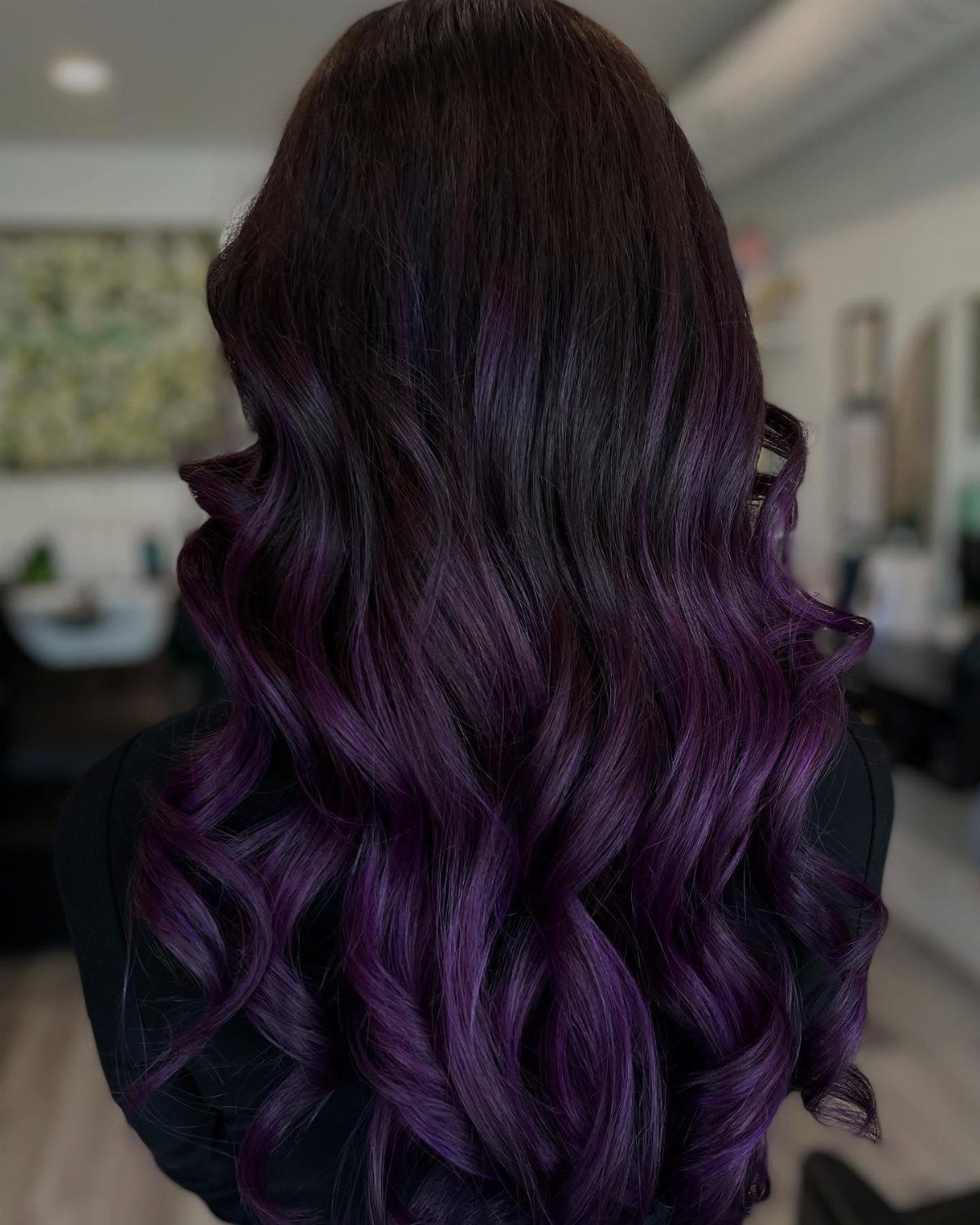
A dark root melting into glossy plum curls is the easiest way into this color, because nothing sits at the scalp. Regrowth never shows as a stripe, so touch-ups can wait.
Ask for a soft, blended transition rather than a hard line, and say whether you want the ends deep plum or brighter. Curls and waves hide the blend well.
Photo-wise, I like the ends a notch brighter than the roots. That contrast is what makes it read as ombré.
2. All-Over Plum
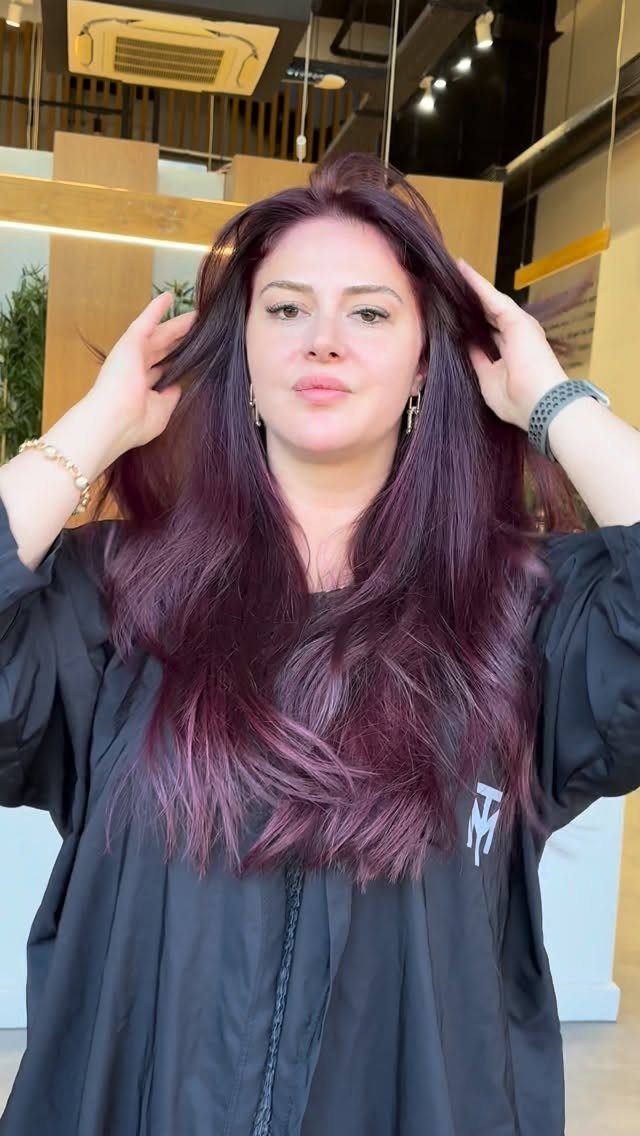
One plum shade from root to tip gives the cleanest, most polished version of this color. Long waves in a deep plum look rich, never like a costume.
Bring a photo and ask for a single-process plum, then confirm the depth: deep and wine-leaning or more purple. The wavy texture helps, since the shade shifts in the light.
Regrowth is the cost of this one. A natural root shows at the part within a few weeks, so I would pick this only if you don’t mind regular touch-ups.
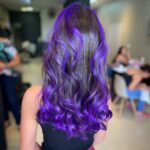
3. Plum and Magenta Ombre
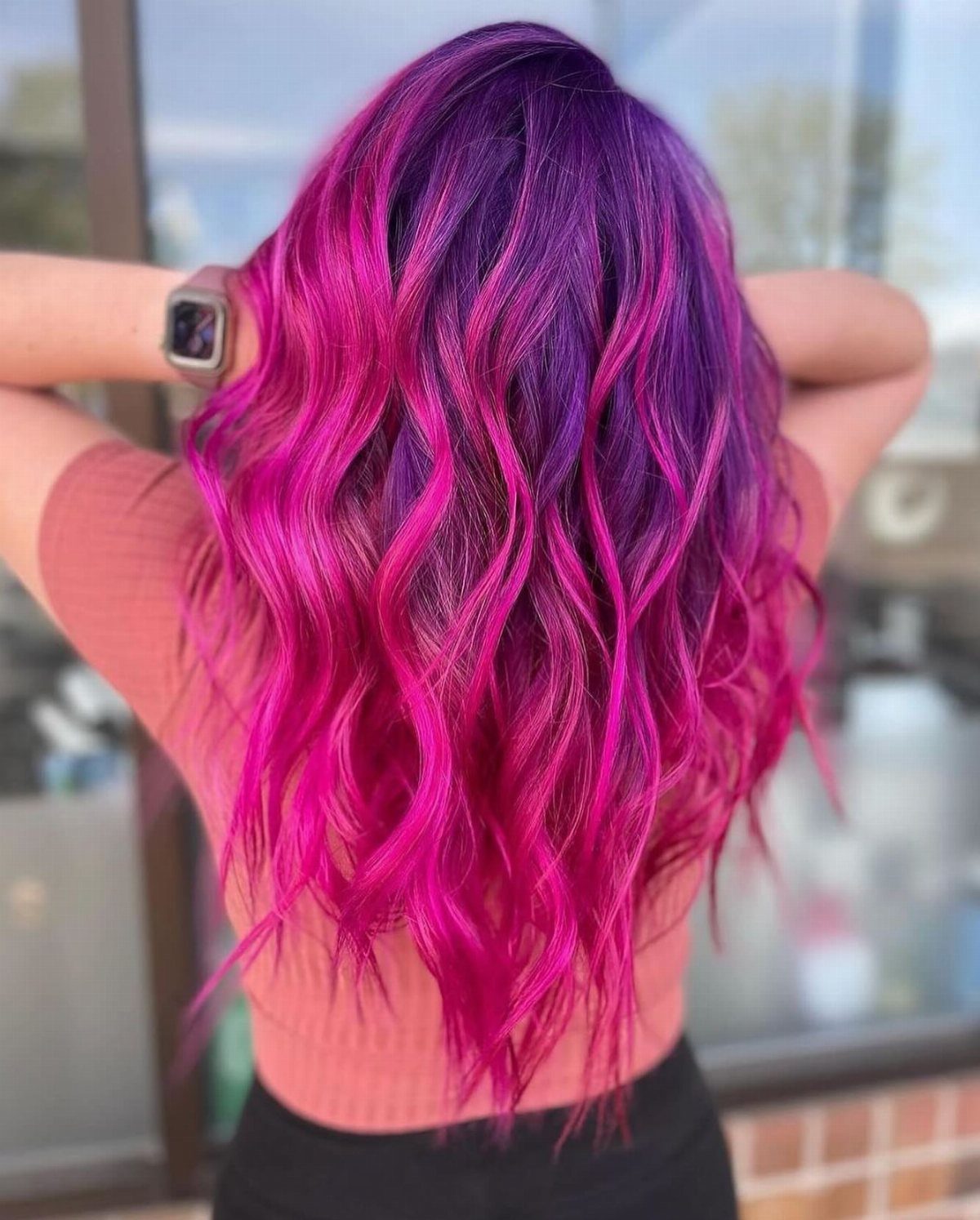
Plum fading into magenta pairs a cool tone with a warm one, so the gradient does the talking. Keep the roots deep plum so the color stays wearable, and let the ends go magenta for the brighter pop.
Ask for the magenta to start well below the ears so the plum has room to breathe. Lighter hair takes magenta most cleanly; darker hair usually needs lightening on the ends first.
I would choose this over a plain pink ombré. A plum base anchors the look and makes regrowth far less obvious as your hair lengthens.
4. Subtle Plum
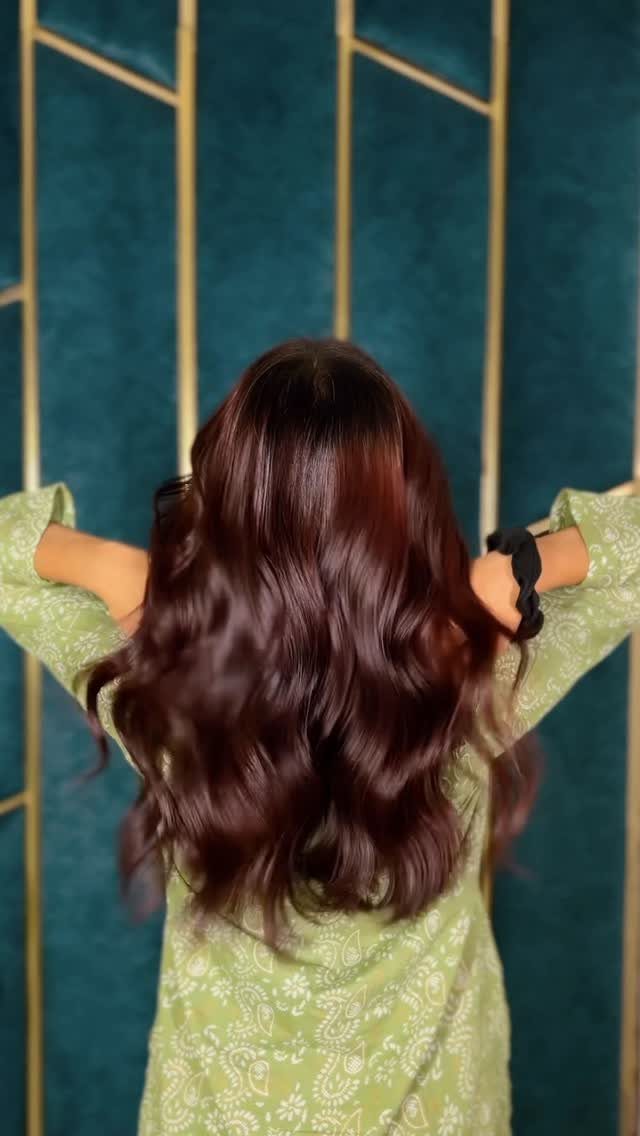
Here the plum is muted and stays near brown, so it reads as a hint of berry rather than a declared color. That makes it the easiest shade to wear at an office or a family dinner.
Ask your stylist for a plum-brown, or a plum gloss over your natural base. It blends with darker roots as it grows, which keeps upkeep low.
If you’re nervous about purple, start here. You can always go bolder at the next appointment.
5. Bright Plum
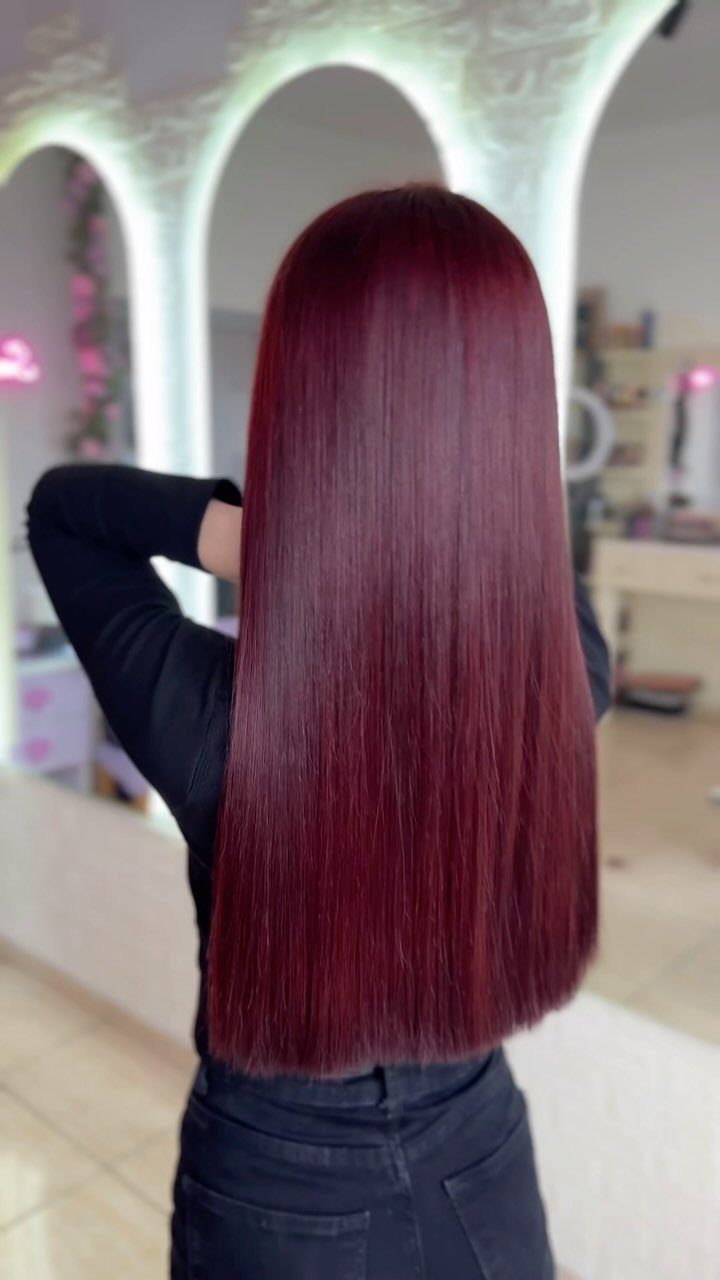
Straight, glossy hair is the best canvas for vivid plum, since smooth strands reflect the saturation back at full strength. Every flaw in the color shows too, so patchiness has nowhere to hide.
Ask for an even, saturated plum and expect lightening first if your hair is dark. Vivid shades fade faster than muted ones, which means more salon visits or a color-depositing conditioner at home.
I’d pick this one for the pure impact. Just budget for the upkeep.
6. Violet Plum
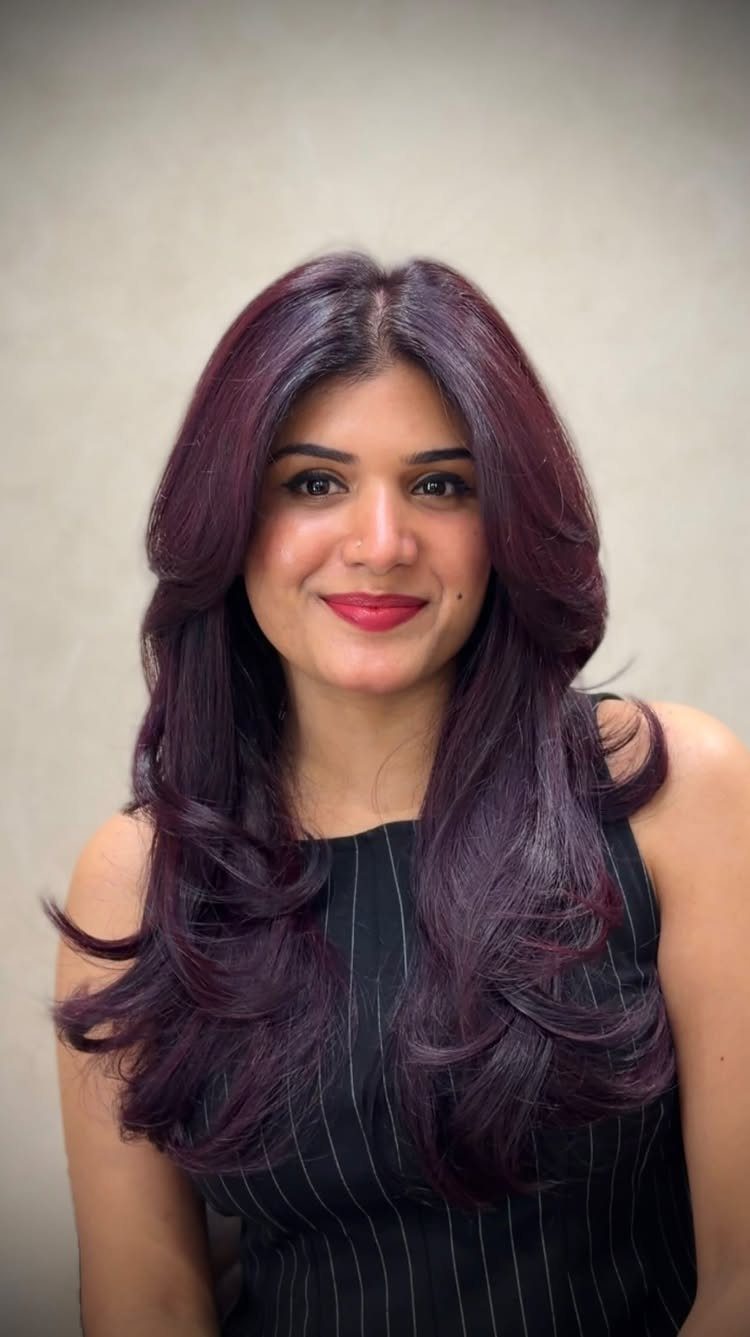
Violet plum tips the balance toward purple, with just enough berry underneath that it never turns pure lilac. It sits between the redder plums and the cooler amethyst shade.
Layers and loose waves show off the shift between violet and plum as the hair moves. Ask for violet-leaning plum and mention you want it to stay warm enough to read as plum.
Cooler complexions tend to carry it best. On a lighter base, a semi-permanent violet is a low-commitment way to try it.
7. Glossy Plum
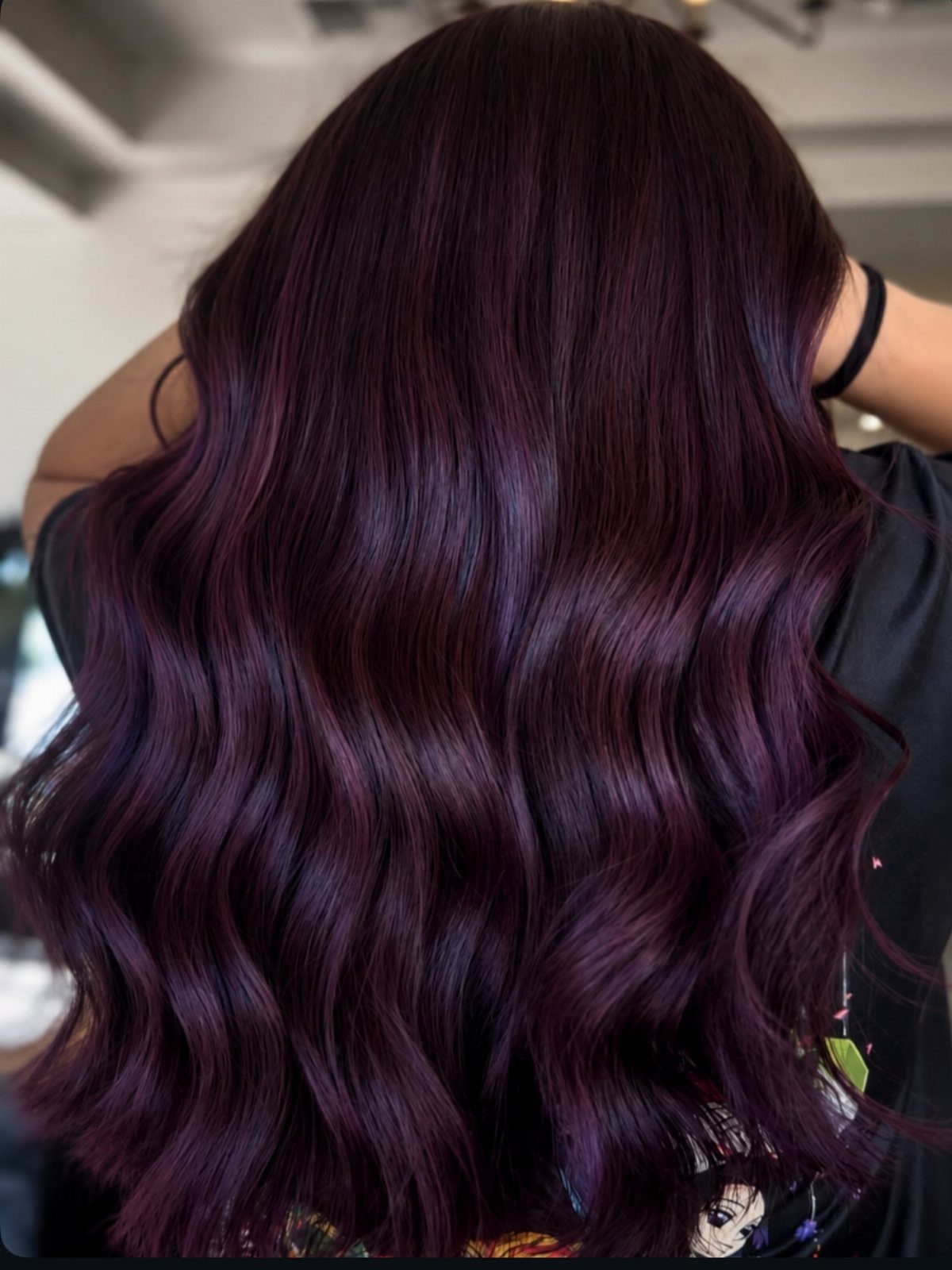
The shine is doing most of the work here. Plum looks deeper and richer when the surface catches light, so getting that gloss means treating the hair well before and after color.
If you’re going for this at home, use a dye with conditioning agents built in and follow it with a purple-toned gloss or a clear one to seal the cuticle.
The waves help too. Texture gives the light more surface to play with, so if your hair sits flat, add some bend with a loose curling iron after styling.
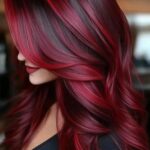
8. Cranberry Plum
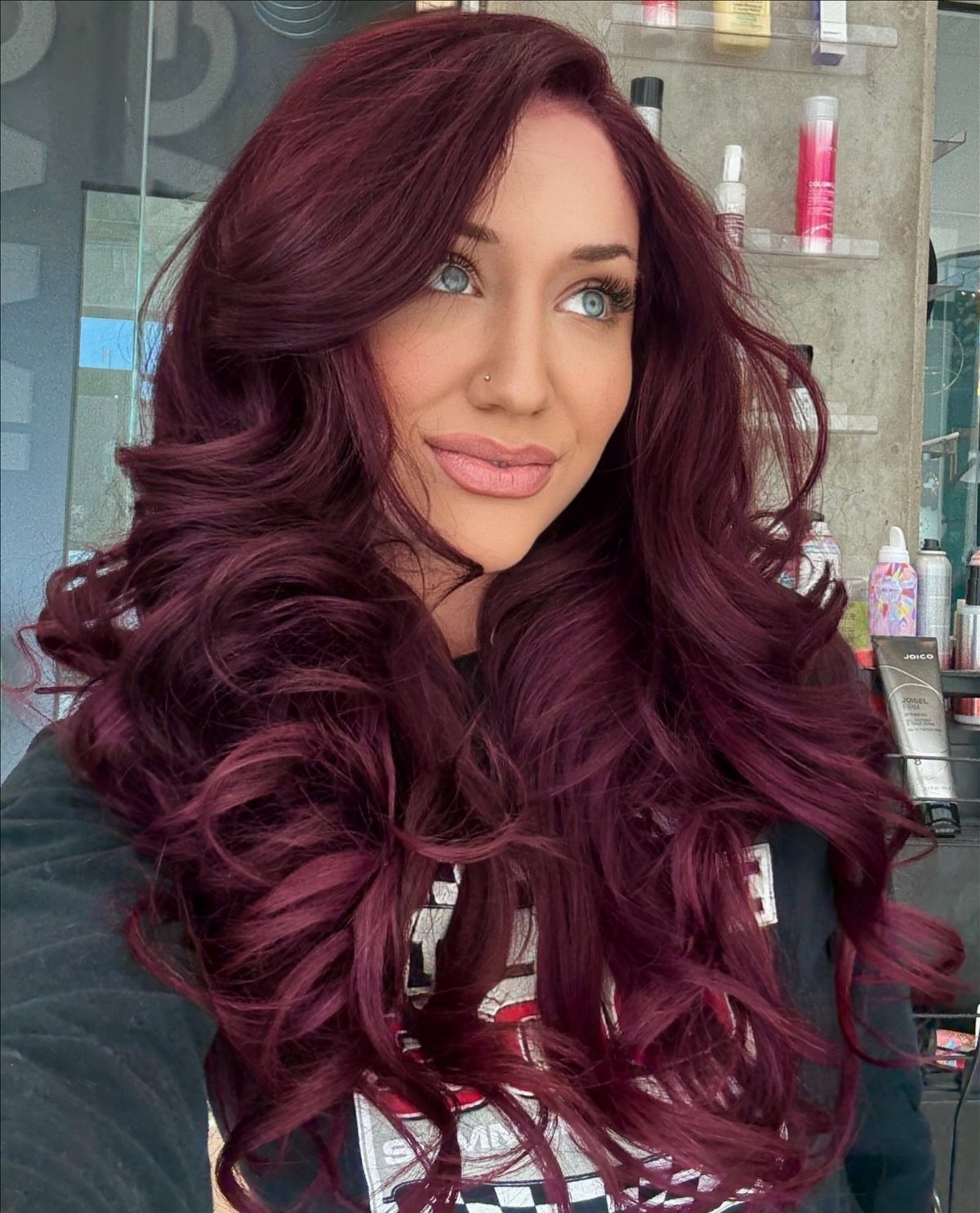
Cranberry plum skews warmer than most plum shades, picking up more red and less blue. The result reads closer to burgundy in some light, closer to purple in others.
Warmer skin tones usually wear this better than cooler ones. If you tend toward gold jewelry and peachy or warm beige foundations suit you, this is the plum to try first.
At home, look for a plum or burgundy dye that lists red or mahogany tones on the box. The color guide on the back is more reliable than the front image.
9. Amethyst Plum
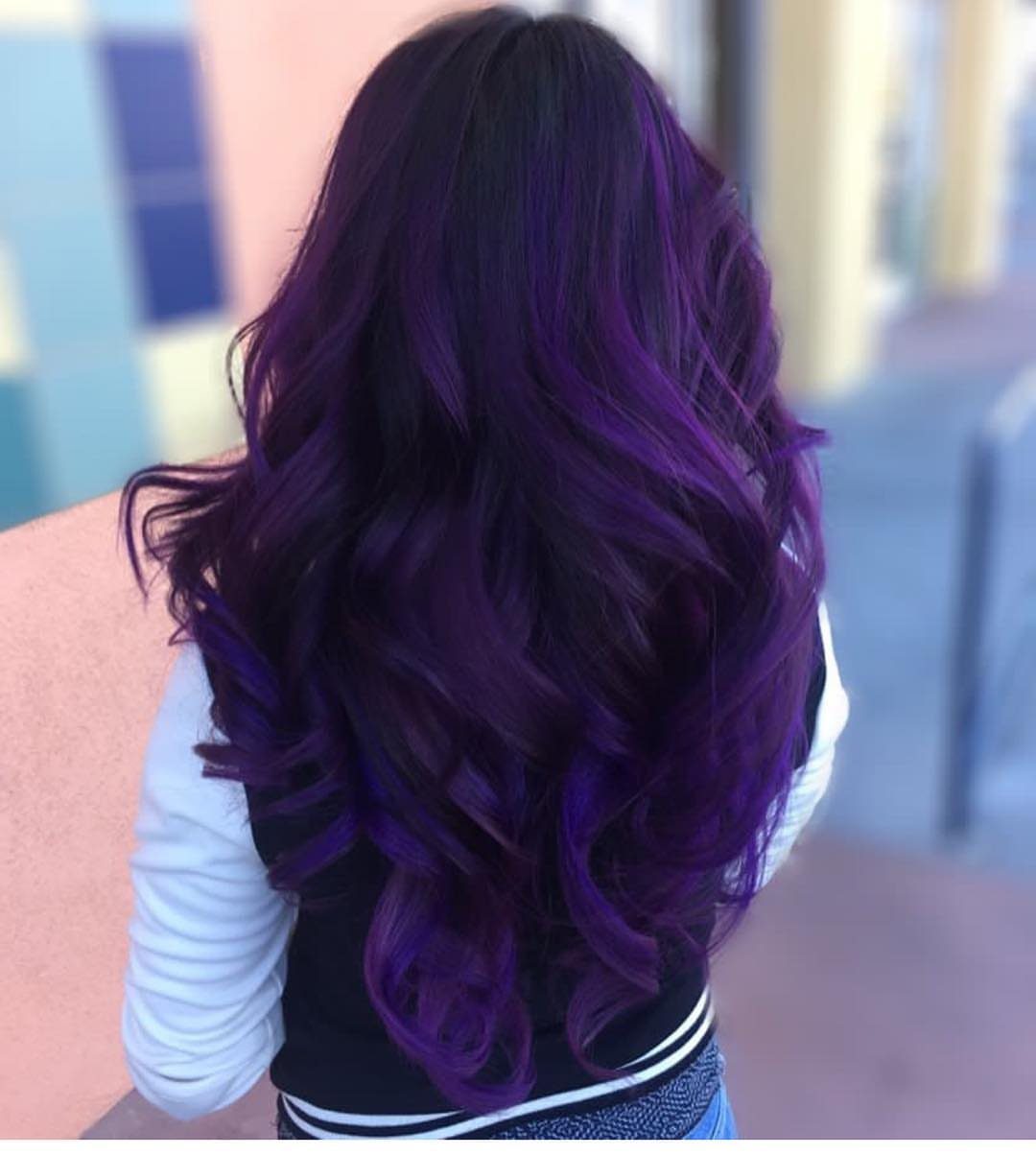
Amethyst plum leans violet, pulling away from the berry reds and into cooler purple territory. The result is brighter and more saturated than a typical plum, especially in direct light.
This one suits cooler skin tones better. If silver jewelry looks good on you and your veins read blue rather than green, amethyst plum will sit more naturally against your complexion.
Getting this shade at home usually means starting with pre-lightened hair or choosing a semi-permanent dye in violet or purple.
The color is vivid enough that it shows best on blonde or light brown bases. Darker hair needs bleach first or the purple stays subtle.
10. Plum Dreadlocks
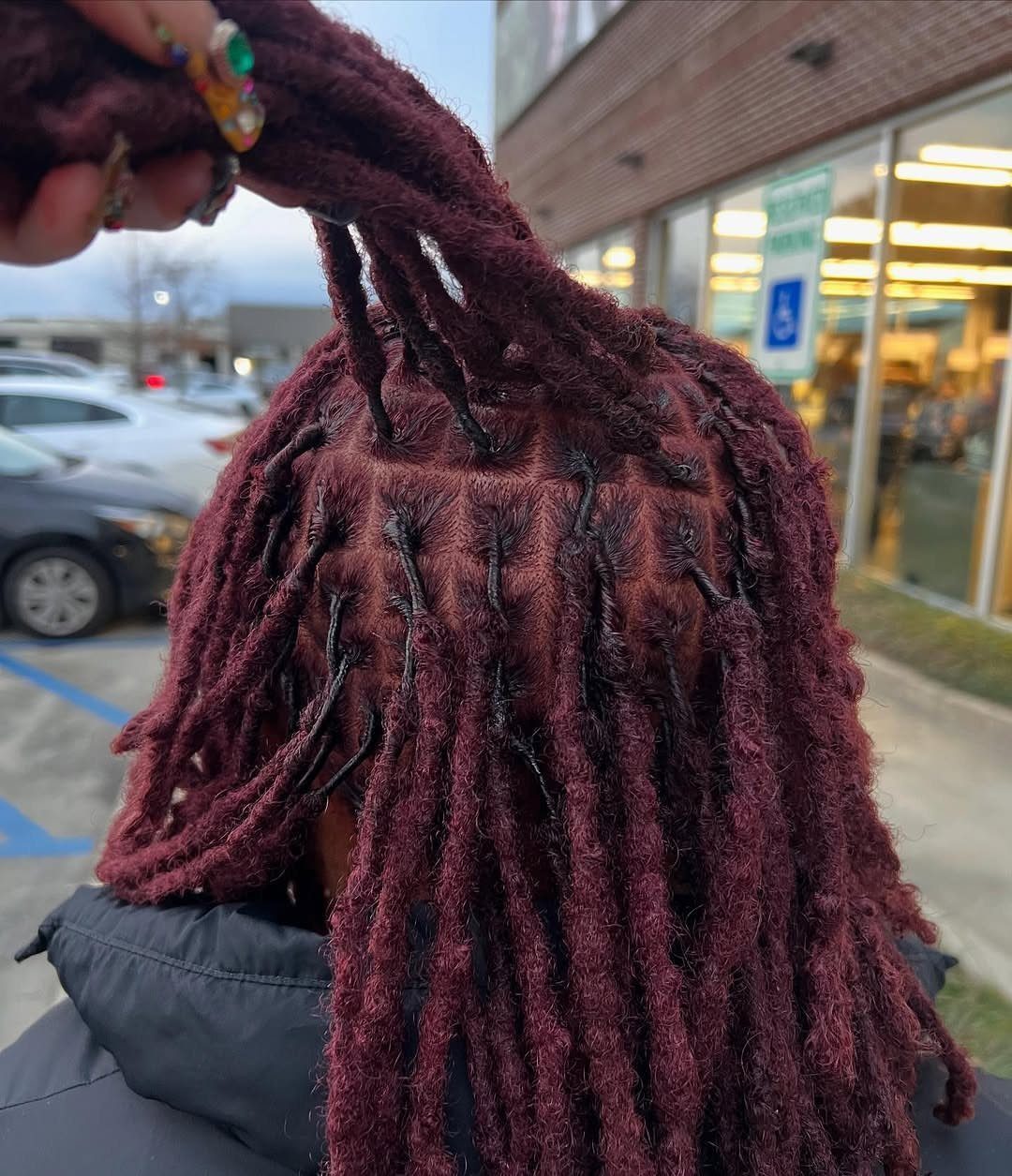
Plum works on dreadlocks the same way it does on loose hair, but the application is slower. Each loc needs saturation through to the center or the color sits only on the surface and fades unevenly.
At a salon, expect to sit longer than you would for loose hair.
The stylist sections and saturates each loc individually. At home, use an applicator bottle with a narrow tip and work the dye through each one by hand, squeezing gently to push color into the core.
The darker roots here are intentional. A full root-to-tip color on locs takes longer to maintain, so many people let the roots grow out naturally and refresh the lengths.
11. Plum Curls
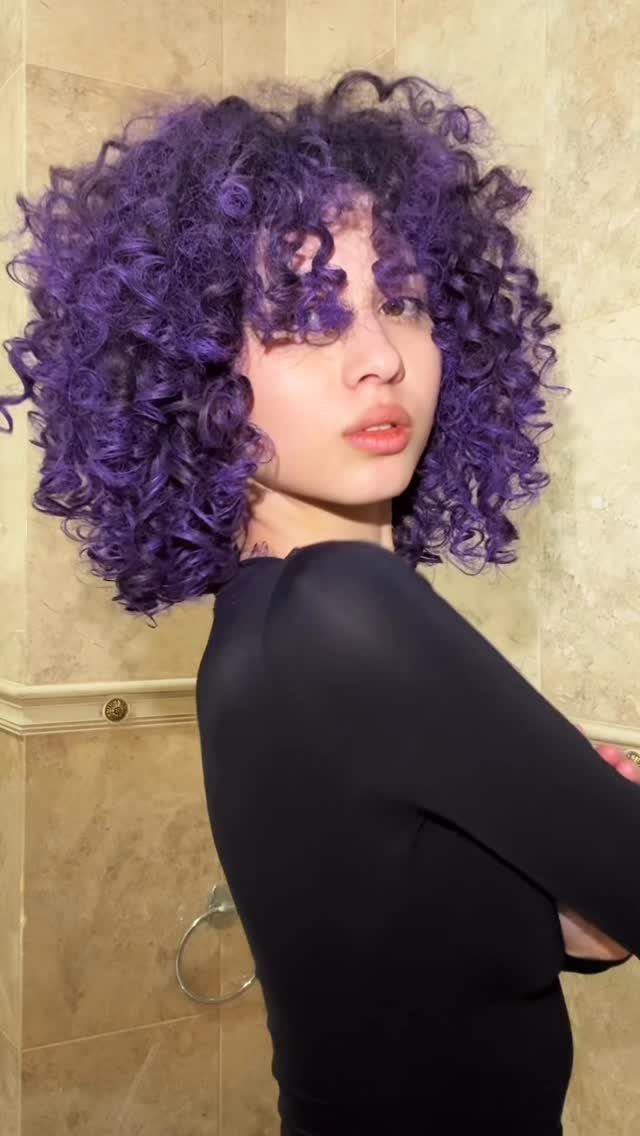
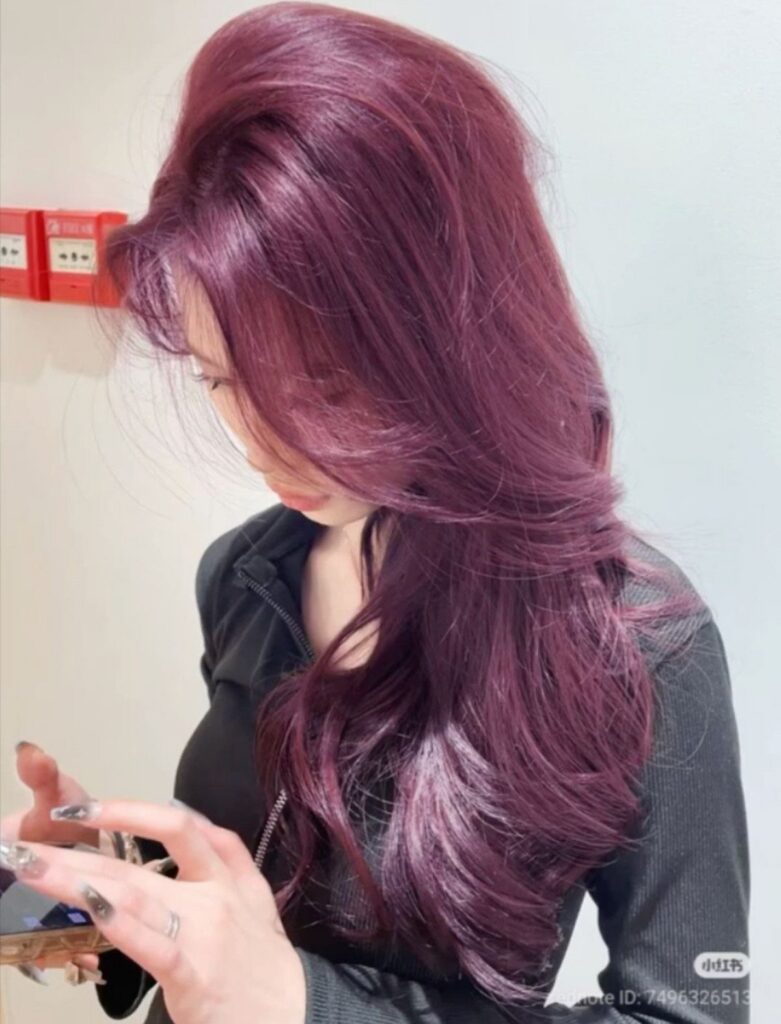
Curls scatter light in every direction instead of bouncing it back in one flat sheet, so plum reads softer and more dimensional here than on straight, glossy hair, where vivid shades hit full strength.
The color looks more dimensional without needing multiple tones.
If your hair is naturally curly, vivid plum will show up best on lightened hair. Curls that start dark brown or black need bleach first or the purple stays too subtle to read as plum.
Keeping the curls defined after coloring means using a leave-in conditioner and a curl cream. Vivid plum dries the hair more than a natural shade does, and dry curls lose their shape and start to frizz.
12. Long Plum Waves
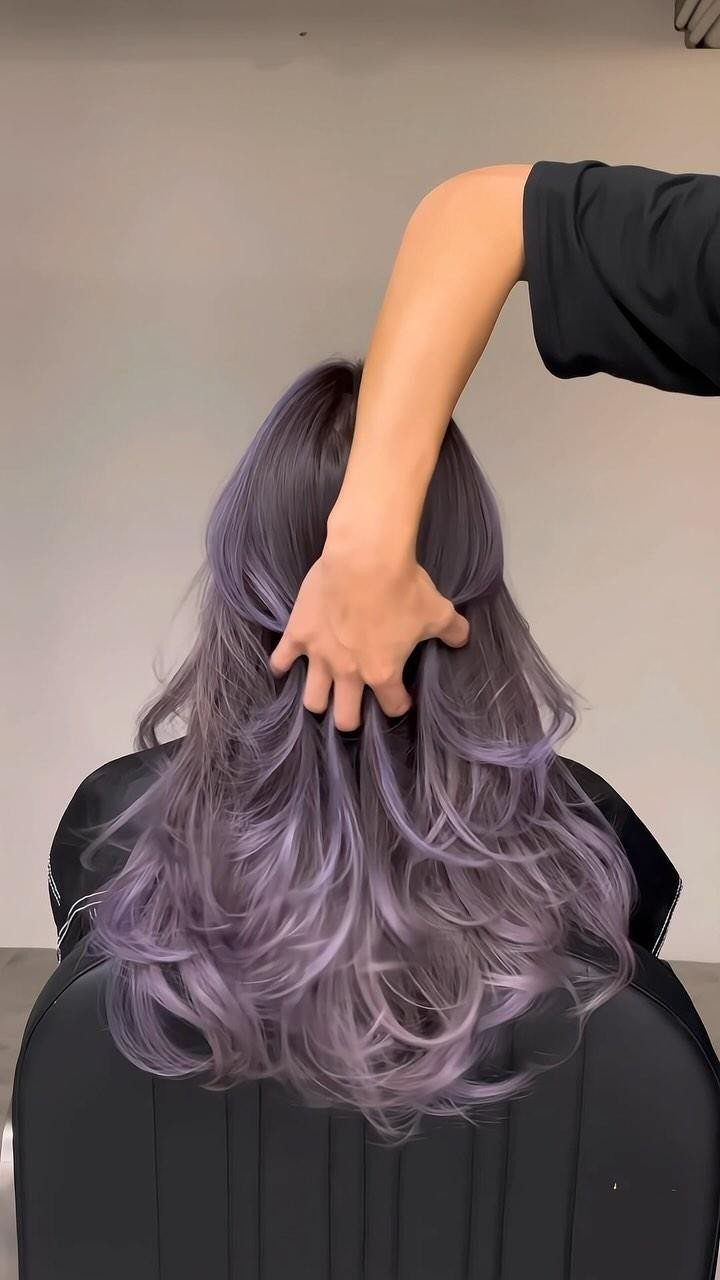
Long waves in muted plum give you the color without the intensity of a vivid shade. The tone is softer, closer to mauve or dusty purple, and it blends more easily with darker roots as it grows out.
This version suits someone who wants plum but needs a lower-maintenance option.
At home, choose a semi-permanent plum or violet dye and dilute it slightly with conditioner before applying.
That softens the tone and keeps it from going too saturated. On dark hair, you may need to lift it one or two shades first for the plum to show through.
13. Plum Layered Hair
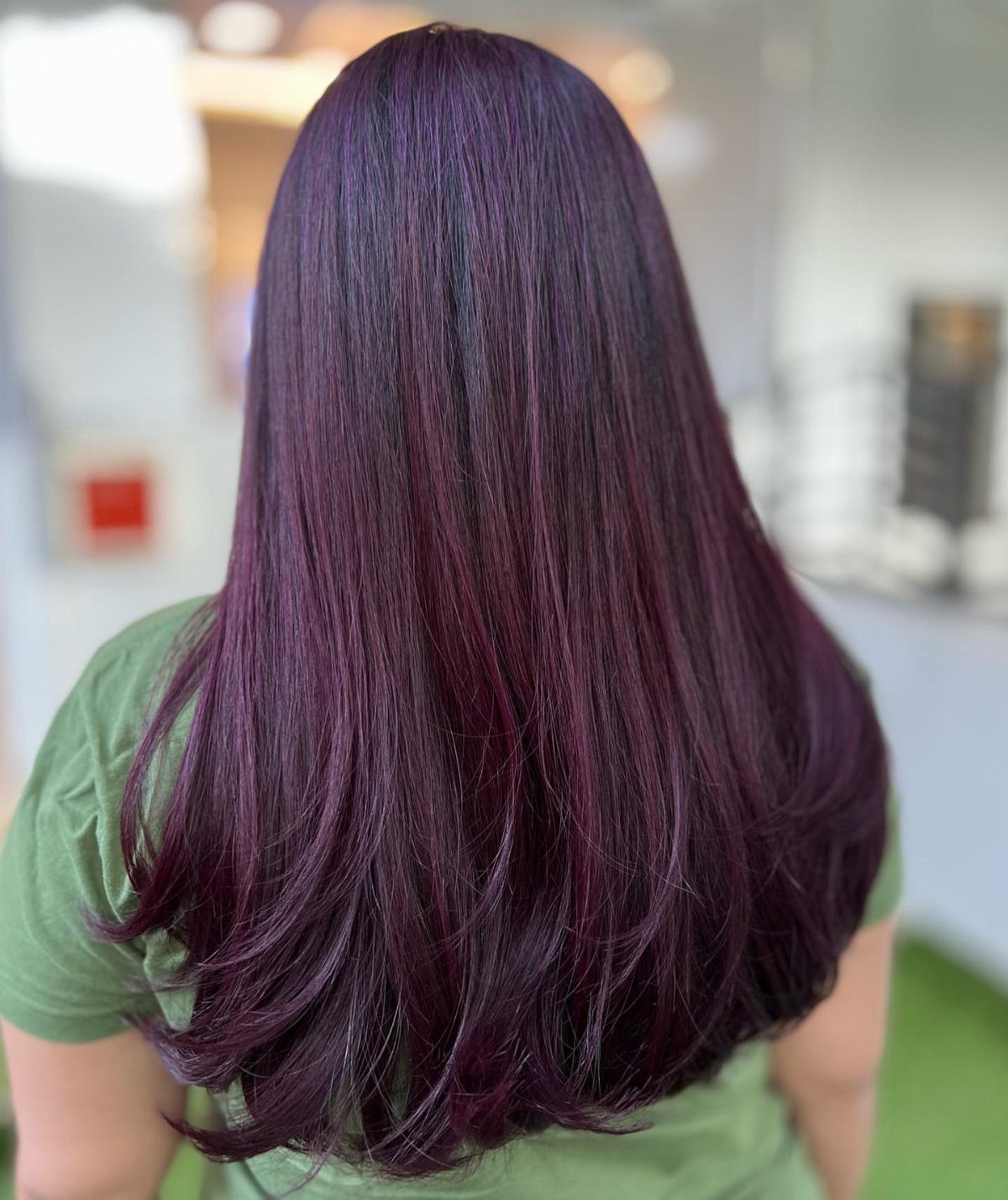
Layers are what make long plum hair move. Cut through the length, they let the curled ends bounce and show the color shifting between deep plum and purple as the hair swings.
Ask for long layers with curled ends and mention that the cut and the color should be planned together. Swept bangs, if you want them, frame the face without cutting into the length.
Layers also mean more ends, and ends are where color fades first. I’d book a trim every few months so the cut keeps its shape and the plum doesn’t look worn at the tips.
14. Lavender-Plum Hair
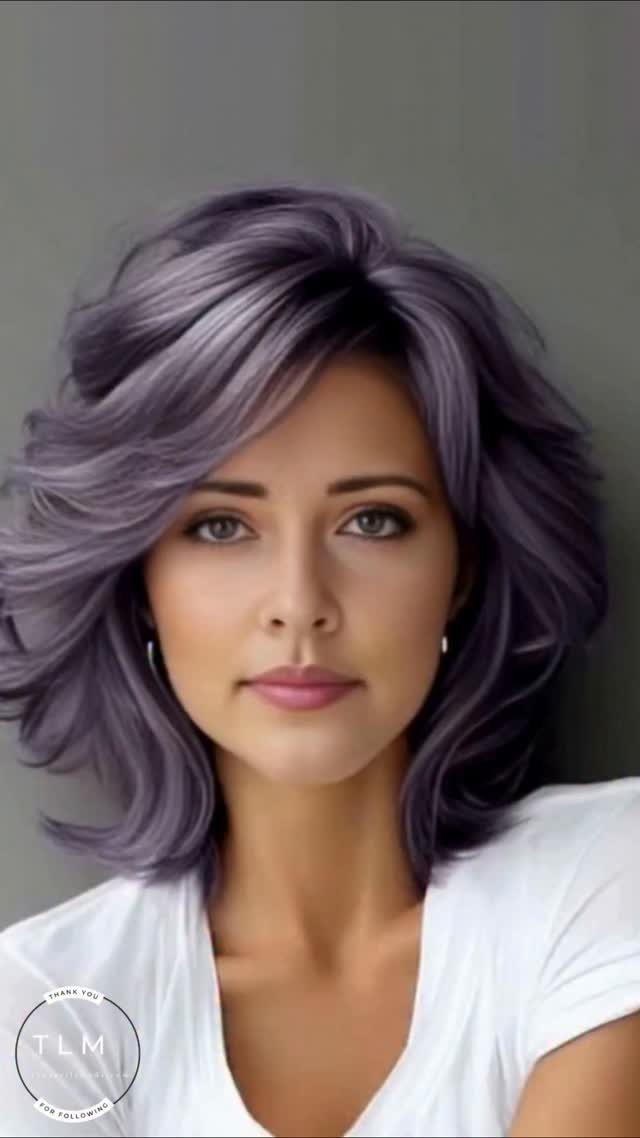
This version pulls plum into pastel territory, mixing it with lavender or gray-lavender tones for a cooler, softer result. The purple reads lighter and less saturated than a straight plum.
Getting there usually means pre-lightening the hair to blonde first, then applying a diluted violet or lavender dye.
At home, mix a semi-permanent purple with white conditioner until the color looks pale in the bowl. That gives you control over how soft the final shade goes.
Cooler skin tones wear this better. If silver jewelry suits you, lavender-plum will sit more naturally than a warmer berry shade.
Plum Undertones and Skin Tones
Plum carries both warm red and cool blue-purple, so the question isn’t whether it suits your skin but which side to lean toward.
A colorist can tilt the same plum warmer or cooler, which is why it works on any skin tone.
Say "warmer" or "cooler" out loud at the appointment rather than only pointing at a photo. Photos shift with lighting and filters, and a plum that looks wine-red on screen can dry down purple in person.
Check the shade in daylight near your face before you leave the salon chair. If it looks too sharp or too dull, a small adjustment toward the other side is an easy fix then.
Results Depend on Starting Color
Your starting color sets how bright plum gets. Darker hair gives a subtler result, while lighter or previously lightened hair shows the brightest tones.
If you’re a natural brunette and want to skip bleach, a demi-permanent dark plum is a gentle route.
Because this kind of dye only deposits pigment and has no lightening power, it layers a deep violet-red over brown or red hair and leaves your base shade where it is.
Madison Reed’s dark plum is a good example: the color fades a little at a time, and the brand says it holds for up to 25 washes.
One limit to plan around: demi-permanent color does not cover gray. Gray strands will show up differently from the rest, so if you have a lot of them, expect a less even result.
Fading and Color Upkeep
Plan on plum fading early. Fantasy shades like this start to dull 2–3 weeks after the appointment, so the first month is when your home routine matters most.
Switch to gentle, sulfate-free color-care shampoo and conditioner right away, since harsh cleansers strip pigment faster. Book touch-ups more often than you would for a natural shade.
If your hair was bleached to get here, add a hair mask once a week. Lightened strands are more porous and dry, and conditioned hair holds color better.
Frequently Asked Questions
What skin tone suits plum hair?
Red supplies the warmth and blue-violet supplies the cool, so plum sits comfortably against fair, olive, tan and deep skin.
Cooler complexions tend to carry violet-leaning versions like amethyst or lavender plum best, while warmer skin usually does better with a redder cranberry plum.
Shade direction is adjustable, so tell your colorist whether you want a red-warm or blue-cool lean; a photo by itself leaves too much to guess.
Does plum hair color fade quickly?
Yes.
Expect the first dulling around week 2 or 3, which is typical for any fantasy shade. A gentle, sulfate-free color-care routine from day one slows the loss.
How do you care for plum hair color?
Switch to a sulfate-free color-care shampoo and conditioner right away, since harsh cleansers strip pigment faster.
Bleached hair soaks up moisture and loses it again quickly, so a weekly mask earns its spot if your plum started from a lightened base.
Fading and regrowth both show sooner on plum, so book your next visit earlier than you would with a natural brown.