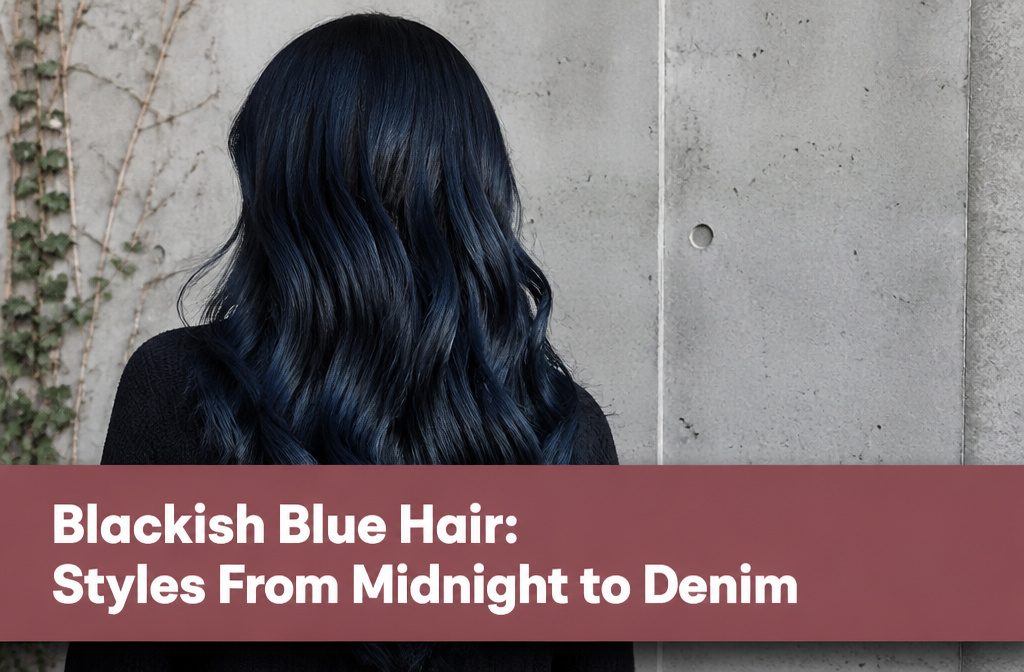
A cool-toned black with a slight blue cast, this color passes for jet black indoors and turns navy to sapphire in direct sun.
How much blue shows depends on your starting hair: unlightened hair gives a level 1 black with a blue undertone, while real navy like Lunar Tides’ Smokey Navy needs level 9–10 platinum underneath.
1. Midnight Blue and Black
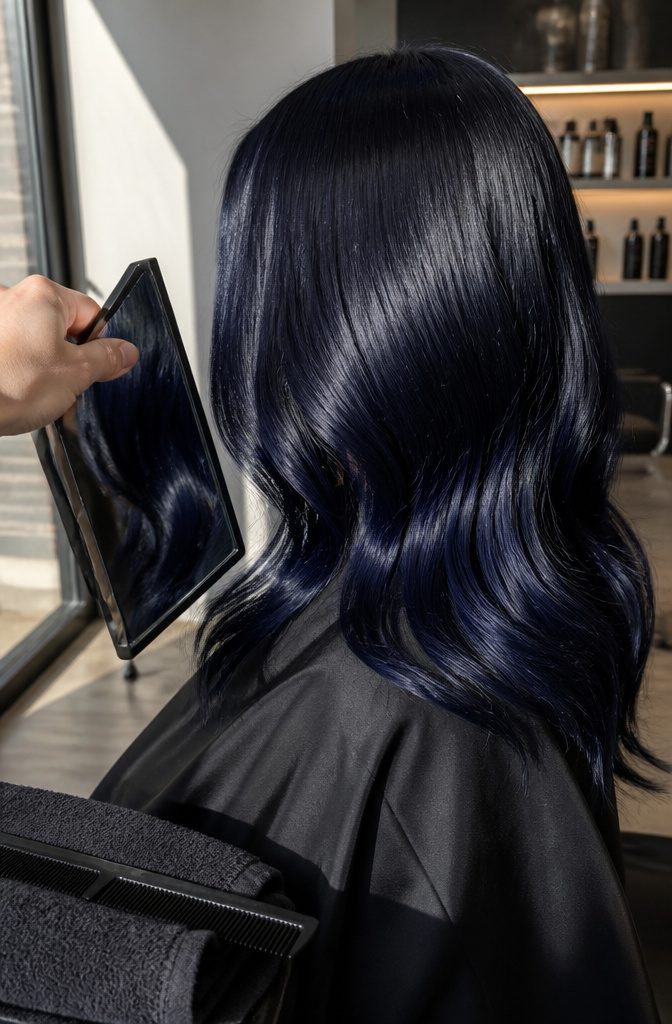
Midnight blue and black sit so close in value that the pair reads as one dark color until the light moves.
Black holds the shadows, and the blue shows up where the hair catches light, so the result looks deeper than either shade alone. I’d pick this over flat black for anyone who wants dimension without anything loud.
The blue stays quiet. Indoors it can pass for black, and the blue surfaces in sun or camera flash, which makes it a low-risk first step if you’re nervous about color at work or school.
Bring a photo to the stylist, because "midnight" means different things to different people, and ask where the blue will sit against the black.
2. Blue-Black Hair
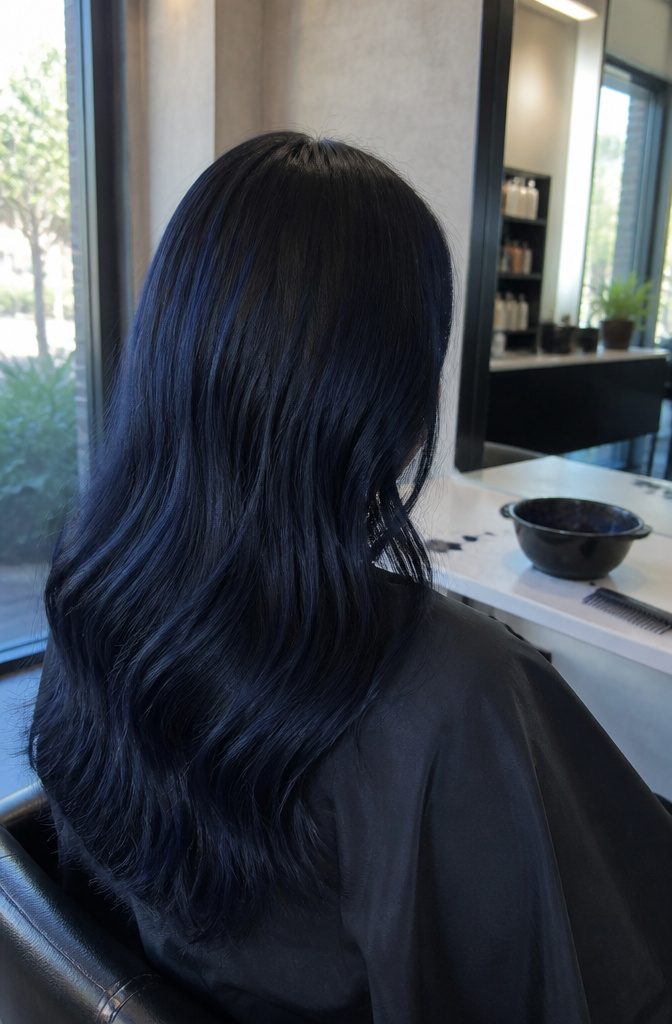
Blue-black is a rich, jewel-toned black with a cool, glossy blue undertone, and in low light it reads as plain black while the blue surfaces in bright light.
Colorist Chad Kenyon calls it the "Superman shade." He mostly does it on brown hair that has lost its luster, because it adds light around the face without highlights.
His case against flat black is the one I’d repeat to anyone nervous about going dark:
"Oftentimes, dark brown and black hair color can appear flat, which can give an appearance of hardened facial features."
If your black looks harsh in photos, the blue undertone is what I’d try first. Leave the formula to a colorist who knows your color history.
3. Light Blue-Black Hair
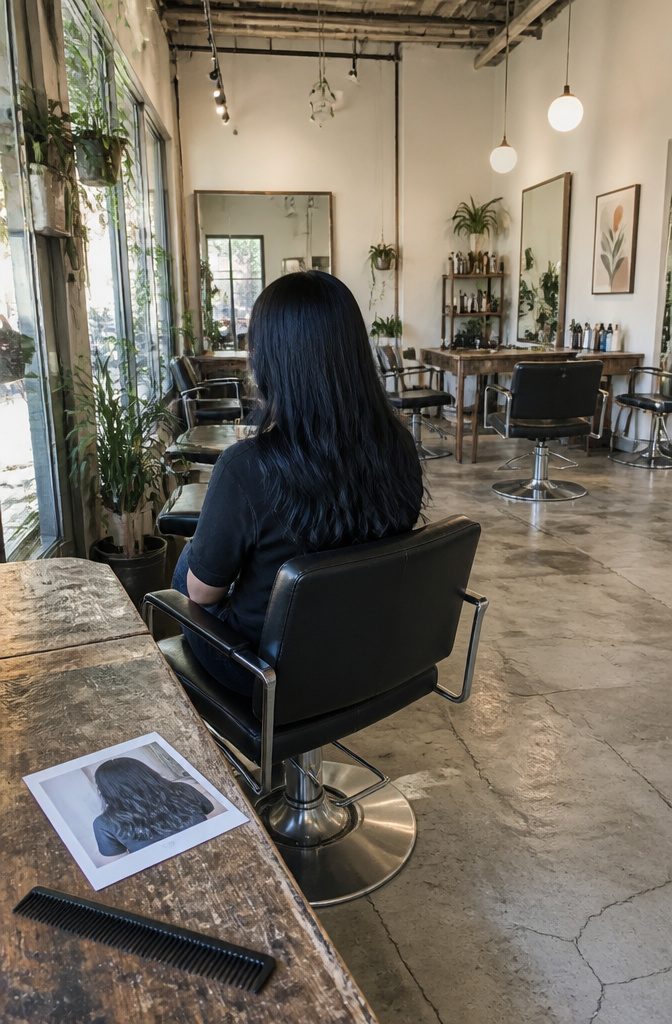
Light blue-black sits a step above the inky versions. The base reads as soft black or dark espresso, and the blue shows as a cool sheen in daylight instead of only under bright light.
Deeper shades can look nearly black indoors, while this one lets the color register sooner, which is why I’d point anyone wary of commitment here.
It flatters fair and cool-toned skin, where jet black can look heavy near the face.
Bring a daylight photo and ask for a soft blue-black, because the same shade can look flat under salon lighting. Anyone chasing the mirror-like depth of the darkest tones will find this one too airy.
4. Deep or Navy Blue-Black
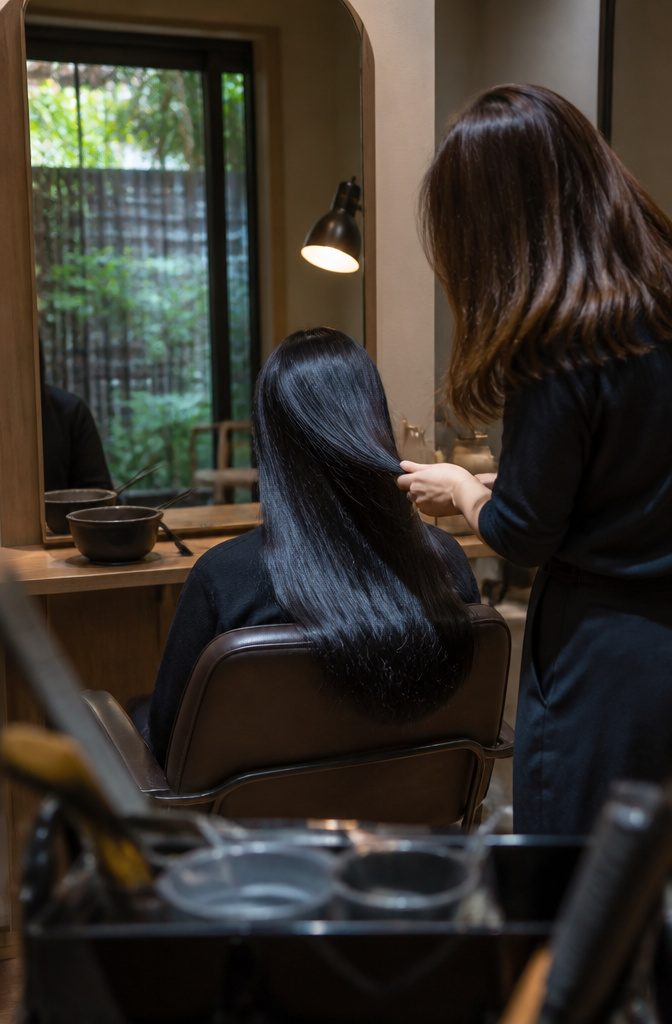
Navy over a black base shows up only when light hits it. In shade the hair reads black; under a lamp or in sun, a cool, glossy blue surfaces.
Colorist Chad Kenyon builds this jewel-toned black with R+Color’s Inkpot, mostly on brown hair that has lost its luster, since it adds light around the face without highlights.
At home, bleach is the dividing line. Reddit users point out that unlightened hair gets you a level 1 black with a blue undertone, visible only in direct light.
Real navy, like Lunar Tides’ Smokey Navy, needs level 9–10 platinum underneath, and navy shades tend to fade toward a brighter blue. I’d choose the no-bleach version for hair that’s already damaged.
5. Blue and Purple
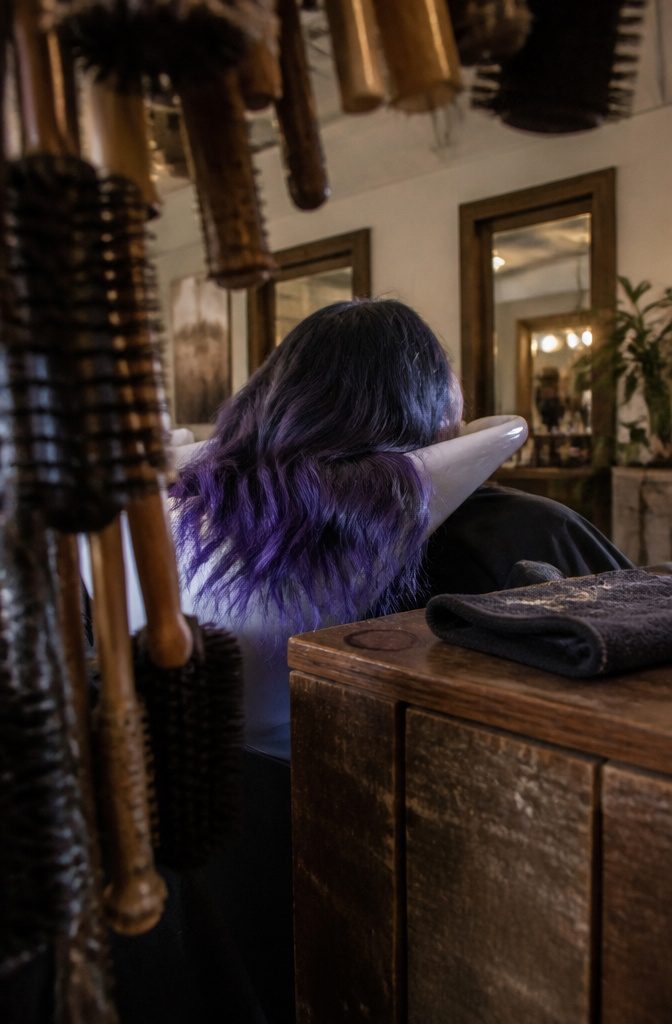
Pairing blue with purple is the quickest way to make a near-black base announce itself. Blue-black on its own reads as dark until light hits it.
Add violet and the color shows indoors, not just in sunlight. The two sit side by side on the color wheel, so they blend without a hard line, and the shift looks like depth rather than a stripe.
I prefer blue as the base, with purple in the lengths and ends where it catches movement. Keep the purple softer than the blue so the dark root still anchors the look.
Flip that balance and the hair reads as plain purple, which is a different style. Expect more upkeep than a solid dark shade, because two tones will not fade at the same pace.
6. Mixed Blue-Black
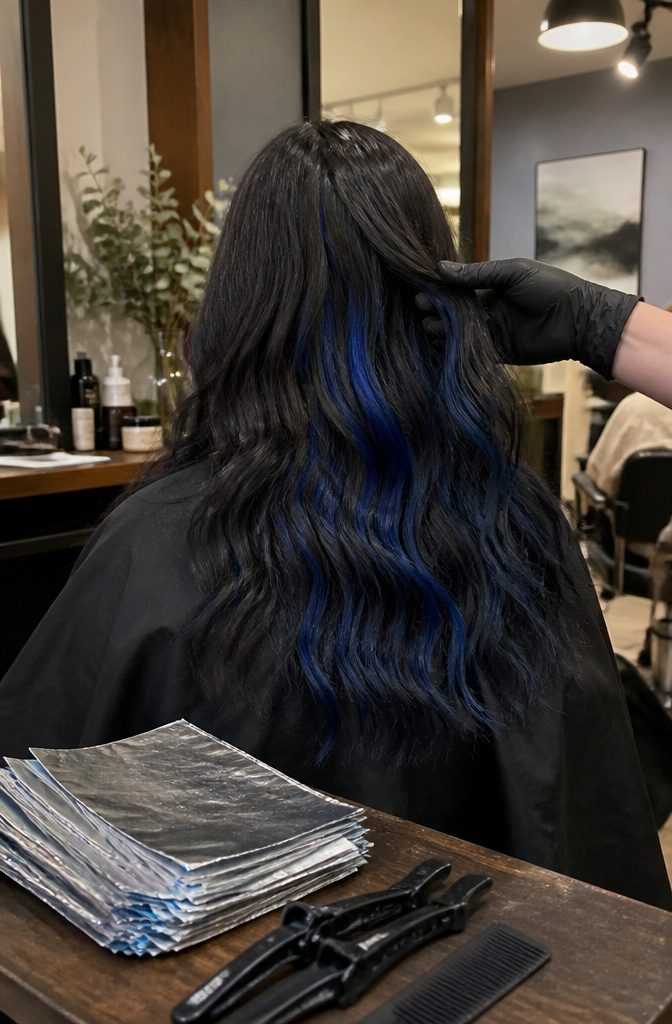
Electric blue worked through black-blue gives more spark than plain blue-black. The bright strands stand out against the dark base, so the color reads livelier from across a room while still looking deep up close.
If coloring your whole head feels like too much, ask for electric blue highlights over a black-blue base. Most of your hair stays dark, and you can judge how loud the blue looks before adding more.
For a first try I’d choose this over a full-head switch. The mix flatters nearly everyone, so the only real decision is how bright you want it.
7. Metallic Blue and Black
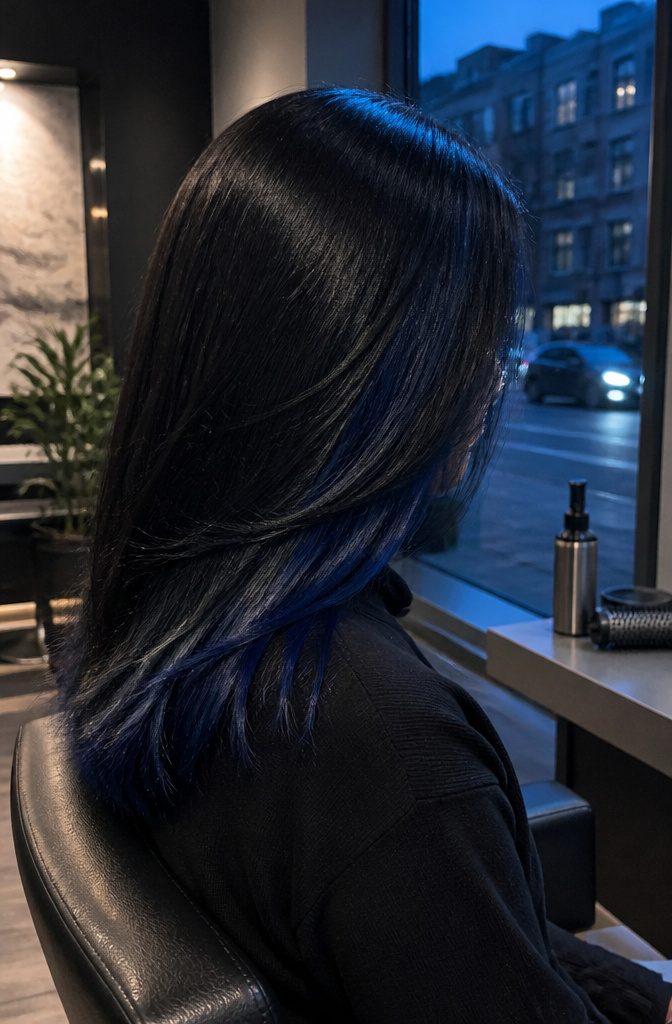
Metallic blue-and-black works because the two tones sit close in depth, so the contrast comes from light rather than color.
In shade the black reads as flat ink. Where the blue panels catch light, they flash a cool, steel-like gloss, a bit like a car’s paint under streetlights.
Put the blue where hair moves most, such as the underlayer, face-framing pieces or the ends, and it appears only when you turn your head.
I’d choose this over a bright split for anyone who needs a look that passes at the office. Keep the blue only slightly lighter than the black, or the metallic effect becomes a plain stripe.
Shine carries this look, so a gloss treatment and a heat protectant matter more here than with most colors. Dry, dull blue loses the metal and just looks faded.
8. Two Shades of Blue
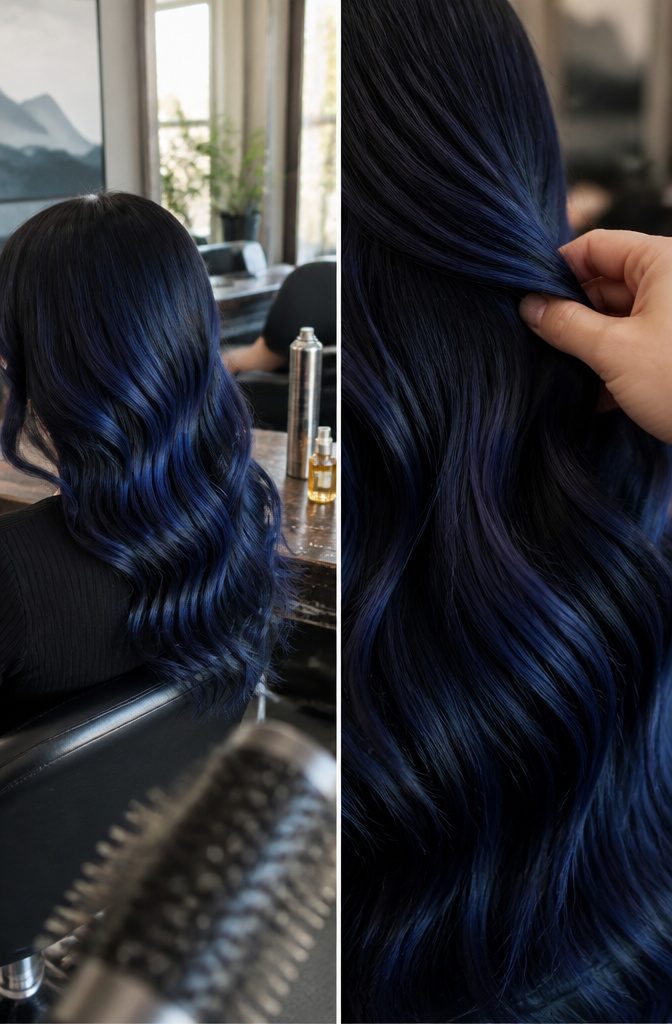
Two blues side by side work like a volume knob, and the gap between them sets the level.
Shades that sit close, such as a dark navy against a slightly lighter dark blue, melt together and only show when light hits a wave.
Shades that sit far apart read as stripes. I’d pick the close pair for work and daily wear, and the wide pair for anyone who wants the color noticed from across a room.
Waves help either way, because each curve flips between the two tones.
Dark blue with stripes of black between also looks sharp, and the shades blend best when the gap stays narrow. Finish with hairspray or a finishing oil to bring up the glow.
9. Dark Icy Blue
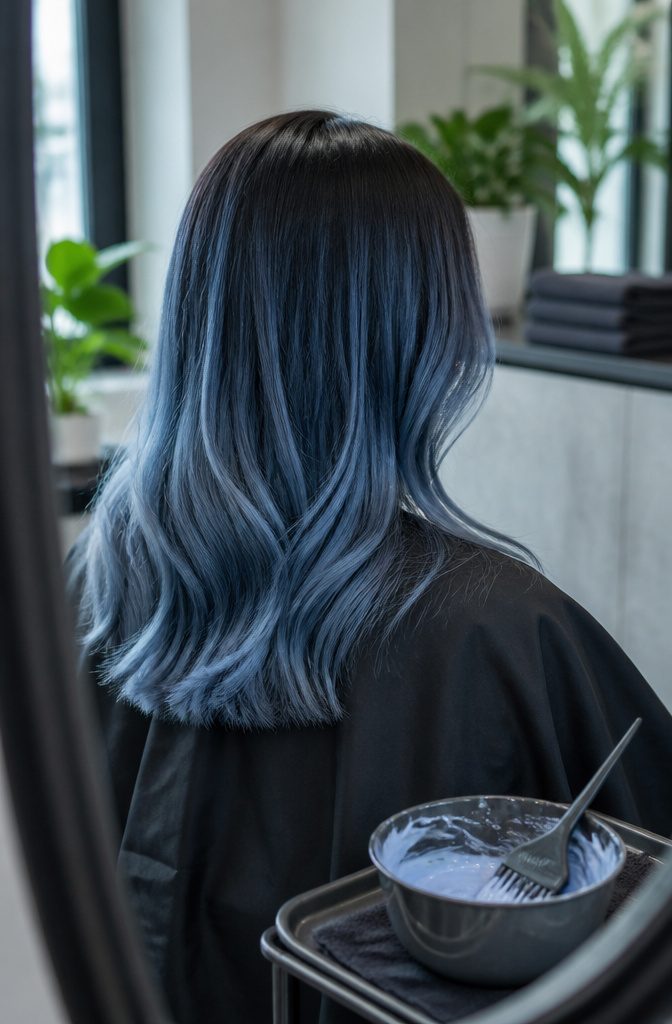
Dark icy blue sets a frosted, steel-toned blue against a black base. The blue silver-black version swaps in streaks of pale silver, so the hair reads like frost on dark glass, with the lightest strands catching the light first.
Either way, the blue should sit cooler and lighter than the base rather than match it.
For cool or neutral skin, I’d choose this over navy shades; warm complexions can look washed out beside icy tones.
Pale blue on black means lightening first, so expect regular toning to keep the frost from drifting yellow or green. Keep the frost around the face and mid-lengths and leave the roots dark, so regrowth looks planned.
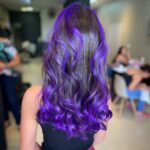
10. Light Purple and Blue
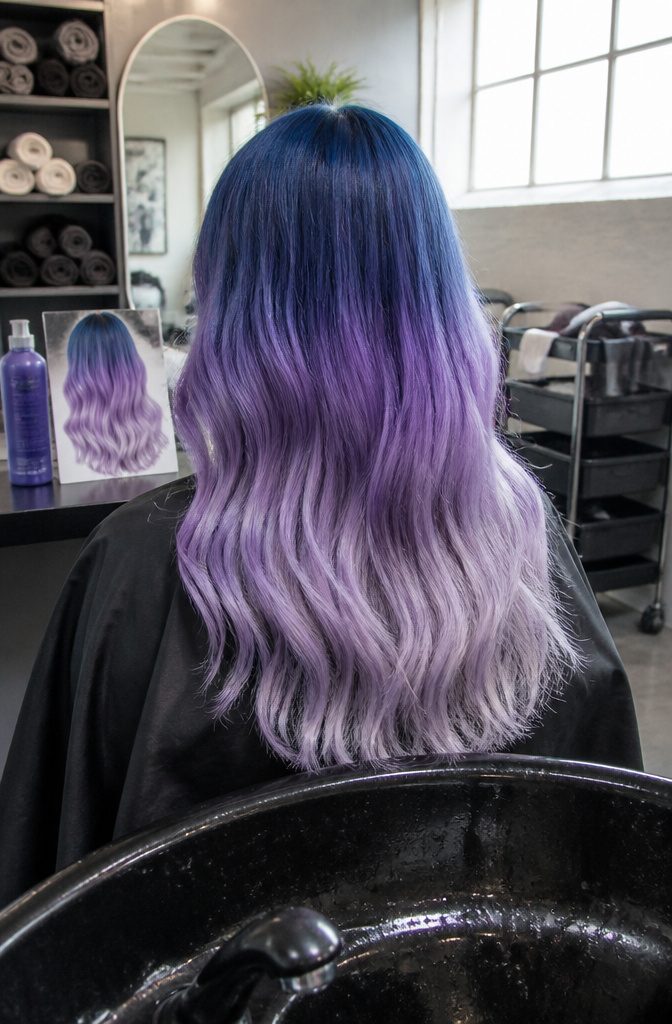
Blue that melts into light purple reads as one soft wash rather than two colors.
The middle zone is where the blue picks up a violet cast, so the eye never finds a line. For anyone who wants color without volume, I’d pick this over a hard split every time.
Ask for a melted blend, not a stripe, and bring a photo that shows exactly where the blue gives way to lavender.
Keeping the deeper blue at the roots and the lavender on the ends grows out most gently, because the regrowth sits close to the darker shade.
Pale purple is the first to fade and tends to drift toward silvery, so expect touch-ups on the ends and use color-safe shampoo.
11. Blue-Black Waves
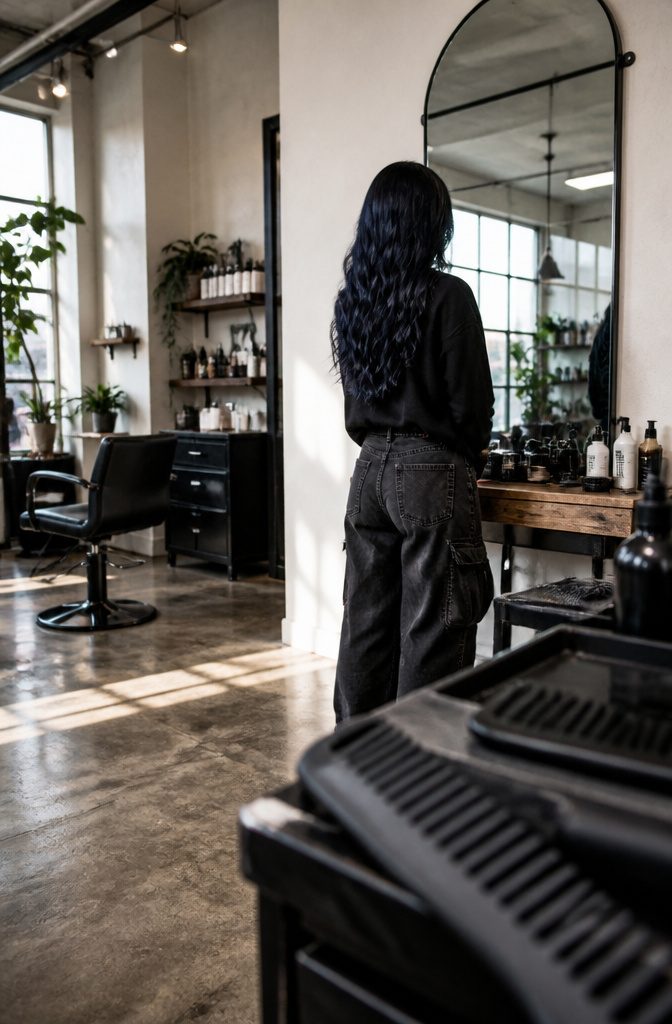
Dark blue with stripes of black running between it is the version of this color that waves suit best. Each bend turns strands toward the light and then away, so the blue and the black take turns showing.
The result reads as depth rather than flat color. When the stripes sit between two blues that blend into each other, the shift stays soft, with no hard line where one shade stops.
On straight hair, those black stripes can look like plain stripes.
In waves they look like shadow. For this color, I’d choose waves over a pin-straight finish every time.
Finish with hairspray or a finishing oil. Either one boosts the glow of blue-black hair, and that shine is what lets the blue stand out against the black.
12. Purple Blue-Black
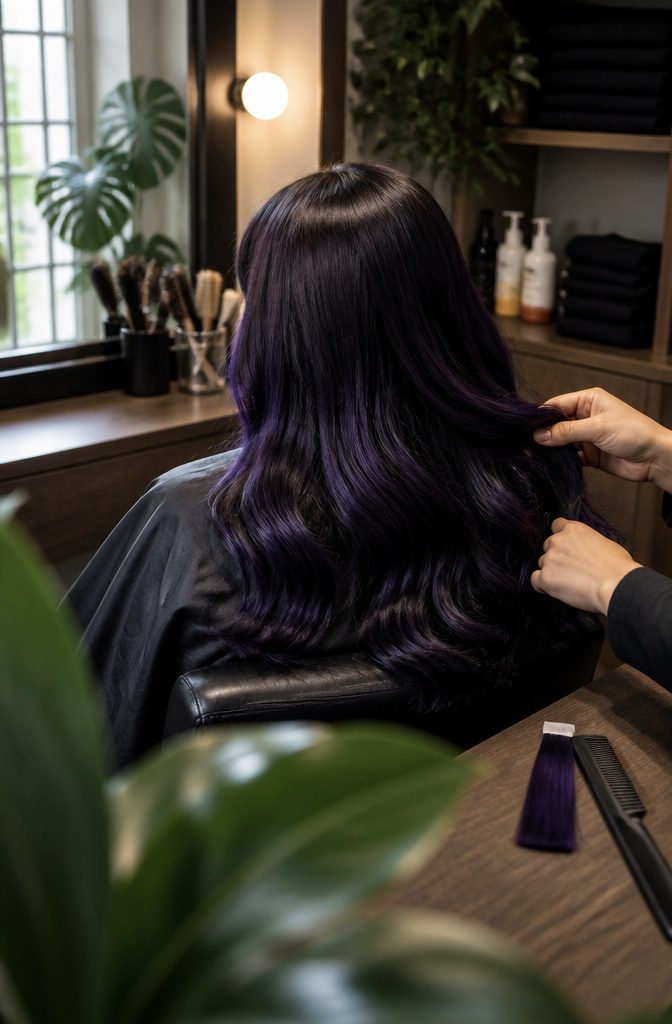
Purple-toned blue-black sits between true blue-black and dark plum. The violet pigment pulls the cool blue base slightly warmer, so the color reads softer and less icy while staying deep enough to pass as black in flat indoor light.
In sun or under a bright bathroom bulb, the purple shows up as a wine-tinged sheen on the top layers.
I like it for anyone who finds pure blue-black too stark against their skin.
Neutral and warm undertones tend to flatter more here than in a steel-cool shade. Ask for blue-black with a violet tint, not purple with a blue tint, so the base stays dark and the purple stays a hint.
13. Frosted Black-Blue Highlights
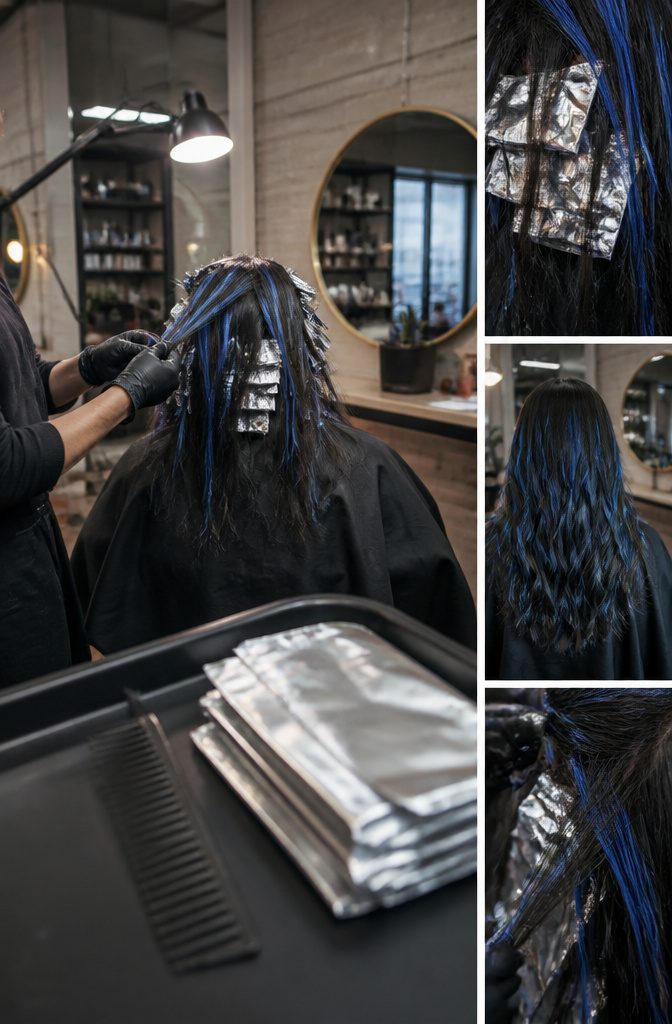
Frosted black with electric-blue highlights is a contrast look. The dark, cool-toned base stays quiet while the bright strands catch light against it.
Foils are the method for the highlights: each section is wrapped and colored on its own, so the blue stays crisp against the black instead of bleeding into it.
I’d keep the blue pieces thin and scattered rather than chunky, so the base stays the main event and the blue works as an accent.
This is also the lowest-commitment way to wear the color.
Highlights let you try electric blue without coloring your whole head, which makes them my pick if a full blue-black feels like too big a leap. Electric blue and black-blue pair well on just about anyone.
14. Tealish Blue-Black
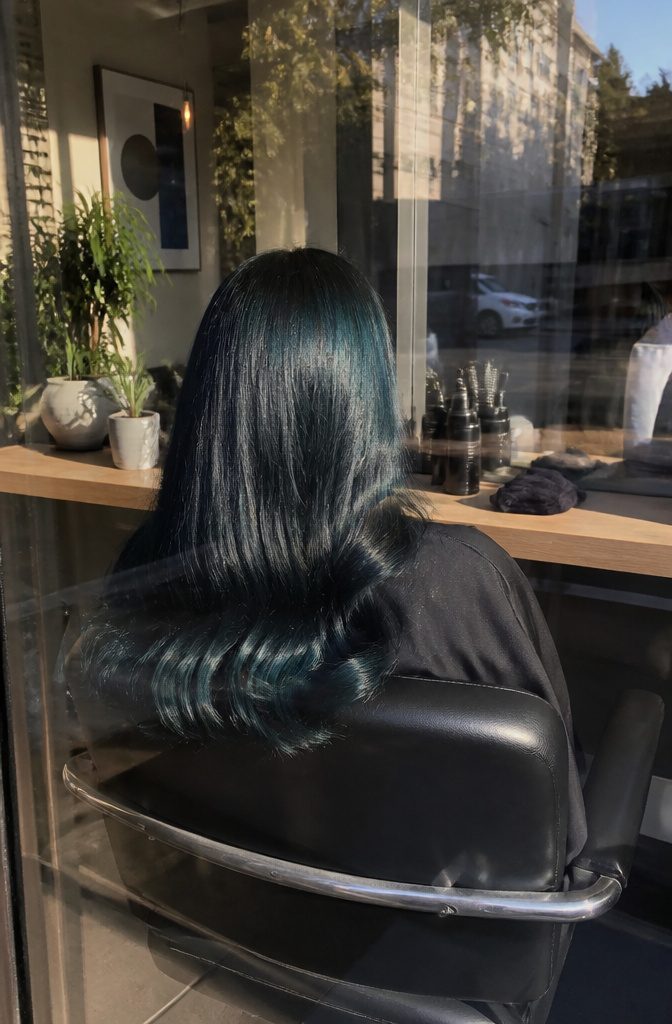
A teal note pulls blue-black away from the icy, slightly violet cast of a navy-black and toward something deeper and more mineral.
Blue alone reads cool under bright light. Add green and the same dark shade picks up a peacock quality, like the inside of a mussel shell.
Indoors, it passes for plain black. In sunlight the teal rises along the smooth, glossy lengths, and it shows most on straight or sleek hair, where light bounces cleanly.
I’d pick it over standard blue-black if your skin runs warm or olive, since green sits easily there where a violet-leaning blue can look flat.
Cool, pink-toned skin usually does better with the bluer version. When you ask for it, bring a daylight photo, because indoor shots hide the green and a stylist may mix it too blue.
15. Blue Undertones on Black
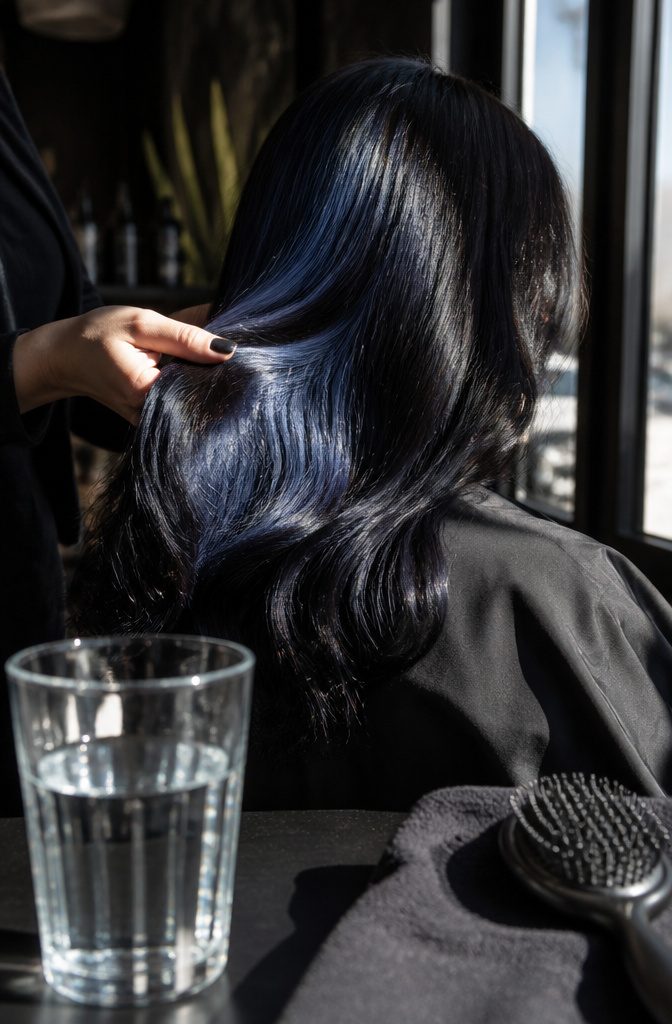
A blue undertone on black behaves like a gloss: the hair reads as plain black indoors, then shifts toward navy or sapphire in direct sunlight.
That glossy, lit look is the appeal, since it adds depth and shine without any bright color.
I think it suits dull brown hair best. Colorists hear from those clients who want light around the face without highlights, and a blue-black shade gives a glow that stands in for them.
Cool skin undertones get the most striking result, but warm and neutral tones can wear it too because the blue stays subtle. Upkeep is easy: the color fades out gradually, so salon visits stay limited.
16. Raven Hair
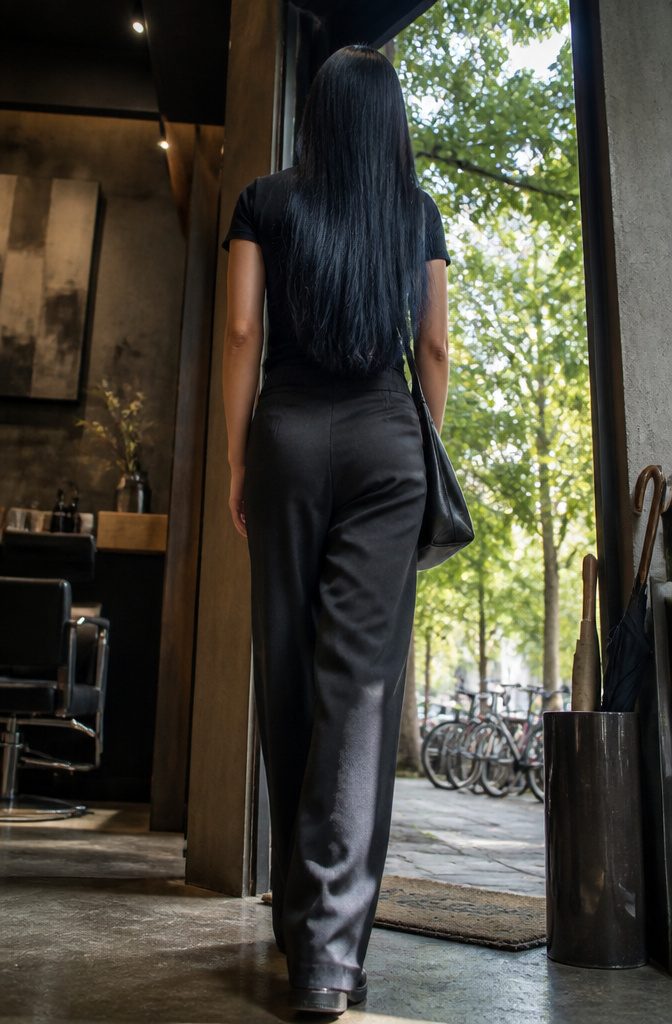
Raven hair is jet black with blue hidden inside it.
In low light, like an office or a dim restaurant, it reads as plain black. Step into direct sunlight and the blue shows through, anywhere from navy to sapphire depending on the shade.
That split is why I’d pick it over flat black for anyone who wants depth without a loud color. The blue adds shine and dimension, and since the color is mostly black, it’s easy to maintain and fades out gradually.
You’ll need fewer salon visits than you would with a bright blue, which is a real advantage if you don’t want your color to demand a standing appointment.
17. Teal and Light-Blue Balayage
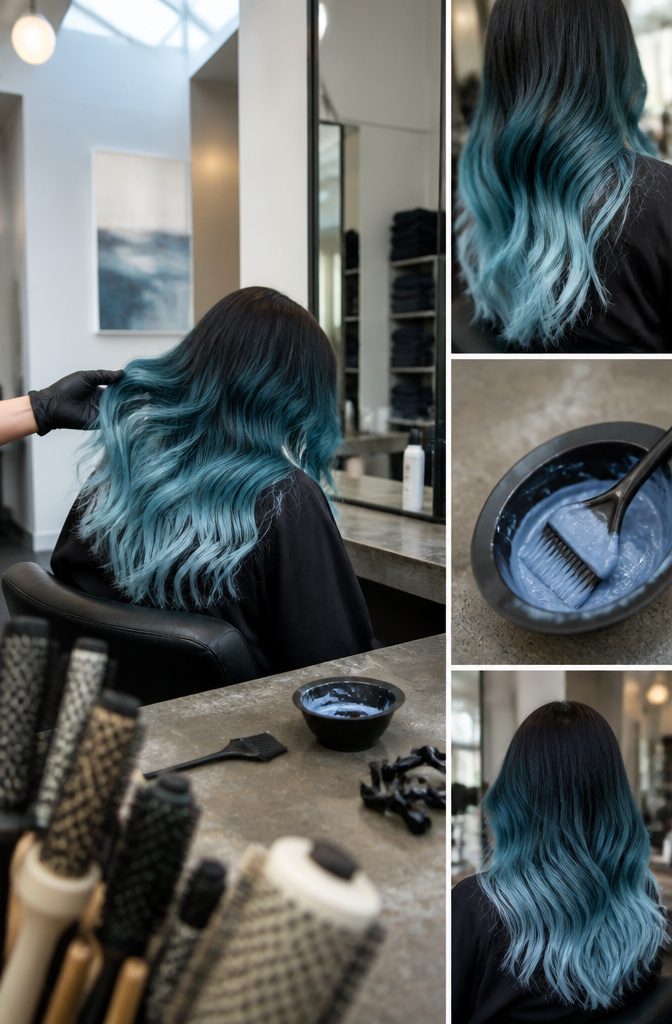
Teal and light blue sit close together on the color wheel, so a balayage in this pairing reads as one gradual shift rather than two stripes.
The stylist paints lightener and color by hand across the surface of the hair, which keeps the roots dark and lets teal melt into light blue toward the ends.
Foils are also used for highlights or balayage, and they give a crisper, more defined result. I’d skip them here, since a soft, blended gradient is what this look depends on.
Ask for teal through the mid-lengths and light blue only at the tips. Dark hair has to be lightened before light blue will show, so plan for that step.
18. Pink, Purple, and Blue
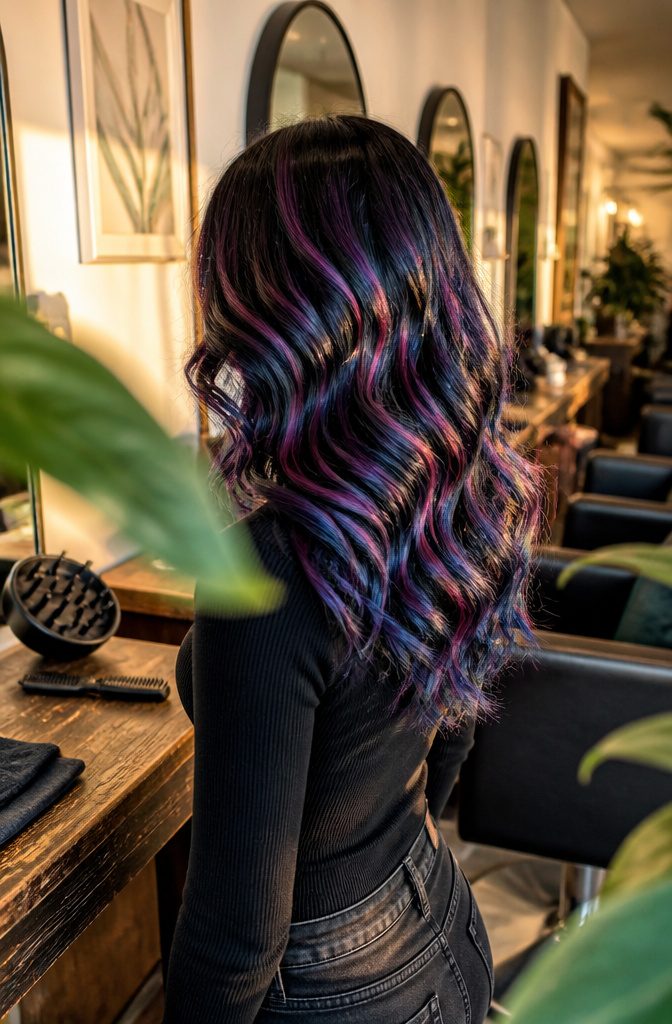
Pink, purple, and blue together sit at the playful end of the range, well away from the near-black looks where blue is a quiet undertone.
Here all three colors show, and the dark base keeps them looking deep rather than candy-bright. Waves suit it best, because the curve lets the shades sit side by side and shift as the hair moves.
The practical upside is that this blend flatters all skin tones, which is rare for a bright look.
I’d pick it over a single bold shade if you’re unsure about your undertone: one color can clash with your complexion, while three give your face something to work with.
19. Denim Blue-Black
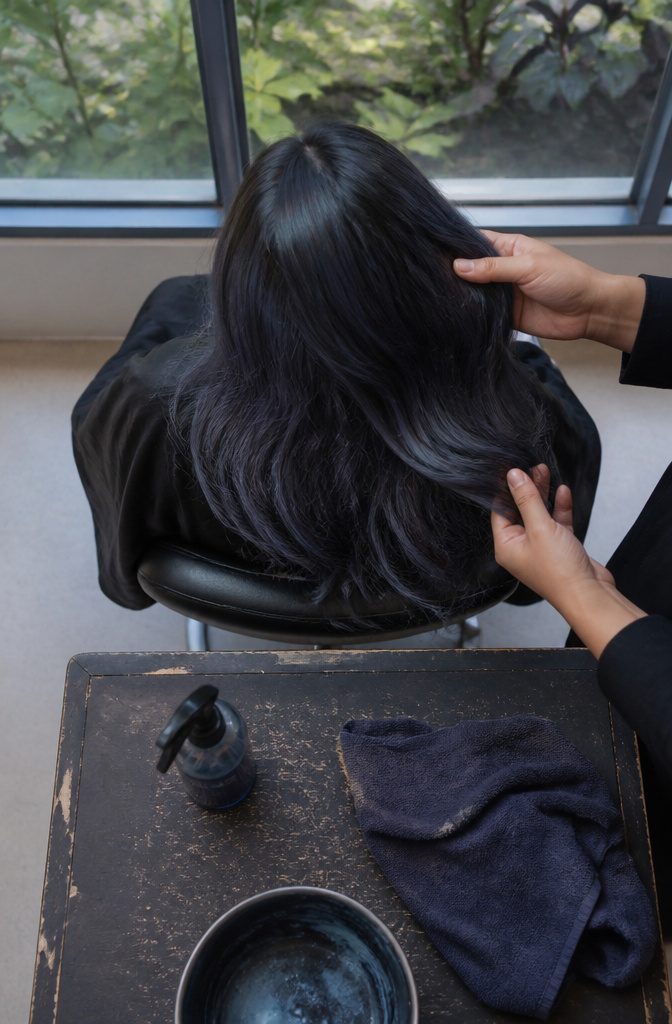
Denim blue-black looks like a favorite pair of jeans: the blue is washed and a little chalky, with black sitting beside it like the darker thread.
In dim light the hair reads nearly black, and sunlight pulls the blue forward. I’d pick it over a saturated midnight shade for anyone who wants blue without looking dyed.
Ask for a dusty, gray-leaning blue rather than an electric one, and keep black at the roots or underneath so the blue looks lived in.
Blue fades faster than black, so the contrast softens between appointments, and that softening is the look. Cool water slows it if you want to hold the blue longer.
20. Blue Peekaboo Highlights
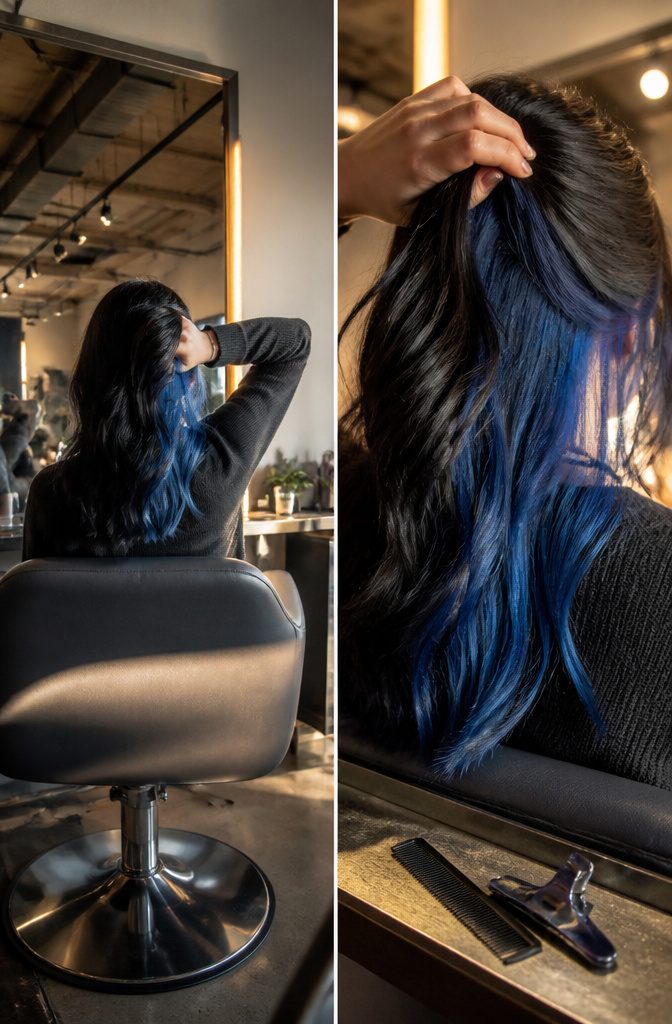
Blue peekaboo highlights sit under the top layer of hair, so the surface stays dark and quiet until the hair moves.
Part it deeper to one side, tuck a section behind your ear, or pin the top layer up, and the blue appears underneath. Left loose and still, it barely registers.
I think this is the smartest route for anyone who likes a dark, understated look but wants a little blue in it.
The blue shows only when you decide to show it, so it works at an office or a family dinner and still gets its moment when you braid or twist your hair up for a night out.
How Blackish Blue Reads
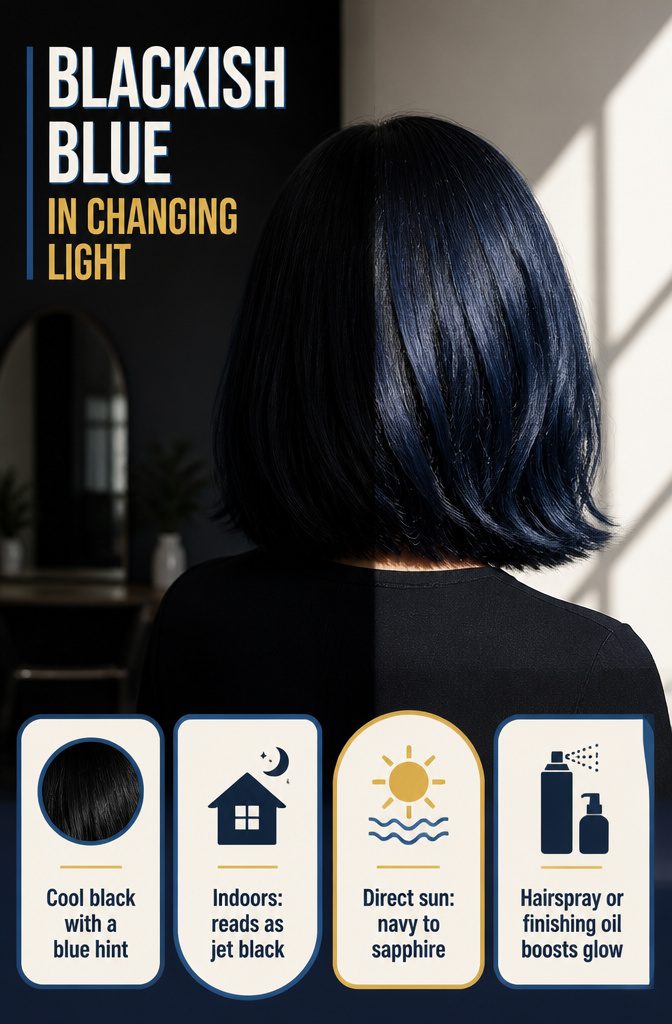
Blackish blue is a cool-toned black with a slight hint of blue, and the lighting decides which one you see.
Indoors or at night it passes for jet black. In direct sun the blue comes through, anywhere from navy to sapphire.
What sets it apart from plain black is gloss: flat dark color can make features look harder, while this shade has a soft, lit finish that seems to glow around the face.
Cuts with movement or clean edges show it best, so bobs, lobs, pixies, layers, bangs and curls all work.
A little hairspray or finishing oil brings up the glow, and I’d treat it as part of the look, not an optional extra.
Who Wears It Best
Blackish blue works on cropped cuts, bobs, and long hair alike, and it flatters a wide range of skin tones. Undertone picks the shade.
Warm skin looks best in denim or navy blue-black, and cool skin suits icy or purple blue-black. Plain black can read flat and sharpen facial features, while the blue adds shine and softness around the face.
Hair history is the real limit. Past box dye, bleach, or a faded black all change how the blue shows up and how it gets there.
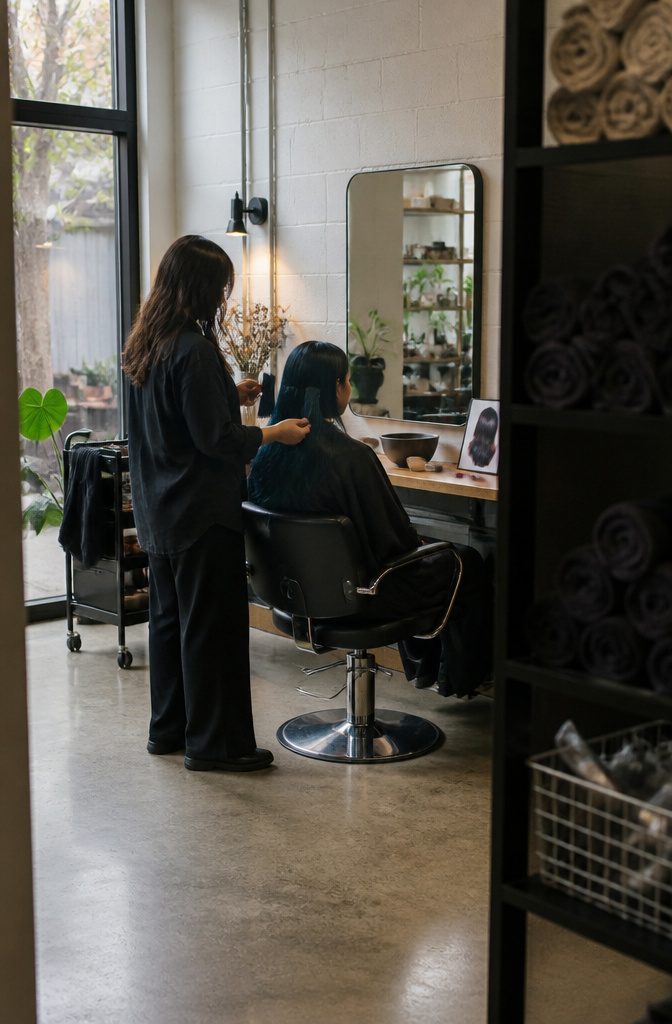
I’d bring a photo to a colorist and let them set the formula rather than guess at home, especially if your hair has been colored before.
Salon or Home Dye
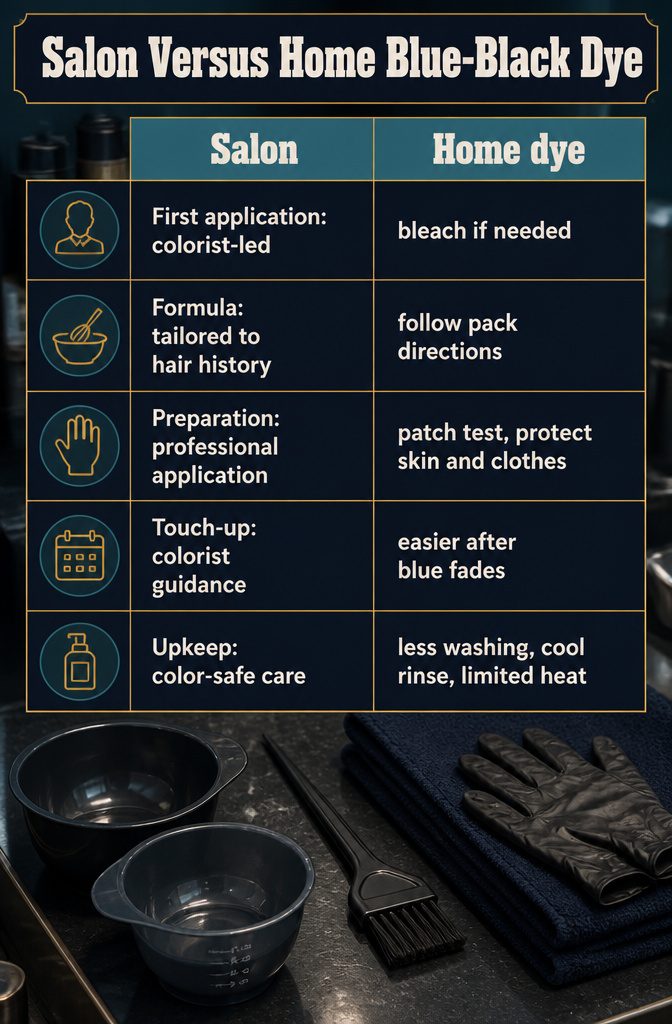
Salon wins for the first application.
Colorist Chad Kenyon builds every blue-black with R+Color’s Inkpot, sold to professionals as a permanent color and a demi-permanent liquid color, and he leaves formulation to the colorist because each client’s hair history differs.
Trichologist Sergio Cardona says the same, adding that home touch-ups are easy once the blue fades. Dyeing at home means bleaching dark hair if needed, a patch test, protecting skin and clothes, and following the pack timing.
If skin reacts, wash with a mild cleanser and soothe it with moisturizing gel or cream. For upkeep, wash less, use color-safe products, rinse with cold water and conditioner, limit heat, and plan a touch-up after a month or so.
Frequently Asked Questions
Is blackish blue hair hard to maintain?
No, a solid blackish blue is one of the easier dark shades to keep up. It fades out gradually, so you need fewer salon visits than with a bright blue.
Wash less often, use color-safe products, rinse with cold water, limit heat styling, and plan a touch-up after a month or so. Two-tone versions, like blue with purple, need more upkeep because each color fades at its own pace.
Can you dye black hair blue?
Yes, but how visible the blue gets depends on whether you lighten first. Without bleach, black hair gives you a blue-black that shows its blue only in direct light.
For a clearly visible blue, dark hair has to be bleached. If the black is box dye or has faded, the blue can come out differently, so a colorist should check your hair history before you start.
What haircuts look best with blackish blue hair?
Bobs, lobs, pixie cuts, layers, bangs and curls all work well.
Cuts with movement or clean edges show the blue best, because the color shifts as the hair moves and catches light. Waves are especially good for blue-black, since each bend alternates between the blue and the black.
What should I do if blue-black hair dye irritates my skin?
Wash the dye off with a mild cleanser, then soothe the area with a moisturizing gel or cream.
A patch test before you color can catch a reaction early. Protect your skin and clothes during application too.