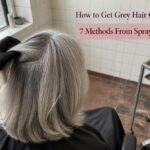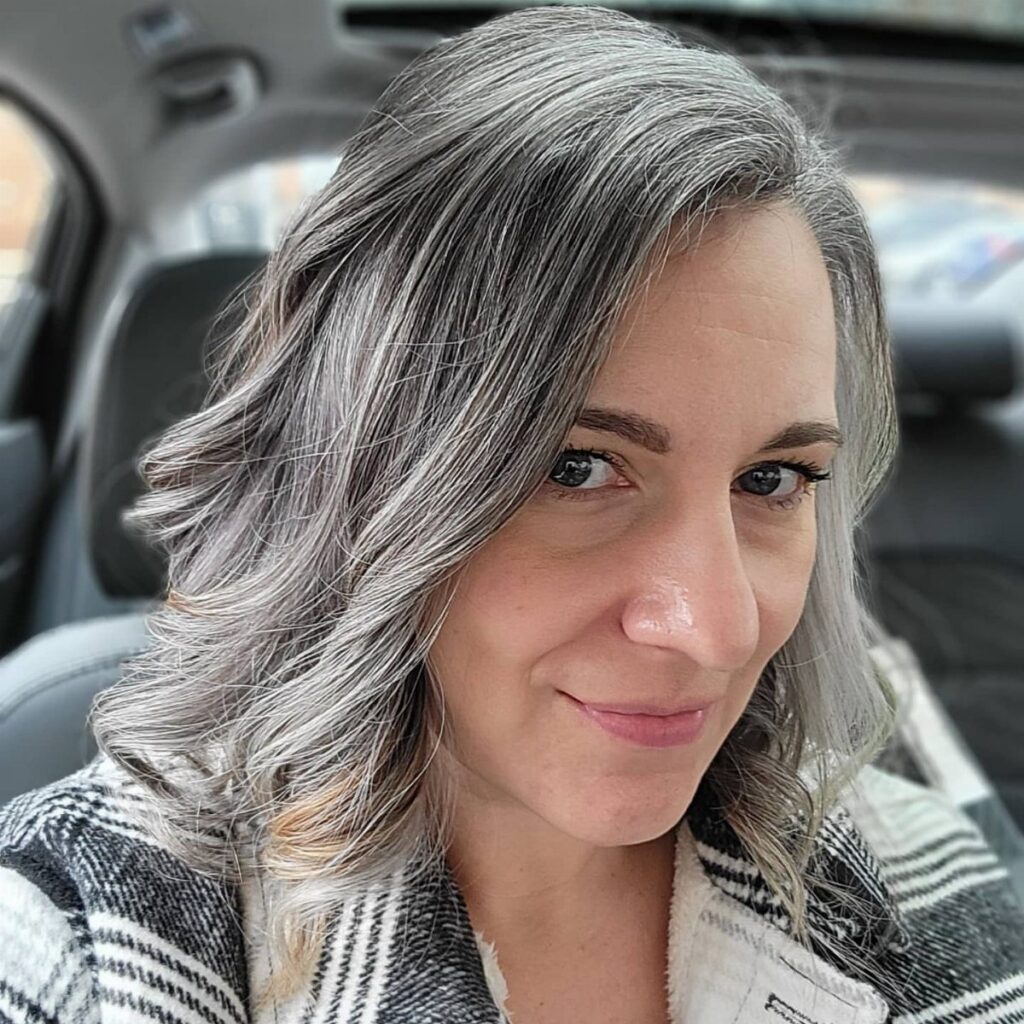
Going silver through dye rather than waiting for nature means choosing between a full smokey tone that reads as intentional gray, soft silver blonde that keeps one foot in the blonde family, or strategic streaks that leave most of your natural color untouched.
The approach that works depends on how much contrast you can live with at the roots and how often you’re willing to refresh the tone before it fades warm.
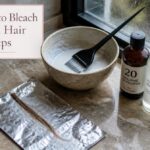
Anything darker than medium brown needs bleach to lift the base light enough for a clean gray, while naturally light brown or blonde hair often takes the dye without pre-lightening.
1. All-over Gray Color
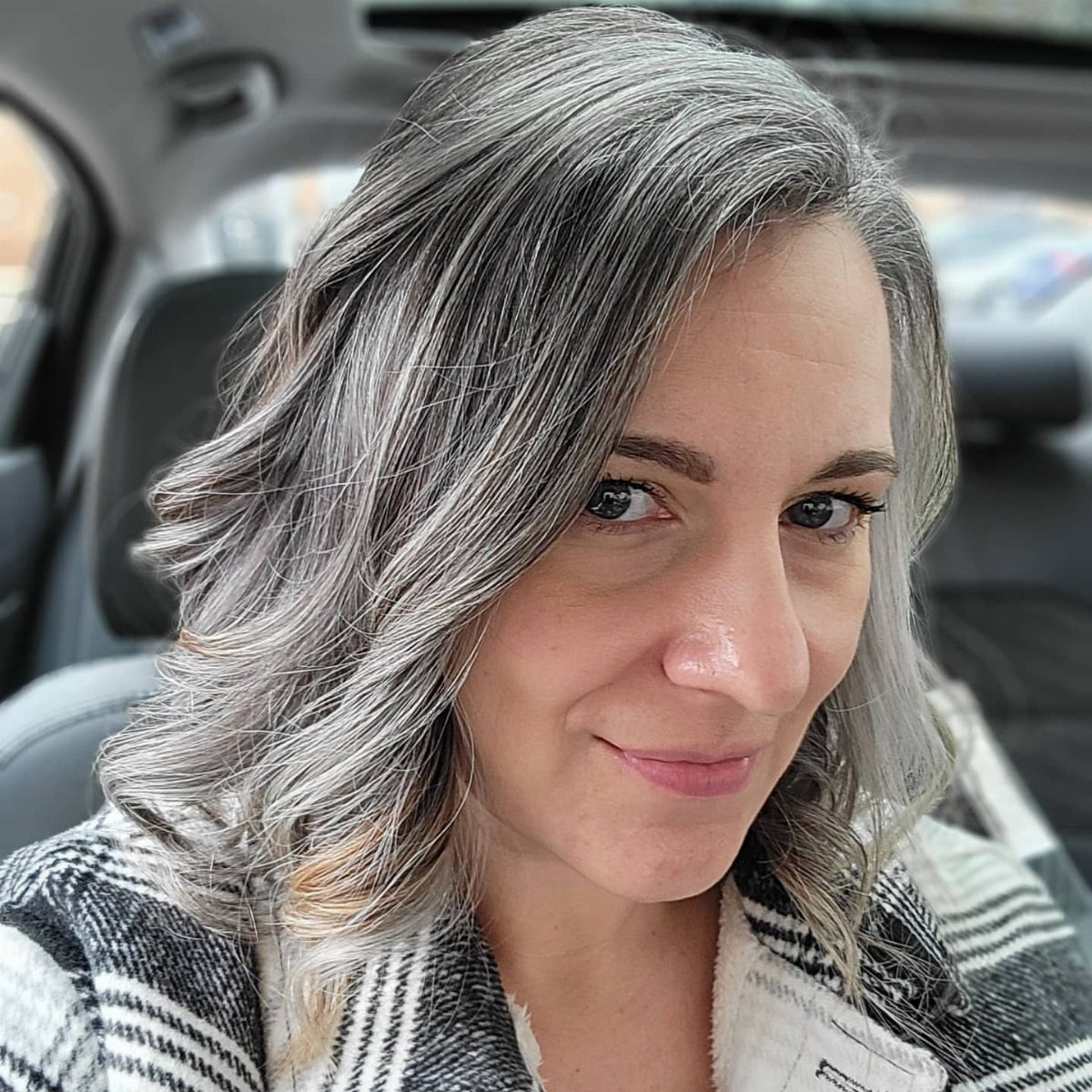
Going all-over gray means picking one shade and applying it everywhere, either to match roots as they come in or to skip ahead to a silver look before your natural color catches up.
If you’re trying to blend scattered grays into one consistent tone, this is the most direct route.
Start with a permanent or demi-permanent gray dye.
Lightening first depends on how dark your natural hair is: anything darker than medium brown will pull warm or muddy without bleach, so lift it until the base is light enough to hold a clean gray.
Naturally light brown or blonde hair often takes a gray dye without pre-lightening.
The upkeep depends on how fast you grow roots and how much contrast you can live with.
2. Gray-blending Highlights and Lowlights
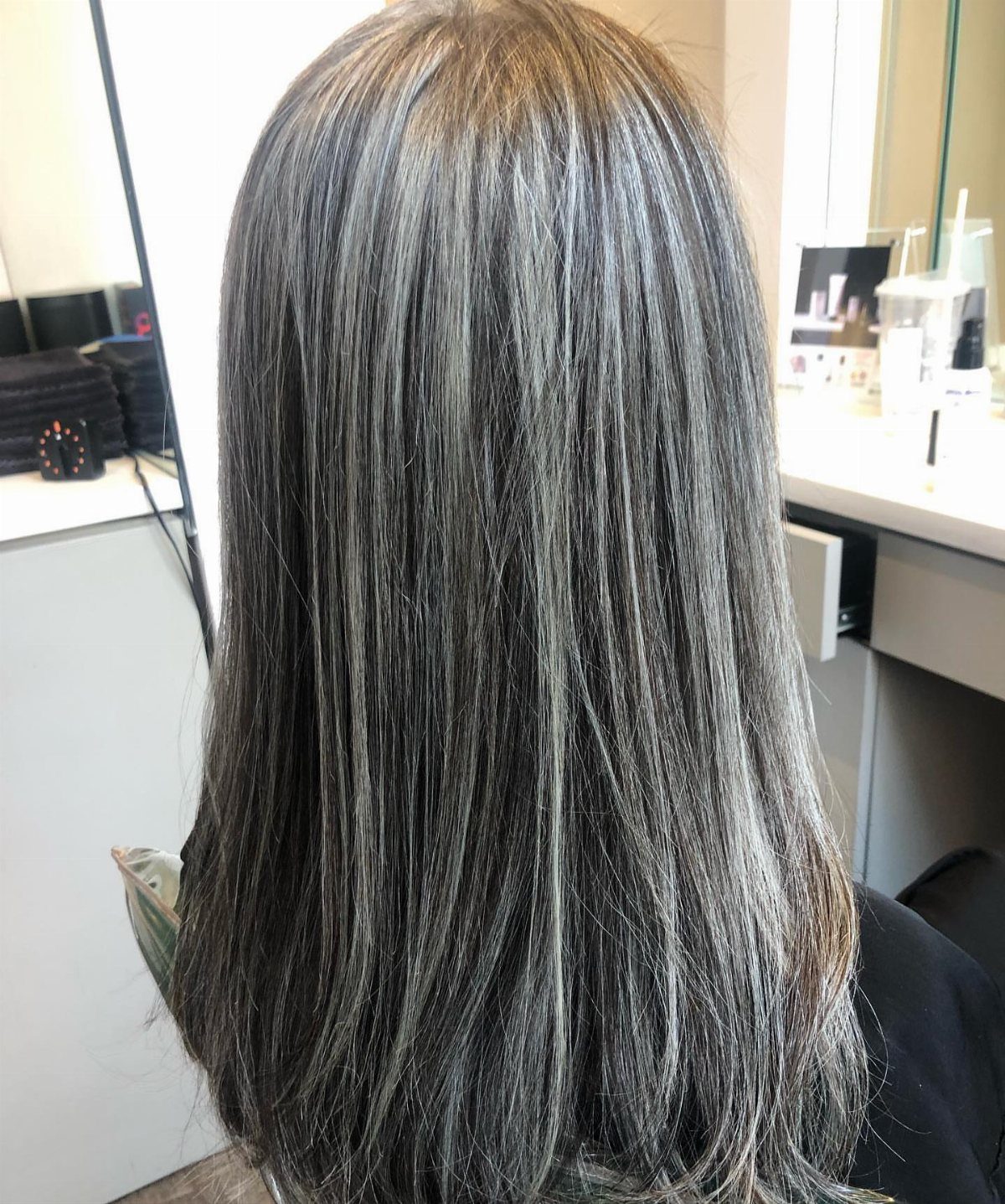
Highlights and lowlights woven through existing gray soften the line where dyed hair meets regrowth, stretching the time before you need a touch-up.
Instead of a hard contrast, the mix of light and dark pieces blends the transition so new gray reads as intentional dimension rather than roots you forgot about.
Gray-blending works if you already have some natural gray and want to stretch it into a gradual shift. A colorist places thin highlights around the hairline and lowlights deeper into the hair to mimic the way gray naturally peppers in.
The result grows out cleaner than a solid color and gives you more breathing room before your next appointment.
The color gradually fades over two to three weeks (about 10 washes), making it an easy, low-commitment way to experiment with color while keeping hair soft, shiny, and healthy.
— Allure
3. Soft Silver Blonde Hair

Soft silver blonde sits between platinum and gray, cool enough to read silver but light enough that it doesn’t feel like a drastic jump if you’re coming from blonde or light brown.
The tone leans icy rather than warm, so it still registers as a gray-adjacent shade without the commitment of full smokey silver.
Lift hair to a very pale yellow, then tone with an ash or violet-based blonde to knock out any remaining warmth.
Semi-permanent toners fade faster than permanent color, which means you can adjust the intensity as you go or let it soften into a warmer blonde if the cool tone feels too severe after a few weeks.
4. Smokey Silver
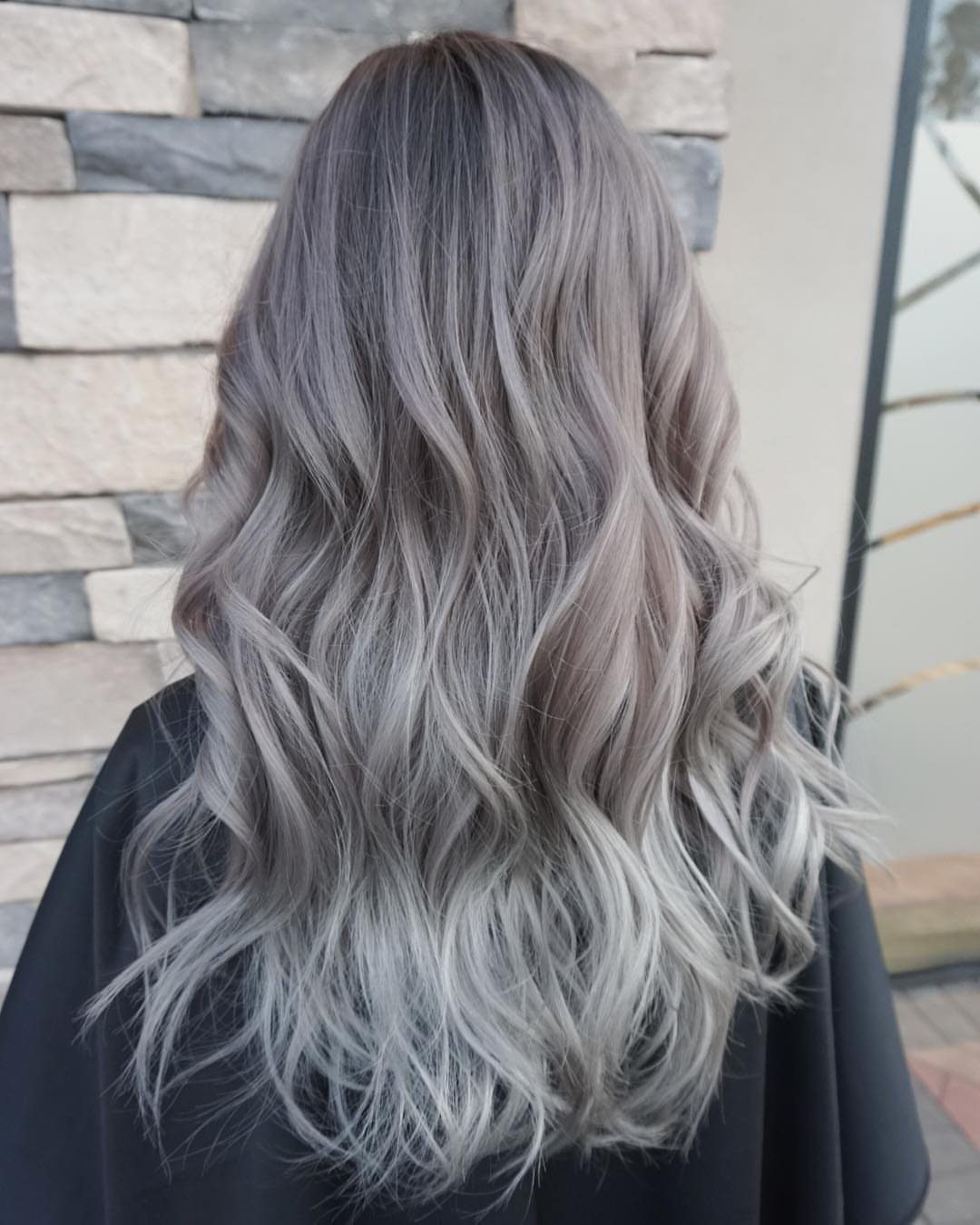
Smokey silver skips the blonde middle ground and commits to a full cool gray that holds up against most skin tones.
The dimension comes from mixing lighter silver pieces with darker charcoal strands, so the look changes depending on how light hits it instead of sitting flat.
Bleach hair to the palest blonde you can manage, then apply a gray dye with blue or violet undertones.
The darker root visible here is either grown out or left intentionally, which keeps the color from looking too uniform and cuts down on root touchups.
Expect to refresh the tone as the gray fades to a lighter, sometimes greenish silver.
5. Pink, Purple
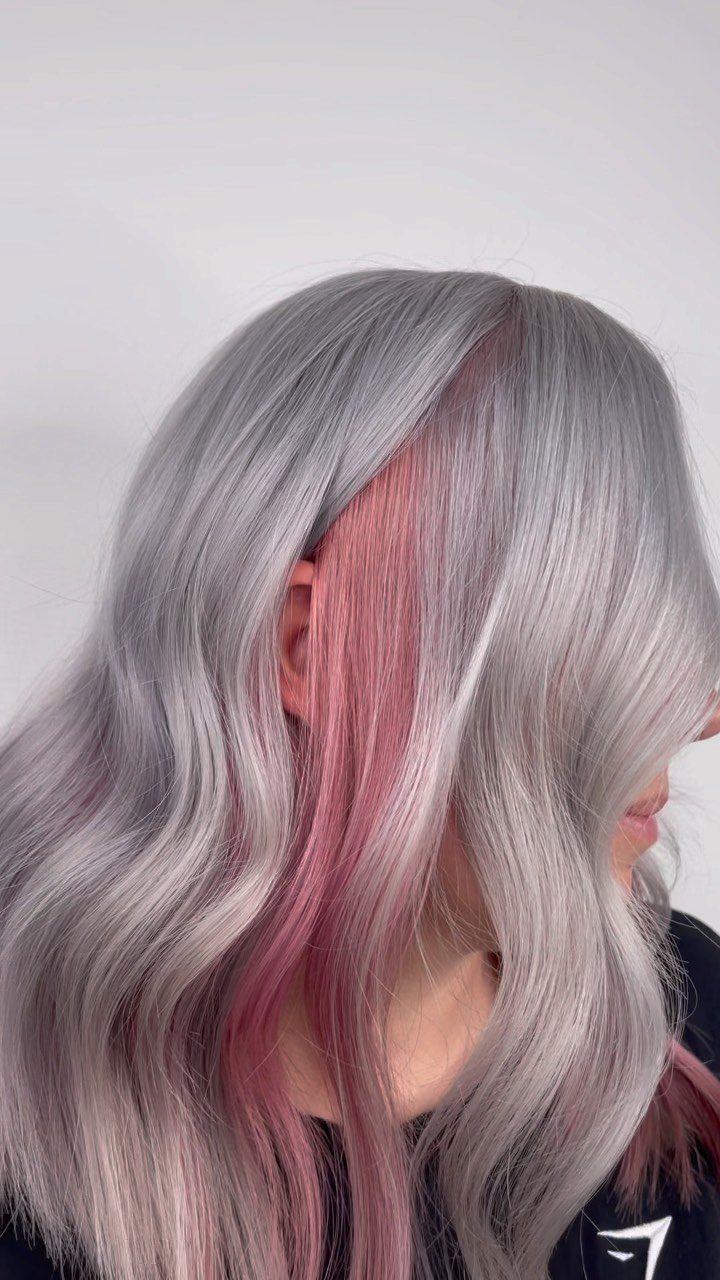
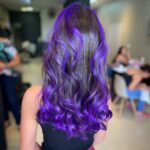
Pink or purple panels tucked into silver-gray hair give you a way to try a bright color without dyeing everything.
The contrast is softer than it would be against dark hair, and the pastels sit cleanly next to cool gray without clashing the way they might with warm blonde.
Lighten hair to pale yellow, tone it silver, then apply a semi-permanent pink or purple to the section you want colored.
Pastels wash out faster than gray, so plan to refresh the bright panel regularly if you want the color to stay vivid.
If you let it fade, it washes out to a lighter version of itself rather than leaving a stain.
6. Purple-based Silver Toner
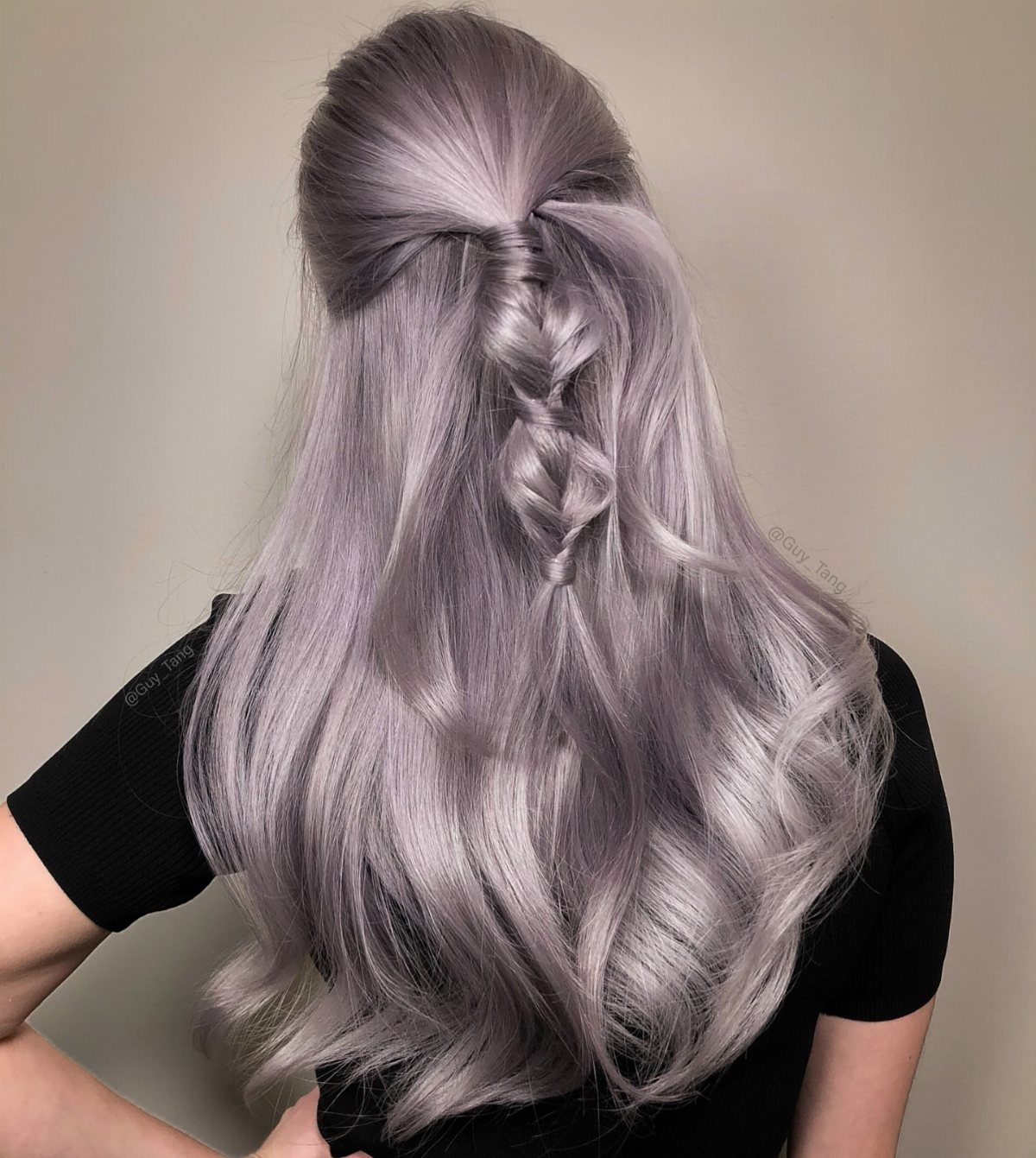
Purple-based silver toner is what turns bleached hair from pale yellow into cool gray. It cancels the warm tones that show up after lightening, so instead of blonde with a hint of brass, you get a clean silver finish.
Semi-permanent versions fade gradually, while demi-permanent toners hold longer but require more commitment.
The silver can pull slightly lavender right after toning, but that softens within a few washes. If the tone fades too warm, a purple shampoo between toning sessions keeps the yellow from creeping back in.
7. Silver-gray Waves
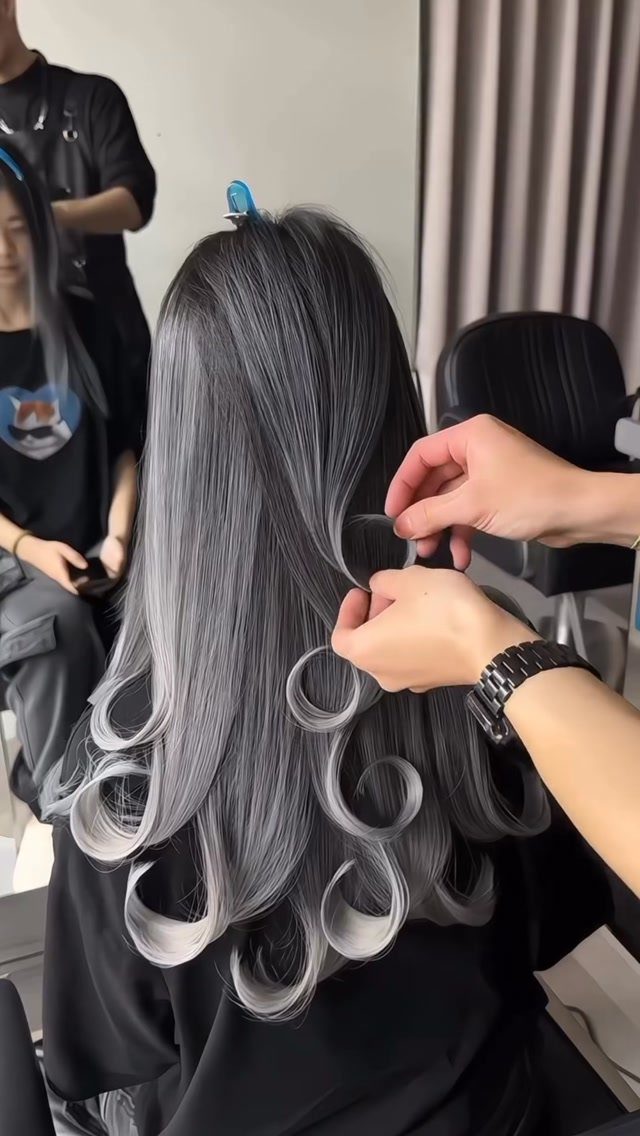
Waves or curls show off the way silver-gray shifts in tone as hair moves, picking up light at the peaks and settling darker in the valleys.
The dimension that comes from styling makes the color look richer than it does when the hair sits flat.
Silver-gray holds texture well once the hair has been bleached and toned, since the lightening process often leaves hair slightly more porous.
Use a curl cream or mousse on damp hair, then either air-dry or diffuse to set the wave pattern without adding frizz.
8. Silver-gray Bob
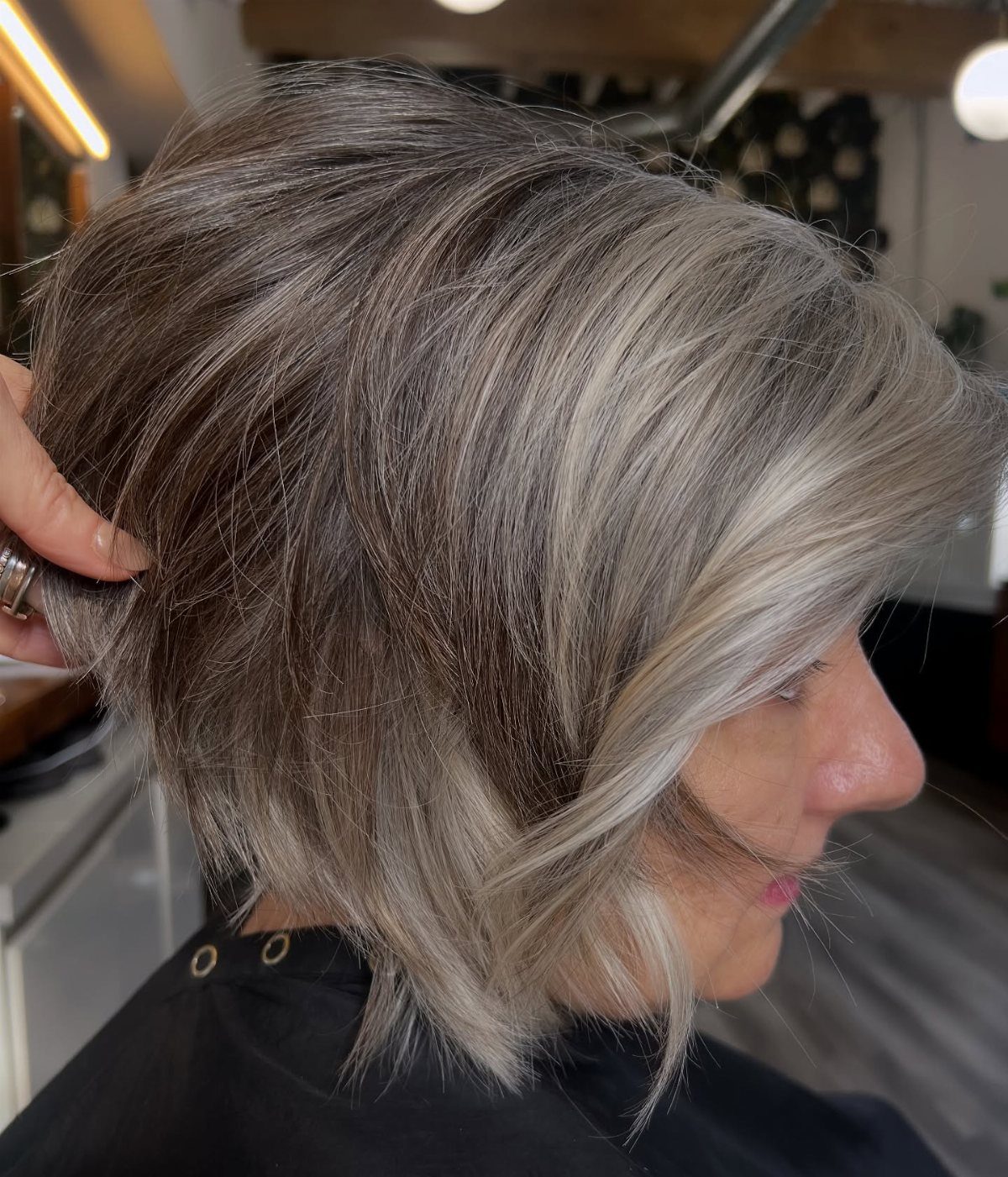
A bob keeps silver-gray looking sharp rather than letting it drift into something formless, and the shorter length cuts down on the time you spend maintaining color from root to tip.
A soft wave and layered ends give the color movement without needing much daily work.
Bobs grow out faster than long hair, so if you’re aiming for a consistent silver tone all over, plan for regular trims to keep the shape intact as roots come in.
9. Gray Streaks in Dark Hair
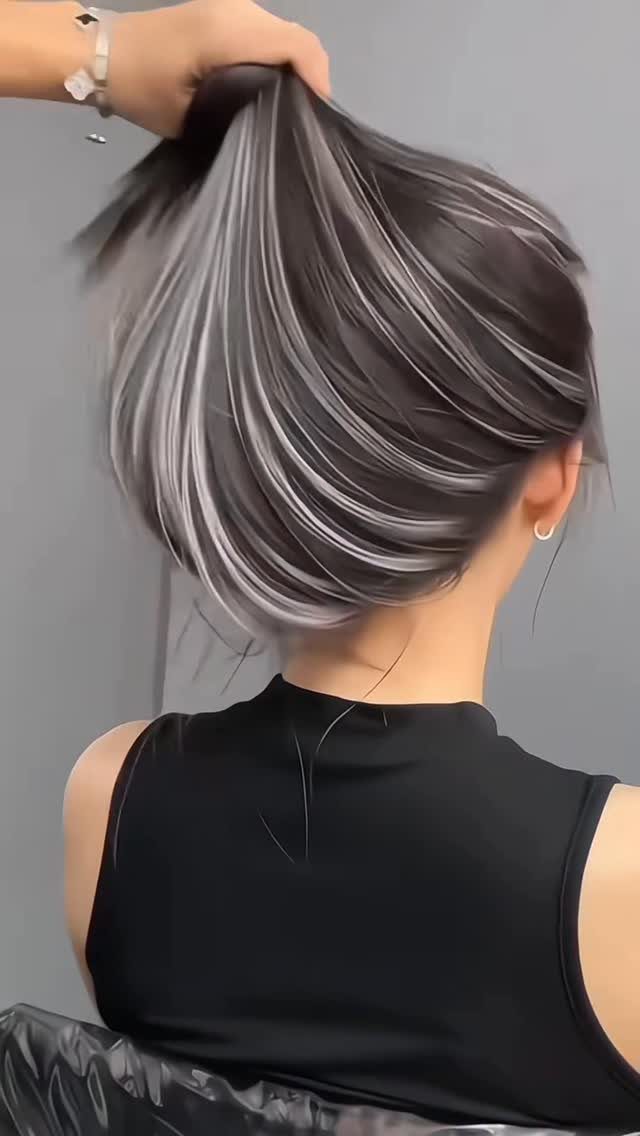
Chunky silver streaks let you add gray selectively instead of committing to an all-over color, and the contrast against dark hair makes each streak stand out more than it would blended into lighter tones.
This approach works if you want the look of gray hair but prefer to keep most of your natural color intact.
Lighten only the sections you want silver, then tone them the same way you would for full gray coverage. The dark base hides regrowth better than a light background, so touchups can stretch longer between appointments.
10. Silver-gray Updo
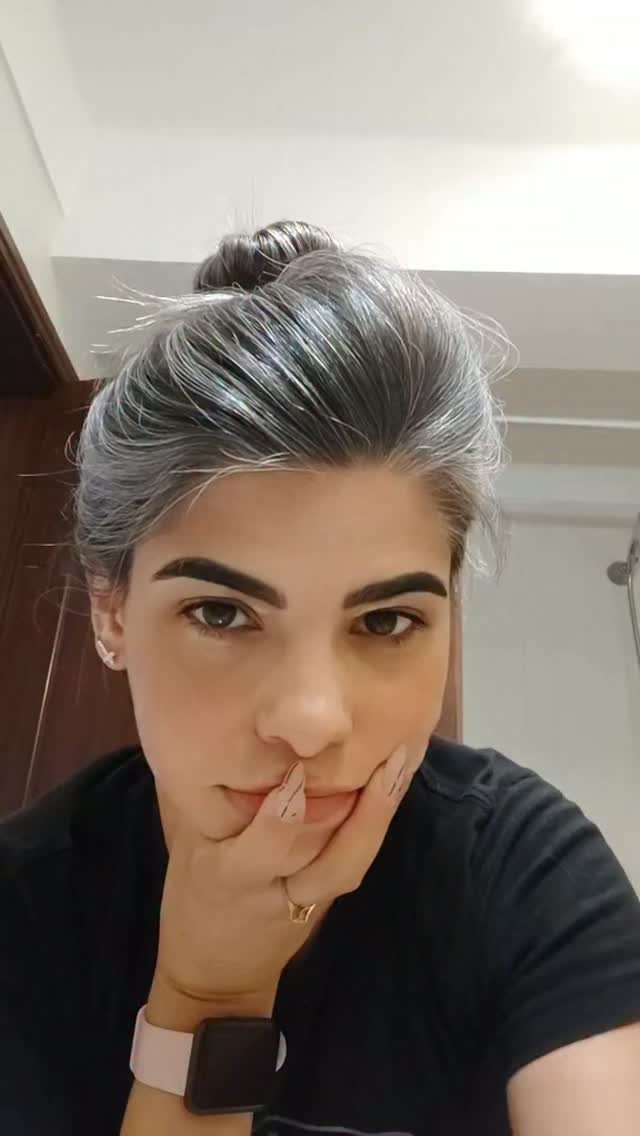
Pulling silver-gray hair back into a bun shows the color in a clean, practical way that works for both casual days and dressier settings.
The updo format keeps the focus on the tone itself rather than on styling, so if the gray is doing its job, the simplicity holds up.
A high bun shows more of the color at once, while a low bun reads slightly more formal. Either version works with silver-gray, and the style takes less than a minute once the color is already in place.
11. Gray with Burgundy Ends
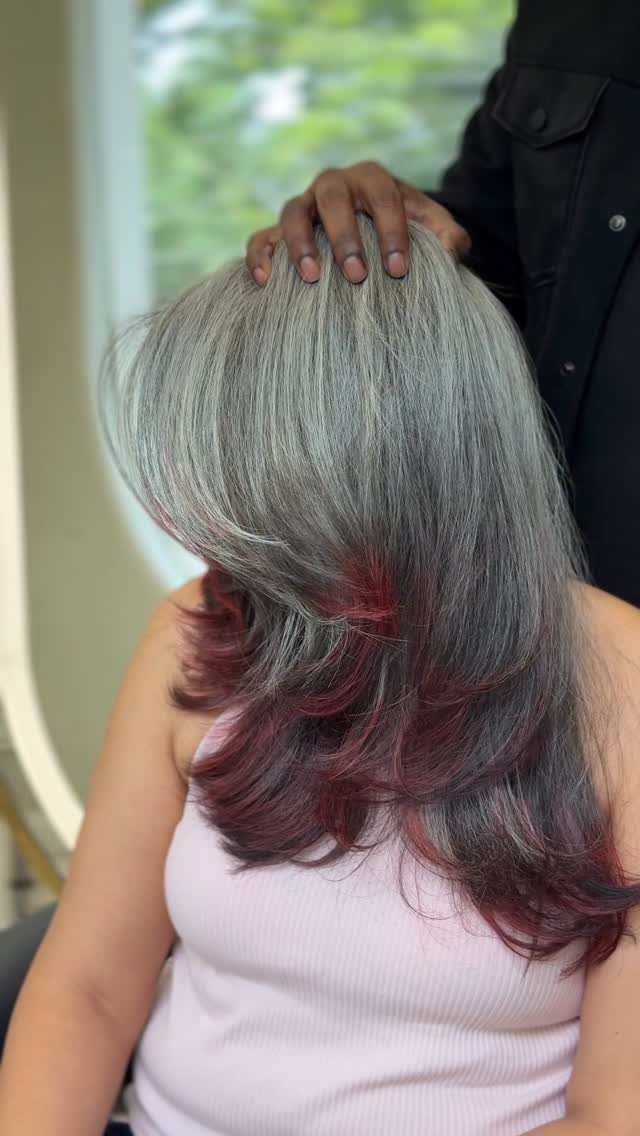
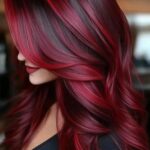
Burgundy ends on gray hair give you a warm accent that contrasts with the cool base without looking jarring, since both colors sit at opposite ends of the spectrum but share enough depth to balance each other.
The burgundy can be dyed over pre-lightened ends or applied directly to the gray if the gray is light enough to hold the red.
Semi-permanent burgundy fades faster than the gray base, so expect to refresh the ends more often if you want the red to stay saturated.