The ideas here run from Mid-Way Blonde and Blurred Brunette, which grow out quietly behind a deeper root, to Carnelian Orange and other bright shades that fade fast and lean on a color-depositing conditioner to stay bold.
What decides which one is yours is how much upkeep you will actually keep up with, not how much you love the photo.
Pick the shade your calendar can support, because a high-maintenance color that goes brassy or shows regrowth at week 5 looks worse than a simpler one that stays fresh.
1. Mid-Way Blonde
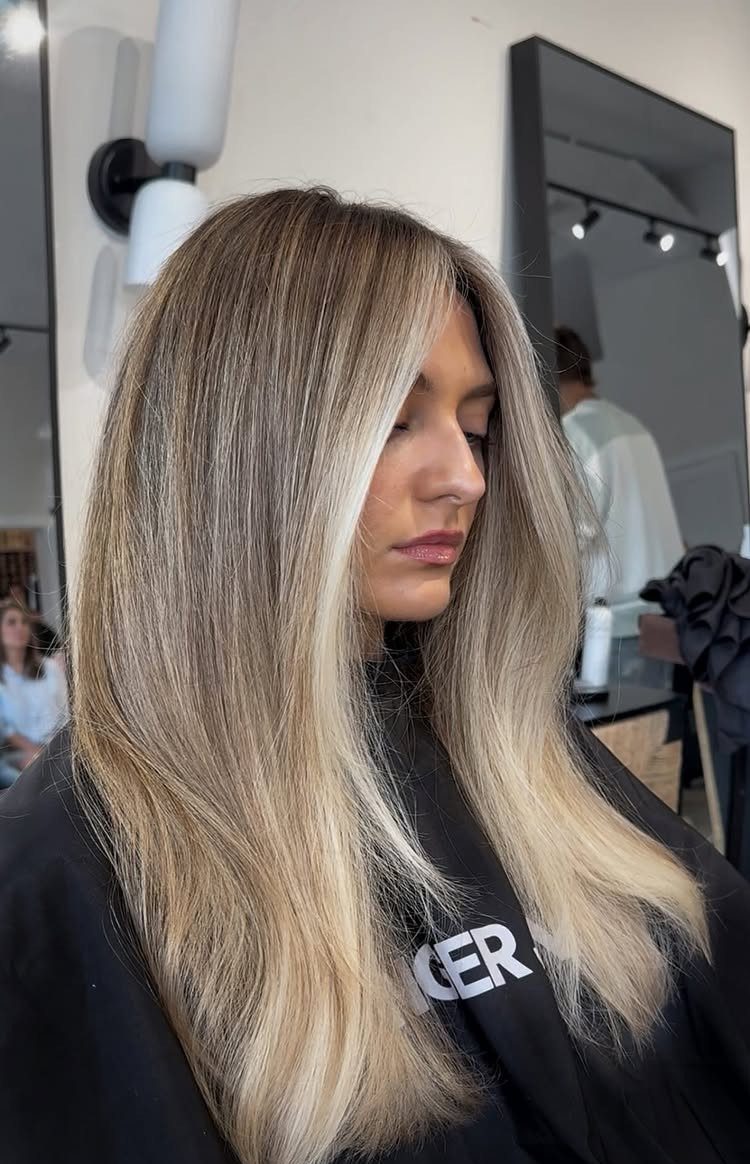
Neither icy nor golden: this blonde sits between cool and warm, and the dark roots melt into beige lengths. It blends blonde and brunette, so the color reads as one shade rather than two.
If you can’t choose between ash and gold, this is the one I’d pick. Show your colorist the photo and ask for a blonde balanced between cool and warm, with the roots kept deeper.
2. Baby Blonde
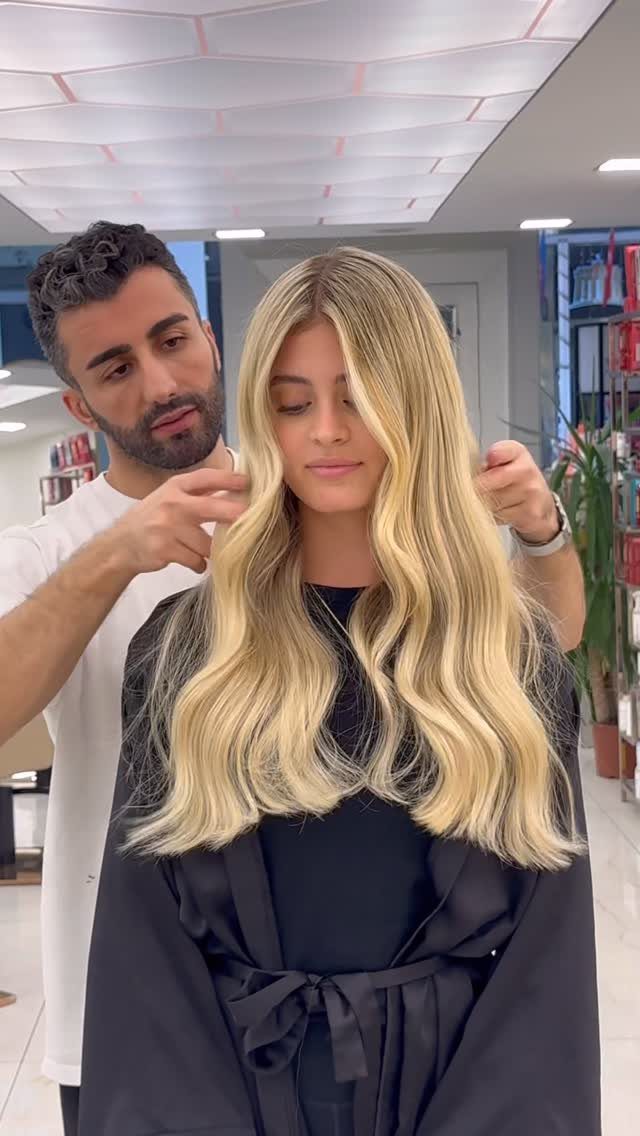
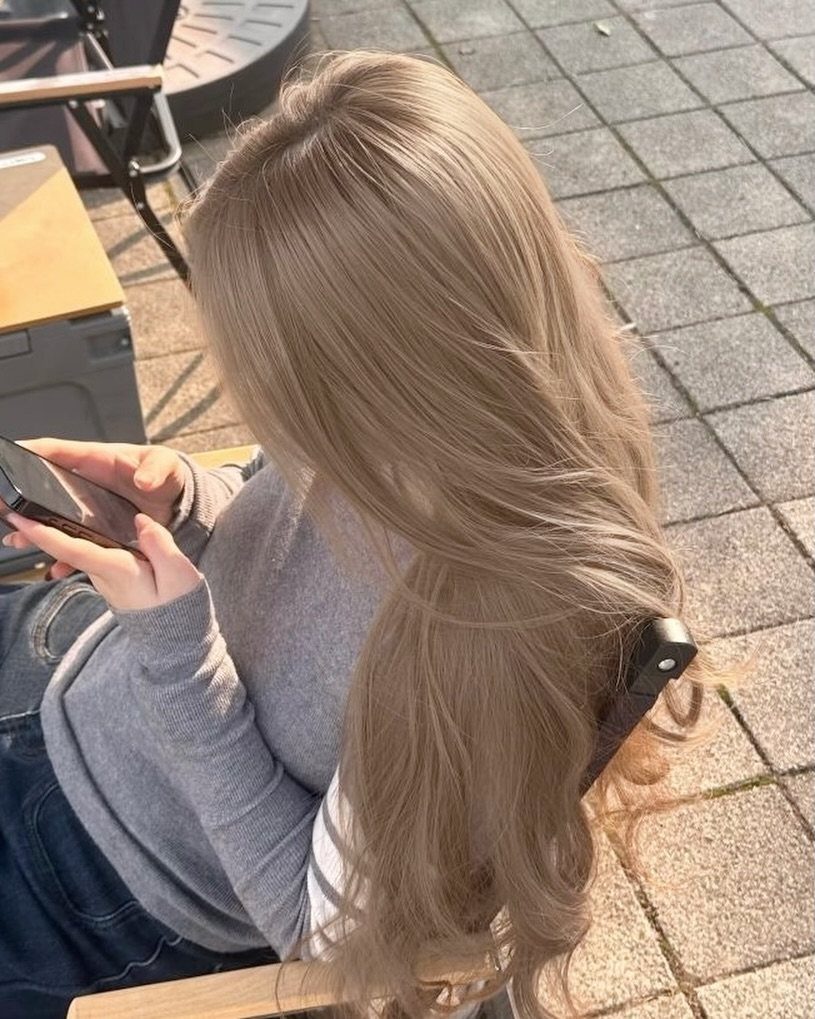
A natural root is what makes Baby Blonde look lived-in rather than freshly bleached. Beige-gold carries the color, and champagne highlights add soft brightness across wavy lengths.
Take the photo to a stylist and use those exact words: beige-gold blonde, champagne highlights, natural root. I like it best with loose waves, since the movement shows off the highlights.
3. Buttercream Blonde
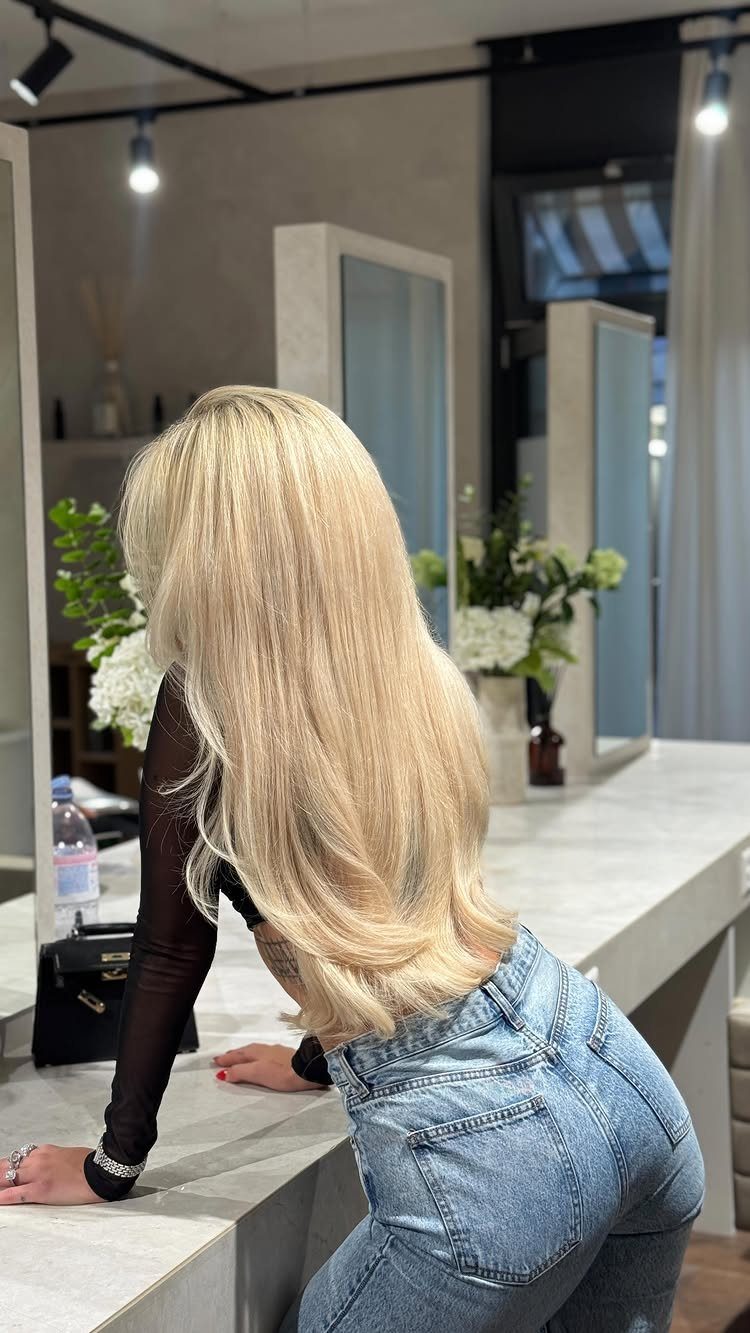
Soft beige, warm blonde and creamy gold share one head here, and the result is a gentle brightness that stays light without turning stark. Softly curled ends suit it well.
Ask for creamy beige-blonde with golden warmth, not a stark white or a deep yellow. For light hair that still looks soft, buttercream is my pick.
4. Honey Blonde Hair
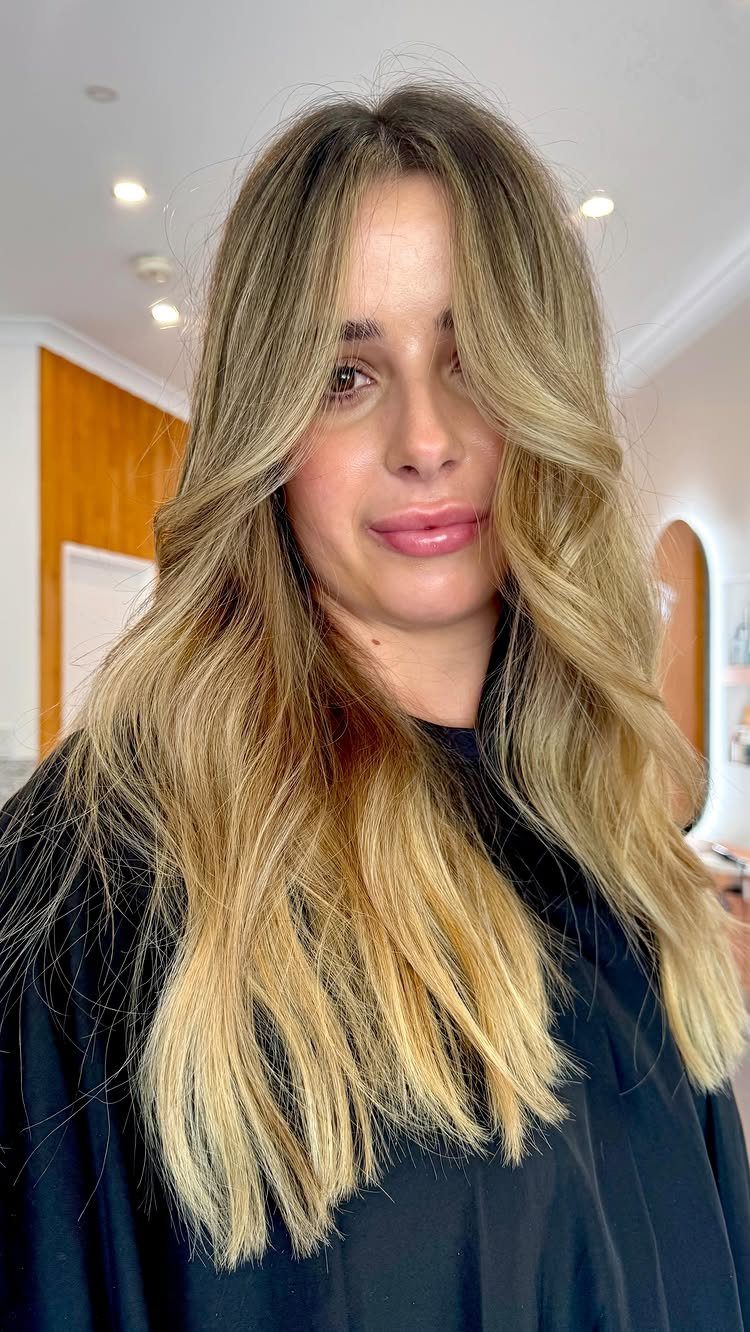
This shade sidesteps the dull, powdery look some blondes land on. Honey Blonde Hair uses light-reflecting tones that stay creamy, and the layers and slightly deeper roots give it depth.
Ask your colorist for a creamy honey blonde that reflects light, and say plainly that you don’t want it chalky. I’d keep the roots a touch darker for a softer start to the color.
5. Old Money Beige Blonde
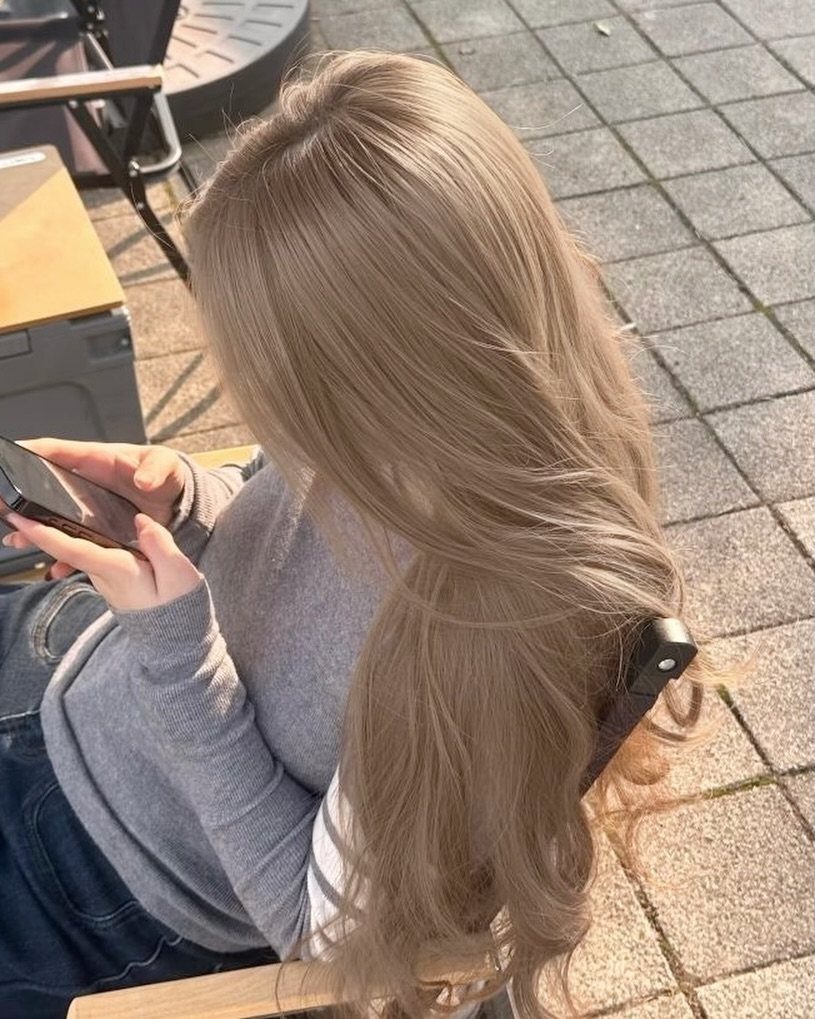
Smooth waves do a lot of the work in Old Money Beige Blonde. The shade itself is polished, wearable and timeless, a quiet beige that works with almost any outfit.
Ask for beige blonde by name and bring the photo for reference. I’d style it in soft, even waves so the finish stays polished.
6. Balayage
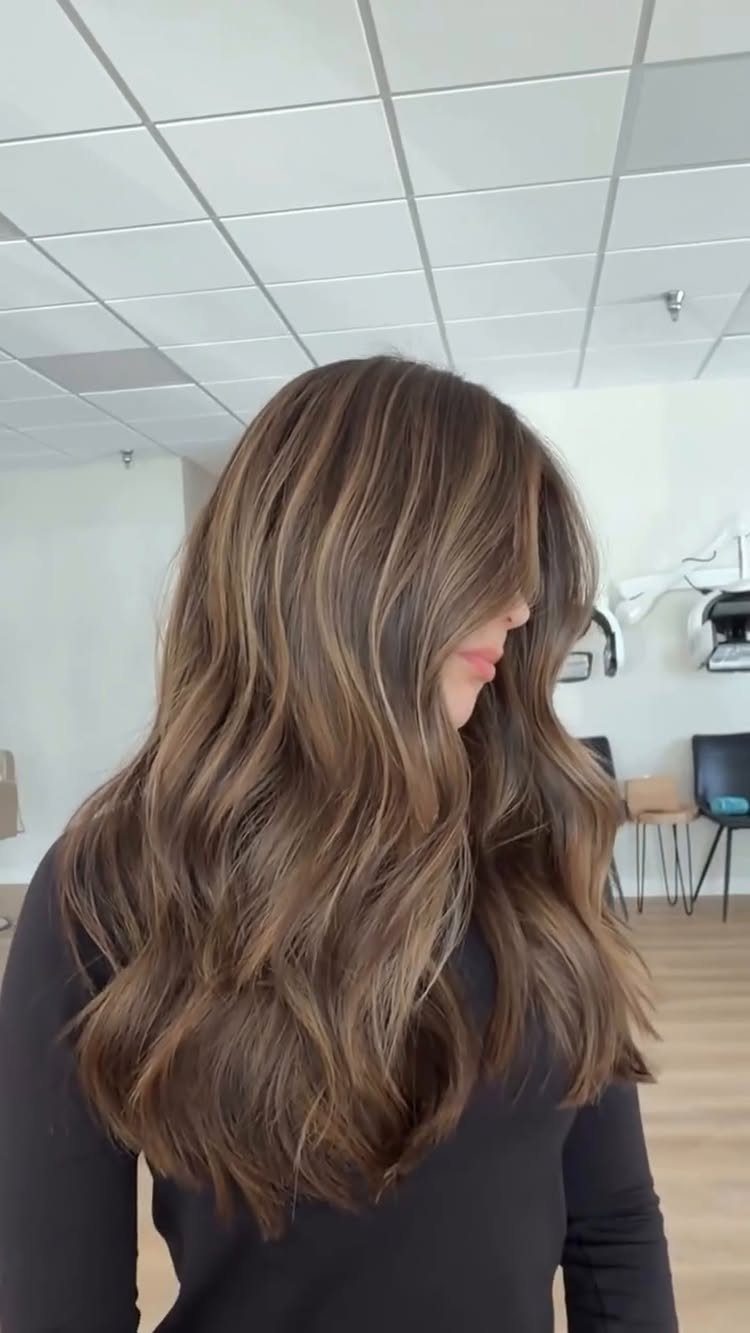
Hand-painted color is what gives balayage its natural look. The brush places the lightness by hand, so the highlights fall softly and regrowth looks gentler than with a uniform highlight.
Soft caramel is the tone I’d choose for brown hair. Ask for hand-painted balayage with a gradual blend, and say how light the ends should go.
7. Truffle Brunette
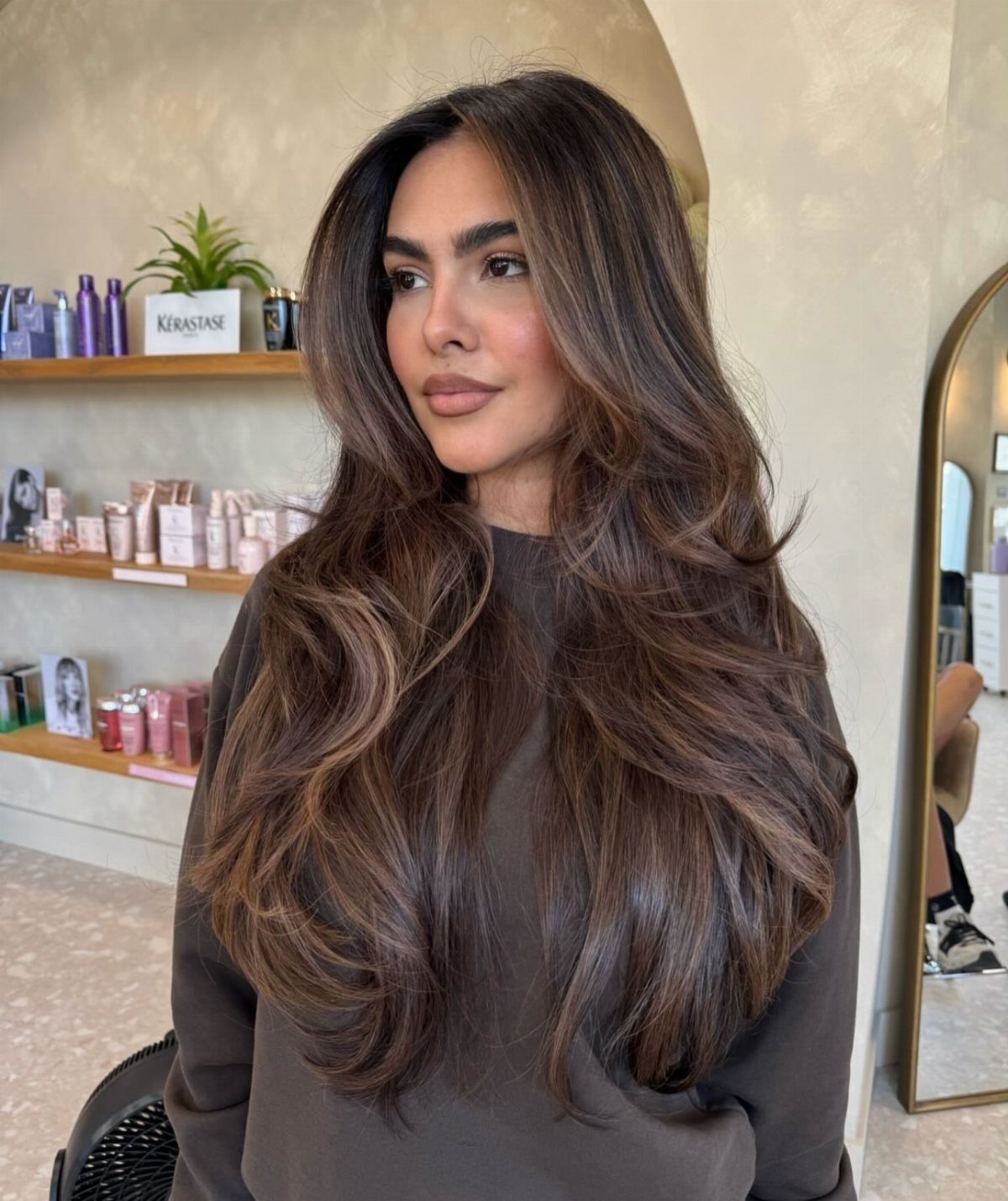
Truffle Brunette brings depth without going fully dark.
The base sits in the rich, mid-to-deep brown range, and a slightly warm undertone keeps it from reading flat or cool. What makes it feel current is that velvety finish: the color looks full-bodied, not stripped or overly shiny.
If you’re working with naturally dark hair and want dimension without going lighter, this is one way to add warmth and movement. The glow comes from tone, not from adding blonde, so upkeep is simpler than highlighted brunette.
Ask for a single-process brown with a warm, slightly reddish base. At home, look for a medium-to-dark brown dye that lists warm or red undertones on the chart, not neutral or ash.
8. Highlights
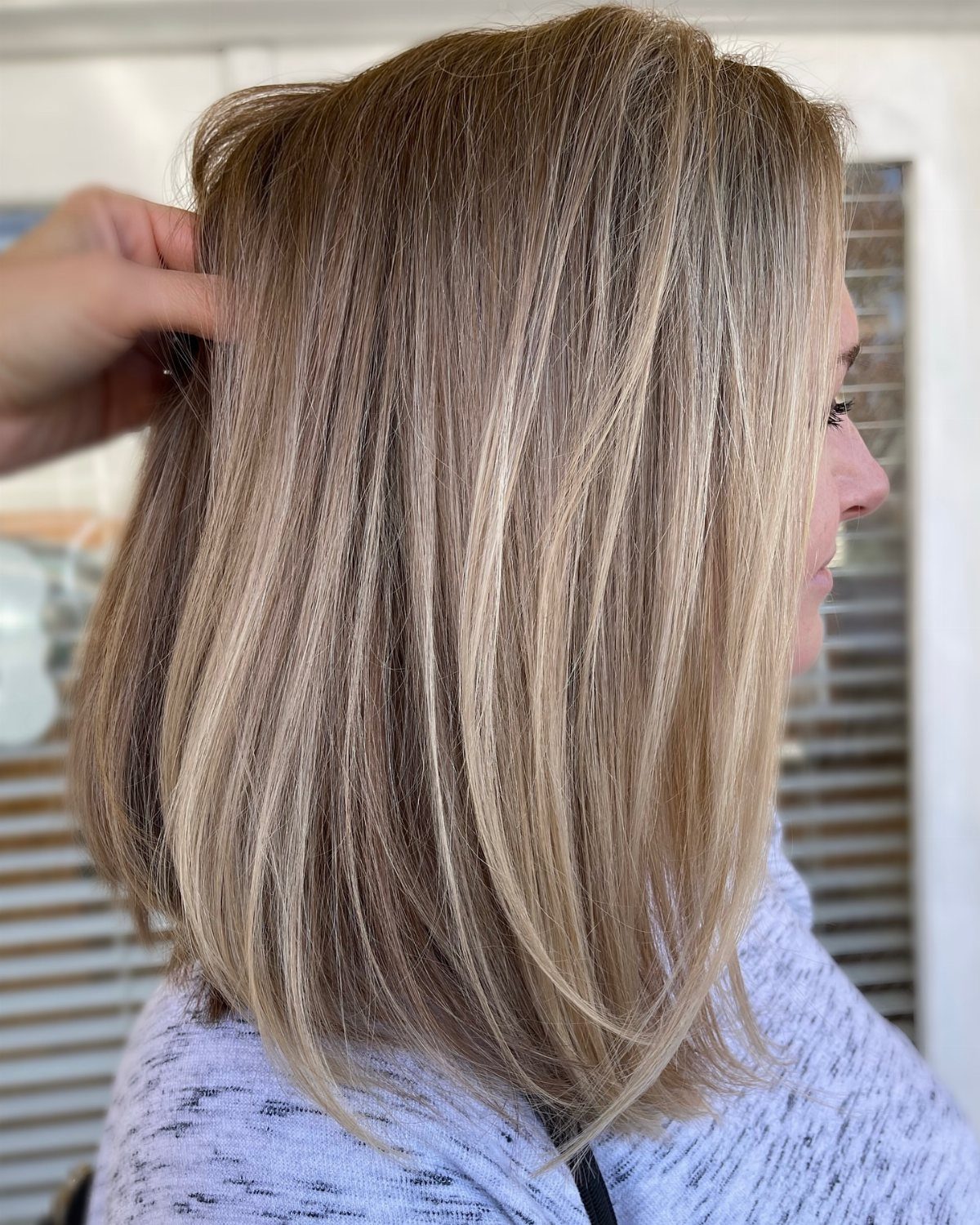
Highlights are still the most direct way to add brightness and lift to your natural color.
Lighter pieces catch the light and can make hair look fuller and more textured, especially if you’re starting with a solid base that reads flat.
The placement decides how natural or dramatic they look.
Fine, scattered highlights blend into the base and grow out softly. Thicker, more visible pieces give contrast and show up faster but need touch-ups every 8 to 10 weeks.
At a salon, ask for foil highlights if you want precise placement and lift.
For a softer result, ask for babylights or a balayage technique instead. Box highlight kits work for partial coverage but can be harder to place evenly on your own.
9. Teddy Bronde
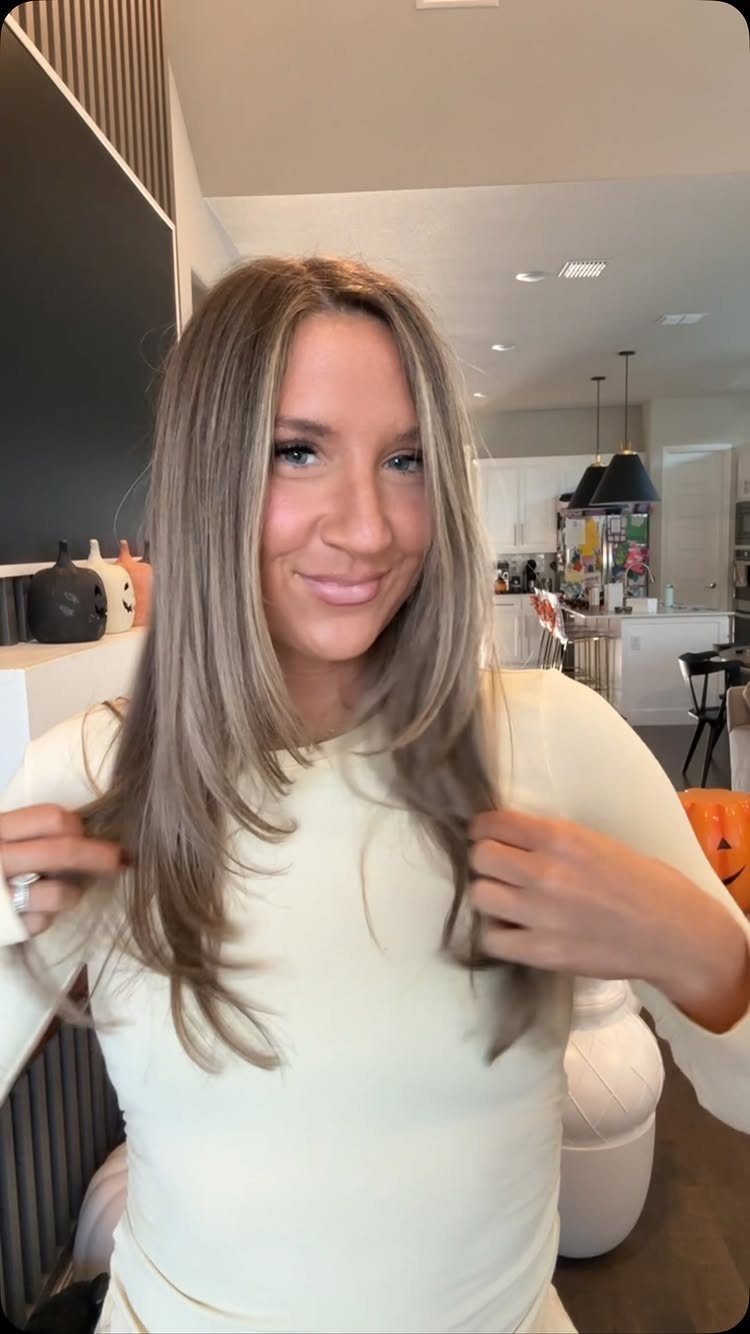
Teddy Bronde softens the high-contrast blonde of summer by blending it back toward caramel and warm brown. The result sits somewhere between blonde and brunette, with enough warmth that it doesn’t look cool or ashy.
This one suits readers who’ve gone lighter and want to ease back without losing dimension. The blend grows out more forgivingly than full blonde, and the warm tones suit most skin tones that lean golden or neutral.
Ask for a mix of caramel lowlights and warm blonde highlights, with the darker tones concentrated near the roots. At home, a caramel gloss or semi-permanent dye can warm up existing blonde without a full recolor.
10. Blurred Brunette
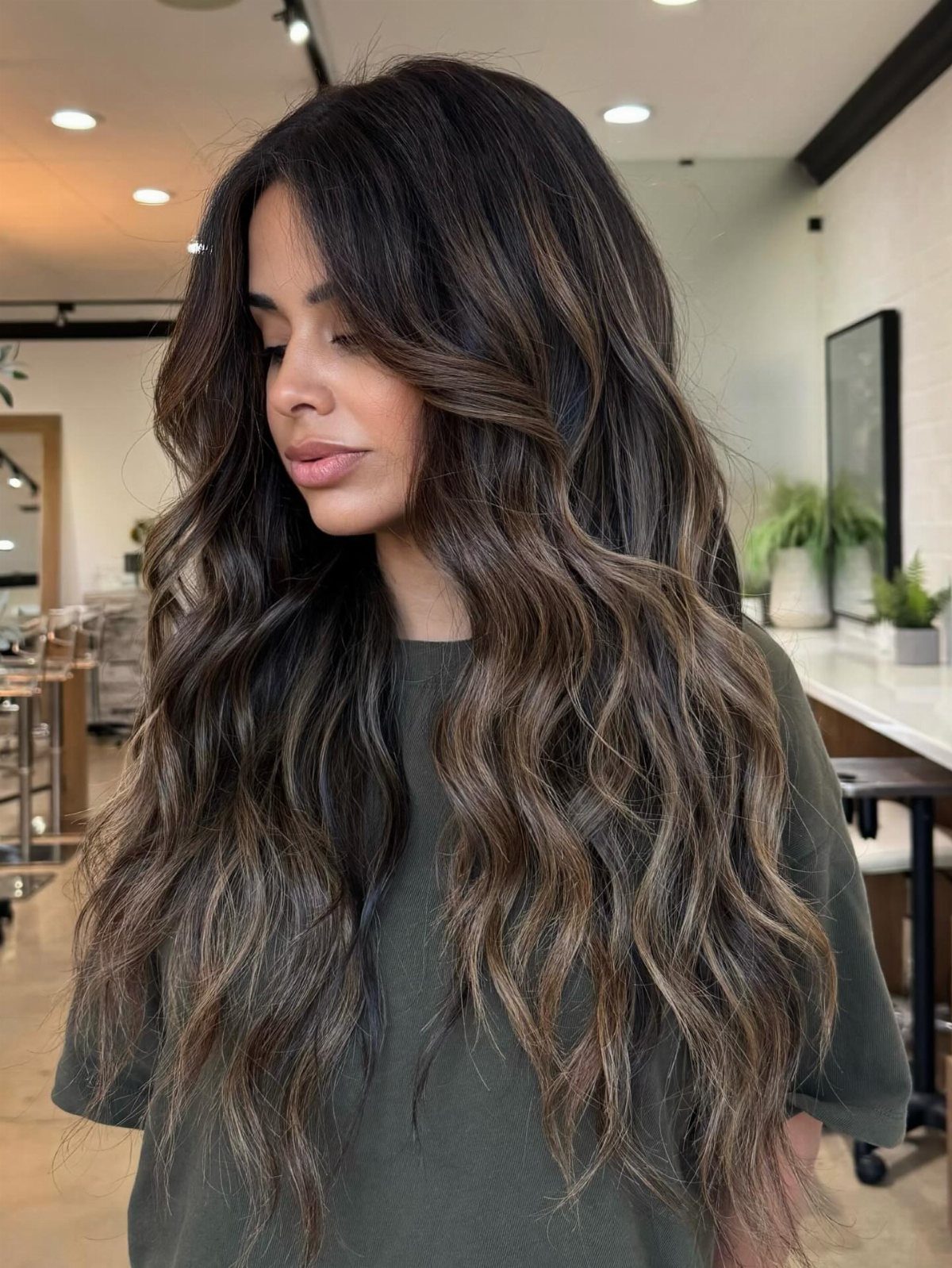
Blurred Brunette melts espresso roots into caramel ends so seamlessly that you can’t see where one stops and the other starts. The transition is soft, not striped, and the overall effect reads natural even though the color range is wide.
This technique suits readers who want dimension and lift without the high maintenance of blonde. The gradual blend means grow-out is less obvious, and touch-ups can stretch to 10 or 12 weeks.
Ask your colorist for a hand-painted balayage with a soft, blended transition.
The darker tone anchors the roots, and the caramel pieces are concentrated through the mid-lengths and ends. At home, a caramel gloss on the lower half can warm up existing color between salon visits.
11. Cascading Colour
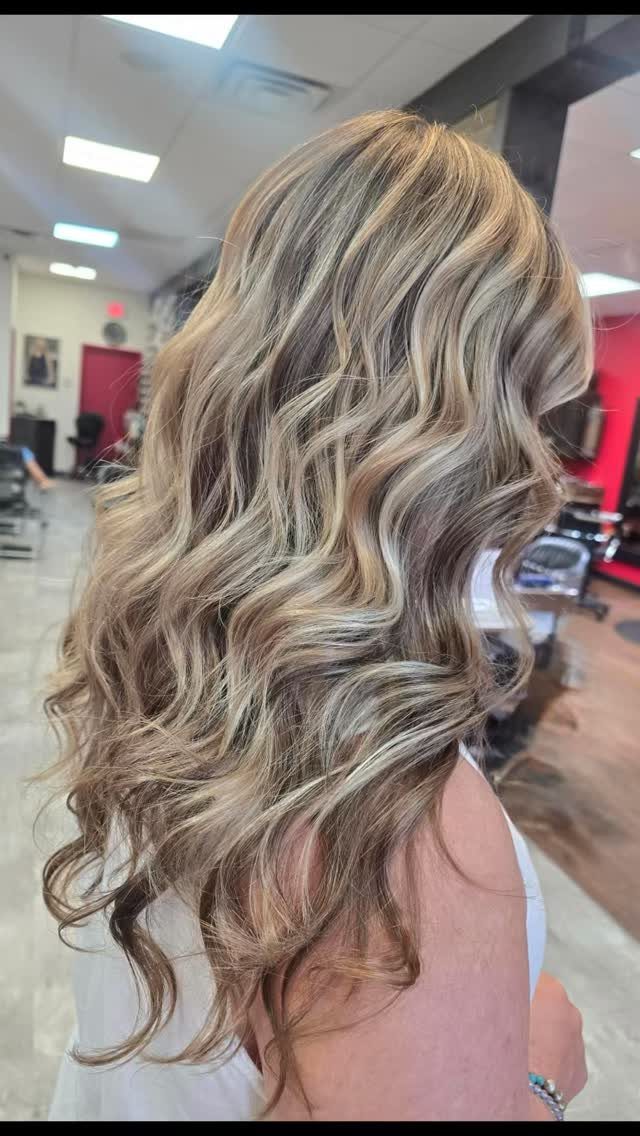
Cascading Colour runs from darker roots to lighter ends in one smooth, glossy gradient. The transition is soft and continuous, not blocked into sections, so the color looks like it’s moving downward with the hair.
This suits readers who want low-maintenance lift without root touch-ups every few weeks. The darker base lets your natural color grow in without a harsh line, and the lighter ends brighten your face.
Ask for a balayage or ombre with a gradual fade, not a sharp line of demarcation.
The colorist should blend the mid-lengths so the transition is seamless. At home, a toning gloss on the ends keeps the lighter color from going brassy.
12. Carnelian Orange
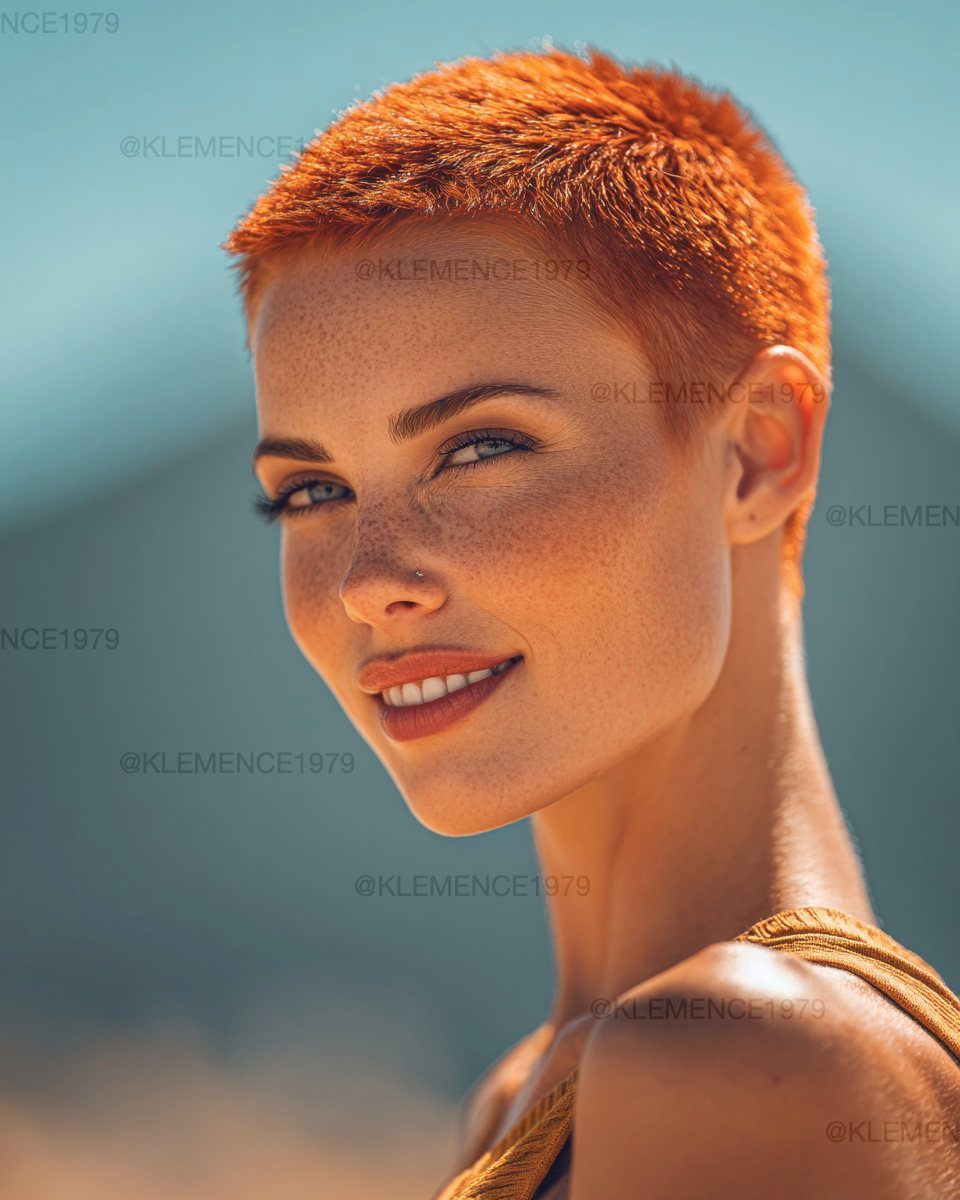
Carnelian Orange is vivid, warm and unapologetically bold. The color sits between true red and bright tangerine, with enough warmth that it glows without looking artificial.
This one suits readers with fair to medium skin tones, especially those with warm or neutral undertones. The color reads best on pre-lightened hair, so if you’re starting with dark hair, expect a bleach session first.
Upkeep is frequent: vivid colors fade fast, and you’ll need a color-depositing conditioner or gloss every 2 to 3 weeks to keep it bright.
At home, look for a semi-permanent orange dye like Arctic Fox Sunset Orange or Manic Panic Electric Tiger Lily. For a softer version, mix orange with a bit of red or peach.
13. Glossed Espresso
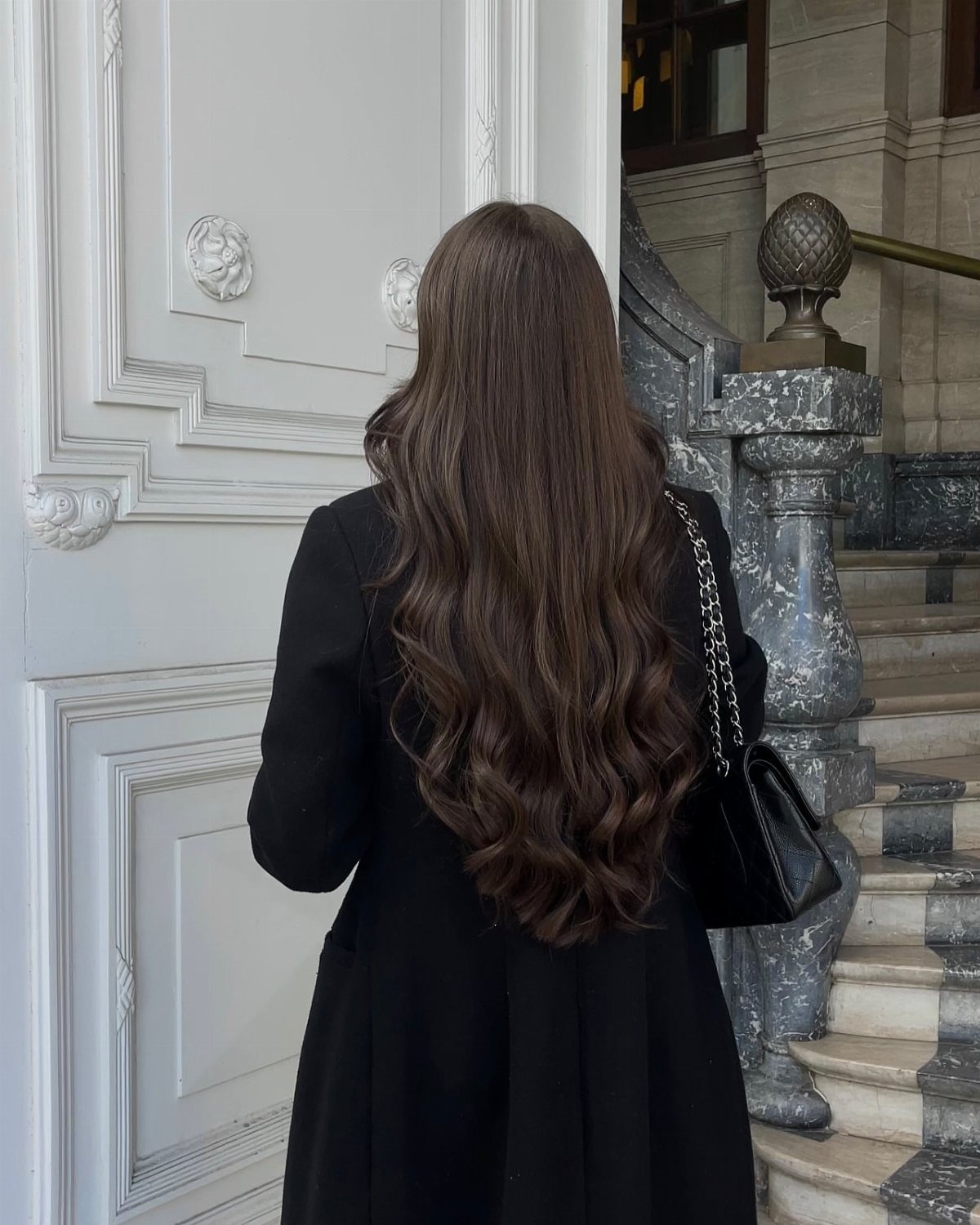
The base is a deep, cool-toned brown that sits close to black, and the finish is what makes it read current. A high-gloss treatment gives it that wet-look shine, so the color looks dense and polished rather than flat.
The gloss adds shine without lifting or changing the tone underneath.
Request espresso brown as a single process, then layer gloss over it while the color is still fresh.
At home, a dark brown dye followed by a clear gloss serum on damp hair will get you most of the way there.
The shine washes out gradually, so book your next gloss when the hair starts looking flat instead of reflective.
14. Soft Copper
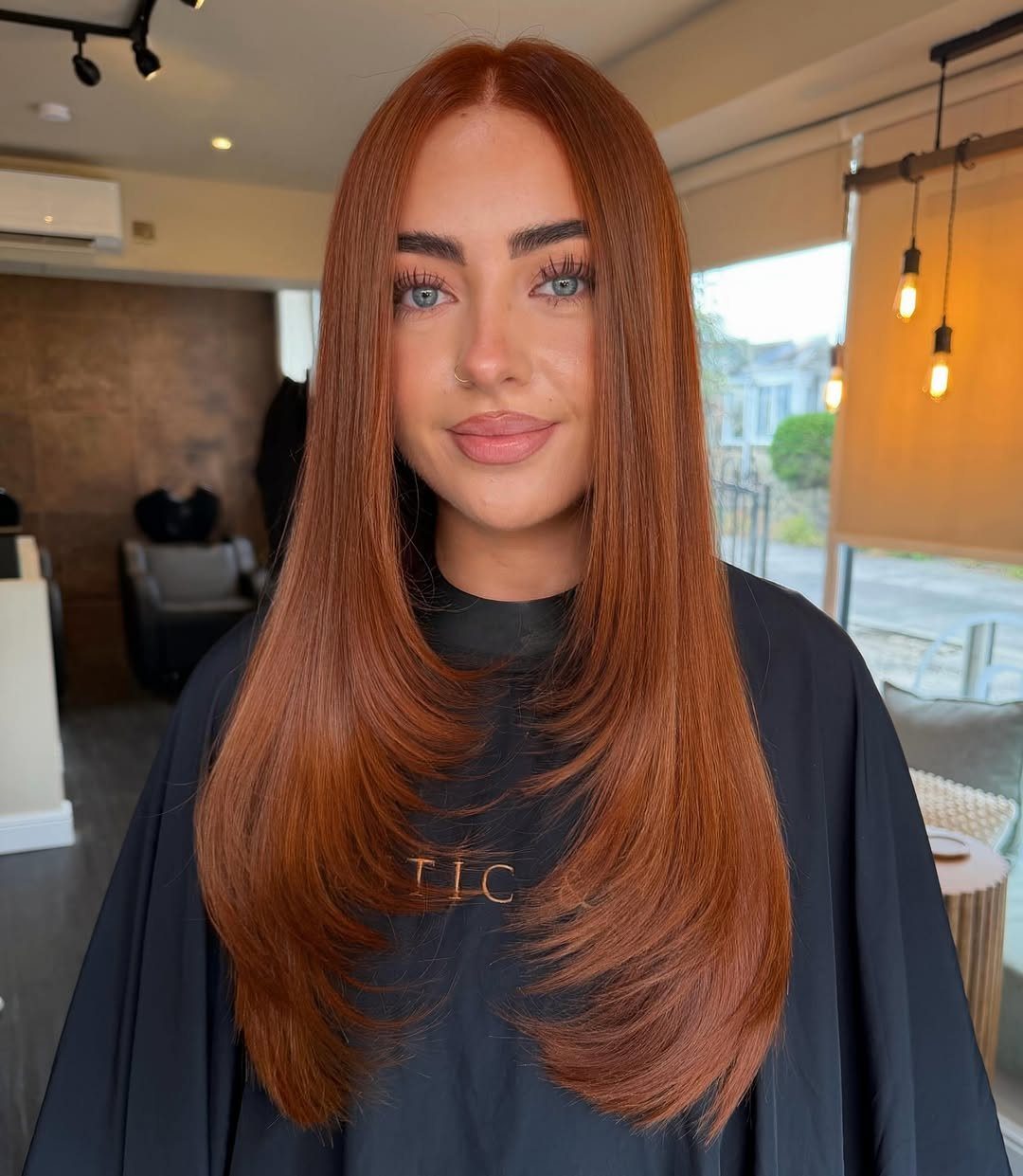
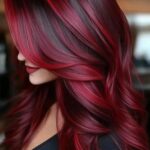
Copper is the red that behaves. Soft Copper softens red into a glow, so long hair reads rich and glossy instead of loud.
Ask your colorist for a soft copper, not a bright one, and bring a photo so the depth is clear. Copper-red fades faster than brown, so a color-depositing conditioner between salon visits keeps it from dulling.
15. Golden Browns
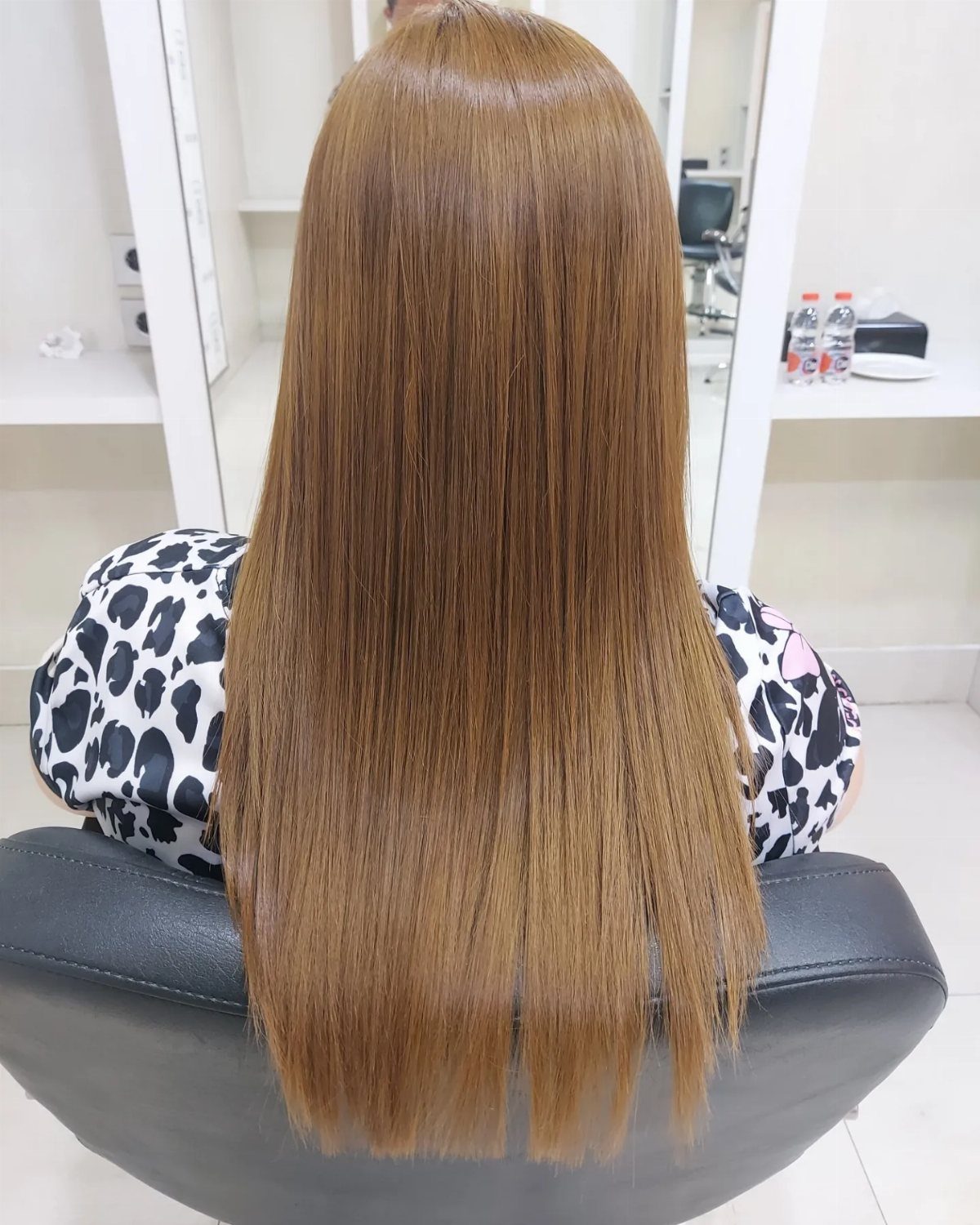
Golden Browns warm up traditional brunette with honey and caramel undertones. The base stays brown, but the gold catches light and adds dimension without going lighter overall.
If you’re naturally brunette and want richness without jumping to highlights, this is the most direct route.
The color reads as one tone from a distance but shows depth and movement up close. It suits warm and neutral skin tones especially well.
A colorist can place light caramel ribbons through your existing brown, or apply an all-over warm brown in one session. Box kits labeled warm, honey or caramel on the back chart deliver this tone without going too red.
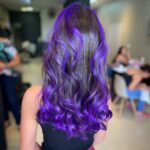
16. Multi-ColouRed, Rainbow Hair
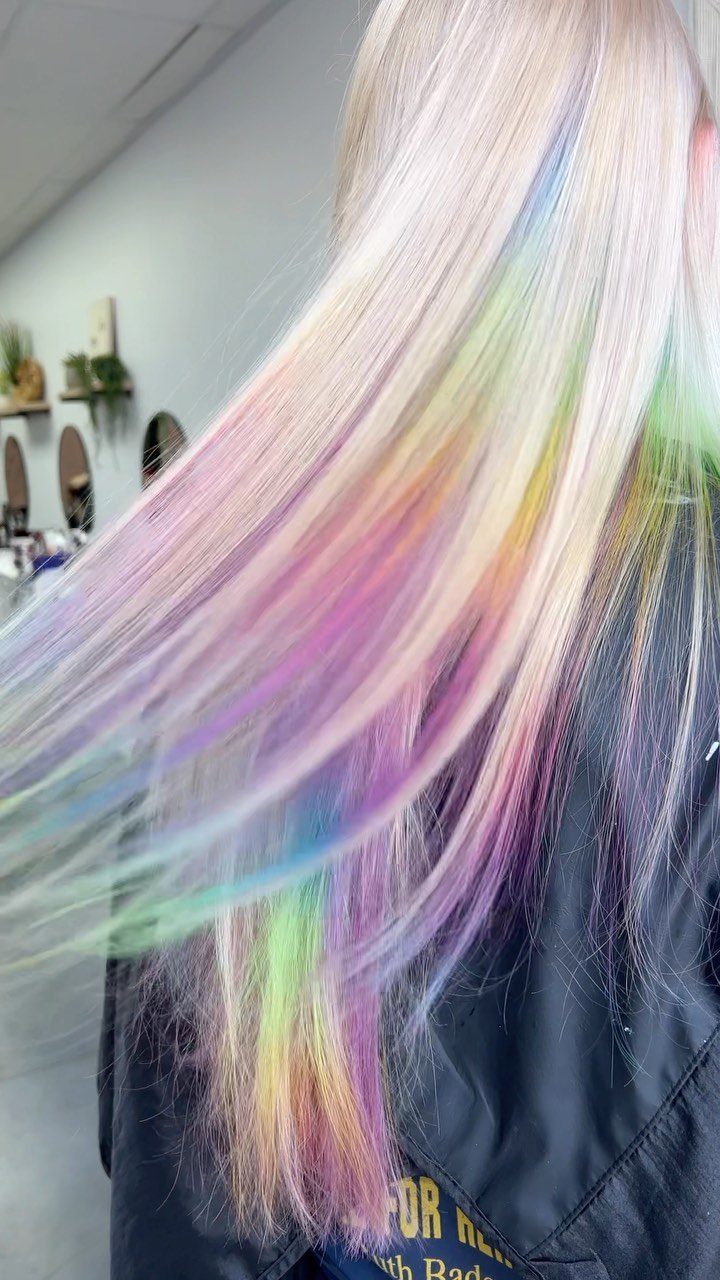
Pastel rainbow streaks look best over a pale base, such as platinum blonde, where each stripe shows up soft instead of muddy. Dark hair needs bleaching first.
Washed-out brights lose their color quickly, and for 2026 the style is on its way out.
If you still love it, I’d keep it to a few streaks you can let go of, not a full head, so the fade never looks tired.
In fact, if the recent red carpets are anything to go by, high-shine hair is going to be even more popular this spring. No, it’s not technically a colour, but it complements every spring hair shade.
17. Ash Bronde Hair
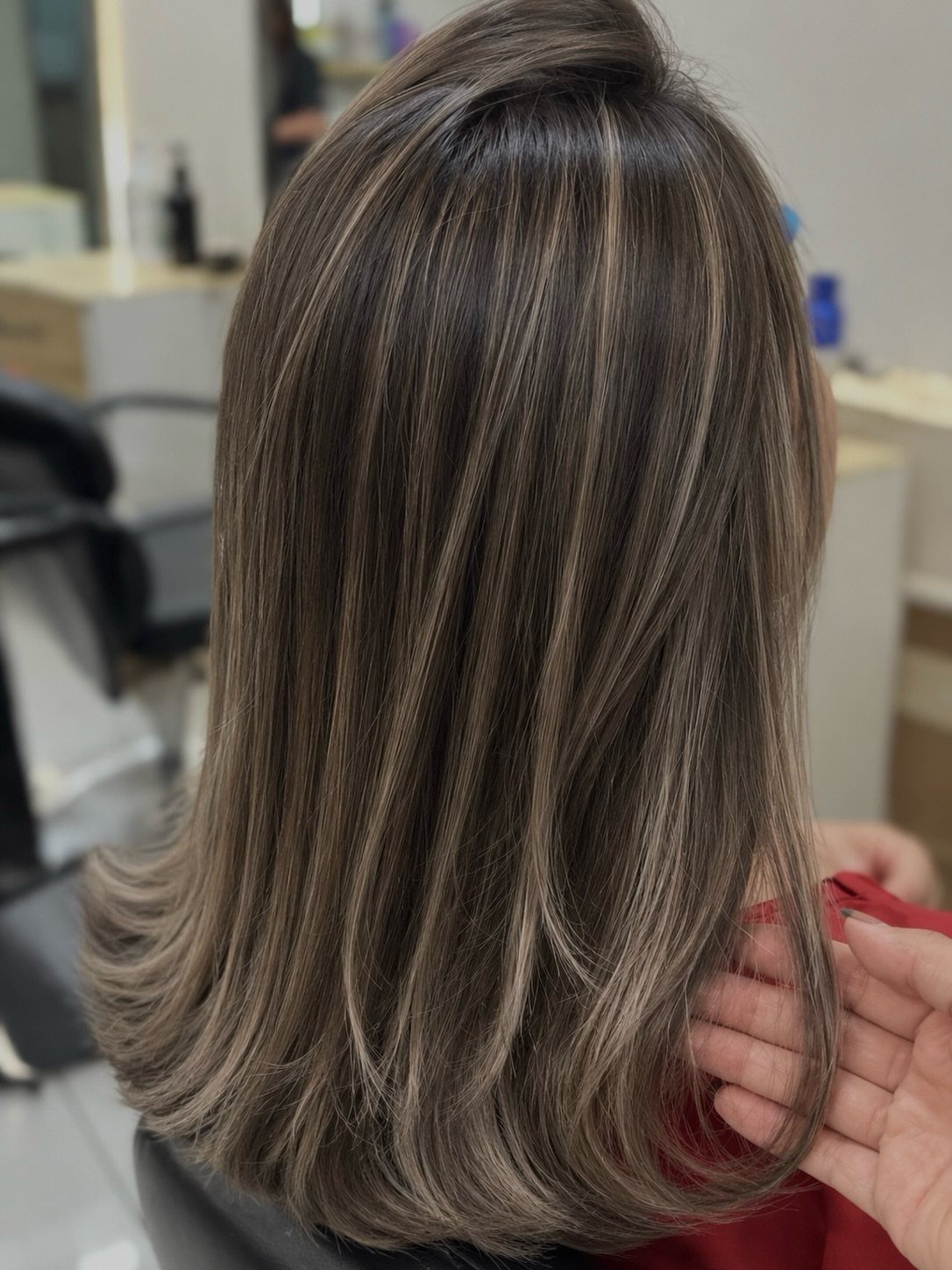
Ash bronde sits where dark brunette strands meet blonde highlights, with the blonde kept silvery instead of golden.
For ash bronde, request cool-toned highlights threaded through brown hair, then a toner to cancel any brassiness. Ash drifts warm as it fades, so a toning gloss between visits keeps it cool.
If silver jewelry flatters you more than gold, this tone will likely suit you. Very warm skin may fight it.
18. Dimensional Brunette
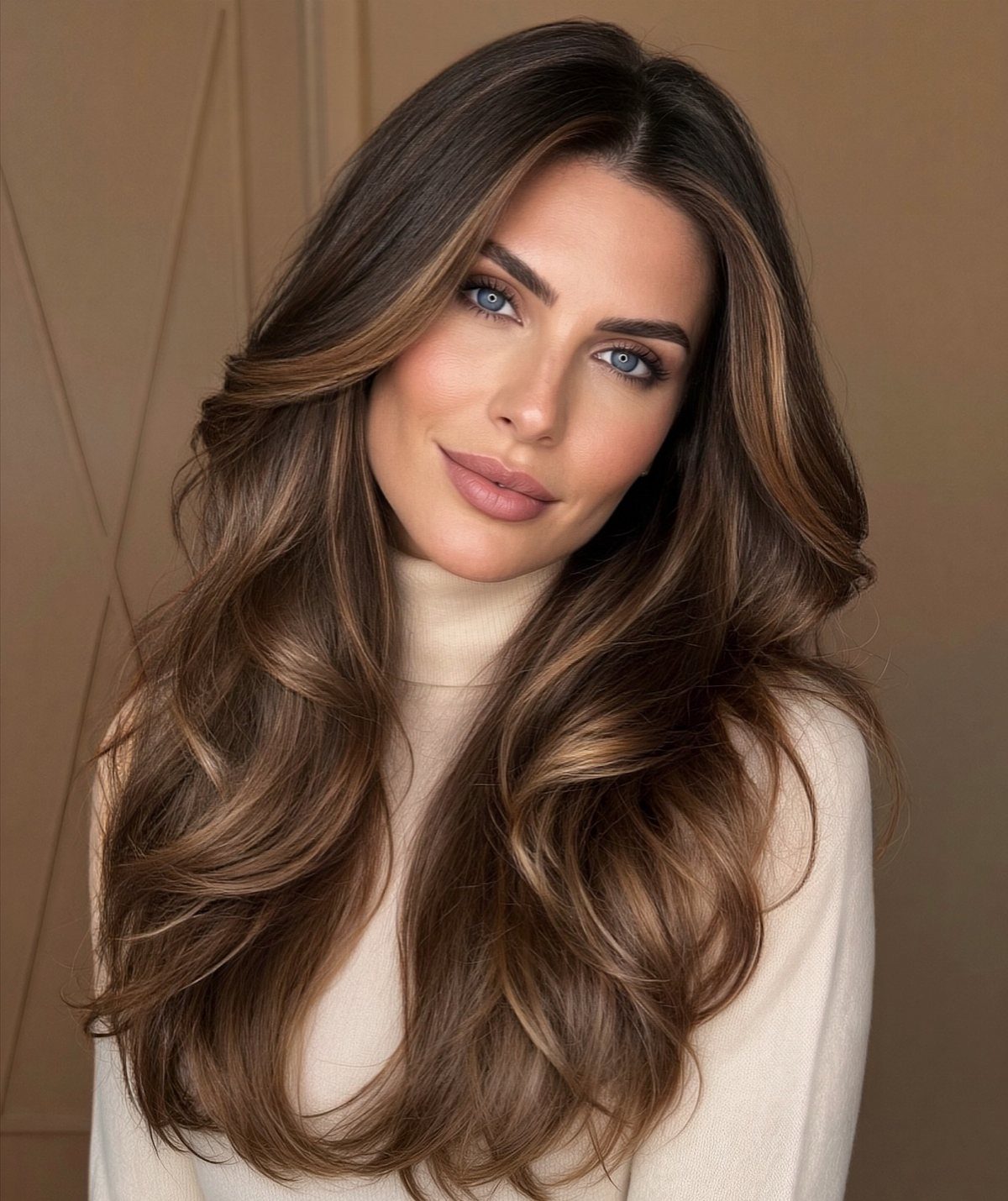
Dimensional Brunette stays brown but breaks the shade into layers, with lighter ribbons blended through a deeper base. Long hair gets movement and depth without ever tipping into blonde.
Ask for ribbons close to your base color and feathered at the edges. Wide gaps between shades start to read as stripes.
A single-shade box dye gives the flat color this look avoids, so I’d book it at a salon.
19. Two-Tone Hair Coloring
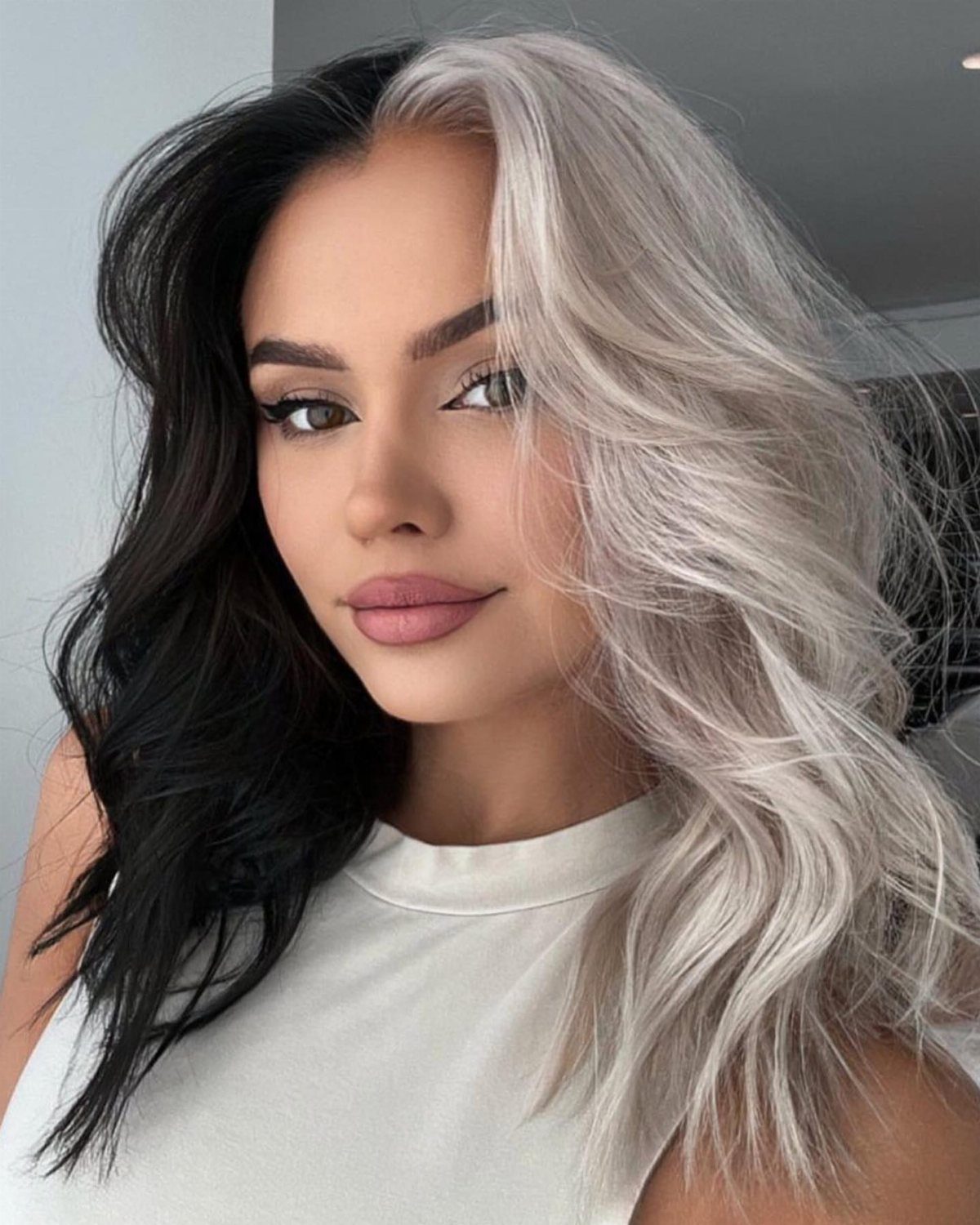
Two-Tone splits the hair into distinct sections, each colored a different shade. The divide can run vertically down the center, horizontally across the length, or diagonally, depending on how bold you want the contrast.
This suits readers who want a statement color without committing their whole head. The grow-out is visible, so plan on touch-ups every 6 to 8 weeks if you’re keeping a clean line.
At a salon, ask for split-dye with the colors sectioned and kept separate during processing. At home, clip one half away and dye each side separately, using foil or plastic wrap to keep the colors from bleeding into each other.
20. Ombre
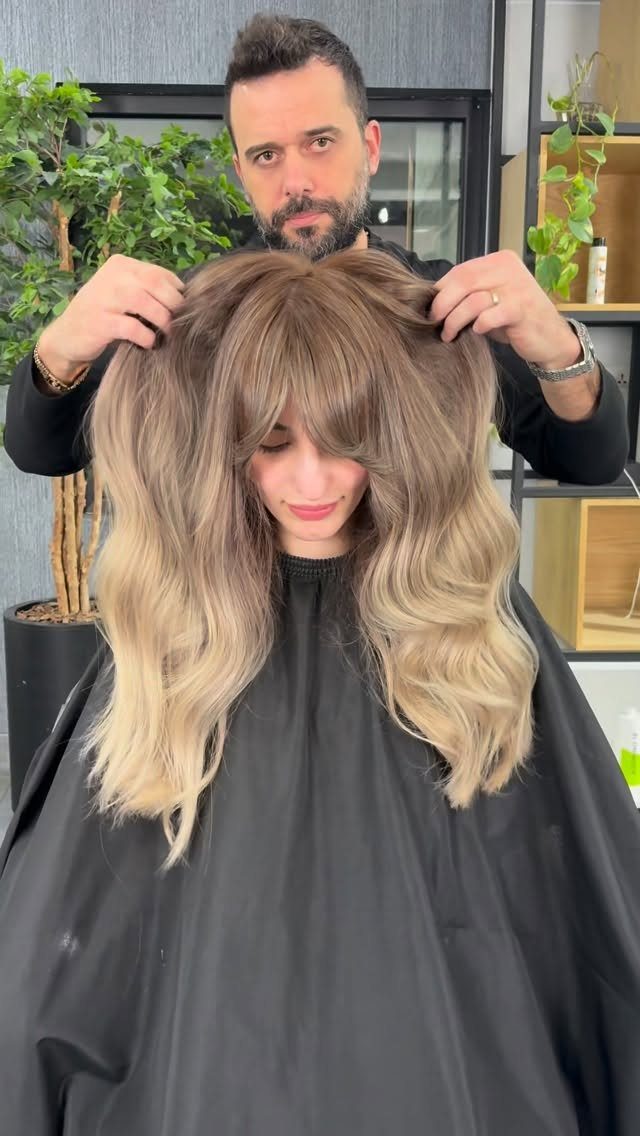
Ombre keeps the roots darker and transitions to lighter ends, with the shift happening through the mid-lengths. The fade can be gradual or more distinct, depending on how much contrast you want between the top and bottom.
If you’re growing out highlights or want a lower-maintenance color, this is one way to keep lift without frequent root touch-ups. The darker base lets your natural color blend in as it grows.
Ask for a hand-painted ombre with the lighter tone starting at mid-length. At home, a balayage kit can lighten the ends, but blending the transition takes practice.
21. Peach Blonde
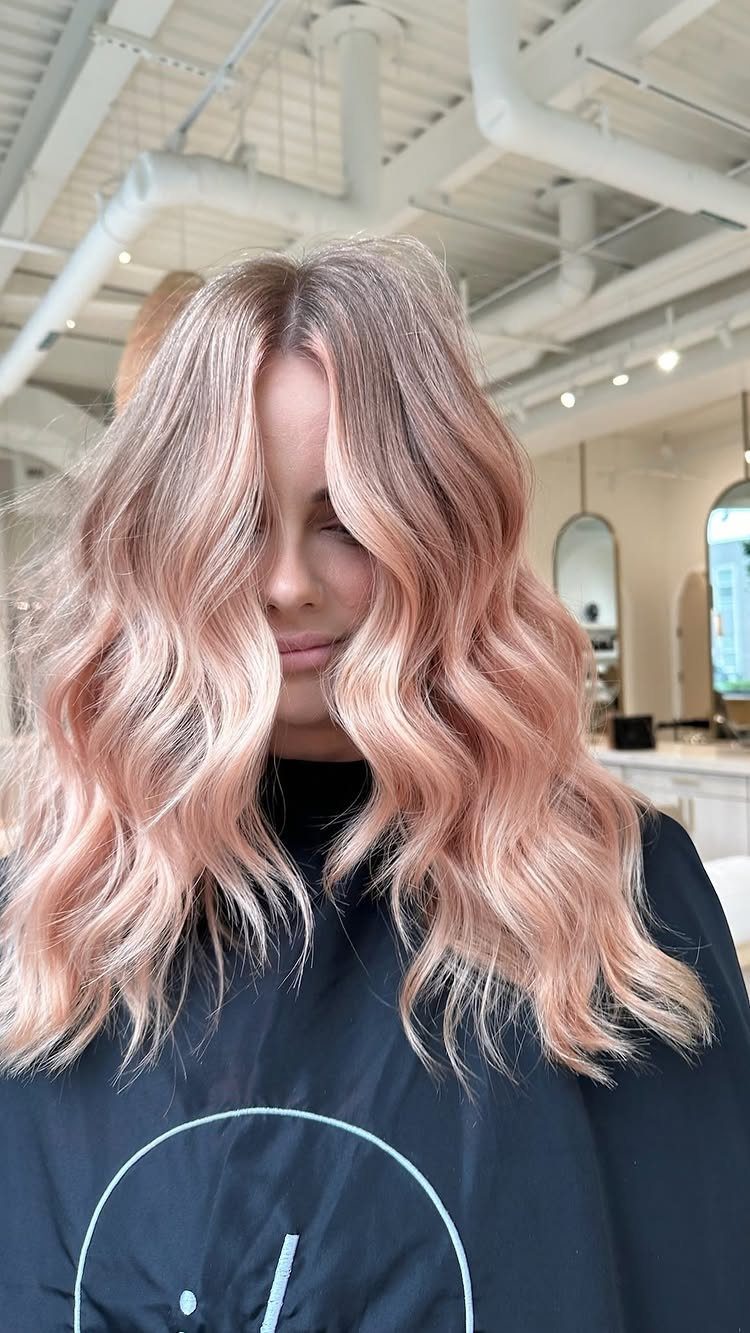
Peach Blonde softens golden blonde with a hint of pink and copper. The result is warm without leaning fully orange, and the peachy undertone gives it a glow that reads softer than standard honey blonde.
The pink tones fade faster than the blonde base, so a color-depositing conditioner every 2 weeks keeps the peach tone from disappearing.
Ask for a warm blonde base with a peach toner. At home, a semi-permanent peach dye over pre-lightened blonde will get you close.
22. Cinnamon Auburn
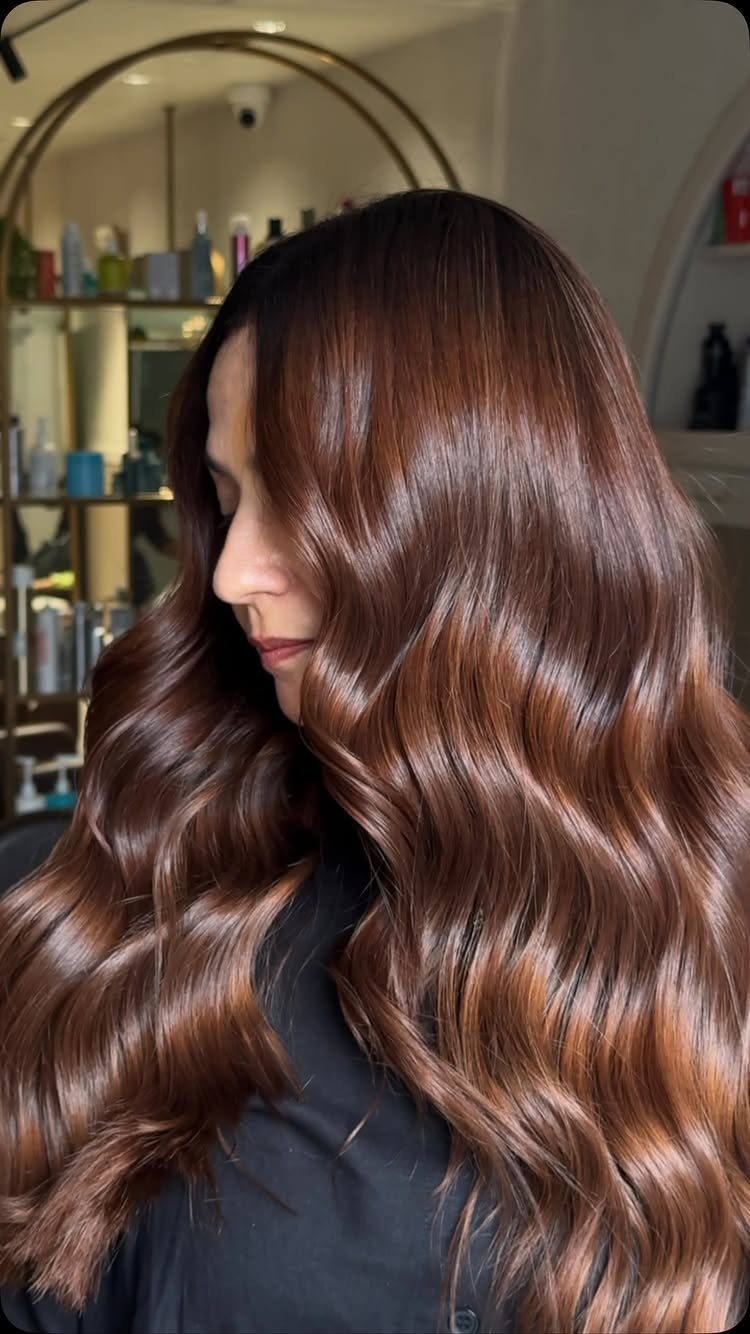
Cinnamon Auburn is a rich, warm auburn grounded in brown rather than red. The copper tones show up in natural light but don’t dominate, so the overall effect reads deeper and less fiery than classic auburn.
If you’re working with medium to dark brown hair and want warmth without going bright red, this is a good middle ground. The color holds longer than vivid reds and fades to a warm brown rather than orange.
At home, look for a medium auburn dye that lists brown or chestnut as the base tone, not bright red.
23. High-Contrast Roots
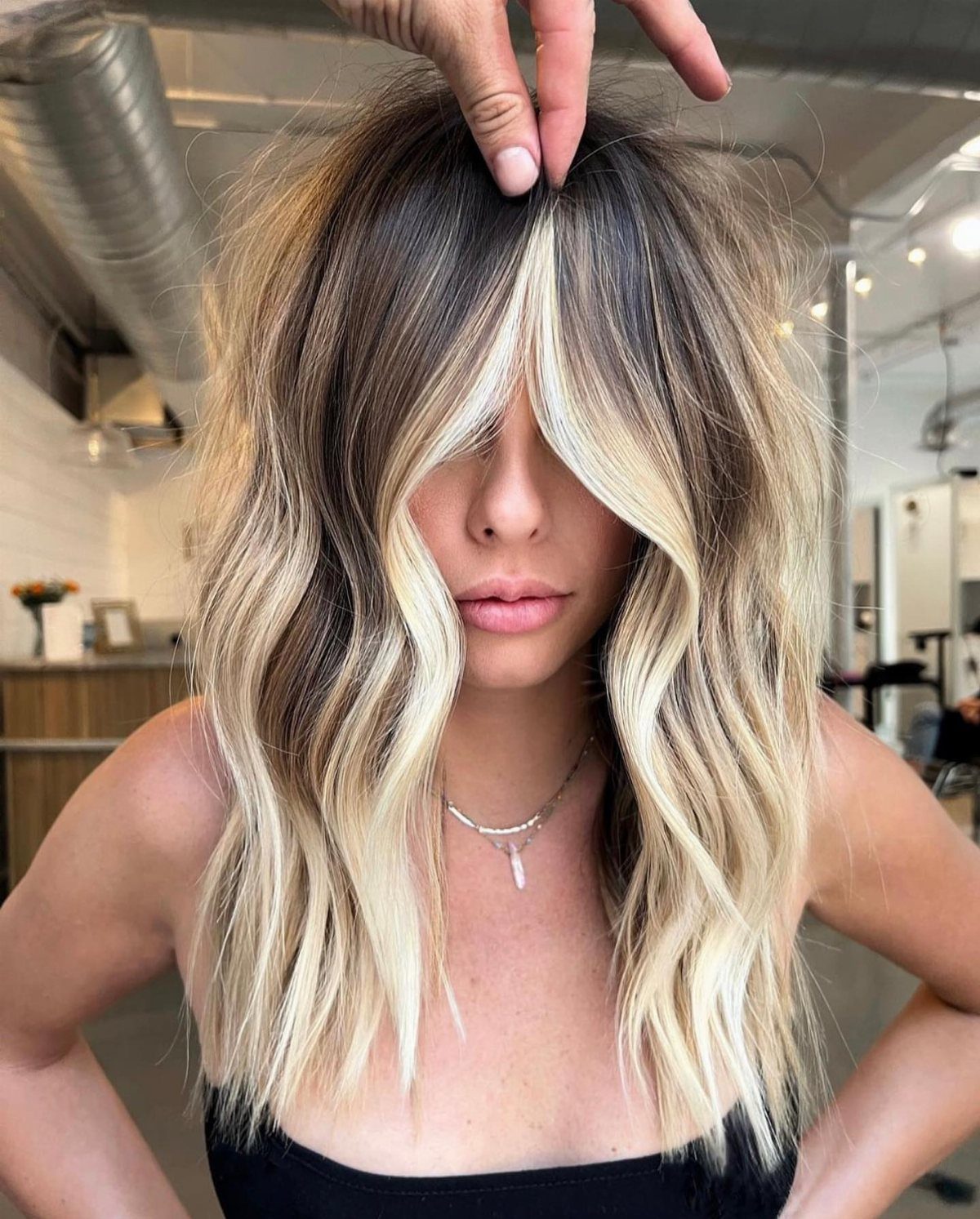
High-Contrast Roots pair a dark natural base with lighter blonde through the lengths and ends. The difference between the root and the rest is visible and deliberate, not blended or melted.
This suits readers who want blonde without frequent root touch-ups.
The grow-out is already built in, so you can stretch salon visits to 10 or 12 weeks. The contrast works best on medium to dark blonde or light brown bases; very dark roots can look striped if the blonde is too light.
Ask for blonde highlights or balayage with the roots left natural or slightly toned. At home, a root shadow kit can darken regrown roots.
24. Autumnal Spectrum Mix
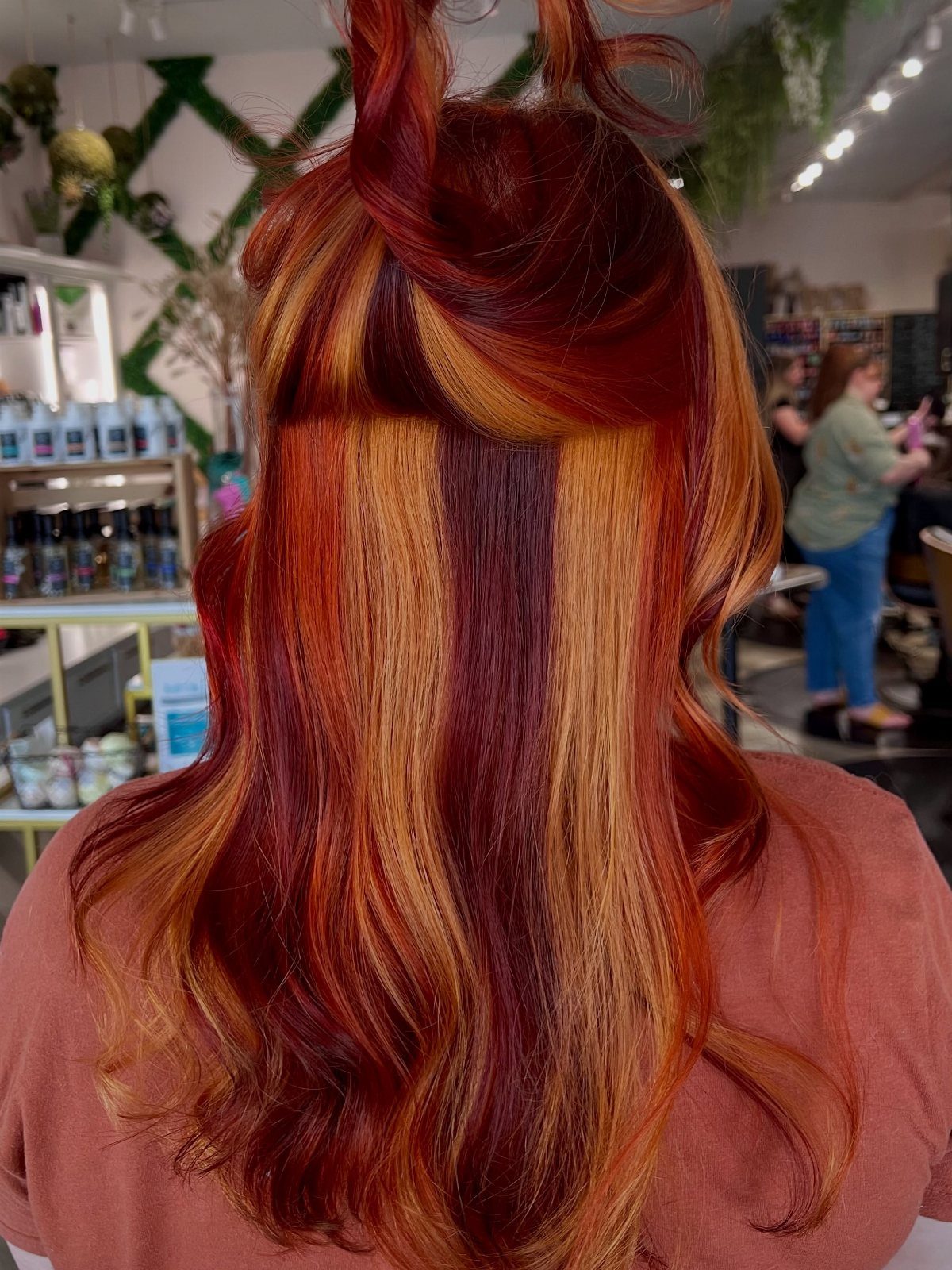
Autumnal Spectrum Mix layers red, copper, orange and gold throughout the hair, so different tones catch the light as you move.
The color range is wide but stays within the warm end of the spectrum, which keeps it from looking chaotic.
This suits readers who want vivid color with more dimension than a single-process red.
The multiple tones mean grow-out is less obvious than one solid color, but the vivid shades fade quickly. Plan on a color-depositing conditioner every 2 weeks and a refresh every 6 to 8 weeks.
At a salon, ask for a custom color melt with red, copper and gold tones placed in alternating sections. At home, layer semi-permanent reds, oranges and golds on pre-lightened hair, applying each color to separate sections.
25. Pastel Ombre Fusion
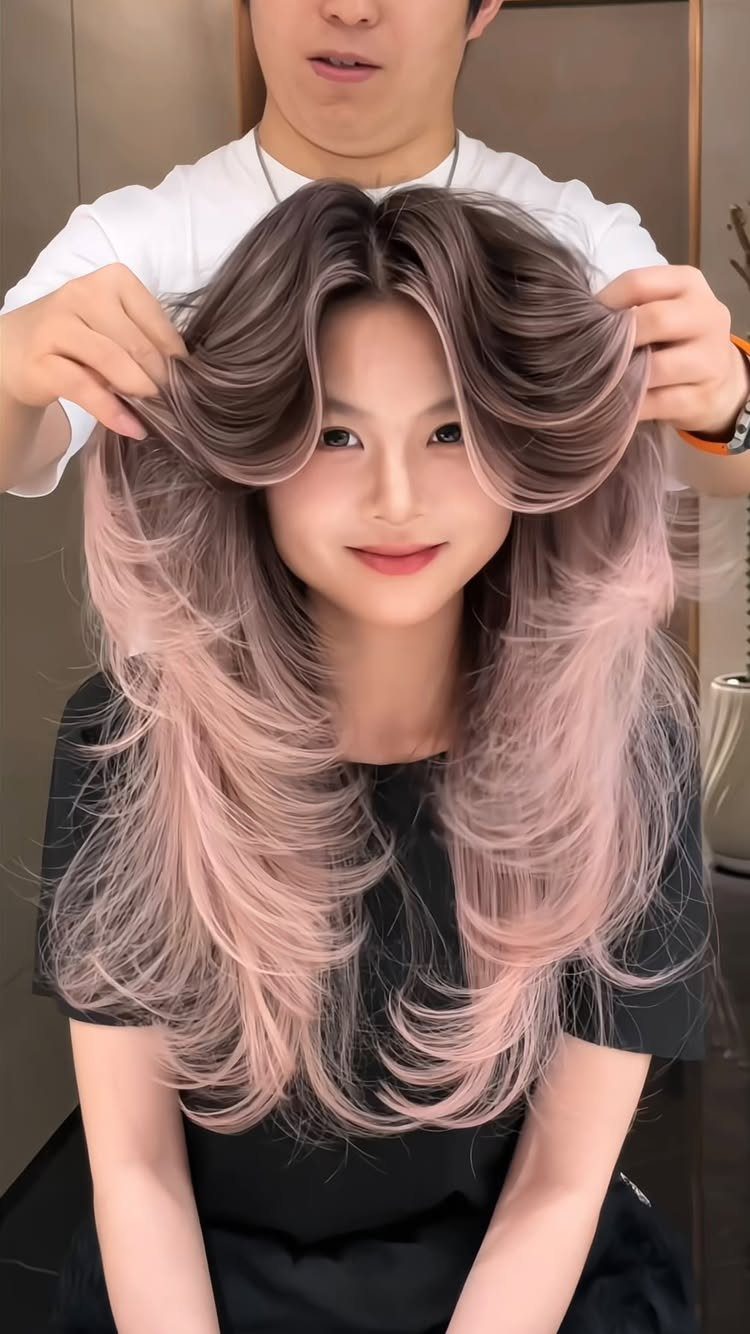
Brown roots fade into soft pink waves, and the dark top is what keeps the pink looking intentional. Grow-out is easy, since regrowth just extends the brown.
The ends need lightening before pastel will show, so ask for a lift and a pink toner.
Color Upkeep and Grow-out
Regrowth is the cost most people forget to price in, so ask your colorist how a shade will look once your natural root shows.
Soft roots, blended dimension and gloss all grow out more gracefully than one flat shade stopped at the scalp. A gloss is also the easiest way to refresh tone between full appointments.
Some colors simply cost more time. Icy blonde drifts toward yellow unless you tone it often, reds lose pigment faster than browns do, and bright fashion shades need frequent touch-ups to stay bold.
If upkeep worries you, I’d choose the lower-maintenance version of the color family you love: a blended blonde over an icy one, a soft red over a bright one. Then book the gloss visits before you book the color.
Choosing Color for Features
Shade and placement should follow your skin tone, natural color, hair type and lifestyle. That last one matters more than people expect: a color you can’t keep up with will look worse than a simpler one done well.
Ask your stylist which shades flatter your skin tone and features, because a saved photo can’t tell you how a color will look on you.
Balayage is worth singling out here. Because the color is placed by hand and custom blended, it can contour and frame your features, so ask where the brightest pieces should sit around your face.
Going gray comes with one limit: balayage only blends gray strands into the look and won’t cover them.
If gray covers most of your head, only full-coverage color will hide it, and a root concealer can bridge the weeks between appointments.
At-home Color Care
Healthy strands reflect more light and show color better, so caring for the hair counts as much as choosing the shade.
Wash only 1 to 3 times a week, since frequent washing fades color faster, and use dry shampoo in between if you need it.
Look for a shampoo and conditioner labeled color-safe, then match the formula to your texture, whether that’s fine, thick, curly or dry.
Wash with lukewarm water and finish with a cool rinse; the cooler water keeps the cuticle closed, which holds pigment and moisture in the strand.
If you’re blonde or gray, keep a purple shampoo in the shower to cancel brassy yellow tones. Lightened curls need extra hydration, and a color-depositing conditioner tops up tone between touch-ups.
When you apply color yourself, don’t rush. Patience at the sink does more for the result than any product you buy afterward.
Frequently Asked Questions
What are some good winter hair colors?
Deep, rich shades fit the season best: Glossed Espresso, Truffle Brunette, Cinnamon Auburn and Soft Copper.
Winter forecasts lean toward moody reds and soft neutrals, and Cinnamon Auburn (a warm auburn grounded in brown) and Soft Copper cover the red side.
Which hair colors are trending in 2026?
Warm, glossy, dimensional color leads, and harsh icy shades are losing ground.
The 2 names that come up most are Buttercream Blonde, a soft beige and creamy gold blonde, and Teddy Bronde, which blends caramel and warm brown with warm blonde.
Dimensional brunettes, warm coppers and auburns, and caramel balayage follow close behind.
What does balayage mean?
Balayage is a hand-painted technique: the colorist sweeps color through small sections of hair with a brush, with no foil.
When you book, ask for a soft, gradual blend and tell the stylist how bright you want the ends to end up. It blends gray into the look rather than covering it.
What makes hair color look expensive?
Dimension.
A single flat shade can’t match the depth, movement and shine you get from blended tones that are placed with care and chosen to suit your skin. A gloss over the top adds the polished, wet-look shine.
How long do semi-permanent hair colors last?
Plan on a semi-permanent shade being gone after somewhere between 6 and 12 washes.
Vivid shades fade fastest: a bright orange like Carnelian needs a color-depositing conditioner or gloss every 2 to 3 weeks, and a peach blonde needs one about every 2 weeks. Pre-lightened hair shows these colors best.
How do I choose the right hair color for my skin tone?
Start with your undertone: warm, cool or neutral. Check it by a bright window, out of direct sun, because indoor lighting skews the result.
Then try the jewelry test, since gold flattering you points warm and silver points cool. Warm and neutral skin suits golden browns and Teddy Bronde, and if silver wins, Ash Bronde will likely suit you.
How do I choose the right hair color and technique for my hair type?
Match the technique to how your hair moves. Straight hair takes freehand painting, babylights and ombre well.
Wavy hair handles almost any technique, and loose waves show off highlights, which is why I like champagne highlights on them. Curly hair does well with highlights, lowlights and freehand balayage, since the colorist can place color around each curl.