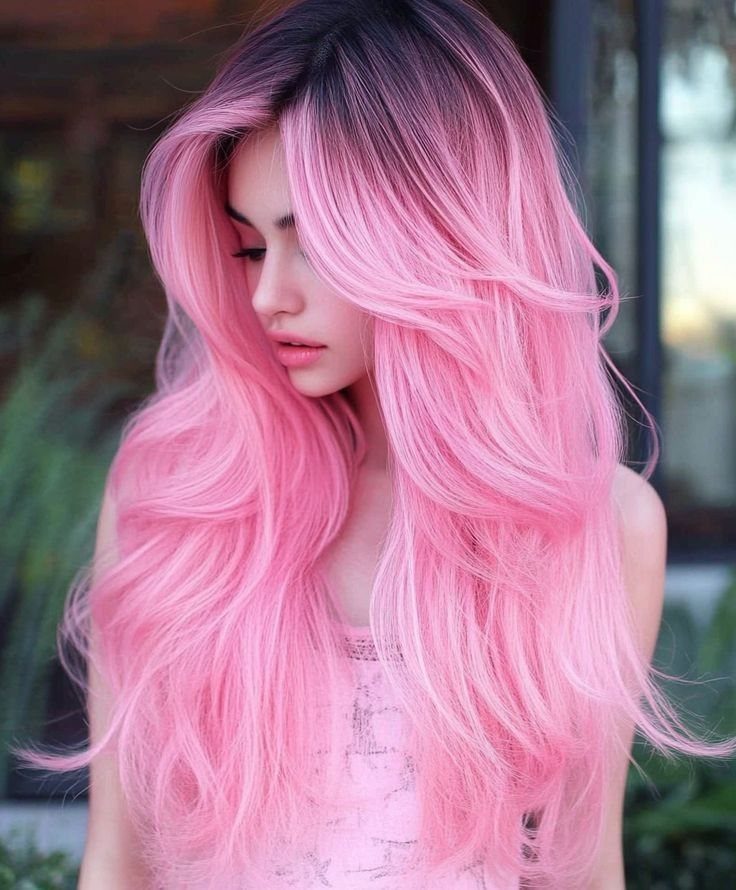
Colorful hair spans rose gold and pastels that need pale blonde underneath, jewel-toned purples and blues, vivid reds, rainbow placements, and pops of color woven into braids or balayage.
Neons tend to wash out faster than jewel tones, and daily shampooing accelerates the whole process.
1. Rose Gold Hair
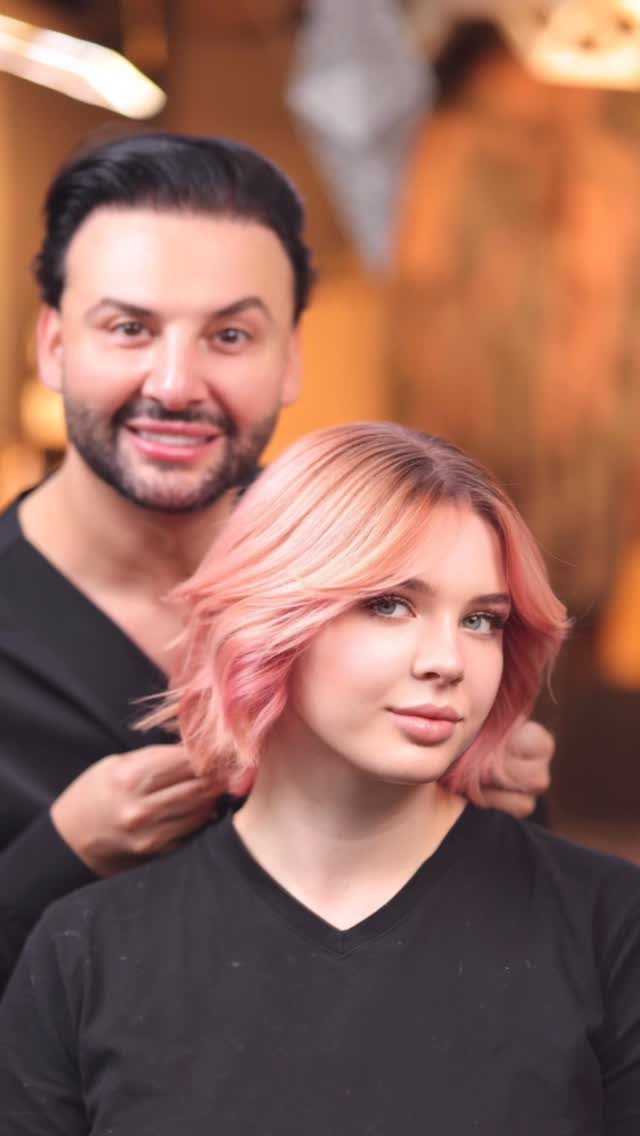
Rose gold blends pink and blonde with warm gold or copper tones for a dimensional finish that catches the light differently depending on the angle. The mix reads softer than straight pink and warmer than plain blonde.
To get it, hair is lightened first, then a blend of pink and gold toner is applied in sections so the colors weave through each other rather than sitting flat.
The pink fades faster than the blonde, so you’ll see more gold after a few weeks. A color-depositing conditioner in pink keeps it balanced between salon visits.
2. Blue Hair
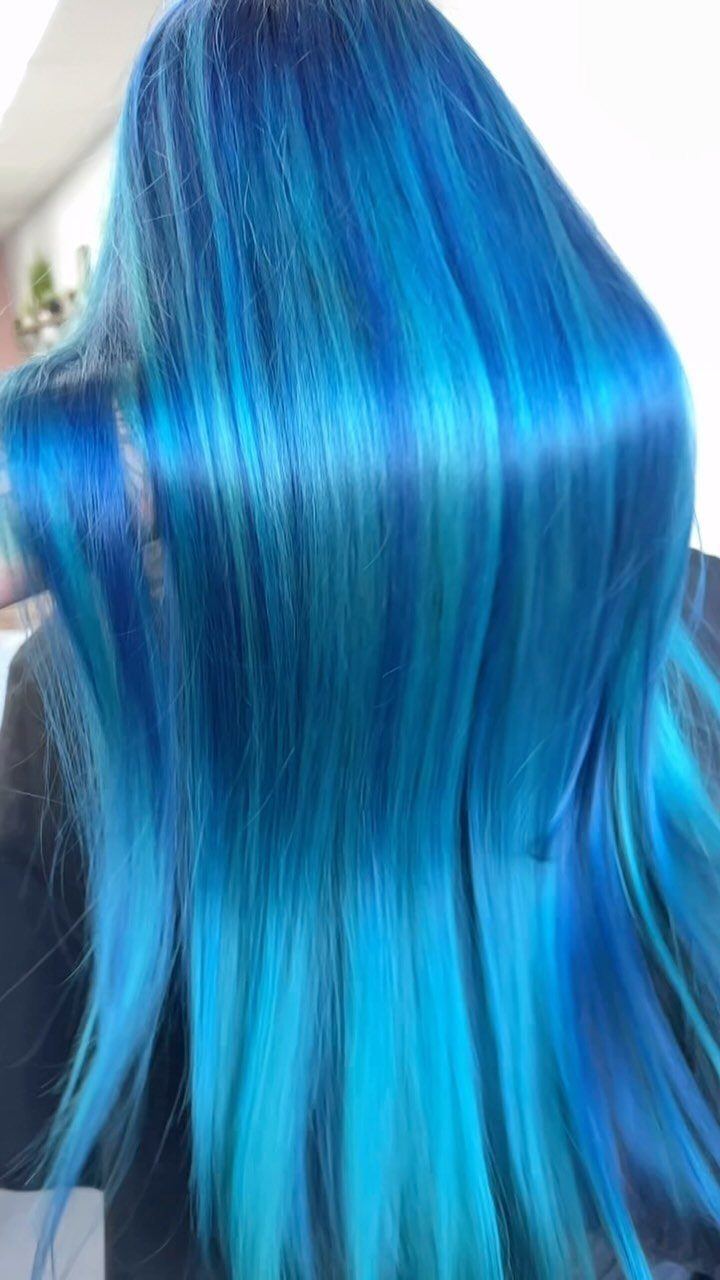
Blue works as a single solid shade, a gradient from dark roots to bright ends, or a mix of related tones like navy, teal, and sky blue layered together.
Several shades of blue and turquoise layered through the length give dimension, and darker roots left alone make grow-out less obvious.
Most blues need hair lightened to pale yellow first.
Vivid blue fades to teal or green as the pigment washes out, so a blue-depositing shampoo or conditioner used once a week keeps the tone true. If you swim in chlorinated water, the green shift happens faster.
3. Purple Hair
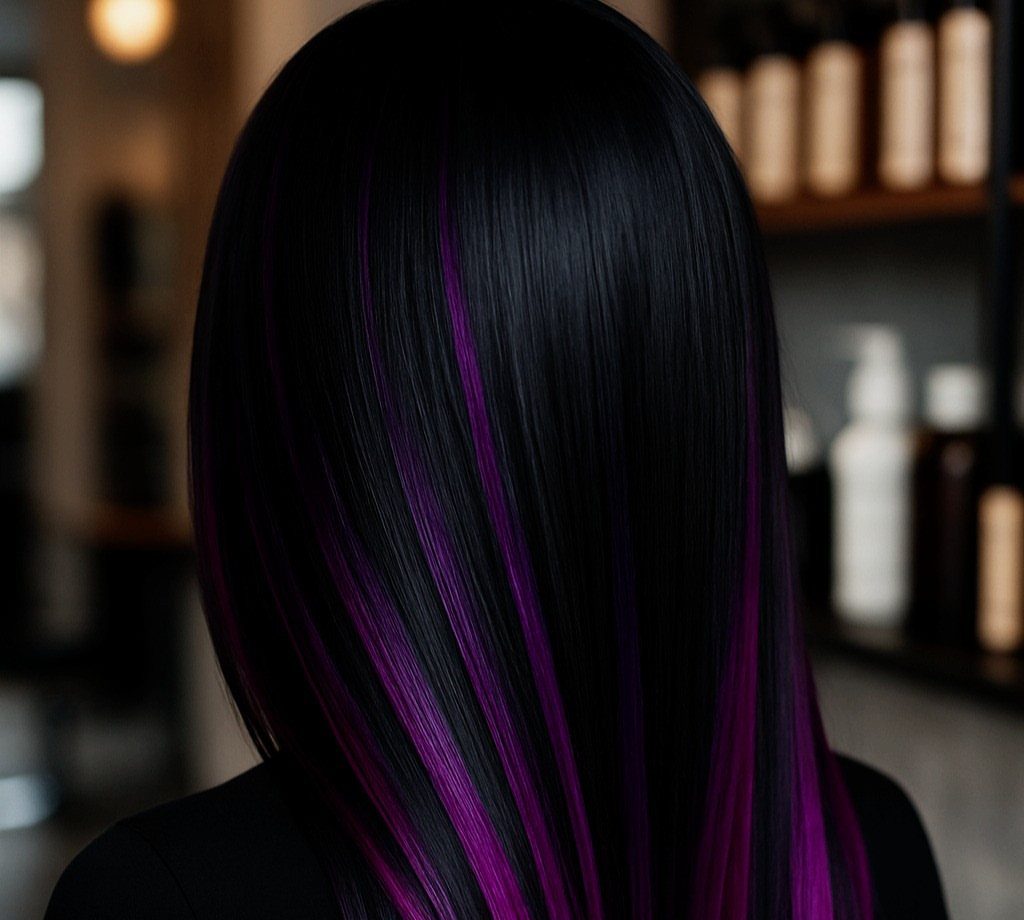
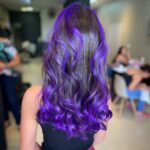
Purple can be a subtle tint on dark hair, vivid highlights, or an all-over color depending on how much you lighten first.
A natural black base paired with vivid purple on the mid-lengths and ends keeps the contrast sharp and bold.
Darker purples hold longer than pastel shades. If your starting color is dark and you don’t want to bleach all of it, purple shows up well on just the pieces you do lighten.
It fades toward pink or mauve, so a purple-toning treatment every few washes keeps the color from drifting too warm.
4. Silver Hair
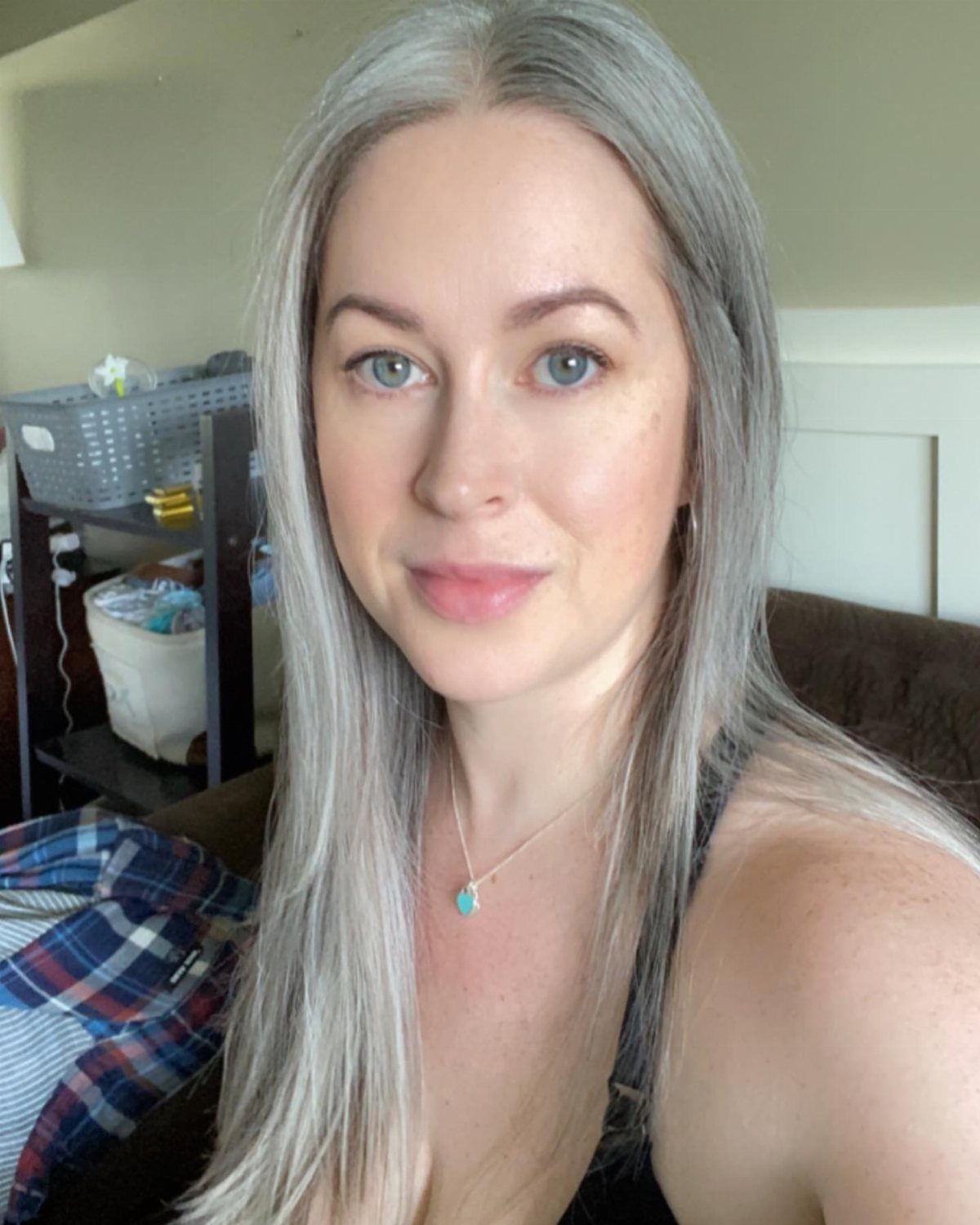
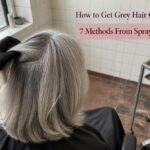
Silver is a cool gray achieved on very lightened hair, usually platinum or near-white. It takes multiple bleach sessions if you’re starting from dark hair, and the base needs to be pale enough that no yellow shows through.
Once you’re light enough, a silver or violet toner is applied to neutralize warmth and deposit the gray.
A purple shampoo or silver conditioner used twice a week pulls the cool tone back after it washes out. Roots need touching up regularly as your natural color grows in.
5. Rainbow Hair
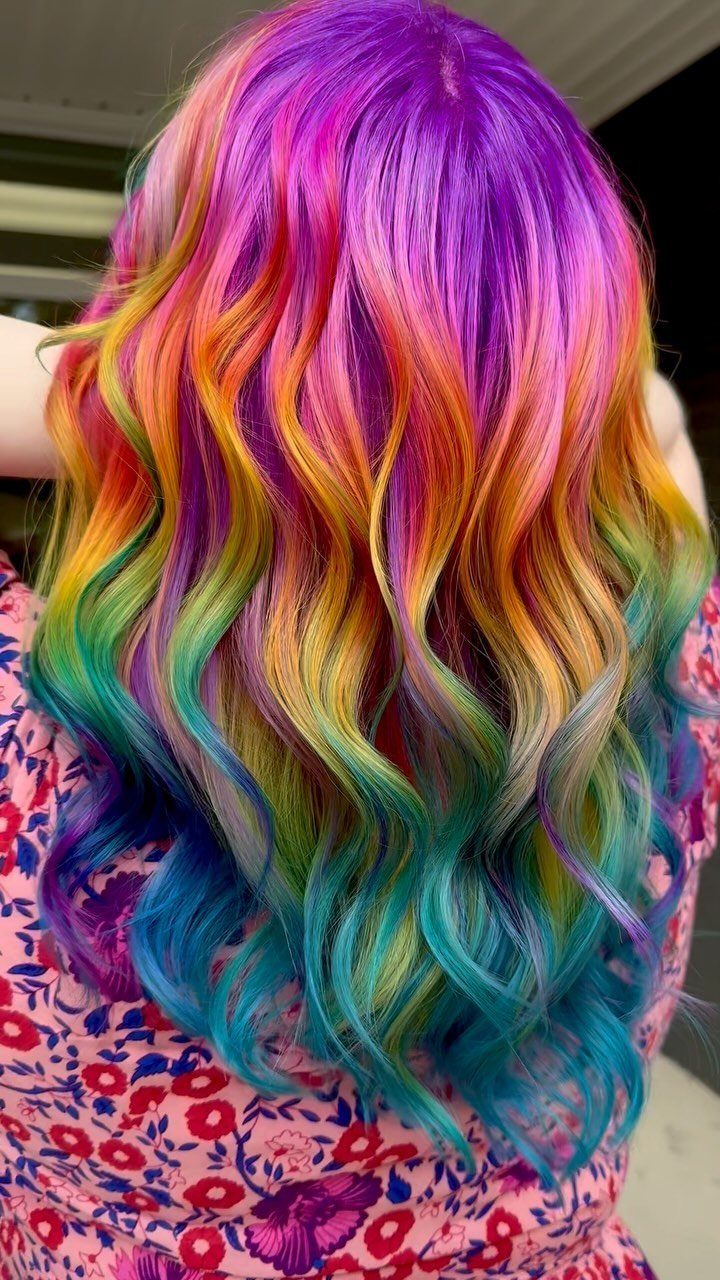
Rainbow hair layers multiple colors from across the spectrum, customized to the brightness and blend you want.
Hair is lightened first, then each color is painted on in sections and kept separate while it processes.
You can go bold with vivid shades or softer with pastels, and the colors can sit in horizontal bands, vertical panels, or blended edges.
Each shade fades at its own speed, so plan on regular color refreshes to keep the rainbow intact.
6. Red Hair
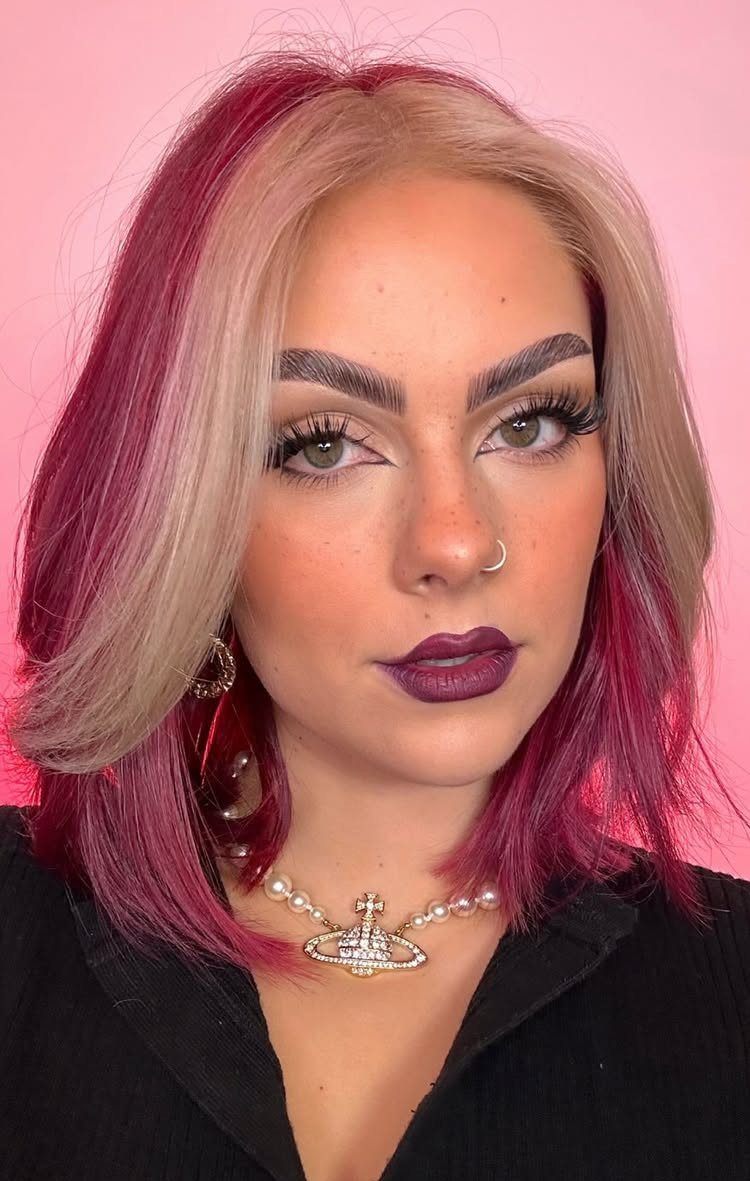
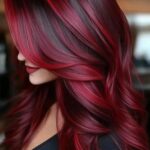
Red spans natural auburn and copper shades all the way to bold, saturated color-blocked looks. Blonde and deep burgundy-red split at the part, with each side kept separate for a graphic finish.
A natural red can go on medium to dark hair without bleaching, but vivid reds and color-blocked combinations need hair lightened first so the red reads true.
Red fades faster than most colors, especially if you wash in hot water, so a red-depositing conditioner used once or twice a week keeps the tone from slipping toward orange or pink.
A color block like this one needs precise application and a steady hand to keep the line between shades clean.
7. Pastel Colors
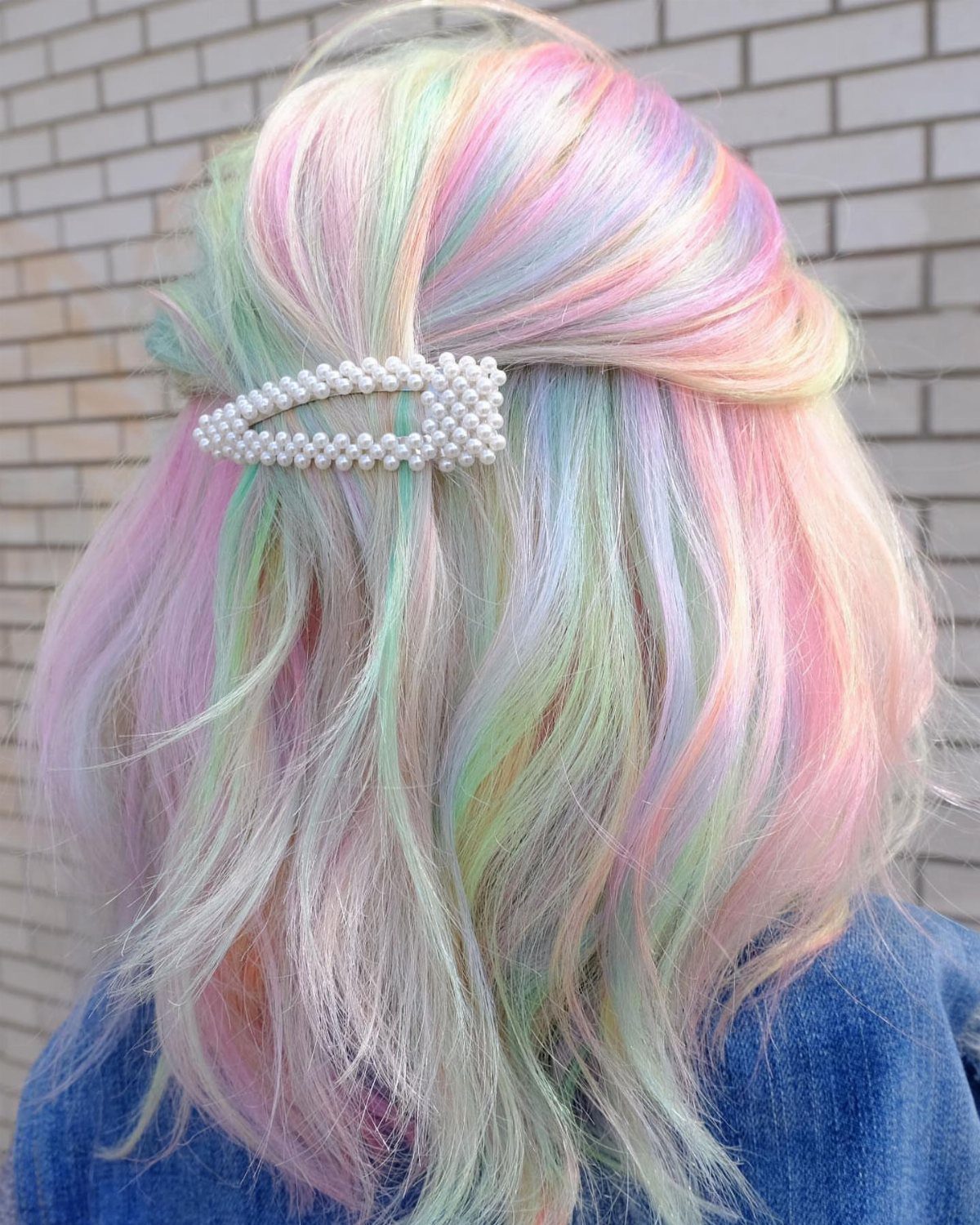
Pastel shades like pink, lavender, mint and peach sit light and soft on the hair, and they work best when combined so each color melts into the next rather than staying separate.
Hair needs to be lifted to very pale blonde first so the pastels read true instead of muddy.
The colors are diluted or mixed with a clear base to get that powdery finish, then applied in overlapping sections so the transitions stay smooth.
Pastels fade faster than vivid colors, so you’ll need a color-depositing treatment in each shade to keep them from washing out to a faint tint.
8. Two-Toned Hair
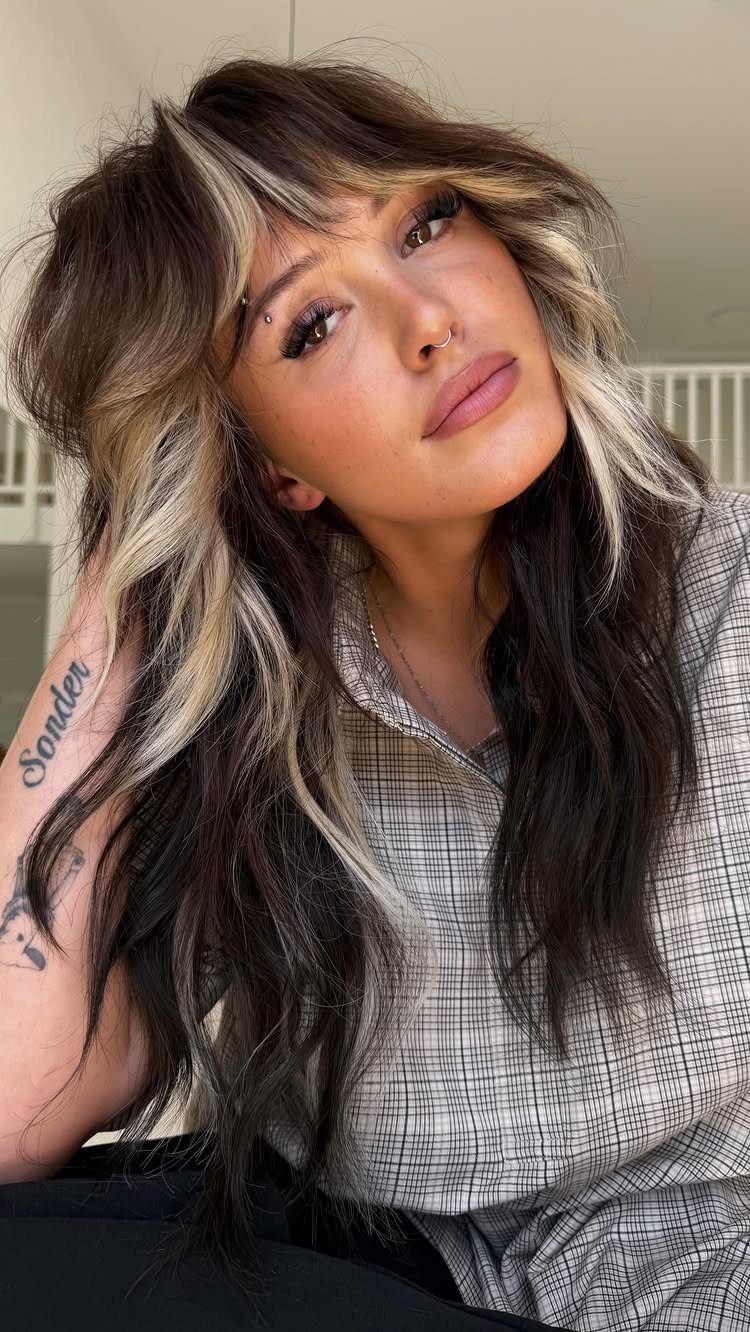
2 distinct colors split the hair into sections, either side by side, top and bottom, or woven through as chunks. The contrast between them makes the effect.
If you’re keeping one side close to your natural color, only the other half needs bleaching or color.
If both shades are vivid, both sections get lightened first. The line between them can be sharp or softly blended depending on how the color is applied.
The upkeep depends on how different the 2 shades are. If one fades faster, you’ll refresh them on different schedules.
9. Pop of Color
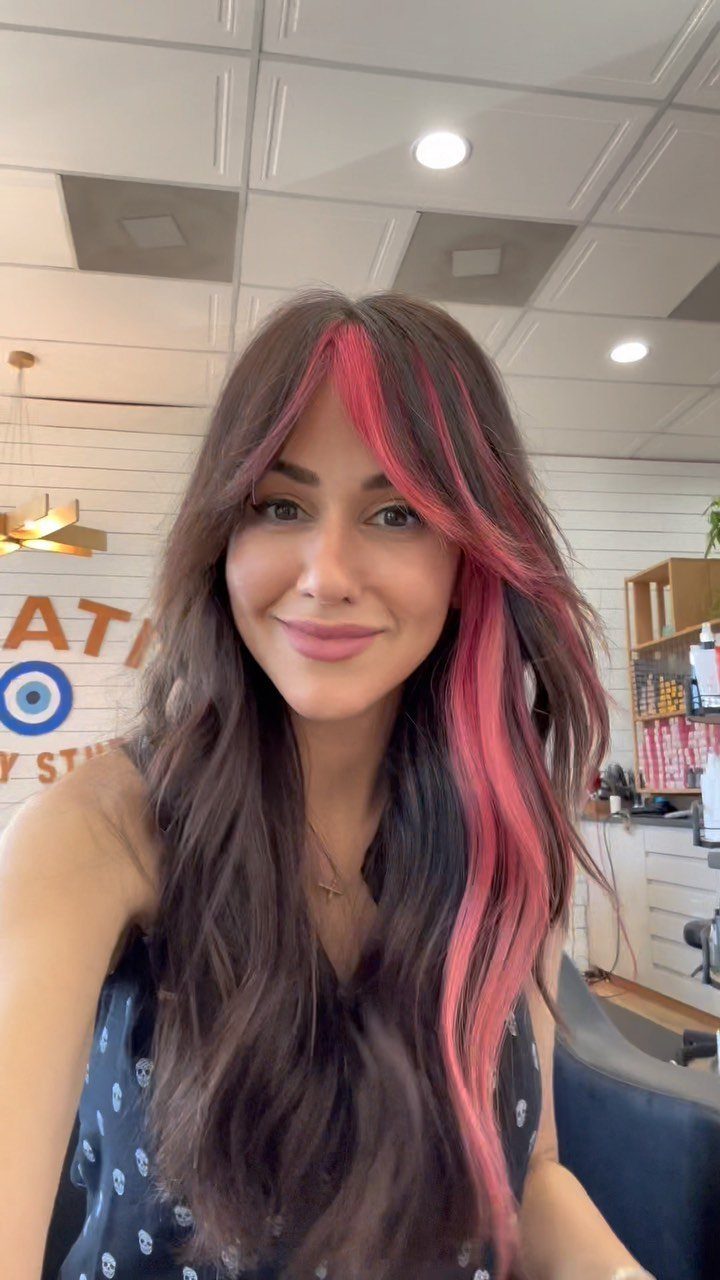
A few bright streaks placed at the front or scattered through the hair give you color without committing the whole head. The vivid pieces stand out against a natural or darker base.
The sections you want bright get lightened first, then the color goes on just those pieces. Face-framing streaks are the easiest to place and the most visible when your hair is down or pulled back.
The grow-out is manageable because the base stays your natural color, and you can let the bright pieces fade or refresh them without touching the rest.
10. Colorful Box Braids
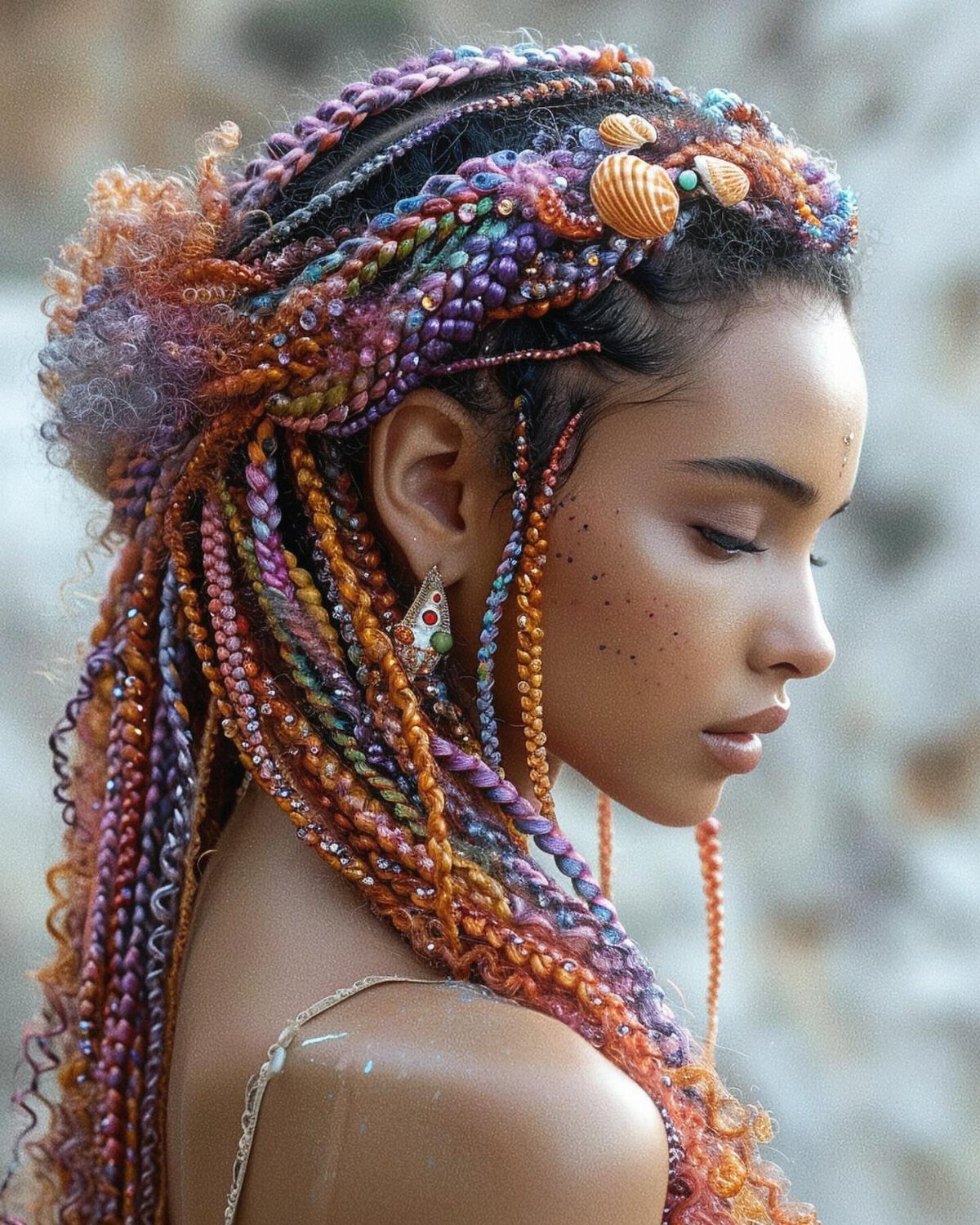
Box braids can be braided with colored extensions instead of black or brown, and the colors can change throughout the head or stay uniform.
Synthetic hair comes in vivid shades and pastels, and you can mix colors in one braid or keep each braid a single color.
The extensions are braided in from the root, so your natural hair is protected underneath and the color sits on the surface. Beads and shells threaded onto the ends add weight and decoration.
The color lasts as long as the braids stay in, and when you take them out the color comes out with them.
Lightening and Hair Health
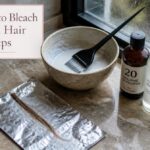
If you’re starting with medium to dark hair and you want a vivid result, pre-lightening is usually the step that makes it possible.
If your hair is light brown or hasn’t been colored before, some pigmented dyes can deposit color without bleach, though the result stays muted.
Lightening stresses the hair, so sulfate-free shampoo and deep conditioning between sessions help keep it from turning brittle. Bond-building treatments work into the bleaching process itself to limit damage.
For curly, coily, or chemically treated hair, I’d add a hydrating treatment before you apply color and plan on deep conditioning regularly after. The cuticle is already more fragile, and bleach magnifies that.
A professional colorist can assess how much lightening your hair can handle in one session and space out the steps if you need more than one round.
Vivid Color Upkeep
You’ll see most vivid colors start to wash out somewhere between 2 and 4 weeks, faster if you shampoo daily or use clarifying formulas.
Neon shades fade faster than anything else.
After you color, try rinsing and using a deep conditioner instead of shampooing every time. Shampoo only when you need to, and the neon lasts longer.
Each one refreshes the tone or pulls out brassiness without starting over.
I use toners when the color shifts warmer than I want, and pigmented conditioners when the shade just needs a boost.
Choosing Color and Placement
If your skin leans cool, blues, purples, and silver tend to sit nicely against it. Warm-toned skin usually lights up next to reds, oranges, and anything in the yellow family.
Not certain where you land? Jewel tones flatter most people, or bring a few color swatches to your stylist and ask what they think.
Peekaboo highlights, pastel shades, or color placed just at the ends or around the face make unconventional color easier to wear in settings where full-head vivid might feel like too much.
The base stays close to your natural shade, and the bright pieces sit where you want the focus.
Strategic placement also makes grow-out less obvious, since the roots can stay untouched and the color sits lower on the hair.
Frequently Asked Questions
Do I have to bleach my hair to achieve bold colors?
Pre-lightening usually makes vivid colors read brightest, especially on medium to dark hair. A colorist can look at your hair and tell you how much lift it can take in one go without frying.
How long do vibrant colors like blue or pink typically last?
Blues, pinks, and anything really bright usually hold for 2 to 4 weeks before they start sliding out, and daily shampooing speeds that up.
Anything neon drops out faster than the rest. If you rinse and condition between shampoos instead of washing every time, the color hangs on longer.
Will my color fade evenly or turn brassy? What can I do about it?
Certain shades drop unevenly or drift warmer than you planned, particularly on hair that’s been lightened. Purple shampoos, blue-depositing conditioners, and toners can refresh the tone or pull out brassiness between salon visits without starting over.
Are non-traditional colors safe for curly/coily/chemically-treated hair?
Curly, coily, and chemically treated hair already has a more fragile cuticle, and bleach makes that worse.
Use a hydrating treatment before color, commit to deep conditioning after, and try not to stack multiple chemical processes on top of each other.
How can I transition back to a natural shade if I change my mind?
You can let it grow and cut the color off as it comes in, or book a colorist who can correct it back to something close to your natural shade.
A gloss or toner smooths the line between regrowth and color while you grow it out, and keeps your hair in better shape.
What is the difference between balayage and ombre?
Balayage is a way of painting color on, and ombre is a gradient that moves from one shade to another.
Balayage is the technique, ombre is the look: you can balayage color without making an ombre, but you need balayage (or something like it) to get an ombre.