Brownish hair spans cool ash and smoky tones on one end, warm caramel and copper on the other, with neutral medium and light brown holding the middle.
The right shade comes down to your undertone: cool or pink skin carries ash and mushroom brown without looking dull, warm and olive complexions handle golden brown and mahogany without tipping orange, and neutral skin works across the range.
Most permanent box dyes sit at level 3 to 5, while highlights lifting more than 3 shades need a bleach step followed by toner to stop the lift from going brassy.
1. Dark Brown
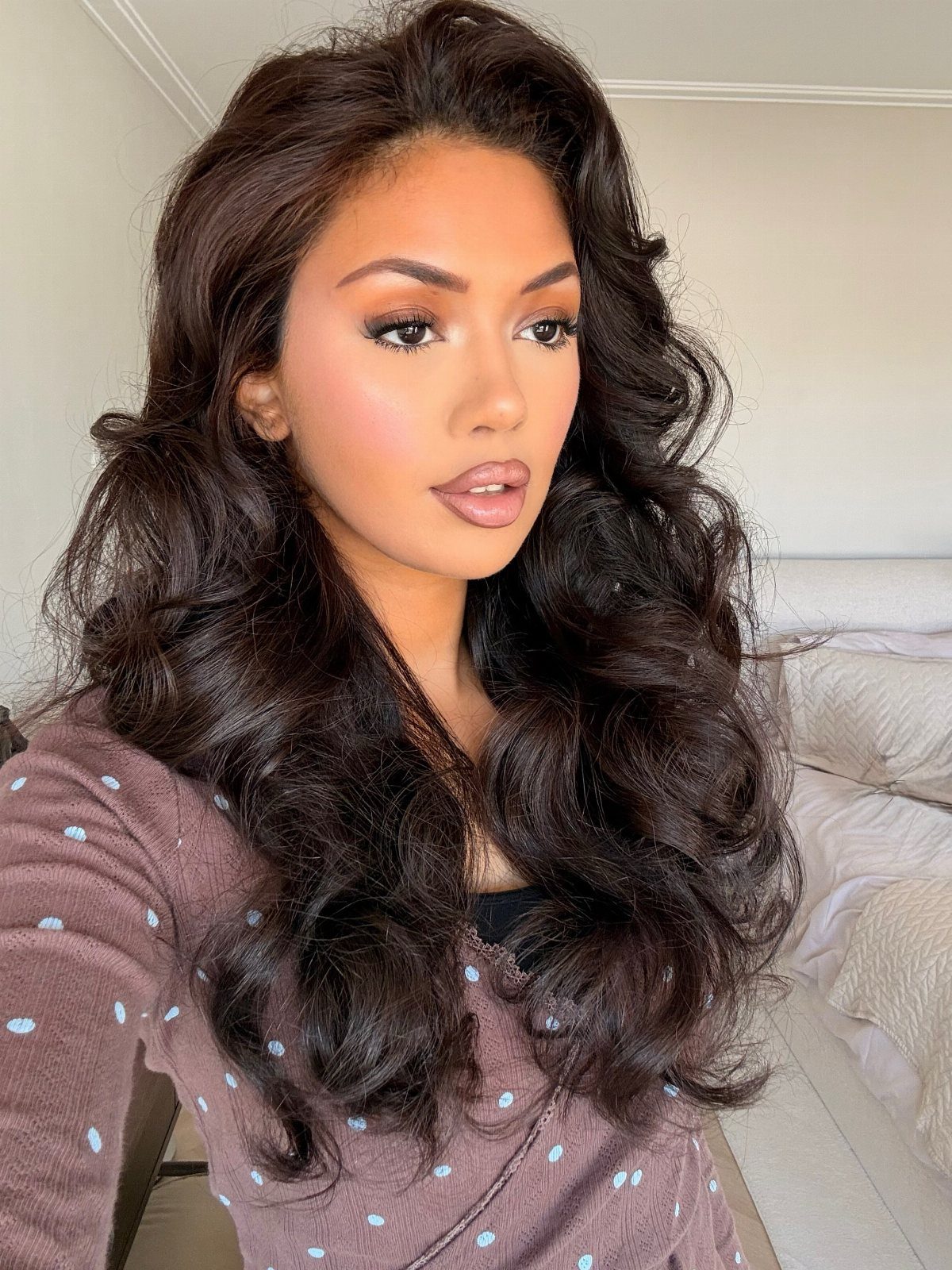
A deep, near-black brunette that reads as brown in natural light but holds serious depth indoors. The shade works across most skin tones because it stays neutral, no red or gold leaning one way or the other.
If you’re boxing it at home, a level 3 dye gets you here, though permanent formulas can grab darker on virgin hair than the swatch suggests.
A gloss keeps the shine from going flat, which matters more on dark brown than on lighter shades where texture hides dullness.
2. Espresso Brown
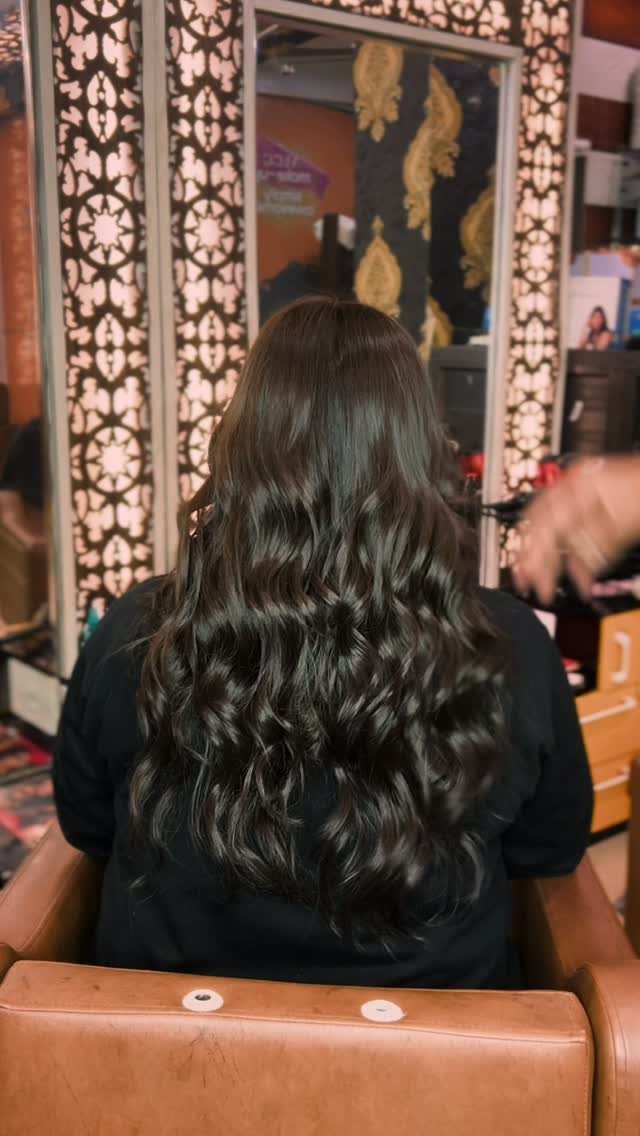
This is the shade that sits right at the edge of black but stays identifiably brown when light hits it. Cooler than chestnut, warmer than true black.
Espresso picks up every bit of damage, so if your hair is porous from bleach or heat, a bond treatment the week before makes the difference between glossy and flat.
At the salon, ask for a level 2 or 3 with cool undertones. At home, most permanent blacks run too blue; look for a soft black or an espresso-specific label instead.
3. Caramel Highlights
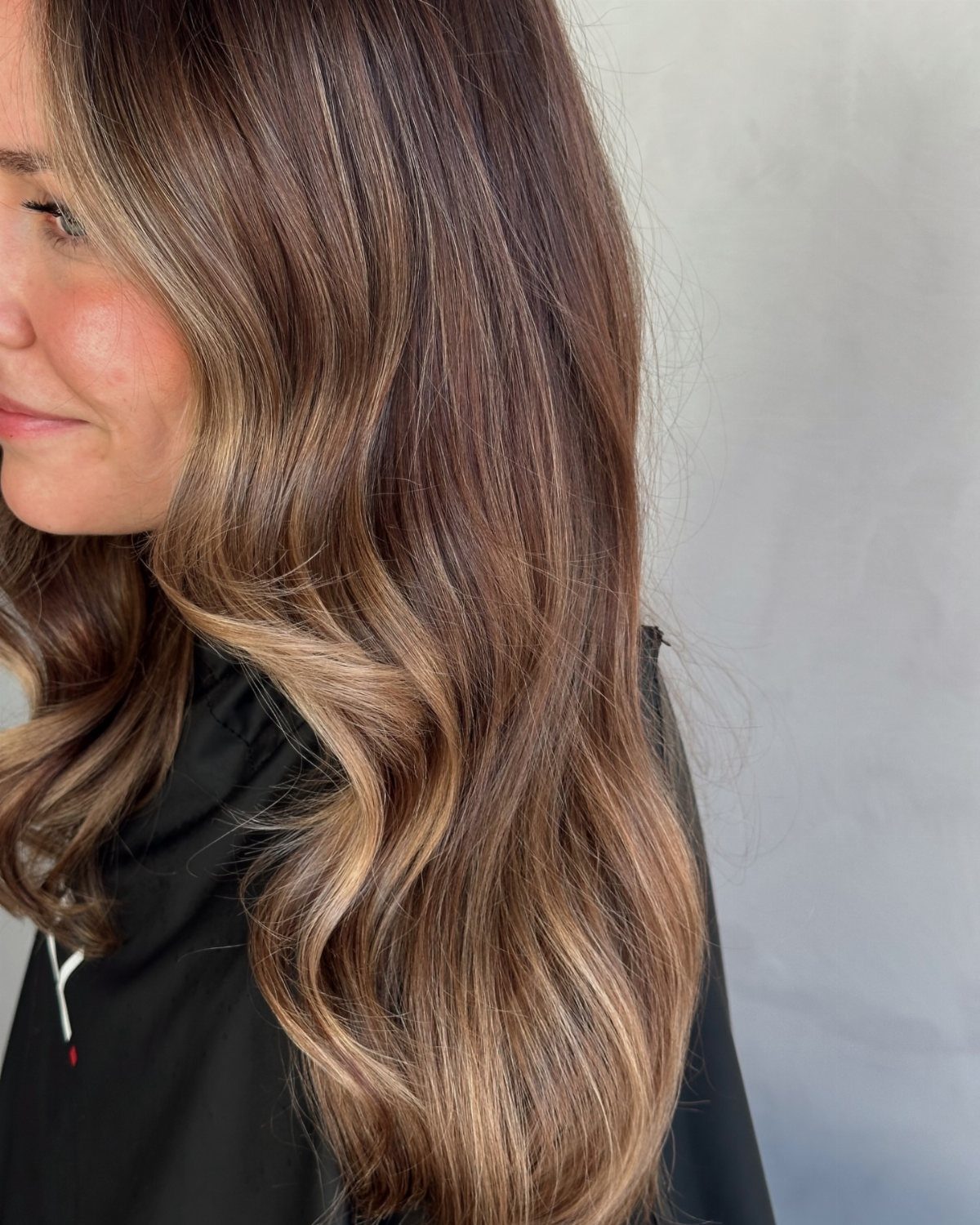
Warm, golden-toned pieces placed through the mid-lengths and ends lift a brunette base without pushing it into full-on bronde territory. They sit a few shades lighter than your base, enough to reflect light without needing constant toning.
Caramel suits warm or neutral skin best. At a salon, ask for hand-painted or foiled highlights depending on how much contrast you want.
If you’re doing it at home, a cap kit gives more control than a brush, and a medium golden blonde shade usually lands in the right zone on medium to dark brown hair.
4. Chestnut Brown
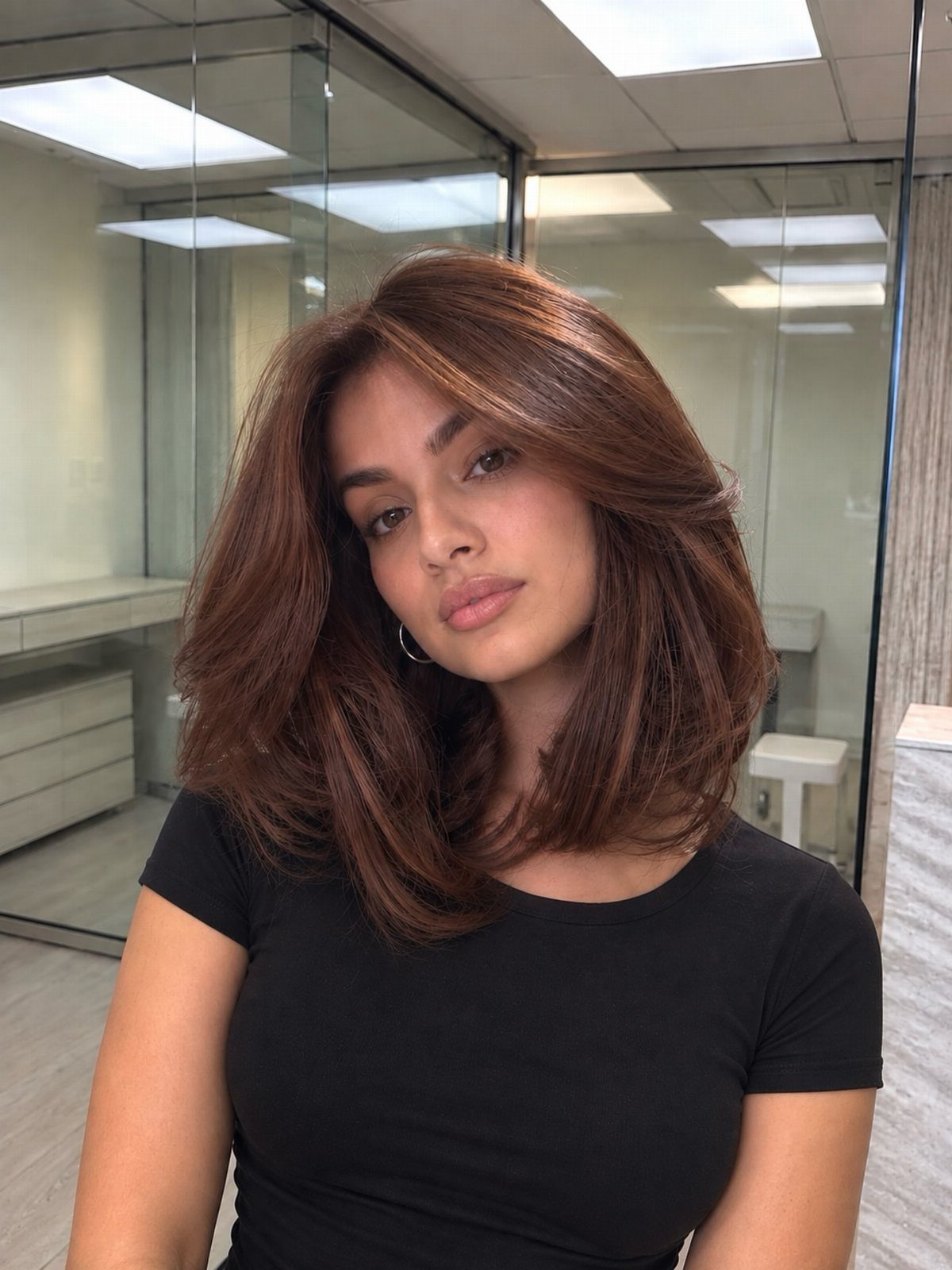
A medium-to-dark brown shot through with auburn and red tones, the kind of color that reads warmer in daylight and pulls more neutral indoors. The red stays subtle, more of a cast than an obvious copper or mahogany.
Chestnut works best on warm or neutral undertones; on cool skin it can skew orange if the red runs too strong.
Most box dyes labeled chestnut sit around level 4 or 5. If you’re lifting from darker hair, a permanent formula with the right developer strength keeps the red from grabbing too hot.
5. Golden Brown
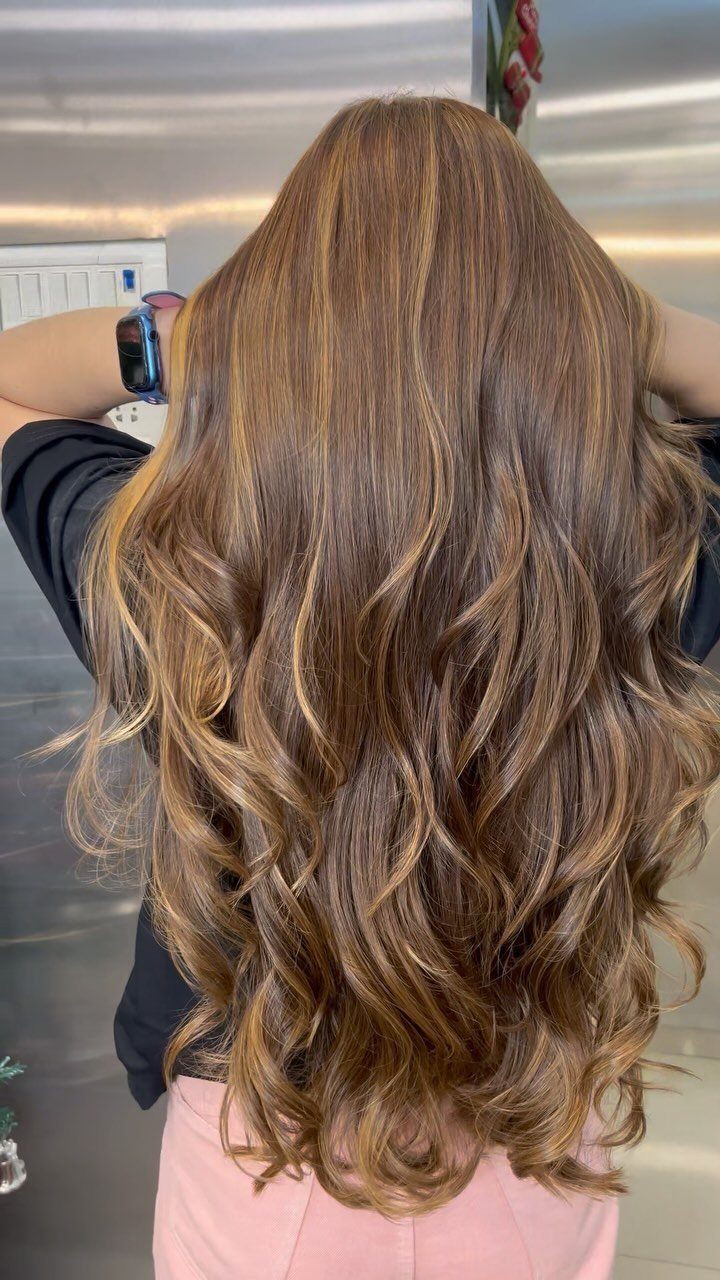
A brunette base warmed up with honey or buttery tones, either all over or concentrated in highlights and balayage.
The gold reads sun-kissed rather than brassy, and it works on medium to dark brown starting points without needing a full bleach lift.
Golden brown suits warm skin tones especially well. If you’re coloring at home, look for a dye labeled warm brown or golden brown in a shade one level lighter than your natural color.
At a salon, ask for babylights or a partial balayage if you want the gold only in certain sections. A purple shampoo once a week keeps the warmth from tipping into brass.
6. Dark Brown with Highlights
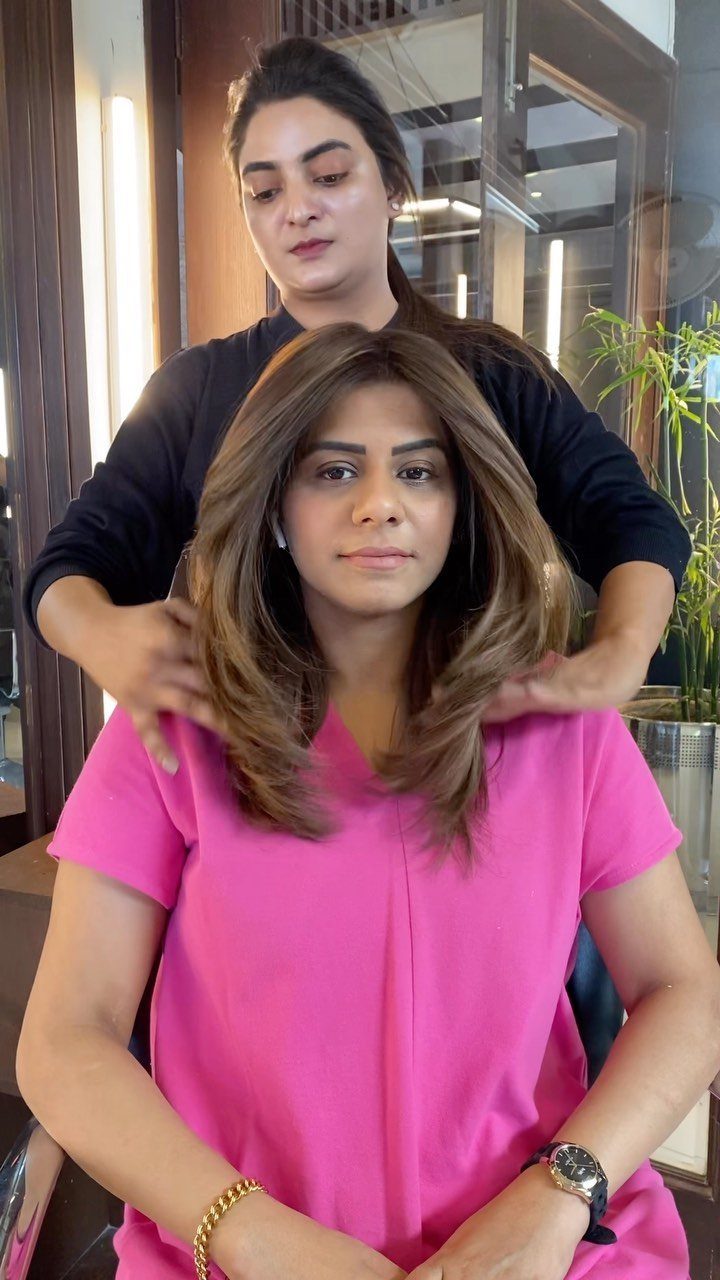
Lighter strands worked into a dark brunette base, adding movement and brightness without changing the overall color. The highlights can be subtle or high-contrast depending on how many shades lighter you go and how thickly they’re placed.
Placement matters.
Face-framing pieces open up your features, while highlights scattered throughout add dimension. At a salon, foils give precise placement and more lift; balayage gives softer, blended contrast.
At home, a highlighting cap and a lift kit get you there, though it’s harder to control exactly where the color lands. Plan on a toner if you’re lifting more than 2 shades.
7. Honey Brown
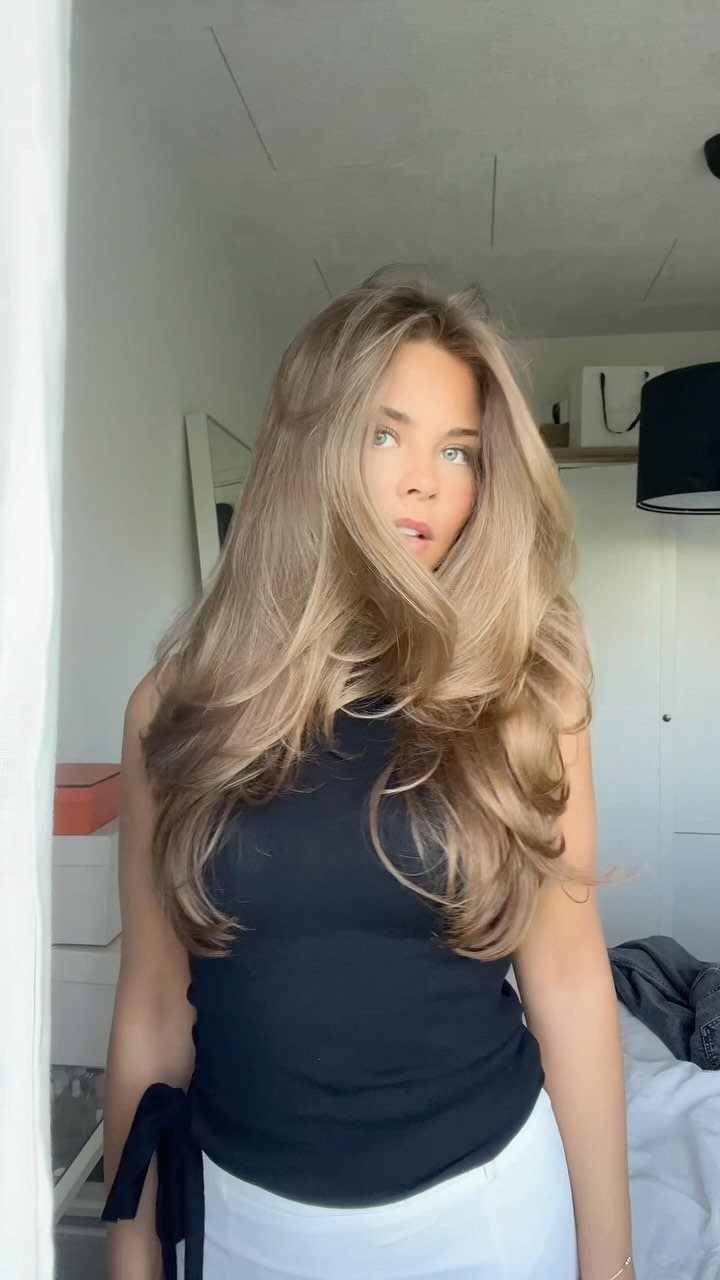
Lighter honey tones woven through a brown base, brightening the overall look without a dramatic lift. The warmth sits somewhere between caramel and gold, reflecting light in a way that flatters warm and neutral skin tones.
If you’re lifting from dark brown, a partial balayage or face-framing highlights keep the honey from looking patchy.
At home, a highlighting kit in medium golden blonde usually lands close. Tone with a purple shampoo only if the honey starts reading brassy; most of the time the warmth is the point.
8. Medium Brown
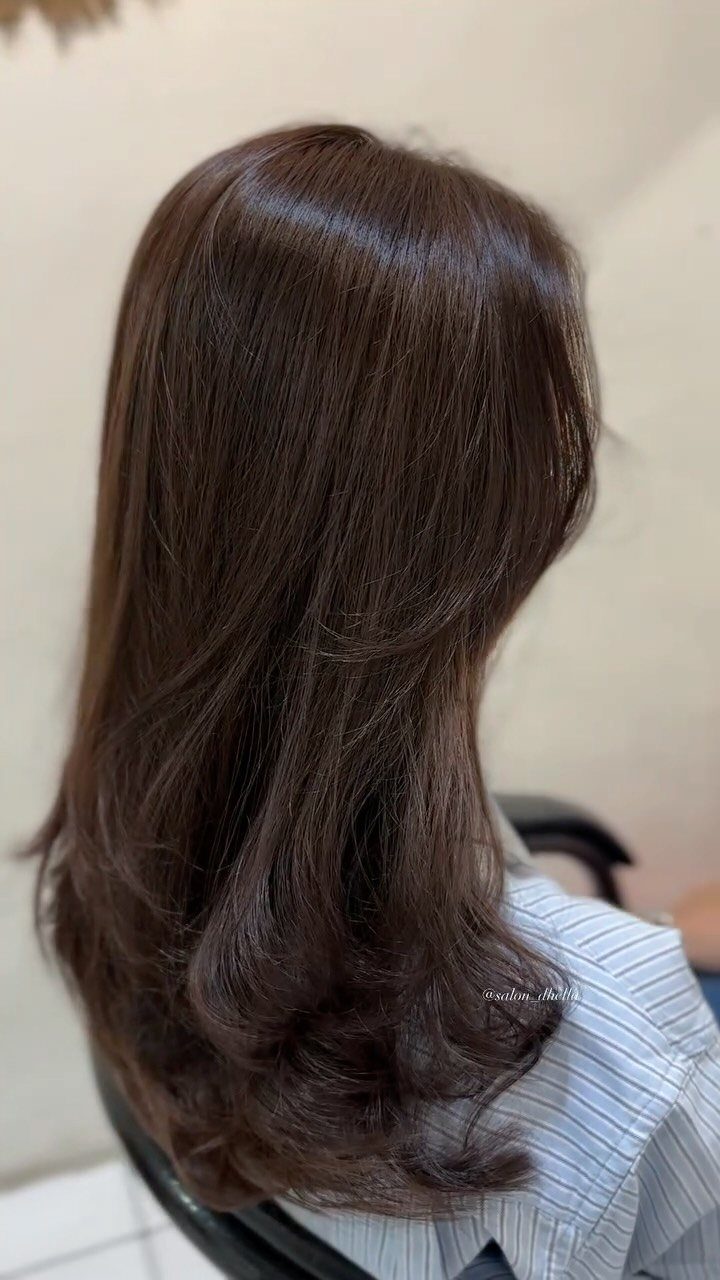
The middle ground between light and dark brown, neutral enough to work on most skin tones and forgiving as it grows out. It holds color well without needing a gloss every few weeks.
That sits between dark and light on the color chart, usually a 4 or 5. If you’re going darker, permanent formulas work fine.
Demi-permanent formulas refresh and deepen without the flat, one-note finish you sometimes get with permanent color on darker bases. Medium brown takes highlights and lowlights easily, so it’s a solid starting point if you want dimension later.
9. Bronze Brown
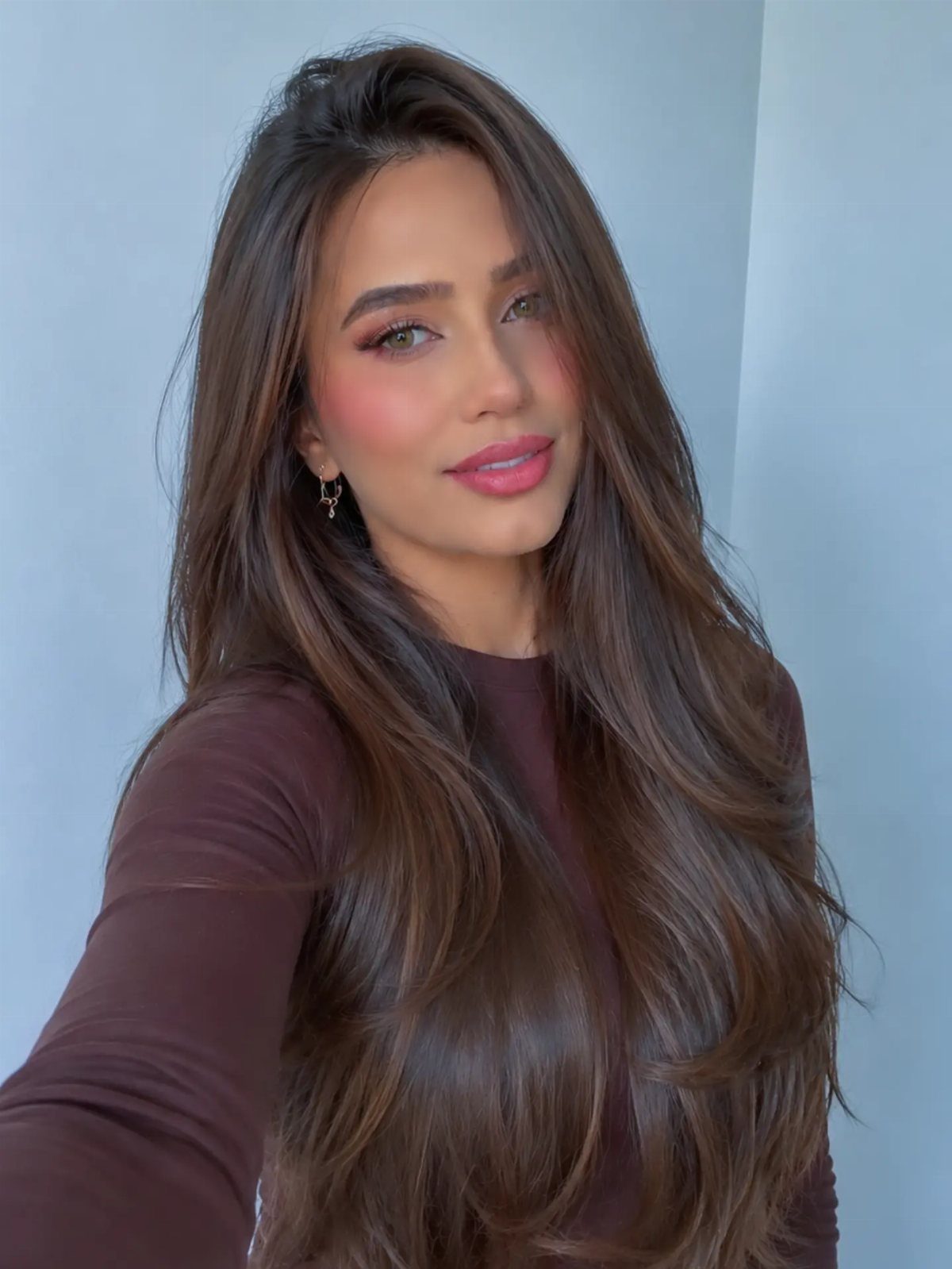
A brown base shot through with metallic bronze tones, warm enough to catch light but grounded enough to stay brunette. The bronze shows up most in direct sun and reads subtler indoors.
This works best on warm or olive undertones. If you’re adding bronze through highlights, ask for foils or balayage in a warm golden brown shade.
At home, a bronze-toned semi-permanent gloss over medium brown gives a similar effect without committing to full highlights. The bronze can fade brassy, so a color-depositing conditioner keeps it from slipping yellow.
10. Light Brown Highlights
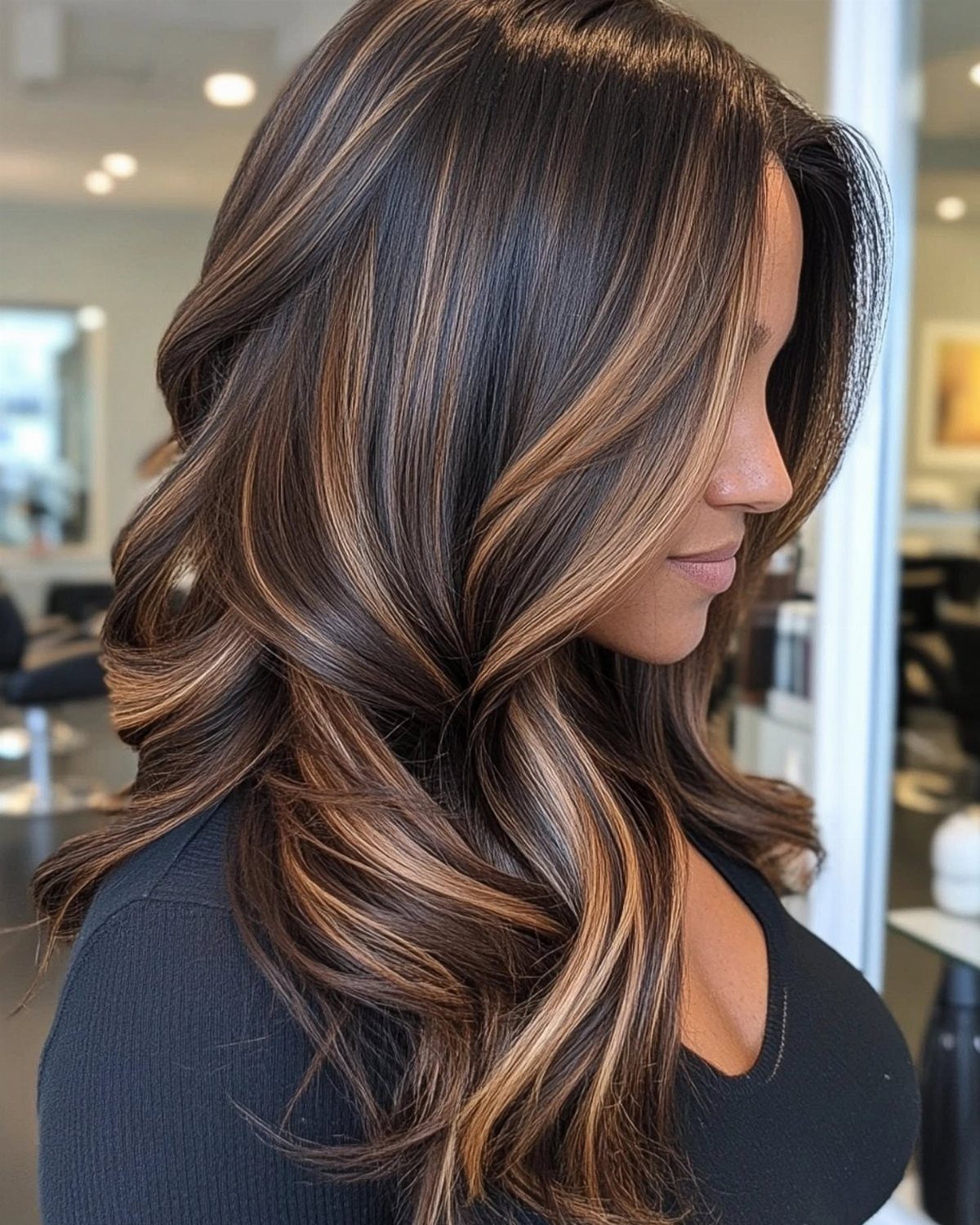
Strands a shade or two lighter than your base, woven through to add movement without high contrast. The highlights stay brown rather than blonde, so the overall look reads cohesive even as they grow out.
Where you put the highlights changes the whole effect more than how thick each piece is. Ask for hand-painted highlights or fine foils if you want soft dimension, or thicker ribbons for more brightness.
A cap kit and a box of light brown gives you control over exactly which sections lighten. Skip the bleach; lifting brown hair one level with dye alone keeps the result natural.
11. Honey Ends Ombré
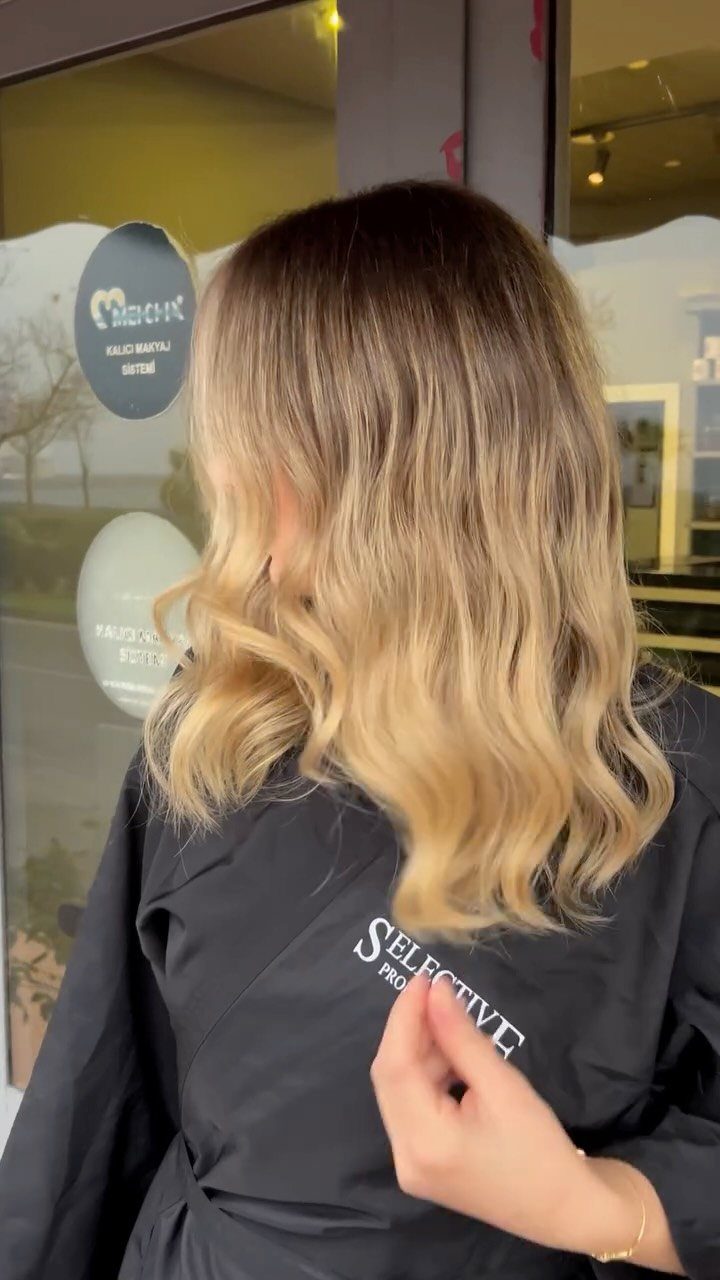
Roots stay darker, and the color melts into honey tones from mid-length down to the ends. The gradient reads intentional rather than grown-out because the transition sits lower than a typical root stretch.
Ombré needs less upkeep than highlights since the roots are meant to stay dark. At a salon, ask for a balayage application that concentrates color at the ends.
At home, ombré kits make the blend easier than freehand, though getting a smooth transition takes practice. The honey ends need toning every 6 to 8 weeks to keep them from slipping brassy.
12. Bronze Babylights
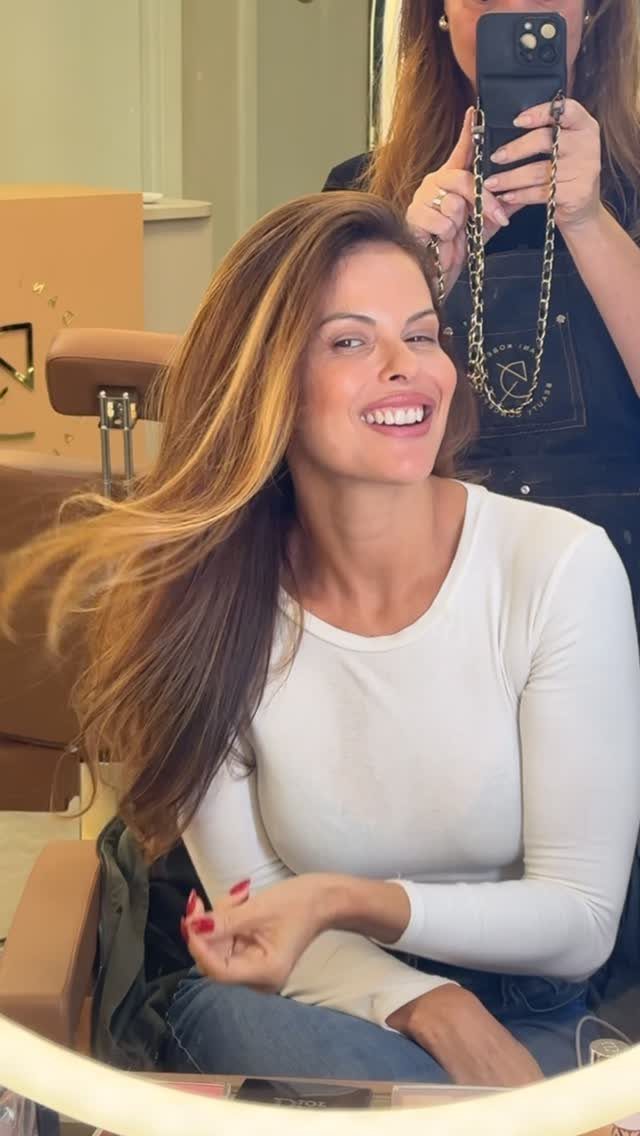
Fine, hair-thin highlights in bronze tones scattered throughout the hair, adding warmth and dimension without obvious streaks. Babylights mimic the way sun naturally lightens hair, so the effect stays subtle even up close.
This technique takes longer at a salon because the sections are so fine, but the result grows out softer than traditional highlights.
Ask for warm or golden tones if you want the bronze to read clearly. At home, babylights are hard to replicate; a bronze gloss over your natural color gives a similar warmth without the precision work.
13. Intense Espresso
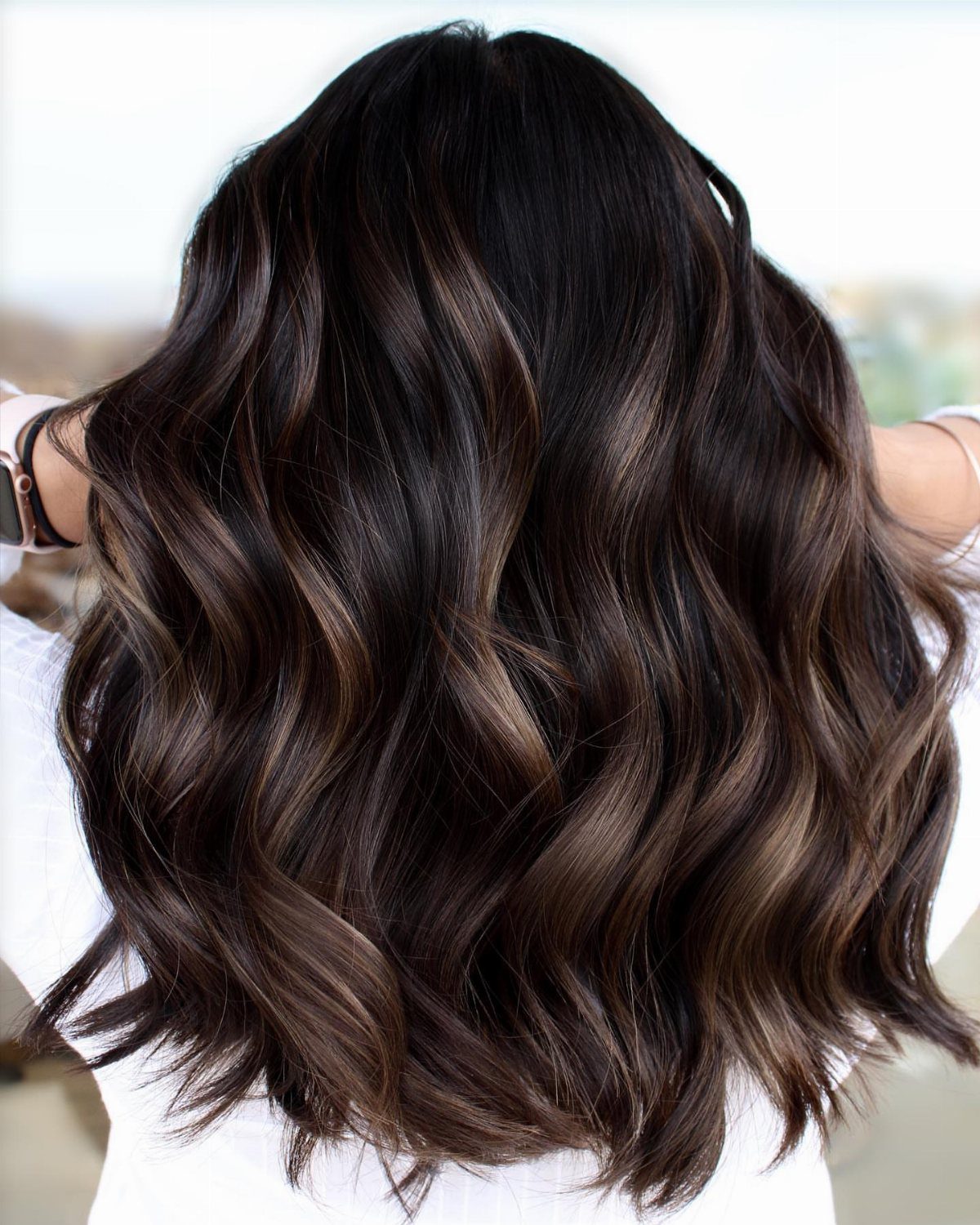
This pushes espresso into its darkest register, nearly black but still reading brown when the light catches it. The richness comes from depth, not warmth.
A high-shine finish matters here because flat espresso looks closer to black than it actually is. A glossing treatment every 4 weeks keeps the velvety finish from dulling out.
14. Ash Brown
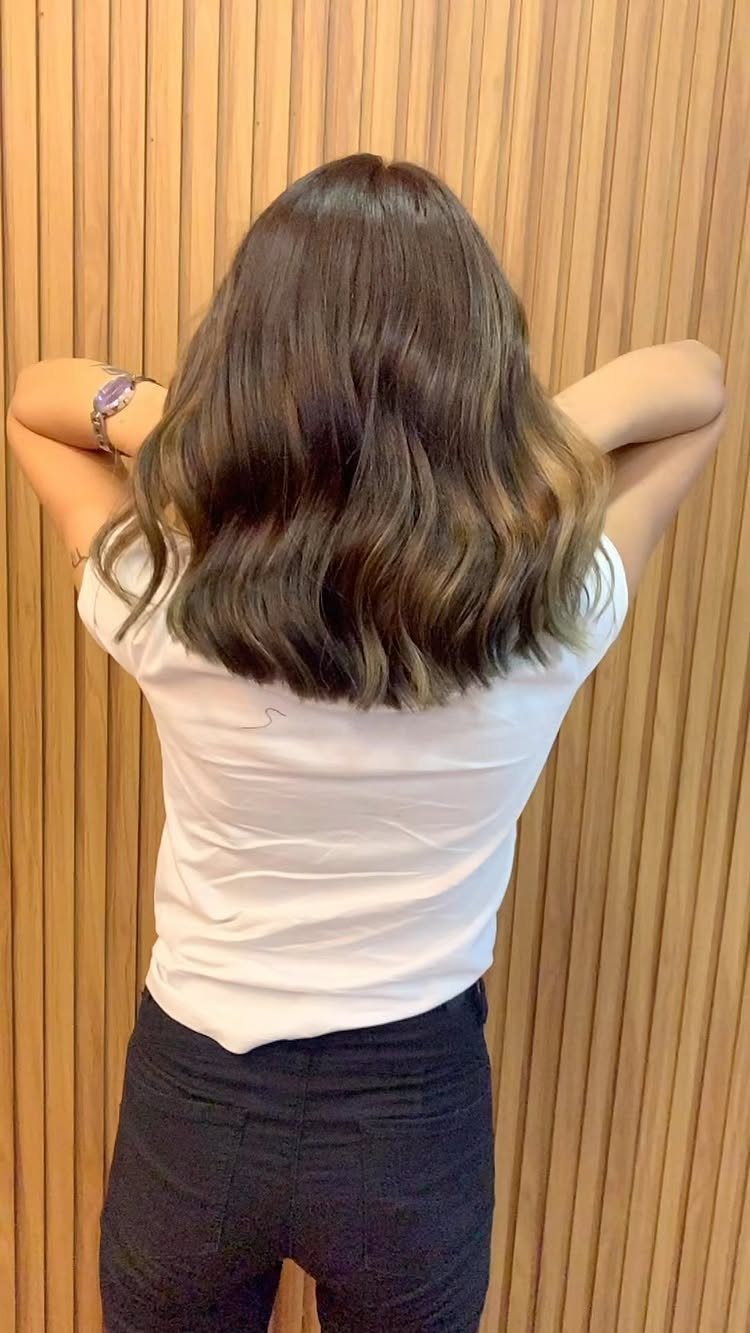
Cool, gray-toned brown with no warmth pulling it toward red or gold. The silver cast keeps it modern and stops it from reading flat or mousy the way some neutral browns can.
On warm undertones it can look dull.
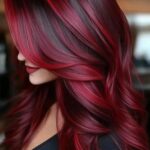
15. Mahogany Brown
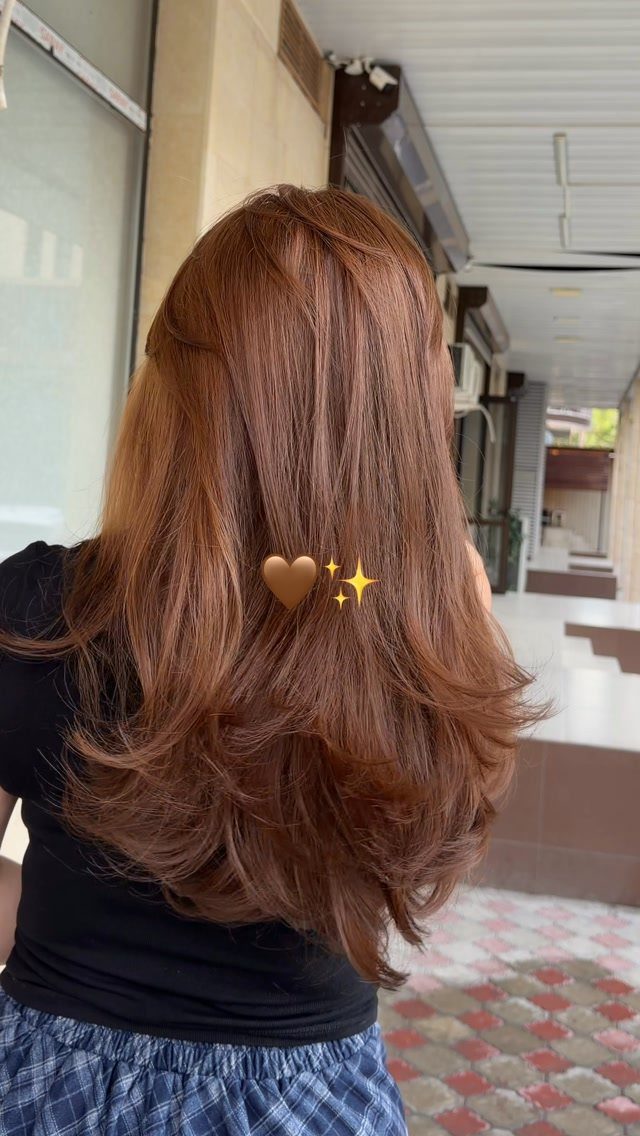
Rich brown loaded with burgundy-red tones that show up strongest in natural light. The red runs deeper than chestnut, closer to wine than copper.
On cool tones the burgundy can skew too pink. A color-depositing conditioner in red or mahogany keeps the tone from fading flat between dyes, which happens faster with red-based browns than with neutral shades.
16. Smoky Brown
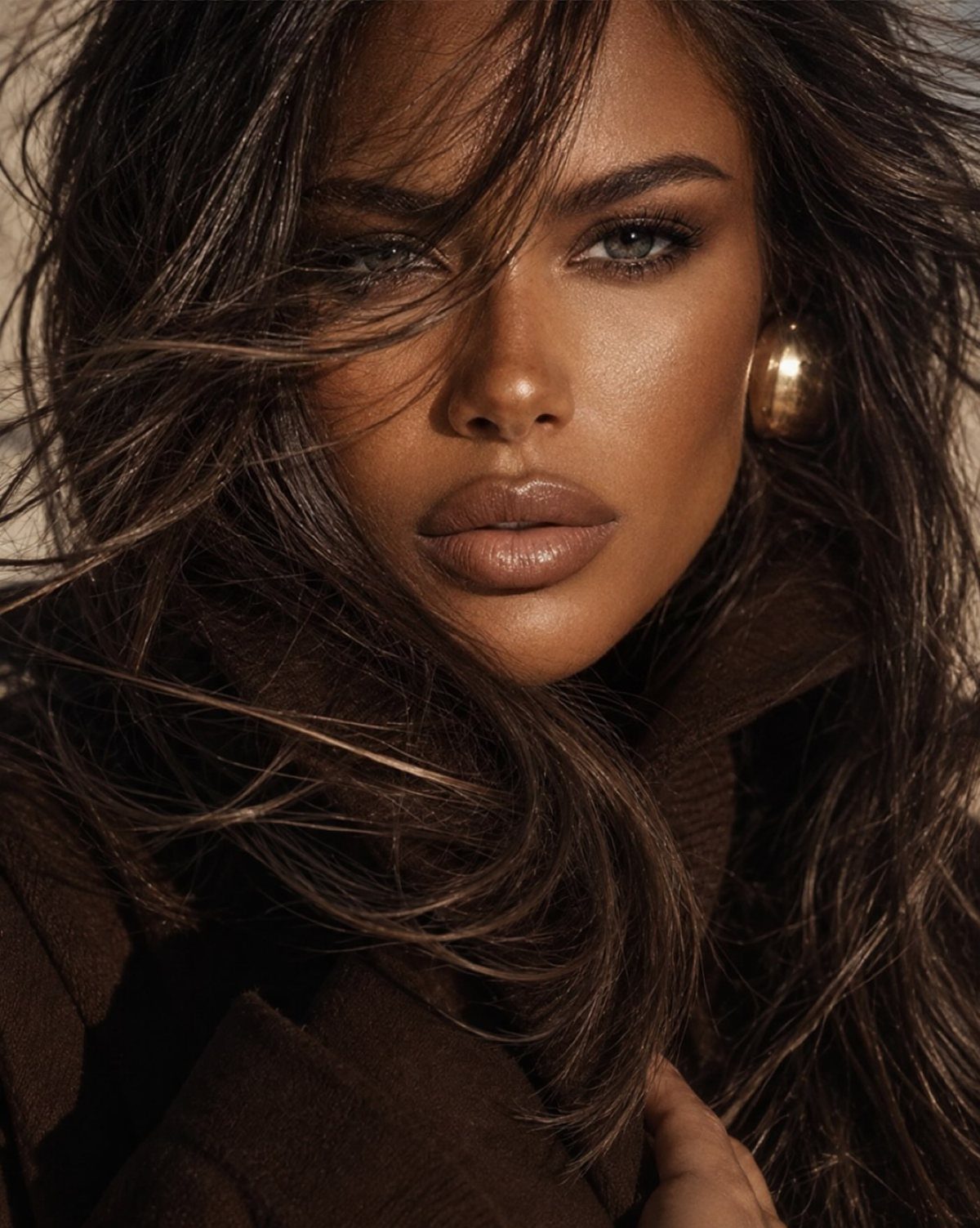
A cool brunette with a muted, almost dusty finish, no brass or gold anywhere in it. The smokiness comes from gray undertones that soften the brown without lightening it.
If you’re coloring at home, look for an ash or cool brown formula one shade darker than you want; the cool tones can lift lighter than the box suggests.
A blue or purple shampoo keeps the smoky finish from warming up over time.
17. Mocha Brown
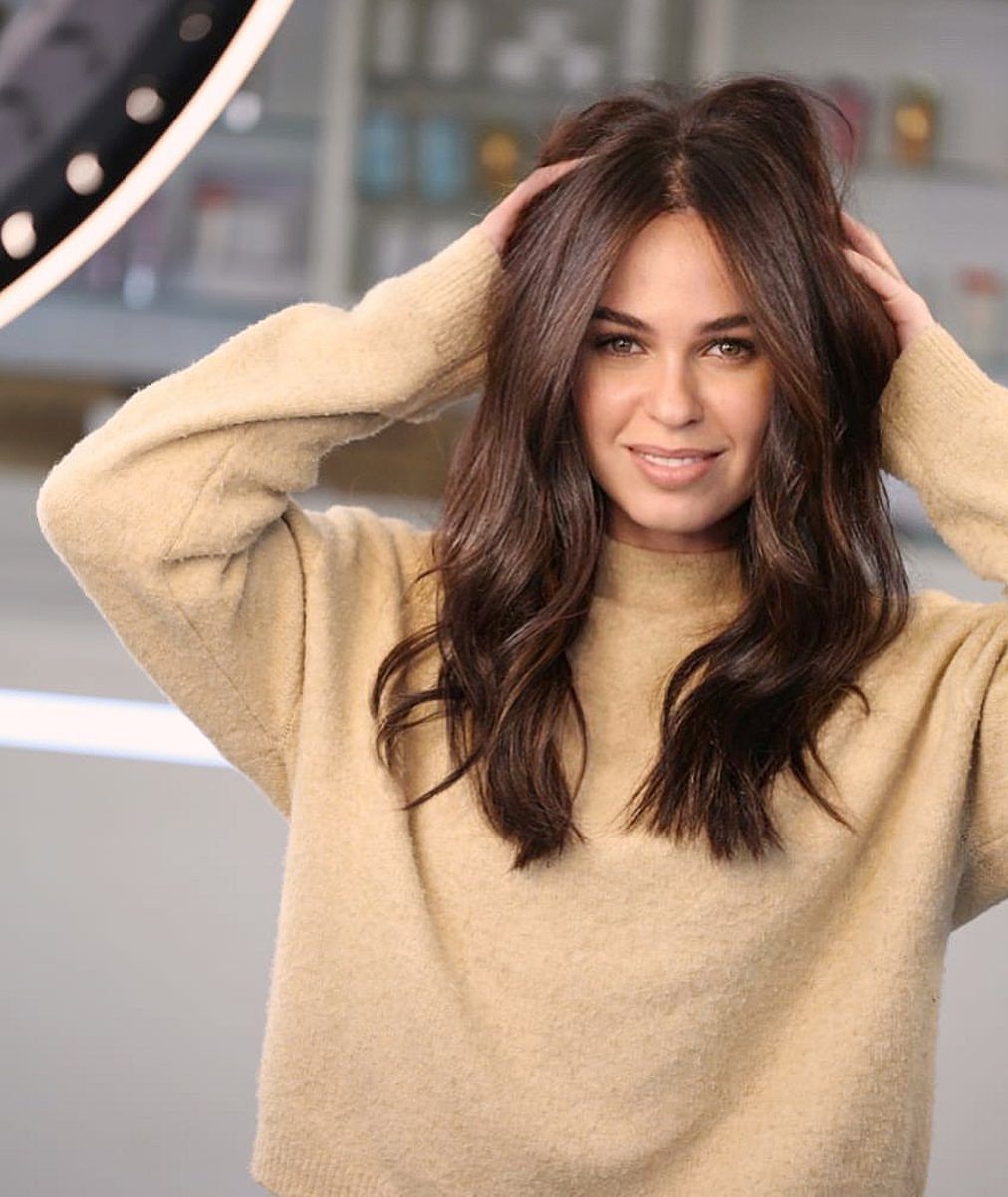
A warm brunette with soft chocolate and coffee tones mixed in, neither too red nor too gold. The shade stays rich without feeling heavy.
Mocha sits around level 4 or 5 and works on most skin tones because the warmth stays balanced.
At home, a box labeled mocha or chocolate brown usually lands in the right range. A gloss appointment helps stop the tone going dull.
18. Subtle Red Highlights
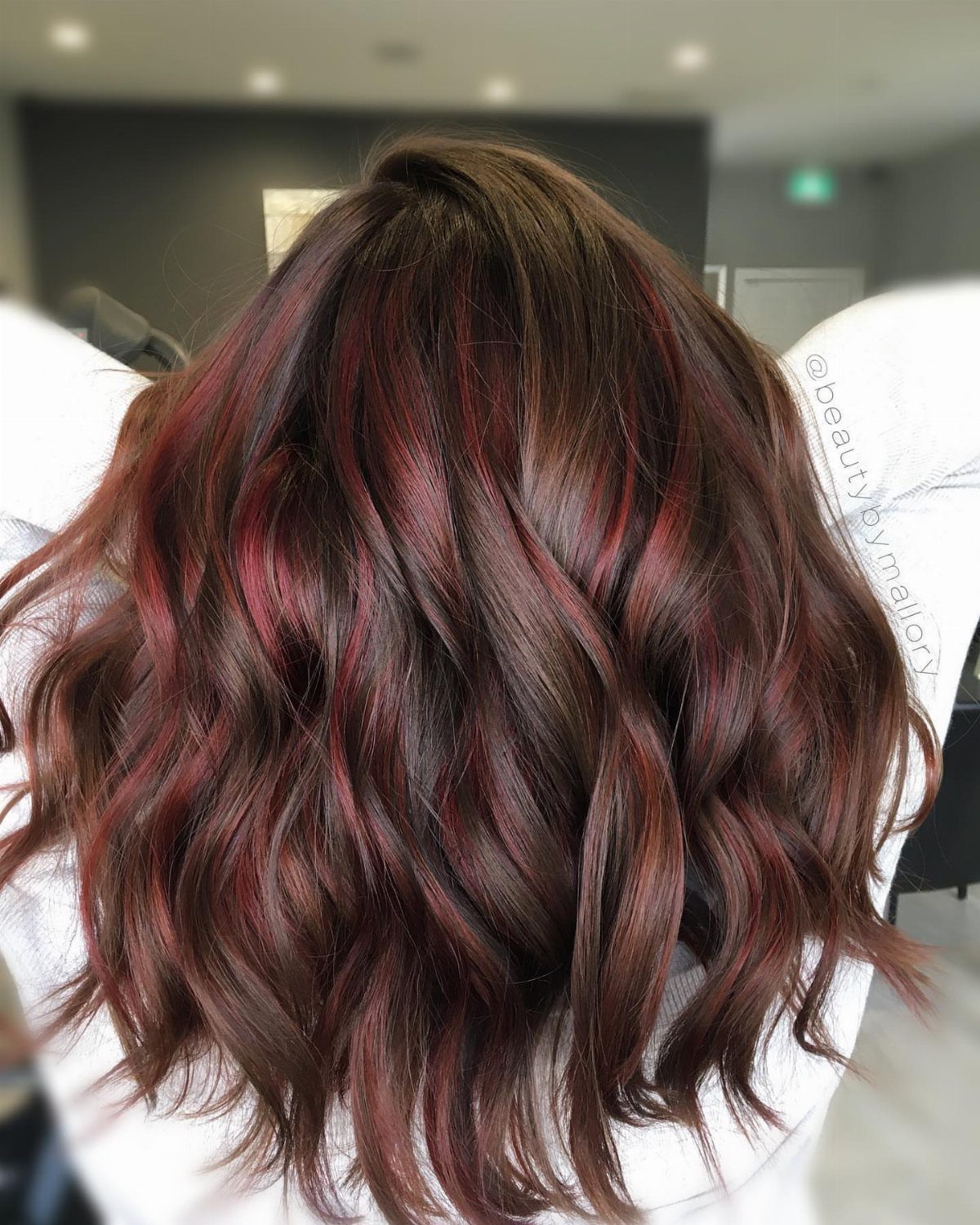
Fine red or auburn pieces worked into a brown base, adding warmth without turning the whole color overtly red. The highlights stay close to your base shade, just enough contrast to catch light.
Warm and neutral skin tones carry this best. At a salon, ask for babylights or fine foils in a copper or auburn tone.
At home, a highlighting cap and a semi-permanent red-brown dye give control over placement. The red fades faster than brown, so a red-toned gloss every month keeps the highlights from washing out.
19. Amber Brown Balayage
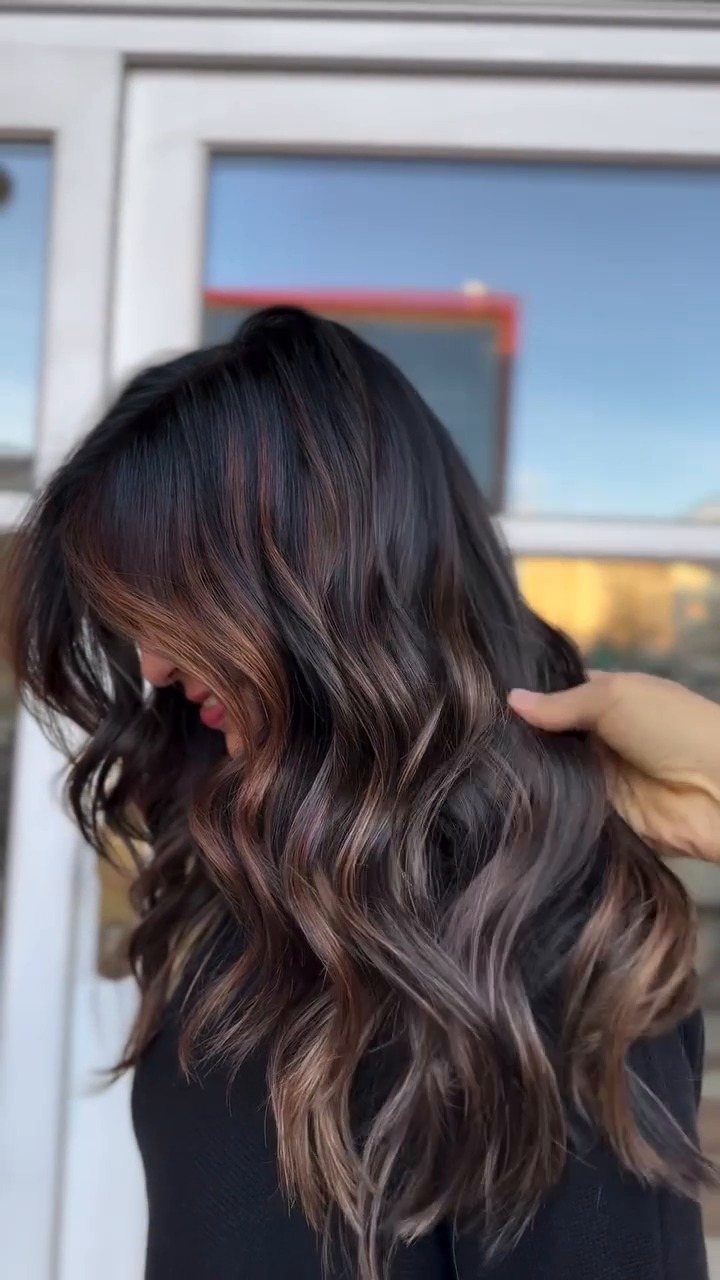
The amber reads brighter than caramel, closer to burnt orange or deep gold.
The contrast needs the amber sitting noticeably lighter than your base, enough to catch the light without looking stripey. If your starting color is very dark, expect a toner after the lift to keep the amber from pulling brassy.
The amber fades to gold over time, so a color-depositing conditioner in copper or gold keeps it from washing out between appointments.
20. Brown Balayage
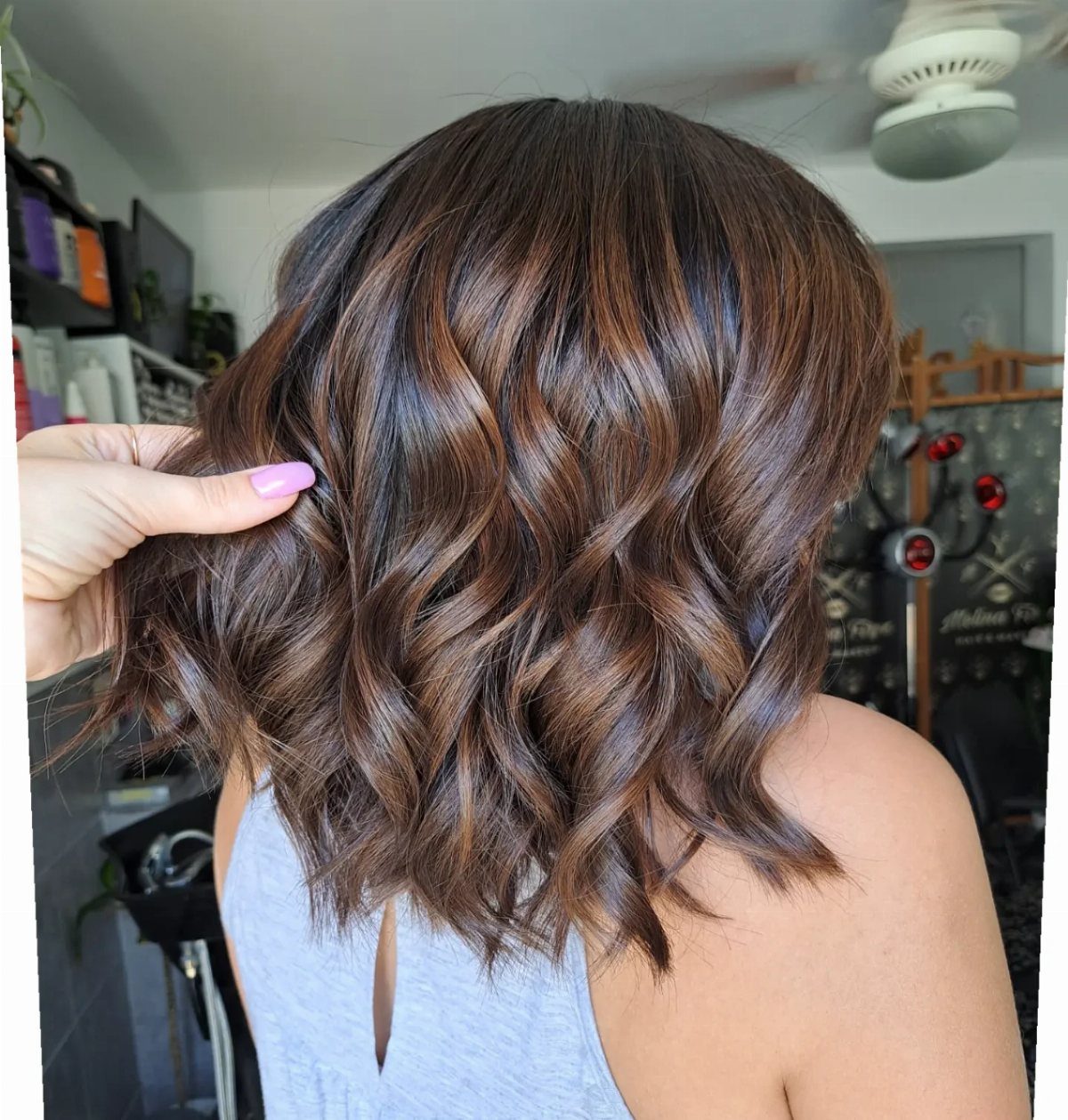
Lighter brown pieces painted through a darker base, adding dimension without pushing into blonde territory. The result stays cohesive because the highlights and base are both shades of brown, just separated by a level or two.
Balayage blends softer than foils, so the grow-out looks intentional rather than rooted. The lighter pieces can be concentrated around the face or scattered throughout for allover movement.
This grows out cleaner than blonde highlights and needs less frequent touch-ups.
21. Light Brown
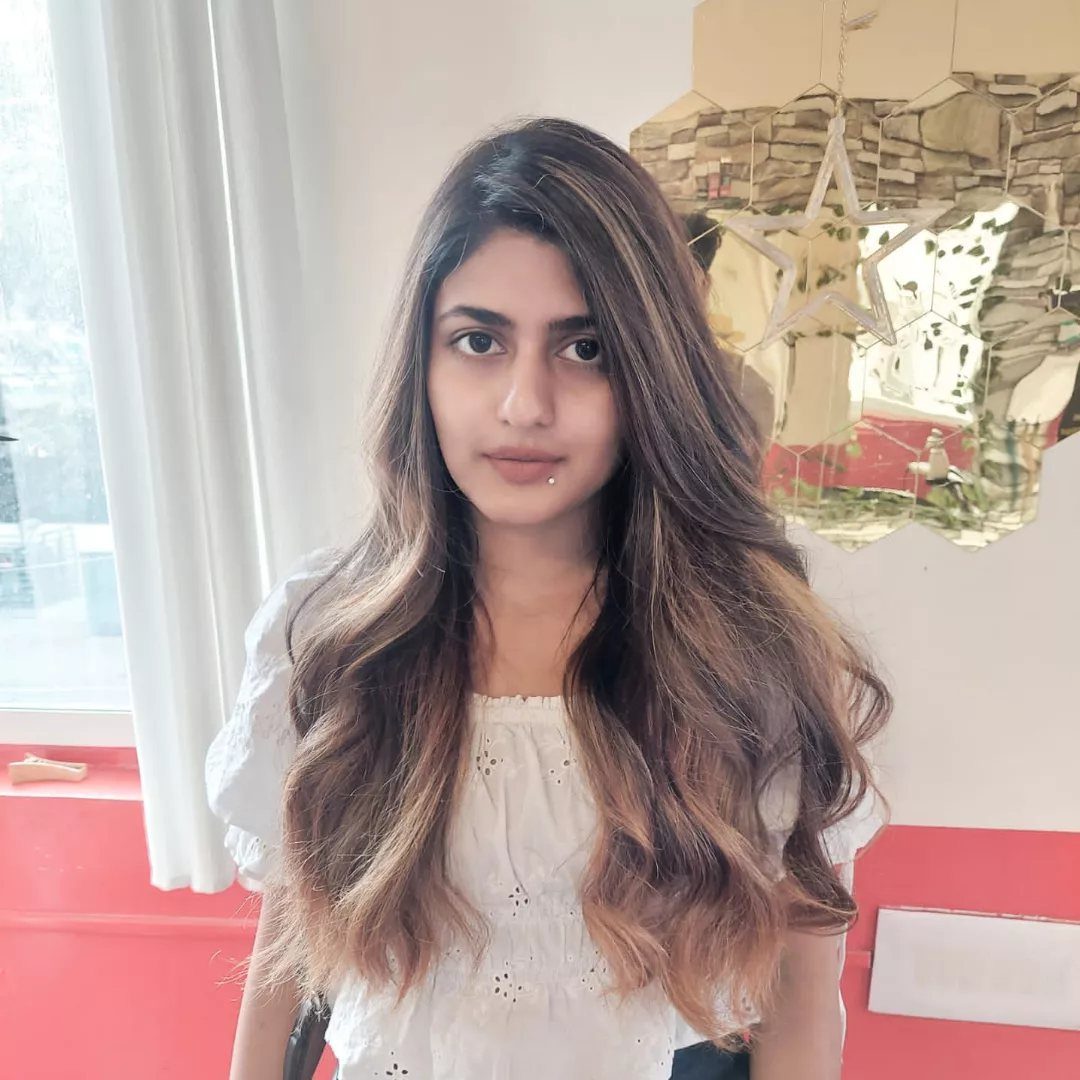
A soft brunette that sits lighter than medium brown but still reads as brown rather than blonde. The tone stays neutral enough to work on most skin tones and reflects more light than darker shades without needing highlights.
Light brown fades less noticeably than darker shades, so it’s forgiving between color appointments.
If you’re lifting from darker hair, permanent color with a lower volume developer gives a softer result than high-lift formulas, which can pull flat on darker bases.
This is a solid base for adding lowlights or highlights later if you want more dimension.
22. Brown Sugar Brunette
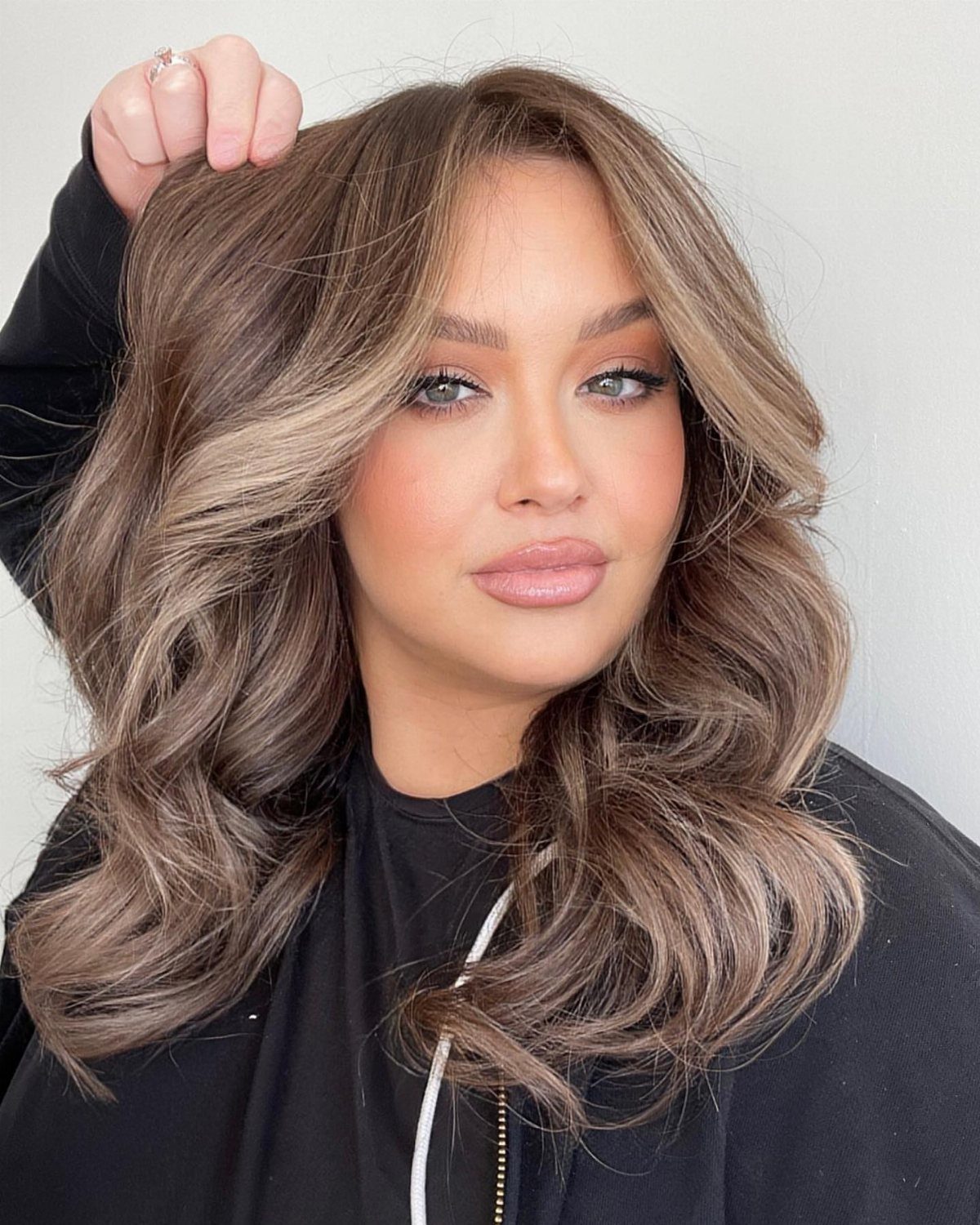
A medium brunette with cool beige tones mixed in, softening the brown without making it ashy or gray. The beige keeps it warmer than mushroom brown but cooler than caramel or honey.
At home, a box labeled natural brown or neutral brown usually gets close, though some formulas run warmer than the label suggests.
A gloss between appointments keeps the beige from fading dull. If the tone starts pulling too cool, a warm gloss or a color-depositing conditioner in golden brown brings it back.
23. Walnut Brown
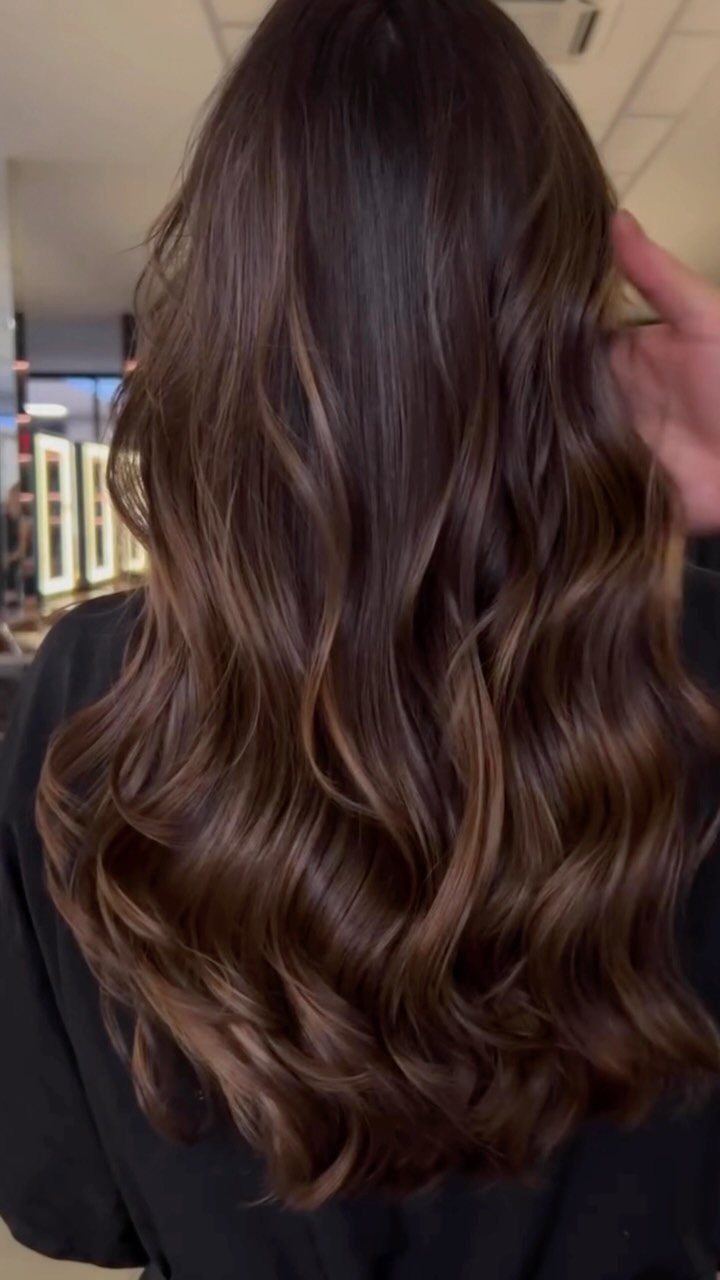
A medium brunette with soft, neutral undertones that sit between warm chestnut and cool ash. The shade reads natural and versatile, without leaning strongly red, gold or gray.
If you’re covering gray, permanent formulas hold better than demi-permanent on resistant hair.
This is a low-maintenance shade that grows out evenly and takes highlights or lowlights easily if you want to add dimension later.
24. Blonde Highlights
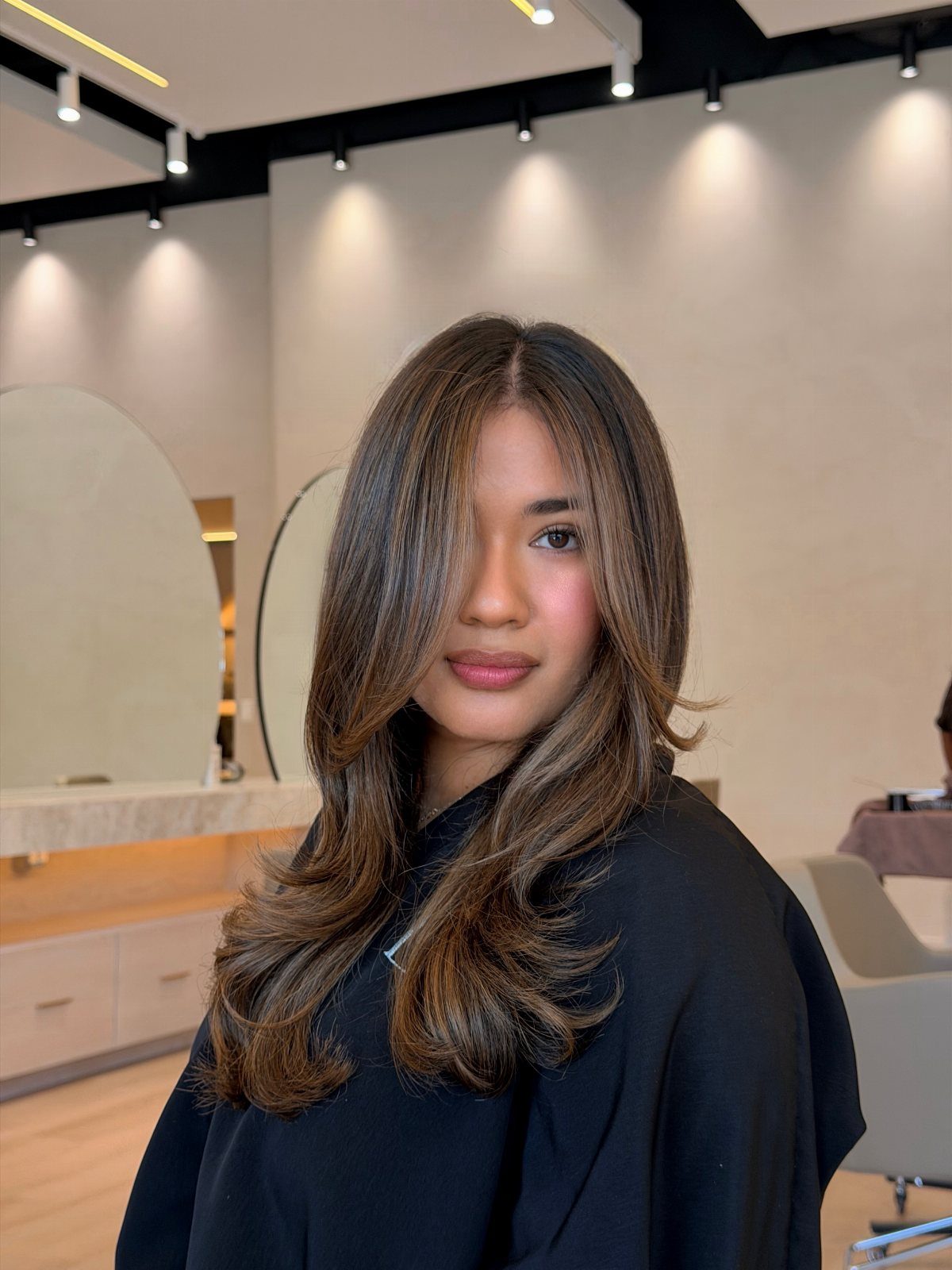
Blonde pieces woven into a brown base, creating high contrast and brightness without coloring the whole head. The blonde can be warm, cool or neutral depending on your skin tone and the effect you want.
If you’re going more than 3 shades lighter, expect a bleach step followed by a toner.
The upkeep is heavier than brown-on-brown highlights because the blonde needs toning between appointments to keep it from slipping brassy or yellow.
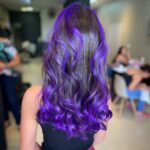
25. Plum Undertones
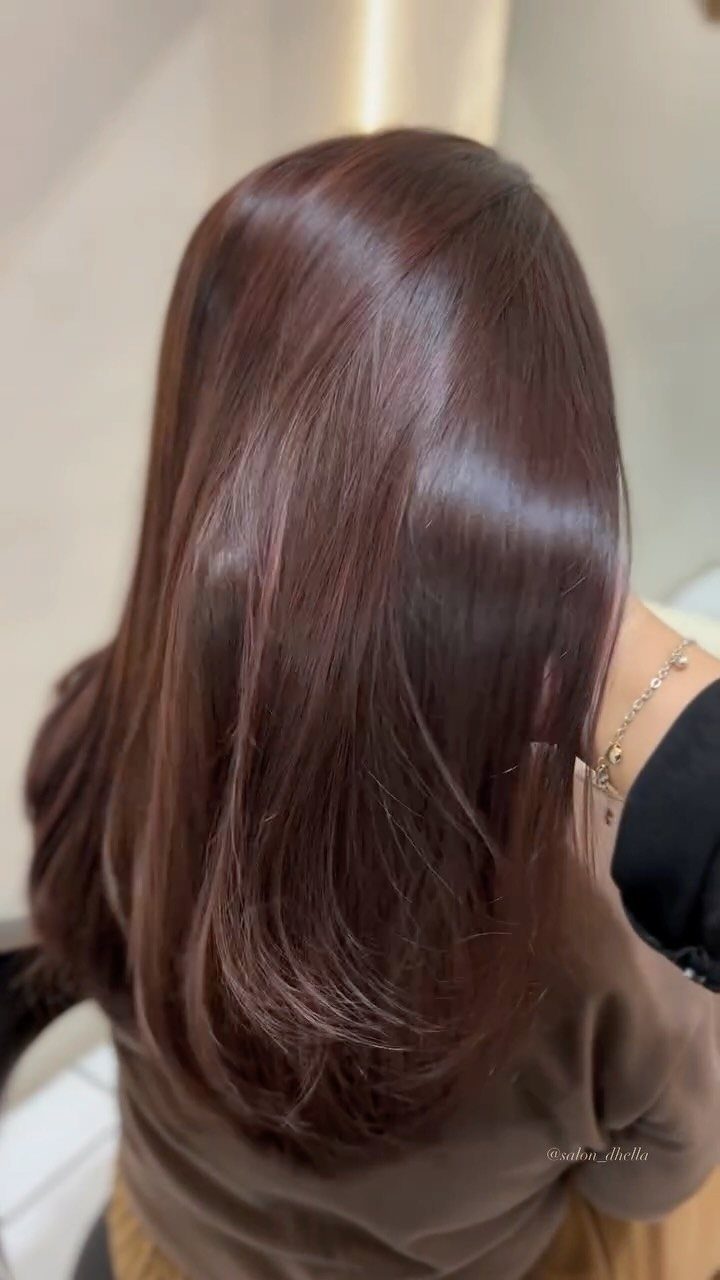
Brown with a cool purple cast woven through, reading plum in certain light without committing to full burgundy. The undertone stays subtle enough that the hair reads brunette first, with the plum showing up as depth rather than obvious color.
If you’re adding plum at home, a semi-permanent plum or violet gloss over medium to dark brown gives the cast without lifting your base. A purple conditioner between salon visits helps hold the plum tone longer.
26. Brown Ombré
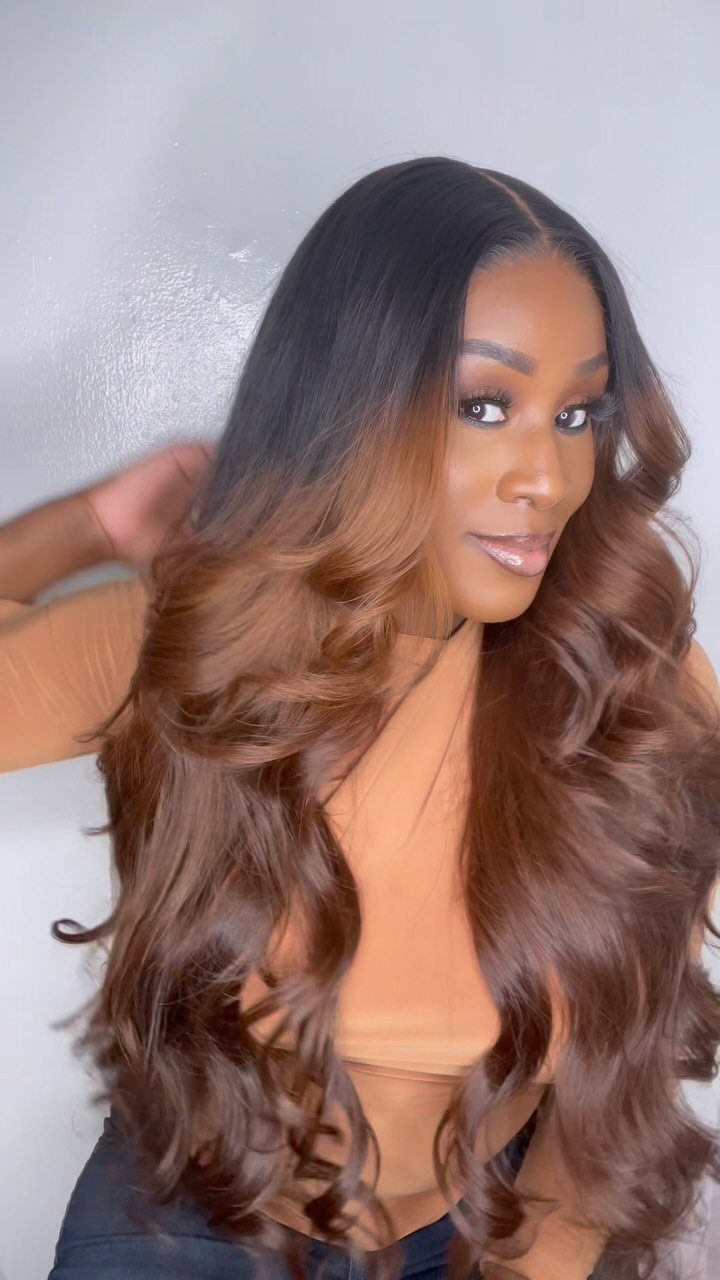
Darker roots gradually lighten toward the ends, staying brown throughout rather than jumping to blonde. The fade reads softer than highlights because there are no distinct pieces, just a shift in tone from top to bottom.
The roots stay dark on purpose, so the grow-out looks intentional instead of overdue. At the salon, ask them to start the lighter shade around mid-length instead of high up near the root.
At-home kits give you control over placement, though getting a smooth gradient takes a few tries. The lighter ends may need a gloss every few months to stop them fading dull.
27. Bronde
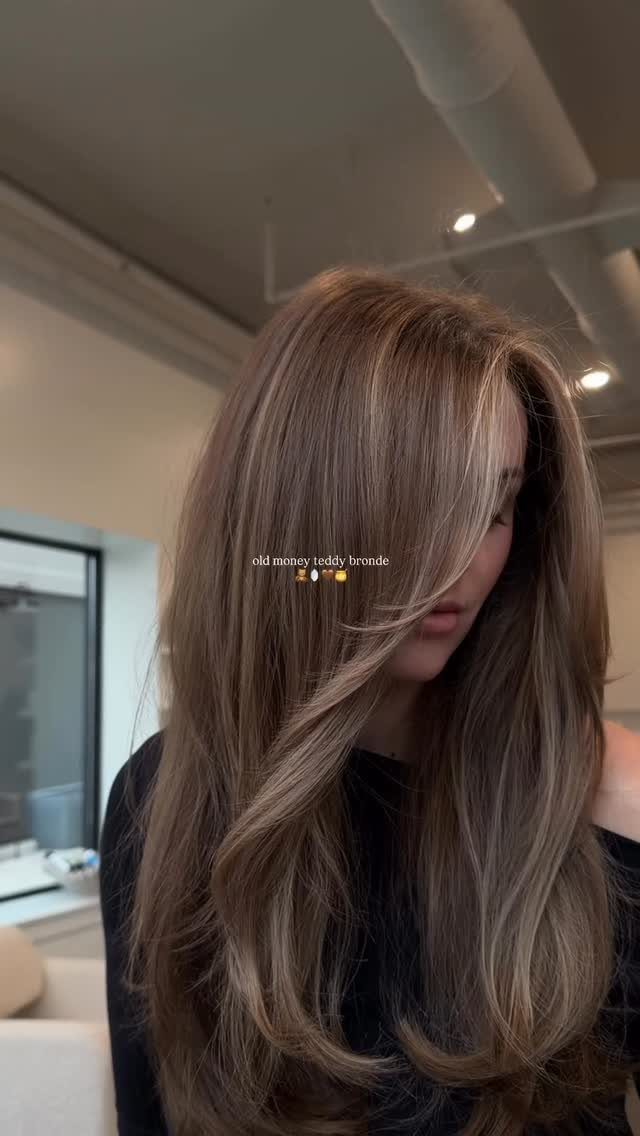
Blonde and brown mixed through the same head, neither one dominating. The blend sits somewhere between brunette with highlights and blonde with lowlights, giving the look more dimension than either color alone.
If you’re starting from dark brown, expect a lift followed by a toner to soften the blonde pieces.
Cool or ashy tones keep bronde modern; warmer versions read closer to caramel. Bronde needs toning to stop the blonde from turning brassy, so plan for more upkeep than full brown but less than full blonde.
28. Mushroom Brown
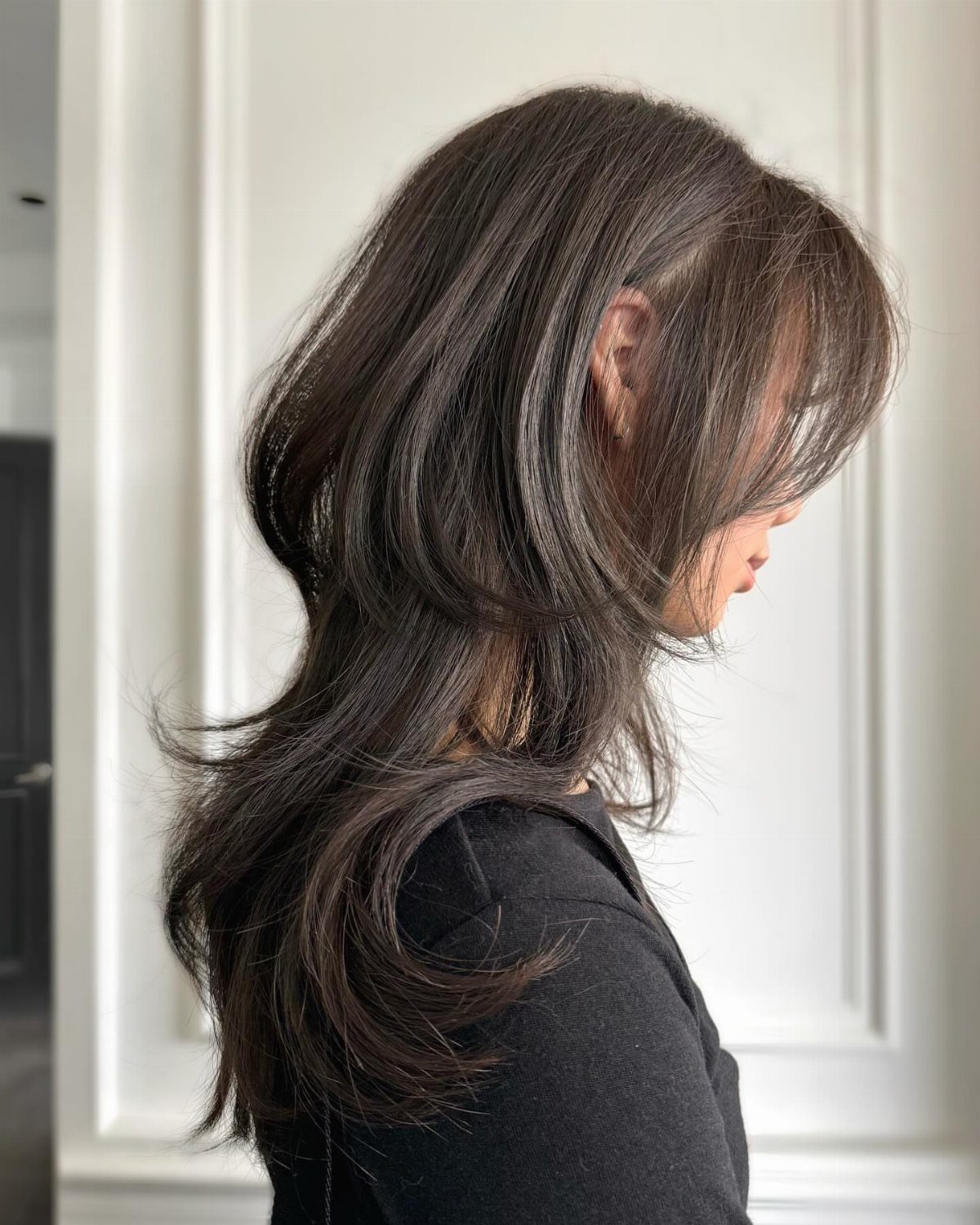
A soft, muted brown with gray-beige tones running through it, cool without reading ashy or harsh. The finish stays understated, closer to taupe than chocolate.
Cool and neutral skin tones carry mushroom brown better; on warm undertones it tends to look dull. If you’re coloring at home, look for cool beige or natural ash brown formulas.
Purple shampoo stops the tone from warming over time, and mushroom holds its cool cast better than most light browns anyway. This fades gracefully and grows out without obvious lines.
29. Copper Brown
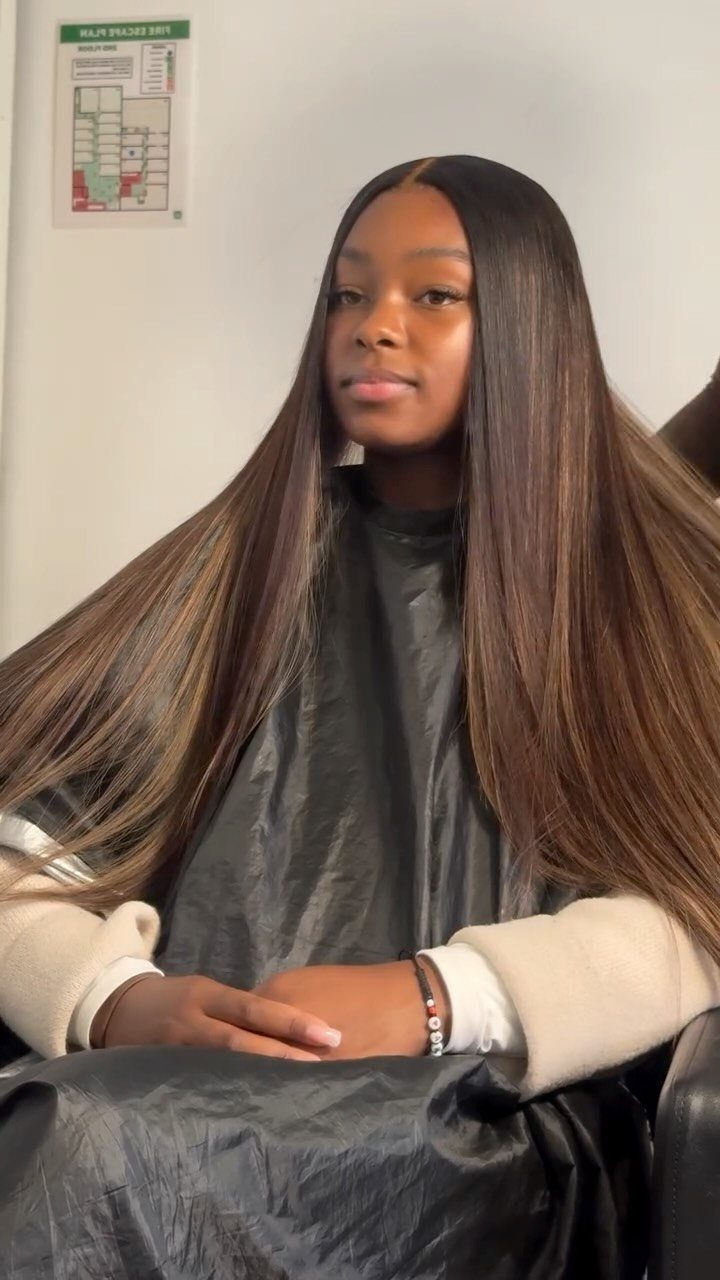
Brown loaded with metallic copper warmth, showing up most clearly in sunlight. The copper reads richer than bronze, closer to penny or rust without crossing into auburn.
This one looks best on warm or olive undertones. If you’re adding copper through color, a copper-toned gloss over medium brown gives the warmth without a full dye job.
Copper shifts brassy as it fades, so a copper or auburn conditioner keeps it from sliding orange. At a salon, ask for a warm brown formula with red-gold tones rather than neutral or cool.
30. Auburn Brown
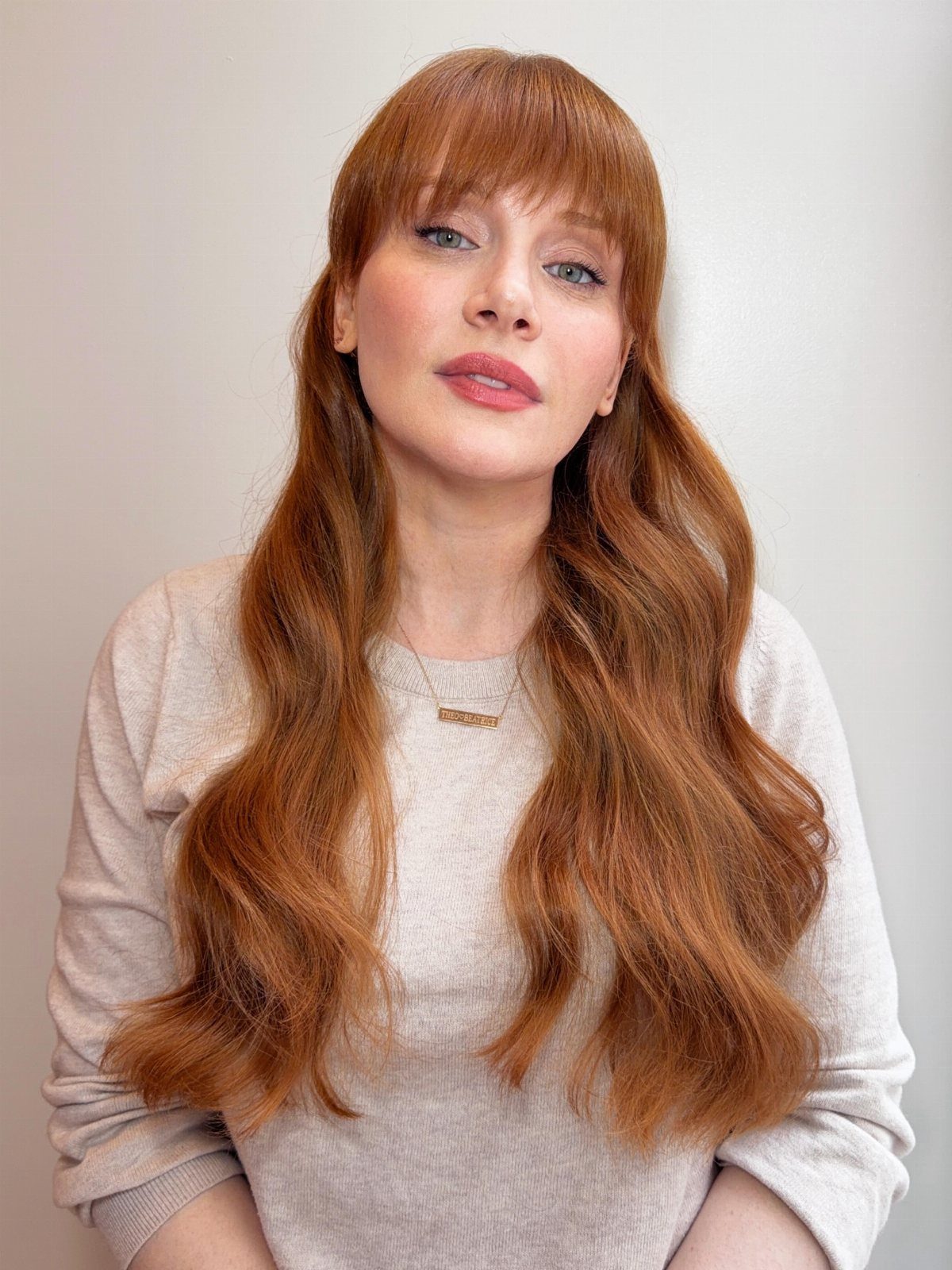
A red-toned brunette with copper running through it, warm enough to read obviously red in natural light but still grounded in brown. The shade sits between chestnut and full auburn, picking up more red than most warm browns.
If you’re lifting from dark hair, auburn brown may need a pre-lightening step to get the red to show clearly.
Matching Shade to Skin Tone
Cool or pink undertones carry ash brown best because the gray tones balance redness in the skin instead of clashing with it.
If your skin leans warm or olive, a full ash can look flat; start with a classic brown base and add ash through balayage or ombré instead, which keeps the coolness localized and stops it from draining your complexion.
Warmer shades like golden brown, caramel or mahogany work on warm and olive skin because the red or gold undertones echo what is already in your complexion.
Cooler skin can handle them too if the warmth stays subtle, but anything leaning strongly red or copper risks reading orange.
Color Upkeep and Gloss
Demi-permanent glosses add luminous finish without lifting or depositing heavy pigment, and they fade gradually instead of leaving a line.
Purple shampoo pulls brass out of lighter or cooler sections, like ash brown balayage or honey highlights. Red-based browns fade noticeably faster than neutral or ash versions, so I stick with color-protecting shampoo to slow the washout.
A color-depositing mask in golden gloss or cool brunette extends salon color at home.
Apply mid-lengths to ends on damp hair, leave it 10 minutes, and rinse. If your hair feels dry after coloring, a deep nourishing mask locks moisture back in without stripping the fresh tone.
Choosing Salon or Home Color
Going lighter from a dark base, especially more than 2 or 3 shades, calls for a colorist because the lift and tone need to land right in one session.
If you have previous color or uneven fading, a colorist keeps new highlights from banding or grabbing patchy.
At home color works fine when you are going darker, staying close to your natural shade, or adding a gloss.
Subtle red highlights on level 4 or 5 brown, for example, can be done with a box dye as long as you are not lifting first.
I book full color every 2 to 3 months and slot in a demi glaze halfway through when the tone starts looking flat.
Frequently Asked Questions
What is the difference between cool and warm brown hair colors?
Warm browns carry gold, copper or red undertones that show up in natural light, while cool browns lean gray, blue or violet with no brass pulling them toward warmth.
Your skin tone usually decides which one looks better: warm and neutral complexions carry golden and caramel shades, while cool and fair skin suits ash, mushroom and smoky finishes that won’t wash you out.
How to make brown hair ashy?
A cool brown or ash brown formula takes out the warmth, and a blue or purple toner afterward mutes any leftover orange or yellow. A blue shampoo weekly stops brass from creeping back in between appointments.
What are the trendy brown hair colors for 2026?
Gray-toned browns with silver or pewter highlights are gaining traction, especially for clients transitioning to natural gray.
Cool, smoky browns with minimal warmth are holding steady this year, alongside deep espresso and caramel-laced balayage. Bronze and amber balayage are holding steady for anyone who wants warmth without full caramel or gold.
What are the best highlights for light brown hair?
Caramel or golden babylights add warmth and dimension without obvious streaks, and they brighten the base while growing out softly.
If you want contrast, blonde highlights give more lift but need toning every few weeks to stop them turning brassy. Fine foils or hand-painted balayage keep the highlights blended instead of stripey.
Who is ash brown hair best for?
If your skin leans cool or neutral, ash brown can soften redness and balance your overall tone without washing you out.
If you have warm undertones, an ash balayage or ombré keeps the cool tones from looking flat by leaving the roots and base warmer.
The shade works best on naturally dark hair where the ash reads as depth rather than dullness.
How to find the best brunette shade for your skin tone?
Warm undertones suit caramel, honey, golden and chestnut browns that pick up the gold in your complexion.
Cool skin tones look better with espresso, ash and smoky shades that won’t turn orange. Neutral undertones can go either direction, so try the warmth or coolness you want and adjust from there.
How to maintain brunette hair?
Book or apply a gloss treatment every month to 6 weeks, since flat, lightless color shows up faster on dark brown than anywhere else.
If you have highlights, tone them between appointments to stop warmth from slipping brassy. Color-safe shampoo and a color-depositing conditioner in your shade hold the tone longer between salon visits.