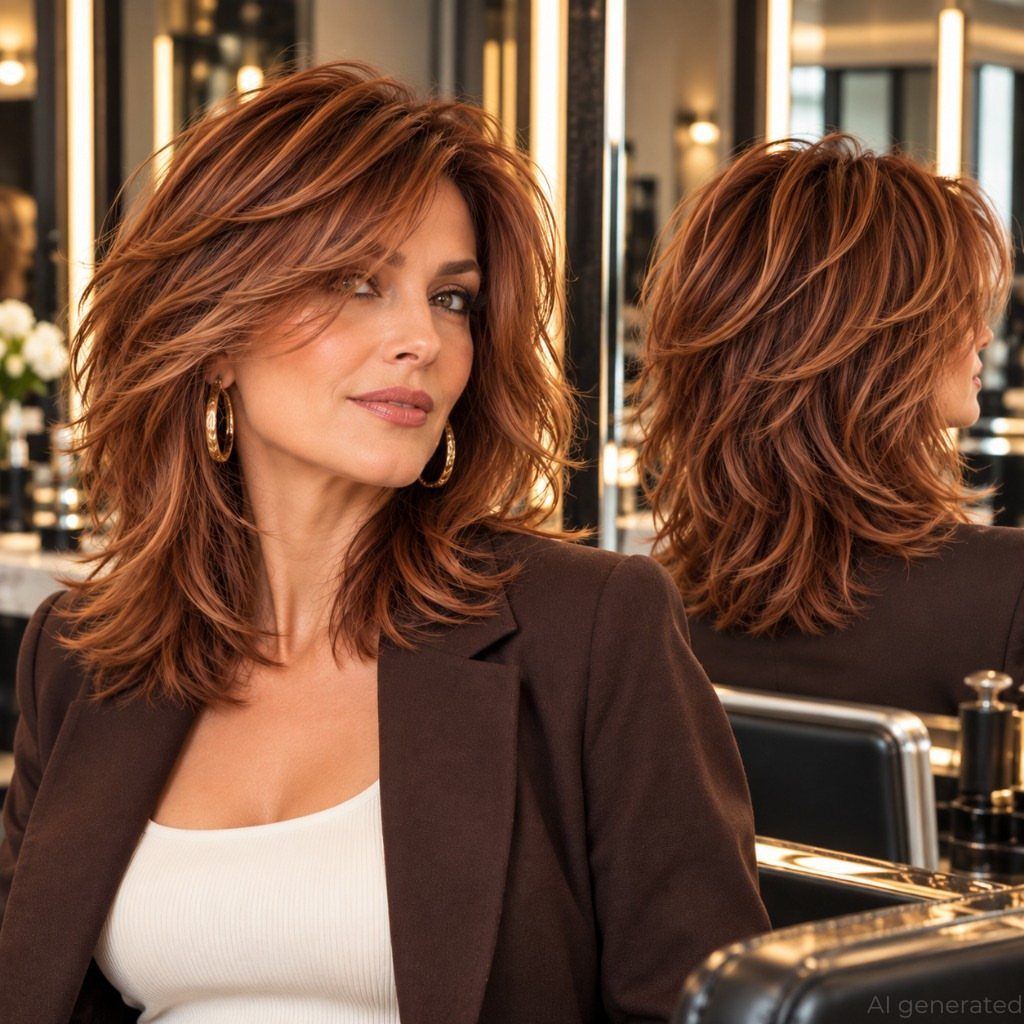
Hair color runs on a 10-level scale, jet black at 1 and the palest blonde at 10, and that number tells you how far you can move in a single appointment.
Cool skin suits ash, beige and violet shades, warm skin takes golden and copper better, and olive falls somewhere in between.
1. Golden Balayage
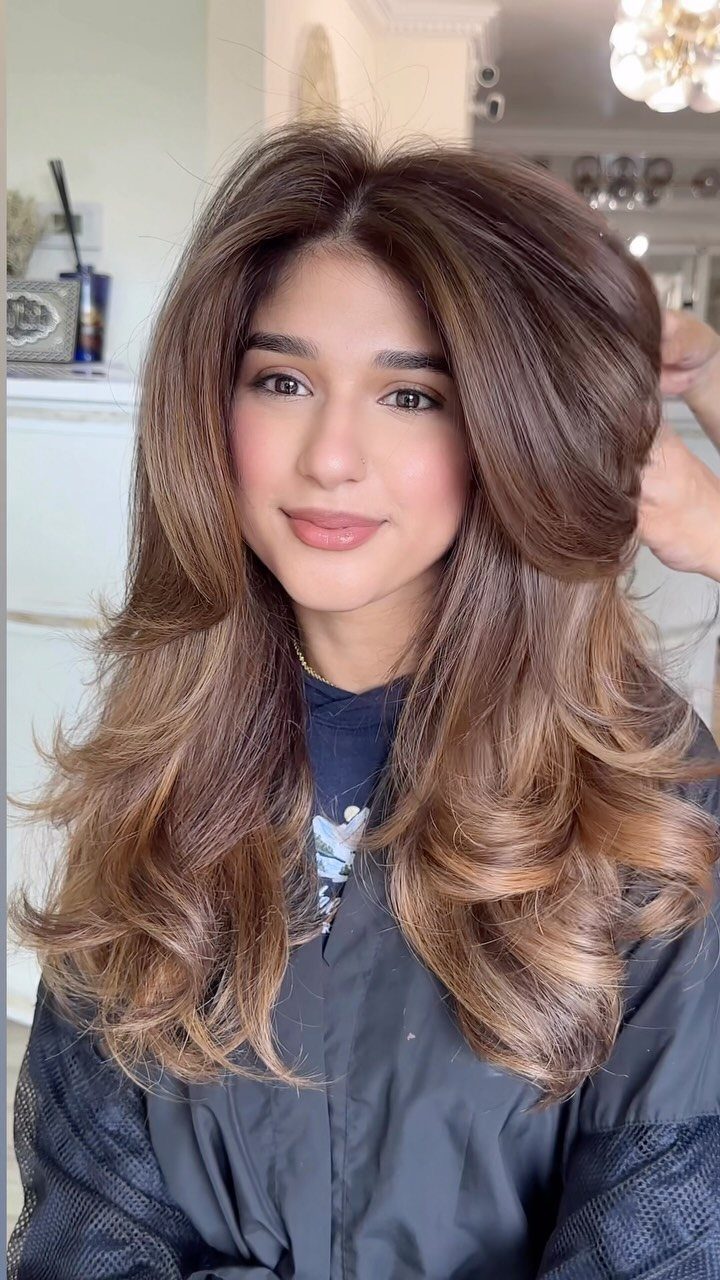
Golden balayage places caramel and warm blonde pieces through mid to darker brown, hand-painted to follow where sun would naturally lighten hair.
The technique keeps the root darker and builds warmth through the mid-lengths and ends, which suits medium complexions with warm or neutral undertones.
I like this method because it grows out softly. Salon visits can stretch quite a while without a visible line, though the color will need a toner refresh midway if you want the warmth to stay true.
2. Auburn Shades
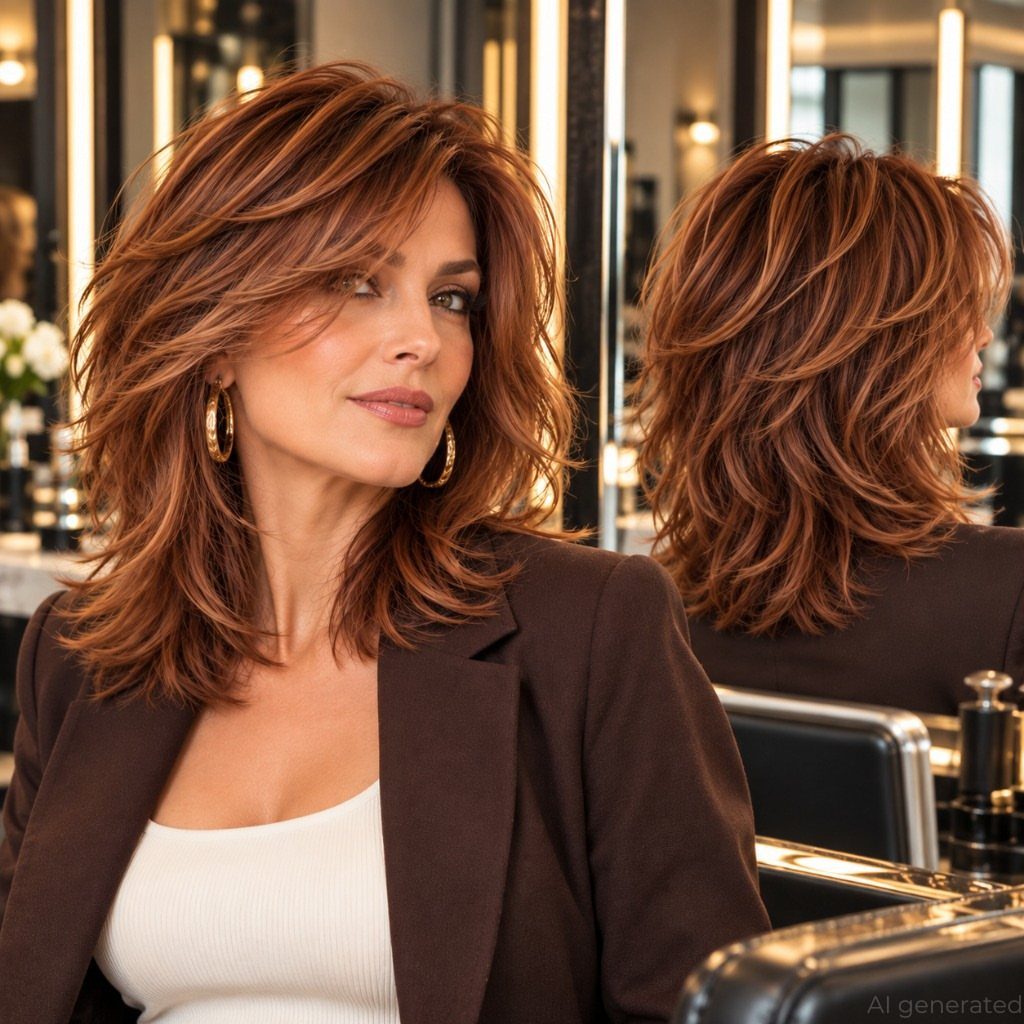
Auburn sits between red and brown, leaning more copper than burgundy.
The shade family adapts: add orange for warm auburn, add violet for cool. Both suit medium to dark base colors.
If your complexion is warm, copper-leaning auburn feels balanced.
Cooler complexions do better with a violet-toned auburn that keeps the shade from reading too orange. Semi-permanent versions let you test the warmth before committing to permanent color.
3. Cool Undertones
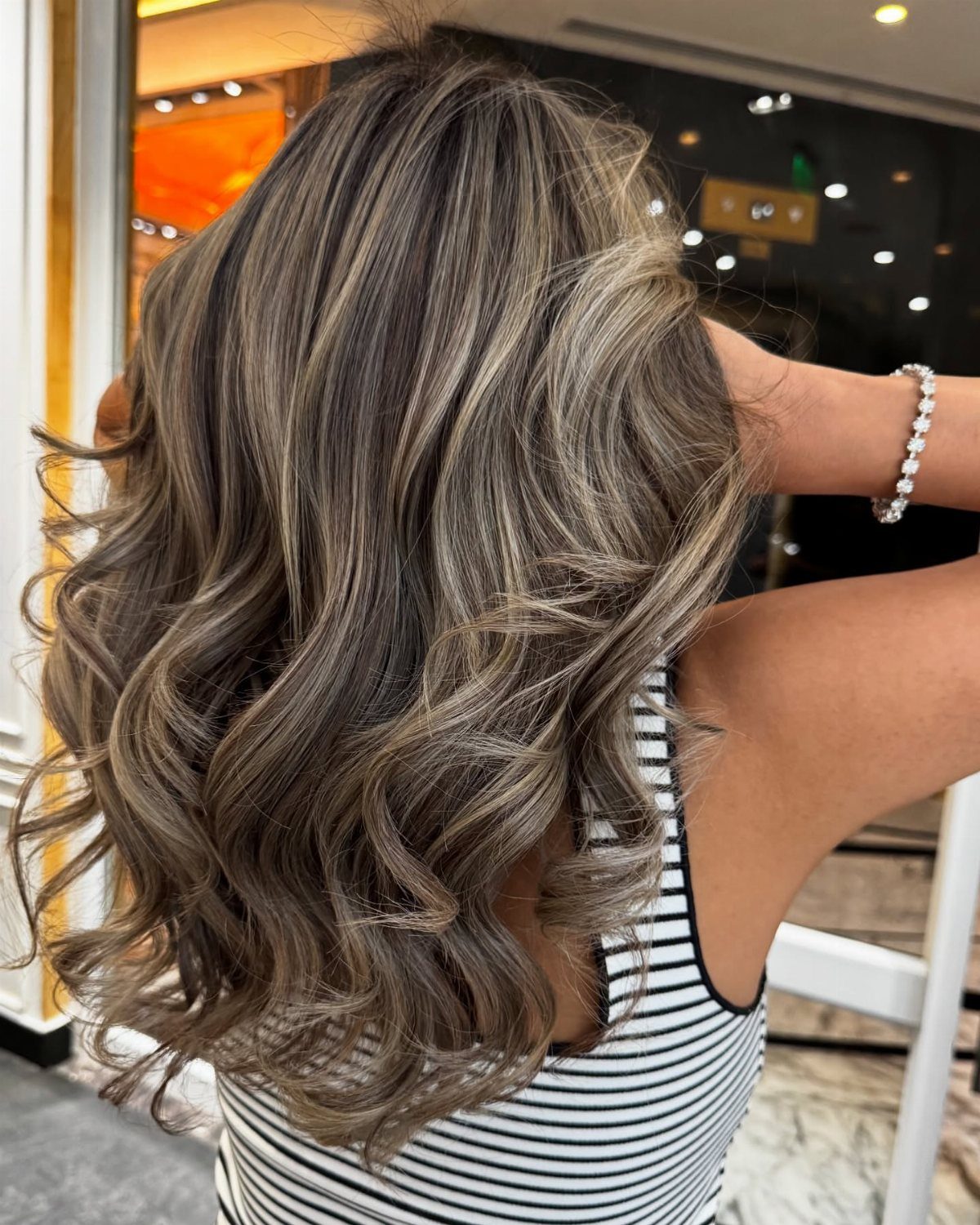
Cool undertones call for ash, icy, or blue-leaning color. Ash blonde or ash brown removes the yellow or orange that can look brassy on pink or neutral complexions.
The ash family needs purple or blue toner to hold.
Without it, the color pulls warm again quickly. I reapply purple toning shampoo once a week to keep the cool tone in place, which is faster than booking a salon toner every month.
4. Golden Tones
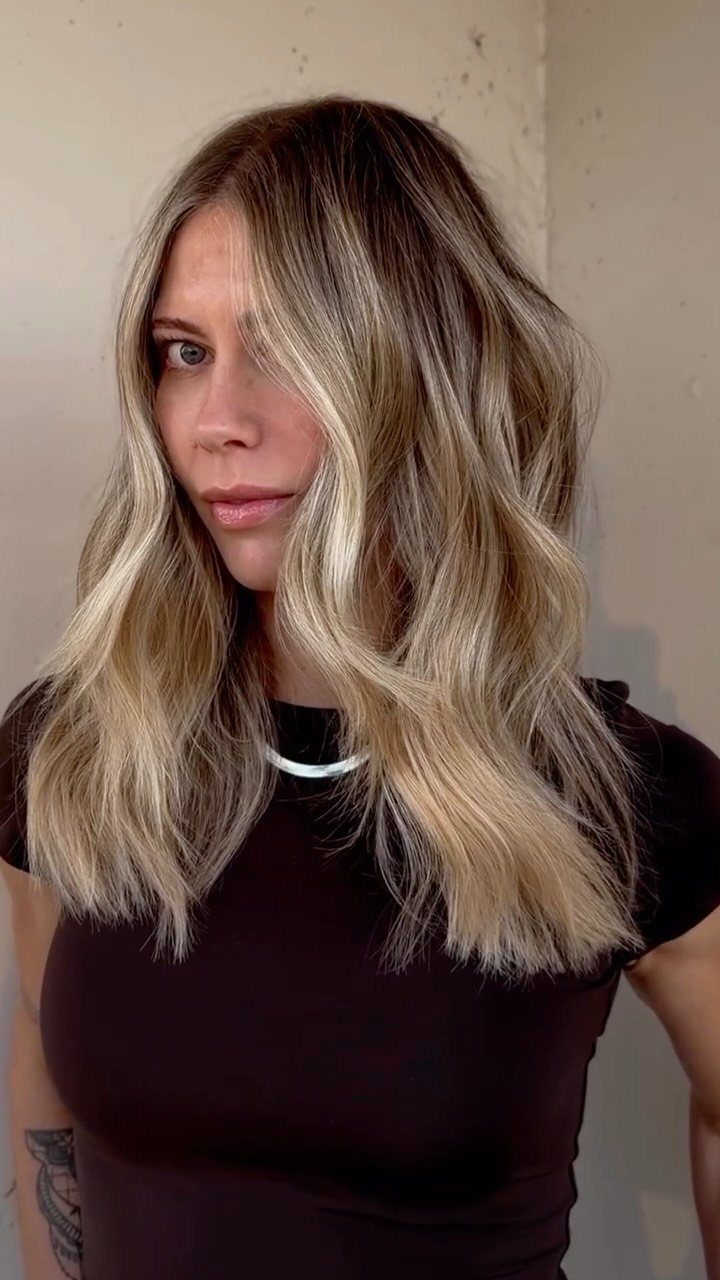
Golden tones reflect yellow to orange, which adds warmth and shine to blonde and light brown. The color catches light differently than ash, reading warmer in natural light and indoors.
This shade suits warm or neutral complexions. If your skin is cool, golden blonde can look too yellow.
For a warmer blonde that still feels balanced, I mix golden with a small amount of neutral or beige tone rather than going fully golden, which keeps the color from skewing too orange.
5. Honey Blonde
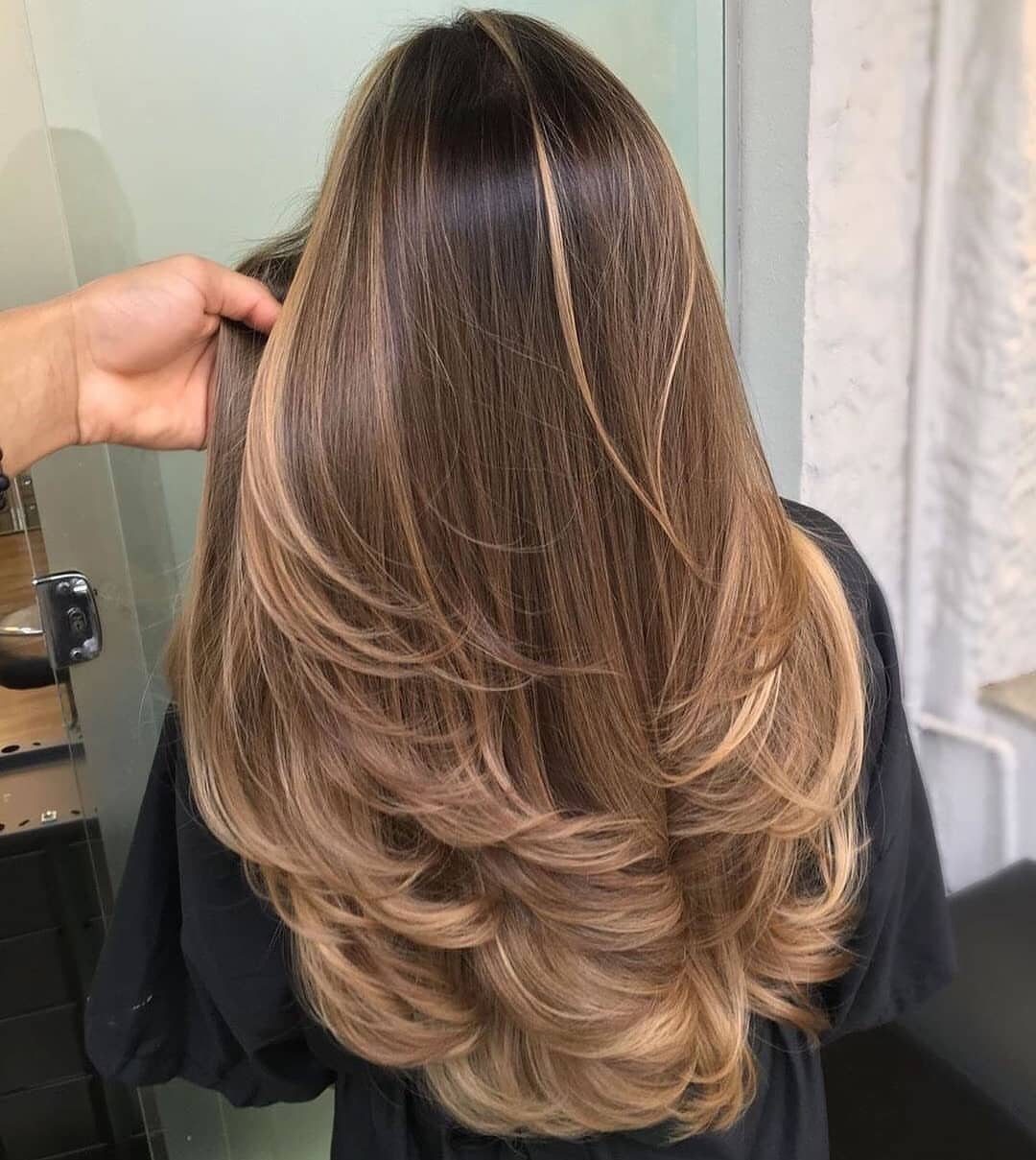
Honey blonde is a warm, golden blonde with enough depth to sit closer to light brown than platinum. The color reads soft and dimensional, especially when layered through darker roots.
If you’re starting from dark brown, you’ll need a lift before the honey tone shows true. Upkeep is easier than platinum because the color has warmth built in, so any fading stays in the blonde family instead of turning brassy.
6. Olive Skin
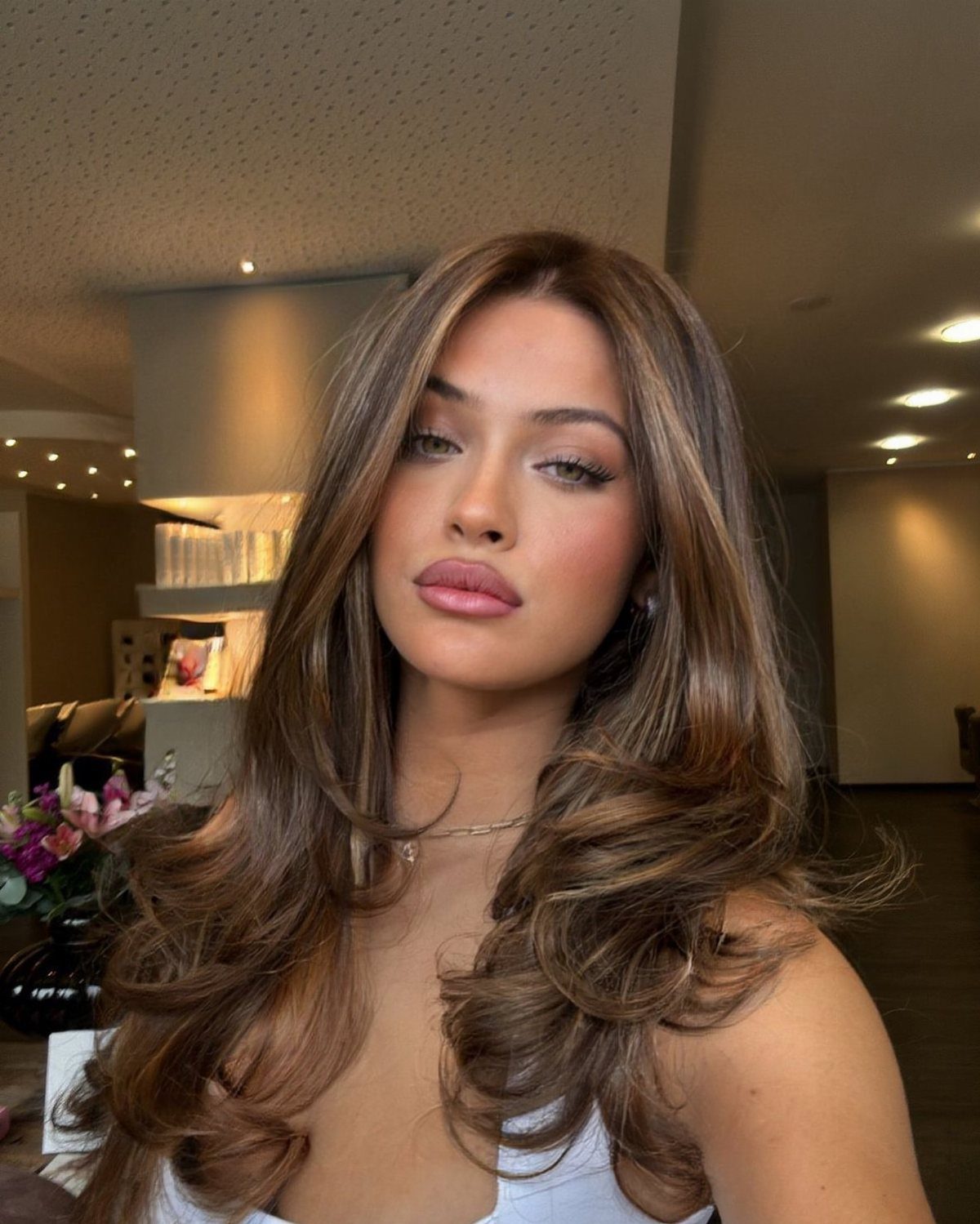
Olive complexions sit between warm and cool, with a green or yellow undertone that leans neutral. Rich browns, warm chestnuts, and golden shades suit olive skin better than heavy ash, which can look flat.
I avoid cool ash tones here because they pull too much warmth out and the result reads dull.
Instead, I choose warm-neutral shades: caramel, bronze, or soft auburn. These colors add richness without fighting the natural yellow undertone in olive skin.
7. Golden Blonde
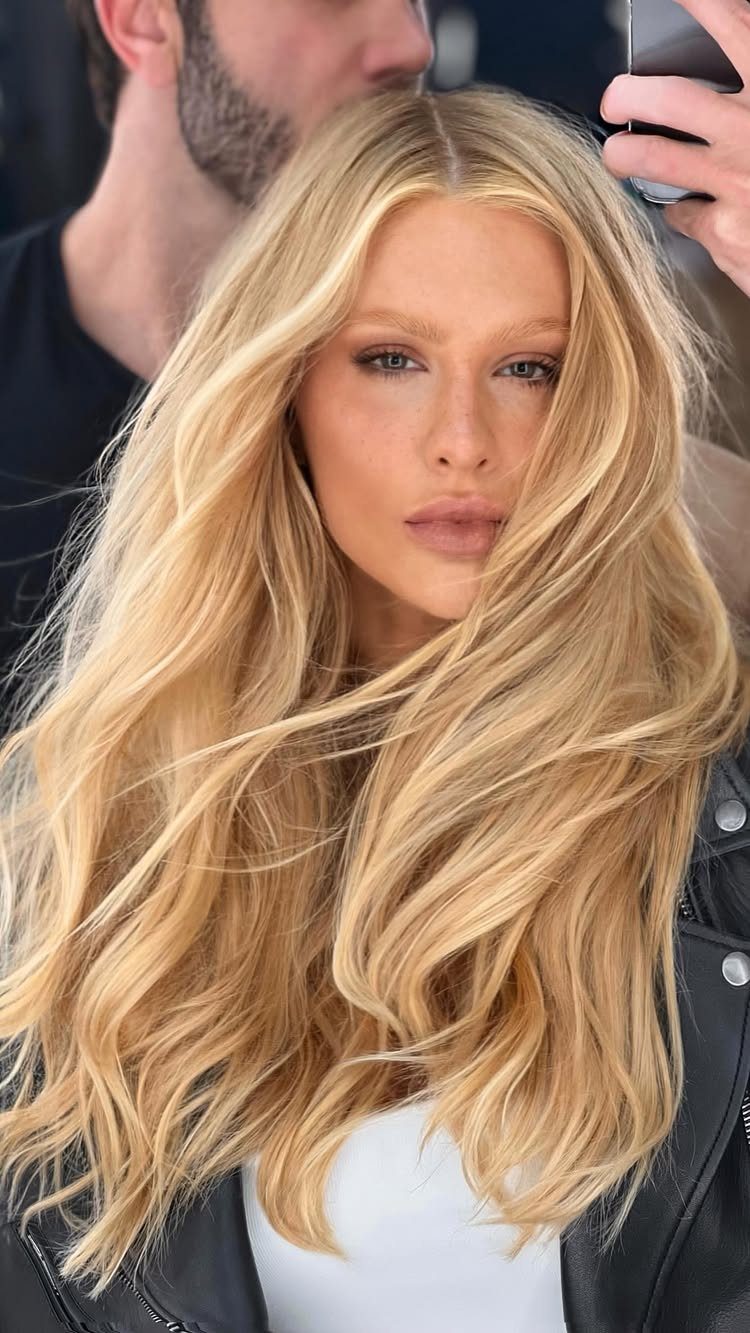
Golden blonde carries yellow and warm tones that catch light and read sunlit rather than icy. The color sits warmer than neutral blonde and softer than platinum, which makes it easier to maintain if you’re lifting from light brown.
If your complexion is cool, this shade can pull too yellow.
For warm or neutral skin, golden blonde adds brightness without looking flat. Toner fades on golden blonde just like any other shade, so regular touch-ups keep the warmth looking true.
8. Babylights
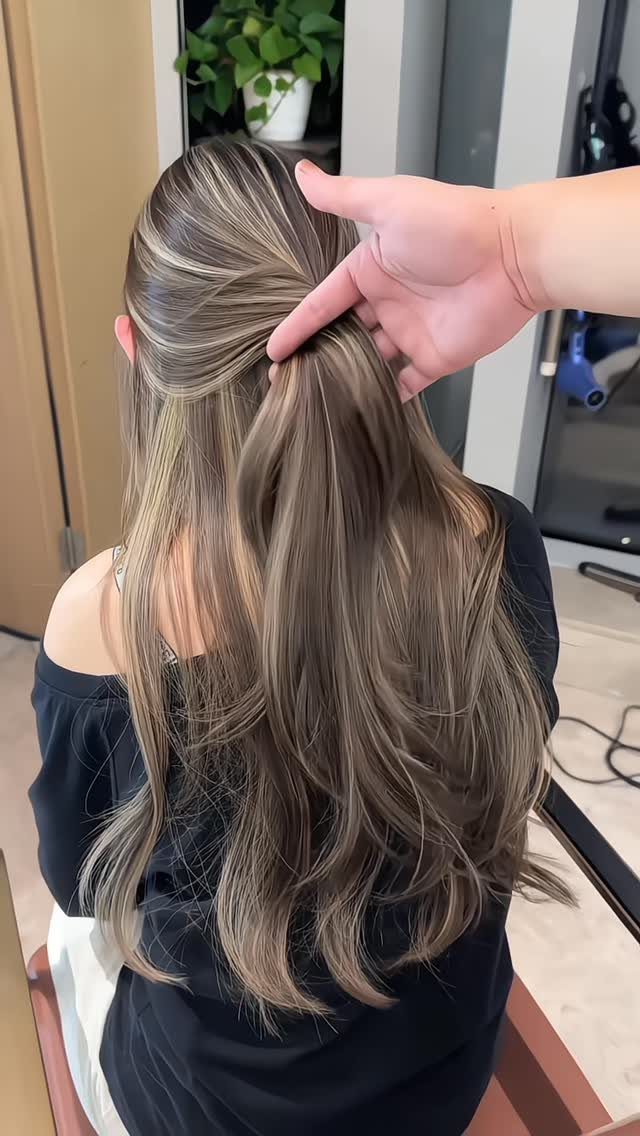
Babylights are fine, closely spaced highlights that mimic how sun lightens hair naturally. The pieces sit thinner than traditional foils, which keeps the color from reading striped or heavy.
The technique takes longer than standard highlights because each section is smaller, but the result grows out softer and lasts longer between salon visits.
I like babylights for anyone lifting one or two shades lighter from their base, because the blend holds as roots grow in.
9. Rose Gold
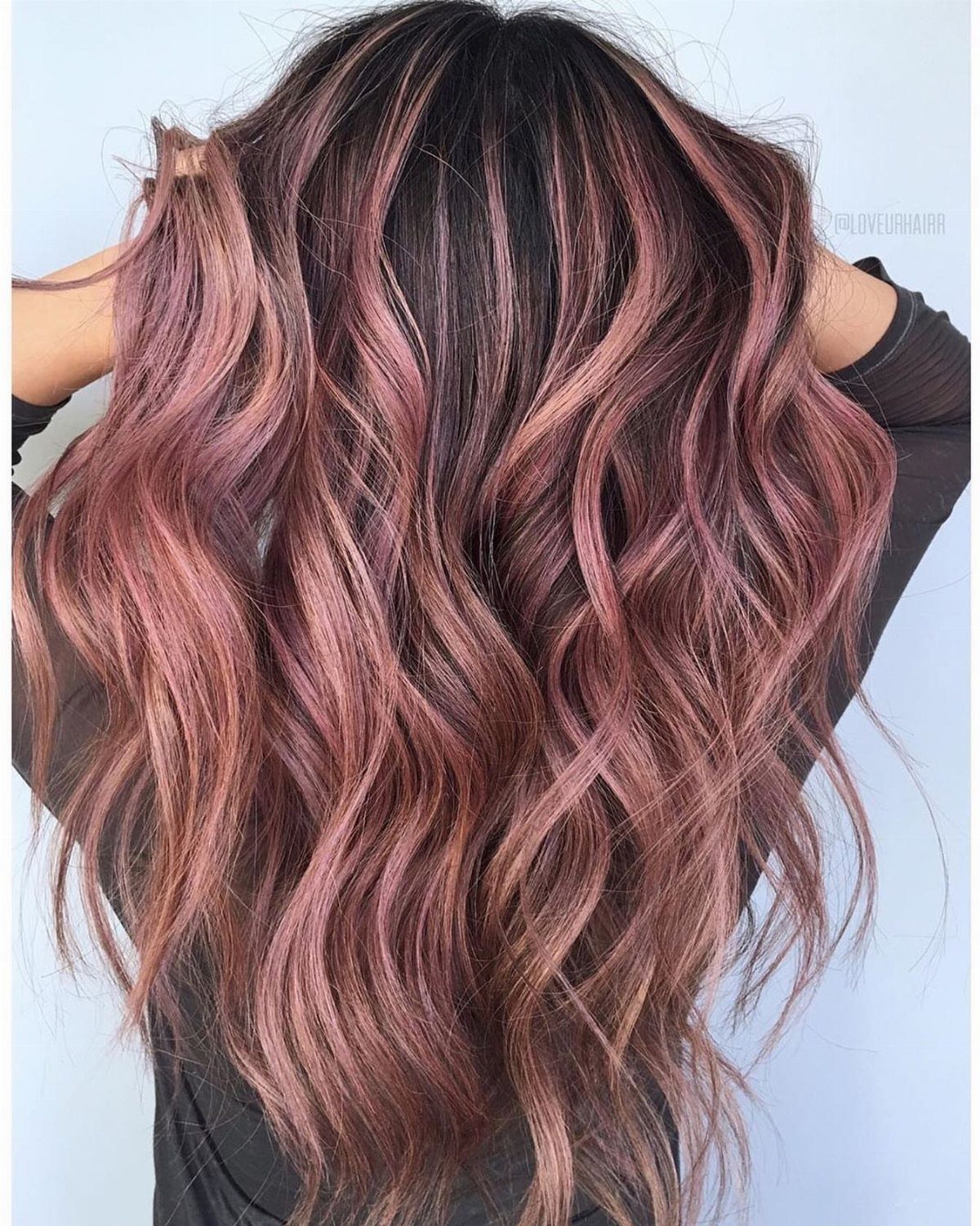
Rose gold mixes pink with warm blonde or light brown, giving a metallic-looking finish that reads soft rather than vivid.
The shade works across different skin depths because the pink can be dialed up or down depending on your base color.
The color fades quickly, so I use a pink-toning conditioner once a week to stretch the vibrancy between salon visits.
10. Copper and Red

Copper and red span from soft strawberry blonde to bright orange-red, depending on how much warmth is added. The color family reflects light strongly, which gives hair a glossy finish even without added shine treatments.
Warm complexions suit copper better than cool, because the orange tones can clash with pink undertones. Red fades faster than any other color, so regular refresh appointments keep the brightness from slipping.
11. Icy Platinum
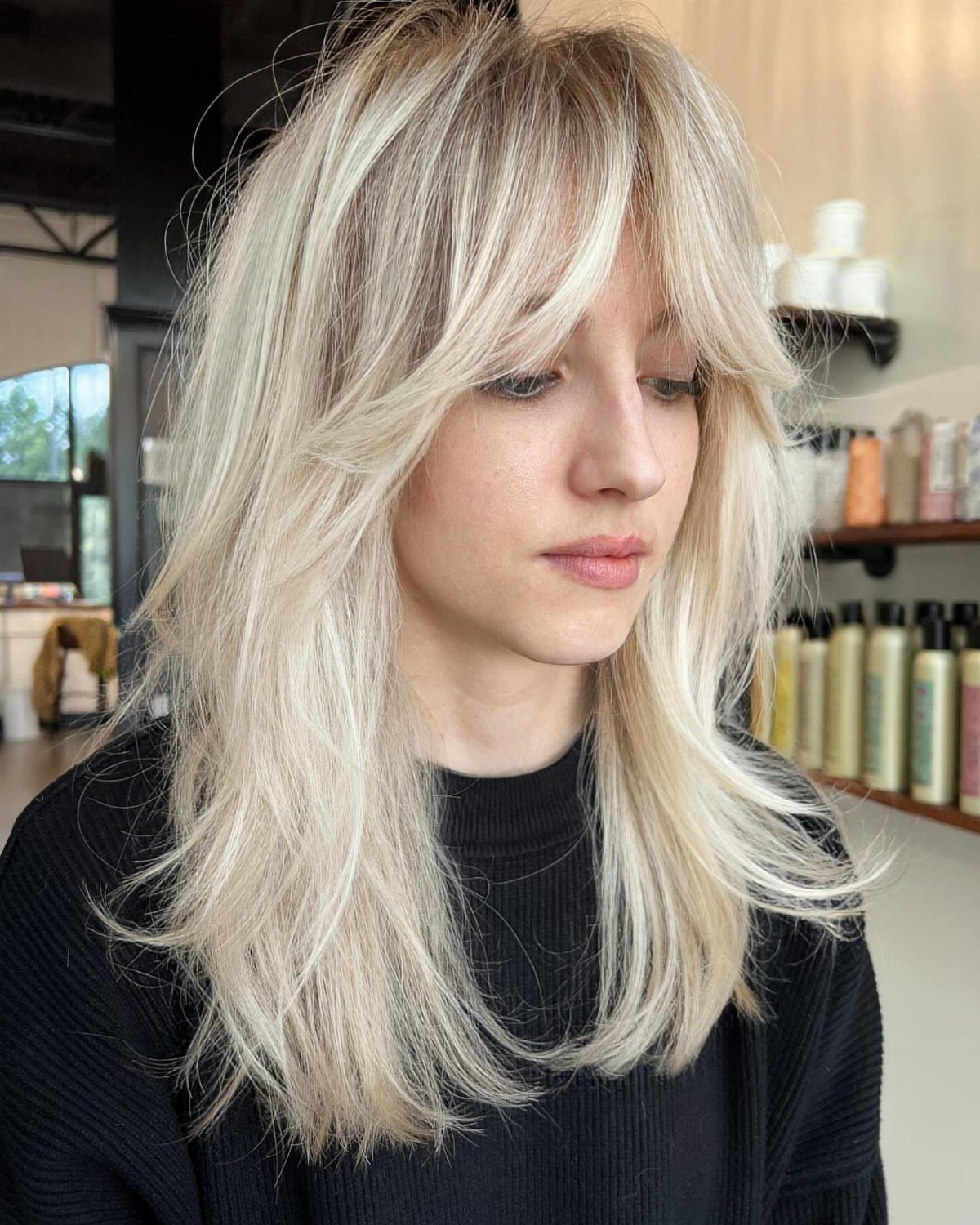
Icy platinum is a near-white blonde with cool, ash undertones that eliminate any yellow or warmth. The color suits fair, cool-toned complexions because it mirrors the same blue or pink undertones in the skin.
Lifting to platinum takes multiple sessions if you’re starting from dark brown, and the color needs regular purple toner to stay icy. Without it, the blonde turns brassy quickly.
12. Ash Blonde
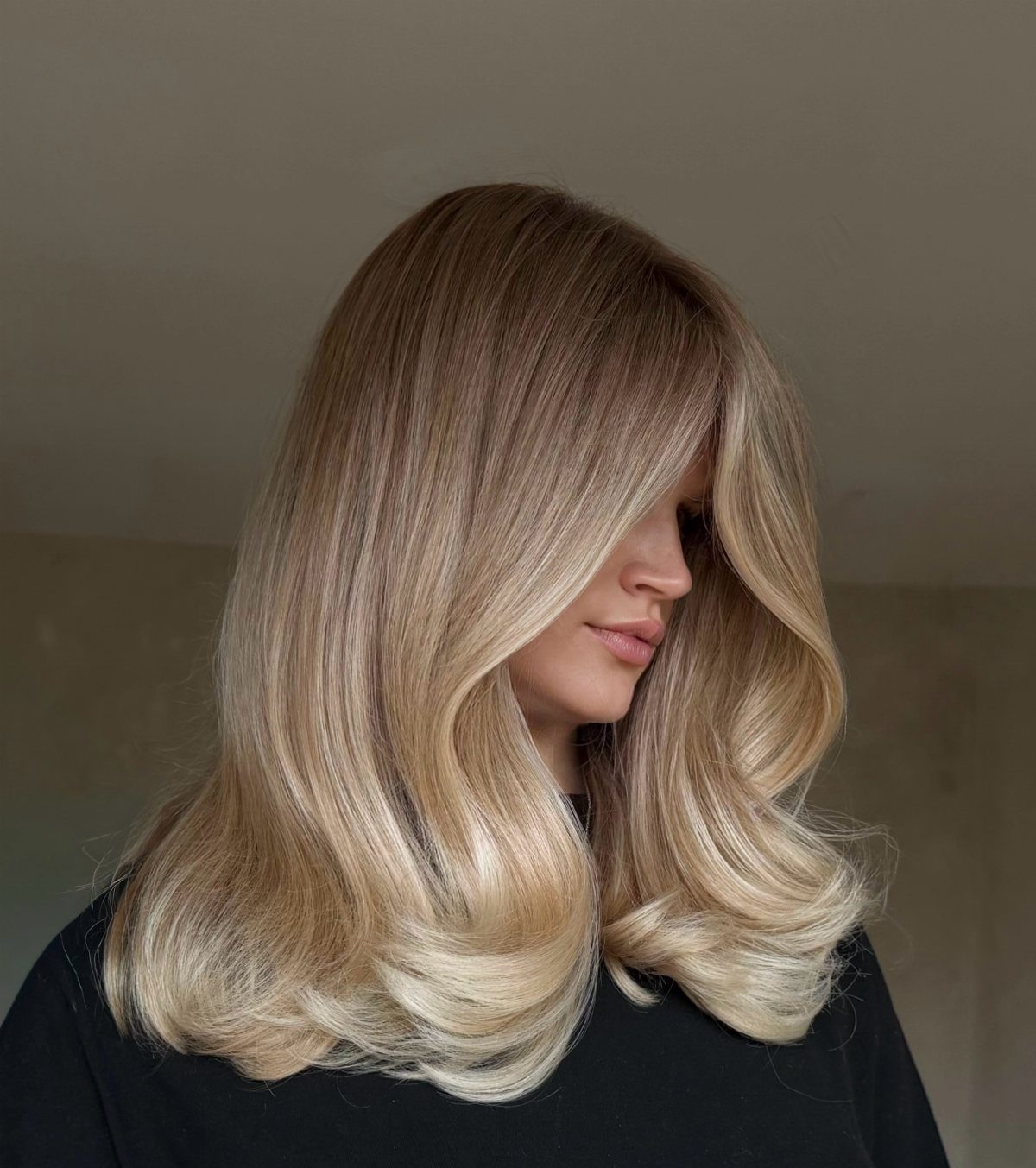
Ash blonde removes warmth by adding blue or violet tones, which neutralizes yellow and orange. The color reads cooler than golden or honey blonde and suits pink or neutral complexions that would look washed out by warm tones.
Ash fades toward warmth over time, so purple shampoo is needed weekly to hold the cool tone.
If your base color is dark, lifting to ash blonde requires bleach first, and the lighter you go, the more often you’ll need toner.
13. Jet Black
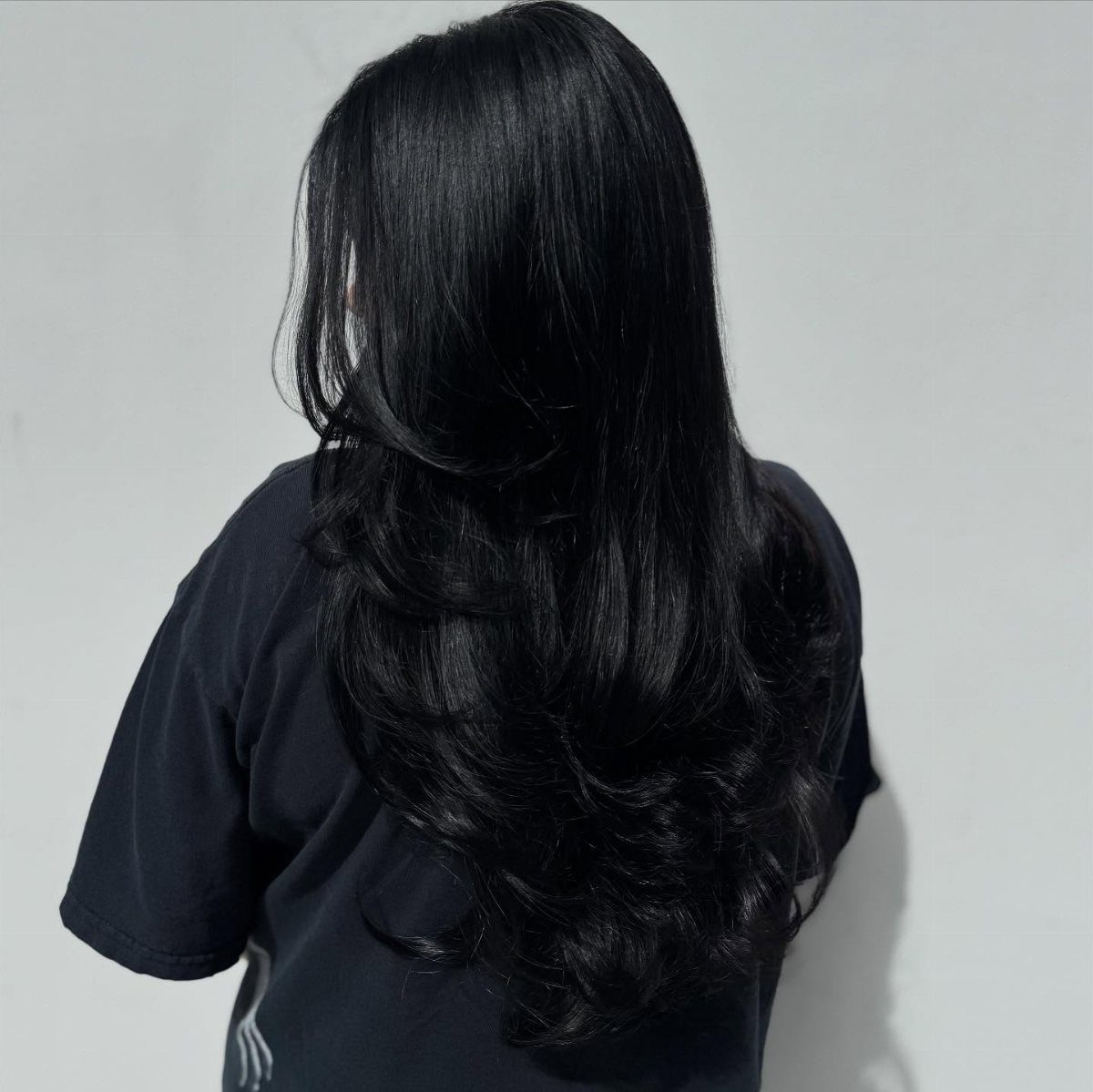
Jet black is level 1 on the color scale, the darkest shade without any warmth showing through. The color reflects light sharply, which gives a polished, high-contrast look against most skin tones.
If you’re starting from medium brown, one application of permanent black dye usually covers the base.
Darker shades like this show every stray hair and uneven texture more than lighter colors, so the cut needs to be clean for the color to read smooth.
Black fades slower than red or fashion shades, but it can lift toward a warm brown in sun without a color-depositing shampoo to hold the depth.
14. Mushroom Brown
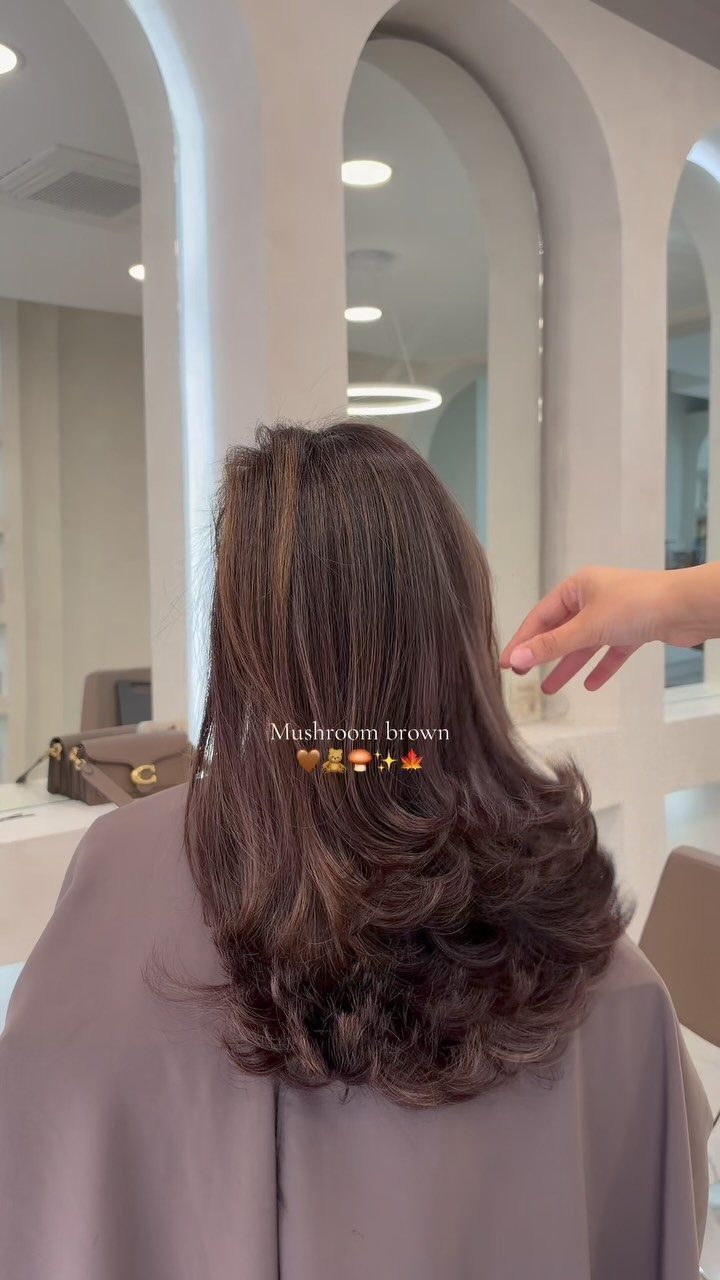
Mushroom brown is a cool, muted brown that leans gray without turning fully ash. The shade sits between level 5 and 6, darker than light brown but softer than chocolate, and the gray tones keep warmth from reading too strong.
This color suits neutral to cool complexions because the smoky finish mirrors pink or neutral undertones. If your skin is warm, mushroom brown can look flat.
The color holds longer than ash blonde because it doesn’t require bleach, but it still needs a cool-toned shampoo to prevent warmth from creeping back in over time.
15. Red Hair
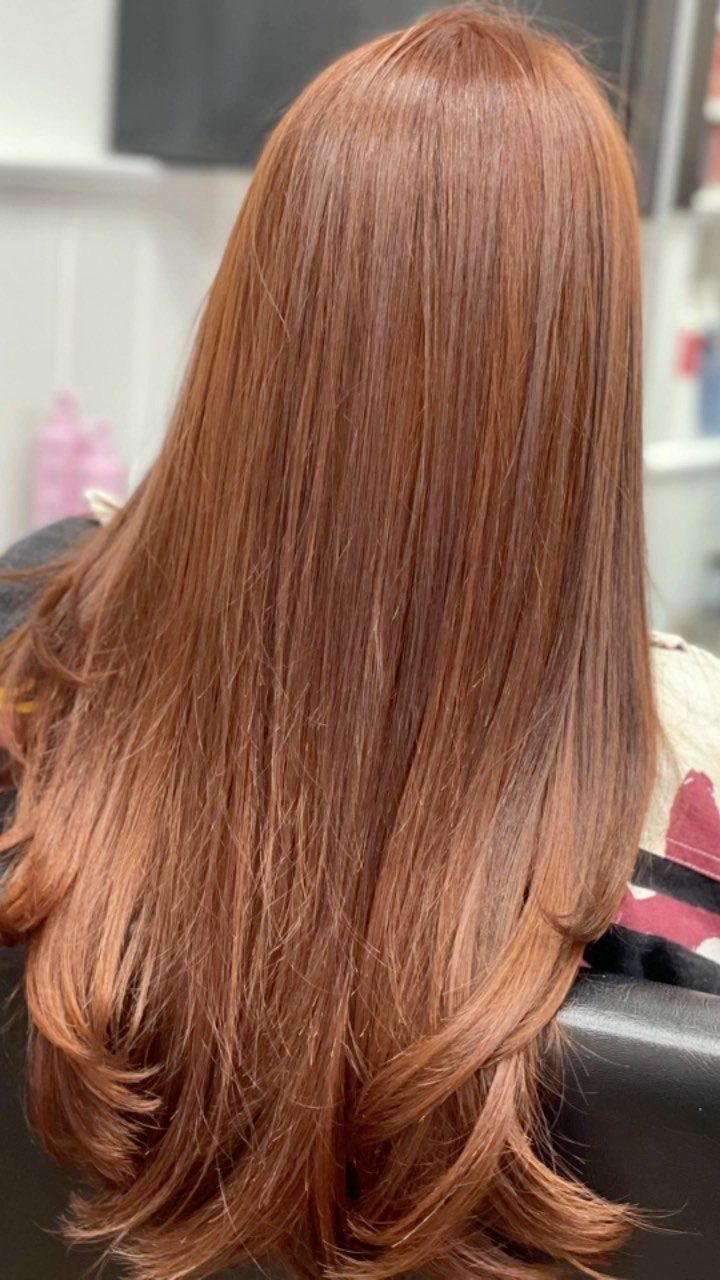
Red hair covers levels 4 through 8, depending on how much brown or blonde sits underneath. Copper, auburn, and crimson each fall somewhere on that range, with copper leaning orange and crimson leaning violet.
Soft strawberry, deep ginger, and copper penny all belong to the red family, and each one suits different complexions.
Warm skin handles copper and bright orange-red well, while cooler complexions do better with crimson or burgundy reds that pull more violet.
Color-depositing conditioner between salon visits keeps the brightness from slipping toward orange.
16. Chocolate Brown
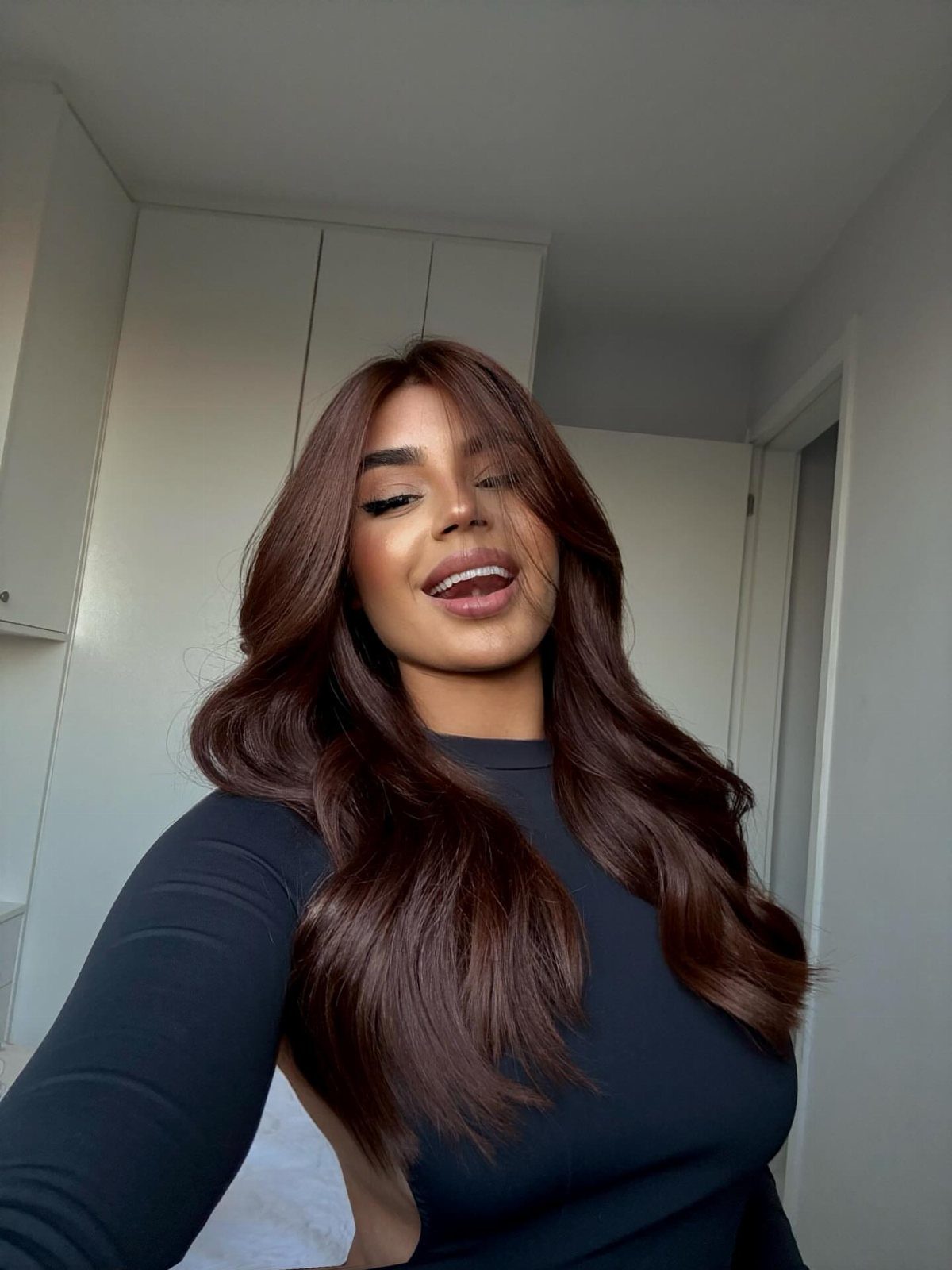
Chocolate brown sits at level 4 or 5, a rich, medium-to-dark brown that can lean warm or cool depending on its reflect. Warm chocolate has red or golden tones, while cool chocolate pulls ash or neutral.
The shade suits most complexions because it adapts based on undertone.
If your skin is warm, choose a chocolate with red or caramel reflect. Cooler skin tones do better with a neutral or slightly ash brown that doesn’t turn brassy.
Chocolate brown covers gray well and fades slower than lighter shades, so salon visits can stretch longer without a visible line.
17. Brunette Shades
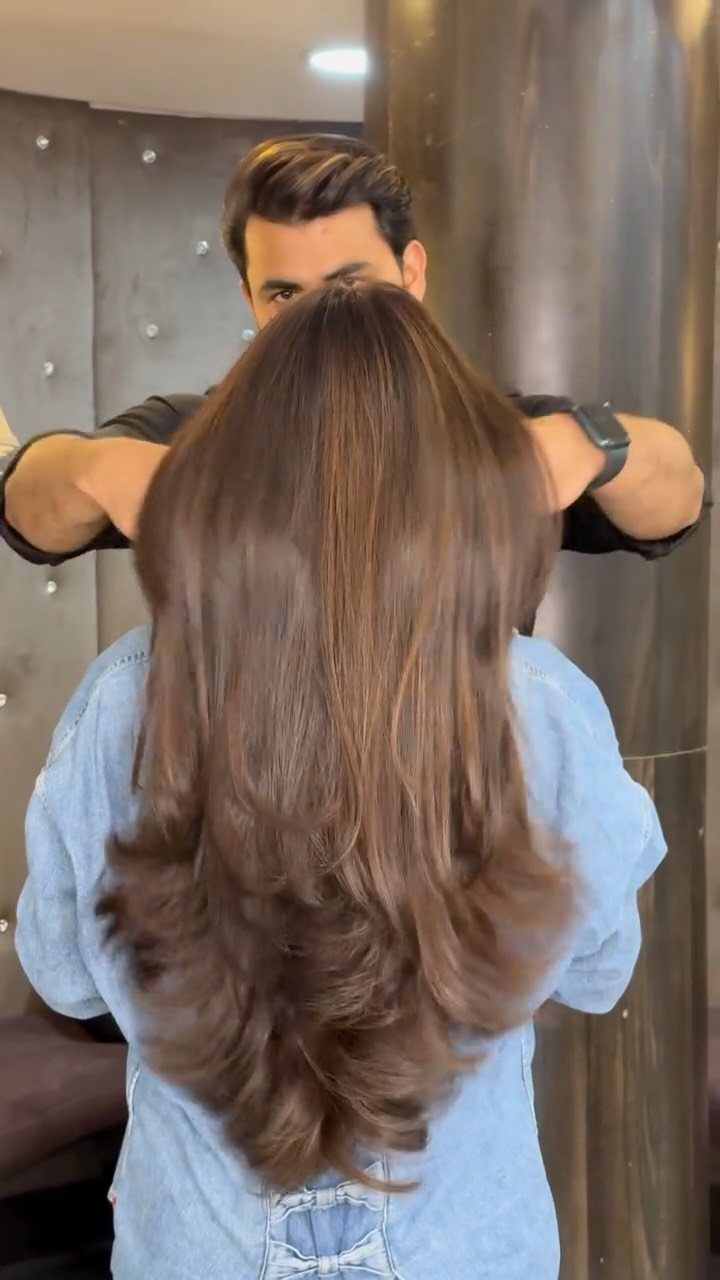
Brunette shades span levels 3 through 6, from light hazel brown to dark chocolate, and the undertone shifts from golden to ash depending on the formula.
The range is wide enough that most people can find a brown that suits their complexion and base color.
Light brunettes lift easier toward caramel or honey, while dark brunettes hold depth better and need less frequent root touch-ups.
If you’re trying to match your natural color after gray coverage, the level number on the box is more reliable than the model photo.
Brown fades slower than blonde or red, but without a color-safe shampoo, the tone can shift warmer over time.
18. Honey Brown
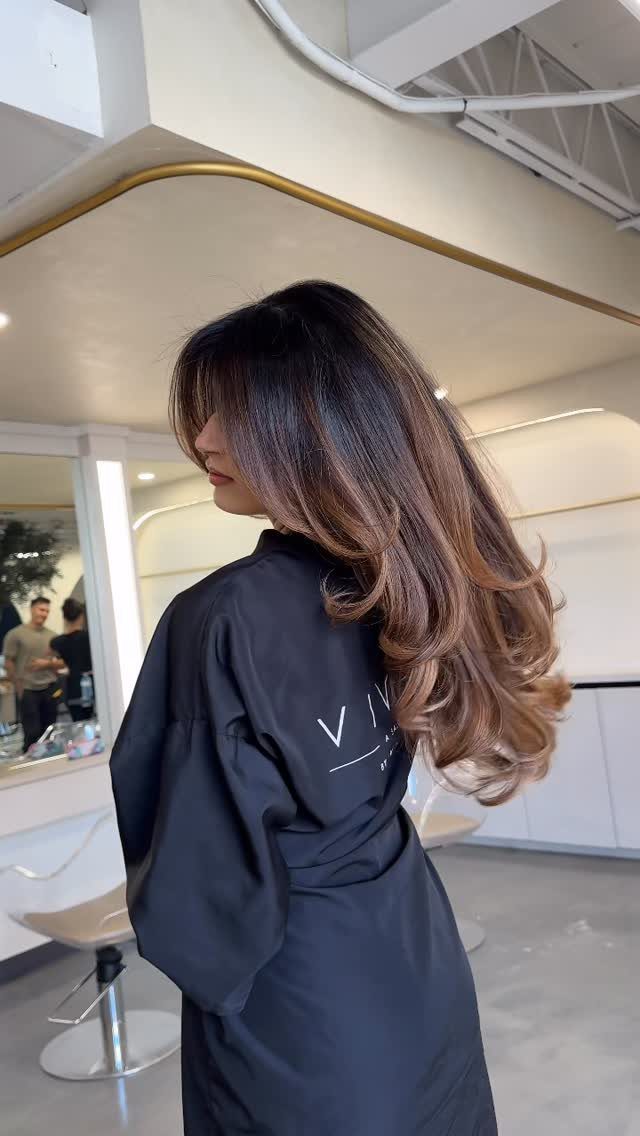
Honey brown is a warm brown with golden or amber reflect, sitting around level 5 or 6. The color reads richer than honey blonde because it holds more brown, but the warmth catches light the same way.
If your skin has golden or peachy undertones, honey brown adds depth without looking too dark. Cool complexions can find honey brown too yellow, so a neutral brown with less golden reflect works better.
The warmth holds longer than ash tones because it doesn’t require purple toning between visits.
19. Burgundy Shades
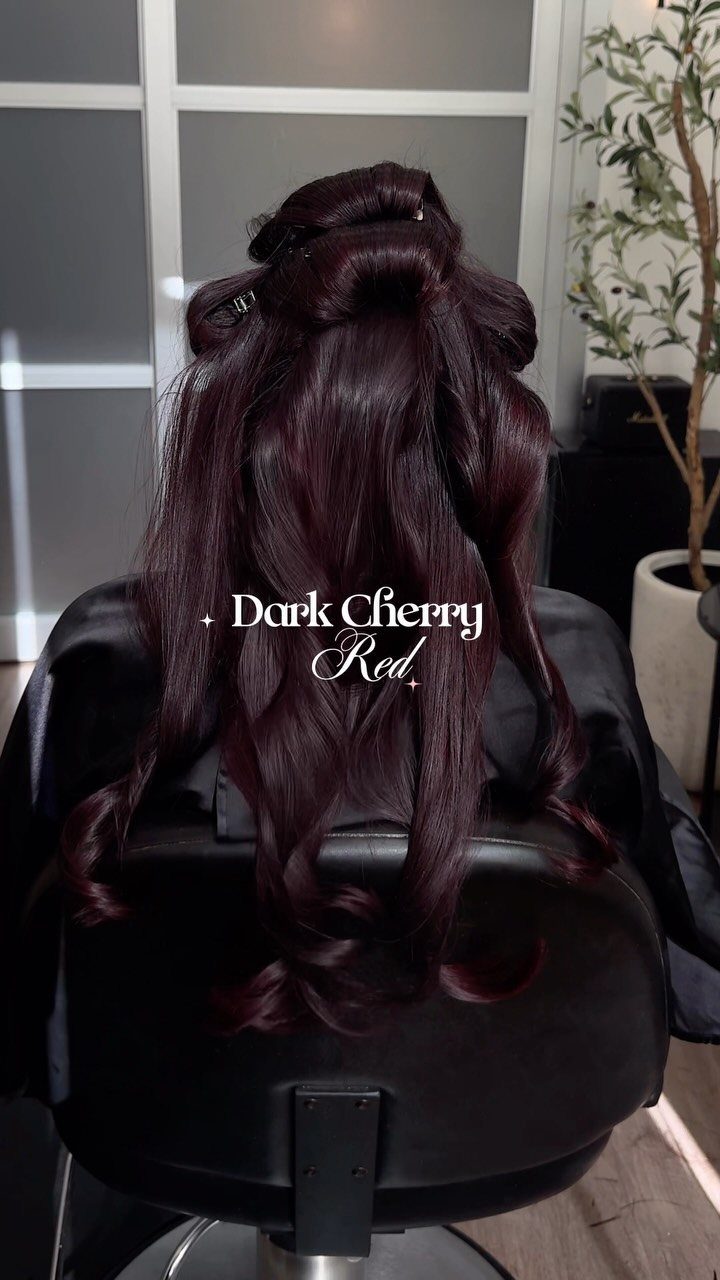
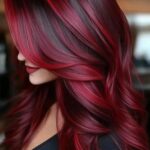
Burgundy is a deep red with violet undertones, sitting darker than copper or bright red and reading cooler in tone.
The color works on medium to dark bases without needing a lift, and the violet keeps the red from turning orange.
Cool complexions suit burgundy better than warm reds because the blue undertone balances pink or neutral skin. If your skin is warm, the violet can look too purple, so a warmer auburn or copper-red works better.
The color fades toward a softer red over time, but it holds longer than bright fashion reds because the depth keeps the pigment from washing out quickly.
20. Caramel Highlights
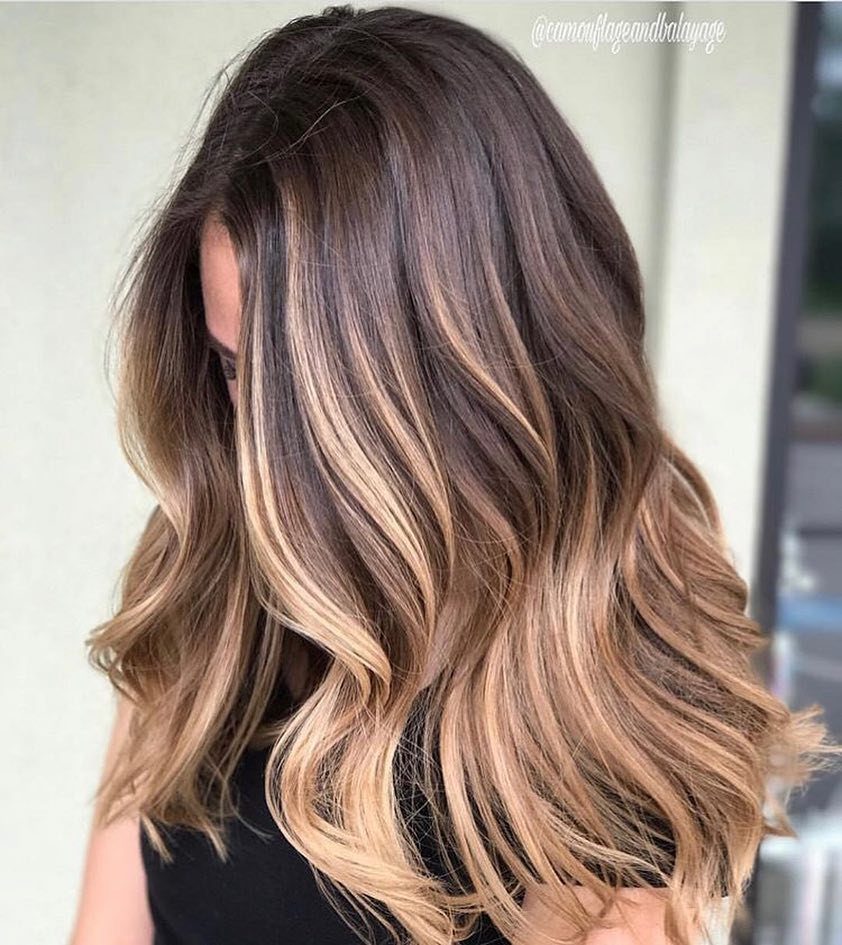
Caramel highlights are warm, golden-toned pieces lifted a few shades lighter than the base, usually applied through balayage or foils. The color adds dimension without contrast as strong as blonde-on-brown, which keeps the result from reading striped.
Dark brown bases need pre-lightening first, or the caramel reads as a muted bronze instead of the warm gold you want. The warmth suits golden or peachy complexions better than cool, because caramel can pull too yellow on pink undertones.
The grow-out is softer than full highlights because the lighter pieces blend into the base rather than sitting as a distinct line.
21. Subtle Ombré
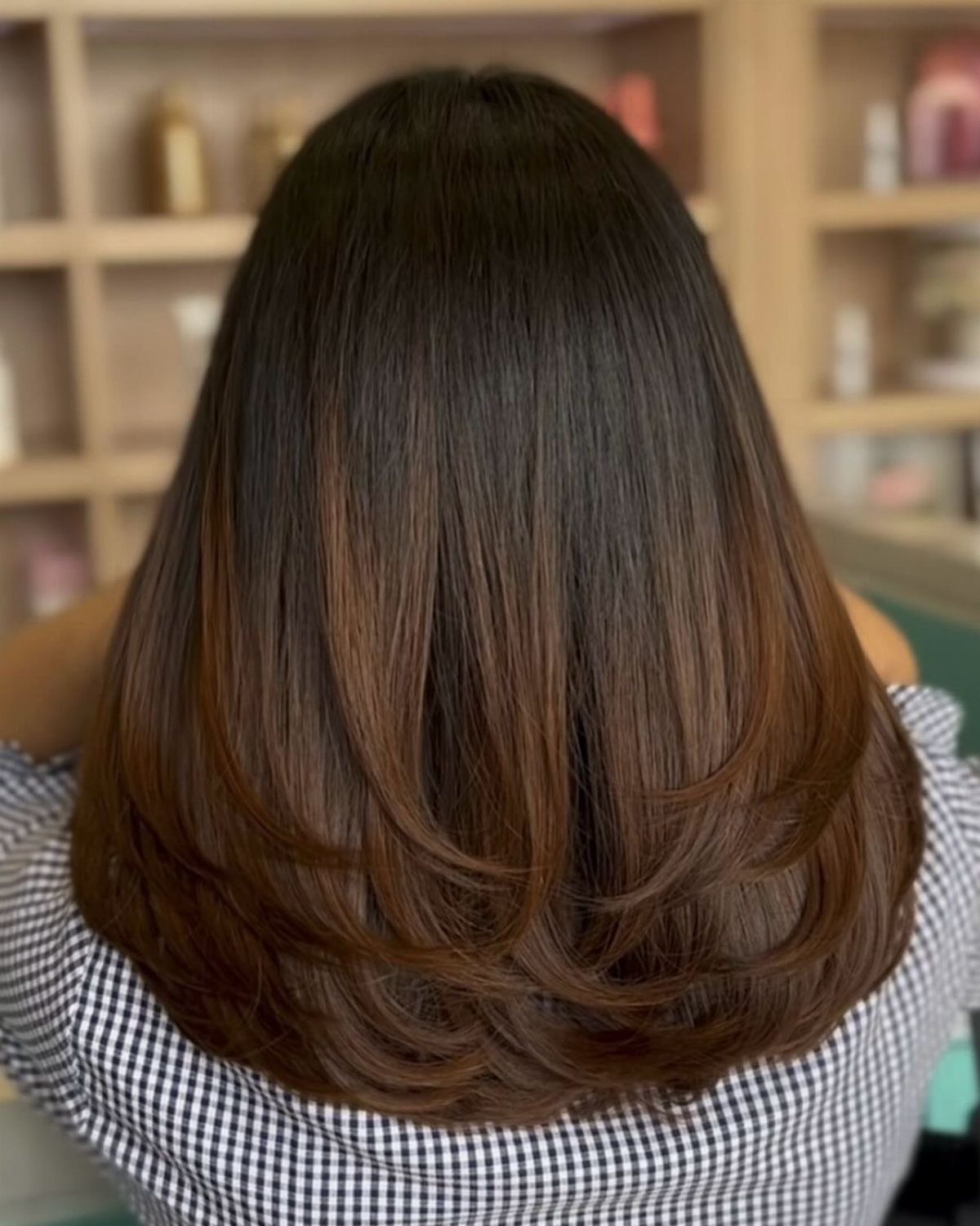
Ombré is a gradual shift from dark roots to lighter ends, with the transition sitting mid-length rather than blending all the way to the root.
Subtle versions keep the shift within two or three levels, so the color reads dimensional rather than high-contrast.
The technique grows out cleaner than traditional highlights because the darker root is part of the design. If you’re lifting the ends yourself, start the lightener below the mid-length and feather it upward to avoid a hard line.
The upkeep is lower than full color because the roots stay natural, so salon visits can stretch further apart.
22. Beige Tones
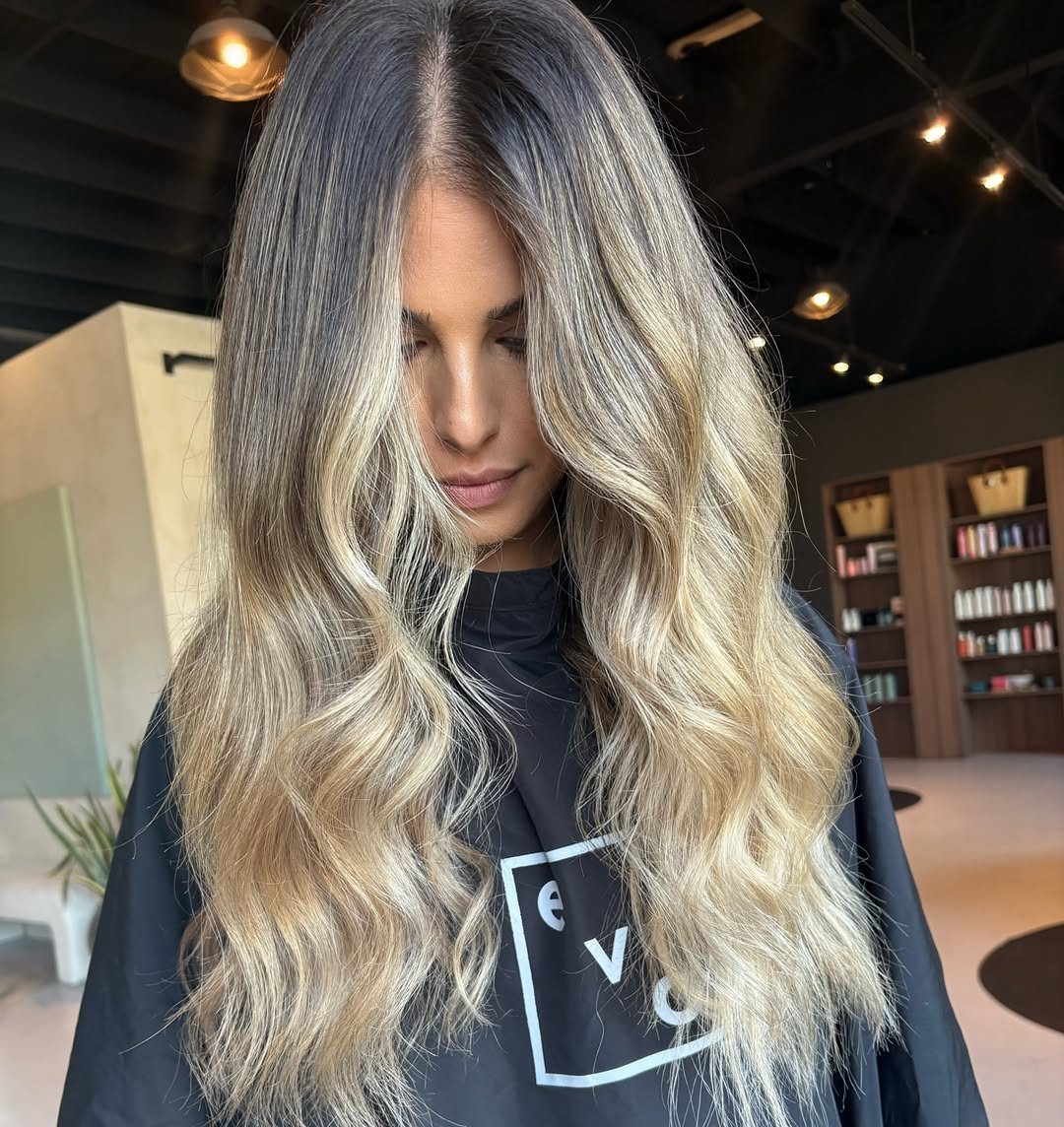
Beige blonde is a neutral shade that sits between ash and golden, removing most warmth without turning fully cool. The color reads soft and doesn’t pull brassy or icy, which makes it easier to maintain than platinum or heavy ash.
If your complexion is neutral or cool, beige blonde balances the skin without adding yellow. Warm skin tones can find beige too flat, so a slightly warmer honey or golden blonde works better.
23. Mahogany Tones
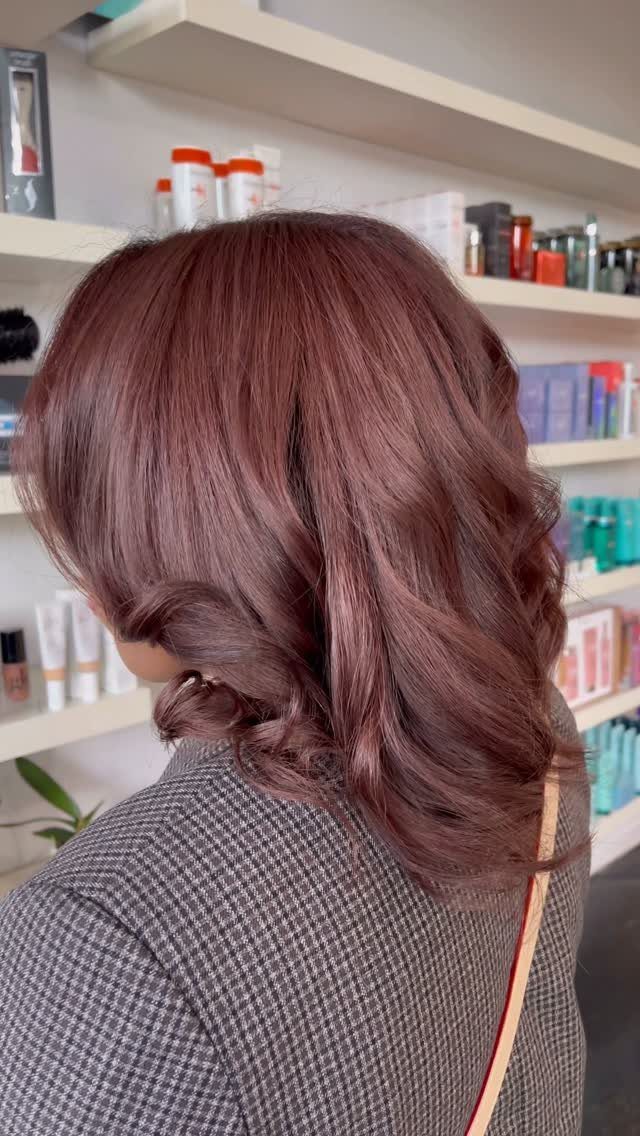
The color reads rich without the bright orange reflect of copper-reds, which keeps the shade from looking too warm.
The color fades slower than bright reds because the brown depth holds the pigment longer, so touch-ups can stretch further between visits.
24. Blue-black Hair
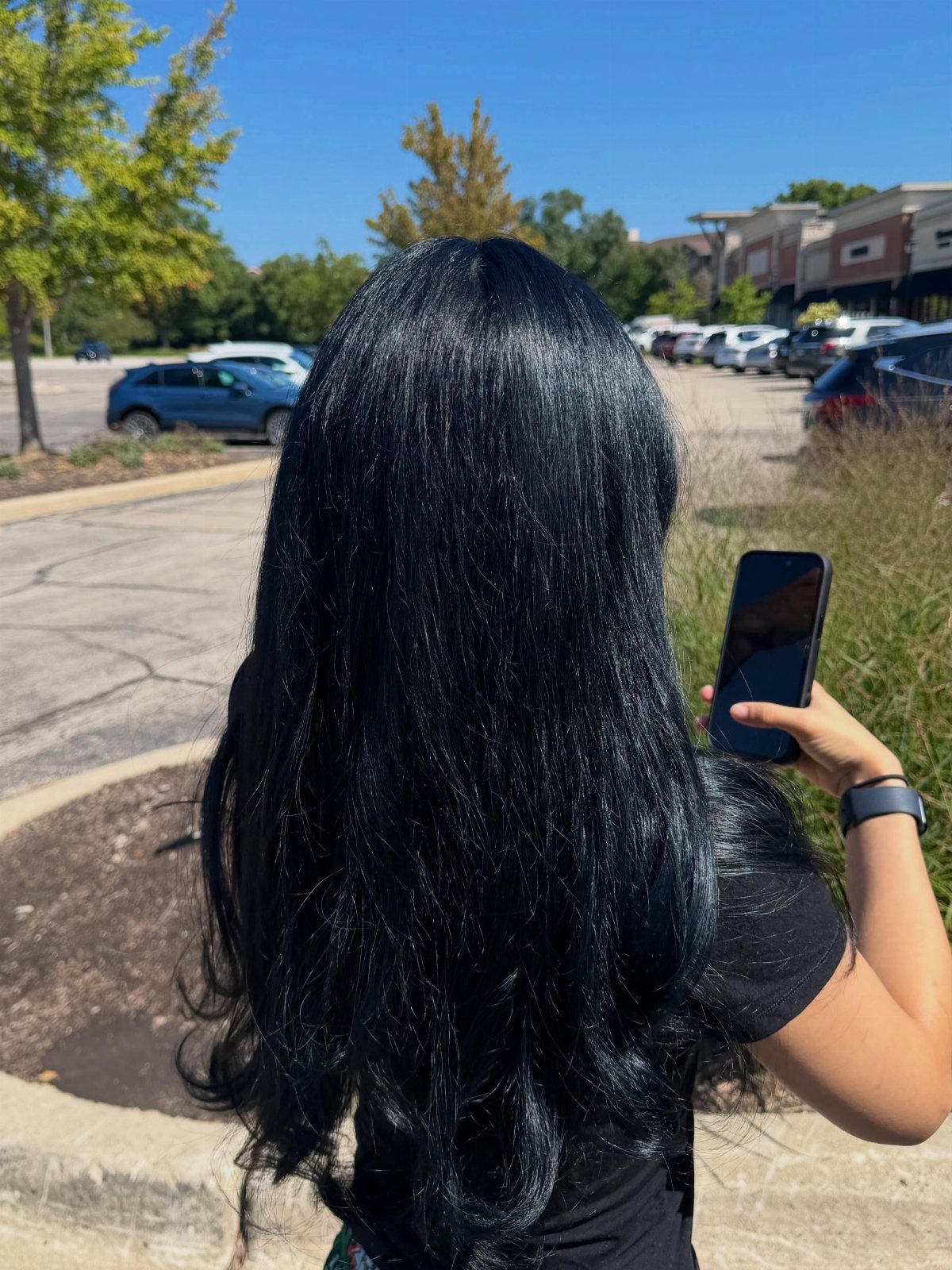
Blue-black is a level 1 shade with a cool blue undertone that shows in direct light. The color reads darker and cooler than jet black, which makes it suit cool or neutral complexions better than warm.
The blue tone fades faster than the black, so the color can shift toward warm black in sun without a blue-toning shampoo to hold the cool reflect.
The high contrast makes every stray hair visible, so keep the cut sharp or the finish looks messy instead of glossy.
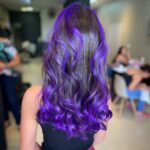
25. Violet Hair
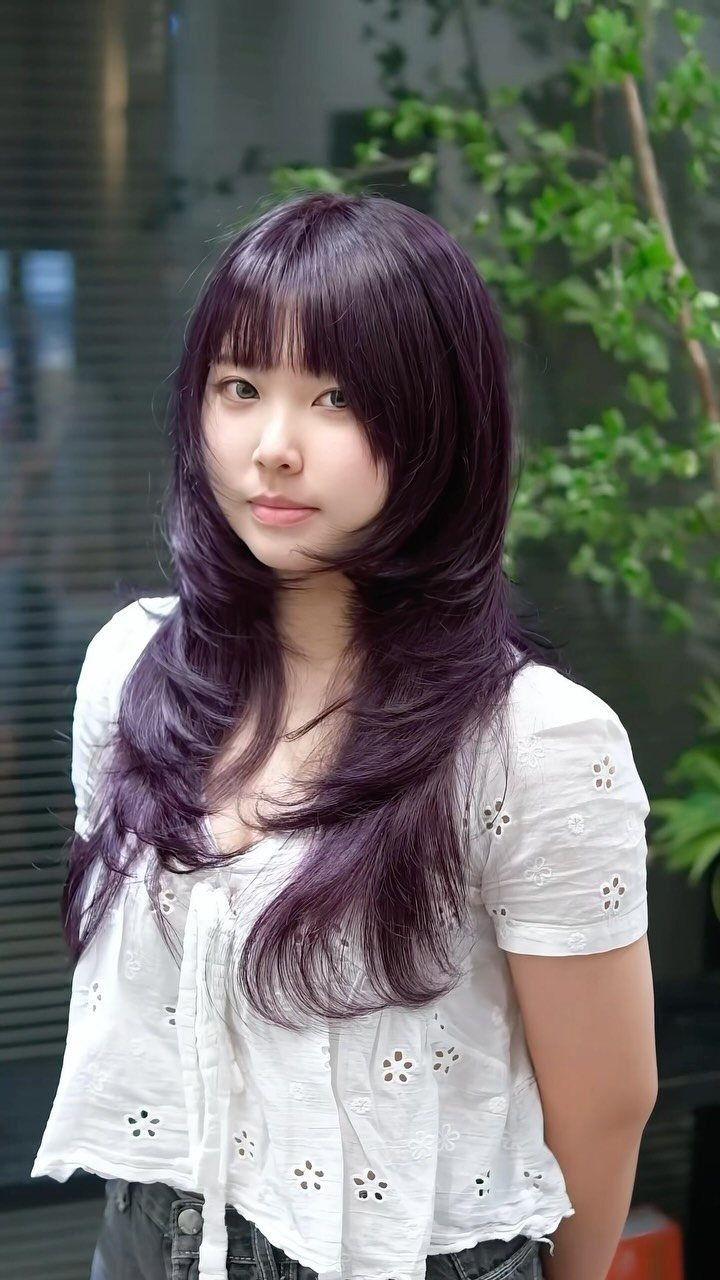
Violet sits between purple and lavender, leaning cooler than most fashion colors and reading softer than bright magenta or fuchsia. The shade works on pre-lightened hair, and the lighter the base, the more the violet shows without turning muddy.
Violet leans cool, which means it sits better against pink or neutral skin than against warm, golden undertones. On warm skin, the color can clash.
Because violet washes out fast, a tinted conditioner between salon appointments stops the shade from turning into something you didn’t ask for. Without a depositing conditioner, the color won’t last between salon trips.
Color Upkeep and Fading
Roots start to show within weeks of a single-process color, and the gap shortens when your natural hair and the dyed shade sit far apart on the scale.
Balayage lets you go longer between visits because the grow-out is built into the look.
Going blonde from a dark base means more frequent visits and a conditioning routine that keeps up with the work.
Sulfate-free formulas hold the tone longer than the regular kind.
Cool water seals the cuticle better than hot, which helps the color stay put. A heat protectant before you blow-dry or flat-iron keeps the color from fading under high temperatures.
Reds and coppers fade fastest in sun, so a UV spray or hat keeps them looking fresh through summer. Lifted hair holds color better when you condition deeply on a schedule, because damaged cuticles let dye slip out faster.
How to Read Levels and Tones
At the bottom, 1 reads as black; 5 falls in the middle browns; 7 starts the dark blondes; and 10 lands at the palest blonde. Any color conversation begins with figuring out where your hair sits on that scale right now.
Tone is the color’s temperature and lean: cool, warm, or neutral. A 6N and a 6A sit at the same level but read totally different against your complexion.
Staying within a couple of levels from your starting point makes the regrowth less obvious and keeps your routine simpler.
Jumping more than that means you need bleach, not just color, and that brings longer appointments, higher cost, and a plan to keep the hair in good shape.
Lightening Dark Hair
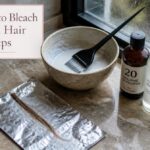
The formula lifted your hair but had nothing in it to cancel the warm tones that showed up.
Blue cancels orange, violet cancels yellow, and green cancels red.
This shows up most in South Asian, East Asian, Middle Eastern, and Mediterranean hair, which tends to hold dense warm pigment and resist lifting.
Getting a cool finish on this hair type usually means lightening in stages over multiple sessions instead of trying to do it all at once.
Frequently Asked Questions
What is the color scale for hair?
The scale runs 1 through 10, with 1 reading as black, 5 landing at medium brown, 7 starting the dark blondes, and 10 reaching the palest blonde. Tone describes the color’s temperature: A is ash, N natural, G gold, C copper, R red, V violet.
What are the different types of hair coloring for women?
Balayage hand-paints color where sun would naturally hit, babylights use fine highlights spaced close together.
Ombré goes from dark at the root to light at the ends with the shift happening mid-length, full highlights or single-process color cover everything. Each method differs in how it grows out and how often it needs touch-ups.
What’s the difference between ash and beige hair color?
Ash adds blue or violet tones to cancel warmth entirely, removing yellow and orange for a cool, smoky result.
Beige balances ash and golden tones to land on a soft, neutral finish that reads sandy rather than icy or warm. Beige fades more gracefully because it doesn’t lean as far cool as ash does.
Can I wear ash hair color if I have warm undertones?
Yes, if the cool tones are placed dimensionally rather than applied all over. A colorist can add ash through the mid-lengths or ends while leaving warmth at the root, so the overall effect reads cooler without flattening a warm complexion.
Which hair color tone lasts the longest?
Warm and neutral tones hold best because their pigment molecules sit more securely in the cuticle. Golden and beige fade gracefully, while ash fades fastest and copper washes out quickly because red molecules slip out faster than any other color.
What hair color should a Soft Summer get?
Soft ash blonde, beige, mushroom brown, or cool light brunette work best because they match the low-contrast, cool-muted palette.
Color should blend and melt rather than sitting in high-contrast stripes, and anything too dark or too stark platinum reads too strong.
What tone is best for olive skin?
Rich warm-neutral shades like mocha, chestnut, caramel, deep copper or mahogany bring out the golden side of olive skin instead of the green.
Heavy ash or matte green-based tones sit too close to the natural undertone and can make the complexion look sallow.