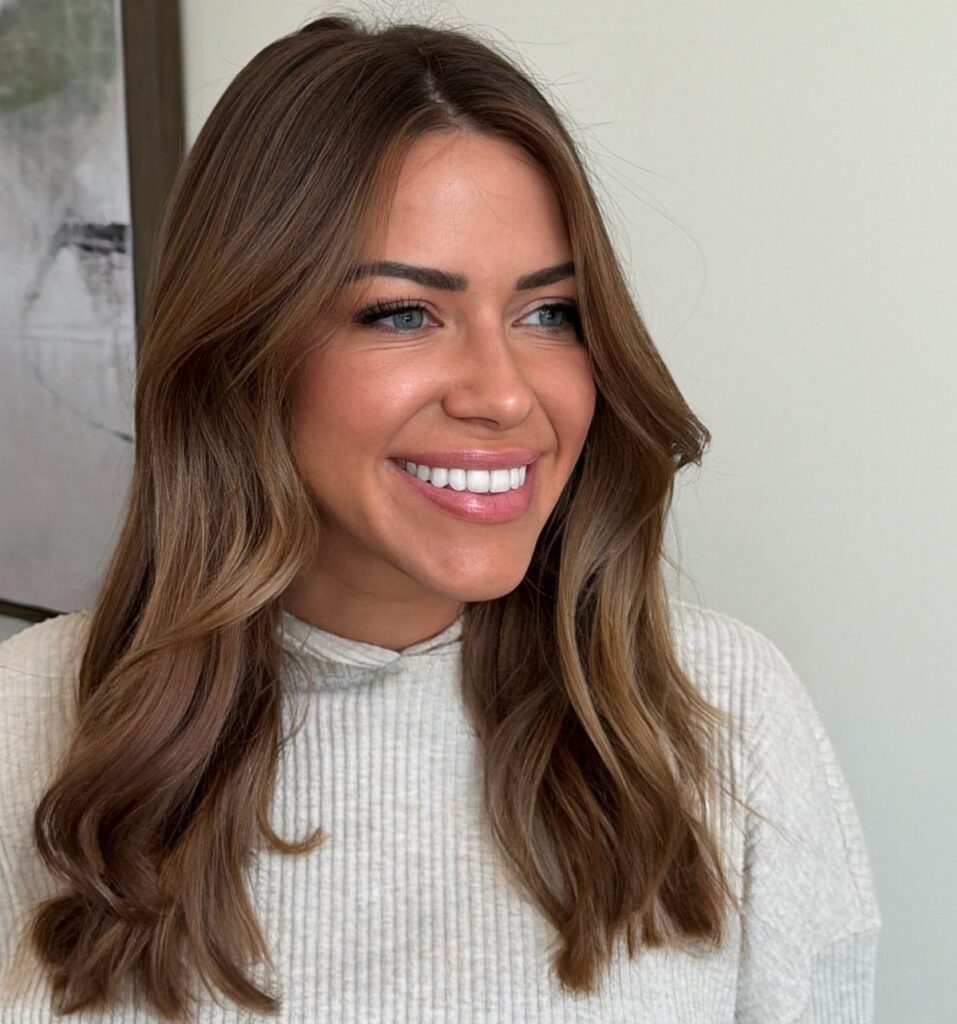
The range runs from soft regrowth-hiding choices like butter blonde and sunkissed balayage to high-maintenance colors that need toning every few weeks, like white blonde, silver highlights and dusty rose.
Partial highlights concentrate color around your face or through the top layers only, while full highlights work through every section of your hair and cost more.
1. Butter Blonde
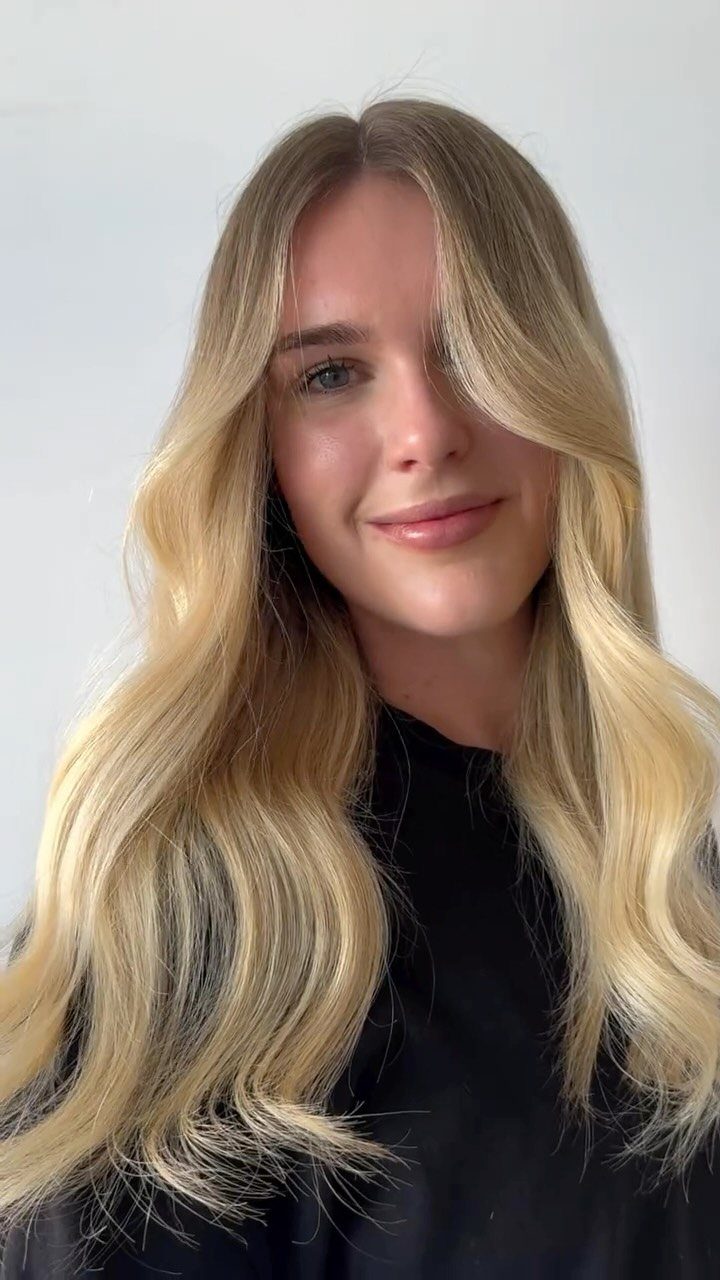
Butter blonde lives right between platinum and golden blonde, keeping the lightness without the starkness. The warmth reads as creamy rather than yellow, which softens the contrast against your skin and makes regrowth less obvious.
If your natural base is dark, this needs pre-lightening and toning to keep the warmth controlled.
On naturally lighter hair, a high-lift dye can get you there in one session. Purple shampoo keeps it from turning brassy, but you’ll want it less often than with cooler blondes since the warmth is part of the look.
2. Warm Caramel Hair
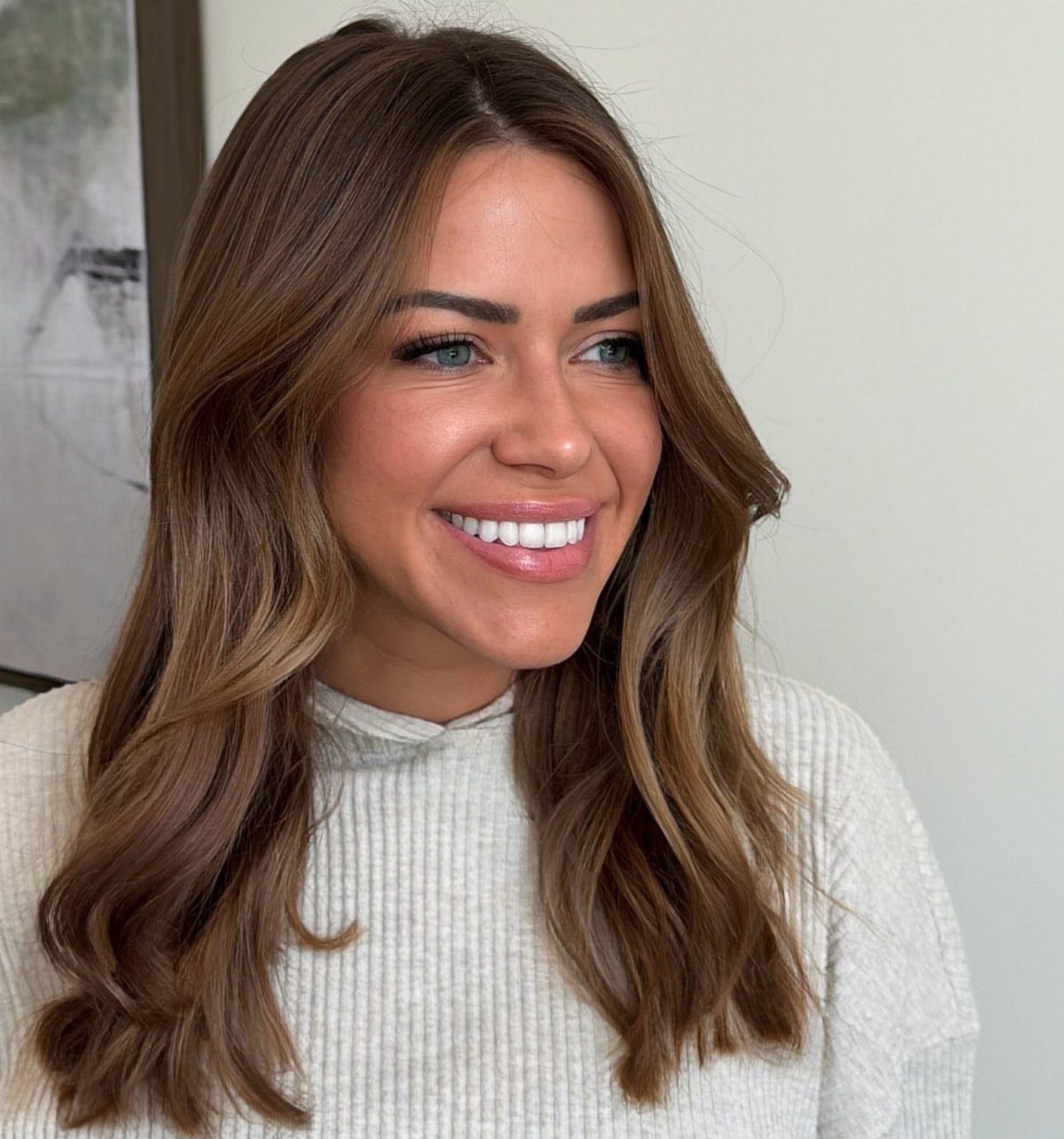
Caramel shades layer golden and brown tones together, giving depth without going too dark. The warmth catches light on wavy or textured hair especially well, where the color shifts slightly between the high and low points.
This works on hair that’s already light to medium brown.
Highlights or balayage a shade or two lighter than your starting color give you that layered warmth, and because there’s no cool ash in the mix it blends into regrowth instead of sitting in a hard line.
If your skin has cool undertones, caramel can read too orange. Test with a semi-permanent version first if you’re unsure.
3. White Blonde
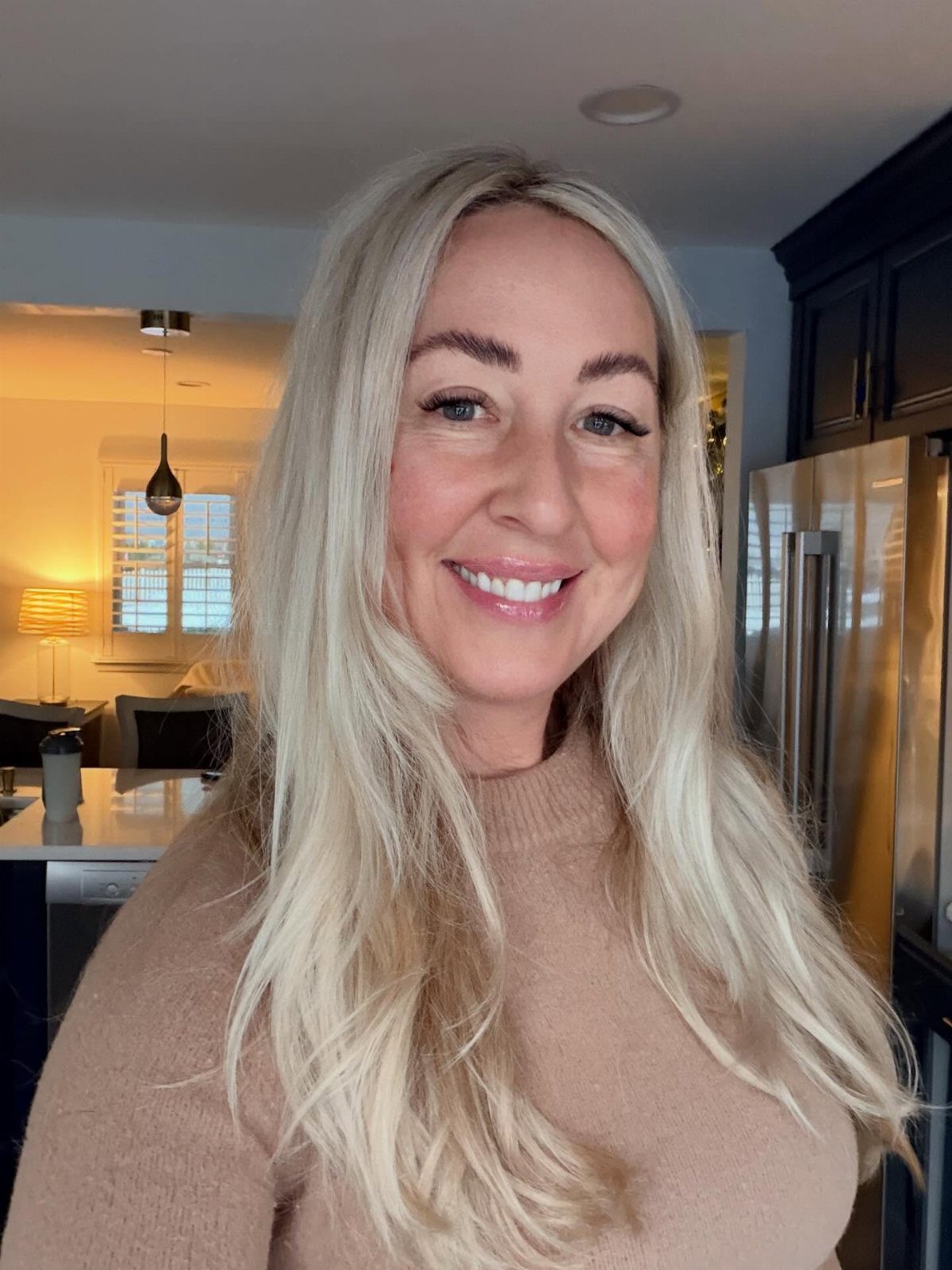
White blonde sits at the palest end of the spectrum, lightened to nearly no pigment but still looking like hair rather than a bleach accident.
The difference between this and platinum is the absence of gray or silver tones; white blonde stays neutral to slightly warm.
Getting here takes serious pre-lightening, usually multiple sessions if you’re starting darker than light blonde.
Toner keeps it from pulling yellow, and you’ll need it every few weeks. The upkeep is real: purple shampoo, bond-building treatments, and trims to manage the dryness that comes with this much lift.
4. Cool Ash Blonde Hair
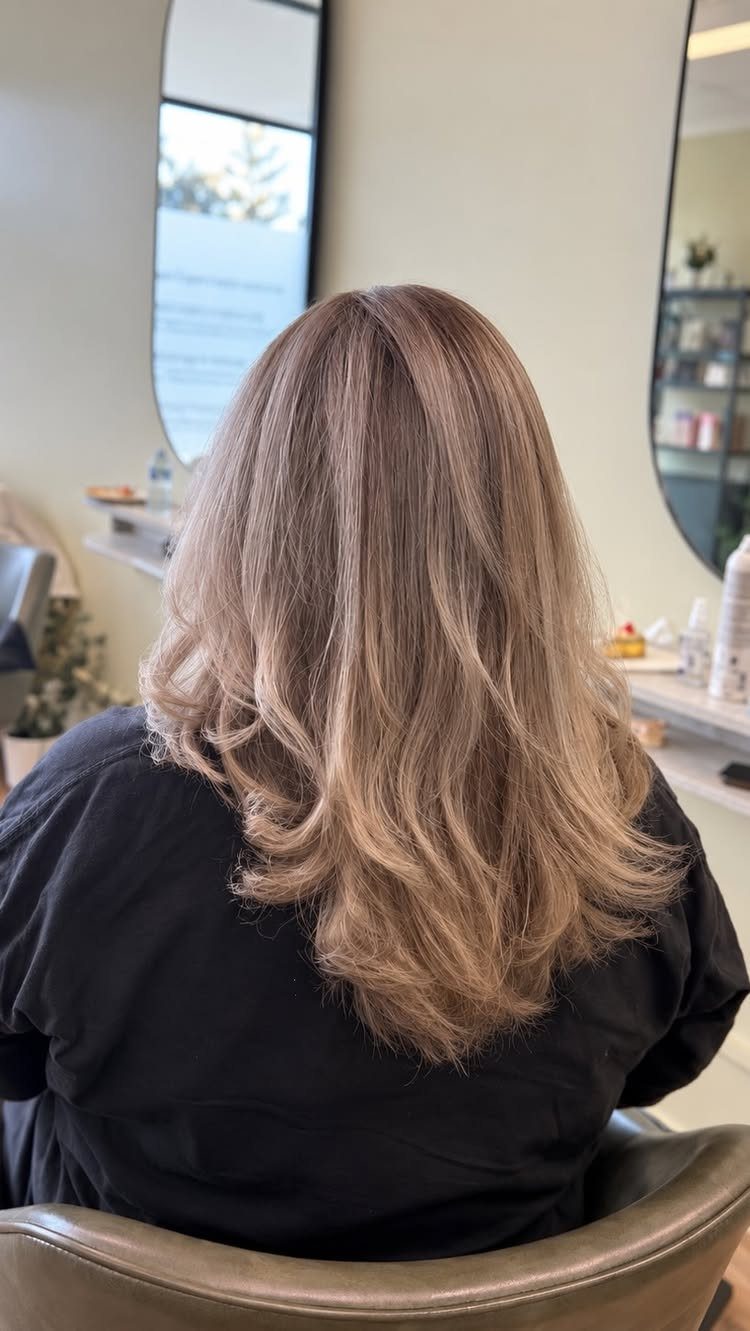
Ash blonde pulls out warmth entirely, leaving a cool, almost grayish tone that reads clean and modern.
The coolness makes it one of the harder shades to maintain since warmth creeps back in naturally, especially on hair that was darker to start.
Cooler skin tones suit this better than warm ones. On warm or olive skin, ash can look flat or washed out.
The trade-off for the sleekness is frequent toning; every few washes, brassiness starts to show, and you’ll need purple or blue shampoo to keep it where you want it.
If you’re starting with naturally dark hair, this takes multiple rounds of lightening before the toner will take.
5. Copper Hair
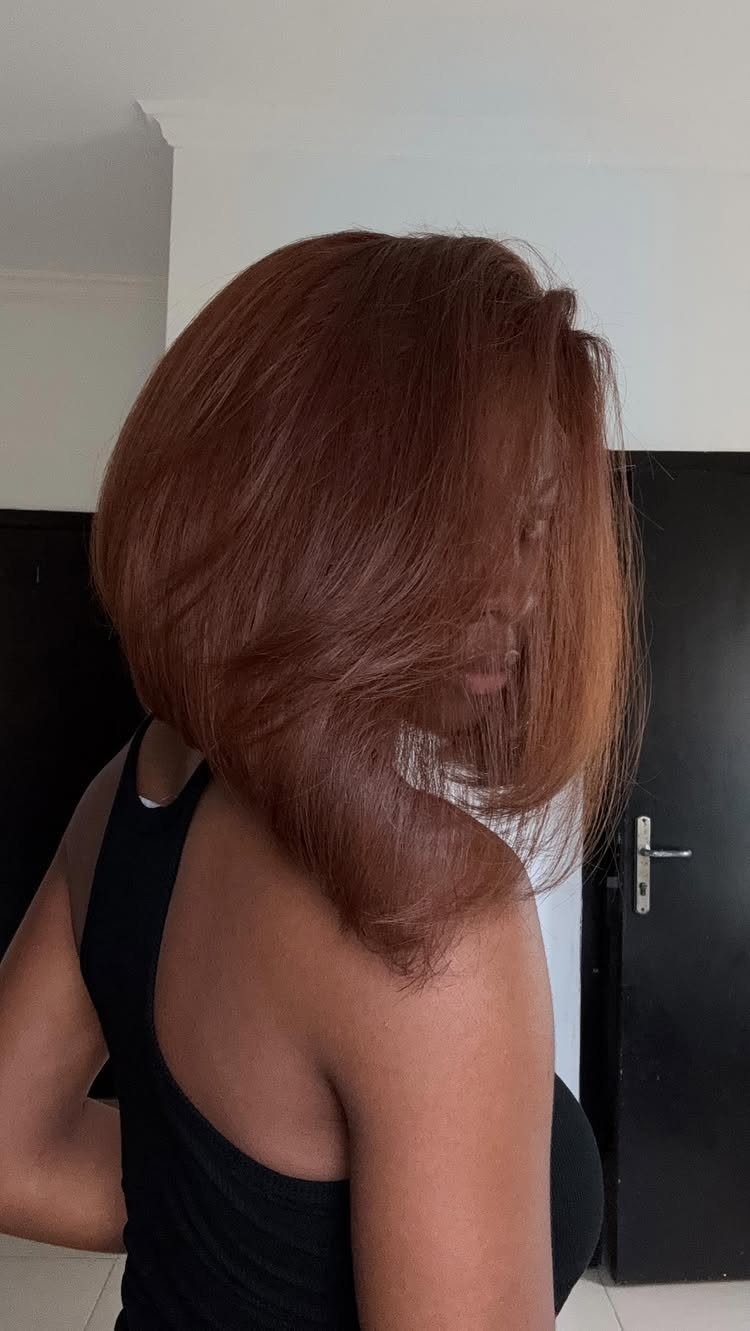
Copper sits in the red family but leans orange rather than burgundy, giving you warmth without the coolness that comes with auburn or mahogany.
The brightness makes it one of the more visible hair colors, and it fades faster than most because red pigment molecules are smaller and wash out more easily.
On darker bases, you’ll need pre-lightening to see the orange tones come through. Warmer skin suits copper well; on cool skin, it can clash.
Use sulfate-free shampoo to stretch the color longer between touch-ups.
6. Dusty Rose Hair

Dusty rose mutes bright pink with gray or mauve, keeping it soft and wearable rather than neon. The dustiness makes it easier to pull off than vivid pastels, and it reads more like a hair color than a costume.
Pre-lightening to pale blonde is required; the lighter your base, the truer the rose will look.
On hair that’s not light enough, it turns peachy or disappears entirely. Semi-permanent dye fades gradually instead of growing out in a visible line.
If your skin reads warm this can pull orange; it sits better on cool or neutral tones.
7. Balayage
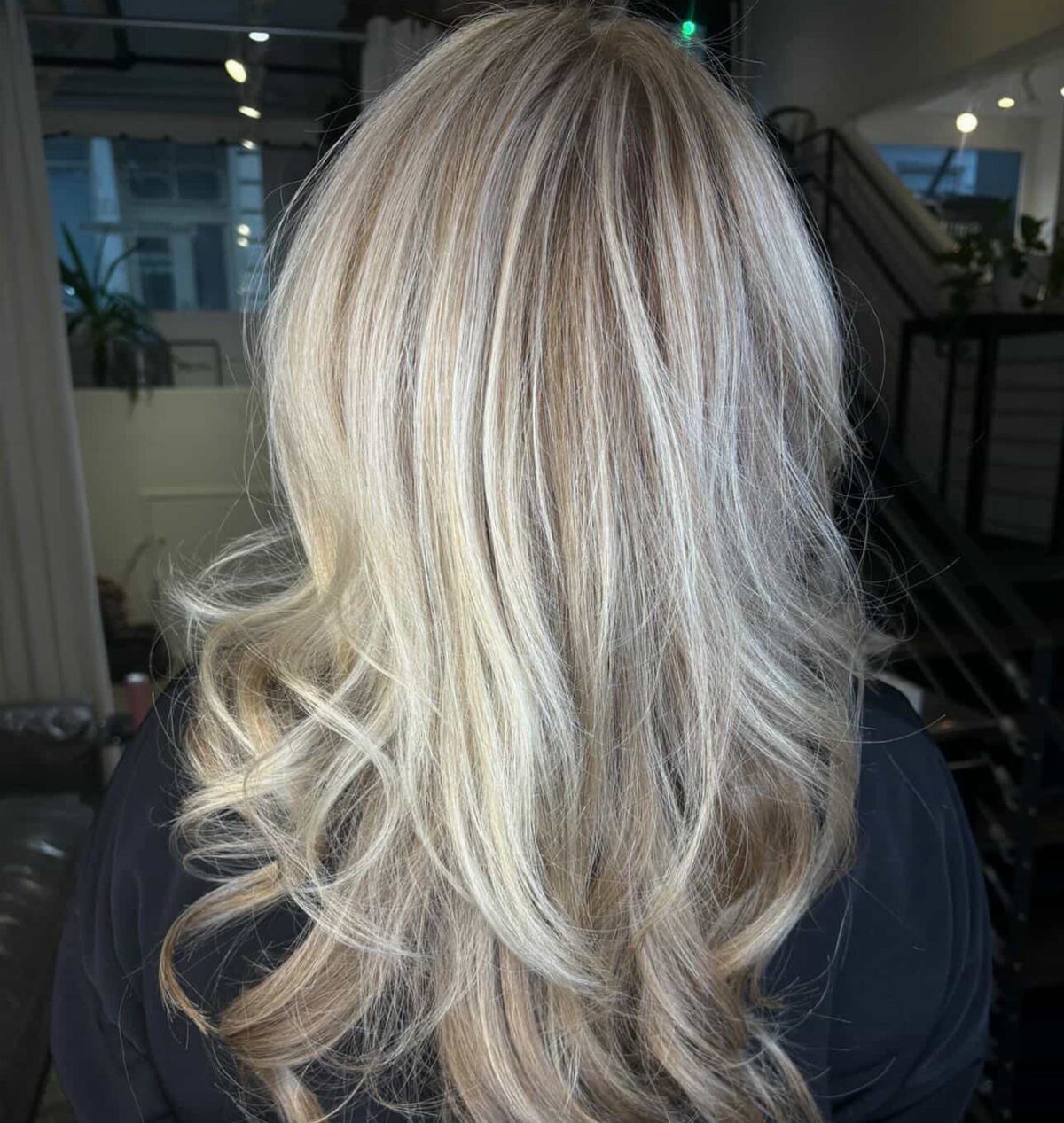
Balayage paints color onto sections of hair freehand, placing lighter pieces where the sun would naturally hit.
The grow-out stays soft because there’s no line where the color starts; it blends into your roots instead of sitting at one height the way foil highlights do.
The look works on any base color.
Darker hair gets the most contrast, lighter hair gets subtlety. Upkeep is minimal: you can wait months between salon visits instead of booking every few weeks.
8. Dark Chocolate Brown
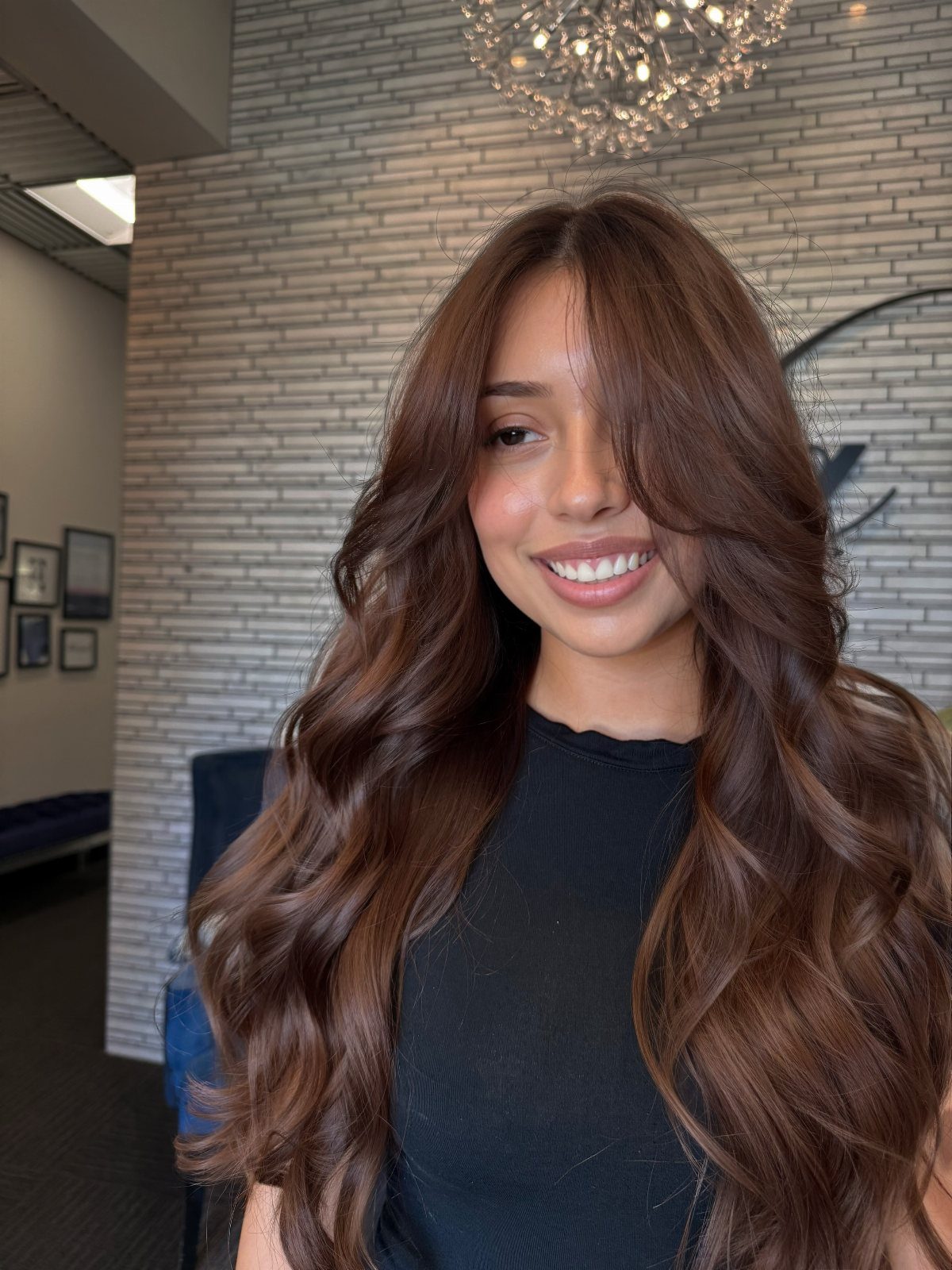
Dark chocolate brown sits just shy of black, deep enough to read rich but still visibly brown in natural light.
The color adds shine to hair that looks flat, and because it’s close to many natural shades, regrowth blends in instead of announcing itself.
This is one of the easier colors to do at home if you’re starting from medium brown or darker.
On lighter hair, you’ll need a permanent dye to get enough deposit. Fading is slow and graceful.
9. Hair Highlights
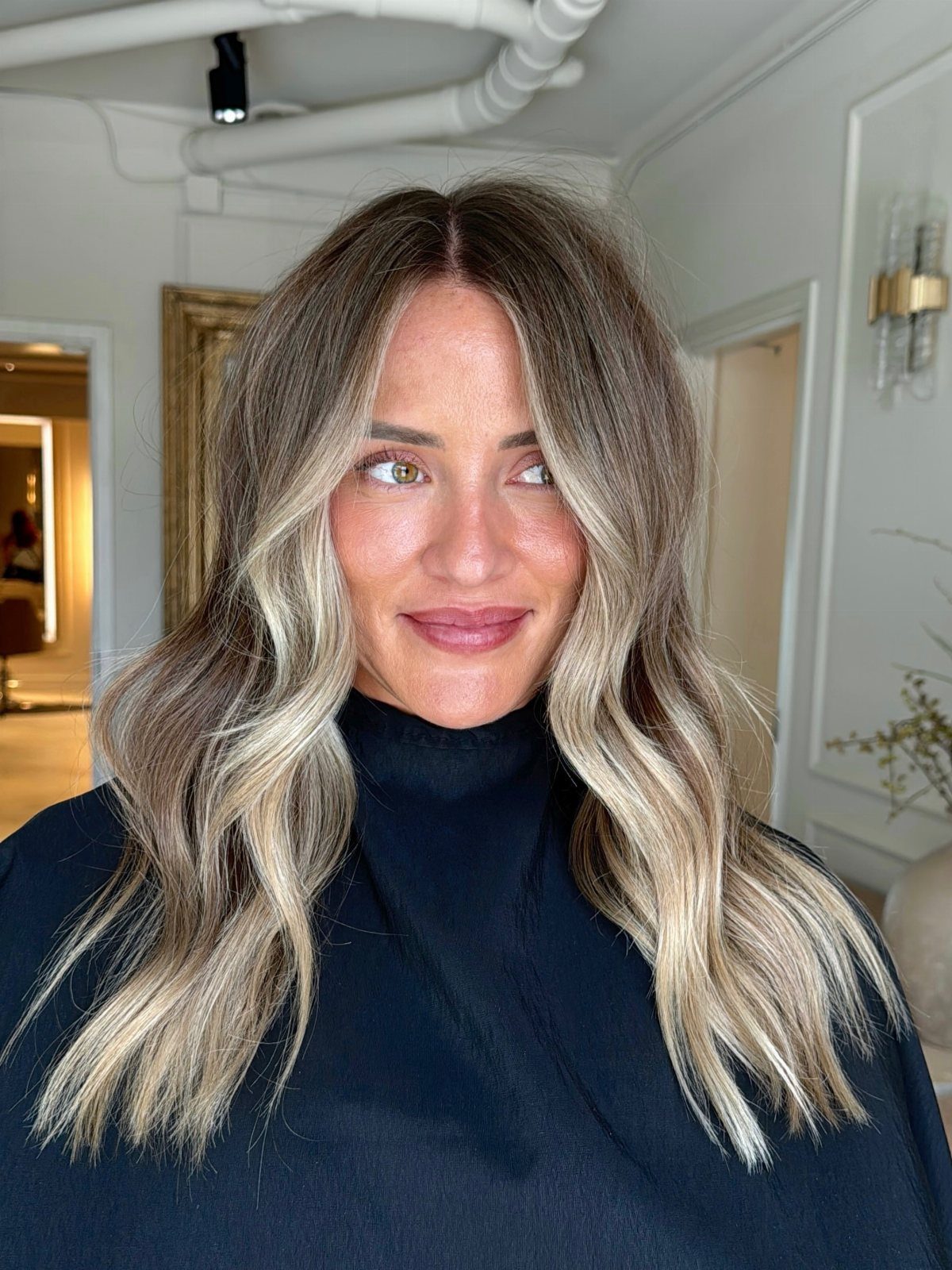
Highlights lift sections of hair lighter than your base, giving dimension without changing your overall color. Placement varies: face-framing pieces brighten your features, scattered pieces throughout add movement, and the contrast you choose decides how visible they are.
Foil keeps the lightener from bleeding onto the rest of your hair, which gives you clean, controlled lift. Maintenance depends on how much lighter you go; subtle highlights can stretch longer between sessions.
10. Sunkissed Balayage
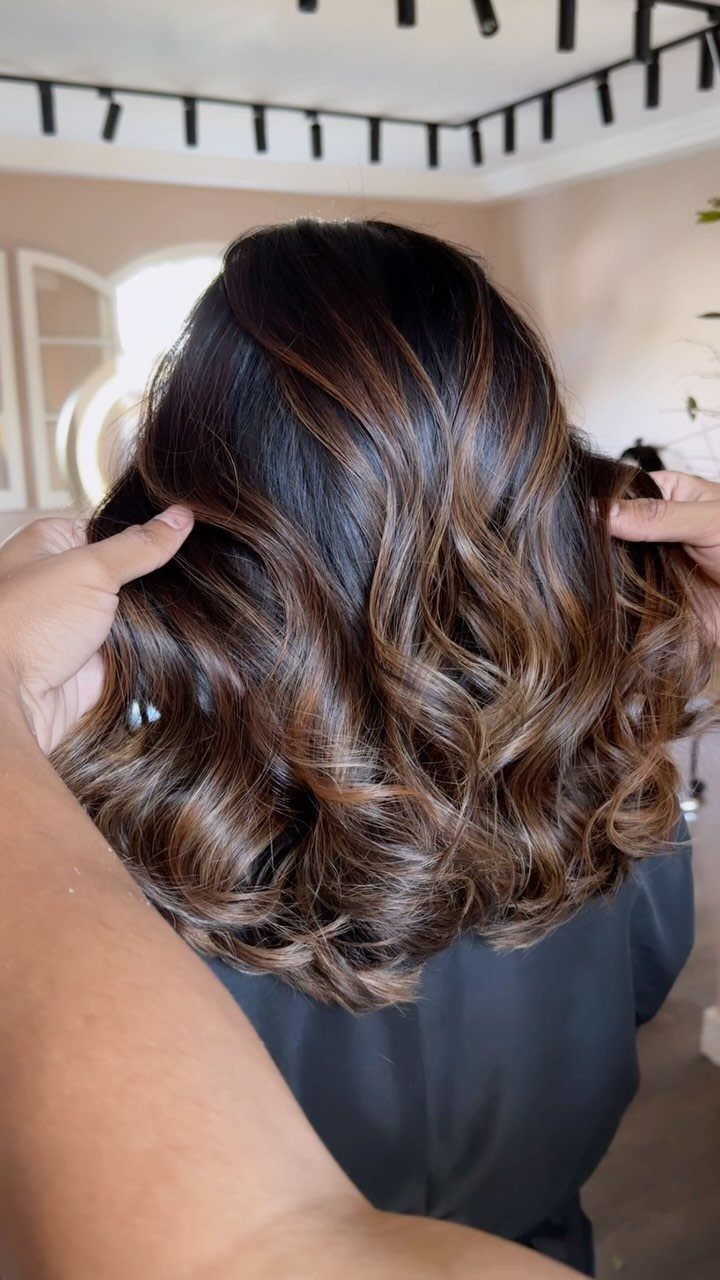
Sunkissed balayage keeps the lightness concentrated at the ends and through the mid-lengths, leaving the roots darker. The effect mimics hair that’s been lightened gradually over a summer rather than all at once in a salon chair.
The subtle blend means fewer trips back to fix regrowth.
You can go months without a touch-up because the color already looks like it’s grown in. It suits anyone who wants lightness without the commitment of all-over blonde.
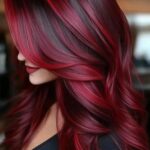
11. Red Highlights
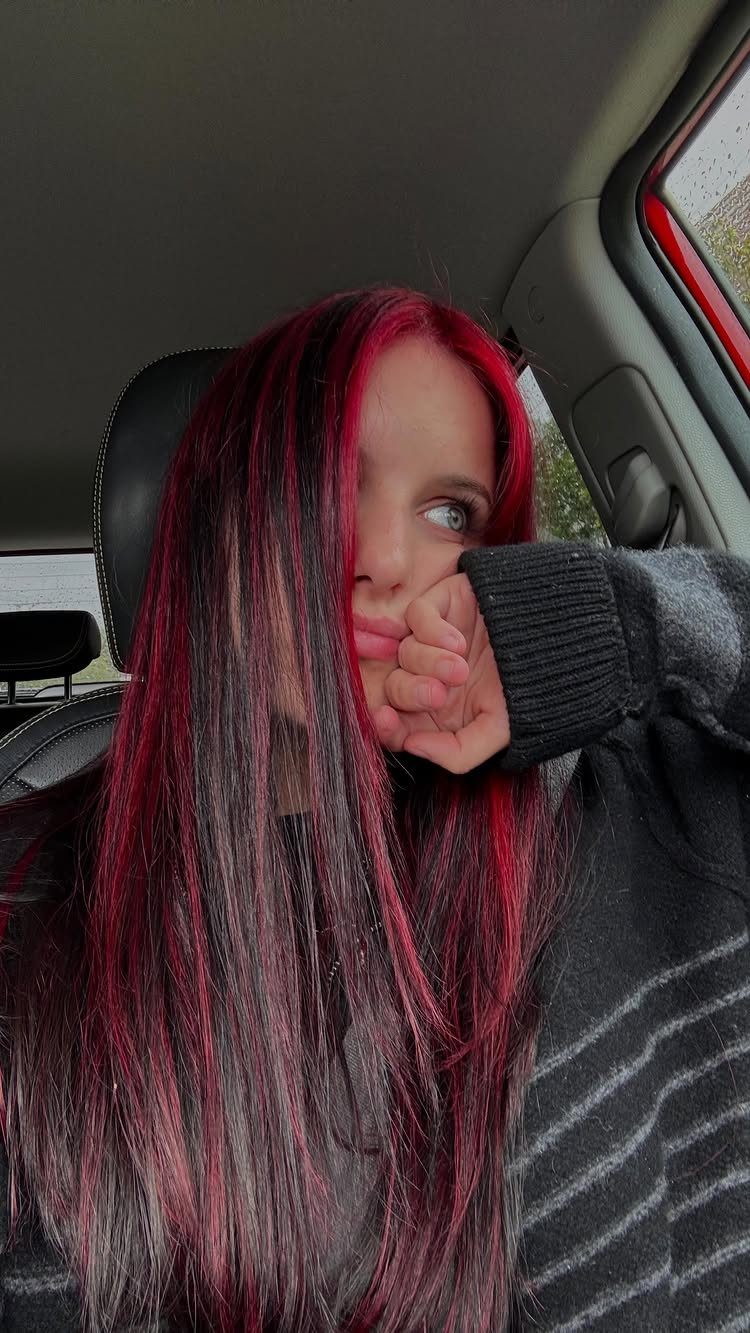
Red highlights thread color through darker hair without the upkeep of an all-over red dye job.
The red sits on top of your natural color rather than replacing it, so fading is less noticeable and regrowth doesn’t create a harsh line.
On dark brown or black hair, the red reads as a burgundy or cherry tone.
Warmer skin picks up the red more flatteringly than cool skin does. Semi-permanent dye works if you want to try the color before committing.
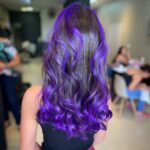
12. Purple Highlights
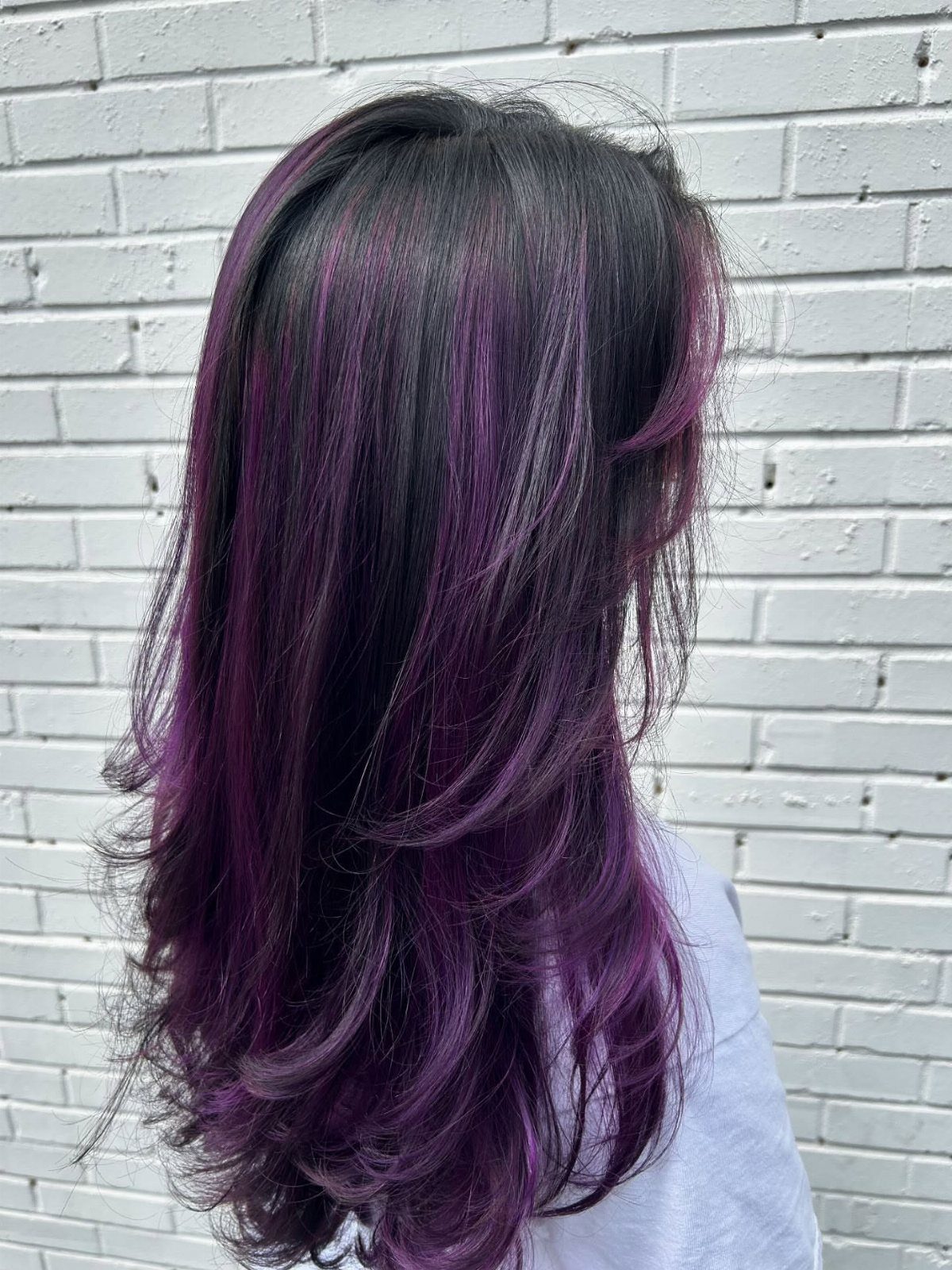
Purple highlights bring a cooler contrast than red or copper, standing out more visibly against dark hair.
Semi-permanent dye is the usual route here. On hair that hasn’t been lightened, purple reads as a subtle shift in certain light; on pre-lightened sections, it shows up vivid and bright.
13. Gray Highlights
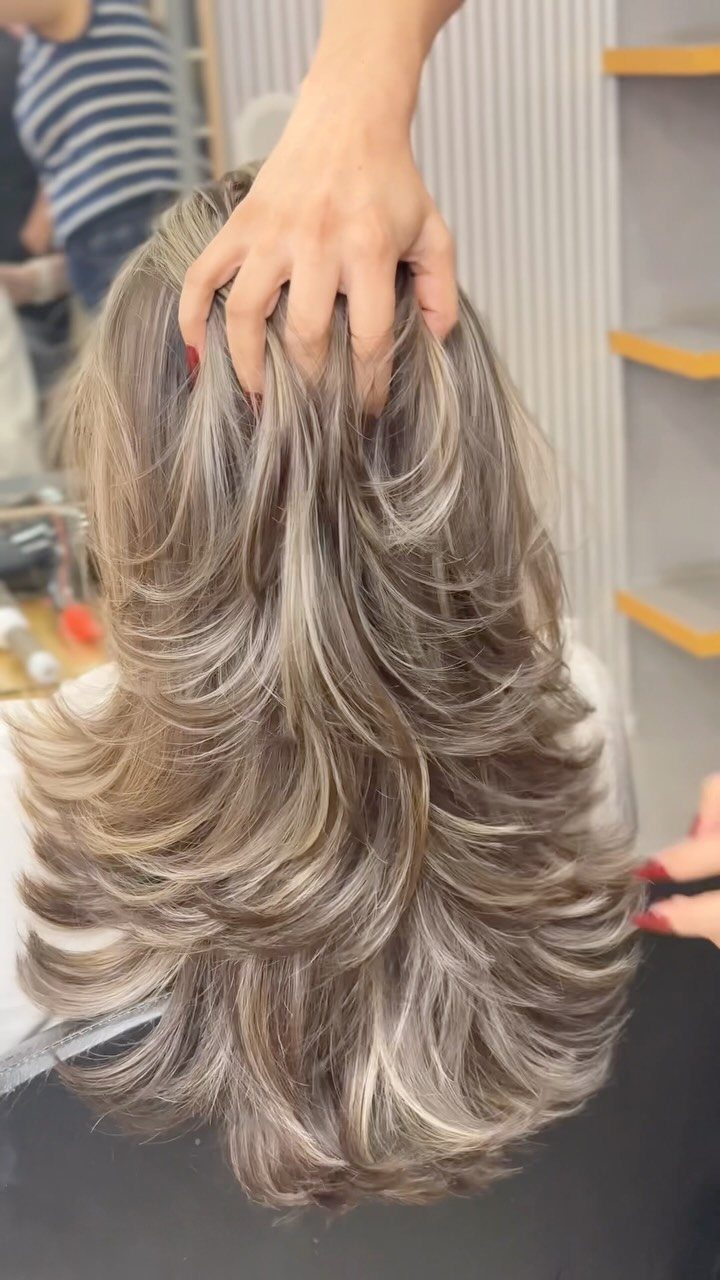
Gray highlights thread lighter, cooler tones through your base color without committing to all-over gray. The ash and silver pieces sit against darker hair the way natural grays would, giving texture and dimension.
On naturally darker hair, the contrast is stronger. If your base is already light brown or ash blonde, the gray reads subtler and blends more softly.
Toning keeps the gray from pulling yellow or brassy. Gray sits more visibly on cool skin than on warm.
14. Silver Highlights
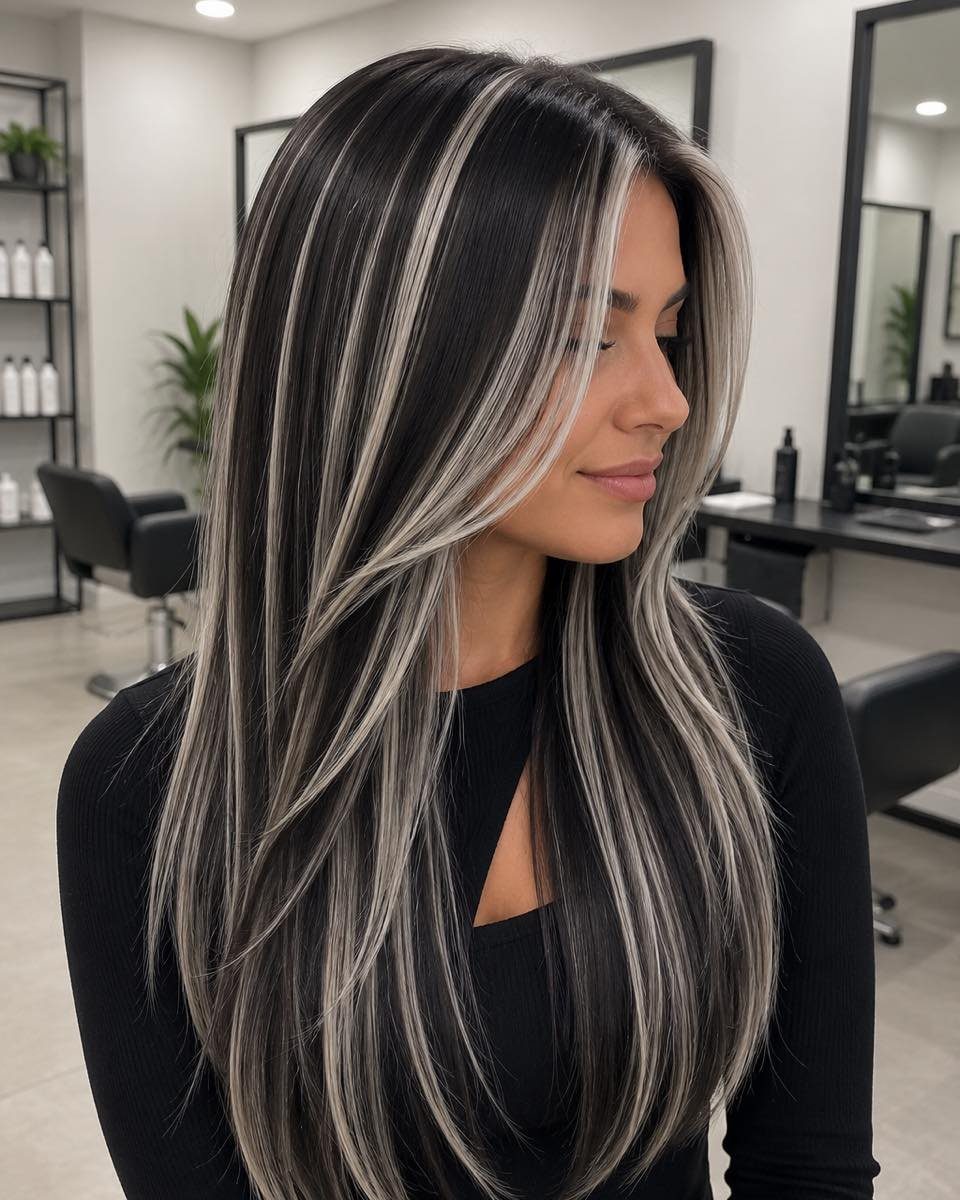
Silver highlights bring metallic brightness into dark hair, standing out more sharply than gray or platinum. The cooler the tone, the more visible the contrast.
Pre-lightening the sections you want silver is required; the darker your base, the more lift you’ll need before the silver toner takes. On hair that’s only partially lightened, silver can look patchy or read as dull gray.
Maintenance is frequent. Silver fades to a warmer blonde within weeks, and you’ll need toner to keep the metal finish.
15. Blonde Highlights
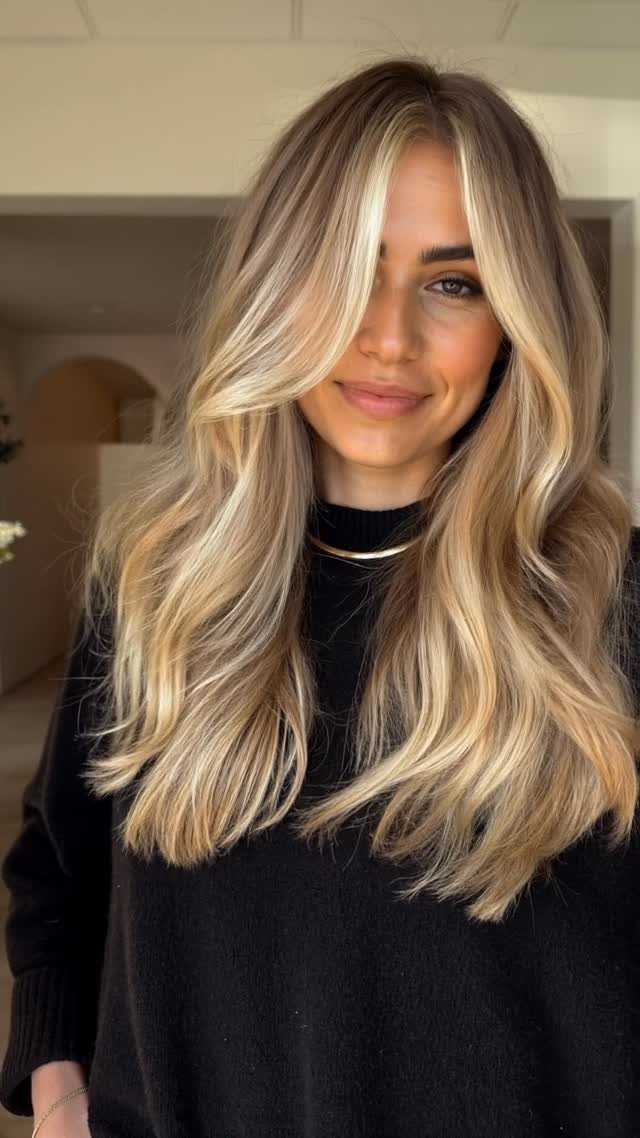
The placement decides the effect: pieces around your face brighten your features, scattered highlights through the lengths give movement.
How much lighter you go changes the upkeep. Subtle lift close to your starting color grows out softly; higher contrast needs more frequent touch-ups to avoid a visible line.
On already blonde hair, highlights shift the shade cooler or warmer depending on the toner used.
16. Partial Highlights
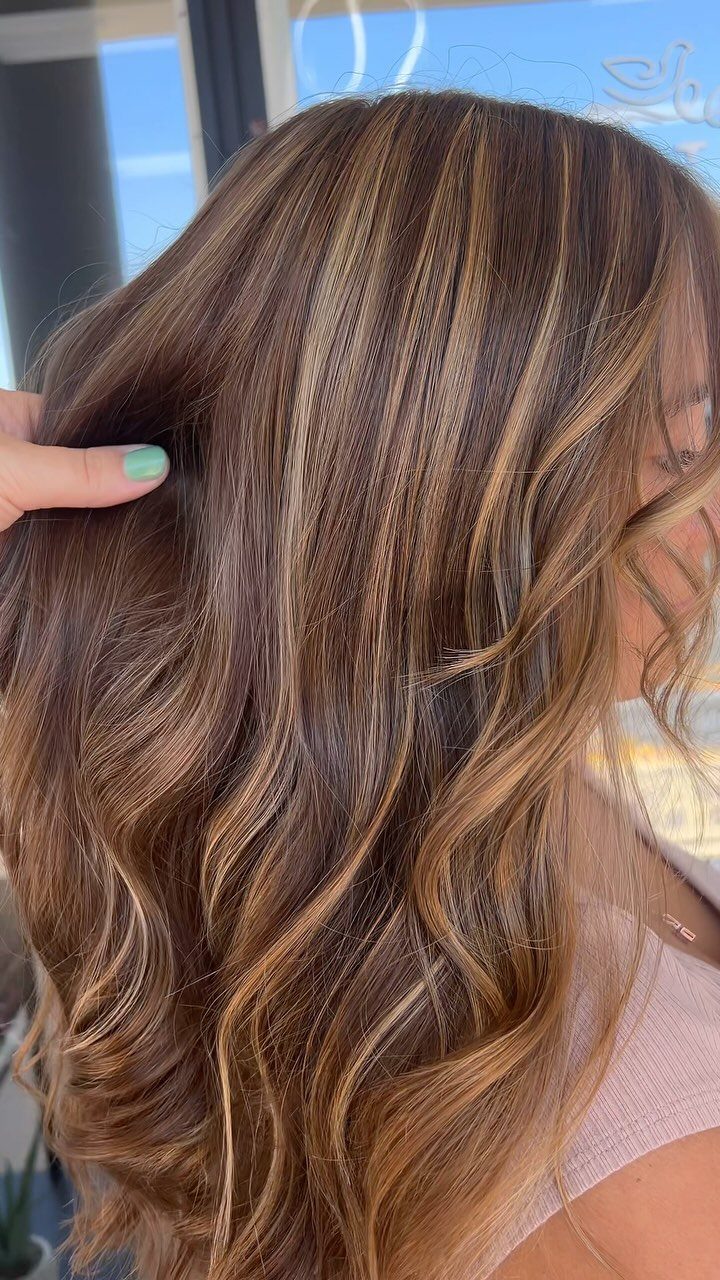
Partial highlights focus color on specific sections rather than working through all of your hair. The usual placements are around the face, through the top layers, or concentrated at the ends.
This takes less time in the chair and costs less than full highlights because fewer sections get treated. Maintenance is lighter too: regrowth matters less when the color wasn’t applied close to your roots to begin with.
If you want dimension without overworking your hair, this is the middle ground.
17. Full Highlights
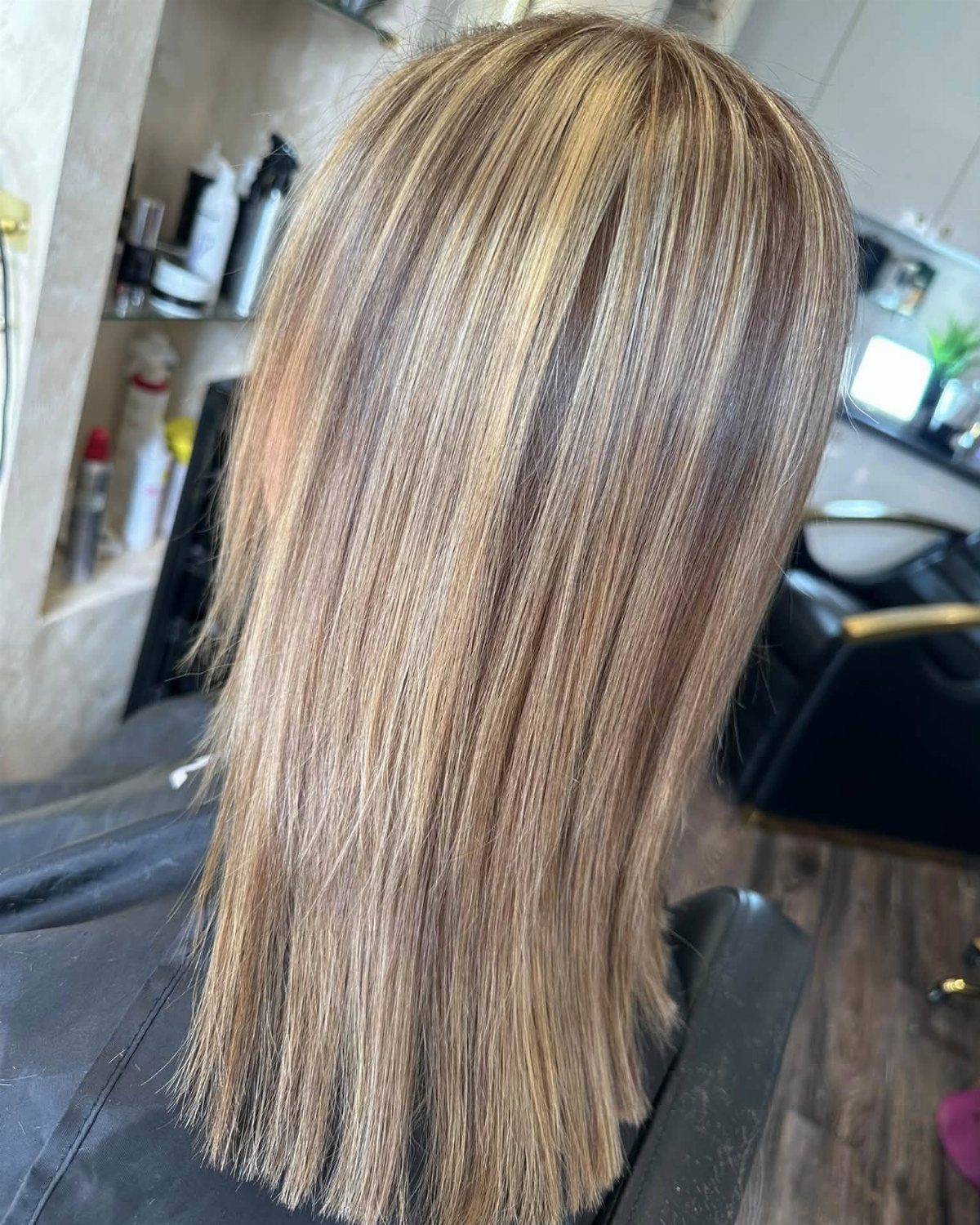
Full highlights place lightened pieces throughout all layers of your hair instead of concentrating them in one area. The coverage gives more overall brightness and a more noticeable shift in your base color.
This takes longer to apply than partial highlights and costs more because the stylist works through every section. The upkeep is more involved: regrowth shows across your whole head, so touch-ups keep the look polished.
The trade-off for the all-over dimension is the time and the frequency of salon visits.
18. Chocolate Cherry
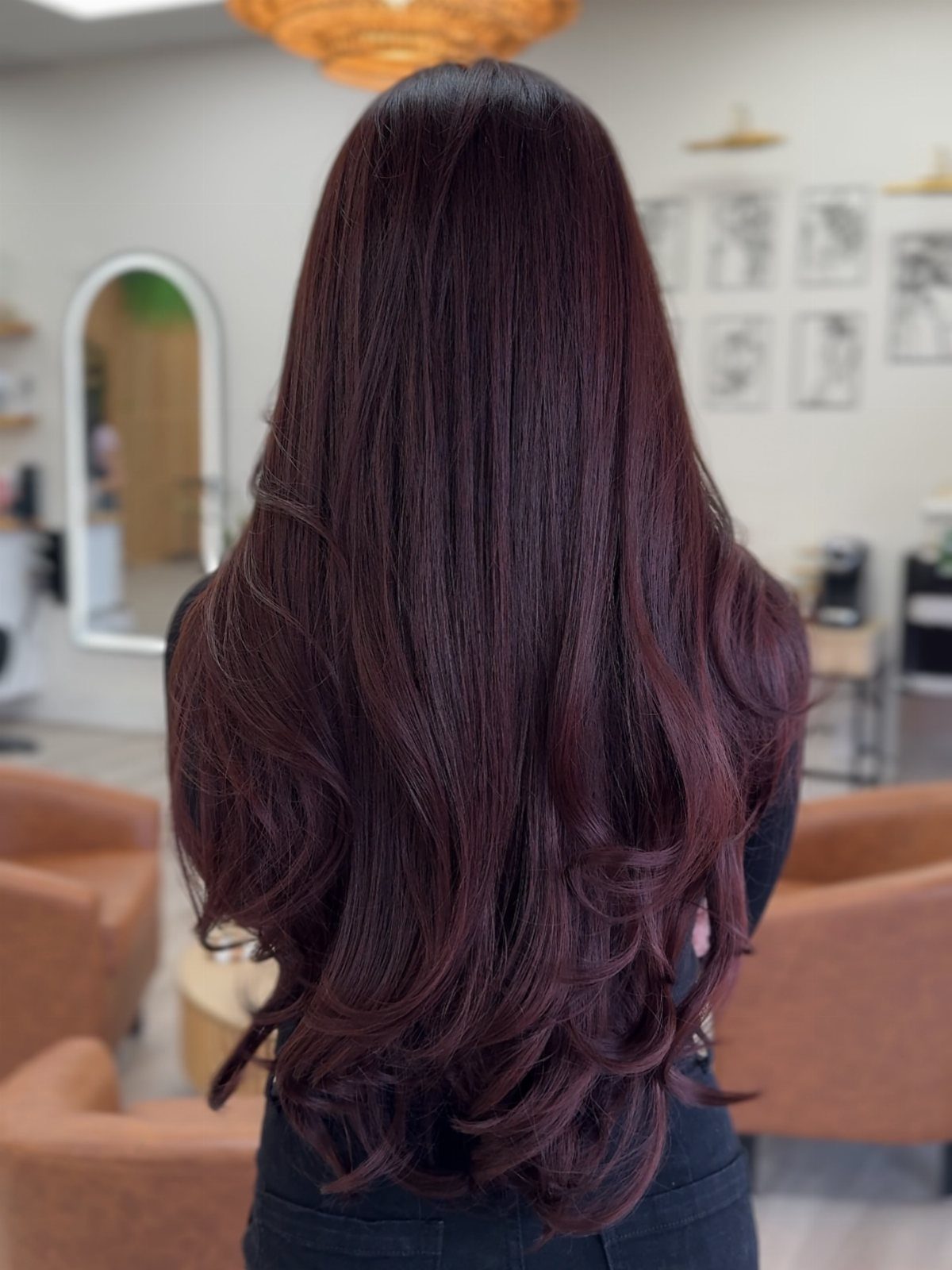
Chocolate cherry mixes deep brown with burgundy or red tones, giving richness without turning fully auburn. The red reads as a subtle shift in natural light and catches more visibly under artificial lighting.
Red fades faster than brown, so the cherry brightness softens over time while the chocolate base holds.
Consultation and Hair Condition
A stylist reads your hair history before suggesting a color, checking how porous it is, whether it’s been lightened before, and how much change it can handle in one session.
Going from dark brown to platinum rarely happens in a single appointment; the hair needs time between rounds of lightening or it turns brittle and starts breaking.
Skin tone, texture, and how your natural color grows in all shape the timeline.
Multidimensional looks with several shades woven together are harder to place correctly at home, and the risk of uneven sections or brassy patches goes up without someone else controlling the application.
One concern I’ve seen raised: coloring can weaken hair growth over time. If your hair already feels fragile, that’s worth discussing before you book.
Choosing Shades for Undertones
Checking the veins on your wrist gives you a starting point: blue veins suggest cool undertones, green veins point to warm, and if you see both you’re likely neutral and can move in either direction.
You want your complexion and your hair color in the same tonal family, so the shade sits naturally instead of pulling against your skin.
Gilded blonde on golden skin reads softer than platinum would; deep browns on darker skin tones hold richness without washing you out. Champagne and beige suit lighter, cooler complexions.
If you’re uncertain, lean into tones that already live in your skin rather than pulling against them. Brows that sit 1 to 2 shades deeper than your hair keep the frame balanced.
But if you’re not naturally low contrast and love the look, don’t worry, there’s a trend right up your alley: Skin-tone hair.
— Vogue
Color Upkeep and Protection
Sulfate-free shampoo keeps color from washing out as quickly, and cooler water helps too since heat opens the cuticle and lets pigment slip through. UV protection matters: sunlight fades color the same way it bleaches fabric left on a windowsill.
Color-safe lines like Oribe and Kerastase are formulated to hold vibrancy longer. Vivid shades fade faster than neutrals, so if you’re wearing copper or dusty rose, expect to refresh more often.
Between appointments, cut back on hot tools and skip chemical treatments that strip pigment and dry out the hair.
Pollution, hard water, and humidity all pull color out faster, so a filter on your showerhead and a leave-in protectant help stretch the time between touch-ups.
Balayage and root melts need fewer visits because regrowth blends instead of sitting in a line.
Frequently Asked Questions
What’s the prettiest hair color?
Butter blonde, warm caramel, copper, and chocolate cherry are showing up most often right now.
Butter blonde reads creamy without yellow, caramel builds dimension on textured hair, copper brings brightness that fades quickly, and chocolate cherry pairs deep brown with burgundy for indoor light.
What are the hottest hair colors for 2026?
Caramel balayage, butter blonde, copper, chocolate cherry, ash blonde, and glossy black show up most often right now.
What are some good fall hair colors for brunettes?
Warm caramel, chocolate cherry, and copper suit brunettes looking for seasonal warmth.
Caramel highlights blend into medium brown bases without a harsh line, chocolate cherry adds burgundy richness that catches under indoor lighting, and copper brings orange-leaning brightness that fades gradually.
Why do color trends matter right now?
Color trends matter because they give you a place to start when you’re deciding, and the methods get better as more people ask for them.
If you know what’s current, the appointment with your stylist moves faster, even when you adjust the shade for yourself.
What’s driving this year’s trends?
Demand for low-maintenance looks, a return to warmth after years of cool tones, and colors that look like you but brighter or more dimensional.
Fewer people want monthly root touch-ups, so balayage and root melts are replacing techniques that grow out in a visible line.
How do I choose the right trend for me?
Consider how much maintenance you’ll commit to, whether you want subtle or dramatic change, and what has worked with your skin tone before. Your stylist knows which trend fits your hair’s condition and what you’ve done to it before.
How do professional hair color trends improve overall appearance?
Color brings depth, shine, and dimension, and lifts what you already have. Methods like balayage and highlights give movement and brightness that read well in photos and under normal light, not just the salon.
Are professional hair color trends safer than home hair coloring kits?
Salons use premium products, advanced techniques, and safe bleaching methods that reduce the risk of uneven color, excessive dryness, or scalp irritation.
A stylist can also read your hair history and adjust the formula to avoid damage, which home kits cannot do.