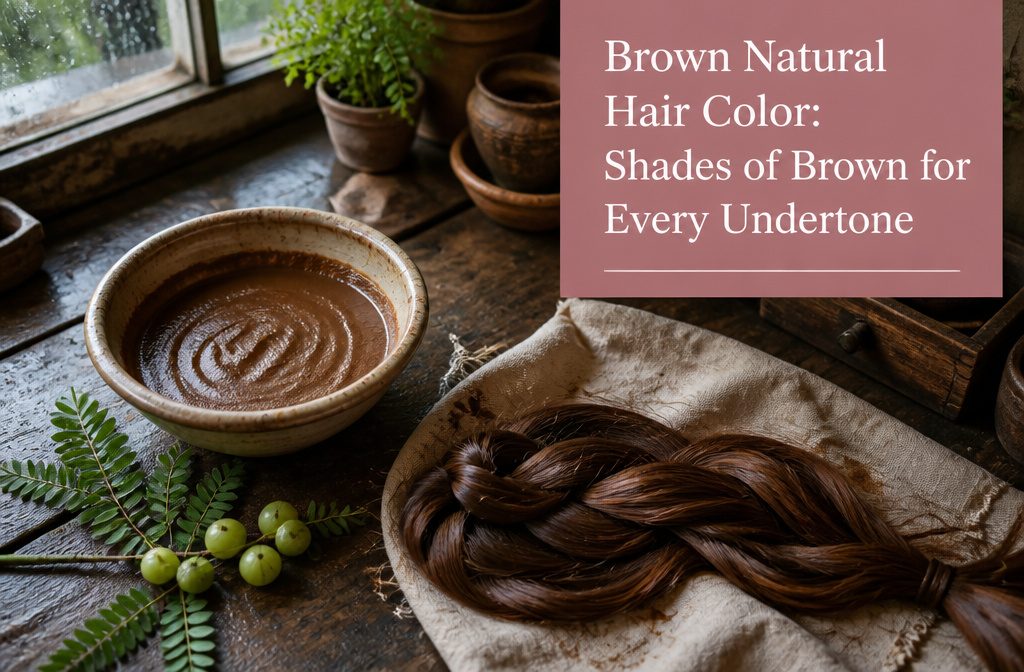
Brown that looks natural means either a plant-based dye, like Odylique’s blend of cassia, indigo, henna and amla, or a conventional shade picked to match your undertone.
Either way, your starting color sets the result: with plant dye, the lighter your hair, the lighter the brown, and a 3-hour application runs darker than 1 hour.
What Natural Brown Hair Color Means
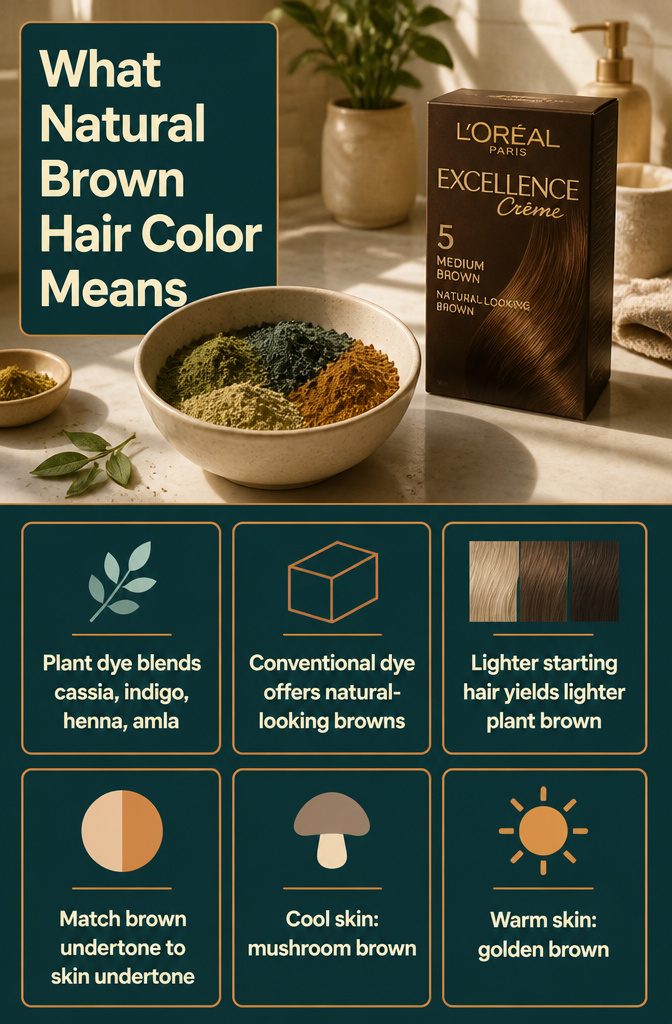
Two things hide behind this search. Plant-based dye, like Odylique’s It’s Pure Natural Brown, blends cassia, indigo, henna and amla powders for blonde to light brown hair and colors gray.
Conventional dye offers brown shades that look like they grew in. Most pages cover shade choice only.
Either way, the starting color sets the result: with plant dye, the lighter your hair, the lighter the brown.
Undertone decides whether it looks natural. L’Oréal Paris states the rule plainly:
You’ll want to pick a shade of brown hair that has the same undertone as your skin.
Cool skin pairs with mushroom brown, warm skin with golden brown.
Darkest Brown and Ebony Brown
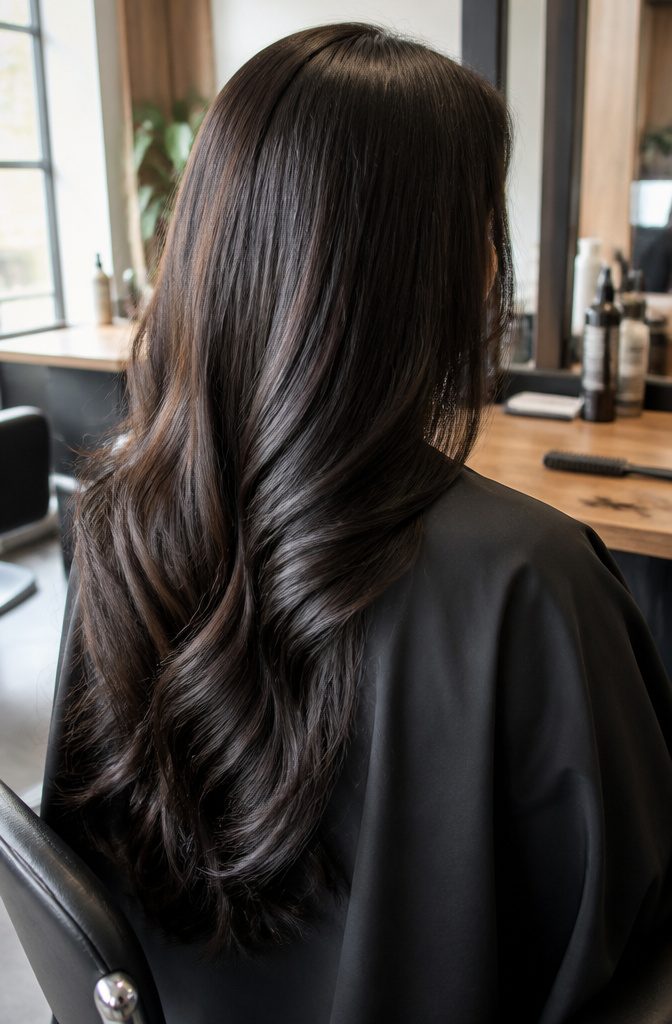
Ebony brown sits right at the edge of black, the shade Louise Brooks wore in the 1930s and Bettie Page in the 1950s. Darkest brown stops one step short and keeps a slight touch of warmth that true black lacks.
For softer light around the face, I’d pick darkest brown; ebony wins when you want full drama. Both suit every skin tone, and light eyes stand out against either.
Brunettes can get there with a single black color treatment.
Blondes need a pre-color step to darken the base first, and the root contrast as it grows out is the real cost, since the line against your natural color shows fast.
Dark Brown
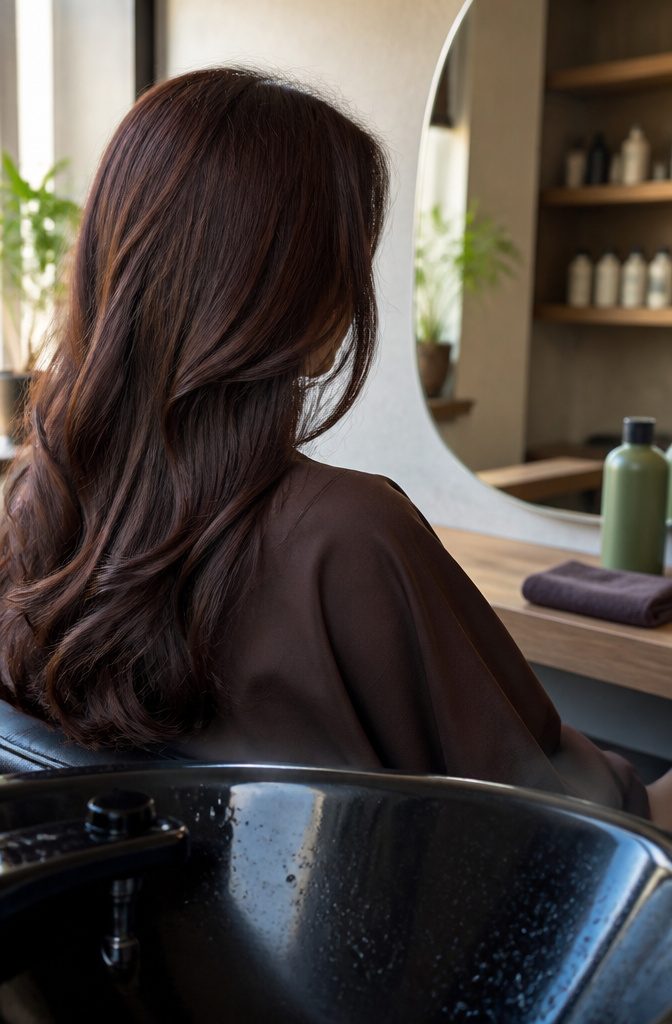
Dark brown flatters fair, medium and deep skin alike, and on the palest complexions it reads as a deliberate, high-contrast statement.
Going this deep calls for permanent color whatever your starting shade, so Wella Koleston Permanent Hair Color Cream Dark Brown 30 is the type of formula I’d pick for a full change.
Regrowth shows quickly against a shade this dark, and Wella Root Touch Up 3 Medium to Dark Brown covers it between full applications.
Red undertones can surface after dyeing.
A green toning shampoo like Matrix Total Results Dark Envy neutralizes them. Blonde or red starting hair can also pull orange, and purple shampoo corrects that.
Cocoa Brown
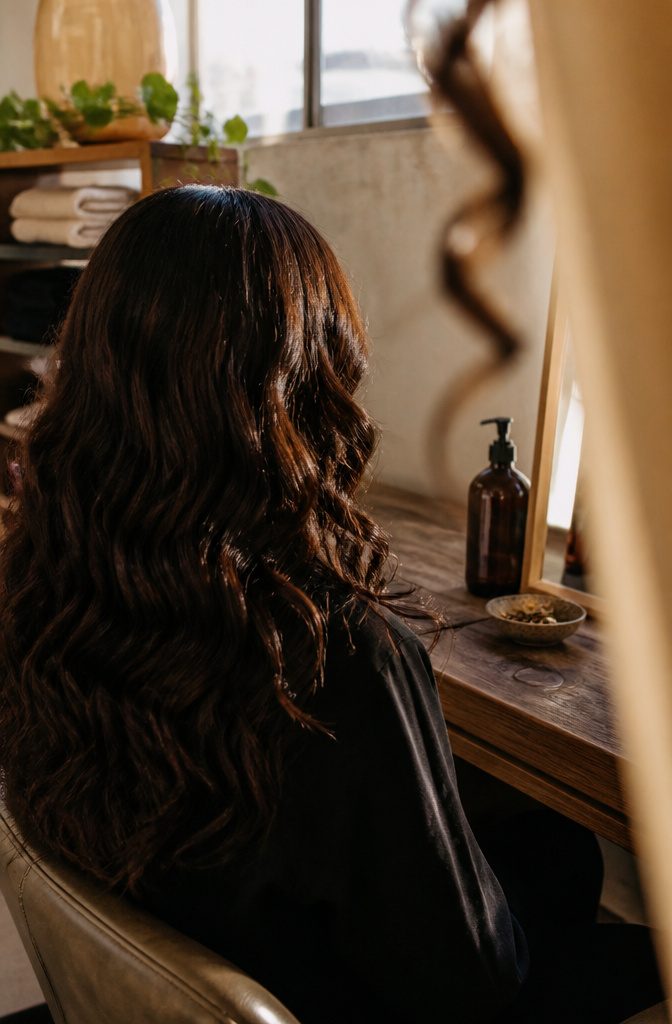
Cocoa brown is an ultra-dark shade that stops just short of ebony, because it holds more brown than black. Audrey Hepburn wore it, and it still carries that chic, slightly mysterious edge.
Go permanent, whatever your natural shade, to get the full depth. On chestnut or medium brown it’s an easy upgrade, but blonde or red hair can pull orange, and purple shampoo cancels that out.
Wella Soft Color Golden Cocoa is the warmer box option, and its coconut oil, shea butter and aloe vera blend suits curls. Cooler cocoas flatter pale and deep complexions alike and make brown eyes glow.
Chocolate Brown
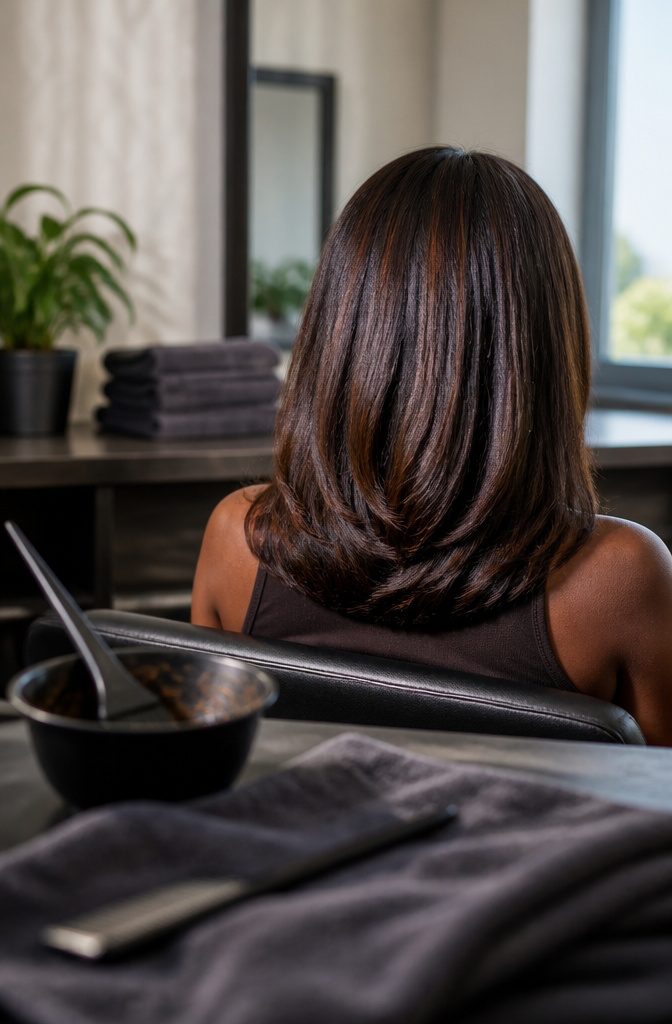
Chocolate brown is a deep brown with golden highlights and a touch of mahogany. It’s dark, but lighter than cocoa, and the warm glints catch light well.
Warm undertones get the most from it, since the gold and red notes bring out the skin’s natural warmth. It also works across complexions and eye colors, which is rare for a shade this rich.
On deep skin, I’d choose a version with a chocolatey base and the faintest red, like L’Oréal Paris Superior Preference in Dark Soft Mahogany Brown.
Getting there is simple. A standard color treatment covers blonde, hazelnut, brown or red starting hair, but black hair needs minor bleaching first.
Medium Brown
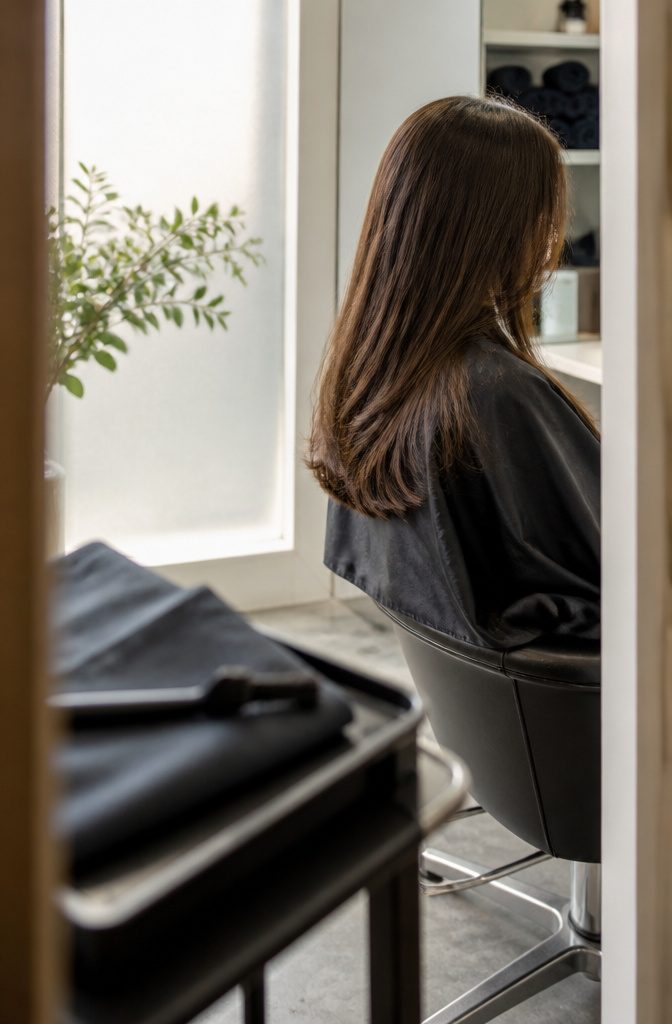
Medium brown is the middle shade between dark and light brown, and it flatters every skin tone. If you keep bouncing between a deep brown and a lighter one on Pinterest, this is the shade I’d pick to settle it.
For a full color at home, Wella Koleston Medium Brown 40 is the name to look for. Between colorings, Wella Root Touch Up 3 Medium to Dark Brown covers regrowth quickly.
It reads a little deeper than the first shade, so I’d save it for medium brown that leans dark. When only the part line shows, a touch-up beats recoloring all your hair.
Light Brown
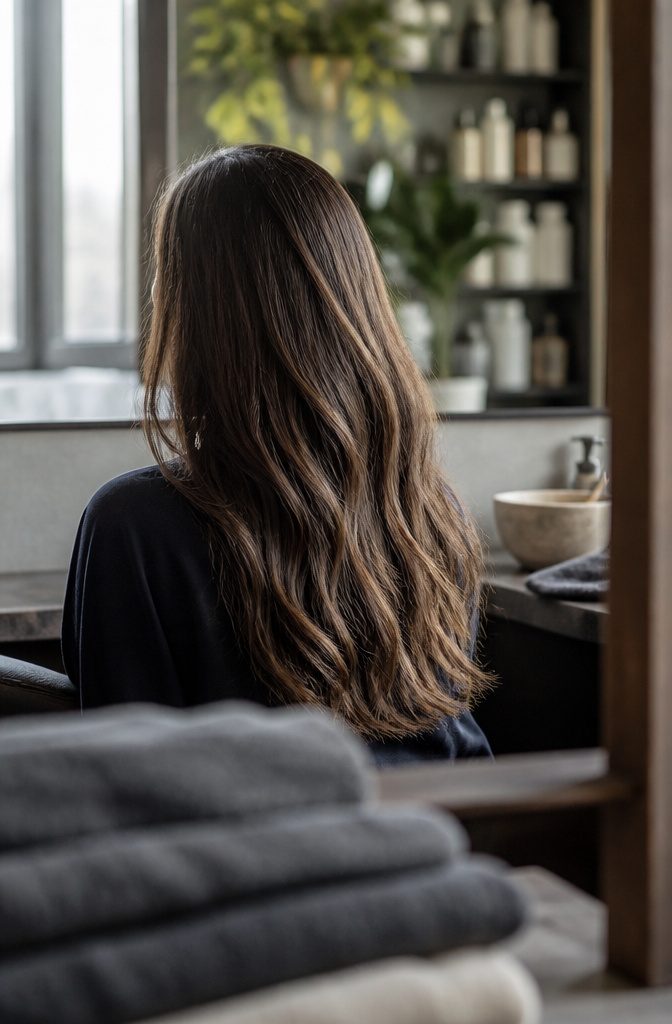
Blonde isn’t the only way to go lighter. Light brown lifts a brown base with far less bleach and can mean fewer appointments over a year.
Wella Koleston Light Brown 50 and Light Golden Brown 53 are the two shades I’d bring to a stylist. The golden 53 flatters golden to deep skin tones, and light brunettes generally work well on fairer complexions.
On chestnut to medium brown hair, a regular color treatment is enough. Chocolate to ebony bases need lightening first, so I’d skip this shade if you want to avoid bleach.
Blonde starting points go the other way: darken by 1–3 tones. Plant dye can get there too, since a dark blonde base is likely to settle at light brown.
Natural Brown
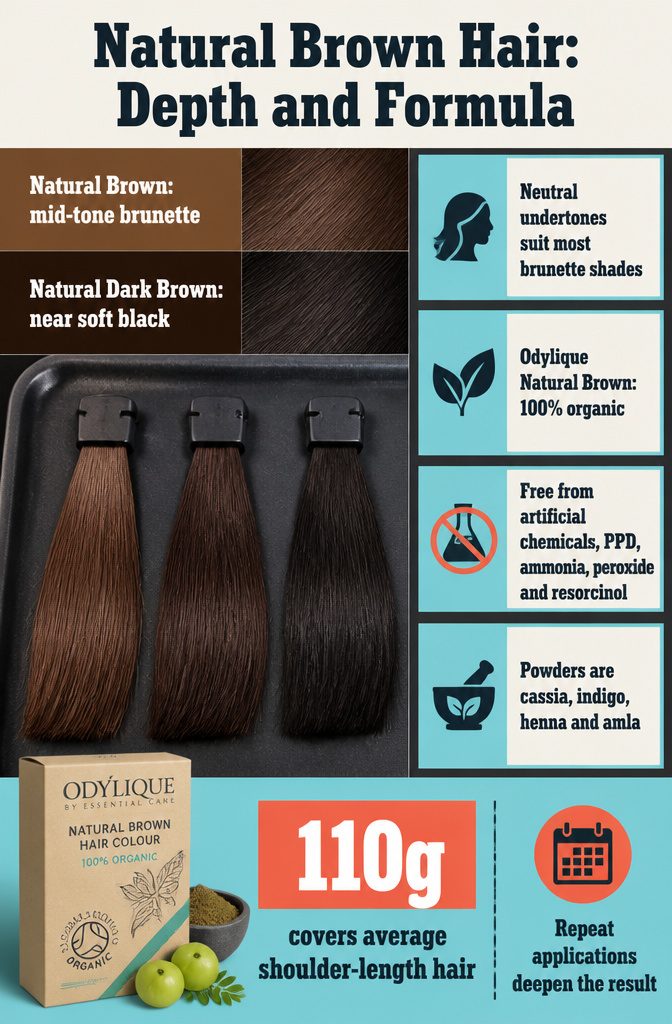
Neutral undertones suit nearly any brunette, so natural brown is a question of depth, not tone.
L’Oréal Paris Excellence Creme Universal Nudes in Natural Brown is the mid-tone pick, and its Natural Dark Brown runs deeper, bordering on soft black.
For a plant-based route, I’d choose Odylique’s Natural Brown: 100% organic, Soil Association certified, and free from artificial chemicals, PPD, ammonia, peroxide and resorcinol.
The powders are cassia, indigo, henna and amla. It suits blonde to light brown hair and covers gray.
The 110g pack covers average shoulder-length hair, so buy more if yours is thick or long. Repeat applications darken the result.
Sandy Brown
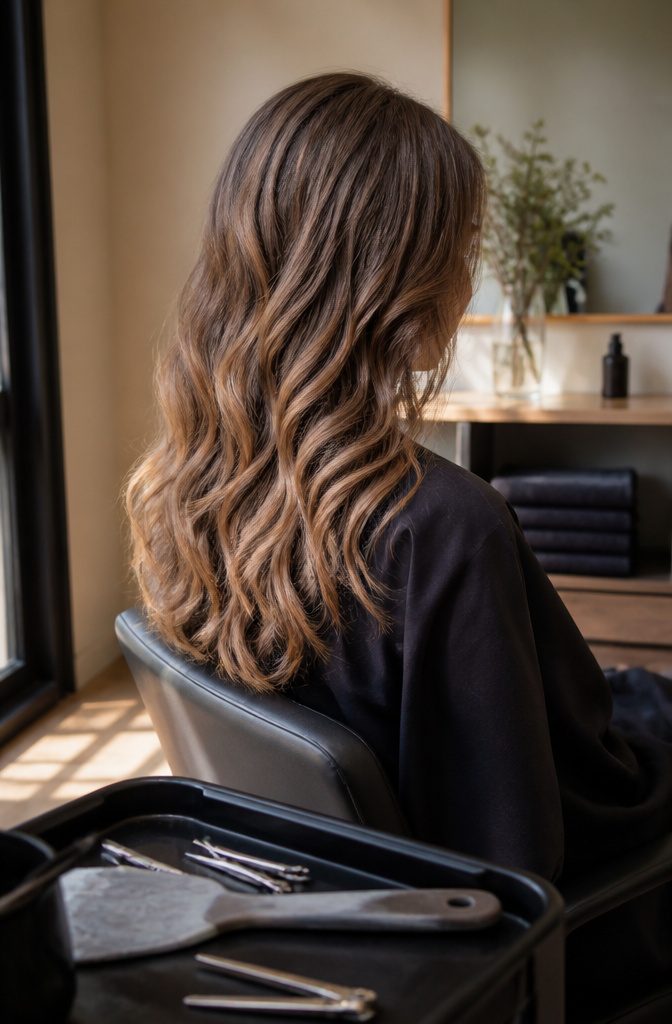
Sandy brown is one of the three brunettes that suit neutral skin, alongside natural brown and mocha brown. With a neutral complexion, undertone stops being the deciding factor, so the choice comes down to depth.
Sandy brown is the pick when you want brown that reads lighter and softer than a mid-toned brunette. I’d go there for fair skin or for a warm-weather lightening.
For a shade right on the cusp of blonde and brown, L’Oréal Paris Féria in Downtown Brown is a high-lift box option aimed at that same lighter, sunnier direction.
Sandy brown also takes dimension well: highlights, lowlights, balayage and babylights all work on a neutral base.
Ash Brown
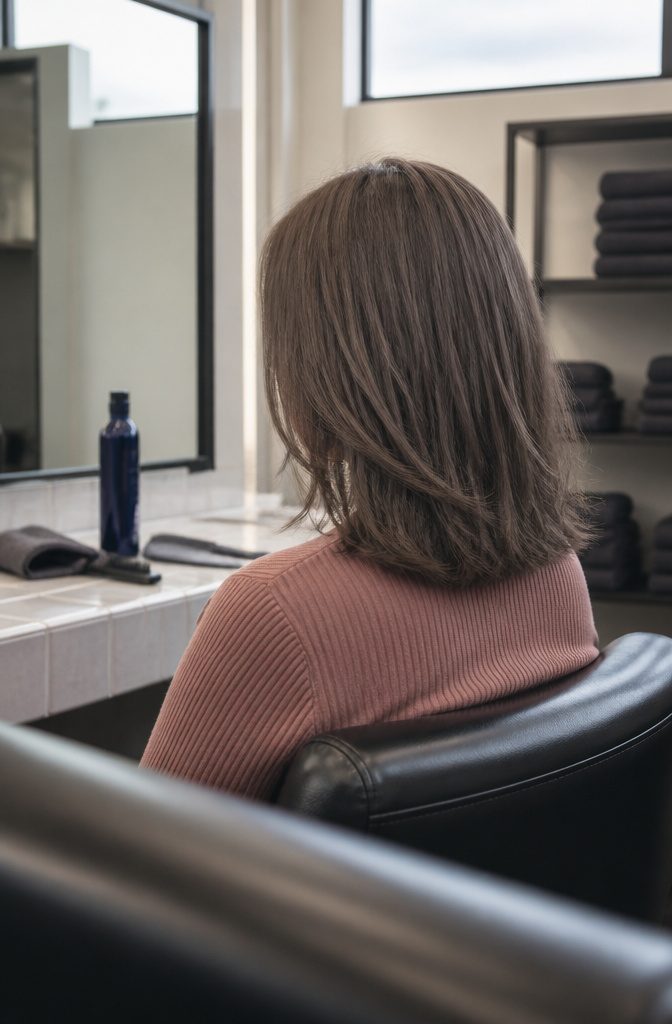
Ash brown is cool brown with a gray or silver cast, and its silvery tone is more distinct than ice brown’s.
Fair skin is where advice splits: some guides steer it toward light ash brown, others warn that ash tones dull pale complexions.
I side with the warning. If your skin is pale with little gold or pink in it, ash brown can look flat.
It works best on dark skin tones and on red or pink complexions, where the cool shade balances the flush.
Some guides also place ashy brown on warm undertones, where it brightens the face. Blondes and redheads need a permanent brown first, then the silver notes go in on top.
Light Ash Brown
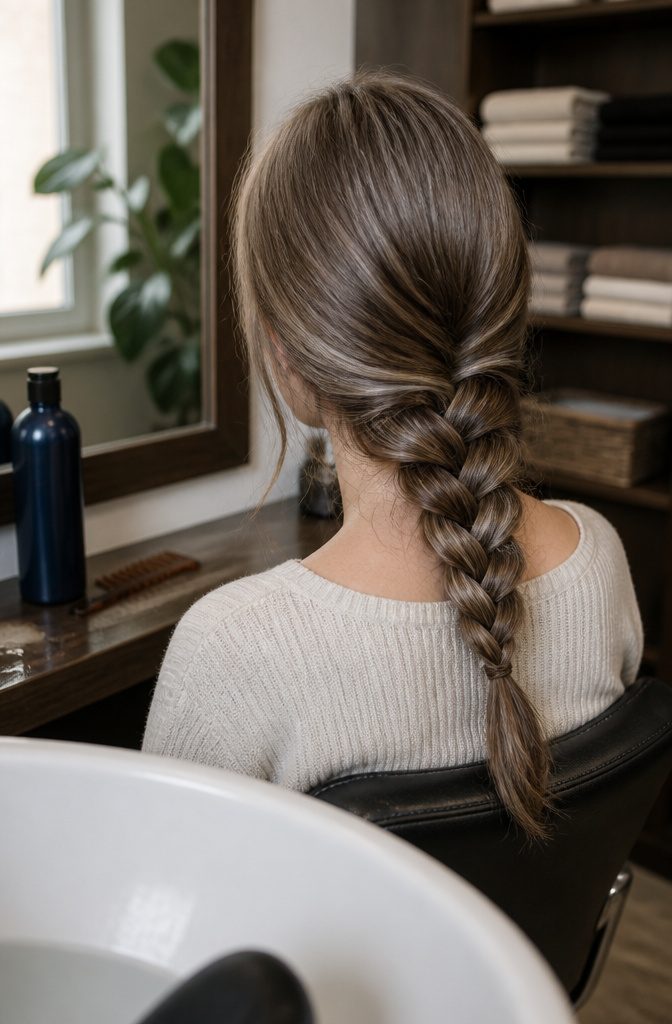
Light ash brown is a light brunette with silvery undertones. The lighter base is what separates it from standard ash brown, so the cool cast reads as a soft silver haze over brown.
Ashy tones aren’t only for blondes, and this shade is the one I’d point to if you want cool-toned hair without giving up brunette.
Fair skin is where it flatters most, and cool undertones help.
At the salon, ask for "a light brown with silvery undertones." At home, L’Oréal Paris Excellence Crème Permanent Triple Care Hair Color in Light Ash Brown is the box that matches the look.
Starting darker means lightening first, and that can pull brassy over time. A tinted blue shampoo once a week keeps the warmth down.
Mushroom Brown
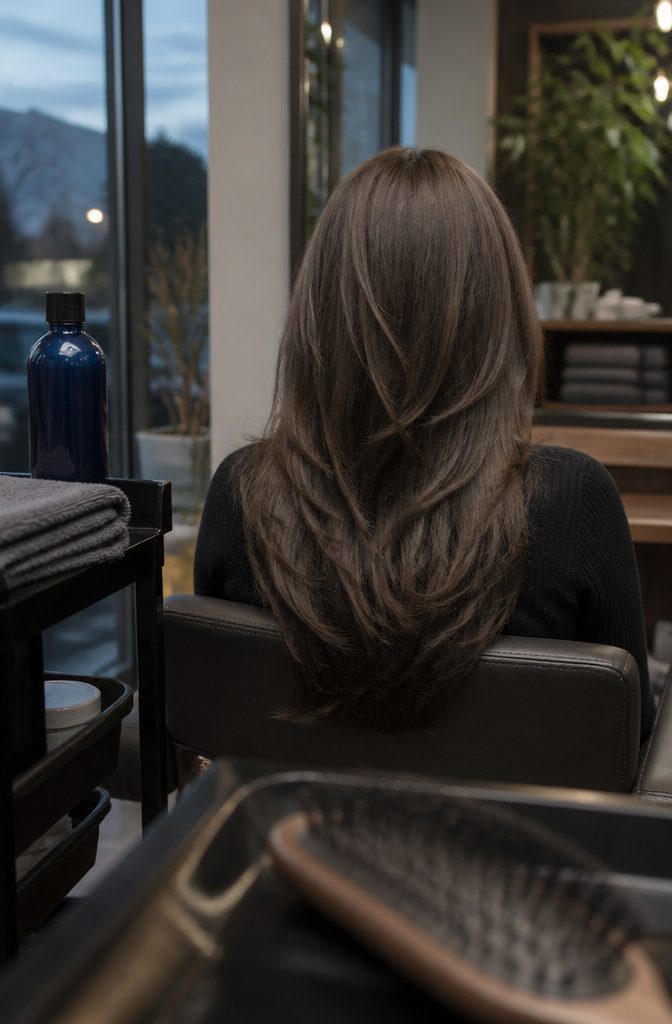
Mushroom brown pairs a mid-toned brown with smoky, silvery undertones, so the result reads earthy and distinctly cool, with no gold or red showing through.
It flatters medium skin with cool undertones most. Red or pink complexions get balanced out, but very pale skin is the risk, because silvery browns in this family tend to dull it.
For a box version, L’Oréal Paris Excellence Crème Permanent Triple Care Hair Color in Mocha Ash Brown is where I’d start.
If reaching the shade means lightening first, warmth creeps back over time, so add a tinted blue shampoo to your weekly routine.
Ice Brown
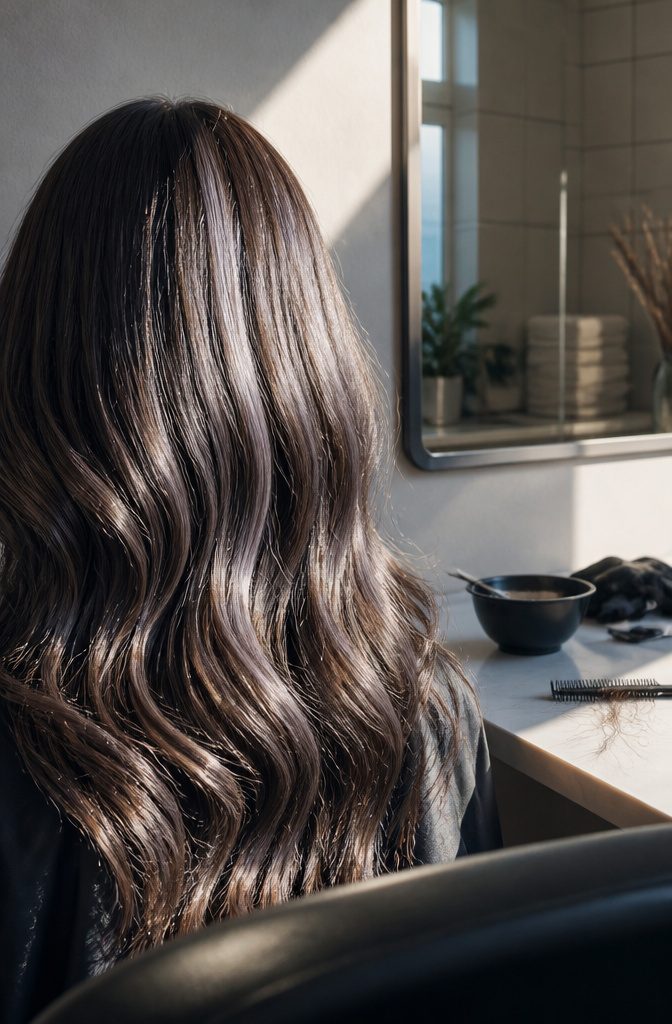
Ice brown is a cool brown with silver highlights, built from a tone-on-tone color rich in purple pigments.
The purple lays a cold, silvery veil over the surface of the hair fiber, which gives the shade its name and an iridescent, glossy finish.
It works on bases from hazelnut to ebony. Blondes can wear it too, but they need one extra step: darken the base with a brown color first, then add the silver.
Ice over ash is my pick when you want that visible gleam instead of a quieter cool tone. Check your skin before committing: gold or pinkish complexions carry ice brown well, while pale skin can look dull next to it.
Chestnut Brown
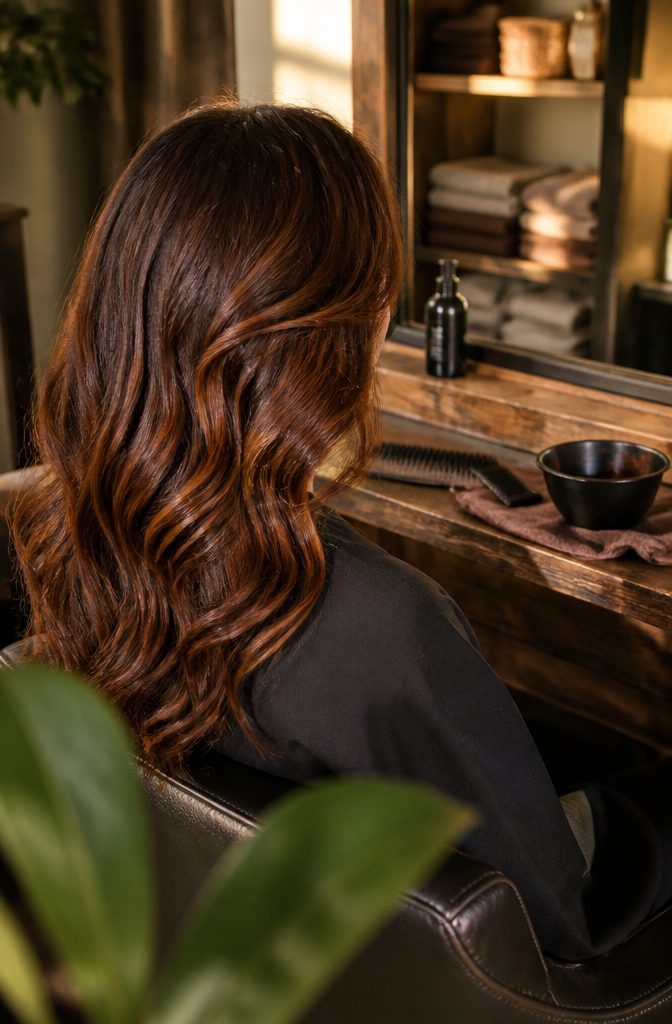
Chestnut is a reddish brown, and it’s the shade I’d steer most people toward first.
Medium skin looks especially good in it. L’Oréal Paris Superior Preference in Medium Chestnut Brown is a solid box pick, and a few subtle face-framing highlights add brightness.
Some pages treat chestnut as a cool shade instead. A cooler medium chestnut brightens warm complexions and brings out warm hazel, green or brown eyes, so warm undertones can wear either the reddish or the cooler version.
Cool undertones can take the redder chestnut for contrast, but if your skin already runs red, the cooler version is safer. Neutral undertones can wear both.
Copper Brown
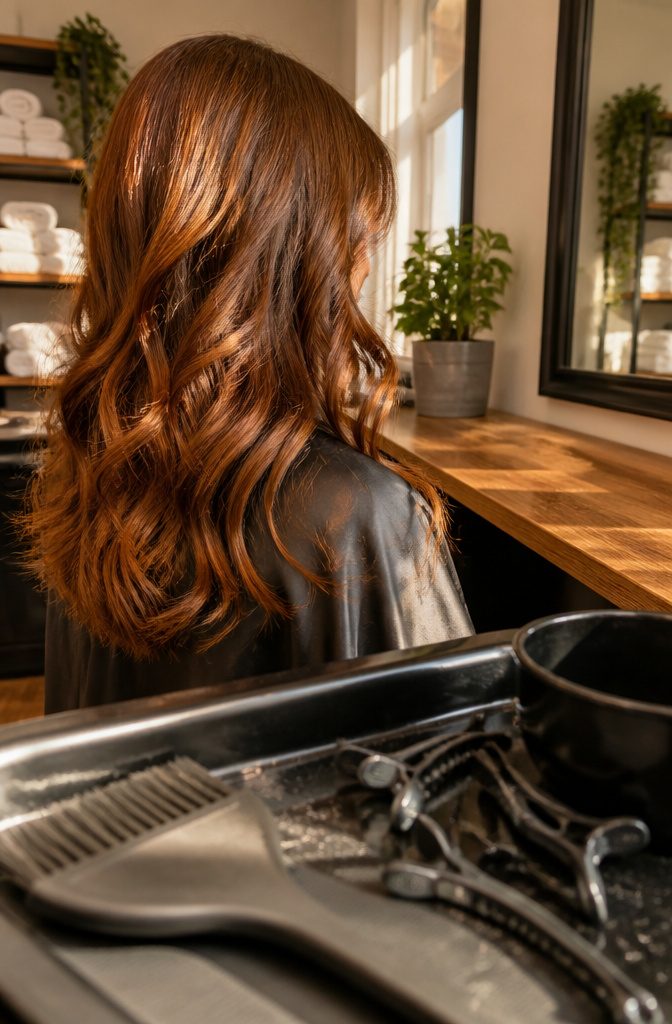
Copper brown is medium brown threaded with orange highlights, and it brightens dull or dark hair without pushing you toward blond.
Brunettes who want to become redheads can use it as a gradual first step: add the highlights, see how the orange sits against your base, then go warmer if you like it.
Bette Davis wore a half-brown, half-red version in Hollywood’s golden age. Blondes get the shade through full-coverage color, while brunettes can use highlights that blend into the dark base.
Copper brown flatters pale to golden skin and blue-green or hazel eyes. On a dark complexion it tends to clash, and I would pick caramel instead.
Mahogany Brown
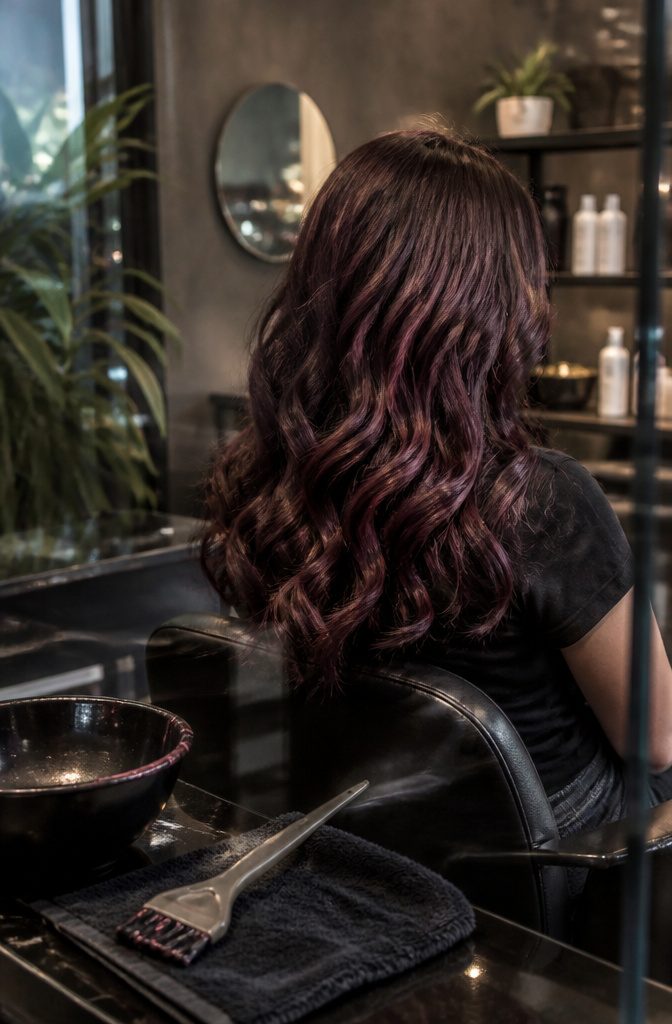
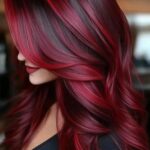
Mahogany is brown with red and purple-red highlights running through it, and the depth is the draw. It sits close to copper brown, but the brown-red shading gives it a richer, less orange look.
It flatters olive and dark complexions, brightens naturally tanned skin, and works on reddish skin tones too. It also suits every eye color, so it is an easy shade to ask for.
Your starting point decides the effort. A brunette base takes mahogany with little work, while a blonde needs a color treatment first.
For a softer version at home, I’d reach for L’Oréal Paris Superior Preference in Dark Soft Mahogany Brown, which weaves a subtle hint of red through a deep, chocolatey base and suits deep skin well.
Auburn and Reddish Brown
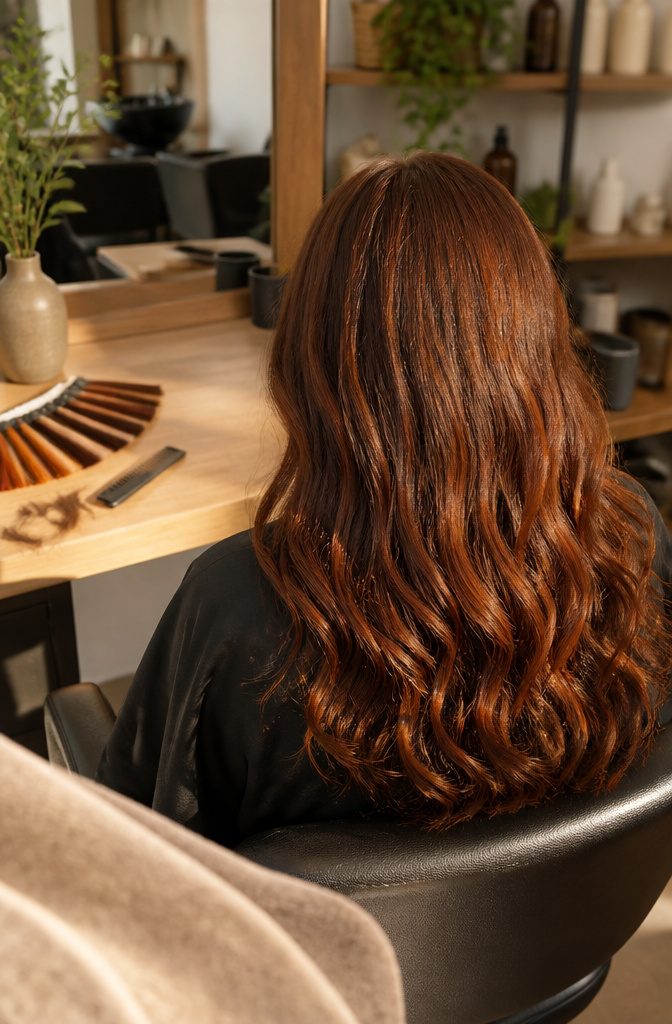
Reddish brown keeps the richness of a brunette base and adds a coppery red glow, so it reads as brown first and red second.
That makes it the easiest way into the red trend if you aren’t ready to give up your brunette.
Auburn sits at the redder end of the same family. Before a salon visit, I would write two Wella Koleston shades next to your Pinterest photo: 466 (Hot Red/Bordeaux) and 4446, the dark red.
Mahogany is the neighbor to keep straight. It sits close to copper brown, but its red highlights layer over brown-red shades with a purple cast.
Reddish brown and auburn lean coppery, not violet. If purple in the light bothers you, ask for the copper side.
Caramel Brown
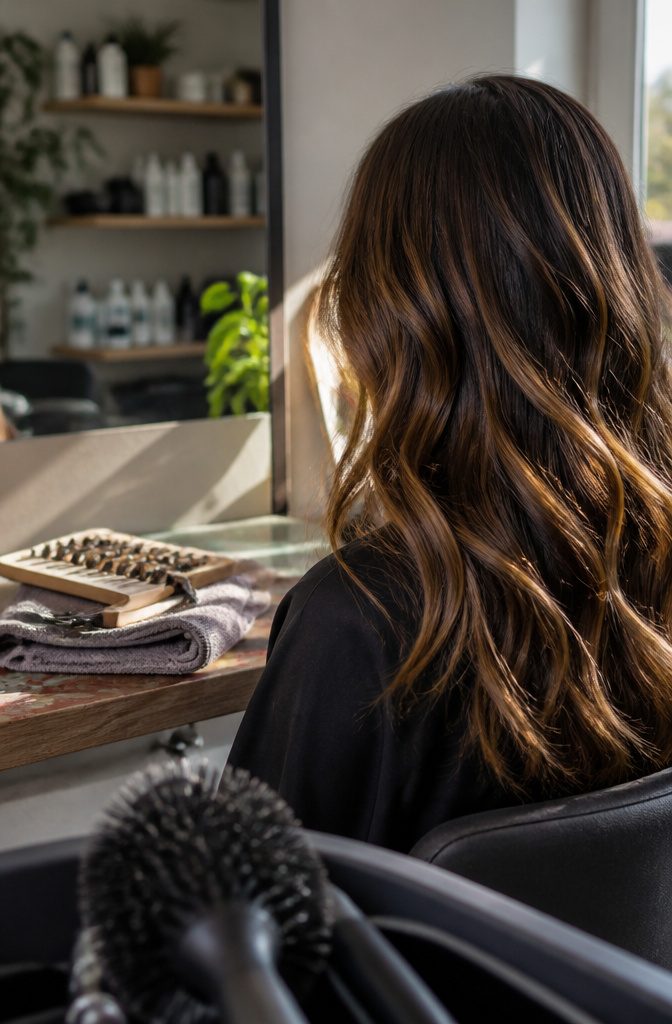
Caramel brown is a medium brown with golden light running through it, and it sits darker than hazelnut or honey brown.
It looks most natural over a dark chestnut to medium brown base. On very dark hair, the golden pieces need bleach first.
The sunlit quality comes from dimension, so I’d ask a colorist for caramel highlights, or for honey, caramel and wheat babylights blended into a light golden brown base, rather than one flat all-over shade.
Warm complexions get a sun-kissed glow from it, while cool-toned skin gets a pop from the warmth. The pigments soften features from pale skin through deep, which is why it flatters nearly everyone.
Golden Brown
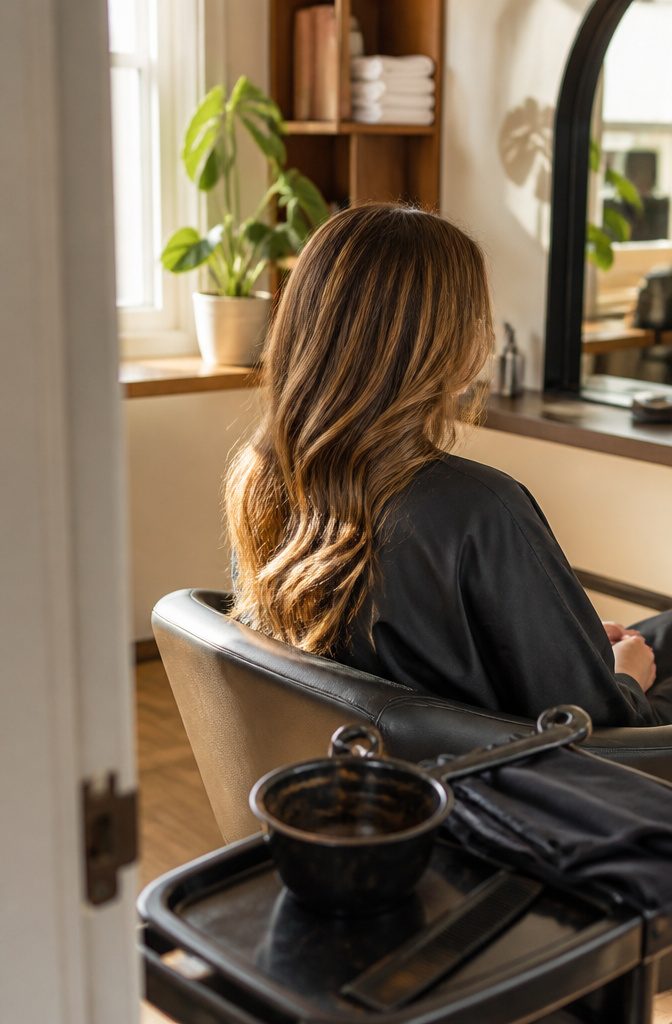
Golden brown is a brown base with gold running through it, so it never drifts into blonde.
Caramel works better as an accent: a stylist can blend honey, caramel and wheat-toned babylights through a light golden brown base for a custom result.
Warm undertones suit it best.
On a fair, warm-toned complexion, ribbons of gold give a sun-kissed look, and golden to dark skin tones carry it well too. Going one to three tones darker from a lighter base is the easiest route.
For product names, Wella Koleston Light Golden Brown 53 and Wella Soft Color Golden Brown are worth looking up. For a box, L’Oréal Paris Superior Preference Lightest Golden Brown delivers up to nine weeks of luminous, fade-defying color.
Honey Brown
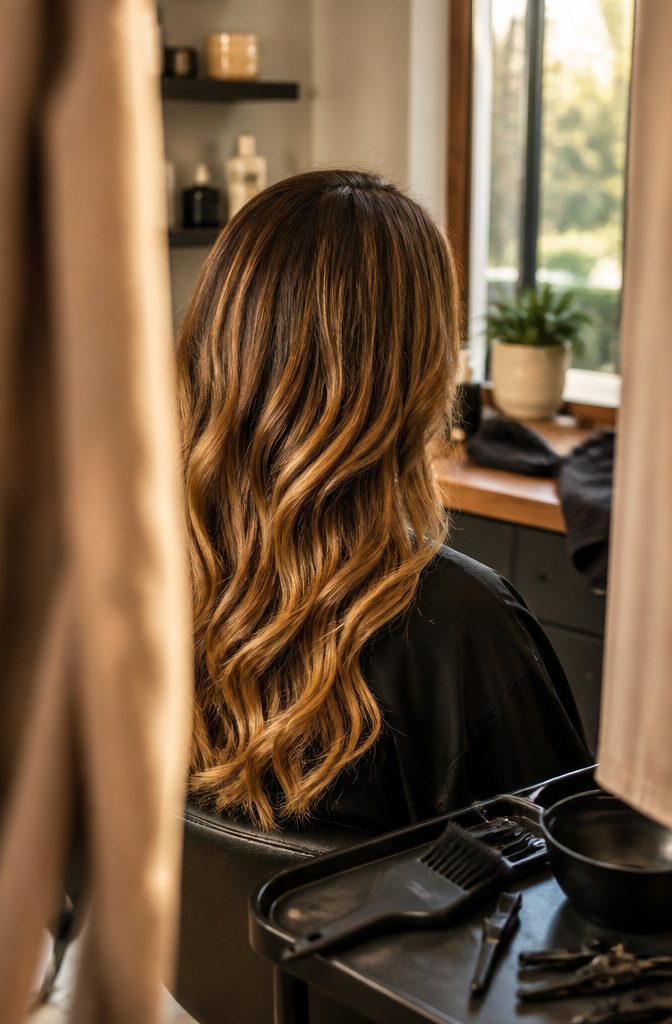
Honey brown is blonde highlights blended into a brown base, so it reads like Californian highlights for brunettes.
It carries more gold than caramel brown, which sits darker and looks most natural over dark chestnut to medium brown. The base stays deeper than hazelnut, so it never tips into blond.
Because it relies on partial lightening, it only works on light to medium brown hair. Darker starting points need a different plan.
On skin, honey is one of the easiest warm shades to wear.
Warm undertones get extra sunniness from it, and cool-toned skin gets a pop from the gold. If you want the gold to show from across a room, I’d choose honey over caramel.
Bronze
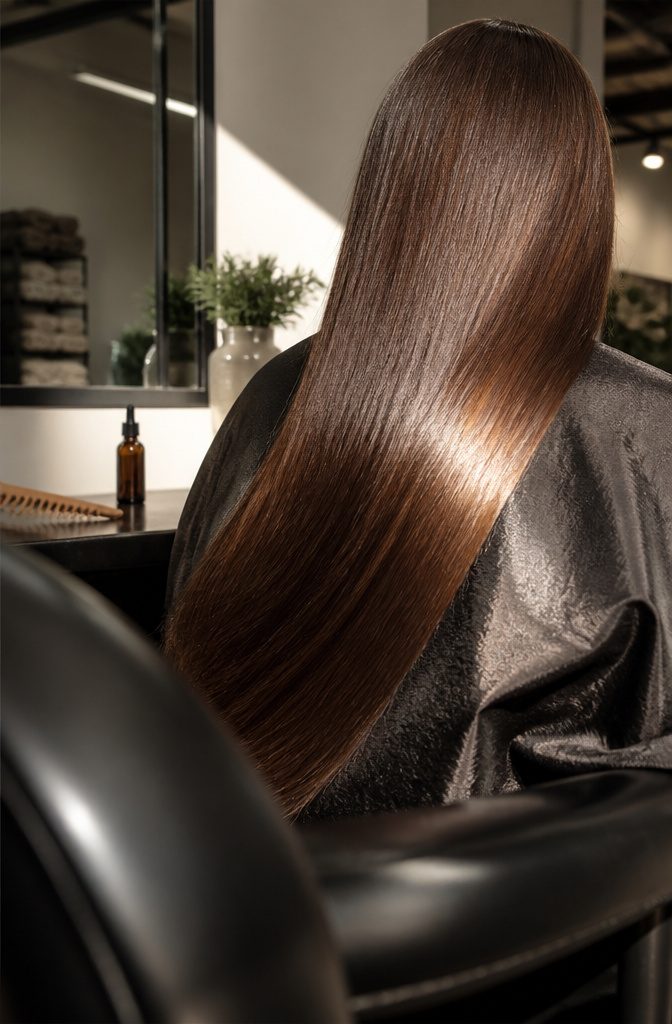
Bronze takes the top spot among browns for brightness.
The shade reads as polished, almost metallic, and it’s meant to be noticed. Choose bronze when you want a statement brunette, not a quiet one.
Medium skin tones look especially good in it, where the color comes across rich and dimensional. Wear it solid, or add subtle face-framing highlights if you want extra brightness around the face.
Shine is the whole appeal, so a finishing product matters more here than with flatter browns.
A lightweight serum like Pureology Shine Bright Taming Serum adds shine to color-treated hair and calms frizz and flyaways, and I’d treat it as part of the color, not an extra.
Gray Brown
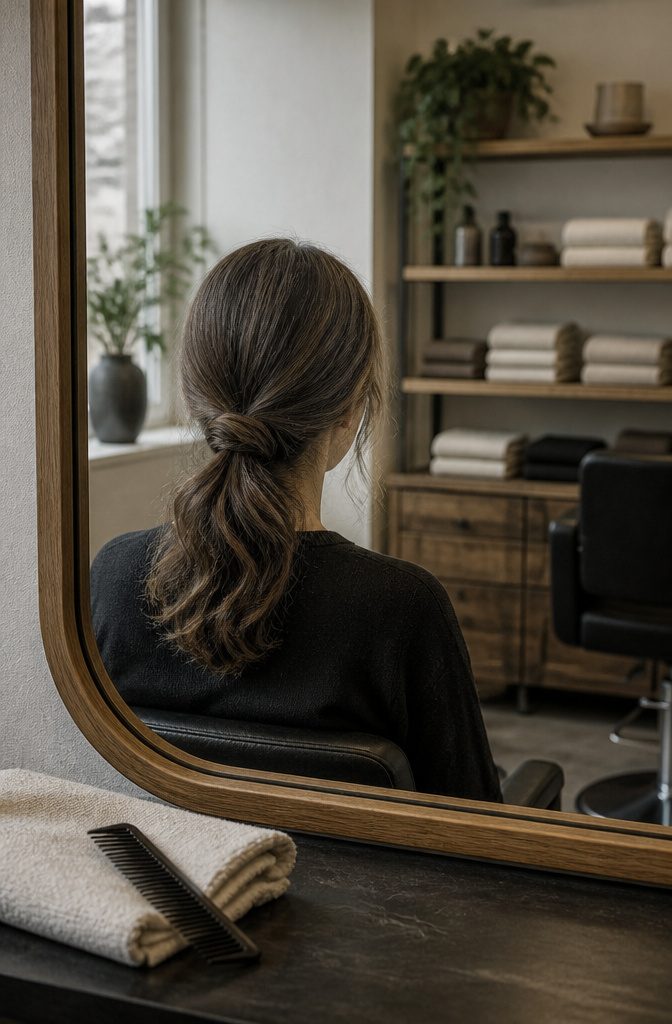
Gray brown is a cool, moody brunette with the warmth pulled out, and it looks best on pale skin.
Against fair coloring it reads smoky and soft instead of flat. On warm or golden skin I’d skip it, because that much coolness can leave a complexion looking tired.
The stronger reason to choose it is the transition.
Gray brown eases the move toward gray, since silver strands blend into a cool base instead of standing out against a warm one. Regrowth looks gentler between appointments, and the jump from dyed hair to natural gray feels less abrupt.
For anyone growing out color who wants a middle step, this is the shade I’d point to first. Ask a stylist for it by name rather than just "cool brown."
Medium Violet Brown
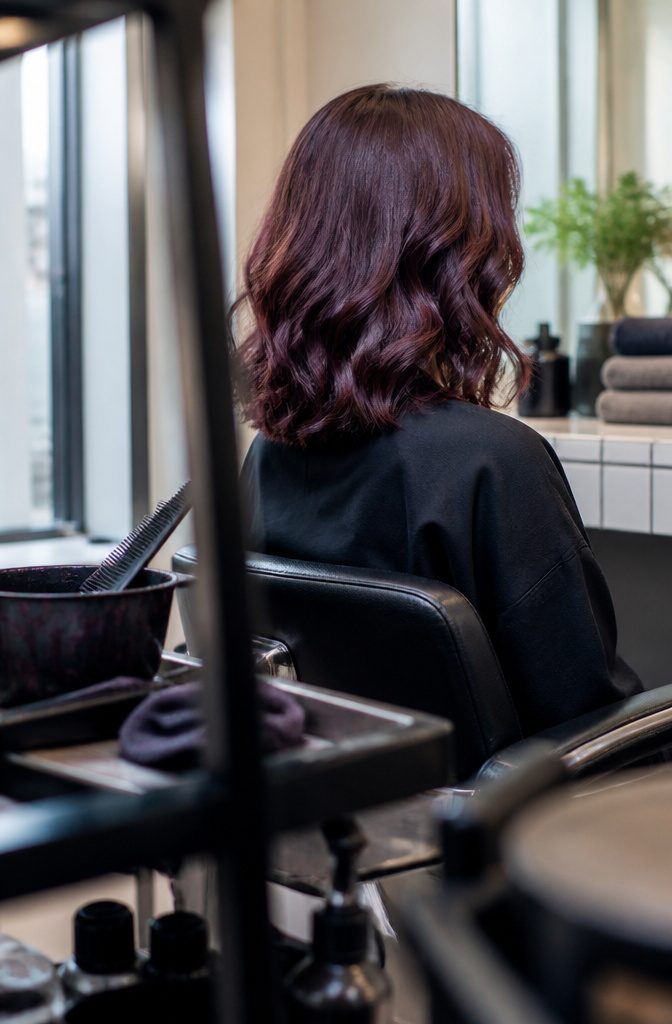
Wella Soft Color Medium Violet Brown is a mid-depth brown with a purple-red cast, so in daylight it reads as brown with a plum or wine undertone rather than a neutral shade.
That tint is the reason to choose it, and the reason to skip it if you want a plain brunette.
Cool, rosy complexions suit it best. Pink or blue-leaning skin picks up the violet and looks brighter beside it, which is why I’d steer anyone who wears silver better than gold toward it.
Golden or olive skin tends to fight the red-purple tone and can look sallow, so a warmer brown is the better call there.
How I Match Brown Shades to My Skin Undertone
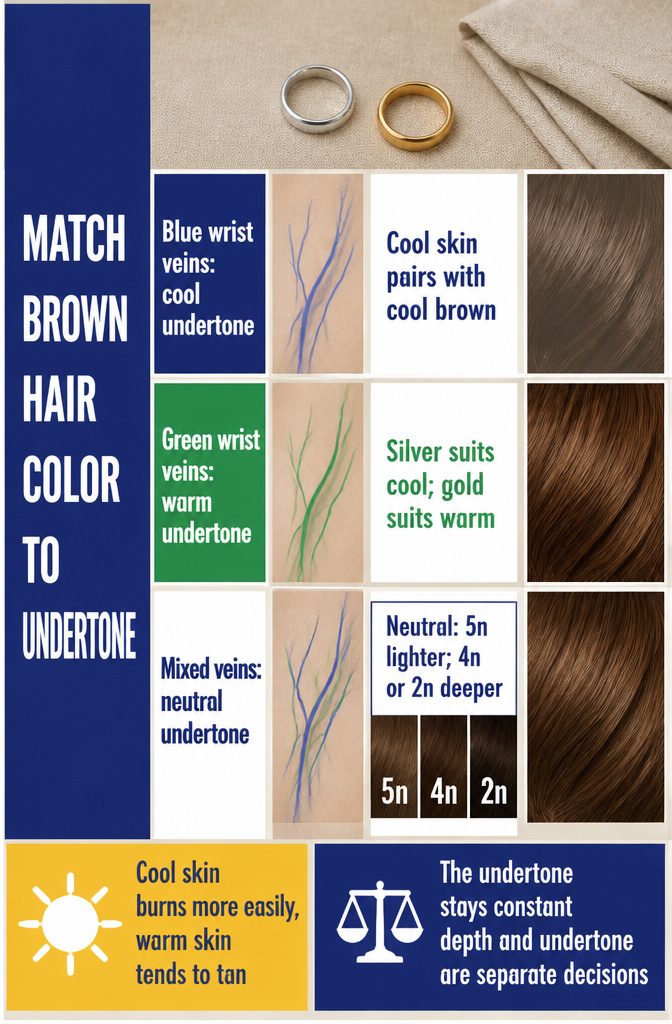
I check my undertone by turning my arm over and looking at the veins on my wrist.
Blue veins mean cool undertones, green means warm, and a mix of both points to neutral. If I’m still not sure, I think about whether gold or silver jewelry looks better against my skin.
Gold tends to flatter warm undertones, silver suits cool. How my skin reacts to sun gives another clue: cool skin burns more easily, warm skin tends to tan.
Once I know my undertone, matching a brown shade gets easier. Warm brown tones pair well with warm skin, cool browns with cool skin.
If I have neutral undertones, most shades work. I pick based on depth instead: light brunette shades like 5n for lighter skin, darker shades like 4n or 2n for medium to deep skin.
The undertone itself stays constant no matter how much sun I get, so depth and undertone are separate decisions.
What Starting Hair Color Means for the Result
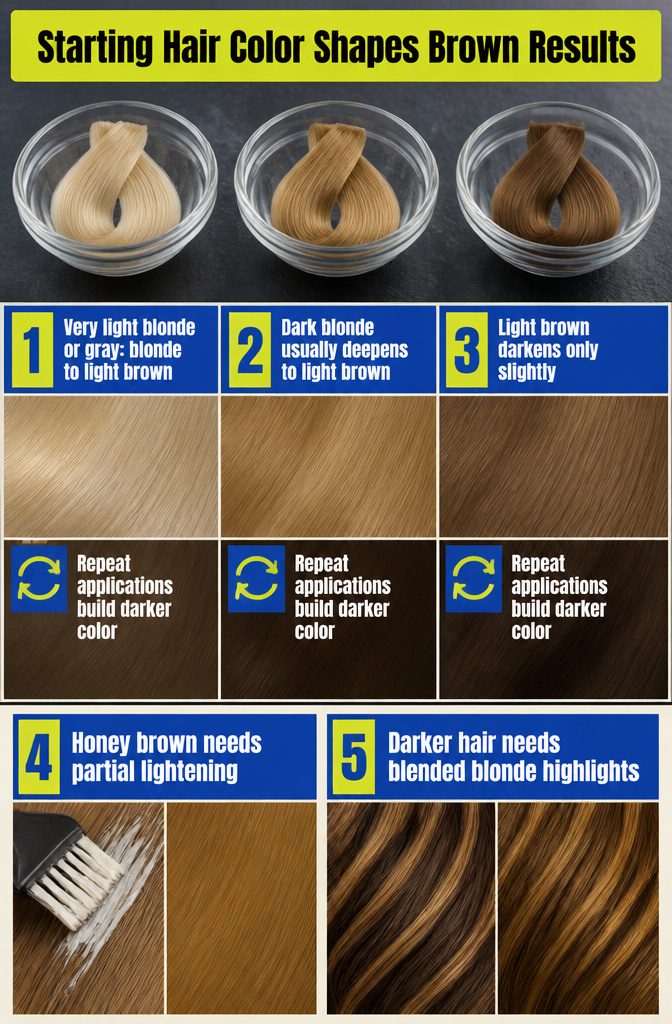
The lighter your hair starts, the lighter a plant-based brown lands.
Odylique Natural Brown is made for blonde to light brown hair and covers gray, but very light blonde, very gray or white hair can come out anywhere from blonde to light brown.
Dark blonde usually deepens to light brown, while light brown darkens only slightly. Repeat applications build the color darker, so I’d work up in rounds rather than expect one to do it all.
Conventional shades play by different rules.
Honey brown requires a partial lightening treatment and only works on light to medium brown hair. Anyone darker who wants it should plan on blonde highlights blended into the base, not a single all-over color.
Testing and Applying Plant-Powder Dye
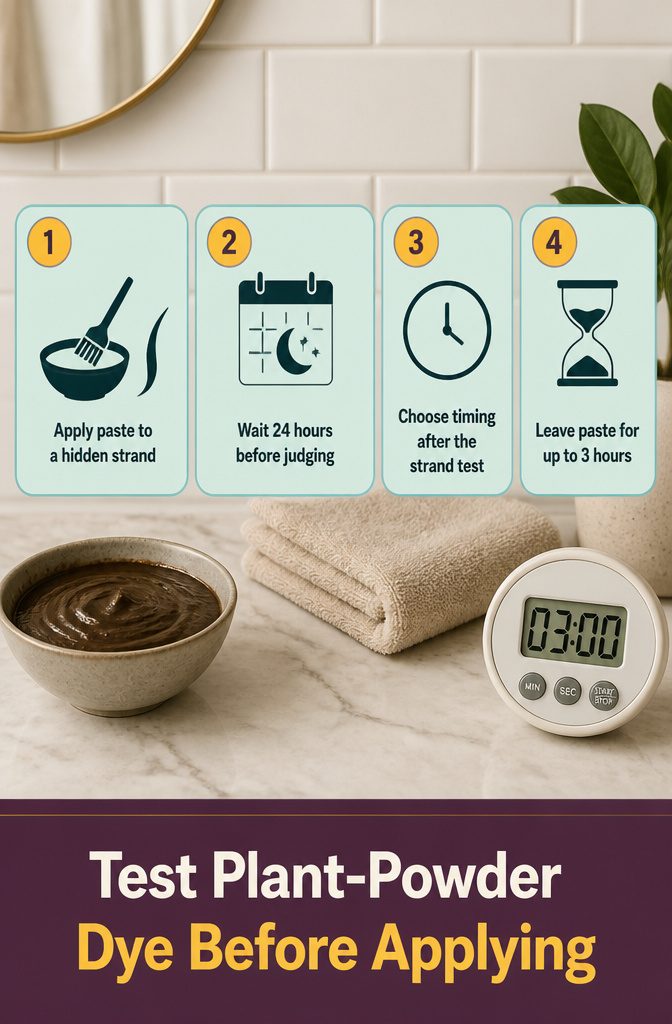
Test a small, hidden strand with the Odylique paste before you cover your whole head, then wait 24 hours before judging it.
Plant dye oxidizes after rinsing, so the color keeps developing and strengthens over the next day. The shade at the sink is not the shade you’ll end up with.
The strand also tells you how long to leave the paste on.
One hour gives a lighter result than 3 hours, and a longer application produces a darker, cooler brown. If you want a lighter brown, keep the time short.
For depth, leave the paste on for the full 3 hours. Don’t commit to a timing until the strand has had its full day.
Keeping Brown Color From Fading or Turning Brassy
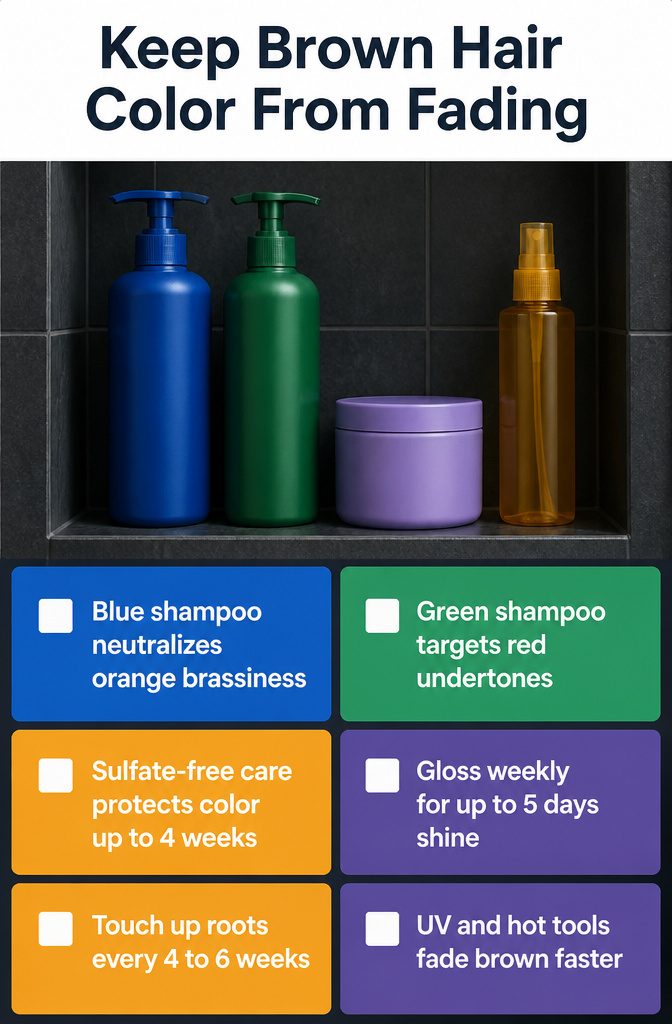
Brown takes on orange or red warmth as it fades, and the right toning shampoo will pull it back. I keep the strategy simple:
- Blue shampoo neutralizes orange. If your brown is leaning brassy, blue pigments sit opposite orange on the color wheel and cancel it out. Use it once or twice a week in place of your regular shampoo.
- Green shampoo handles red undertones. Matrix Total Results Dark Envy Shampoo and Conditioner work for dark brown and black hair when red creeps in.
- Switch to sulfate-free color care. L’Oréal Paris EverPure Sulfate-Free Moisture Shampoo and Conditioner keep color pure for up to four weeks without stripping.
- Gloss weekly for shine. The EverPure Glossing 5-Min Lamination Mask delivers up to five days of glass-like shine. Use a color-safe mask once a week to keep brown rich and hydrated.
- Touch up roots every 4 to 6 weeks. L’Oréal Paris Magic Root Cover Up comes in nine shades for quick fixes between appointments. Wella Root Touch Up products work the same way.
- Protect from sun and heat. UV and hot tools both fade brown faster, so leave-in protection matters.
Techniques That Add Dimension to Brunette Hair
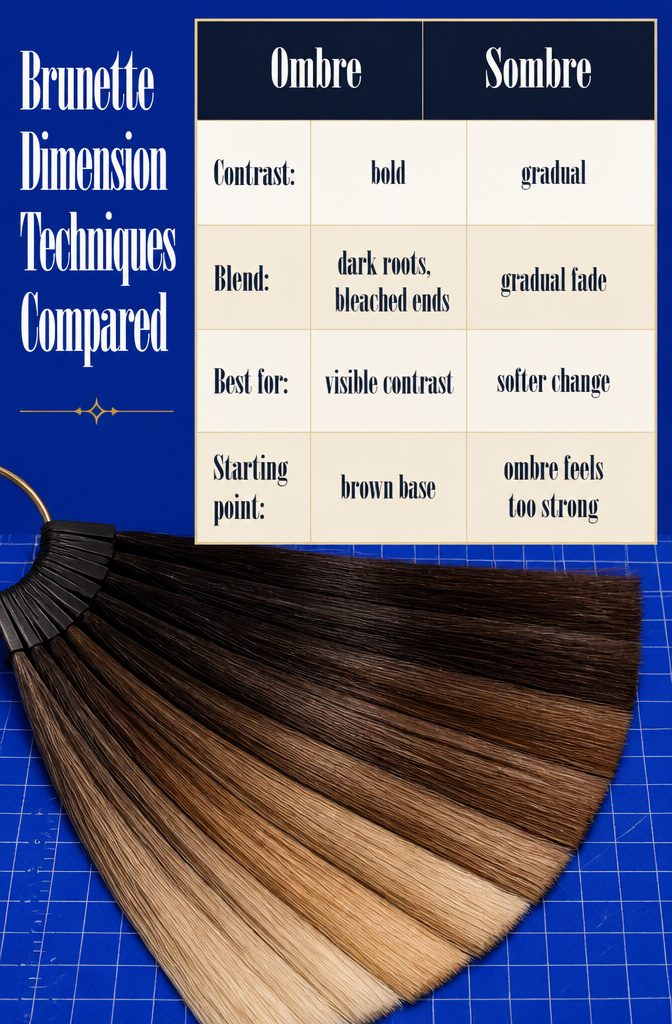
Brunette color splits by how much change you want, from a soft glow to a bright statement.
- Ombre: dark roots fading to bleached ends. It’s the boldest of the fade looks, so it suits a brown base when you want a visible contrast.
- Sombre: the same light-to-dark fade, blended gradually. I’d start here if ombre feels like too much.
- Balayage: a sweeping, sunkissed glow that’s less dramatic than ombre or highlights. It’s the most natural-looking choice on brown.
- Highlights: soft caramel, honey or golden shades add depth and a polished shine.
- Lowlights: darker shades woven through the base add richness to brown hair.
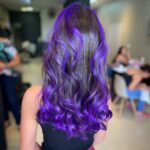
- Colored ends: pink, blue, purple or red look edgy on deep dark brown. Expect heavy-duty bleaching to strip the dark pigment so the color shows.
Frequently Asked Questions
How do I choose a brown hair color?
Pick a brown with the same undertone as your skin: cool browns like mushroom suit cool skin, and golden brown suits warm skin. To find your undertone, check your wrist veins.
Blue points to cool, green to warm, and a mix to neutral. Then weigh your starting color and how much regrowth upkeep you’ll tolerate, since darker shades show roots fast.
What are the different shades of brown hair?
Brown runs from ebony, darkest brown and dark brown through cocoa, chocolate, medium and light brown. Cool options include ash, light ash, mushroom, ice and gray brown.
Caramel, golden, honey and bronze sit on the warm side, and chestnut, copper, mahogany, auburn and medium violet brown carry red or purple tones. Natural brown, sandy brown and mocha brown suit neutral skin.
Can neutral undertones wear cool or warm brown shades?
Yes. Most cool and warm browns work on neutral undertones, so depth matters more than tone.
Lighter skin pairs well with light brunette shades, while darker browns flatter medium to deep skin. Natural brown, sandy brown and mocha brown are the three that suit neutral skin best.
Should I go darker or lighter with age?
There is no rule.
Lighter browns blend gray strands more easily, while dark browns show regrowth fast and need touch-ups every 4 to 6 weeks. If you’re growing out color, gray brown is a gentle middle step because silver strands melt into its cool base.
How do I avoid brassiness in brown hair?
Choose a shade that doesn’t require lightening, because lightened hair is what lets warmth creep back.
Use a blue shampoo once or twice a week to cancel orange, and a green toning shampoo such as Matrix Total Results Dark Envy for red undertones. Leave-in protection helps too, since sun and hot tools fade brown faster.
How can I make my brown hair darker naturally?
Use a plant-based dye such as Odylique’s Natural Brown, made from cassia, indigo, henna and amla powders. Repeat applications build the color darker, and leaving the paste on for 3 hours gives a deeper, cooler brown than 1 hour.
It’s made for blonde to light brown hair and darkens light brown only slightly, so work up in rounds. Do a strand test and wait 24 hours, because the color keeps developing after rinsing.
What hair color is copper brown?
Copper brown is medium brown threaded with orange highlights. It brightens dull or dark hair without pushing you toward blond, and it works as a gradual first step for brunettes curious about red.
It flatters pale to golden skin and blue-green or hazel eyes, but tends to clash on dark complexions.
Can you color brown hair?
Yes, and going darker is the easy direction: brunettes can reach ebony with a single black color treatment. Going lighter depends on your base.
Chestnut to medium brown hair needs only a regular color treatment for light brown, while chocolate to ebony bases need lightening first. Honey brown only works on light to medium brown hair.