Nothing reliably prevents gray hair, but you can delay it by protecting the pigment cells in your follicles.
Genetics and age set the schedule: half of all people have significant gray by 50. The exception is graying tied to low iron, vitamin D, or B12, where correcting the shortfall may reverse it.
Why Hair Turns Gray
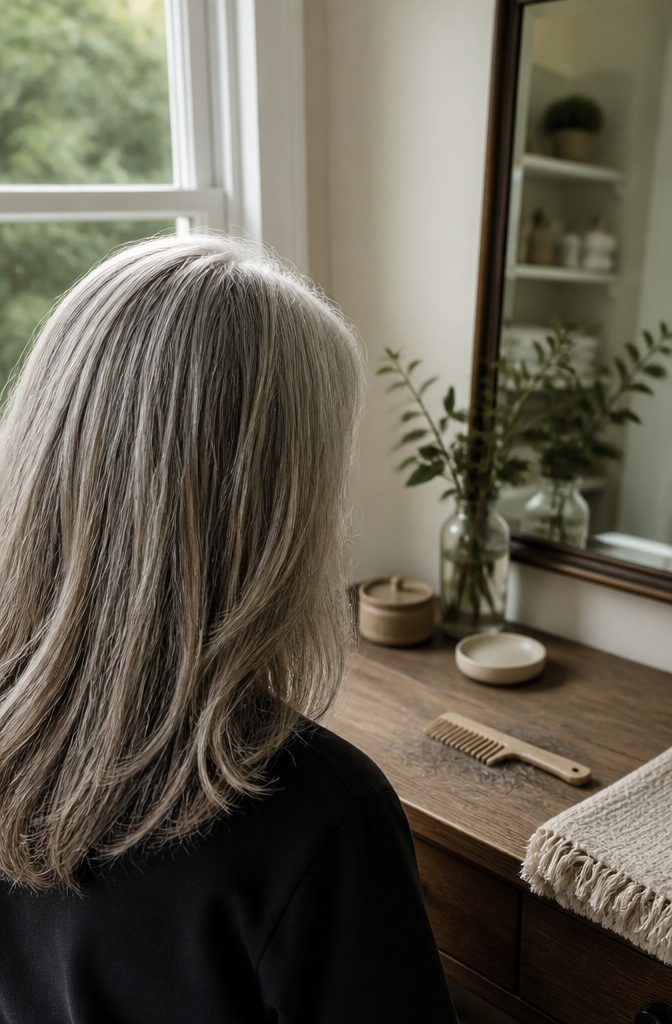
Every hair grows from a follicle, and each follicle holds cells called melanocytes that make melanin, the pigment that gives hair its color.
Gray hair appears when those cells make less melanin or stop altogether. Gray strands still carry a little pigment, while white strands have little or none.
A single plucked gray hair can look white under close inspection, and the gray you see in the mirror is partly an optical effect of white and pigmented strands growing side by side.
The fewer pigmented hairs left, the whiter the whole head reads.
I treat that as the useful part for anyone hoping to prevent grey hair: you are protecting the pigment cells, because once one dies it does not make melanin again.
Genetics and Aging
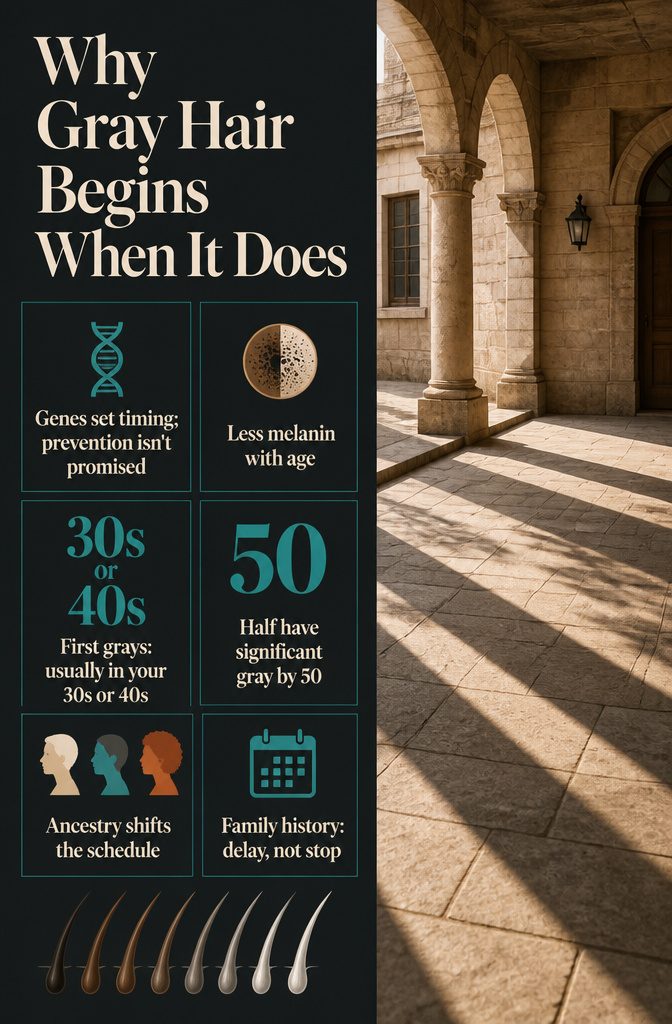
Genetics and aging drive the timing more than anything else, so nothing can promise to prevent gray hair.
Pigment cells make less melanin as the years pass, and the average first gray shows up in your 30s or 40s. Half of all people have a significant amount of gray by age 50.
Ancestry shifts the schedule. White people typically start in their mid-30s, Asian people in their late 30s, and Black people in their mid-40s.
Gray by age 20 counts as premature for a white person, and before 30 for a Black person. If gray runs in your family, I’d plan on delaying it rather than stopping it.
Does Stress Cause Gray Hair
The cautious reading says stress has not been shown to cause gray hair and that genes do most of the work.
The other reading says chronic stress sends noradrenaline into the follicle, which pulls dormant melanocyte stem cells into pigment production until the reserve runs low and new hair grows in gray or white.
That mechanism is plausible, but I would treat stress as a possible contributor, not a proven cause.
Oxidative damage is the other suspect.
Smoking is named most often, pollution and free radicals follow, and UV is the least settled. Nobody can tell you how many grays any of these would save you.
Diet and Deficiencies
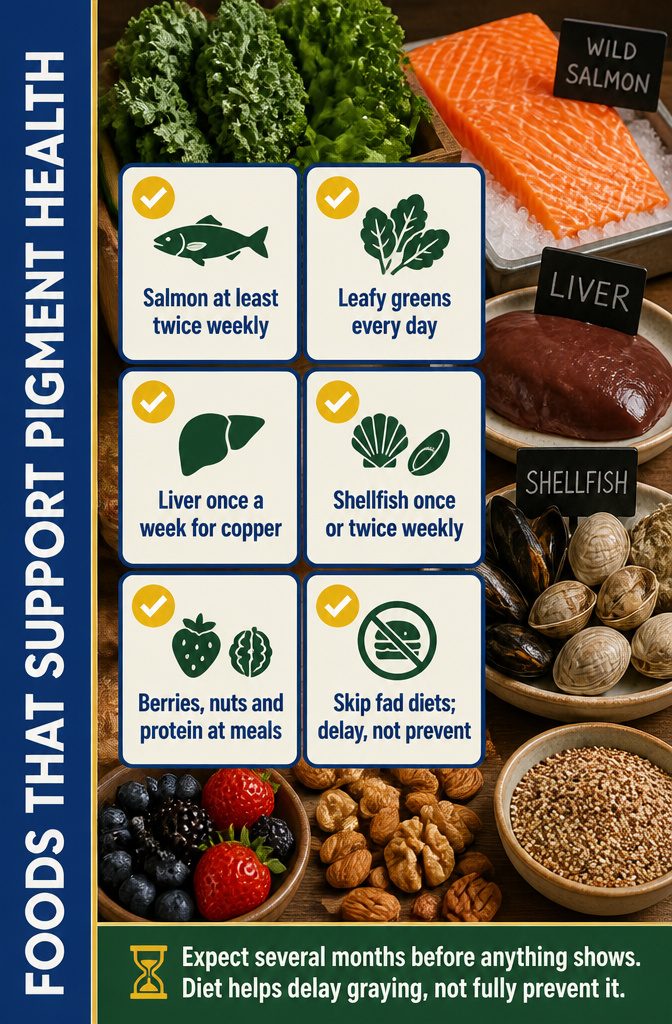
Low B12, iron, vitamin D, zinc, copper, folate and calcium have all been linked to early graying, though true deficiency as the cause is rare. Food covers most of it:
- Salmon at least twice a week, for omega-3 fats.
- Leafy greens daily. Kale and spinach also bring antioxidants.
- Liver once a week, mainly for copper.
- Shellfish once or twice a week.
- Berries and nuts for antioxidants, and protein at meals.
- Skip fad diets, which can create the gaps you’re trying to close.
Expect several months before anything shows. I’d treat diet as a way to delay graying, not fully prevent it, especially if genetics run strong in your family.
Supplements and Gray Hair

Supplements work on one kind of gray: premature graying tied to a deficiency. A shortfall in iron, vitamin D, or vitamin B12 may be behind it, and correcting that may reverse the graying.
Products sold as "anti-gray" are a different story.
No studies prove they work, and the FDA doesn’t evaluate dietary supplements, so safety is hard to judge. I’d skip them.
More isn’t better, either.
Too much vitamin A or selenium can cause hair loss. Talk to your doctor before starting anything, follow the dosage they give, and ask which brands they trust.
Lifestyle Habits That Help
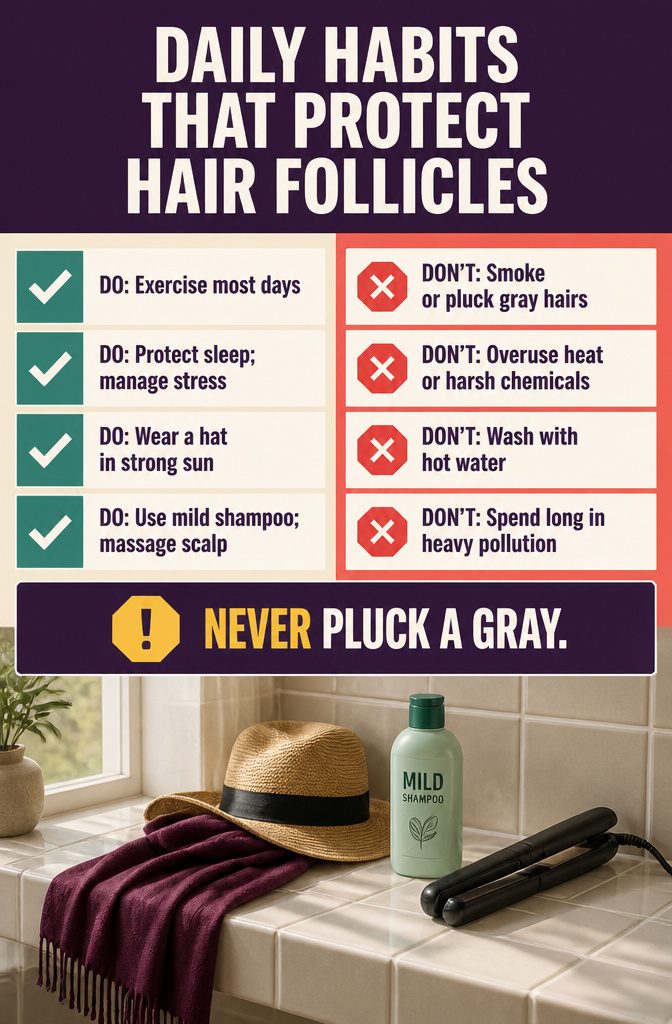
Protecting the pigment cells in your follicles comes down to small, repeated habits:
- Quit smoking. It adds oxidative stress in the follicle.
- Exercise most days. It eases stress and sends more blood to the scalp.
- Protect your sleep and keep stress in check.
- Cover up with a hat or scarf in strong sun, and limit time in heavy pollution.
- Cut back on heat tools and harsh chemical treatments, which weaken the hair shaft and follicle over time.
- Wash with lukewarm water. Hot water strips scalp oils.
- Use a mild shampoo and spend a few extra minutes massaging it in to boost circulation.
Never pluck a gray. Pigment is set in the follicle, so the hair returns gray, and repeated plucking can damage follicles and slow growth.
Can Gray Be Reversed
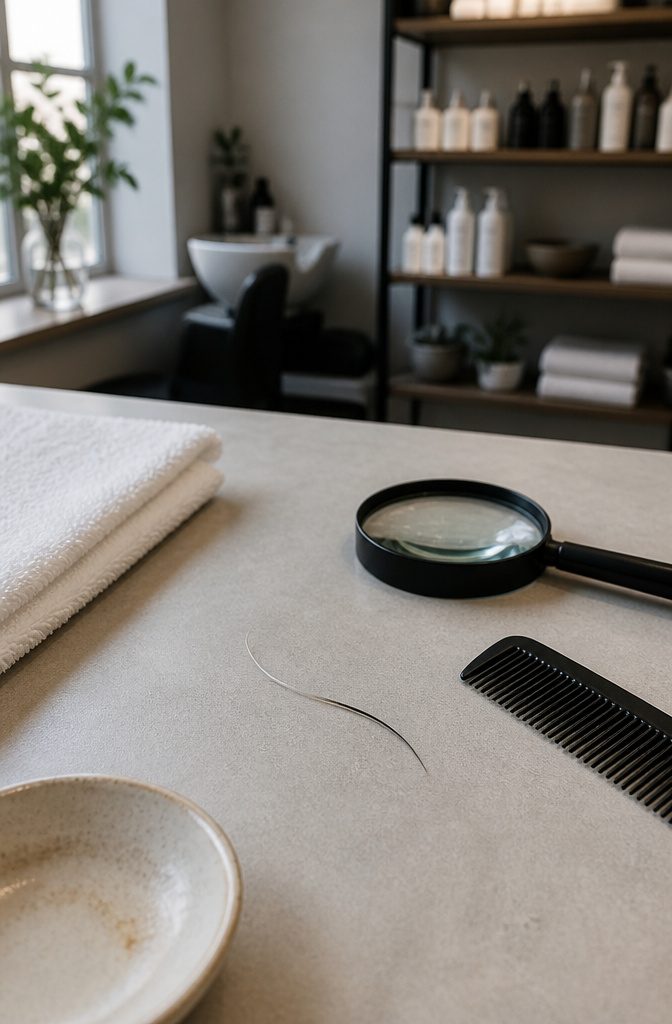
Established gray is usually called irreversible. A study of 14 people ages 9–65 found a narrow exception: some hairs regained color in 10 participants, ages 9–39.
Hair grows about a centimeter per month, so each strand works as a timeline, and the color changes lined up with life events:
The times when graying or reversal occurred corresponded to periods of significant stress or relaxation.
One reversal coincided with a two-week vacation, and one white segment matched two months of high stress. I’d treat that as a hopeful footnote, not a plan: the effect was limited and temporary, and it needs more research.
Covering Existing Gray
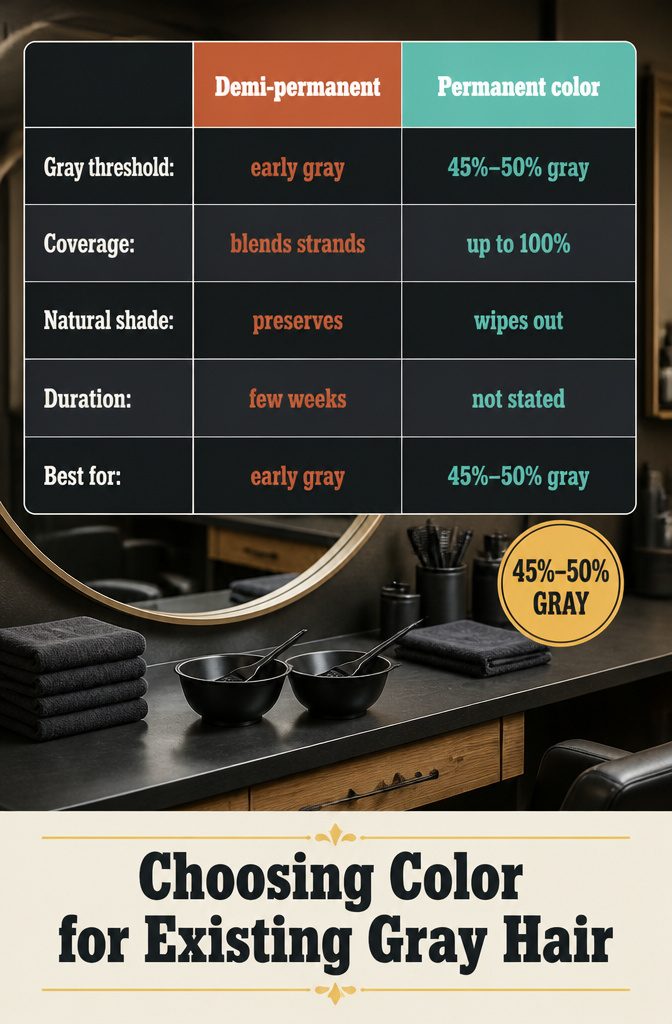
Demi-permanent color suits early gray: it lasts a few weeks and blends strands without wiping out your natural shade.
Once you hit 45%–50% gray, permanent color is the pick, with up to 100% coverage. The rest line up like this:
| Option | Coverage | Timing |
|---|---|---|
| Color Touch | Up to 70% | Fades over 28 washes |
| Koleston Xpress | Roots | 10 minutes |
| Just for Men AutoStop | n/a | 10 minutes, lasts up to 8 weeks |
| Control GX | n/a | Gradual, over a month |
Salon touch-ups run every 6–8 weeks and cost $25–$100, while home color may be needed every 3–8 weeks. Past half gray, I’d pay for the salon.
Caring for Gray Hair
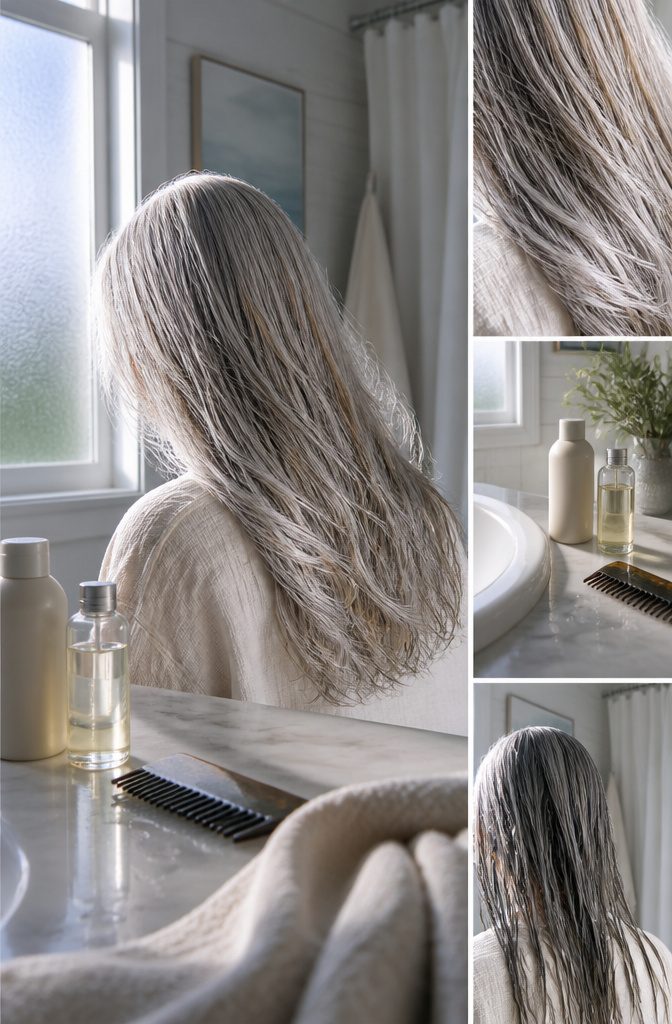
Gray hair often feels wiry because it lacks elasticity, and the sebaceous glands slow with age, so less sebum coats each strand.
Protein and B5-rich conditioning treatments help, and masks belong in the rotation more often. Shampoo less, too, since each wash strips oil you’re short on.
Once a week, swap in a clarifying shampoo like Living Proof Triple Detox, then follow with Sachajuan Silver to cancel yellow.
On damp hair, work in a light pass of Number 4 Restore & Repair Oil along with a heat protectant such as Phytologie Phytokeratine Heat-Protecting Repair Spray.
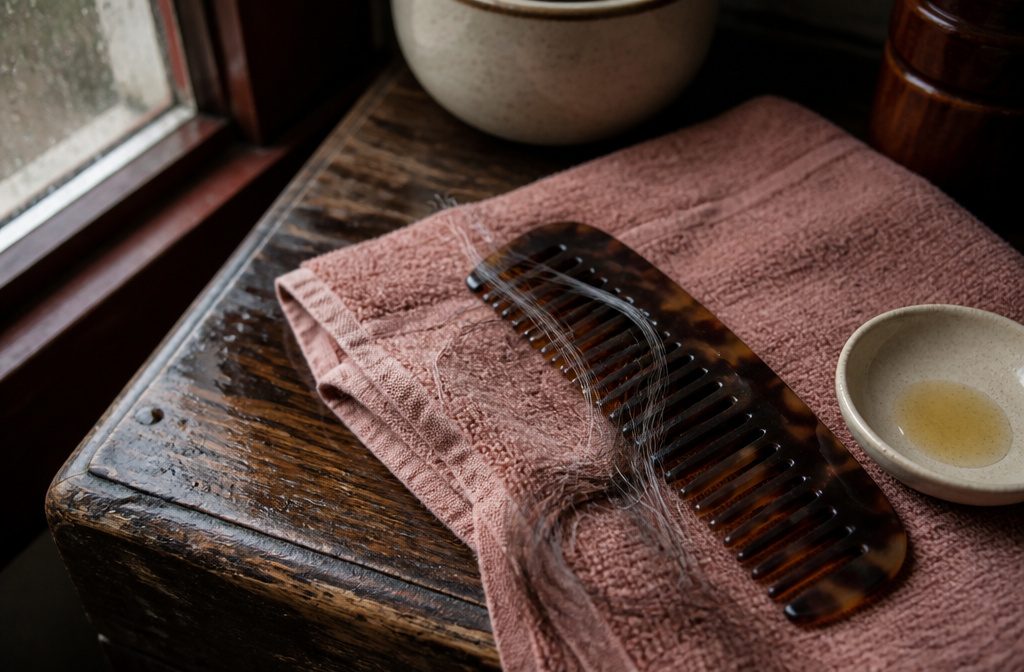
Choose a clear oil over an amber one, which can shift the tone of your gray.
When to See a Doctor
Gray hair by itself is rarely a medical problem.
Early graying can, though, trace back to thyroid disease, a pituitary problem, an autoimmune condition, a scalp condition or low vitamin B-12, and some of those cases reverse once the underlying issue is treated.
If your color is fading early alongside other changes you can’t explain, I’d book the appointment. Tell the doctor every symptom you have, gray hair included, because the full list guides which blood tests make sense.
A single vitamin or mineral test can mislead: micronutrient testing isn’t always accurate and often misses the full picture. Mention smoking and stress too, since a doctor may suggest quitting and managing stress to slow graying.
Growing Gray Out
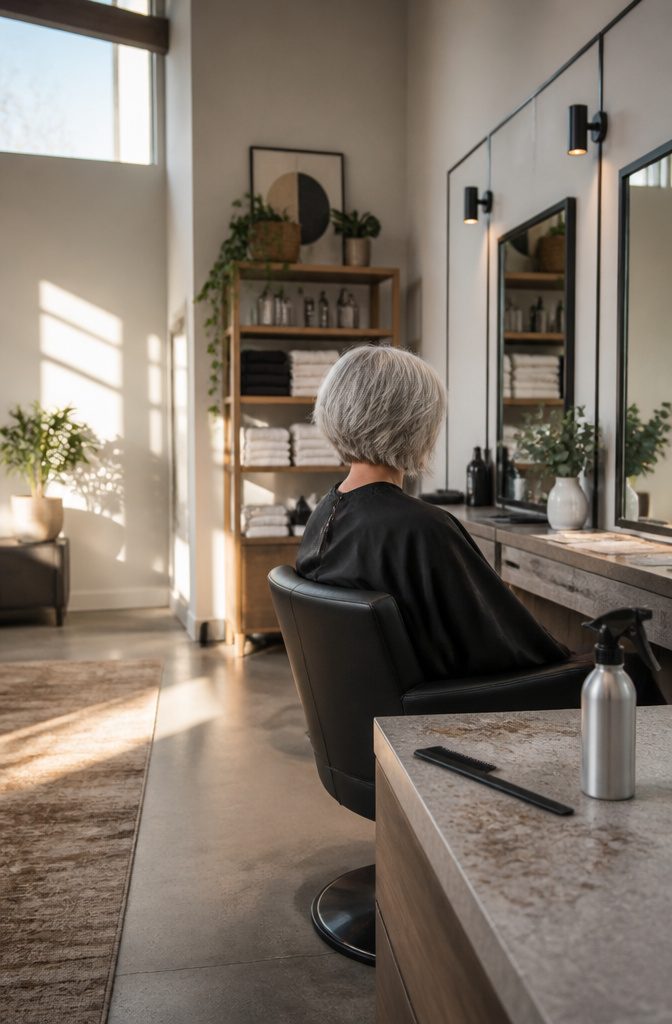
Gray loses its natural shine along with its melanin, so a matte styling product leaves it looking duller than it is.
I’d pick something with gloss, and Milkshake Silver Shine, a purple-based shampoo, is a favorite for clean tone and extra shine. Cut matters just as much.
A short or textured cut, trimmed at an angle for volume and movement, blends gray better than a blunt line. When silver turns yellow and brassy, a purple toner or gloss pulls it back.
A few platinum pieces mixed in brighten the silver and keep it from reading as dull. While you grow out dyed hair, an ash or mushroom blonde melts into the regrowth, so roots stand out less.
Baking Soda and Rosemary
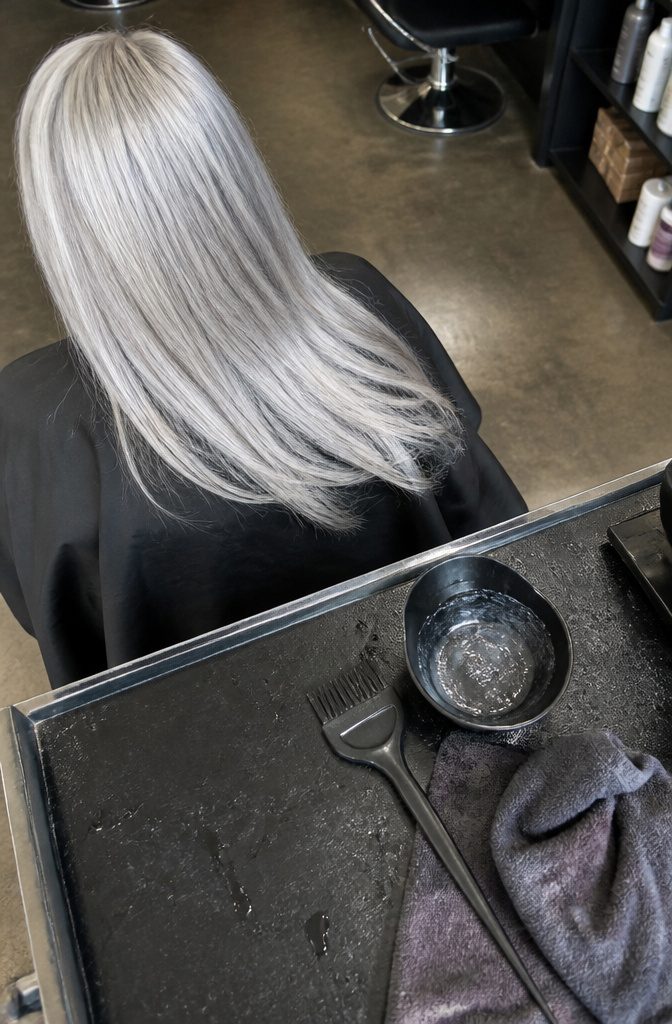
Baking soda is said to lift and "detox" grey strands so they look slightly brighter, but it does nothing to slow the graying itself.
Mixing it at home also puts your hair’s health on the line, which is why brightening is best left to a professional.
A salon icy blonde gloss brightens and tones grey in one step and leaves hair shiny, so that is where I’d spend the money.
Rosemary oil and sage rinses are traditional enhancers. They work on how hair looks, not on why pigment fades, so the underlying cause stays untouched.
Skip the baking soda, and treat rosemary and sage as a pleasant ritual, not prevention. If you enjoy them, go ahead, but don’t expect them to hold off a single grey.
Frequently Asked Questions
How do I prevent grey hair?
Genetics and aging set the schedule, so nothing is guaranteed to prevent it, but you can try to delay it.
Quit smoking, exercise most days, sleep well, manage stress, wear a hat in strong sun, and cut back on heat tools and harsh chemical treatments. If graying starts early, ask a doctor to check for deficiencies and thyroid problems.
What causes grey hair?
Pigment cells in the follicle make less melanin, and aging and genetics are the main reasons.
Smoking, stress, nutrient gaps and medical conditions such as thyroid disease may speed it up. Once a pigment cell dies, it does not make melanin again.
Is grey hair genetic?
Yes, largely.
Genes are the main driver of when and how fast your hair turns grey, and the trait is often inherited from one or both parents. If graying runs in your family, plan on delaying it rather than stopping it.
What is the average age for hair to turn grey?
Most people see their first greys in their 30s or 40s, and about half have a significant amount by age 50.
Ancestry shifts the timing: white people typically start in their mid-30s, Asian people in their late 30s and Black people in their mid-40s. Grey before 20 is premature for a white person, and before 30 for a Black person.
Does stress cause grey hair?
Stress has not been proven to cause it, though it may contribute. Treat it as a possible factor, not a confirmed cause.
Can diet alone prevent grey hair?
No.
A good diet can delay graying but cannot fully stop it, especially when genetics are strong. Allow several months before expecting any change, and build meals around salmon, leafy greens, shellfish, berries, nuts and protein.
Is there a connection between zinc and grey hair?
Possibly. Low zinc is one of several shortfalls, along with B12, iron, vitamin D, copper, folate and calcium, that have been linked to early graying.
A true deficiency as the cause is rare, and shellfish is an easy food source of zinc.
Which vitamin helps reverse grey hair?
Iron, vitamin D and vitamin B12 may reverse premature graying, but only when a shortfall in one of them is behind it.
If your levels are normal, there is no evidence that extra amounts will bring color back. A doctor can test to see whether you are low.
Can supplements prevent or reverse grey hair?
Only in one case: premature graying tied to a deficiency. Products sold as anti-gray have no studies proving they work, and the FDA does not evaluate dietary supplements, so safety is hard to judge.
Taking too much is a risk too, since excess vitamin A or selenium can cause hair loss, so check with your doctor on dosage first.
Can grey hair be reversed?
Established grey is usually considered irreversible. A small study of 14 people found some hairs regained color in 10 of them, ages 9–39, with changes that lined up with periods of stress or relaxation.
The effect was limited and temporary, and food will not bring color back to hair that is already grey.
Should you pluck grey hairs?
No.
The hair grows back grey, because pigment is set in the follicle. Repeated plucking can also damage follicles and slow growth.
How can I permanently remove grey hair?
No method removes it for good.
Permanent color is the longest-lasting fix, with up to 100% coverage, though it needs touch-ups as roots grow in. Salon visits run every 6–8 weeks and cost $25–$100.
Is it safe to dye grey hair?
Dyeing is generally safe for cosmetic use.
Gentler products are the better pick, since harsh chemicals can damage hair. For early gray, demi-permanent color blends strands without wiping out your natural shade.
What color cancels out grey hair?
Any color can cover grey, but an ash or mushroom blonde melts into silver regrowth so roots stand out less. If your silver turns yellow and brassy, a purple toner or gloss pulls it back.
Does baking soda work on grey hair?
It may make grey strands look slightly brighter, but it does nothing to slow the graying itself.
Mixing it at home also puts your hair’s health at risk. A salon icy blonde gloss brightens and tones grey in one step.
Why is grey hair so coarse?
Grey hair often feels wiry because it lacks elasticity, and the oil glands slow with age, so less sebum coats each strand.
Protein and B5-rich conditioning treatments and weekly masks help. Shampoo less often too, since each wash strips oil you are already short on.
When should I see a doctor about grey hair?
See one if your color fades early alongside other changes you cannot explain.
Early graying can trace back to thyroid disease, a pituitary problem, an autoimmune condition, a scalp condition or low B12. Mention every symptom, plus smoking and stress, because that guides which blood tests make sense.