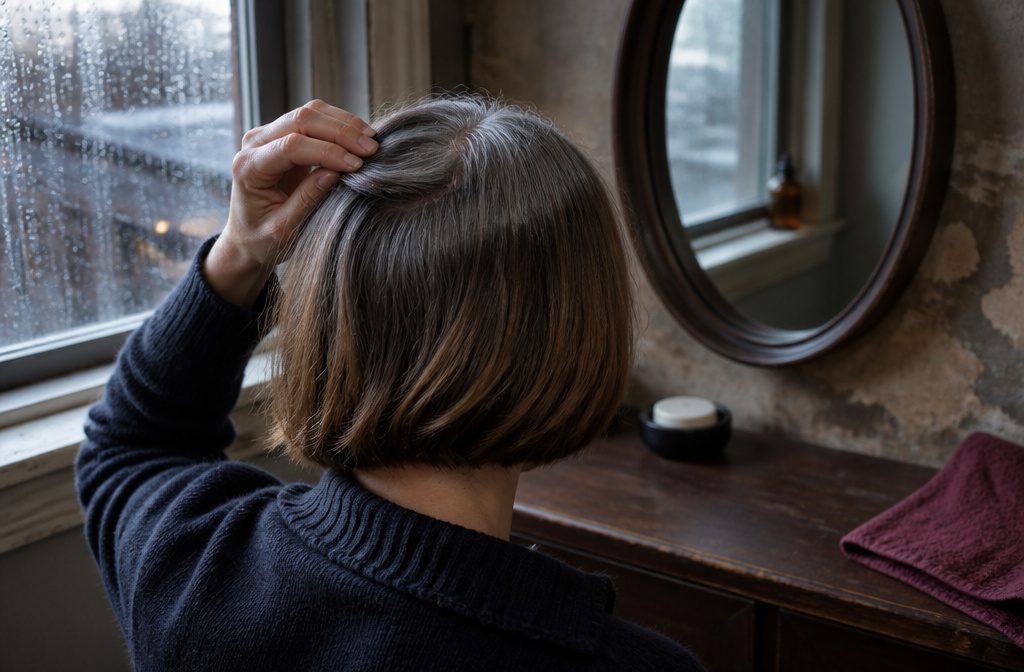
Plan on 6 to 18 months to reach your own gray, with the grow-out line as the stage people mishandle.
Hair gains about half an inch a month, so an 8-inch dyed bob needs roughly 16 months to clear, unless you cut the dyed length off or blend the line with highlights.
1. Set a Transition Goal
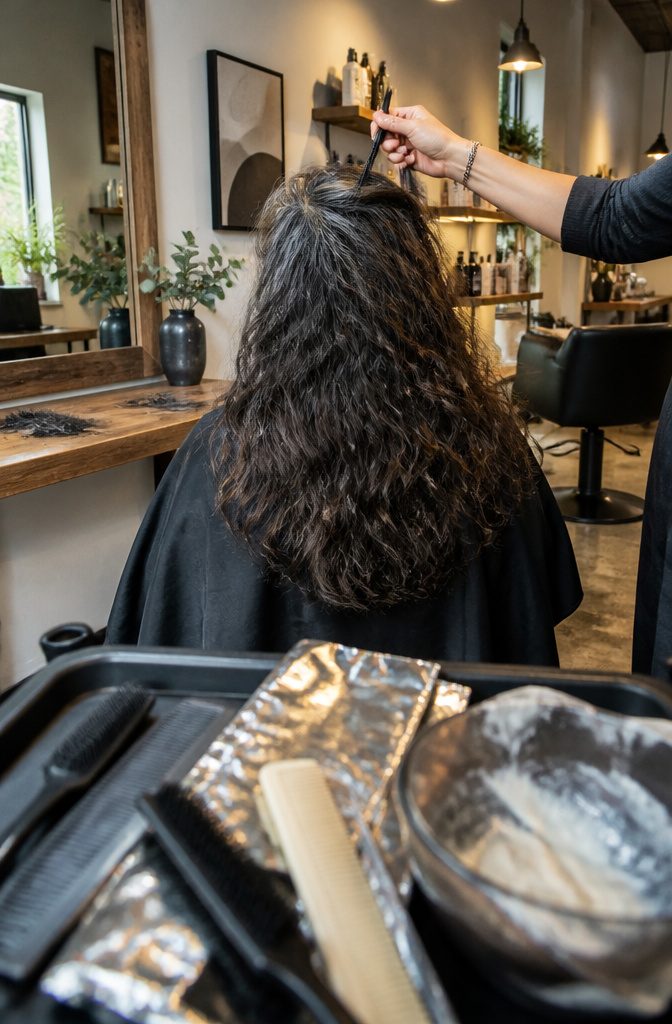
Gray rarely arrives evenly, so the first decision is which look you want and how much upkeep you will accept.
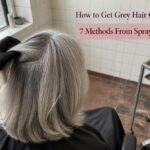
If your grays cluster at the hairline, blended brighter highlights soften the line between dark and light and only need redoing about every 3 months.
Only about 10% of people have naturally even, silky, silver-gray hair. Most of us end up with a mix of textures, and I’d plan for that, not the Pinterest version.
A colorist can map your graying pattern and choose an approach, because your natural pigment, prior color and cut all change how the transition plays out. I’d book that consult before touching another box of dye.
2. Soften the Grow-Out Line
Temporary gray root touch-ups wash out, so they can’t undo your decision to grow out your color.
The Josh Wood Colour Root Smudge and Blending Brush lasts up to three washes, which makes it a rescue for event days, not a daily habit.
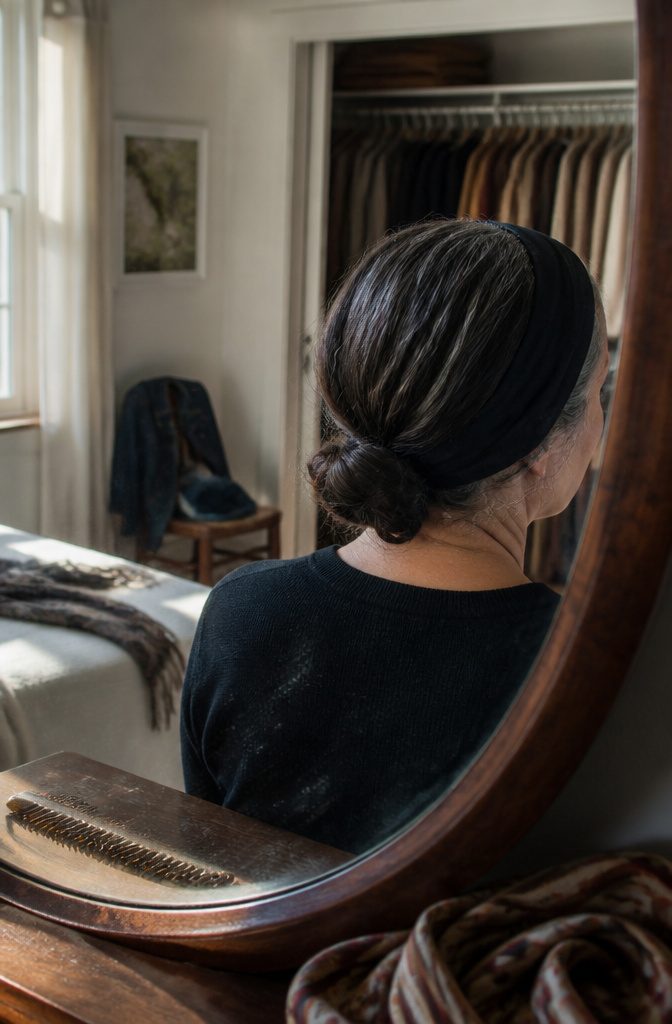
Part changes, updos and headbands cost nothing and hide the line with no product at all. I’d try a new part and a wide headband before buying anything.
Salon fixes are a different category: root smudging in a shade matched to your natural gray, or highlights, lowlights and balayage, are not wash-out solutions. Book them only when you’re sure you want the line softened for good.
3. Blend With Salon Color
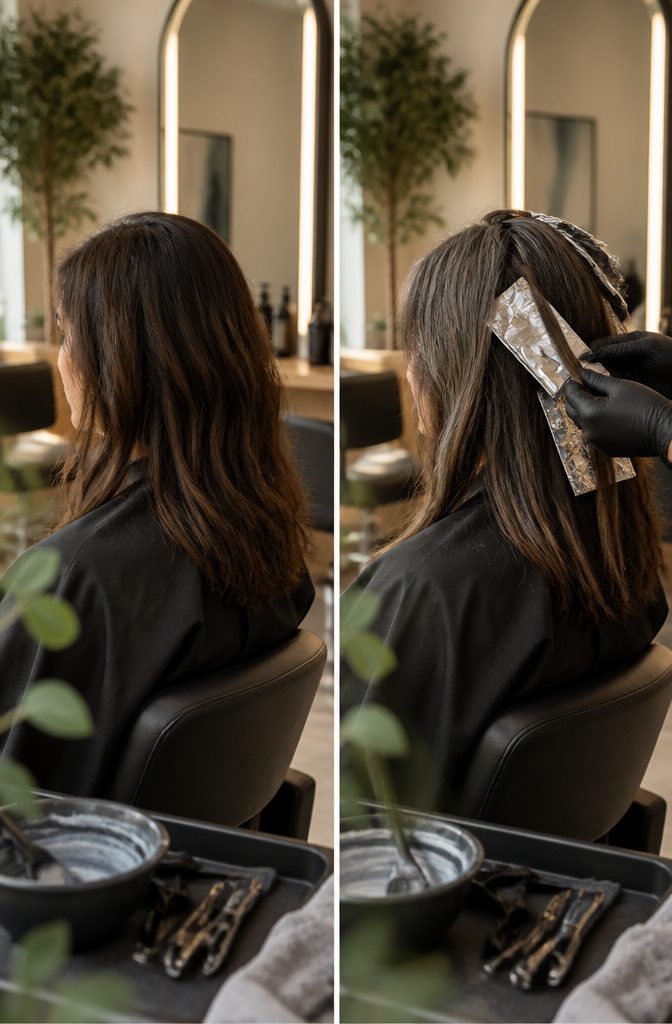
Highlights and lowlights break up the hard line between dyed ends and gray roots, so regrowth reads as dimension instead of a stripe. Babylights and balayage mix lighter and darker strands to camouflage gray gradually.
Ask your colorist for foils placed with gray tones rather than lightener, and skip the all-over dye job. A semi-permanent toner on top makes the grow-out look intentional.
If your gray sits mostly at the hairline, brighter gray highlights around the face soften the contrast, though they need redoing about every three months. I’d take that over a full recolor, but it keeps you on a salon schedule.
4. Test Gray With Temporary Color
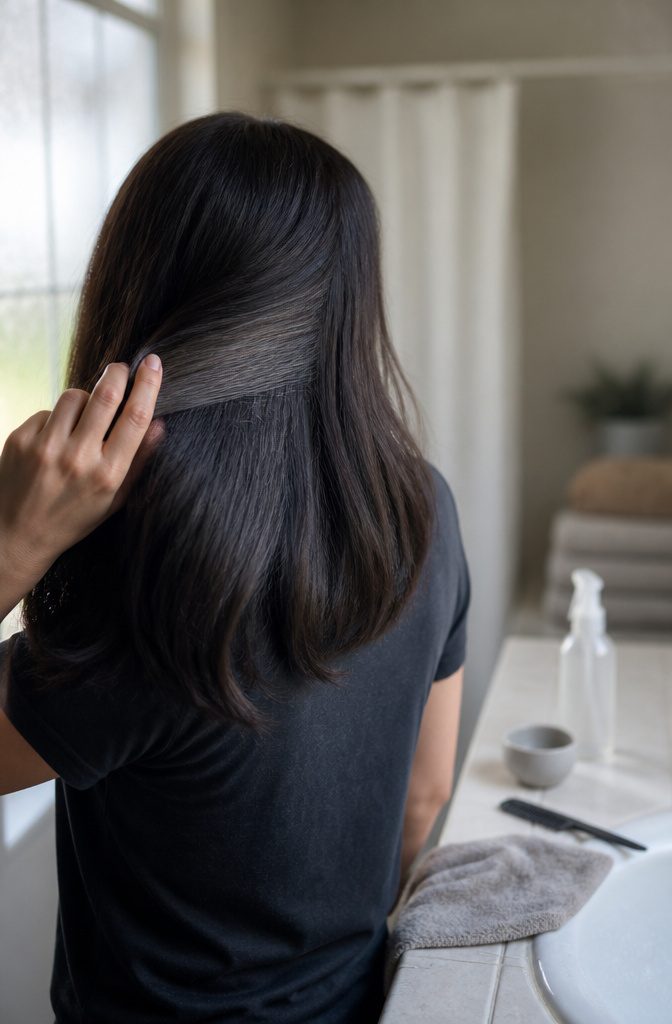
Four ways to try silver before your roots make the call:
- The L’Oréal Paris Colorista Hair Makeup Temporary 1-Day Hair Color Spray in Silver mists on and washes out in about a day, or with your next shampoo. It’s the lowest-risk test, and I’d start here.
- Semi-permanent dye is ammonia-free and typically lasts a week or two, long enough to judge the shade in daylight and in photos.
- L’Oréal Le Color Gloss One Step In-Shower Toning Gloss in Silver works in as little as 5 minutes, so it fits into a normal shower.
- Féria in Smokey Silver or Silver, and Fade-Defying Shine in Soft Silver Blonde (vivid color up to 8 weeks), blend roots well, but permanent all-over silver is a commitment. Try a temporary round first.
5. Cut for the Transition
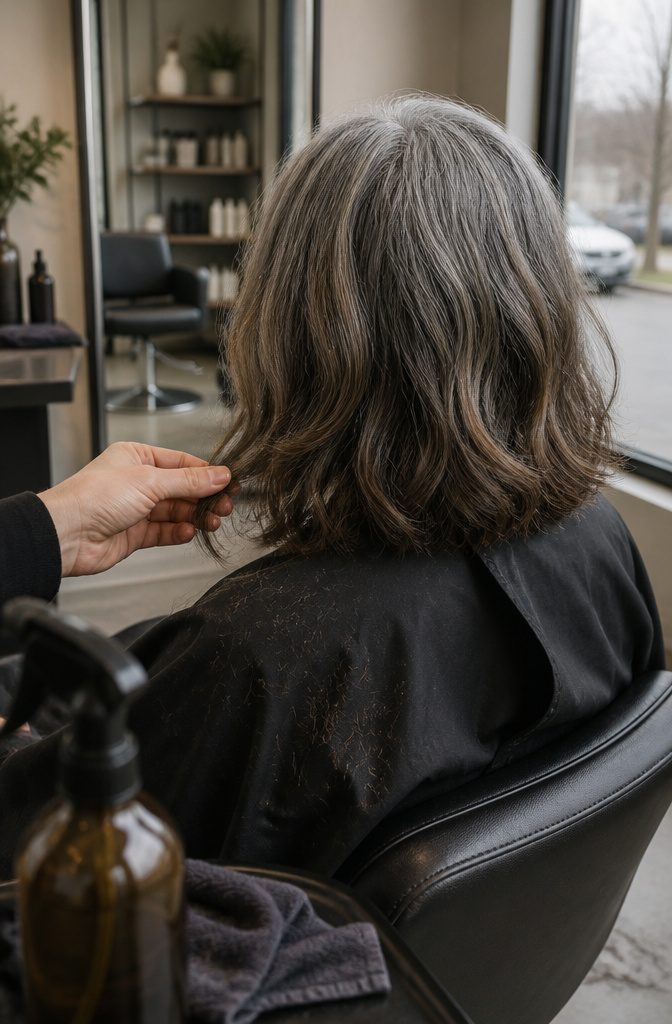
Every inch you cut is an inch of dyed hair gone, so the more you cut, the faster you reach natural gray hair.
A cropped buzz cut or a structured box bob erases the transition entirely. Straight, one-length hair shows the regrowth line most clearly, while layers, texture and waves blur it.
For anyone nervous about going short, I’d pick the lob, a long bob that sits slightly beneath the jawline at the front. Long gray works too, as long as your hair’s condition and density can support the length.
Mid- to shoulder-length hair may still hold years of pigment at the ends, and deep-cleansing shampoos help soften it.
6. Match the Blend to Your Starting Color
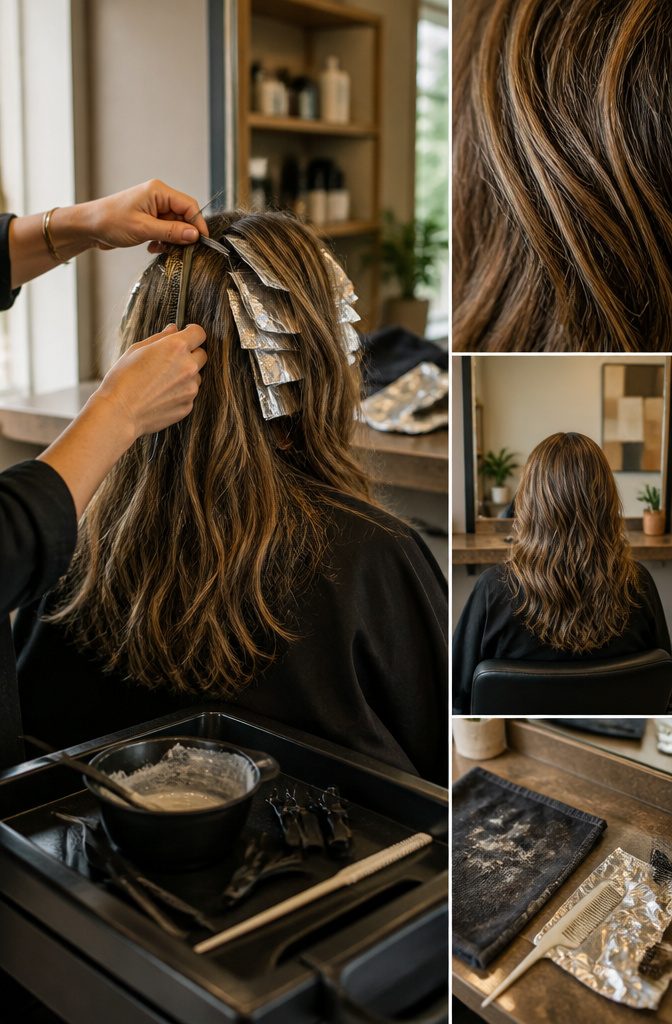
Your starting shade decides how much contrast the blend has to soften, and each color needs a different fix:
- Blondes have the easiest road. Mix highlights and lowlights from icy to cool blonde, and the regrowth reads as ashy depth that could pass for platinum. I’d ask about Salon Blonde toners to keep that cool end of the range.
- Brunettes see light gray stand out against dark brown. Use deeper chocolate-brown lowlights with sandy or golden highlights, which keeps the eye off the lightest gray strands.
- Redheads get a hard line where red meets gray. Blend with blonde and brunette tones instead of adding more red.
7. Care for Gray Texture
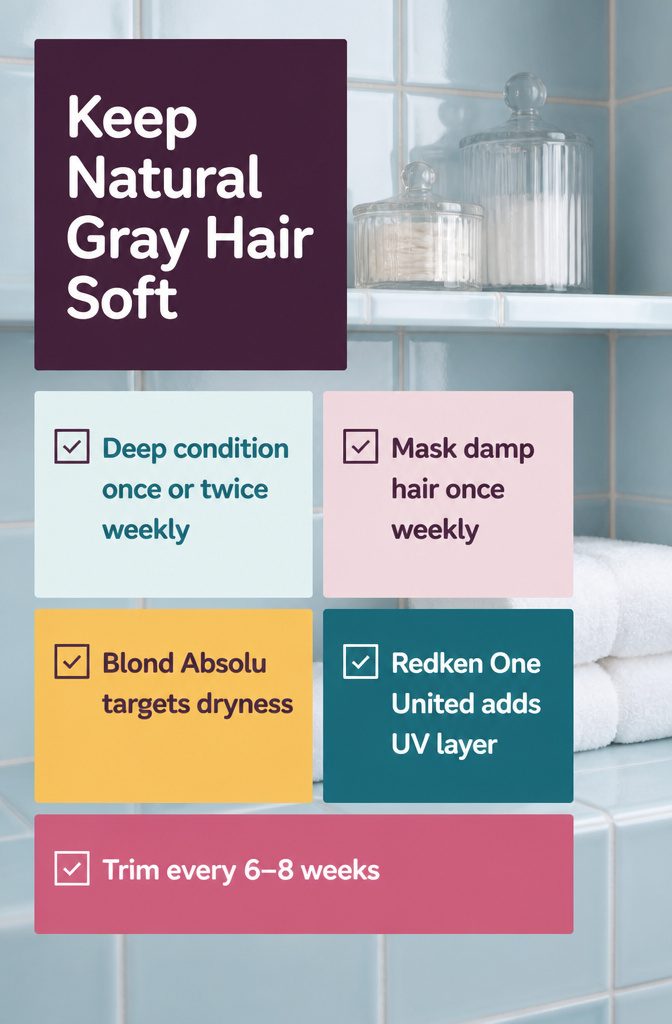
Gray strands run drier, coarser and wirier than pigmented hair, with a more porous cuticle, and your curl pattern may shift too. This routine keeps them soft:
- Deep condition once or twice a week. Kérastase Nutritive, Genesis or Elixir are good picks.
- Apply a mask weekly on damp hair. I’d choose Josh Wood Colour Miracle Mask, then smooth Miracle Oil through the lengths.
- Use Kérastase Blond Absolu if dryness is the main complaint, and Redken One United for a UV layer.
- Trim every 6–8 weeks to remove split ends and hold the shape.
- Air-dry and add a texturizing spray if the new wave or curl pattern shows up. It beats fighting it with heat.
8. Fix Yellow and Brassy Tones
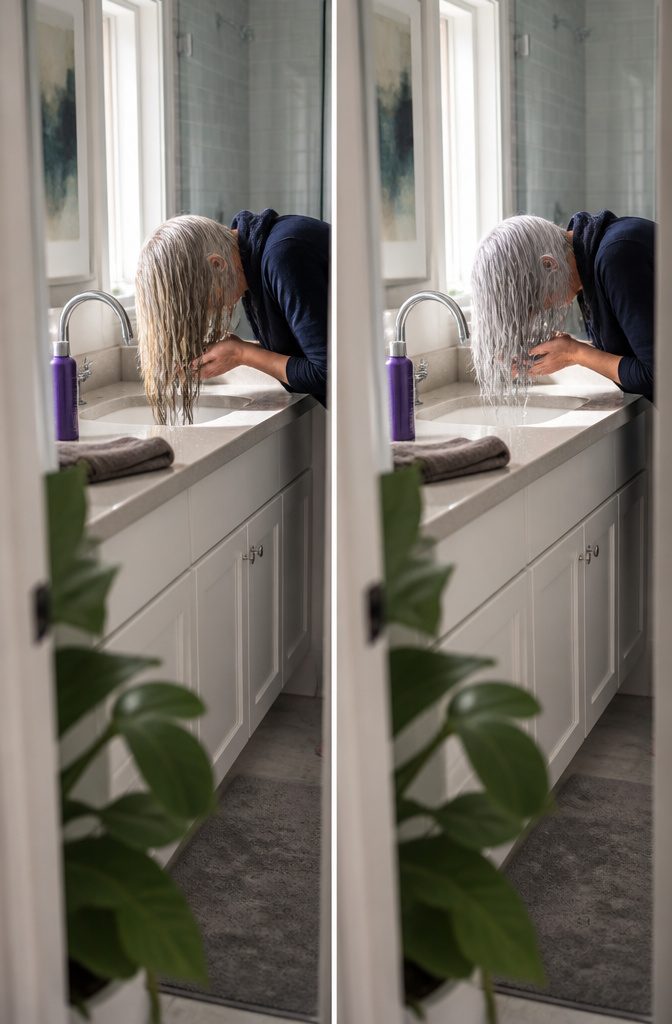
Yellowing in natural gray hair comes from brass and from hard water buildup that leaves strands dull.
A purple or silver shampoo once a week handles the brass: L’Oréal EverPure Silver Care Shampoo and Conditioner, Redken Blondage and John Frieda Shimmering Silver all fit. For extra moisture, I’d add the EverPure Sulfate-Free Anti-Brass Purple Mask.
Gloss keeps gray from going matte. Wella Color Fresh Mask in Pearl Blonde shines for up to six washes, and L’Oréal Cool Silver comes in three shades, takes 10 minutes and lasts two weeks.
For mineral dullness, dphue Brightening Powder has 15% vitamin C, and monthly vitamin C treatments follow the same logic.
9. Confidence and the Overall Look

Gray ages you mostly when everything else in the look stays frozen around it. Volume with movement keeps silver looking youthful, provided it feels soft rather than starchy.
Makeup color balances it too, and pink lipstick against full silver is a pairing I’d copy. Brows, skin and clothing count as much as the hair, so update them together.
For an edge, velvet ash, carbon gray and jet smoke are higher-contrast tones that read as deliberate. Violet gray and midnight gray work as a few strands near the eyes or along the nape.
If you worry about looking older, a gray that looks chosen reads younger than one that looks ignored. I’d also skip polling friends about your hair, because one careless comment isn’t worth losing your nerve.
10. Protect Gray Hair From Damage
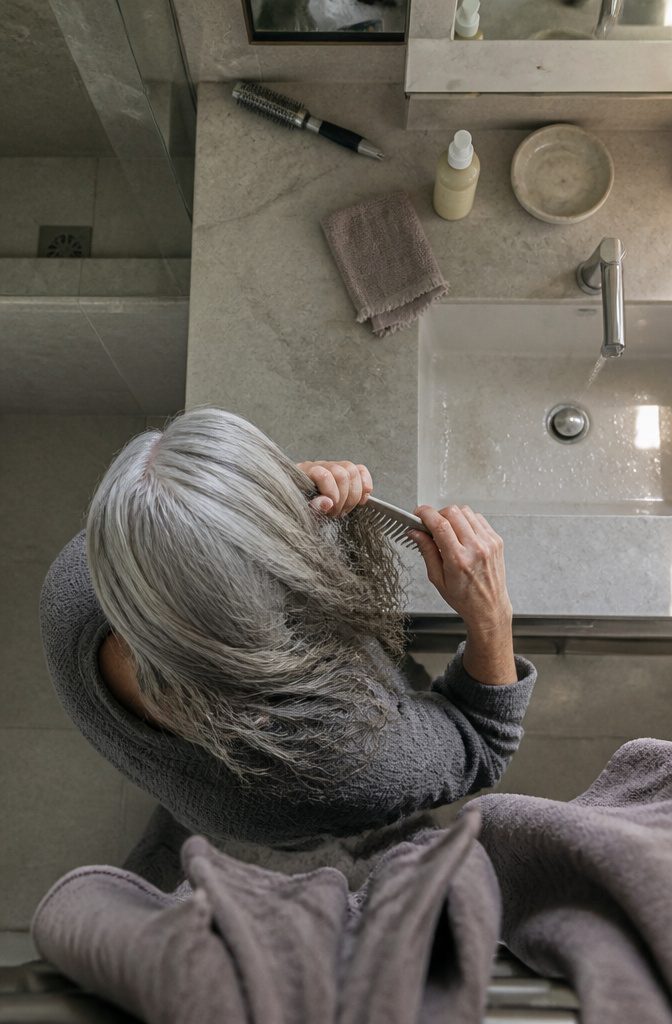
Gray strands run more fragile than pigmented ones, so these four habits matter most.
- Gentle styling: Detangle with a wide-tooth comb or a brush made for detangling, and never pull or tug through knots.
- Heat protection: Work L’Oréal EverPure Bond Repair Hair Oil-in-Serum through before any blow-dryer or flat iron. It protects against temperatures up to 450 degrees Fahrenheit, though I’d still save the iron for special days.
- Sun protection: Gray hair lacks pigment’s natural shield, so it is more prone to UV damage. UV breaks down protein and leaves hair brittle, so choose products with UVA and UVB filters.
- Dryness: Apply a mask to damp hair weekly or monthly, and cut back on heat tools and drying styling products.
Transition Takes 6 to 18 Months
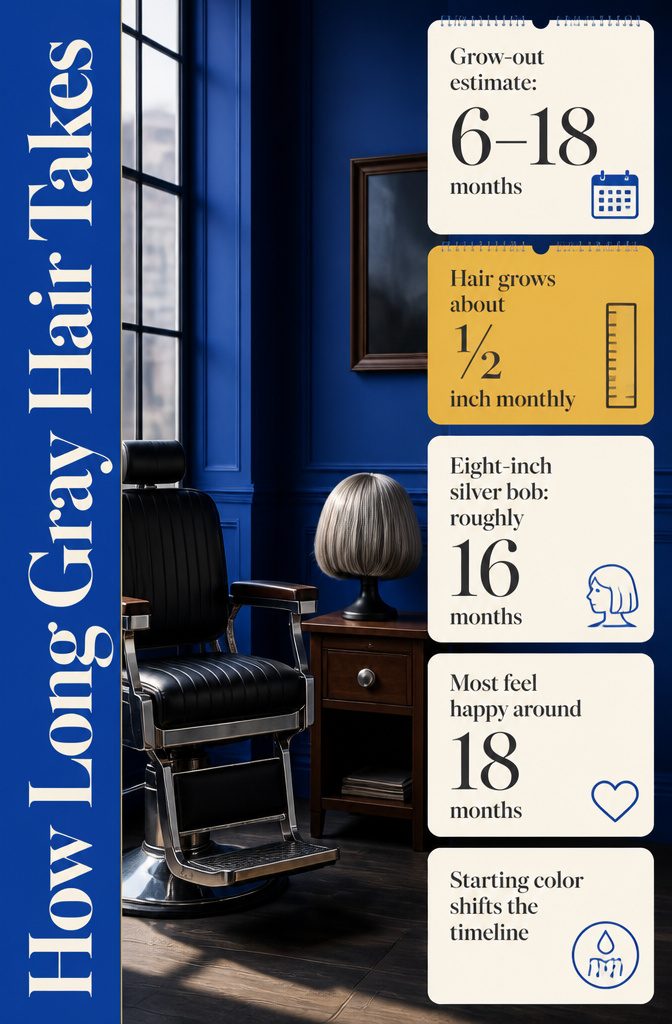
Estimates run from 6 to 18 months, and the spread is real.
The fastest grow-out a colorist has watched took 9 months, while most people don’t feel happy with their hair until around 18. Length sets much of the clock.
Hair grows about half an inch per month, so an 8-inch silver bob needs roughly 16 months to become fully your own color. A couple of inches of dyed hair clears far sooner, and longer hair takes longer still.
Your starting color shifts the timeline too, so I’d treat any single number as a rough guide. Plan for the long end of the range and count anything faster as a bonus.
Why Hair Turns Gray

Hair never actually turns gray; each strand keeps the color it grew with. Follicles make less pigment as they age, so new hairs are more likely to grow in gray beginning after age 35, and genetics mostly decide the timing.
Stress rarely explains it. It can trigger telogen effluvium, which sheds hair about three times faster than normal, but that is not a color change.
Gray that shows up young deserves a second look:
The vast majority of people with gray hair have age-related graying. However, sometimes graying hair indicates an illness, especially if it occurs at a particularly young age.
Vitamin B12 deficiency, thyroid disease, vitiligo and alopecia areata are all associated with early graying, so it’s worth raising with a doctor.
Frequently Asked Questions
How do I grow out gray hair without a harsh line?
Ask a colorist to blend the line with highlights, lowlights, babylights or balayage, so the regrowth reads as dimension instead of a stripe.
Between appointments, a new part, a wide headband or a wash-out root touch-up product covers the gap, though the Josh Wood one lasts only up to 3 washes. Layers and texture also hide regrowth better than one-length hair does.
How do I keep natural gray hair looking good?
Start with moisture, since gray strands run drier and coarser.
Deep condition 1–2 times a week, trim every 6–8 weeks, and use a purple or silver shampoo once a week to cancel yellow or brassy tones. A gloss keeps the color from going matte.
Is there a natural way to make hair go gray faster?
No natural method is proven to turn hair gray faster.
What shortens the wait is getting rid of the dyed hair: cut off colored lengths, grow the color out, or blend it with highlights. The more you cut, the sooner you reach your own gray.
How long does it take to transition to gray hair?
Most estimates run 6–18 months, depending mainly on your hair length.
Hair grows about half an inch per month, so an 8-inch silver bob takes roughly 16 months, while a couple of inches clears much sooner. Plan for the long end of the range.
Is gray hair inherited?
Largely, yes. Genetics mostly decide when it starts, as follicles make less pigment with age and new hairs are more likely to grow in gray after age 35.
Gray that appears very young is worth mentioning to a doctor, because B12 deficiency and thyroid disease are linked to early graying.
Is gray hair more prone to breakage?
Yes. Gray strands are more fragile than pigmented ones, with a more porous cuticle, and they lack pigment’s natural UV shield.
Detangle with a wide-tooth comb, use a heat protectant before blow-drying or flat ironing, and pick products with UVA and UVB filters.
How do I go gray with brown hair?
Gray stands out sharply against dark brown, so blend it rather than fight it.
Ask for deeper chocolate-brown lowlights with sandy or golden highlights, which keeps the eye off the lightest gray strands while the dyed ends grow out or get cut away.