Light brown runs from cool ash to warm honey, chestnut, copper and ginger, and your undertone choice matters more than how light you go.
Cooler skin suits ash tones, while warm skin takes golden, chestnut, copper, honey or ginger without turning brassy.
Balayage and highlights add dimension without the commitment of solid color, and the hand-painted placement grows out softer than single-process, stretching time between salon visits from weeks to months.
1. Light Ash Brown
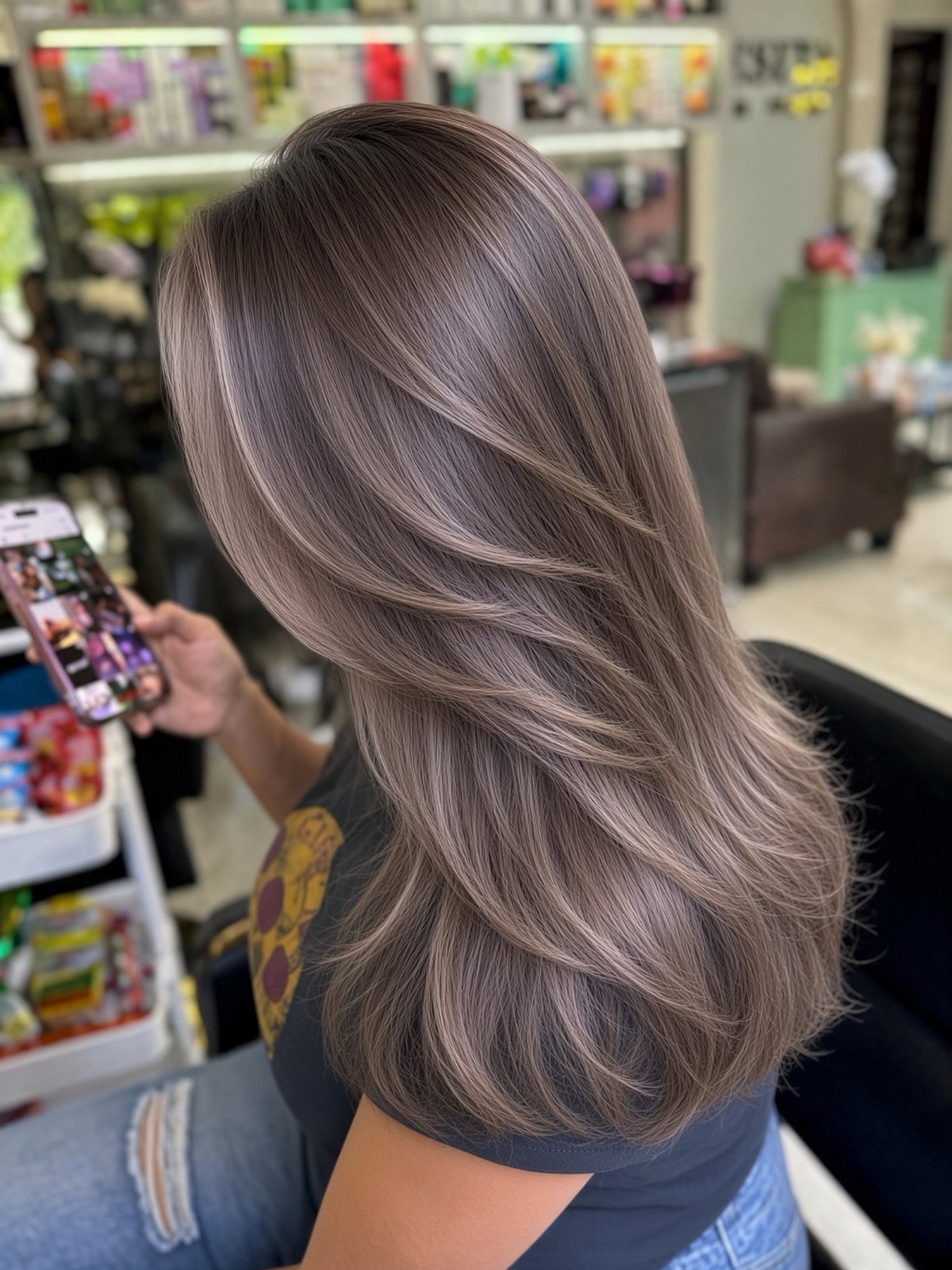
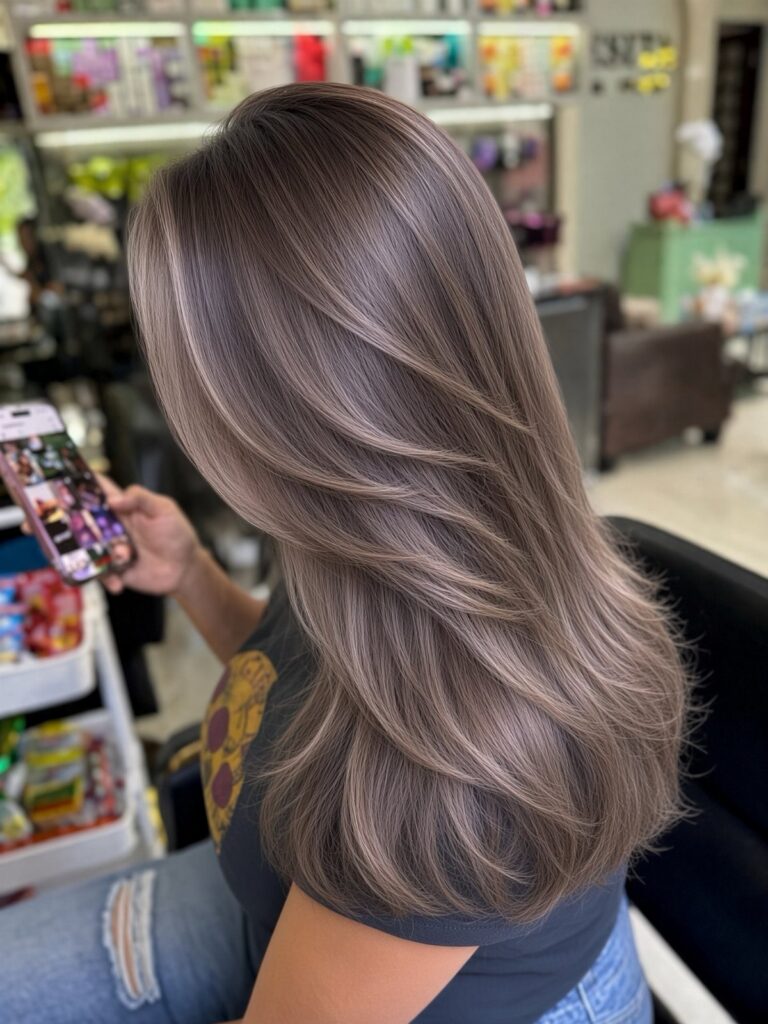
Light ash brown sits on the cool side of brown, leaning silvery rather than warm. If your skin has cool or neutral undertones, this shade tends to look sharp and clean without pulling too brassy.
Ask for ash or cool-toned light brown at the salon, or look for box dyes labeled ash or beige brown. Ash formulas have a violet or blue base that neutralizes any yellow or orange.
That same coolness fades faster than warm shades, so plan to refresh color more often or use a purple-toning shampoo weekly to keep it from warming up.
2. Light Golden Brown
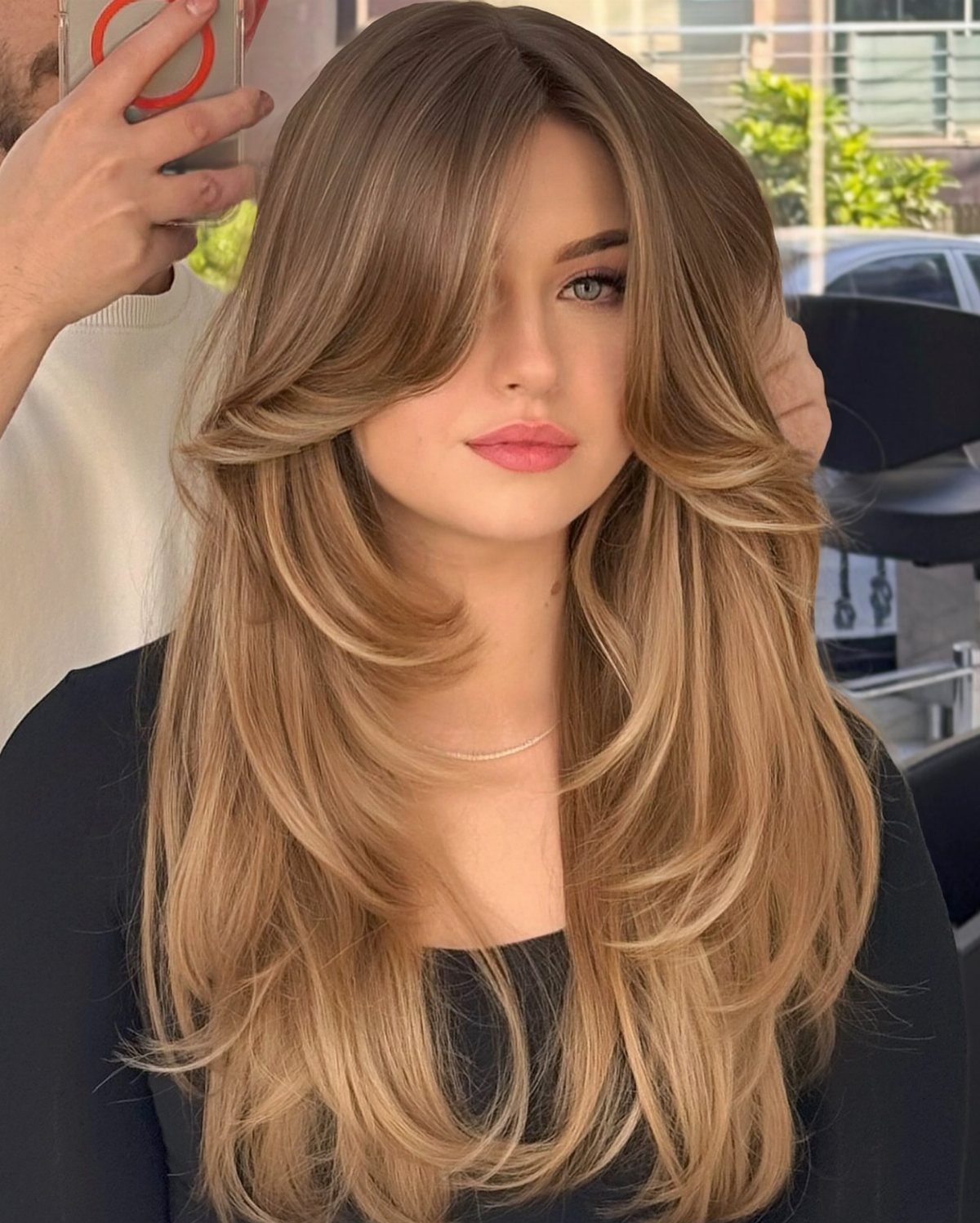
Golden light brown skews warm and sun-kissed, closer to sandy blonde than neutral brown. The gold tone works well if your skin has warm undertones or if you’re after something soft and low-maintenance.
Most box dyes in the "golden brown" or "light brown with gold" family will get you here from a medium base. Salon formulas often mix a neutral light brown with a small amount of gold or honey toner.
The warmth holds up longer than ash, but it can look brassy on very cool skin, so check the shade chart against your natural coloring before committing.
3. Light Chestnut Brown
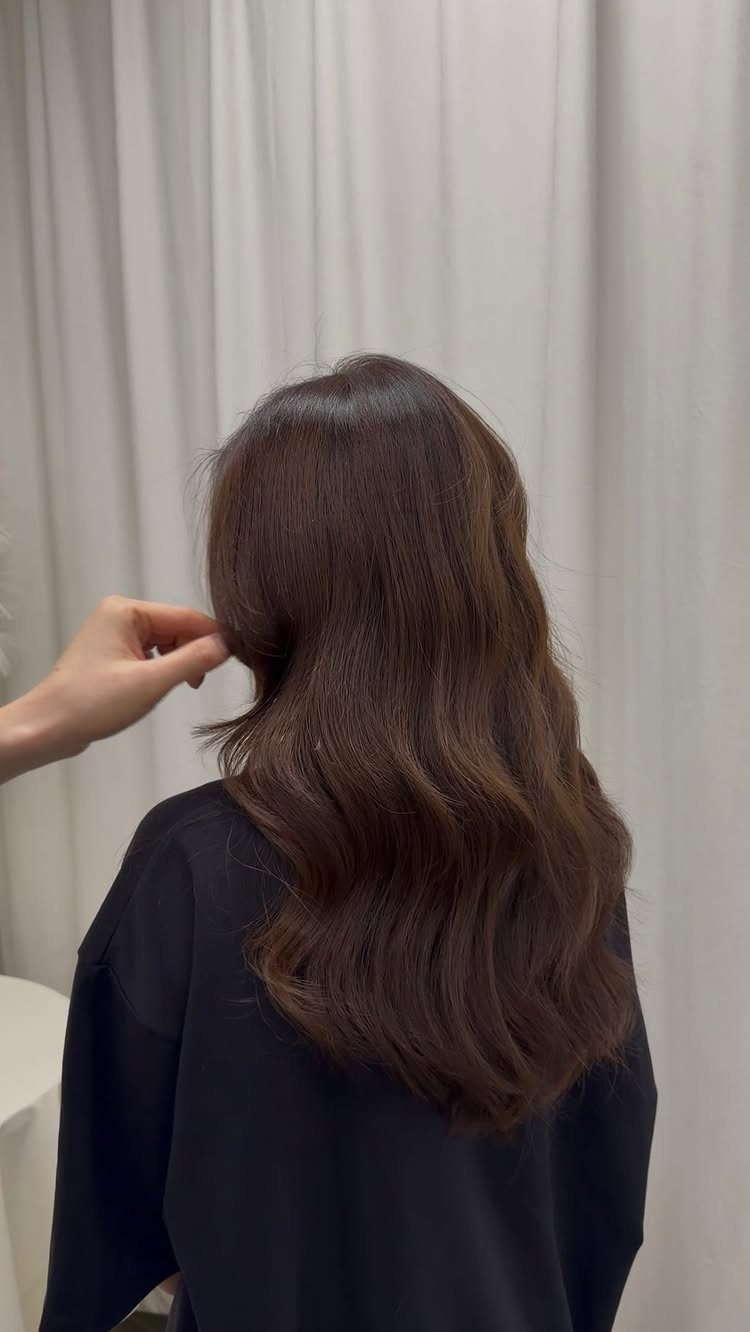
Light chestnut sits between neutral and warm, with just enough red undertone to keep it from looking flat. The red stays subtle, not full auburn, so it reads more brown than copper.
This shade suits warm and neutral skin tones and tends to be forgiving if you’re coloring at home. Look for dyes labeled chestnut, light mahogany, or warm brown.
The red undertone fades gradually rather than all at once, which means less obvious grow-out and longer intervals between touch-ups. Plan for every 8–10 weeks unless you’re covering a lot of grey.
4. Light Copper Brown
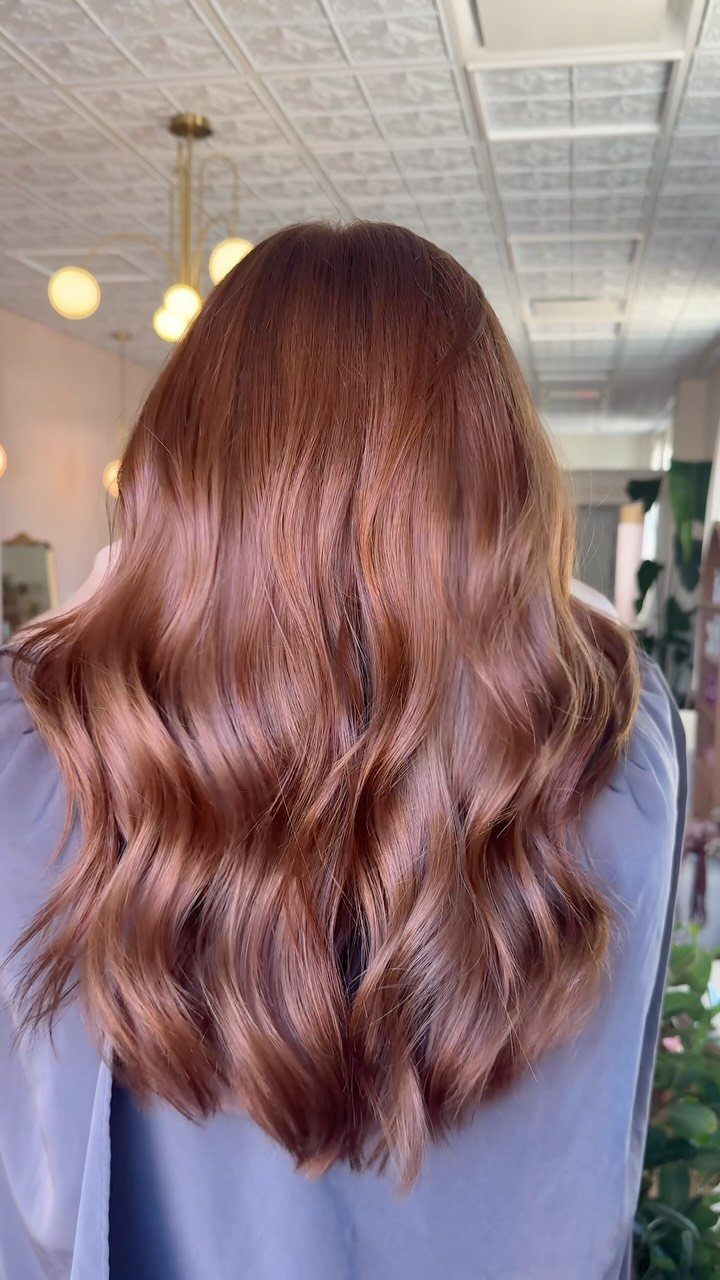
Light copper brown brings in bronze and apricot tones without the full intensity of traditional copper. It’s warmer and more reflective than chestnut, with enough red to catch light but still brown at the root.
Warm skin suits this shade best; it looks natural and sits right against the face. Ask for light copper or bronze brown, or choose a box dye 2 shades lighter than a standard copper.
Copper tones fade faster than neutral browns, especially in direct sun or with frequent washing, so a color-safe shampoo and a regular gloss keeps it from washing out to a flat beige.
5. Honey Light Brown
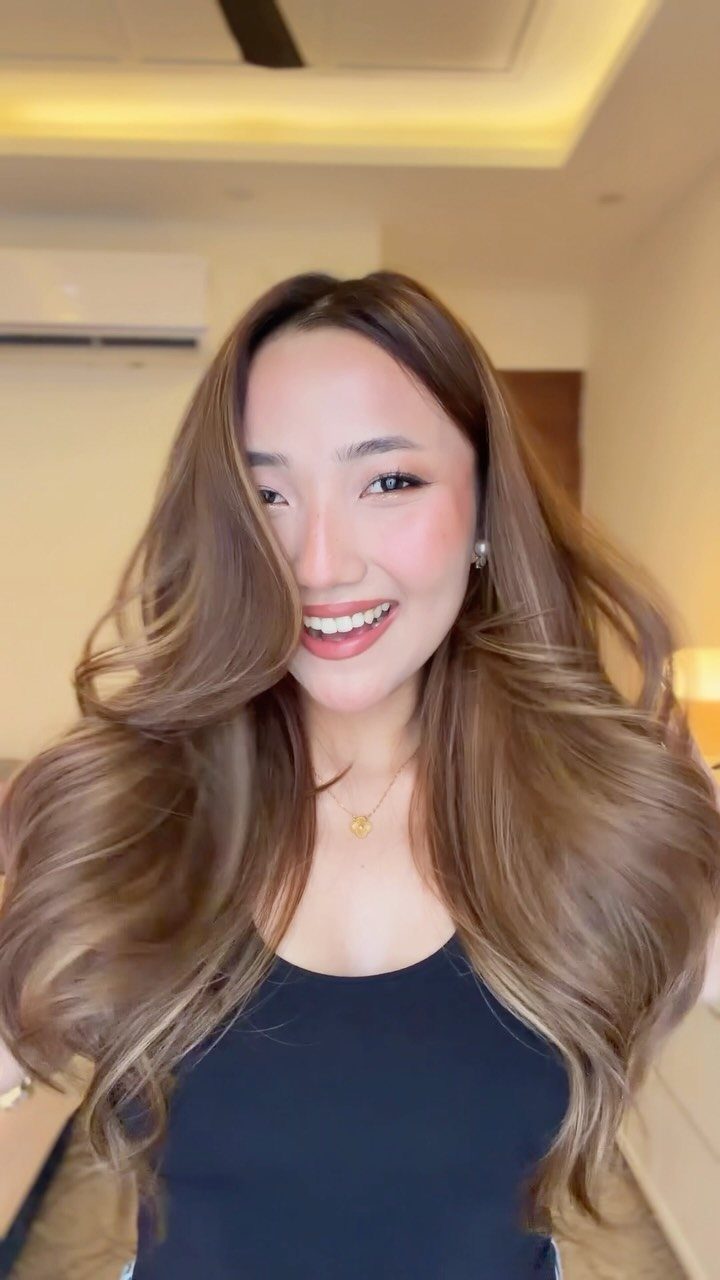
Honey light brown sits right between blonde and brunette, pulling warm gold and amber into a lighter brown base. It suits warm and neutral skin tones and reads soft rather than high-contrast.
You can reach this from a medium blonde or light brown starting point with a single-process color. If your base is darker, lifting to honey usually means bleach and a toner, which is easier at a salon.
At home, look for honey brown or caramel blonde dyes, and check the chart to confirm the shade pulls warm. The tone stays dimensional longer than flat blonde, and roots blend more gradually.
6. Walnut
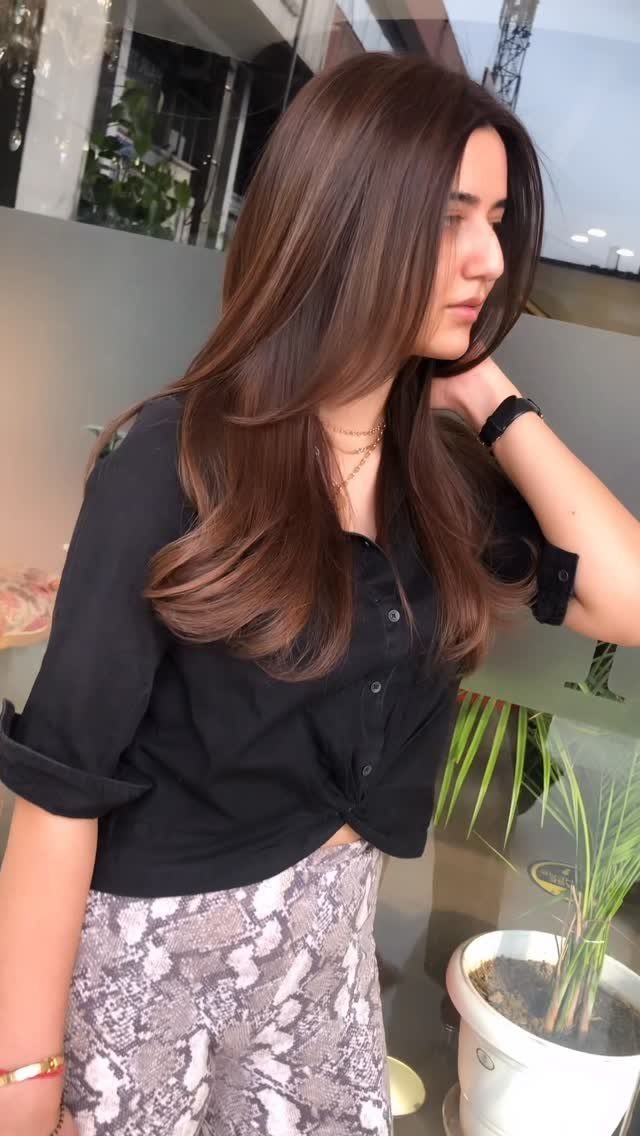
Walnut is a warm, mid-depth brown with amber undertones, richer than honey but lighter than espresso. It’s dimensional without leaning red or orange, so it suits warm and neutral skin tones without reading too intense.
Most box dyes labeled warm brown or medium chestnut will land close to walnut from a medium starting point. If your base is darker, a salon lift followed by a warm toner gives the cleanest result.
The warmth holds color well, so you can stretch touch-ups longer than you would with cooler shades. Pair it with subtle highlights if you want more movement without going lighter overall.
7. Balayage Blonde
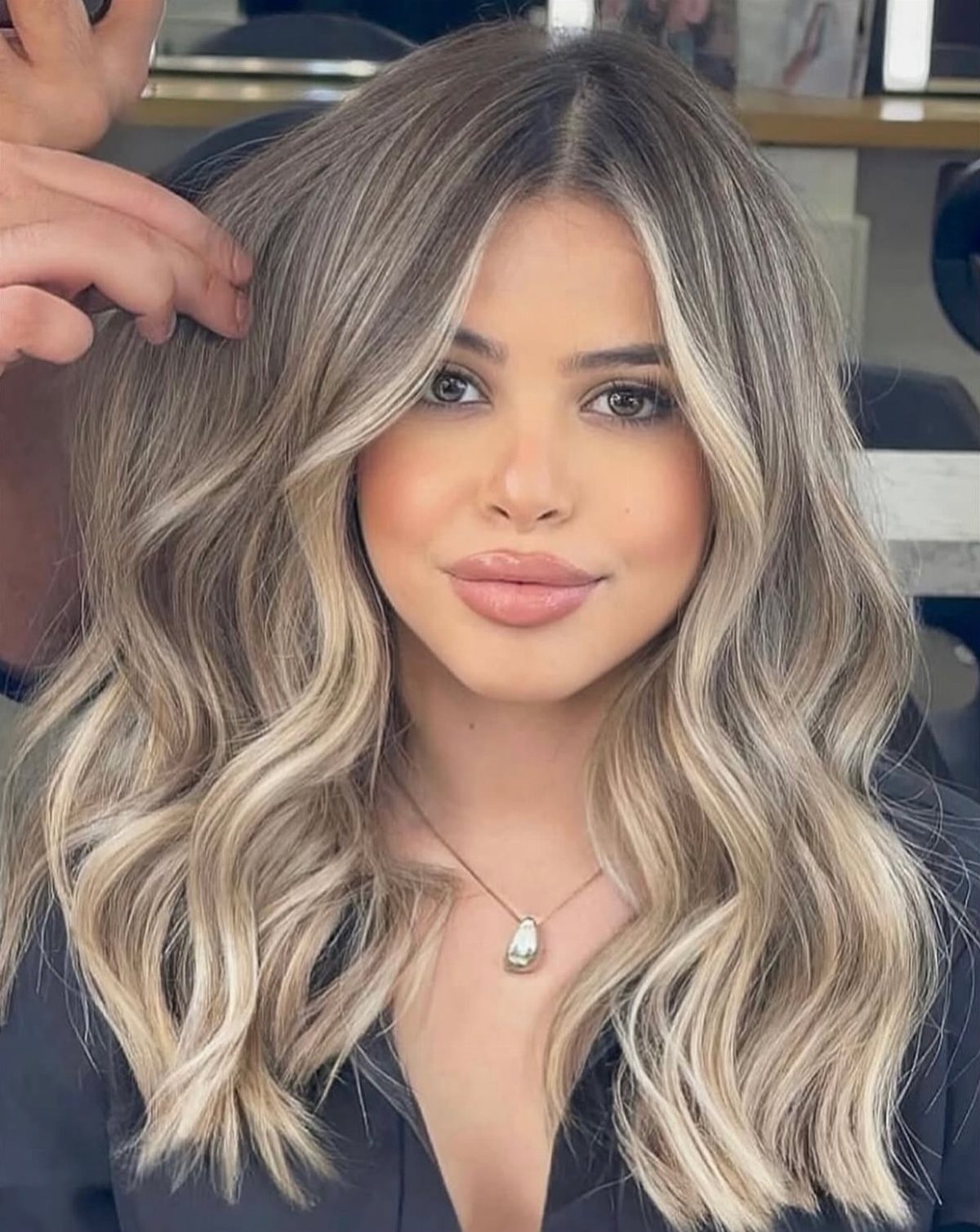
Balayage sweeps blonde through the mid-lengths and ends, leaving the root dark for softer grow-out. The contrast stays natural because the color is painted on rather than pulled through with foil.
Ask for balayage with a light brown root and blonde ends, or specify how far up you want the blonde to start.
At home this is harder to control, so a salon visit makes sense if you’re doing it for the first time.
8. Caramel
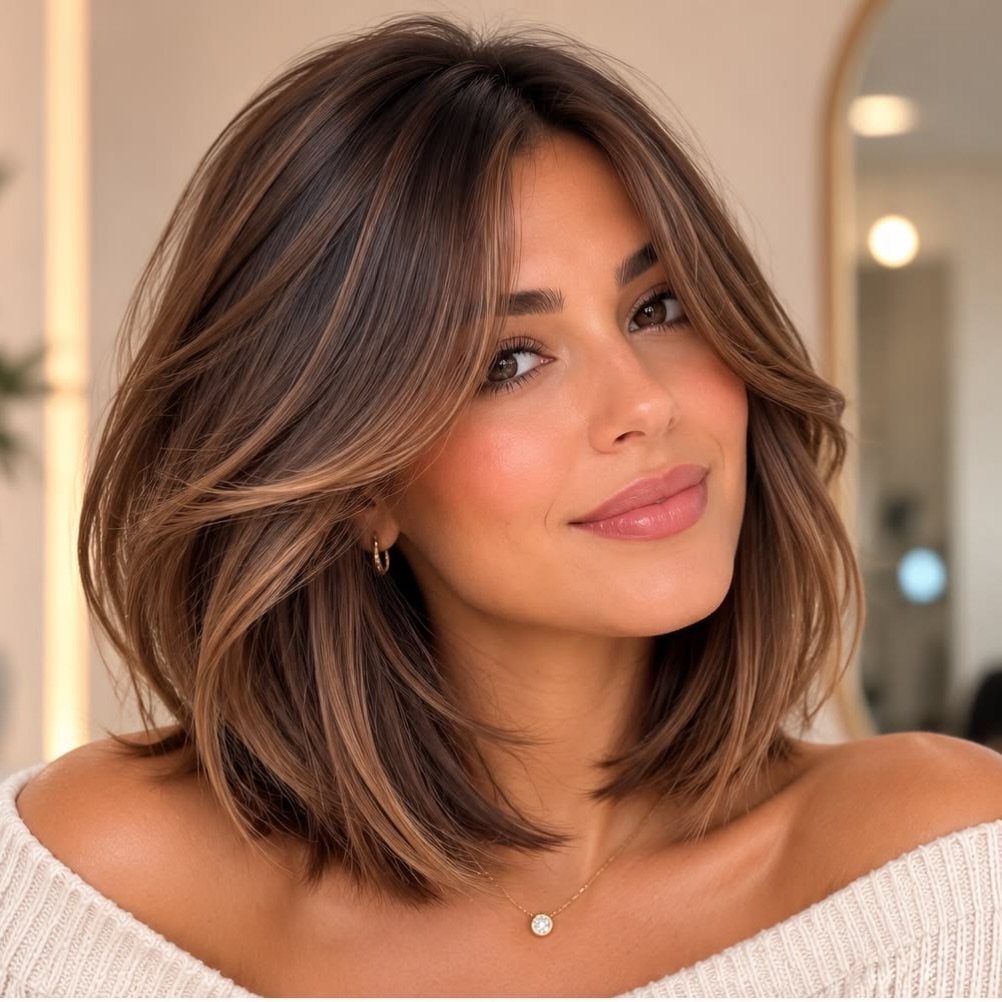
Caramel is a warm, toffee-toned brown with gold and amber running through it.
The warmth holds longer than cool tones, so you get more time between touch-ups. Pair it with a color-safe shampoo to keep the gold from washing out.
9. Chocolate
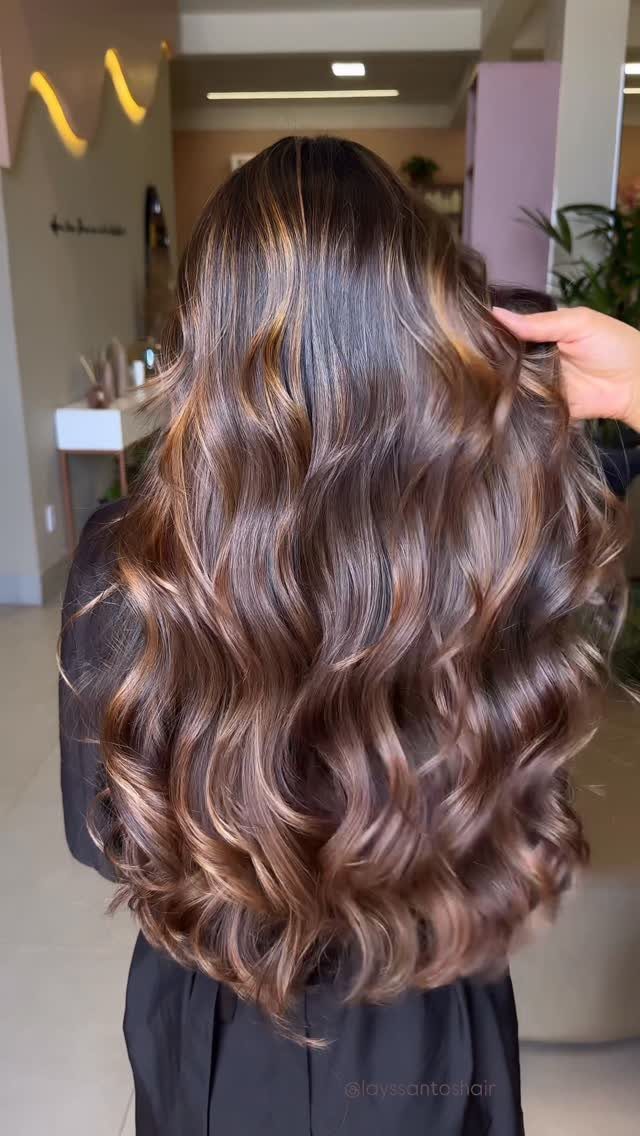
Chocolate brown is a rich, neutral brunette with enough depth to look polished but soft enough to take subtle highlights. The light-brown notes keep it from reading too severe, so it suits most skin tones.
If you’re lifting from darker hair, ask for a chocolate base with light-brown lowlights or balayage to add dimension. The shade holds well and fades evenly, so you can go 6–8 weeks between touch-ups without obvious roots.
10. Neutral Brunette Balayage
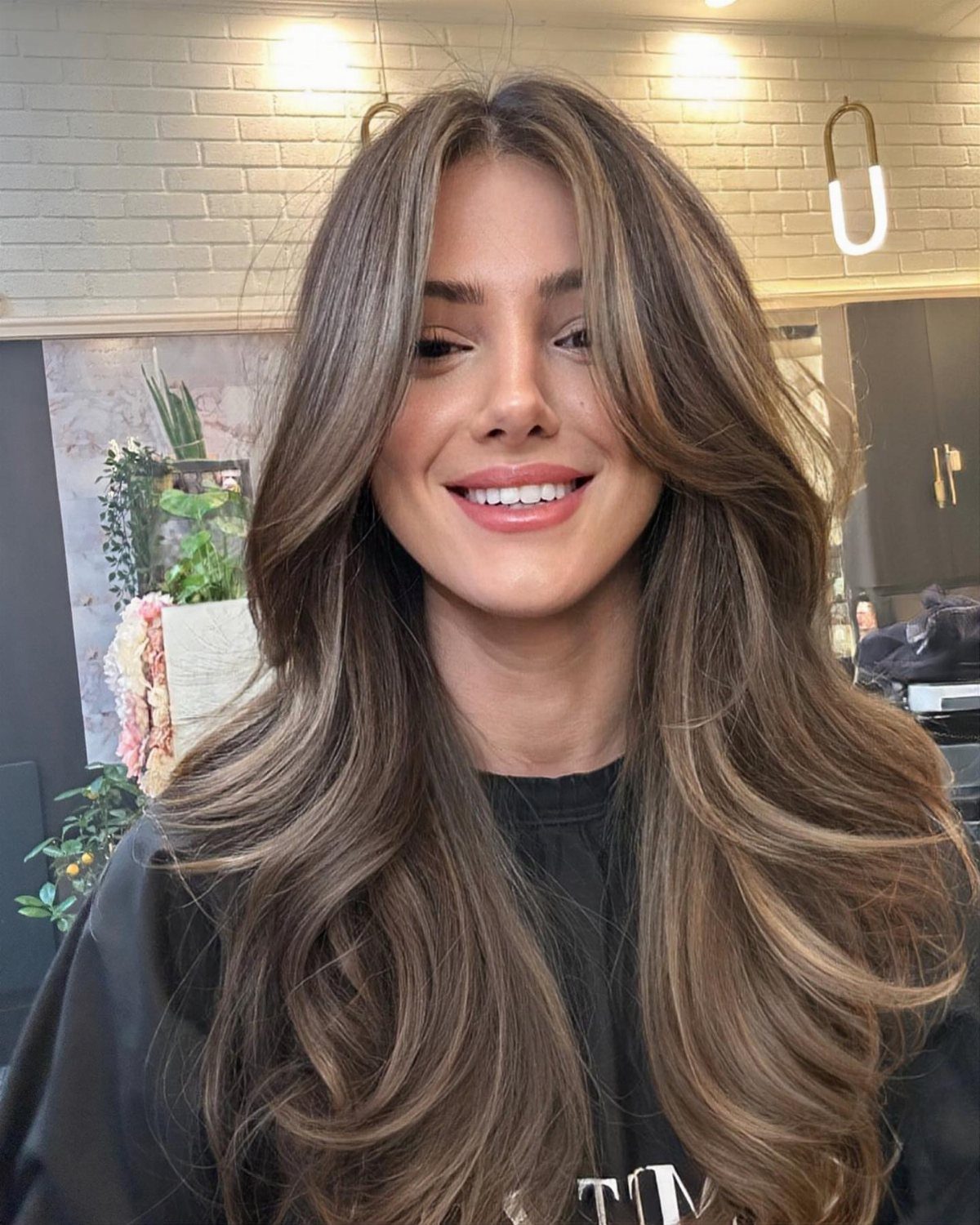
This balayage stays close to your natural brown rather than jumping to blonde, so the lighter pieces blend without high contrast. The hand-painted placement mimics where sun would naturally lighten hair.
Ask for balayage one or two shades lighter than your base, and request a neutral or cool tone if you want to avoid anything too warm.
The subtlety makes it low-maintenance, and because the root is left alone, you get months more wear before you need to go back.
If you’re doing it at home, use a brush-on lightener and work in small sections from the mid-lengths down.
11. Blonde Highlights
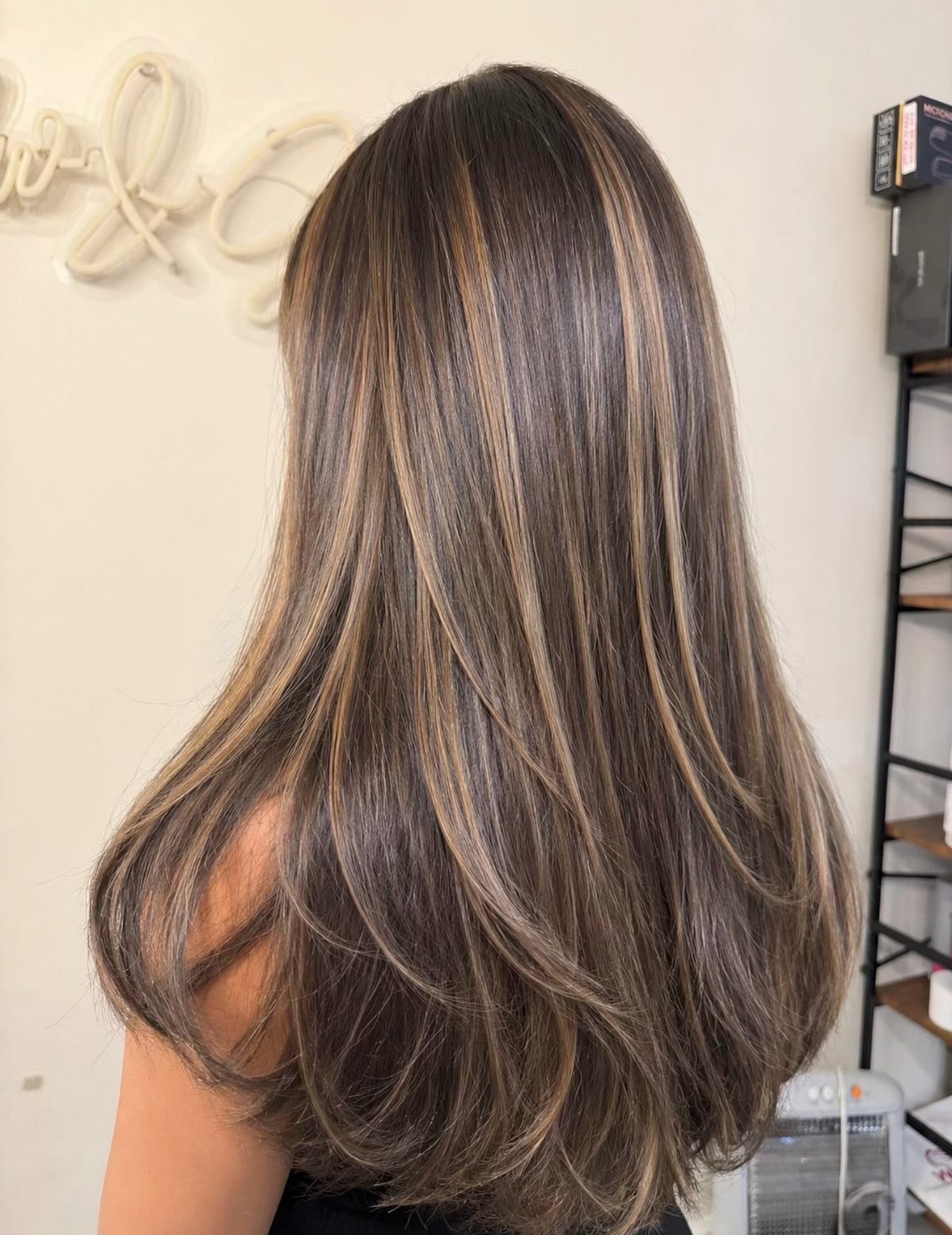
Blonde highlights woven through light brown add dimension without changing the overall tone. Foil highlights give more contrast than balayage, so they show up clearly even in fine or straight hair.
Ask for thin, face-framing highlights if you want subtle, or request a full head for more coverage.
At home, highlighting caps work for short hair, but foil placement is easier at a salon. A purple shampoo once a week keeps the blonde from turning brassy as the root comes in.
12. True Light Brown
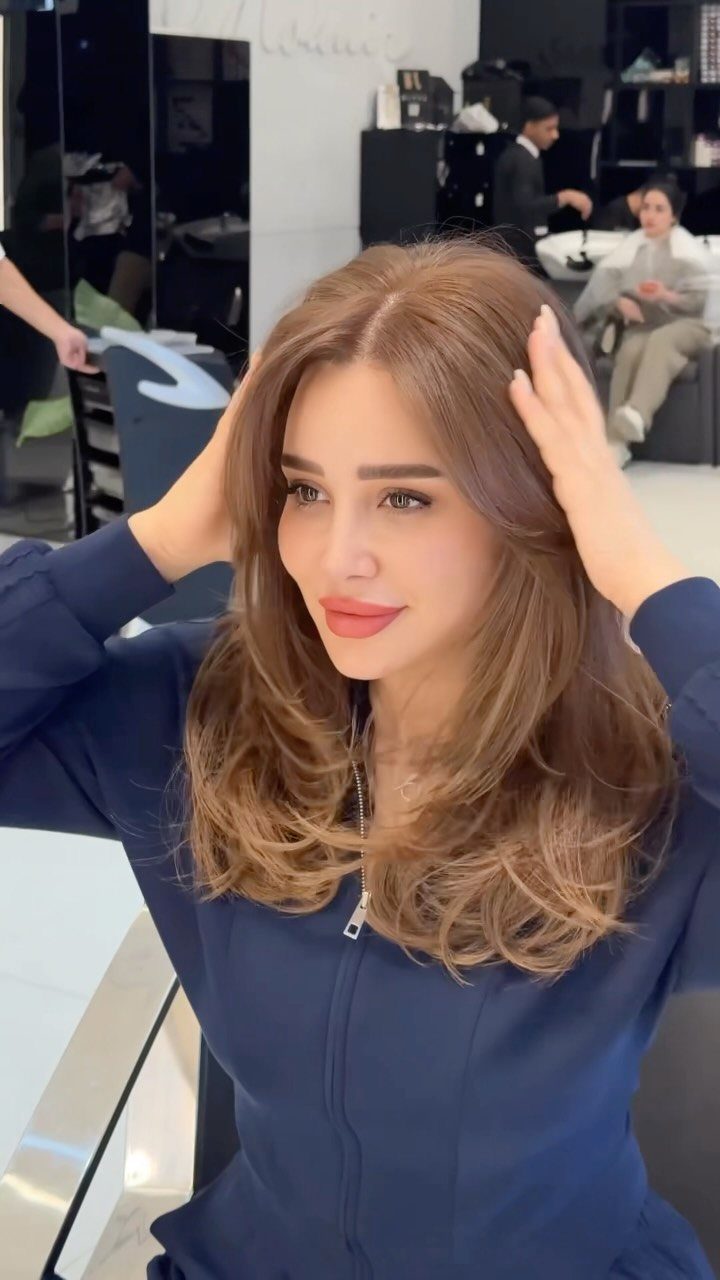
True light brown is a neutral, no-frills shade that sits right in the middle of the brown spectrum, without leaning warm or cool.
It suits most skin tones and works as a starting point if you’re unsure which direction to take.
The neutrality makes it forgiving, and because there’s no strong undertone to fade, touch-ups stay straightforward.
13. Peekaboo Color
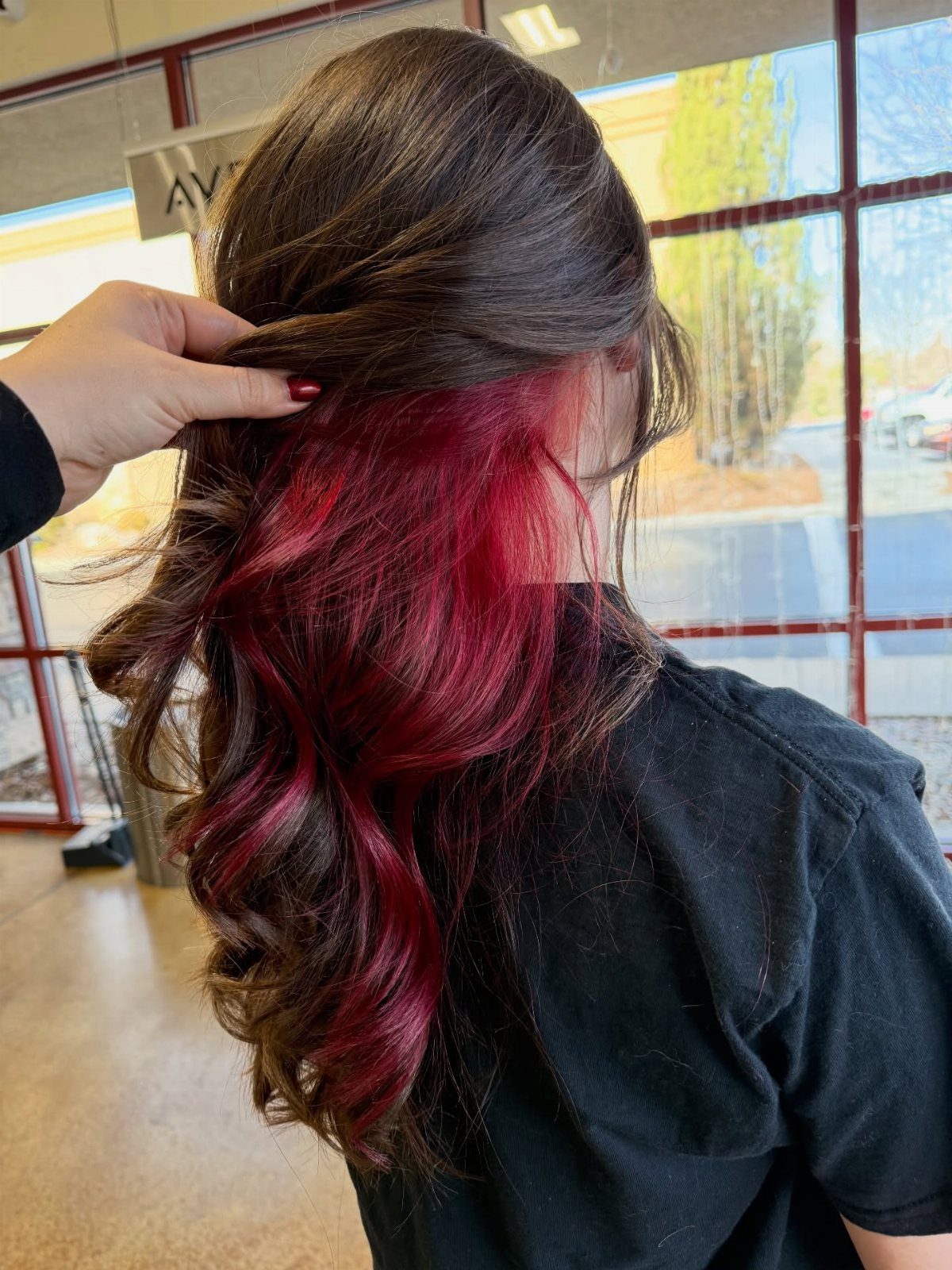
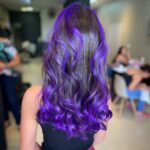
Peekaboo color sits underneath your top layer, hidden until you pull your hair up or turn your head. Red underneath light brown gives contrast without committing to full-head color.
The placement works best at a salon, where a colorist can section off the underlayer and either lift it first or apply vivid color directly.
At home, clip the top half away and work on the back sections below the occipital bone. The hidden placement means you control when it shows, and because it’s tucked away, fading matters less than it would on surface color.
14. Brown Sugar
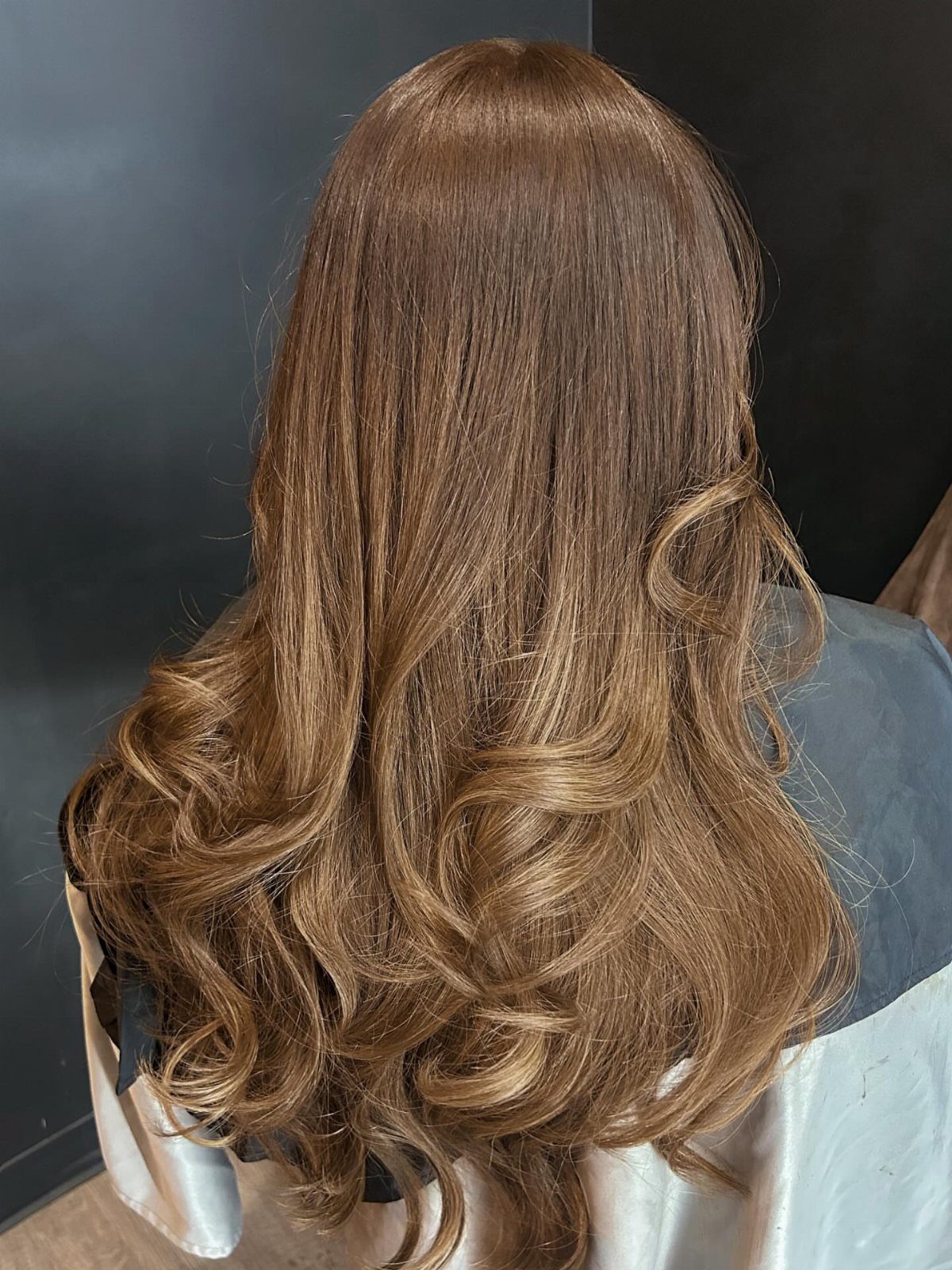
Brown sugar blends multiple warm browns and golds into one base, so no single tone dominates. The variation catches light differently across each section, which makes hair look thicker and fuller than a flat single shade.
Ask for dimensional color with a light brown base and caramel or honey through the mid-lengths.
At home, this is harder to replicate with one box, but a second round of highlights over a warm brown base gets close. The mixed tones grow out softer than a solid color, so touch-ups can wait longer.
15. Ginger
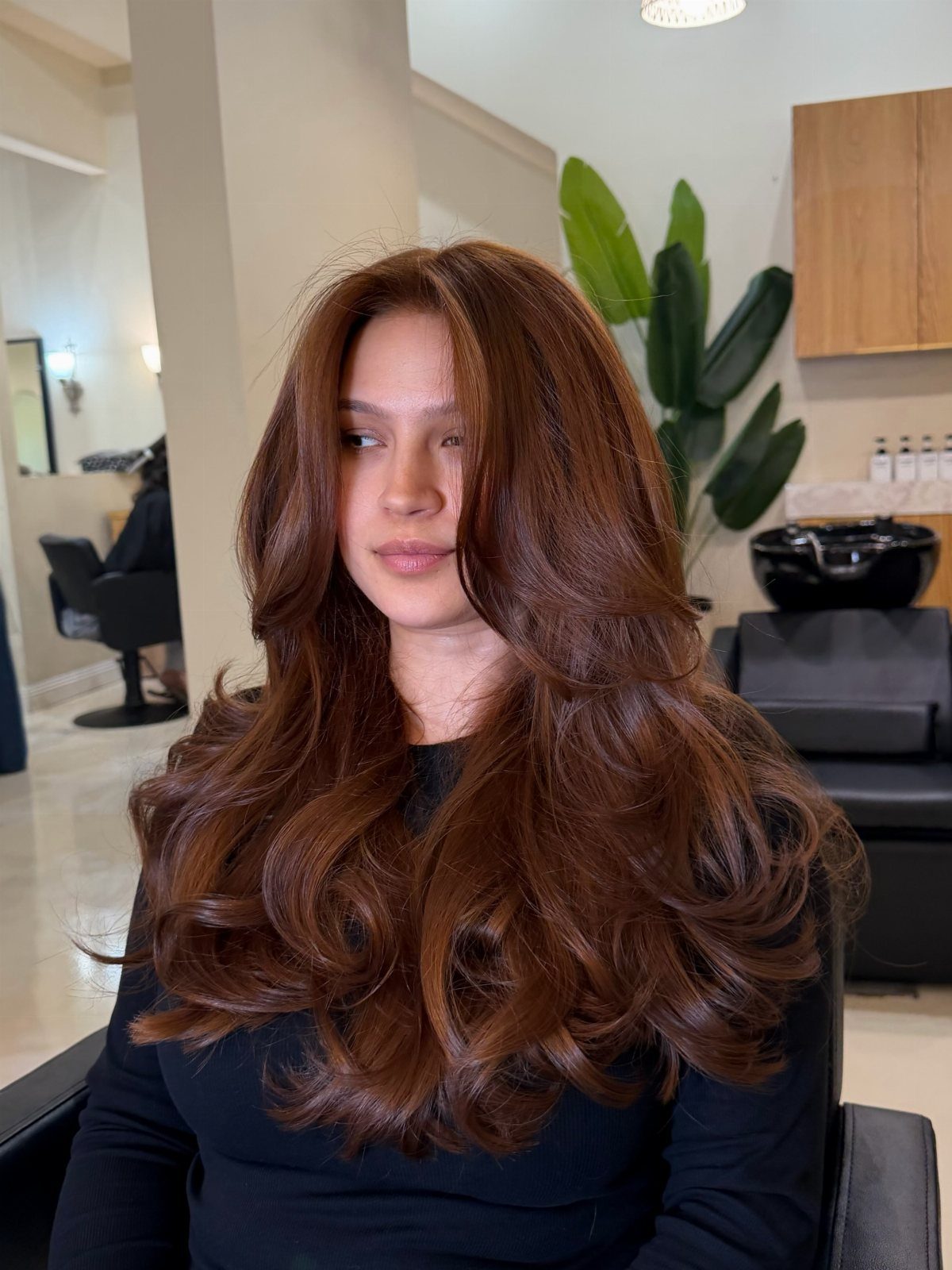
Ginger mixed into light brown gives warmth without full red. It lands somewhere between spice and neutrality, which gives it range across skin tones.
This suits warm skin tones and works well if you want something between neutral brown and full copper. The red fades faster than brown, so a color-depositing conditioner in copper keeps it from washing out between touch-ups.
16. Caramel Highlights
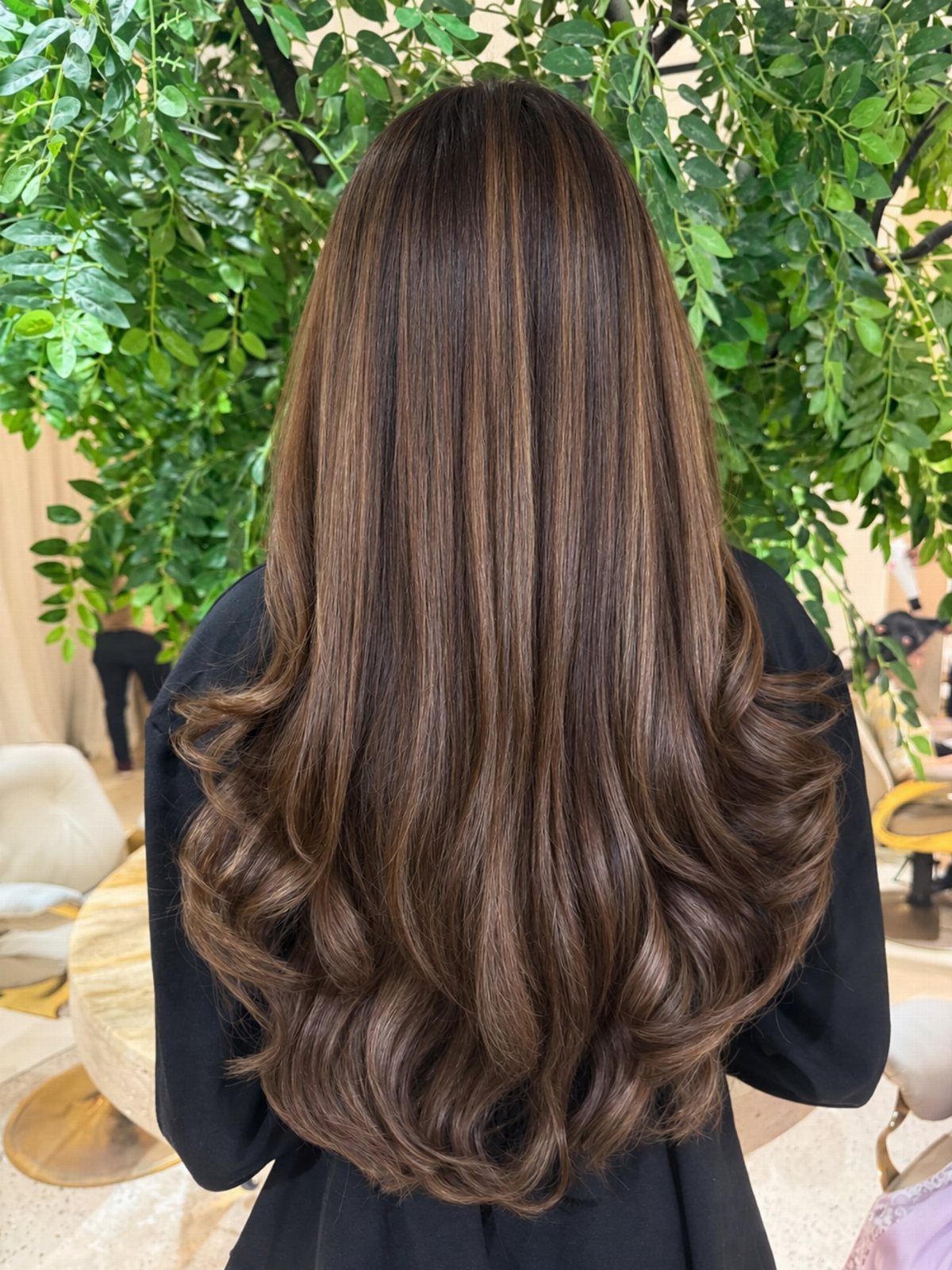
Caramel highlights bring toffee tones into light brown without jumping to blonde. The warmth stays soft, so the contrast reads natural rather than stark.
At home, a brush-on lightener lets you place color where you want it, but foils give cleaner separation. The caramel tone holds longer than ash blonde and requires less toning to stay warm.
17. Short Length
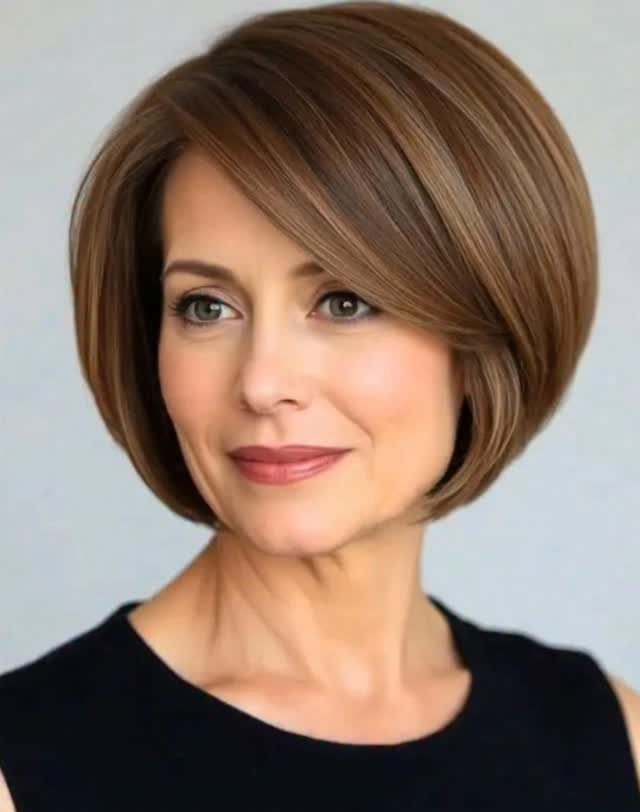
Light brown on short hair shows color clearly because there’s less length to dilute the tone. A bob or pixie keeps maintenance lower since you’re cutting away older color more frequently.
Short cuts grow out faster, so plan for trims every 4–6 weeks to keep the shape.
If you’re coloring at home, short hair uses less product and processes more evenly. The lack of length means highlights or balayage sit closer to the root, so placement matters more than it does on longer hair.
18. Shoulder Length
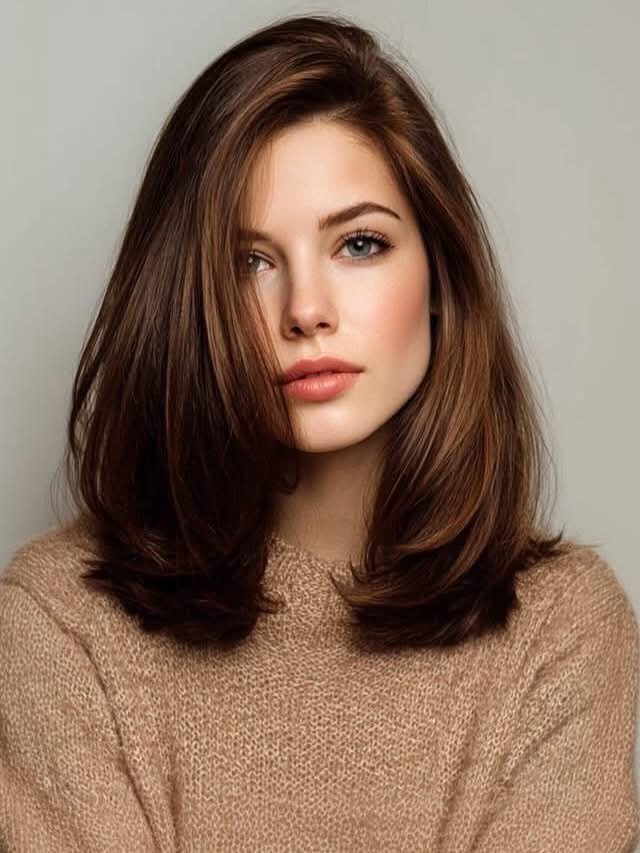
Shoulder-length light brown sits between short and long, giving enough length for dimension without the weight that can flatten color.
The ends take highlight or balayage well, and because the hair moves more than long hair, color catches light differently throughout the day.
This length works for most face shapes and is easier to maintain than long hair.
If you’re adding highlights, ask for placement from the jawline down to keep the root area natural. At home, shoulder length is manageable for box color but trickier for balayage unless you can see the back clearly.
19. Subtle
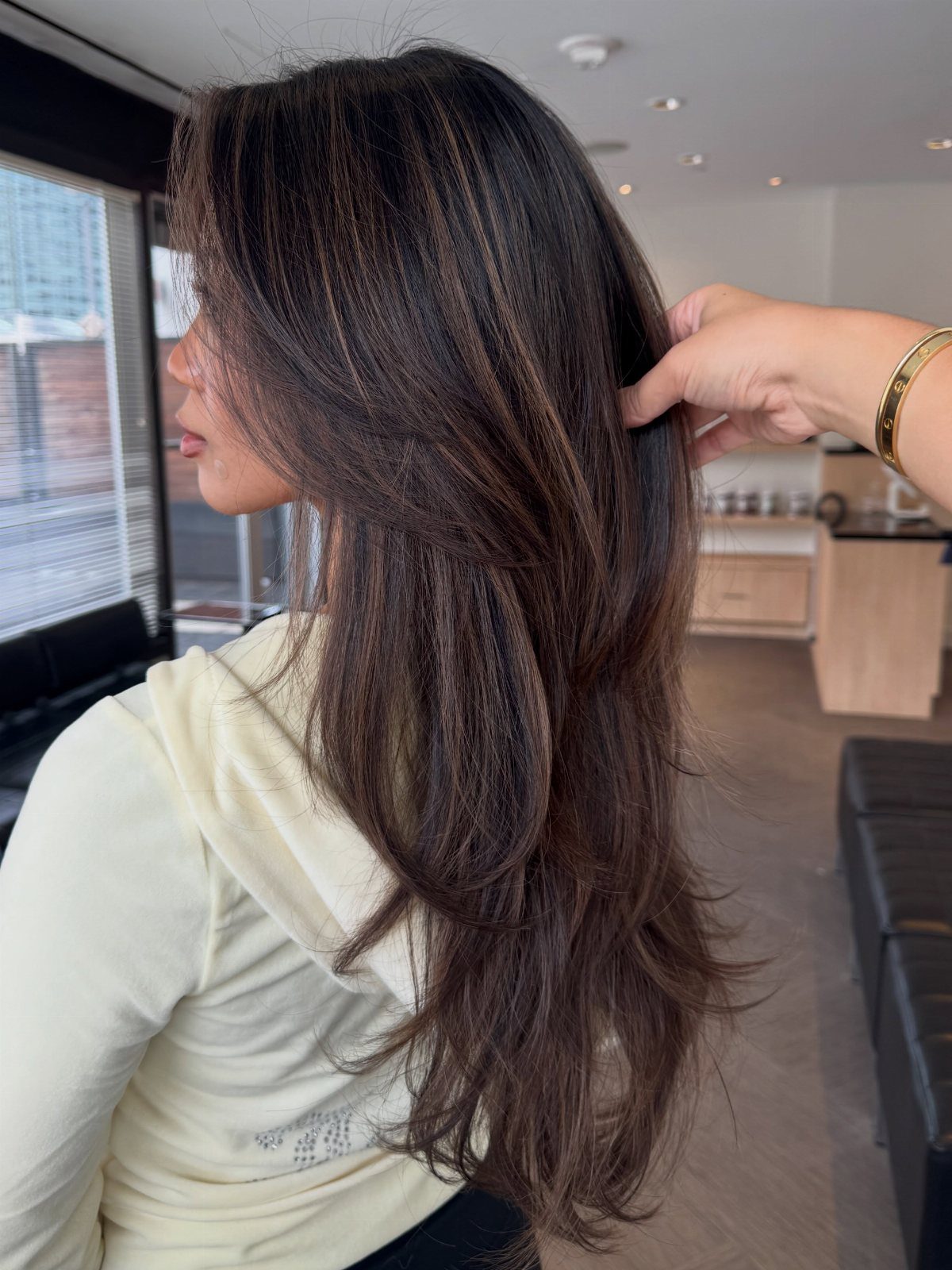
Subtle light brown keeps the lift minimal, close enough to your natural base that the change reads more like refinement than color. Tone-on-tone shifts show up most in direct sun or next to darker sections, so the effect stays quiet.
If your starting point is medium brown, a demi-permanent light brown or a gloss can add warmth and dimension.
At home, choose a shade one level lighter than your base and skip anything marked high-lift. The low contrast grows out gradually, so you can stretch appointments longer than you might expect.
20. Curly Hair
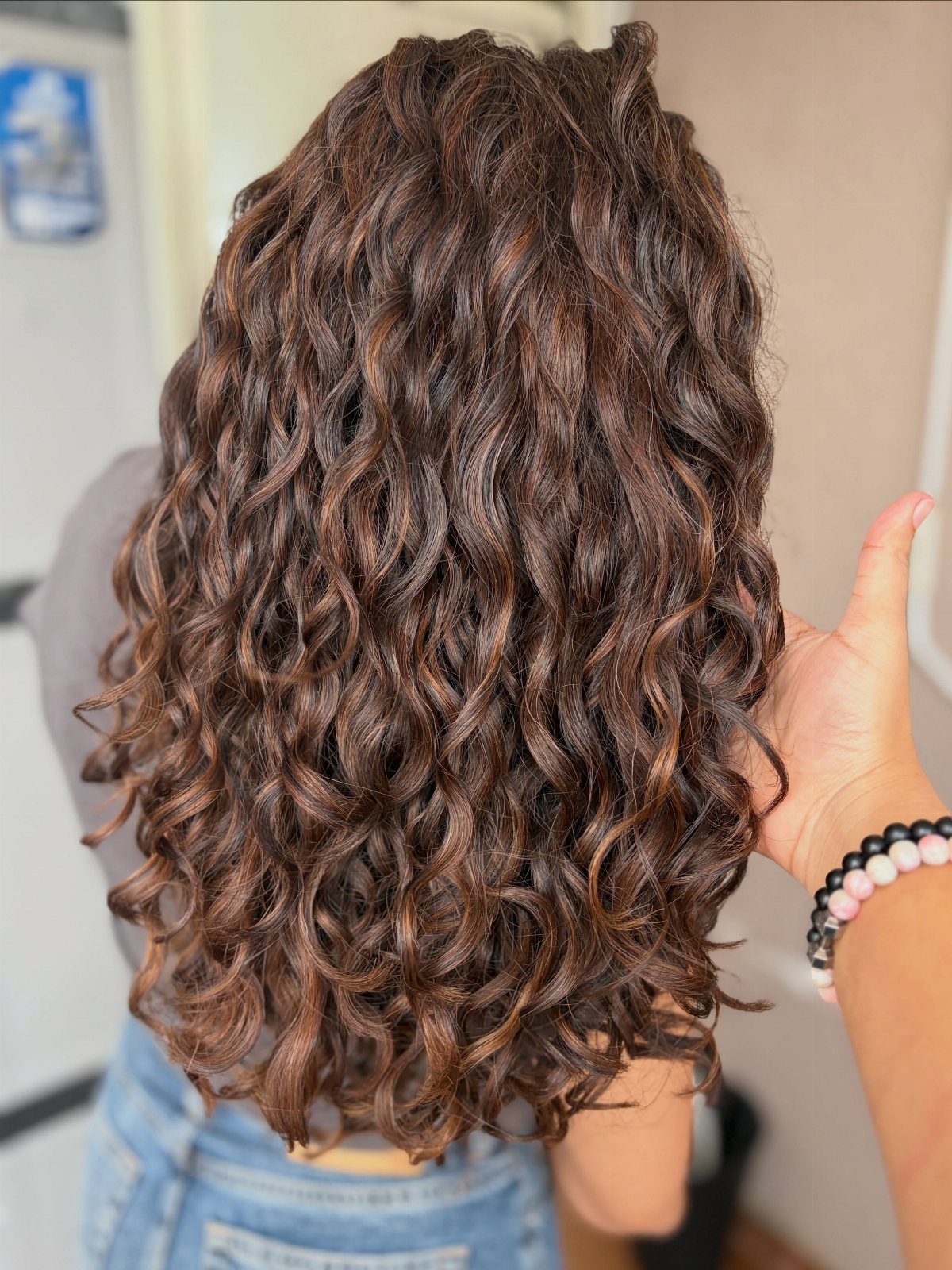
Light brown on curls catches light differently across each coil, so a single shade looks more dimensional than it would on straight hair.
The texture reflects color unevenly, which means subtle highlights read stronger and solid color stays rich without looking flat.
Curly hair takes longer to saturate, so if you’re coloring at home, work in smaller sections and give the dye extra time to soak through.
A leave-in conditioner after coloring helps keep curls hydrated, since lifted hair loses moisture faster than virgin texture.
21. Wavy Hair
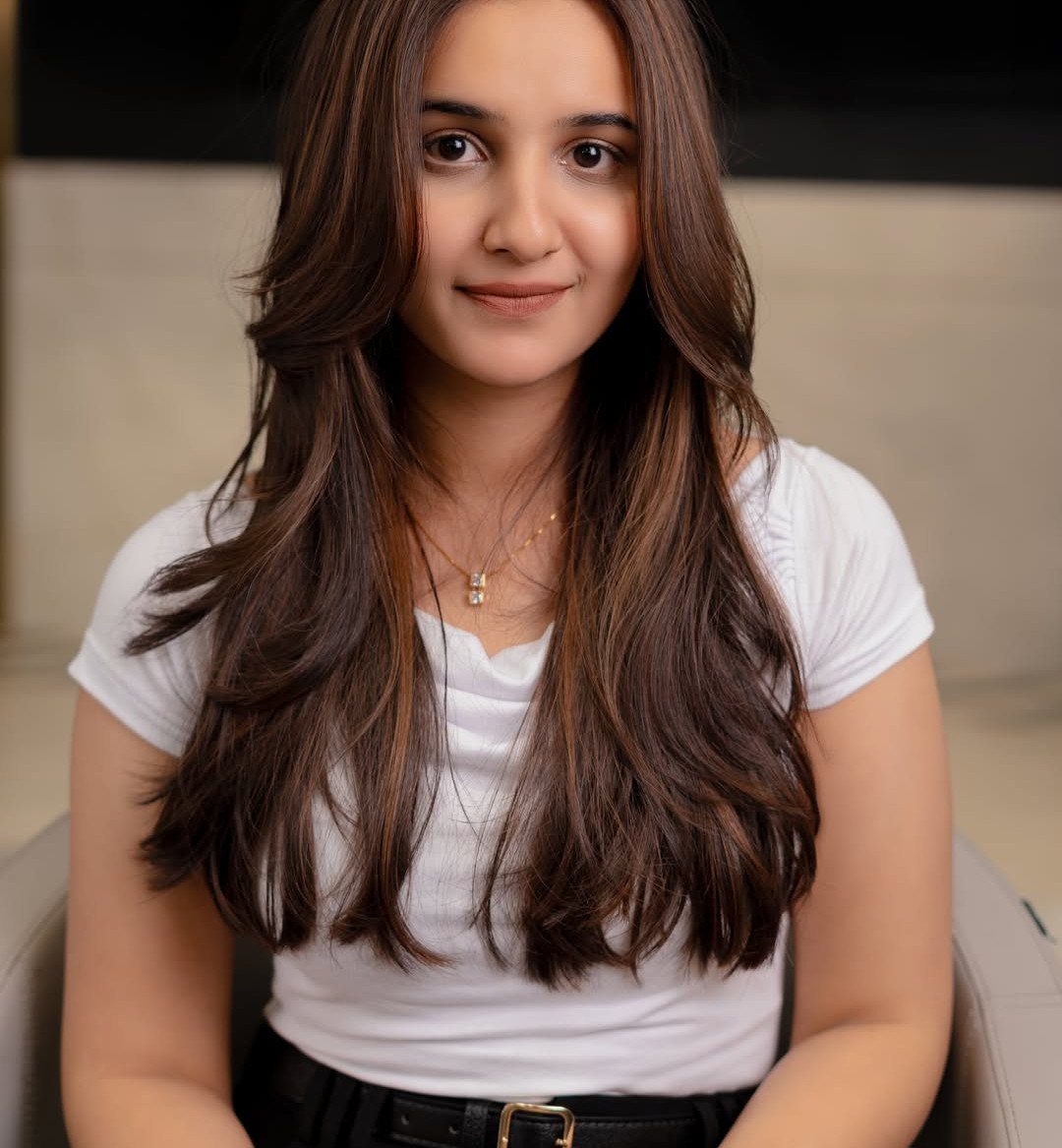
Wavy hair holds movement that shows off light brown’s natural variation. The bends and dips catch light unevenly, so even a single-process color looks dimensional without added highlights.
If you’re adding balayage or highlights, ask for placement along the wave pattern rather than straight vertical sections.
The color will follow the texture and look more intentional. At home, waves are easier to work with than tight curls because you can see where you’re applying color, but still section carefully to avoid missing pieces underneath.
22. Light Brown Curtain Bangs
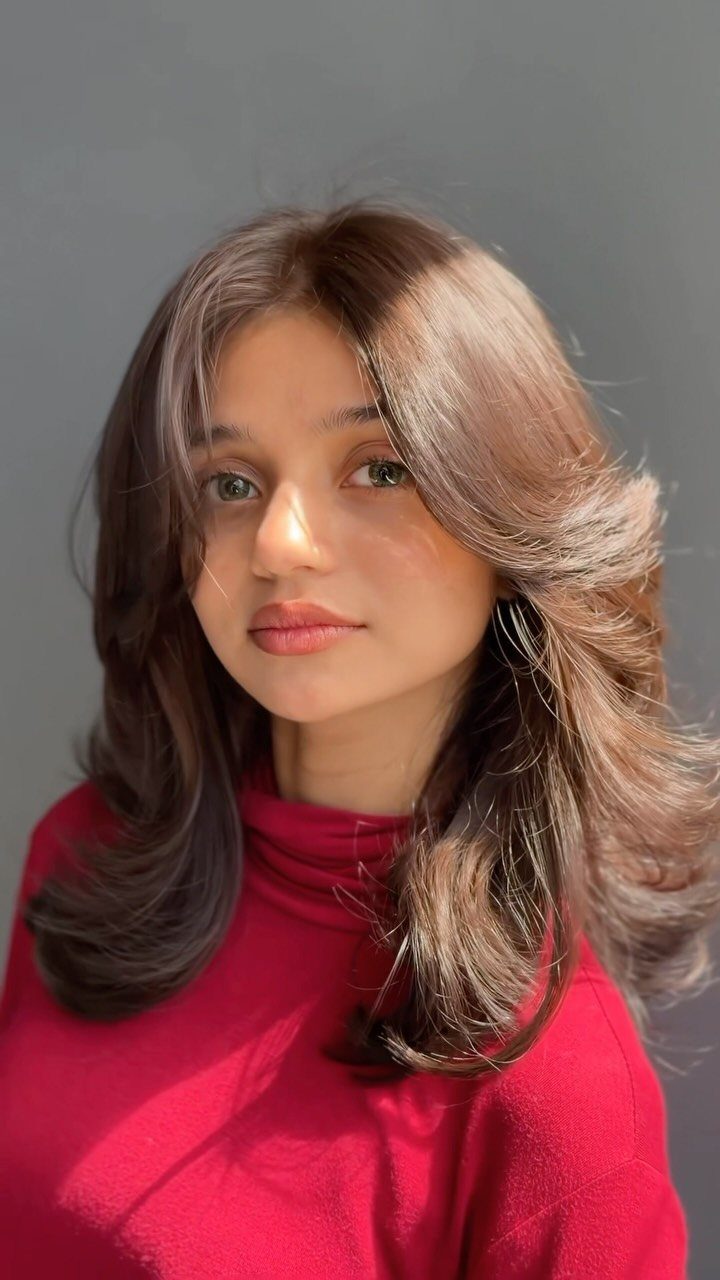
Curtain bangs split down the center and frame the face, landing somewhere between cheekbone and jawline. Paired with light brown, the color sits close to the face and stays soft without high contrast.
The bangs grow out more forgiving than straight-across fringe, so trims can wait a bit longer. If your hair pulls warm, a neutral or cool light brown keeps the framing effect clean.
At home, cutting curtain bangs yourself is possible if you work in small increments and keep the tension light, but a stylist gets the angle right on the first pass.
23. Light Brown with Dark Ends
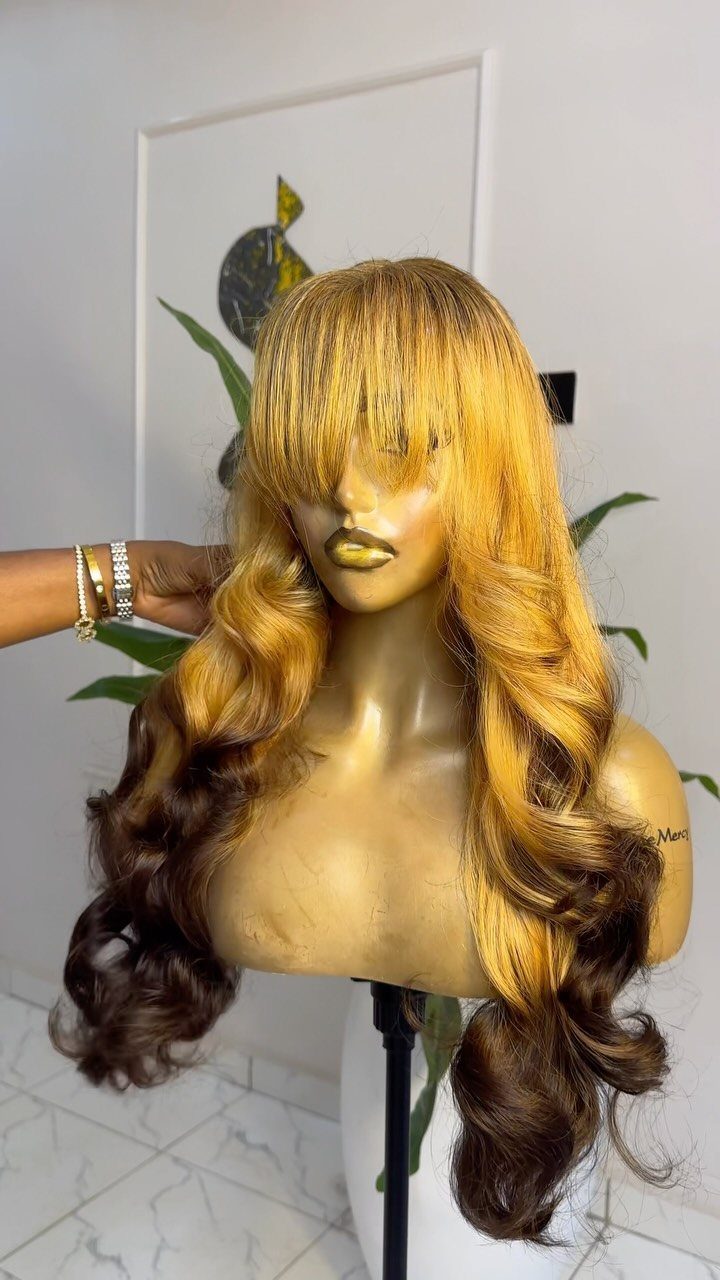
Light brown that deepens into darker ends gives a reverse balayage effect, with the root and mid-lengths staying lighter and the ends holding more depth. The gradient reads intentional without needing full ombre contrast.
This works best on wavy or curly hair, where the texture blurs the line between shades. At a salon, ask for a reverse melt or shadow root technique that keeps the ends darker and blends into lighter lengths.
At home, apply a darker dye just to the bottom few inches and feather it upward with damp fingers before it sets.
Brown Color Upkeep
Color-safe shampoo and conditioner slow fading by skipping the sulfates that strip dye molecules out of the hair shaft. Pair them with lukewarm water instead of hot, which opens the cuticle and lets color rinse away faster.
A glossing treatment every few weeks deposits a sheer layer of color that fills in what’s washed out.
Most glosses are demi-permanent and fade gradually, so they keep tone consistent between full color appointments. You can do them at home or ask for a gloss at the salon after your regular service.
Because the root stays natural and the color sits lower, regrowth blends rather than announcing itself. If you’re working with a balayage or gradient, that same soft transition buys you extra weeks before the next appointment.
Frequently Asked Questions
What colors do light brunettes look good in?
Cool skin tones suit ash or beige browns with silvery undertones, while warm skin works best with golden, chestnut, or copper browns.
Neutral skin can pull off most shades, so if gold and silver jewelry both flatter you, you have range across the spectrum.
What are the trendy brown hair colors for 2026?
Light ash brown stays popular for its cool, silvery tone that reads clean without going brassy.
Dimensional shades like brown sugar and caramel bring multiple warm tones into one base for movement that catches light. Balayage placement keeps growing out soft, which makes lower-maintenance color more practical.
How do I choose the best brown hair color for my skin tone?
Match your skin’s undertone rather than just its depth: cool undertones suit ash and silvery browns, warm undertones work with golden, chestnut, or copper, and neutral undertones can go either direction.
If you’re unsure, think about whether gold or silver jewelry looks better on you, or ask a makeup artist what tone they see.
How do I maintain brown hair color?
Color-safe shampoo without sulfates slows fading by keeping dye molecules in the hair shaft, and lukewarm water instead of hot prevents the cuticle from opening and rinsing color away.
Which is the best light brown hair color?
Light golden brown and light chestnut both offer soft, sun-kissed warmth that suits most seasons and skin tones. Golden brown skews sandy and low-maintenance, while chestnut brings subtle red undertone that fades gradually and blends grow-out better than cooler shades.