Hair color levels run from 1 (jet-black) to 10 (pale blond), and most numbered charts add modifiers like ash, golden or neutral to show whether a shade pulls cool or warm.
Your natural base and your skin’s undertone together decide which level and modifier will read the way you want it to: cool skin usually wears ash and beige blonds better, warm skin suits golden and copper tones, and neutral skin can go either way.
1. Light Ash Blond
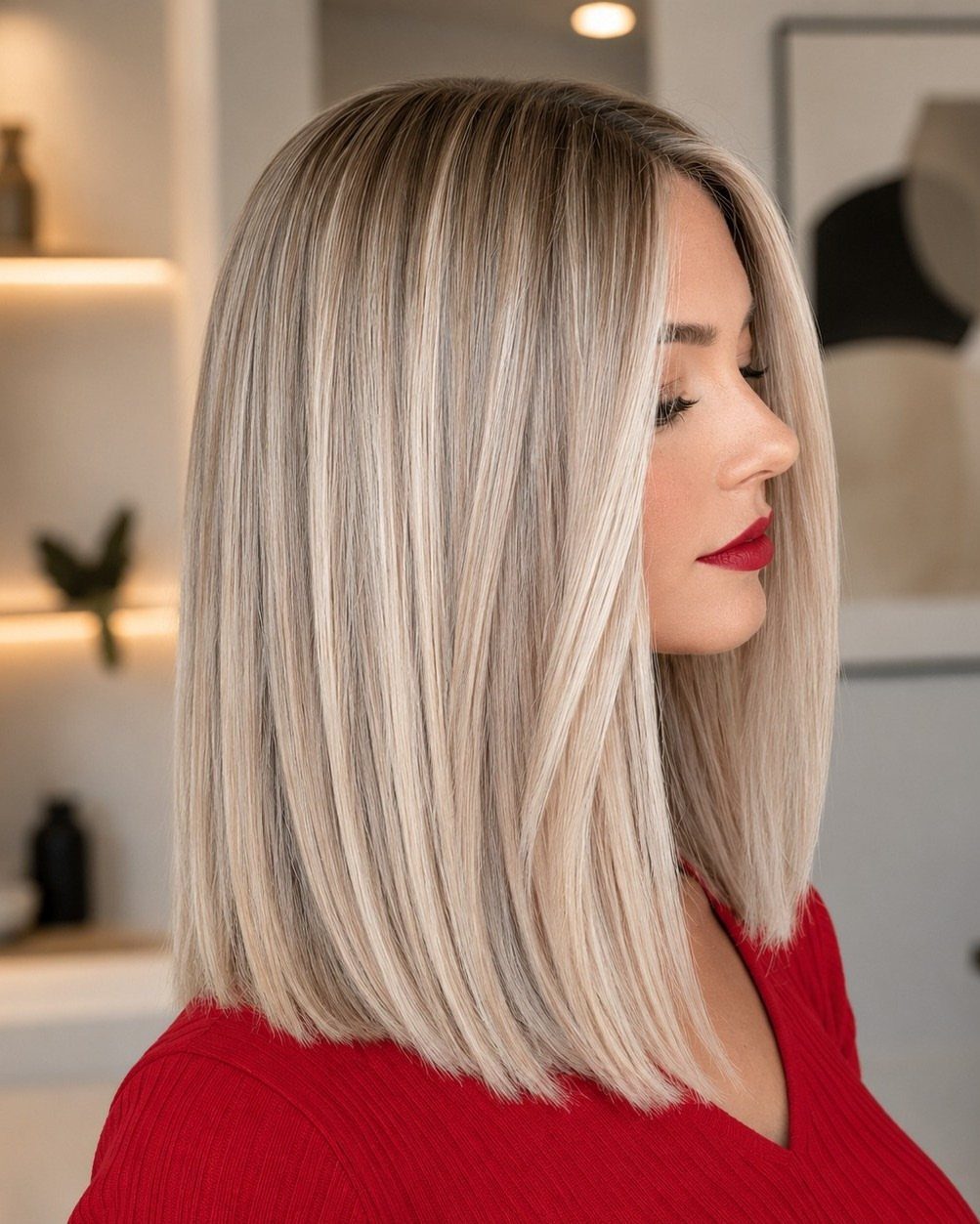
Light ash blond sits at the cooler end of the blond spectrum, with grey or silver undertones that cancel warmth.
The ash tone keeps it from reading yellow or brassy, which matters if you have cool or neutral skin and want a pale blond that stays crisp.
At home, ash shades tend to fade faster than golden ones because the violet pigments that create the cool tone wash out first. A purple-toning shampoo once a week can hold the ash longer between dyes.
2. Light Golden Blond
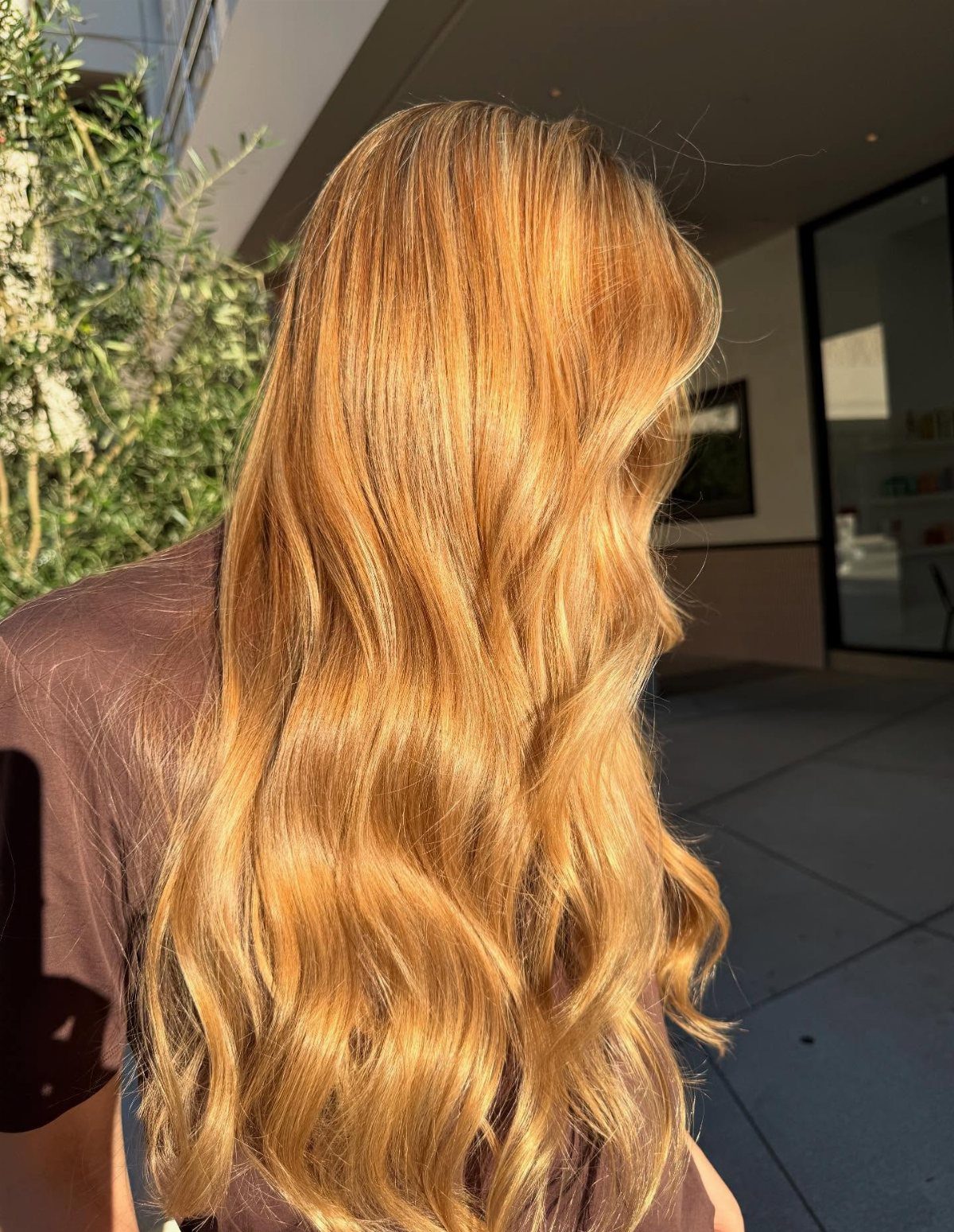
Light golden blond leans warm, with yellow and honey tones that catch sunlight. The golden finish makes it a good match for warm or neutral skin tones, and the warmth tends to hold better through fading than ash shades do.
If you’re lifting from darker hair, golden blonds are easier to reach at home than ash ones. The warm pigments sit closer to the natural undertones in most hair, so you get less brassiness on the way up.
3. Light Blond
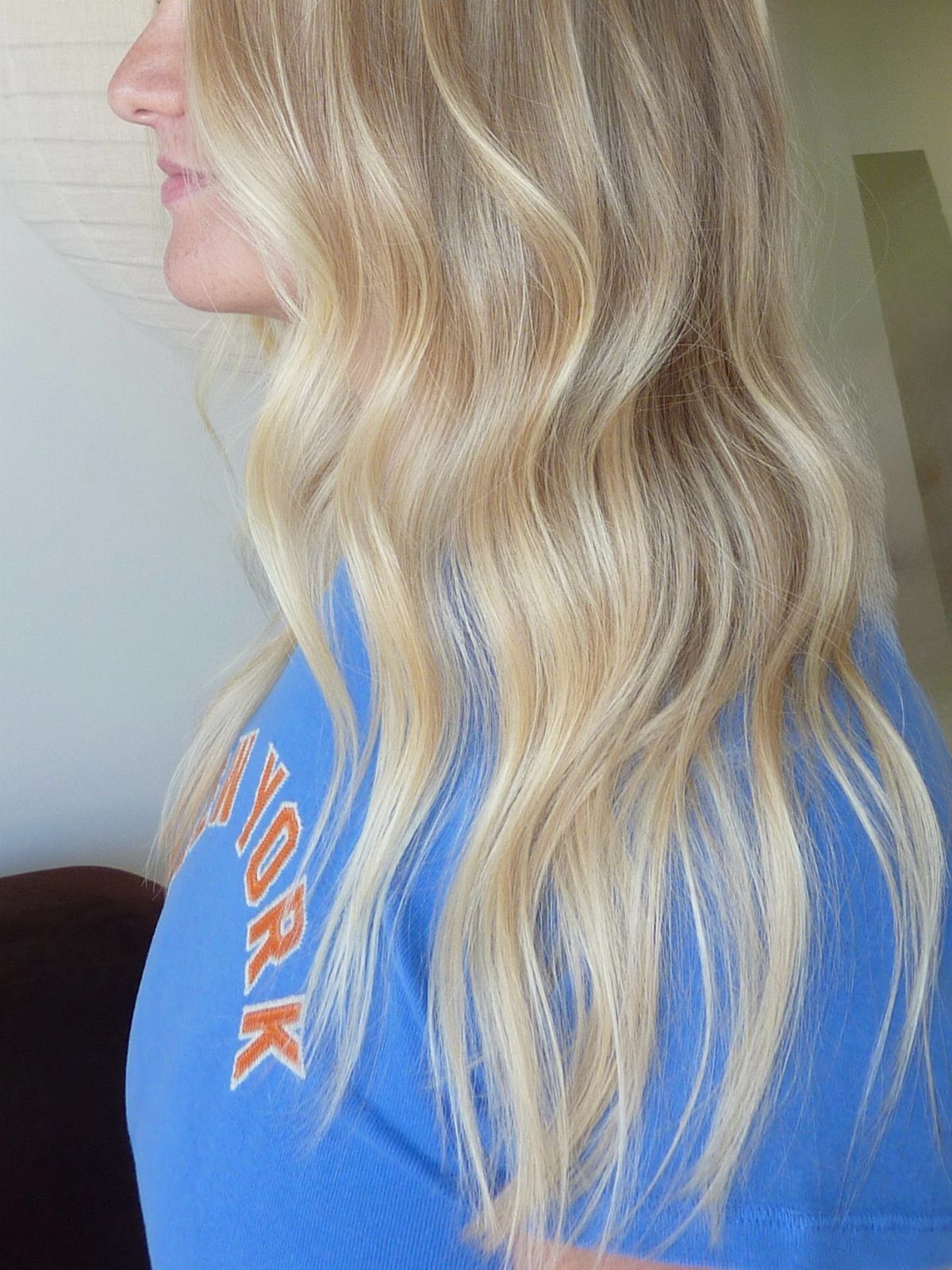
Light blond falls between ash and golden, with a mix of beige, warm and neutral tones that work across most skin tones.
It gives you flexibility if you’re not set on a strictly cool or warm shade, and it fades more evenly because no single undertone dominates.
Box dyes labeled "light blond" or "natural light blond" tend to pull slightly golden on warmer base colors and slightly ashy on cooler ones, so your starting shade shapes the result.
4. Champagne
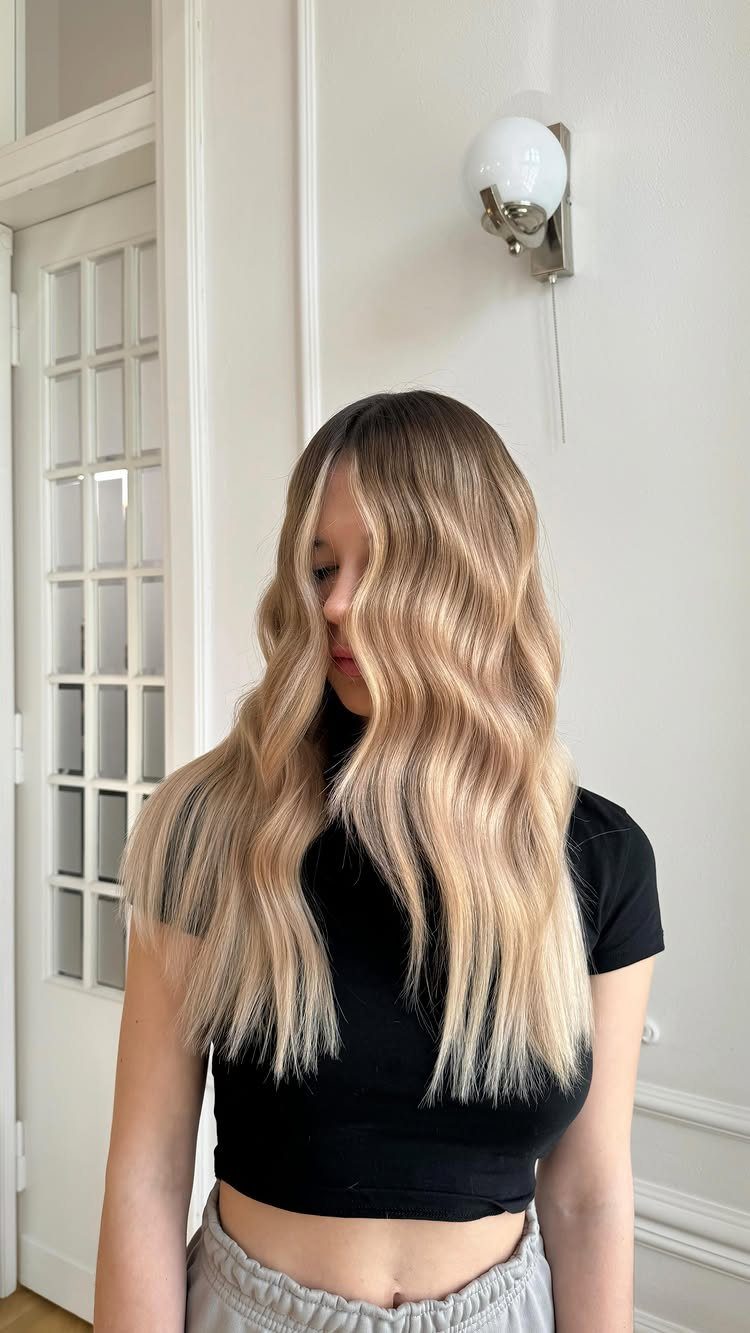
Champagne blond is a beige-blond with a soft, muted finish, warmer than ash but less yellow than golden.
The tone has enough warmth to suit most skin tones without reading brassy, and it photographs as a creamy blond rather than stark platinum.
If you’re starting with mid-blond hair, champagne is reachable with a single lift at home. On darker bases, you may need a pre-lightener or 2 sessions to get there without orange tones showing through.
5. Light Golden Brown
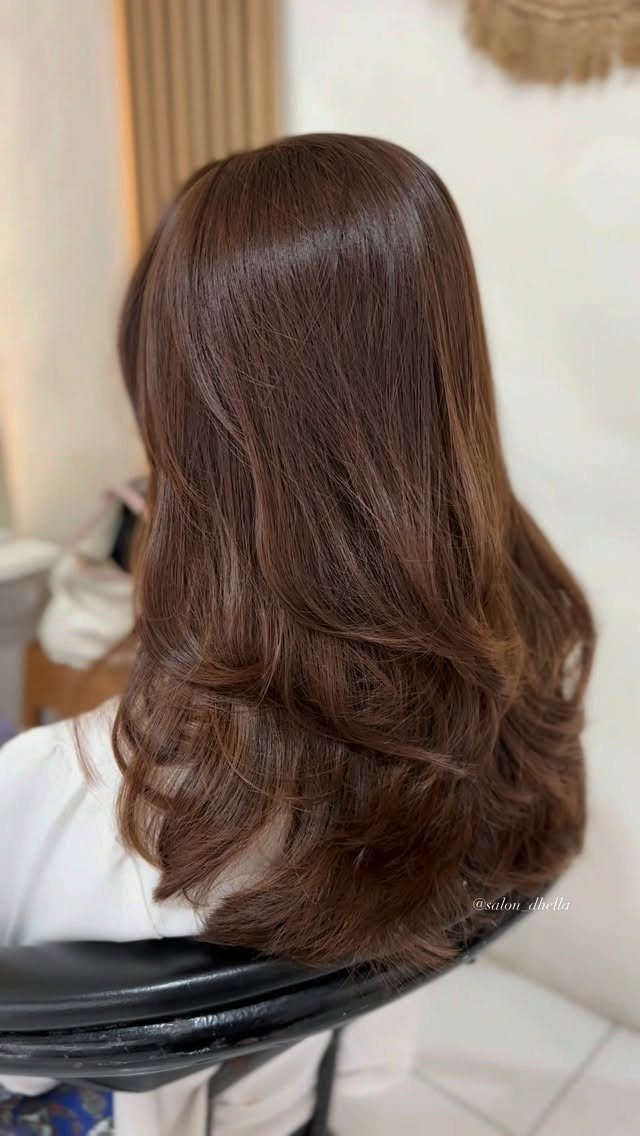
Light golden brown is brown with enough gold to keep it from looking flat, a warm shade that sits lighter than chocolate but deeper than caramel.
The golden tones catch indoor and outdoor light differently, so the color shifts depending on where you are.
If you have warm skin, this is one of the most forgiving shades to maintain. The warmth disguises regrowth better than cooler browns, and fading usually just softens the gold rather than turning muddy.
6. Chocolate Brown
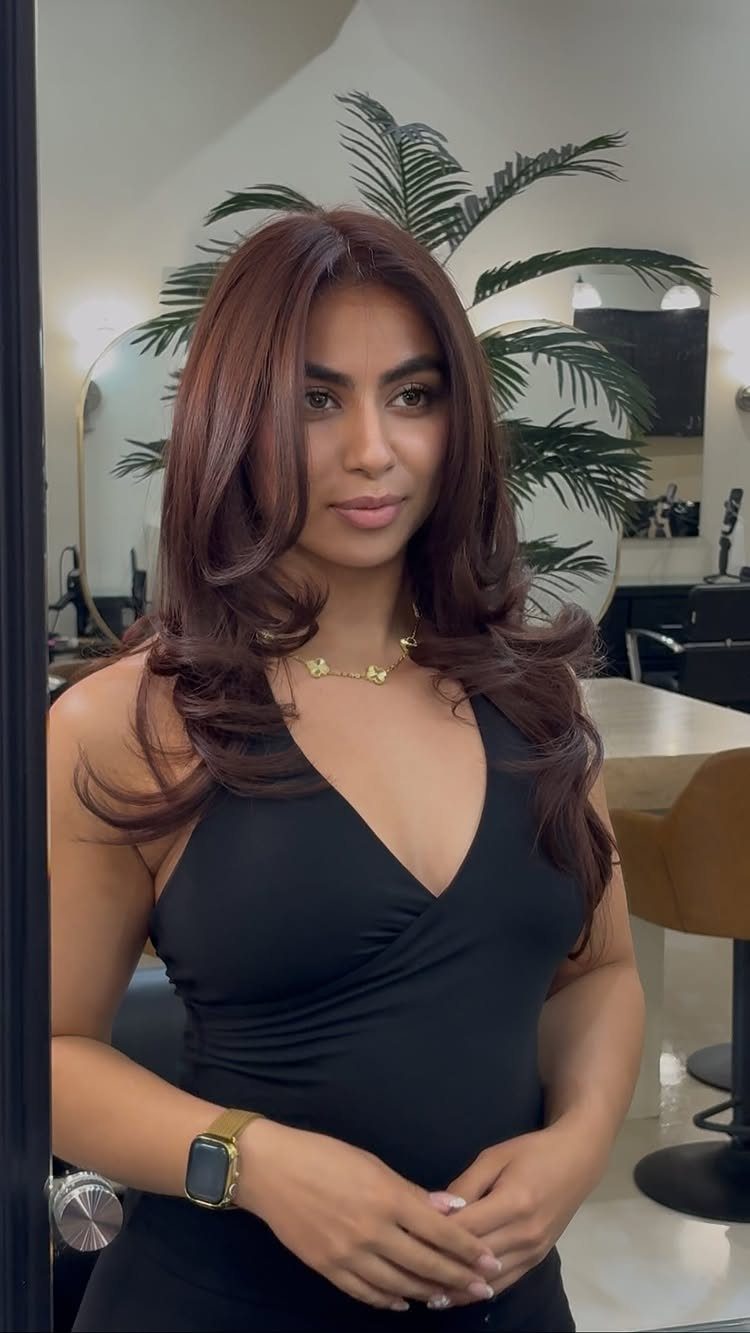
Chocolate brown is a rich, neutral brown without red or gold pulling it warmer. The tone reads true brown in most light, which makes it versatile across skin tones and easier to match when you touch up roots.
At home, chocolate shades are straightforward if you’re starting with dark blond or lighter brown.
On darker hair, you may need a clear developer to lift slightly before the color deposits, as @salon_dhella used to get this depth and gloss.
7. Jet-black

Jet-black is the deepest shade on most color charts, with no brown or warm tones showing through. The color sits flat and opaque, which gives it that high-contrast look against most skin tones.
If you’re starting with dark brown hair, a single box dye will usually get you there. On lighter bases, you may need 2 coats to cover completely, because the pigment has to deposit densely enough to block any underlying warmth.
Once it’s on, jet-black fades slower than most colors, but when it does fade, it can pull slightly red or ashy depending on the dye formula.
In that case, lighter skin tones can make jet-black work too. Steer clear of black hair color with blue undertones, though, as it can make you look sickly, especially if you have blue undertones in your face.
— SheKnows
8. Reddish Blond
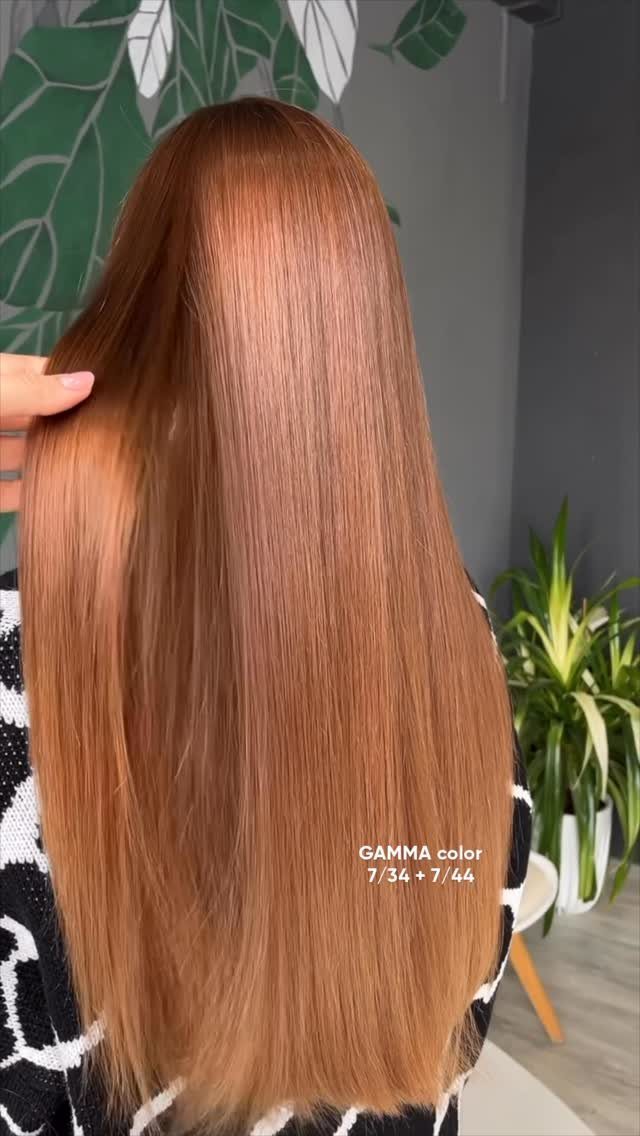
Reddish blond sits between strawberry and copper, with enough red to keep it from reading as golden blond but still light enough to stay blond rather than auburn.
The warmth shows most in direct light, where the red tones catch and shift the color closer to pink-gold.
On warm or neutral skin, the red keeps the blond from washing you out.
Formulas labeled 7/34 or 7/44 mix gold and red pigments to land that warm, peachy-blond finish. The red fades faster than the blond base, so expect it to soften toward golden after a few weeks.
9. Strawberry Blonde
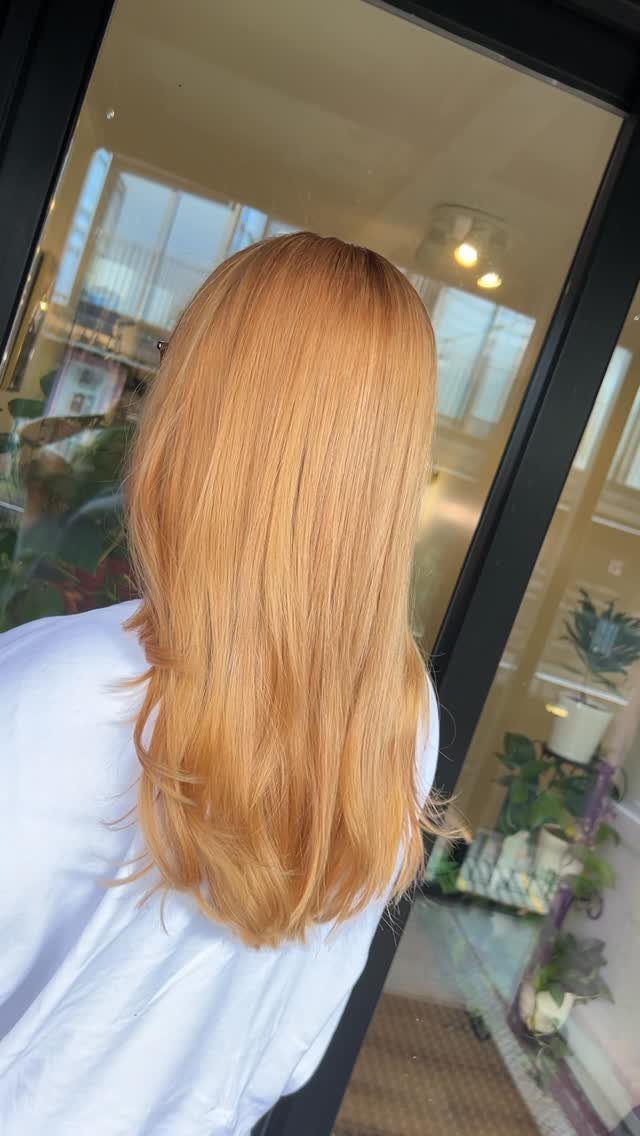
Strawberry blond mixes red and gold in roughly equal measure, giving you a blond that leans pink-copper rather than yellow.
The tone reads warmer than golden blond but lighter than auburn, and it tends to suit warm and olive skin tones because the red balances the gold without going brassy.
At home, strawberry shades can be tricky to match from a box: the red pigment fades faster than the blond, so you may end up with a paler, more golden result after a few washes.
A color-depositing conditioner in copper or rose gold can stretch the tone between dyes.
10. Golden Blonde
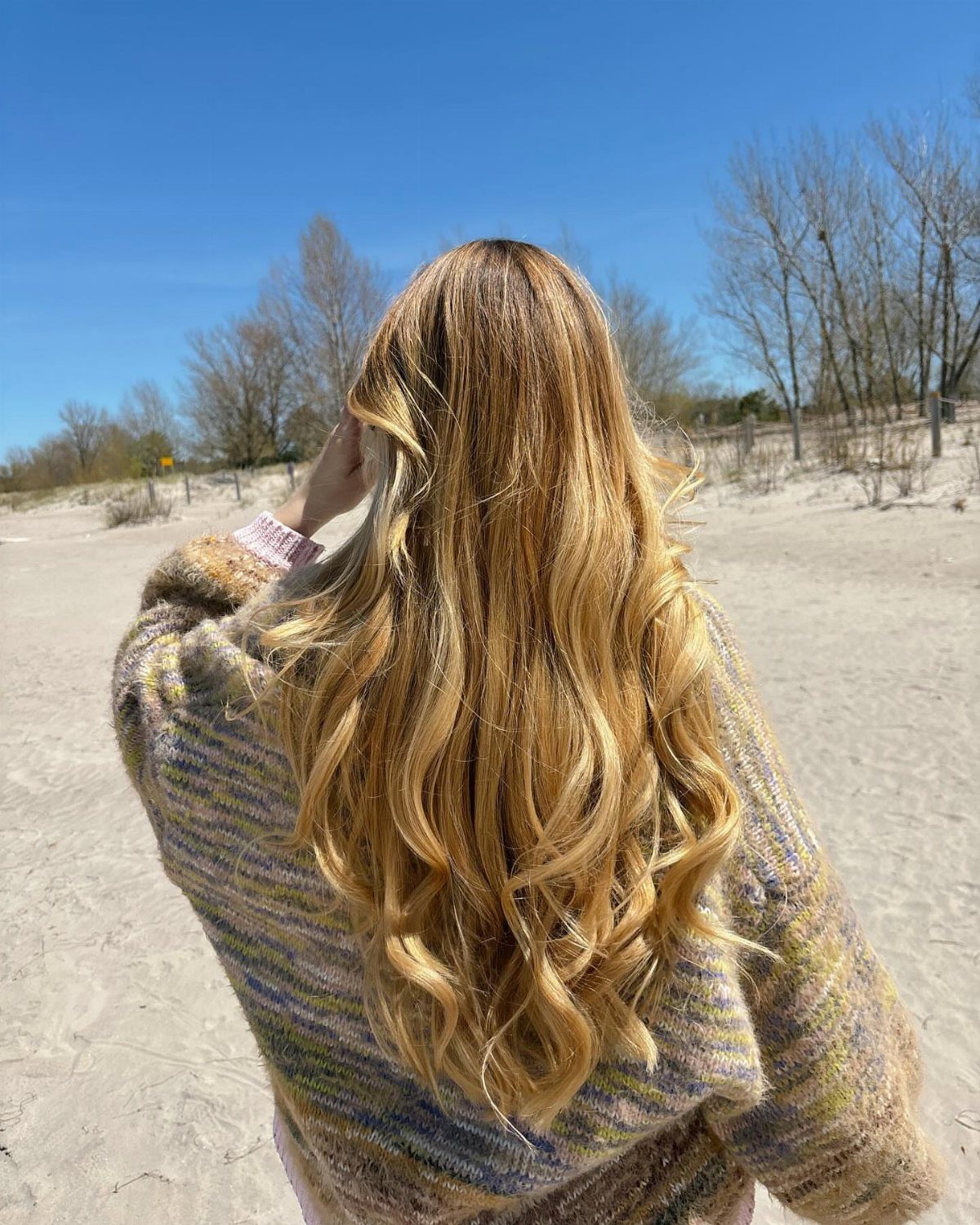
The warmth makes it a good fit for warm and olive skin, where cooler blonds can look too stark.
Box dyes labeled "golden blond" usually deposit more yellow pigment than ash or natural formulas, so they lift brassiness less and hold warmth longer.
If you’re starting with light brown or dark blond hair, you can usually reach this shade in one go.
11. Cool Brown
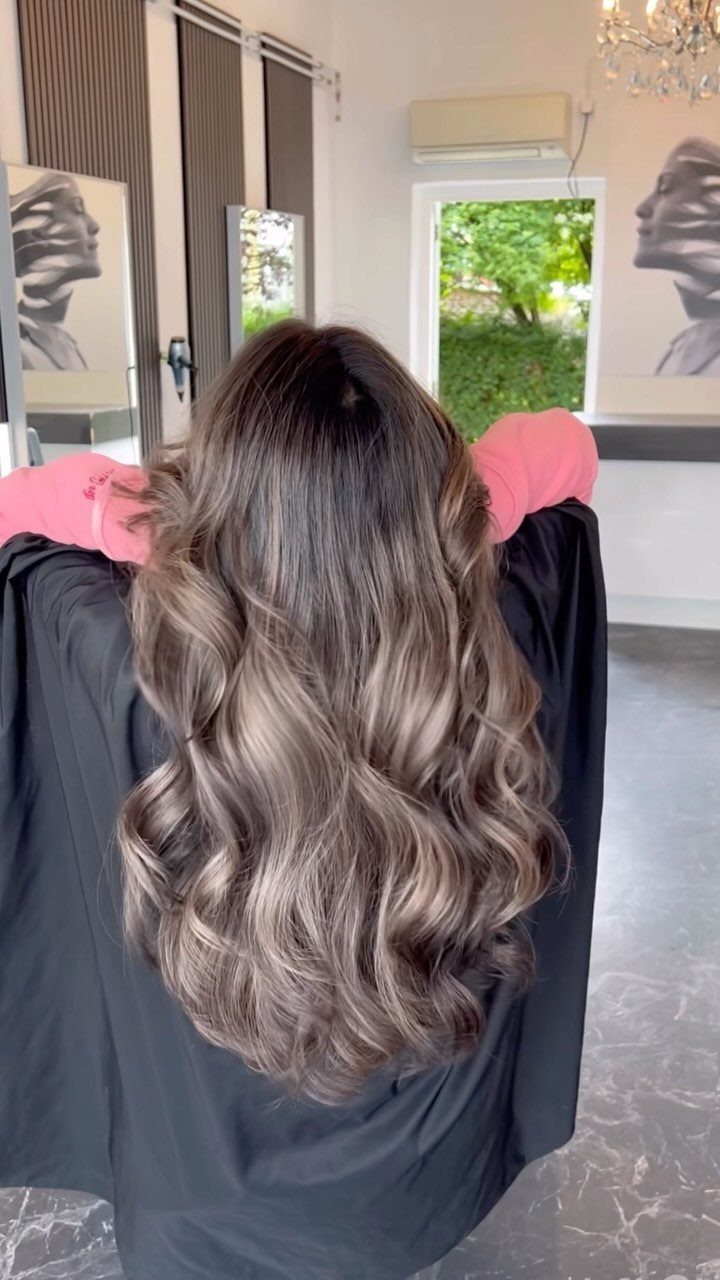
Cool brown leans grey or ash rather than red or gold, giving you a brown that stays neutral in most light.
The cooler undertones make it a better match for cool or neutral skin, where warm browns can look too orange.
At home, cool browns are harder to hold than warm ones because the ash pigments fade faster.
If your natural base has warm undertones, the cool dye may pull slightly warmer after a few washes as the ash washes out and your natural red or gold shows through.
12. Dark Golden Brown
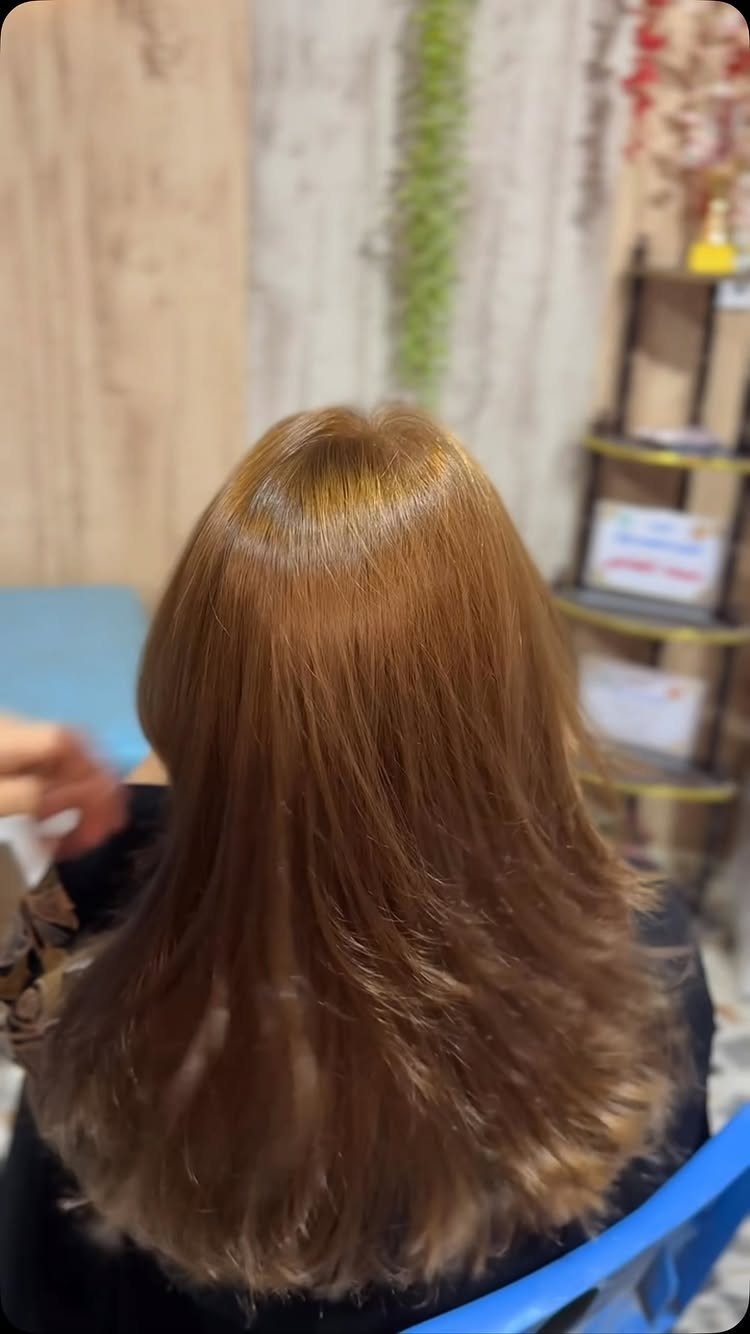
Dark golden brown sits deeper than light golden brown, with warm honey tones that keep it from looking flat or muddy.
The gold shows through in bright light but stays subtle enough that the color still reads as brown rather than caramel.
If you have warm or olive skin, the gold tones tend to suit better than cool browns, and the depth gives enough contrast to frame your face without looking as stark as black.
At home, this shade is easier to reach from medium brown hair than from lighter bases, where you may need to add a darker dye first to build enough depth before the gold shows cleanly.
13. Espresso
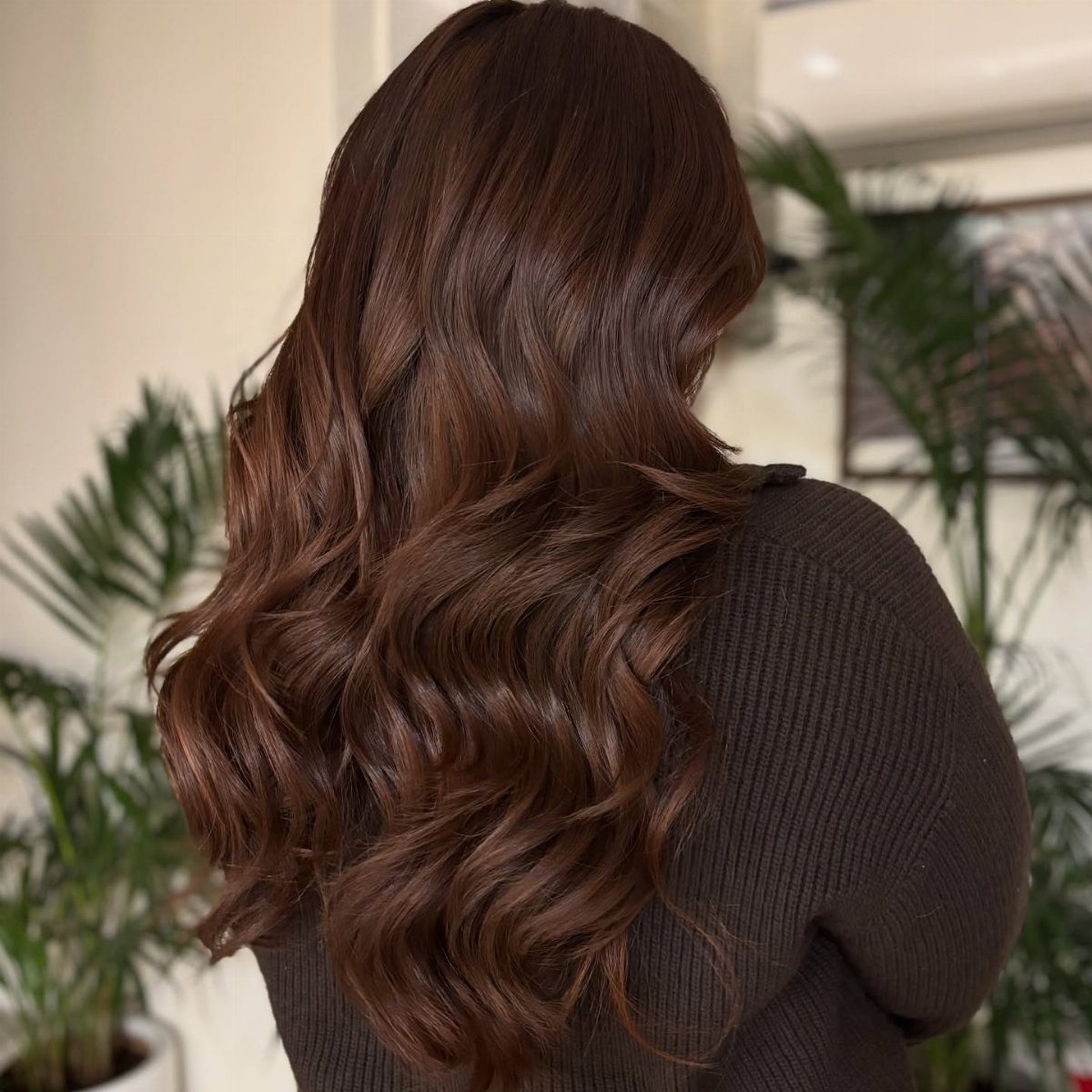
Espresso is a dark brown that stops just short of black and holds enough warmth that it doesn’t look flat or harsh against the skin.
The shade holds depth without going opaque, so it works across most skin tones and softens more naturally than jet-black when it fades.
Lighter hair may need a second pass to avoid pulling too red as the color deposits.
14. Light Auburn
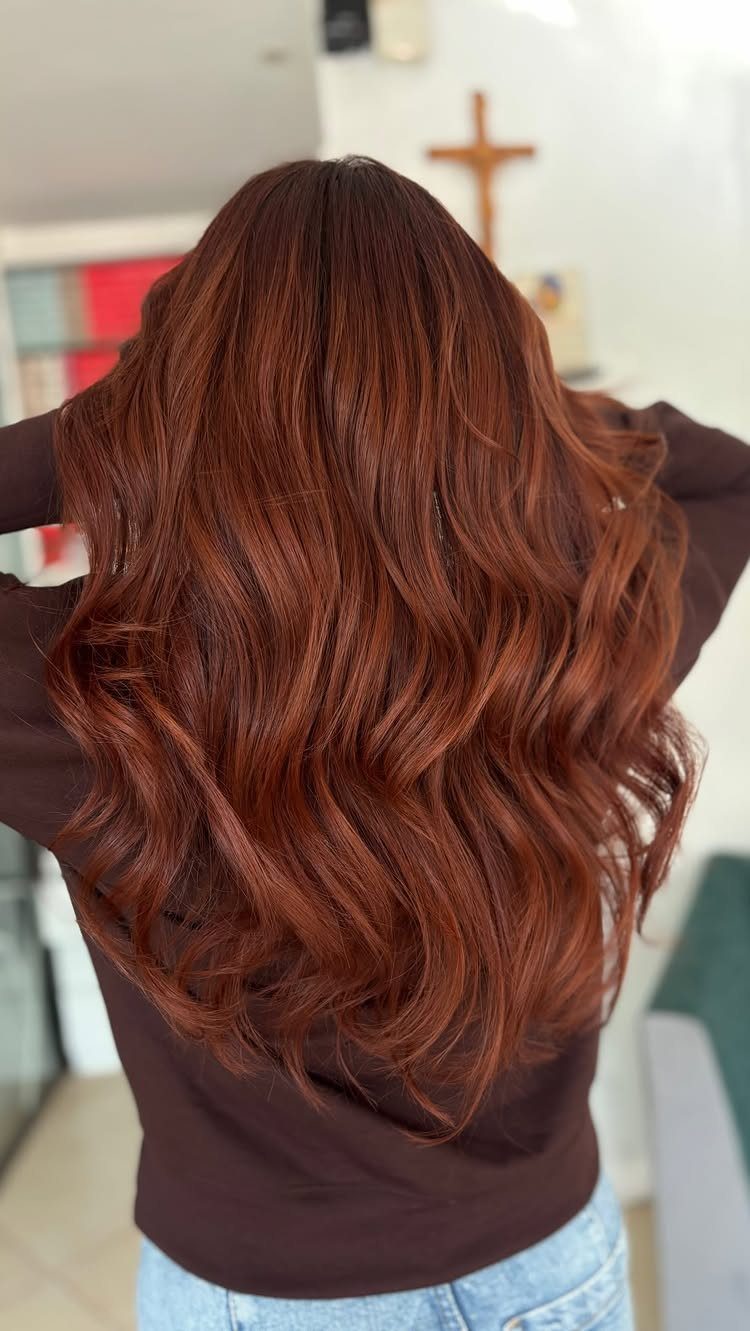
Light auburn is a red-brown with more red than brown, sitting close to natural redhead territory. The tone leans warm without going copper, so it suits warm and neutral skin better than cool.
At home, auburn shades fade faster than browns because red pigment washes out quickly.
15. Medium Auburn
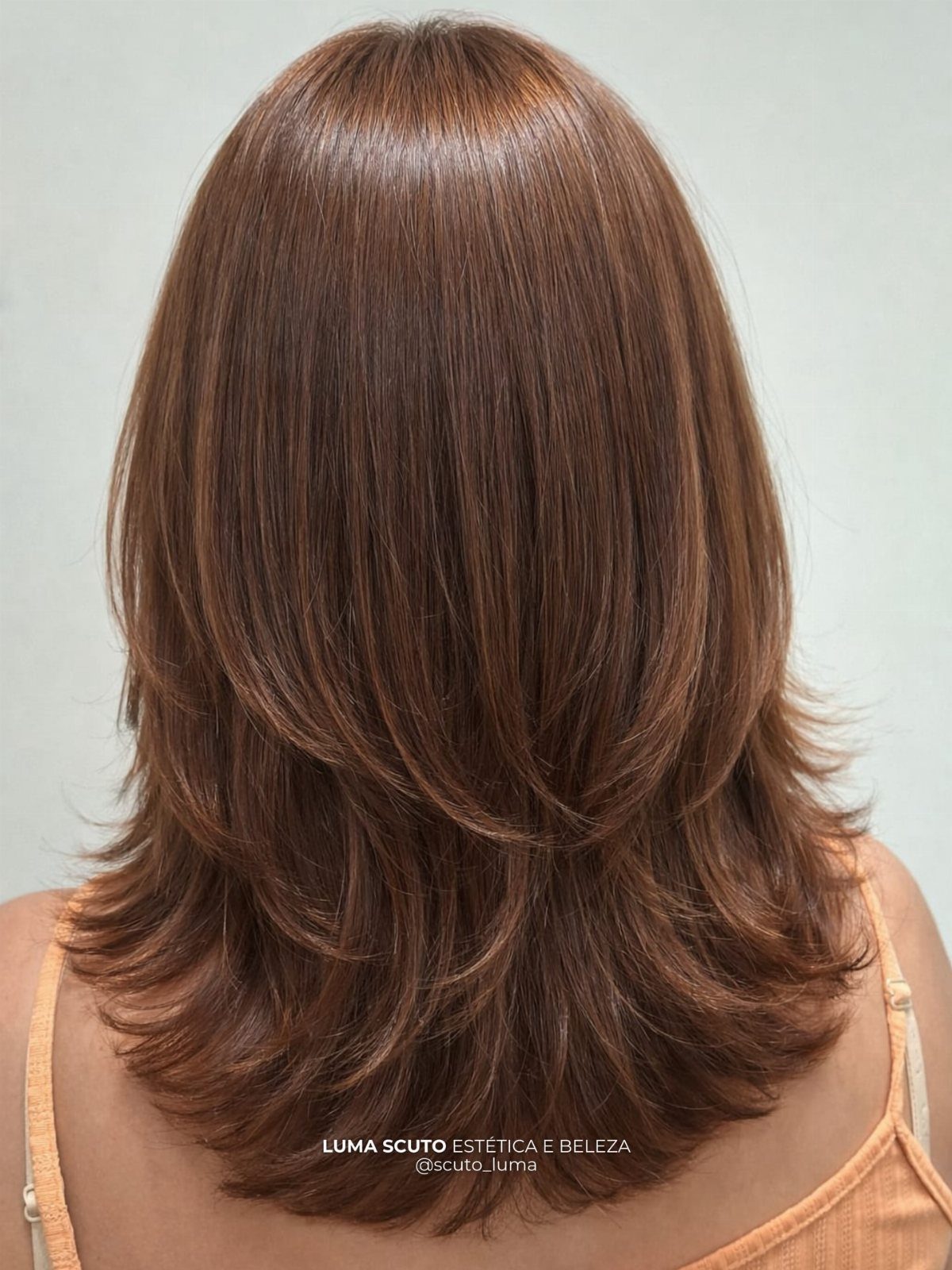
Medium auburn deepens the red-brown mix, giving you more brown than light auburn but still enough red to catch light. The warmth suits light to medium skin tones, where deeper auburns can look too heavy.
Box dyes labeled medium auburn tend to pull warmer on light brown hair and more neutral on darker bases, so your starting color shapes the red intensity.
The red will fade toward brown rather than orange if you let it go.
16. Reddish Cinnamon
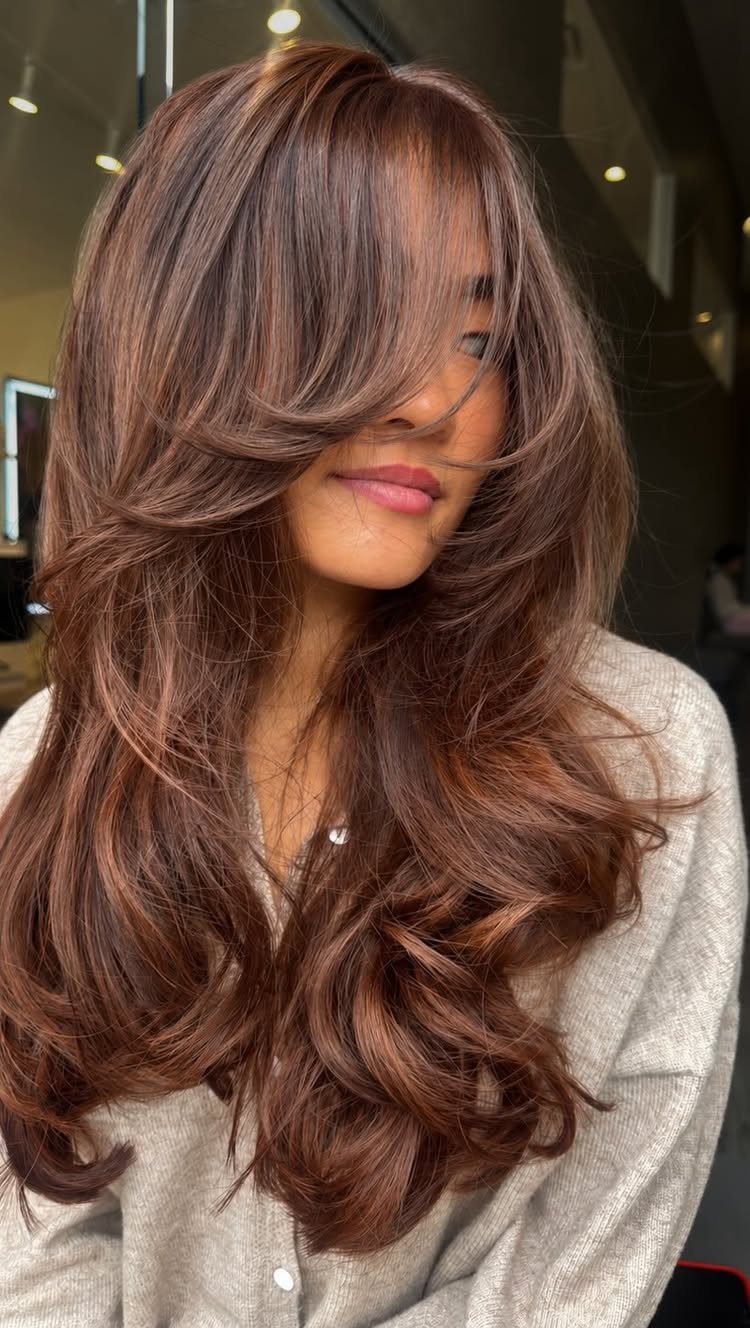
Reddish cinnamon is a red-brown that leans cooler than auburn, with enough brown to keep the red from going bright.
The tone suits cool skin because the red reads more burgundy than copper, and the brown keeps it wearable without looking too stark.
On lighter bases, the red may need a slightly darker brown underneath to keep it from pulling too orange.
17. Black
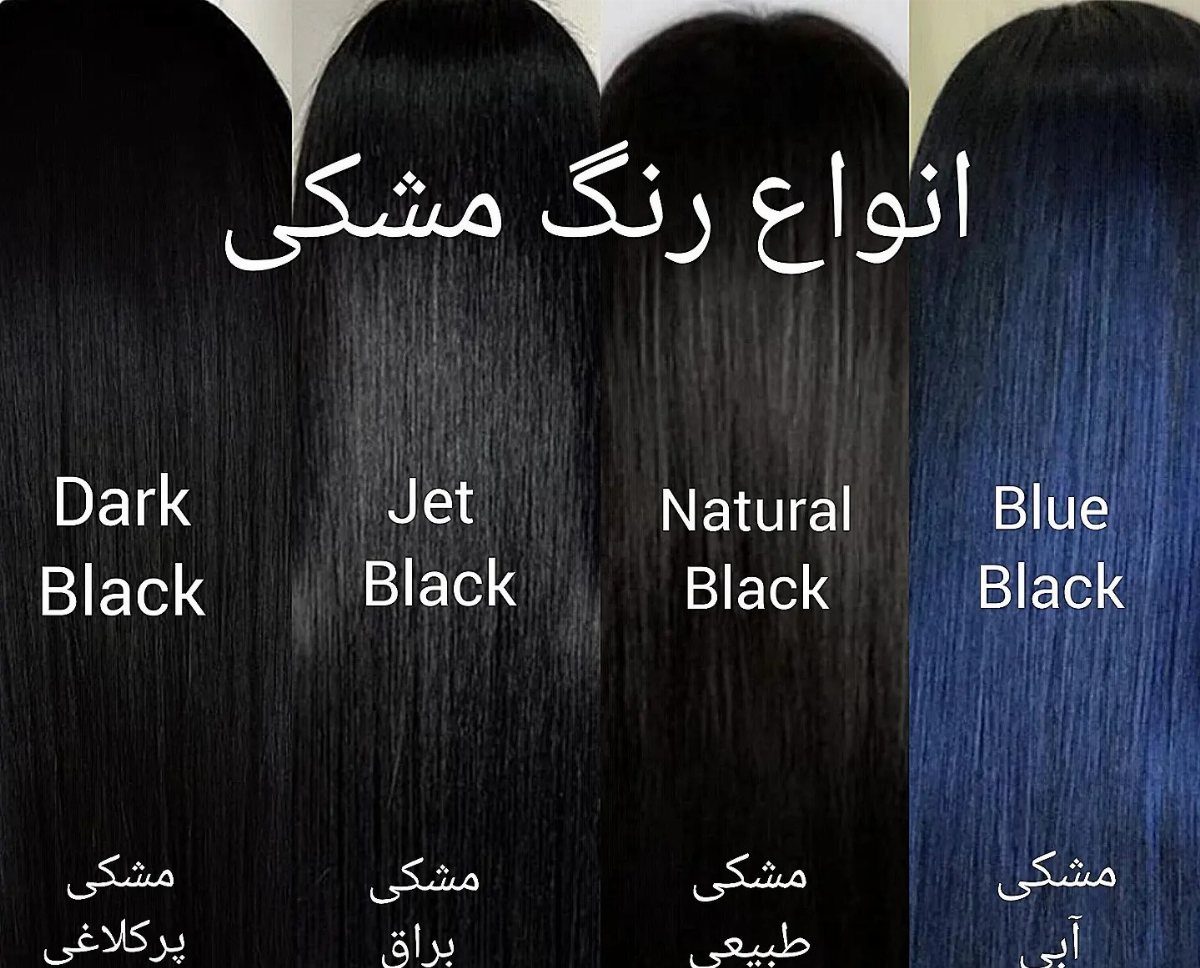
Black sits as a base level on most numbered color charts, typically at level 1 or 2 depending on the system.
The shade carries no warm or cool modifier, so what you get depends on the formula: some pull slightly cool, others slightly warm.
If you’re comparing swatches, black usually sits between jet-black and natural black in depth. Jet-black is flatter and darker, natural black shows more brown in bright light, and plain black lands between the two.
18. Natural Black
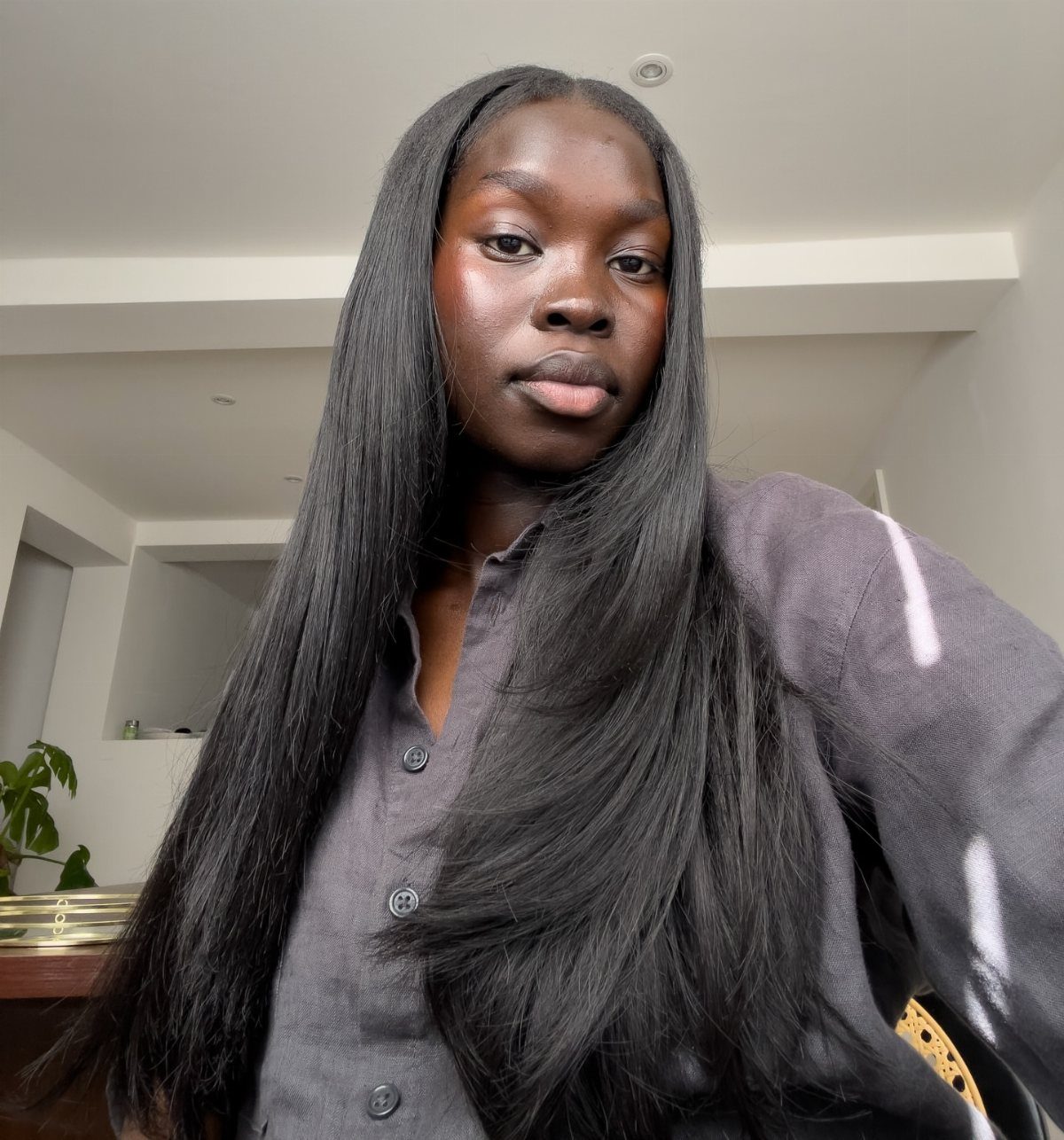
Natural black is a level 3.0 shade, which means it sits just above true black with enough brown showing through that it reads softer in daylight.
The warmth keeps it from looking as stark as jet-black, so it tends to suit more skin tones without that high-contrast edge.
On jet-black, you may need a color remover first to lift slightly before the natural black deposits, or the warmth won’t show through.
19. Dark Brown
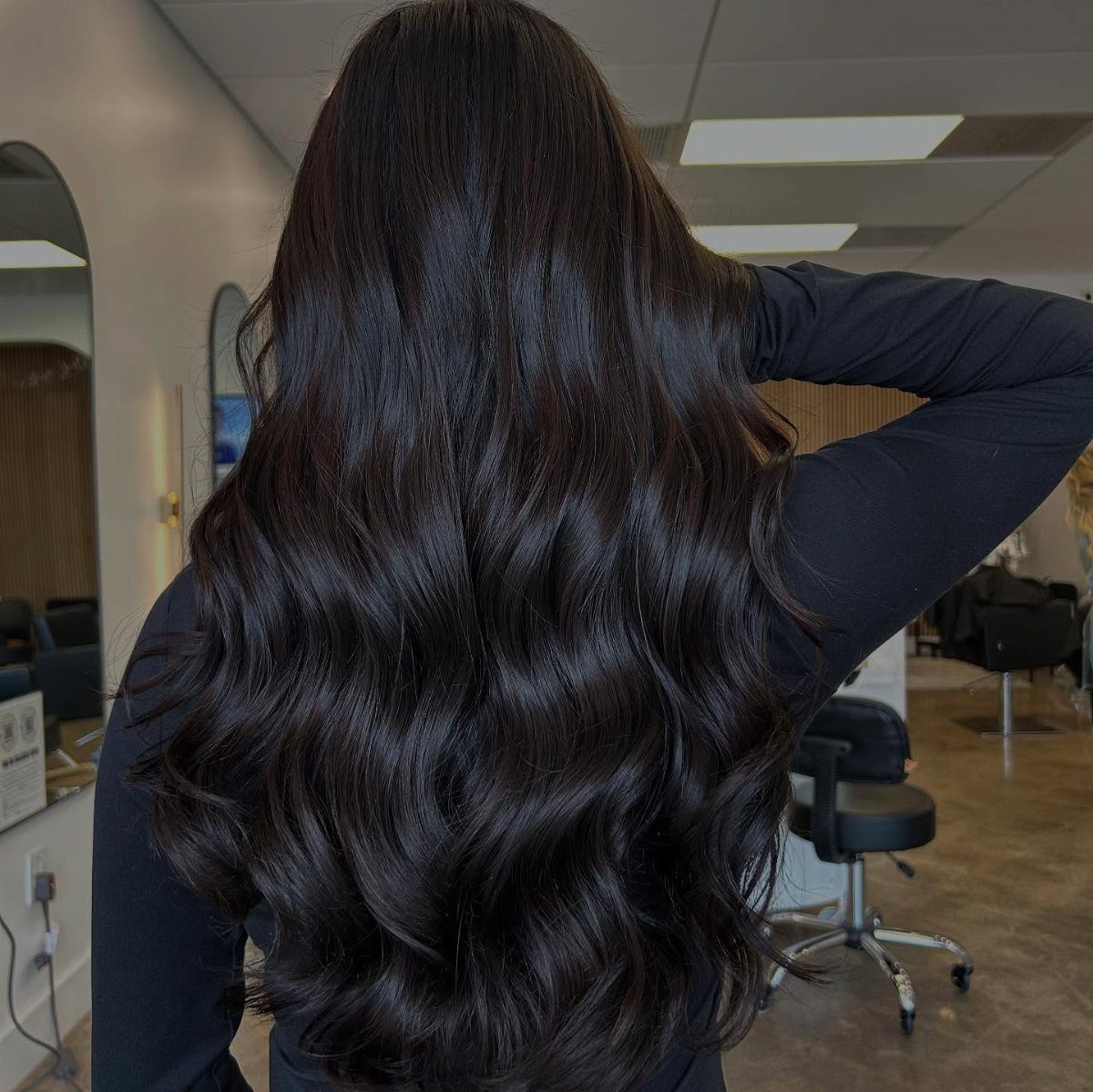
Dark brown sits at level 5.0, a neutral brown deep enough to work as a base shade without turning black.
The tone holds enough warmth that it doesn’t look flat, but not so much that it pulls red or gold in most light.
If you’re touching up roots, this is one of the easier shades to match across brands because it sits in the middle of the brown range.
On lighter hair, you may need a second coat to get full coverage, but once it’s on, it fades slowly and evenly.
20. Darkest Blonde
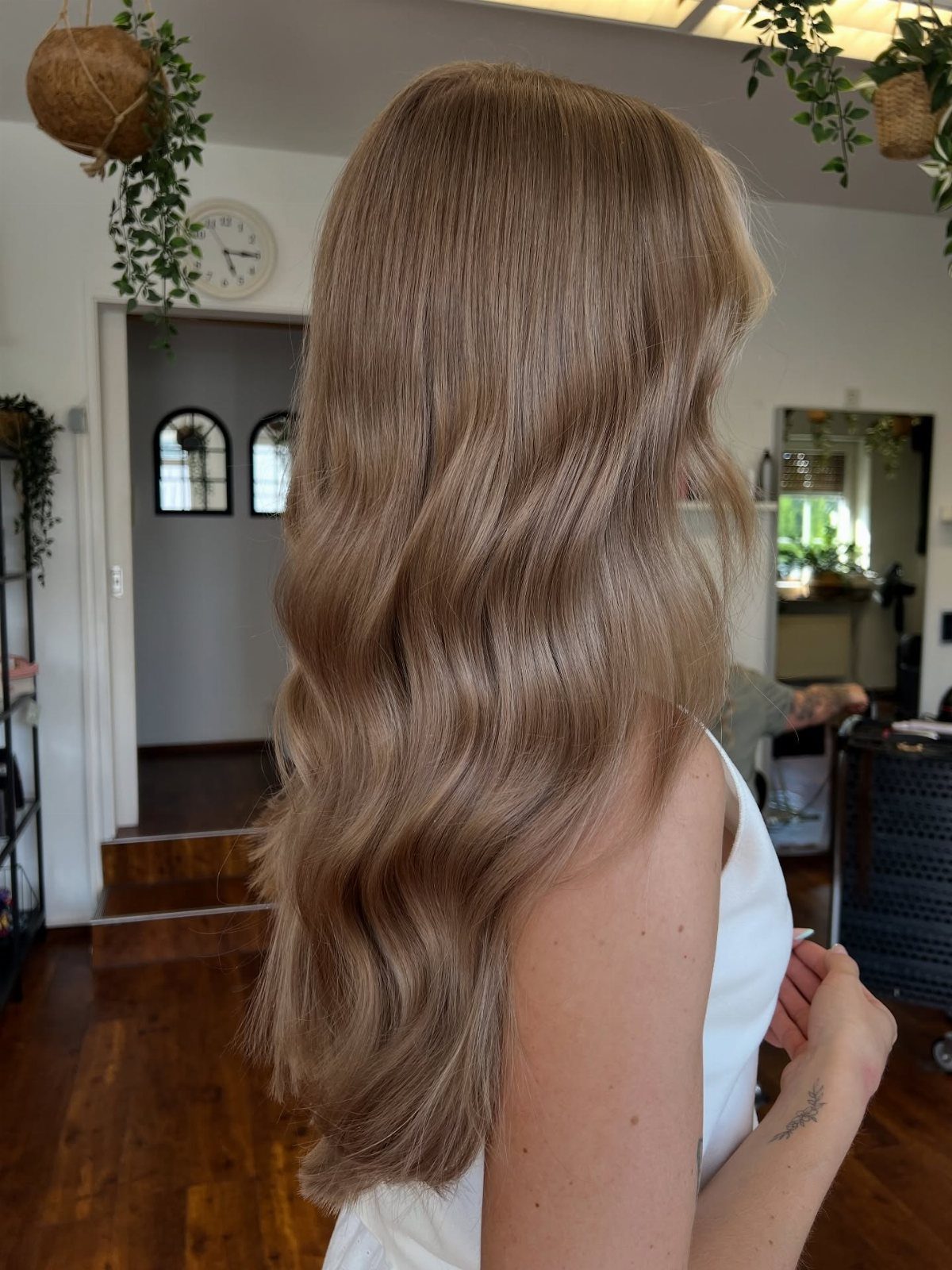
Darkest blond sits at level 7.5, right at the edge where blond stops and light brown starts.
The shade reads as a muted, deeper blond in most light, with enough warmth to keep it from looking ashy but not so much that it goes golden.
If you’re lifting from medium brown, this is often reachable in one session at home without needing a pre-lightener. On darker bases, you may get a warmer result than the swatch shows, as the underlying pigment pushes through.
21. Dark Blonde
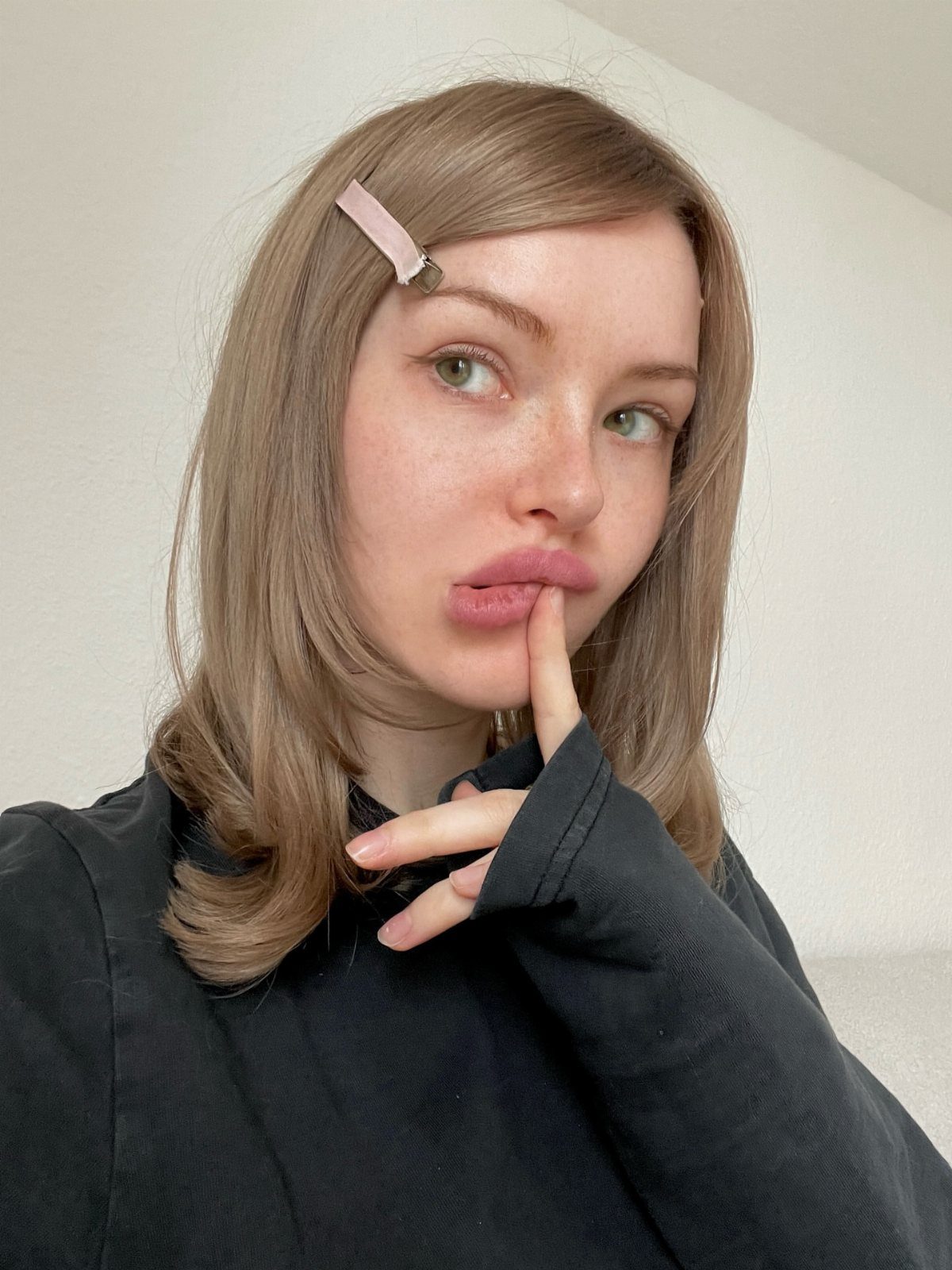
Dark blond sits at level 6, a shade lighter than medium brown with a bit more brightness showing through.
The tone reads as a true blond in most light, neutral enough to suit cool and warm skin without leaning too far either way.
Box dyes at this level tend to lift more predictably than lighter blonds, so you can usually hit this shade from light brown hair in one go.
On darker bases, expect a slightly warmer result unless you use a formula with ash modifiers to pull the warmth back.
22. Chestnut Brunette
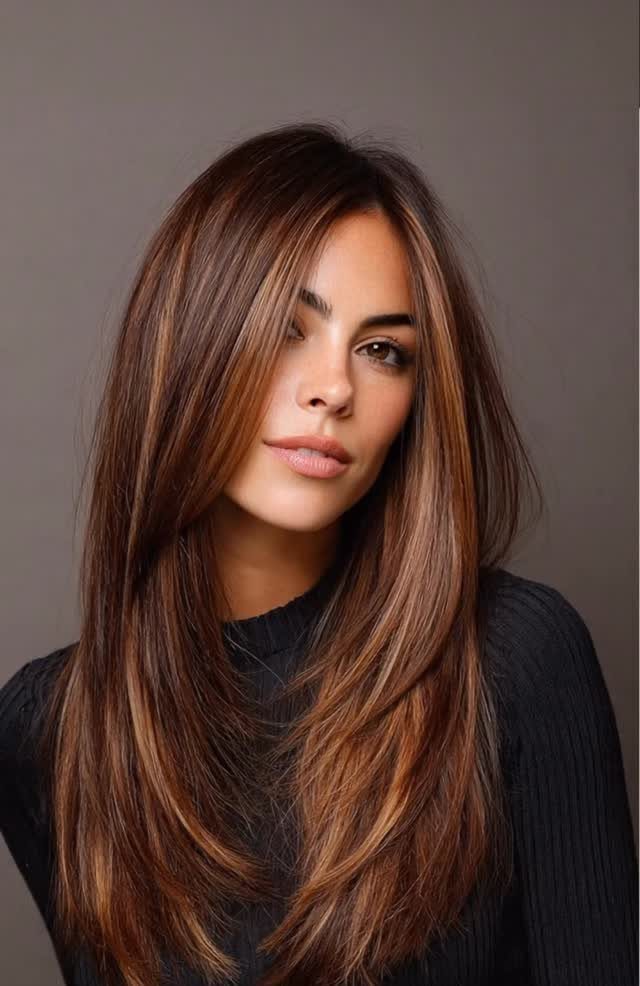
Chestnut brunette is a warm, rich brown with red and gold tones running through it, deeper than caramel but lighter than espresso. The warmth catches light without reading as auburn, so the color stays brown rather than red.
The mix of tones makes it more forgiving as it fades: the red softens first, leaving warm brown behind rather than going flat or muddy. That red-gold undertone stops the color from draining warmth out of your face.
23. Smoky Brunette
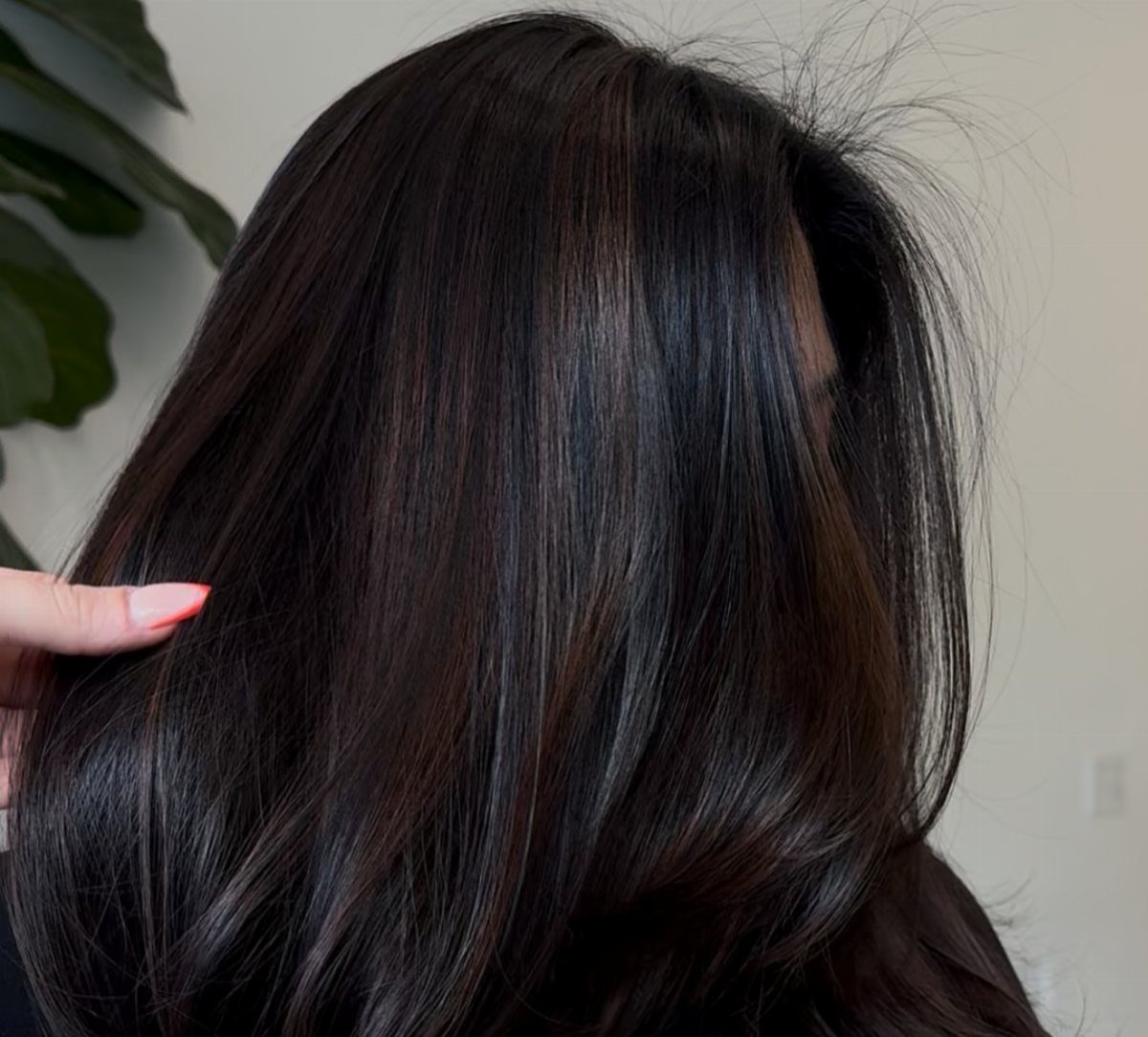
The color sits in the grey-brown range rather than pulling orange or red, so in certain light it can look nearly charcoal.
The cool tones keep it from pulling warm right away, though by week three or four it may shift slightly warmer.
At home, smoky shades need a formula with ash modifiers to hold the cool tone, because most brown dyes deposit some warmth.
A warm natural base can push through over time, so the cool tone may shift slightly warmer by week three or four.
24. Icy
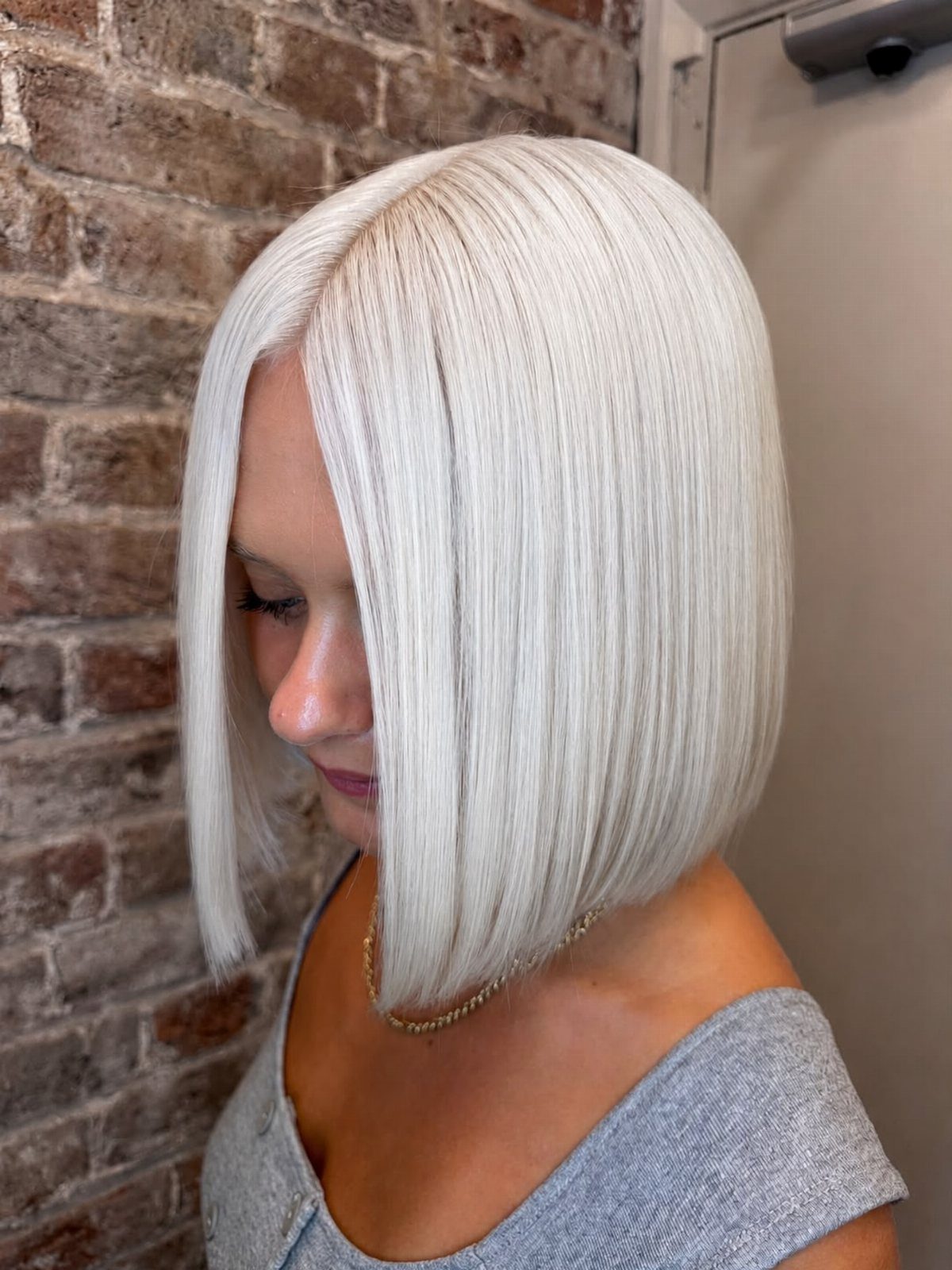
Icy refers to the coolest possible finish on blond, with silver and grey tones that push out any trace of yellow or warmth.
The tone reads almost white in some light, and it needs regular maintenance to stay that pale and cool.
At home, icy shades require hair that’s already lifted to pale blond, because the toner deposits cool pigment but doesn’t lift.
A purple-toning shampoo between dyes is necessary to hold the tone, as the grey pigments wash out faster than the blond base and brassiness returns quickly.
25. Caramel
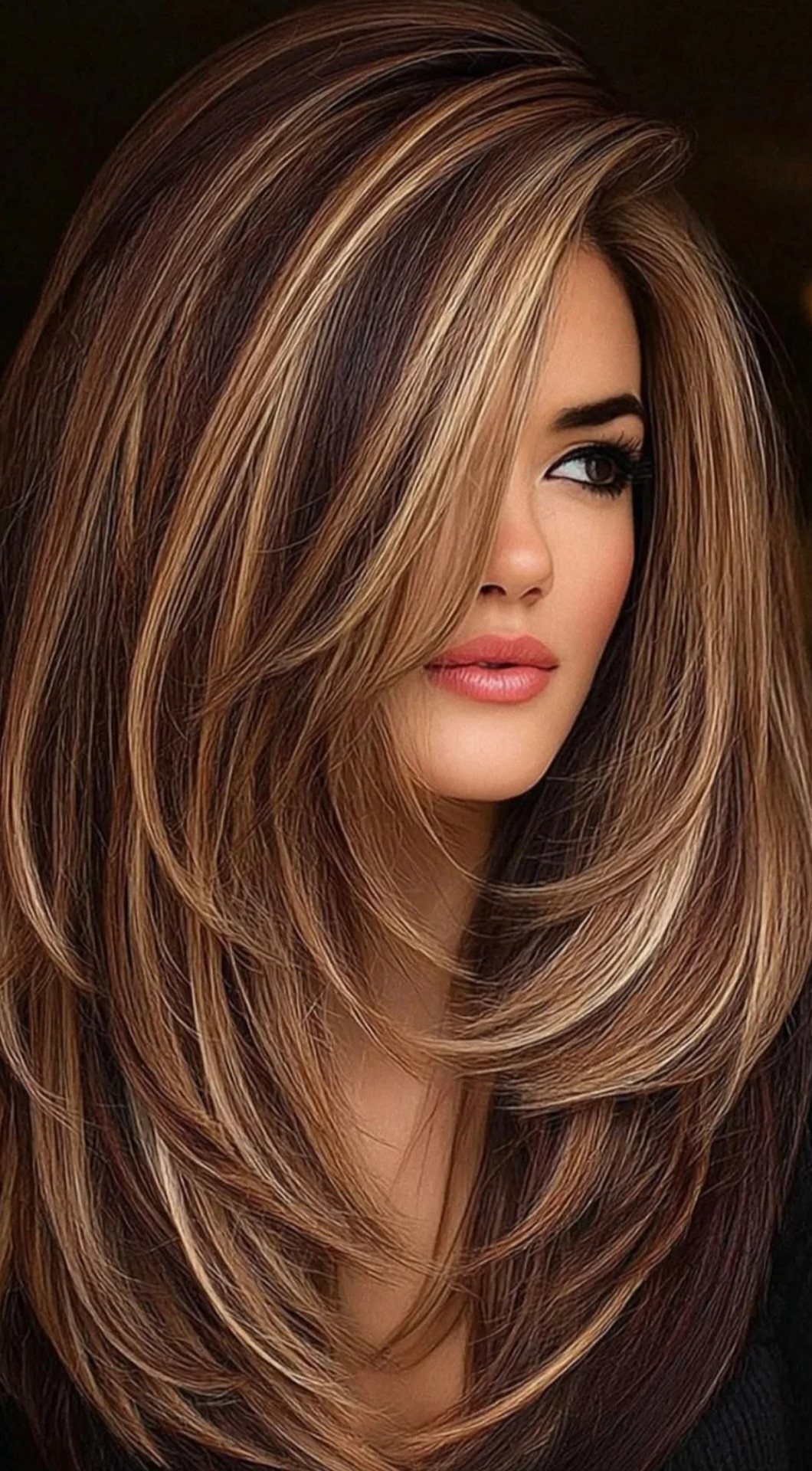
Caramel is a warm, medium-to-light brown with honey-gold tones that catch light without turning orange. The warmth keeps it from looking flat, and the golden undertones suit warm and olive skin best, where cooler browns can wash you out.
At home, caramel shades deposit more gold than neutral brown dyes, so your starting color shapes how bright the honey tones show.
On light brown bases, you can usually reach this in one session. On darker hair, expect a subtler result unless you lift first.
The gold fades slowly, leaving warm brown behind rather than going brassy.
26. Copper Gold
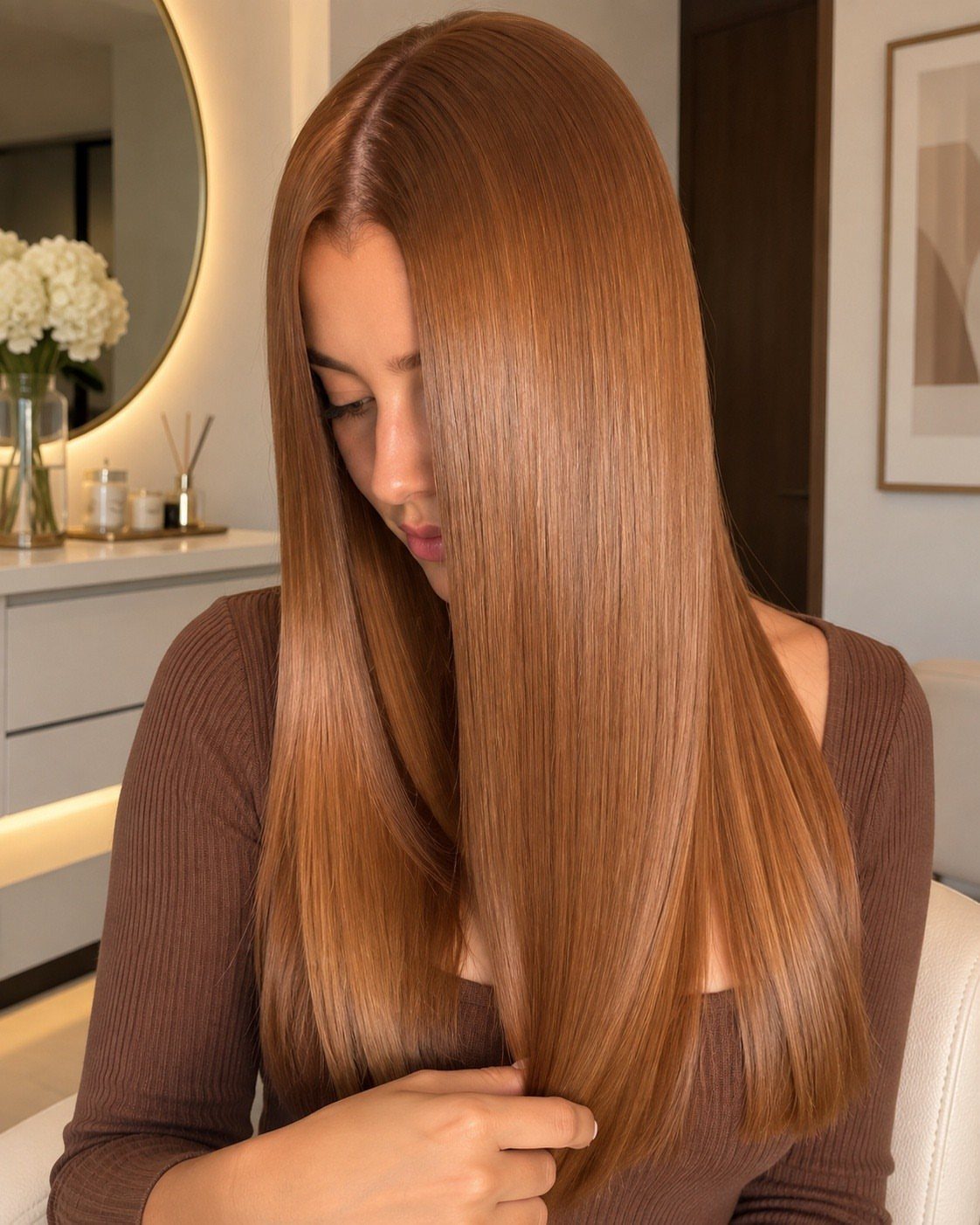
This one lands between red and gold, reading more like burnished copper than auburn once it’s on. The tone suits warm skin tones, where the red keeps the gold from looking too yellow and the gold softens the red.
Box dyes labeled copper gold deposit both red and gold pigment, so they tend to pull warmer than straight golden blond but lighter than auburn.
The red fades faster than the gold, so the color shifts toward a warmer blond after a few weeks.
A copper conditioner helps the red last between colors.
27. Black Onyx
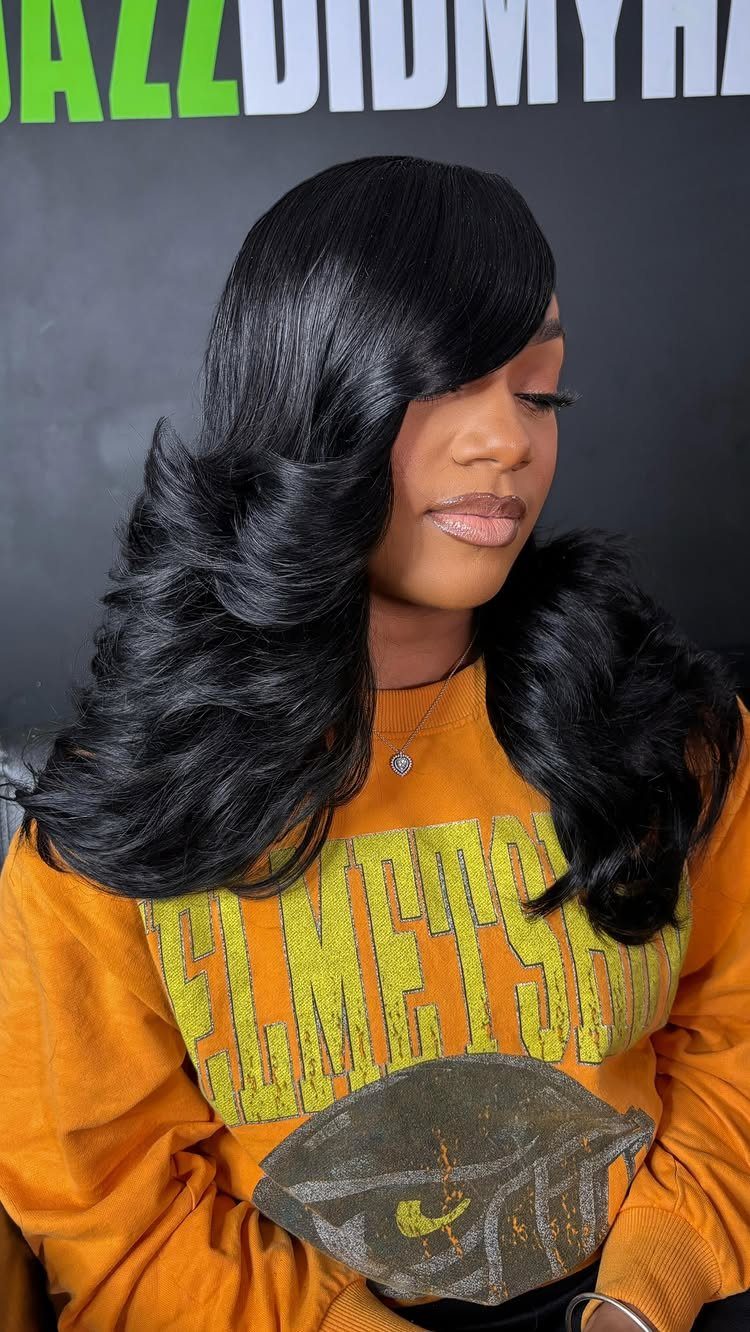
Black onyx is a deep, cool black that leans slightly blue or violet rather than warm, giving you a finish that stays sharp and opaque.
That coolness stops it looking flat when it starts to fade, so you keep the shine and contrast for longer than you would with a warm black.
If you’re starting lighter, plan on 2 coats to cover any warmth underneath, because the cool pigment has to sit thick enough to stay cool.
Once it’s on, the color fades slowly and evenly, and the cool tone stays truer than jet-black, which can pull slightly red over time.
28. Silver Blonde
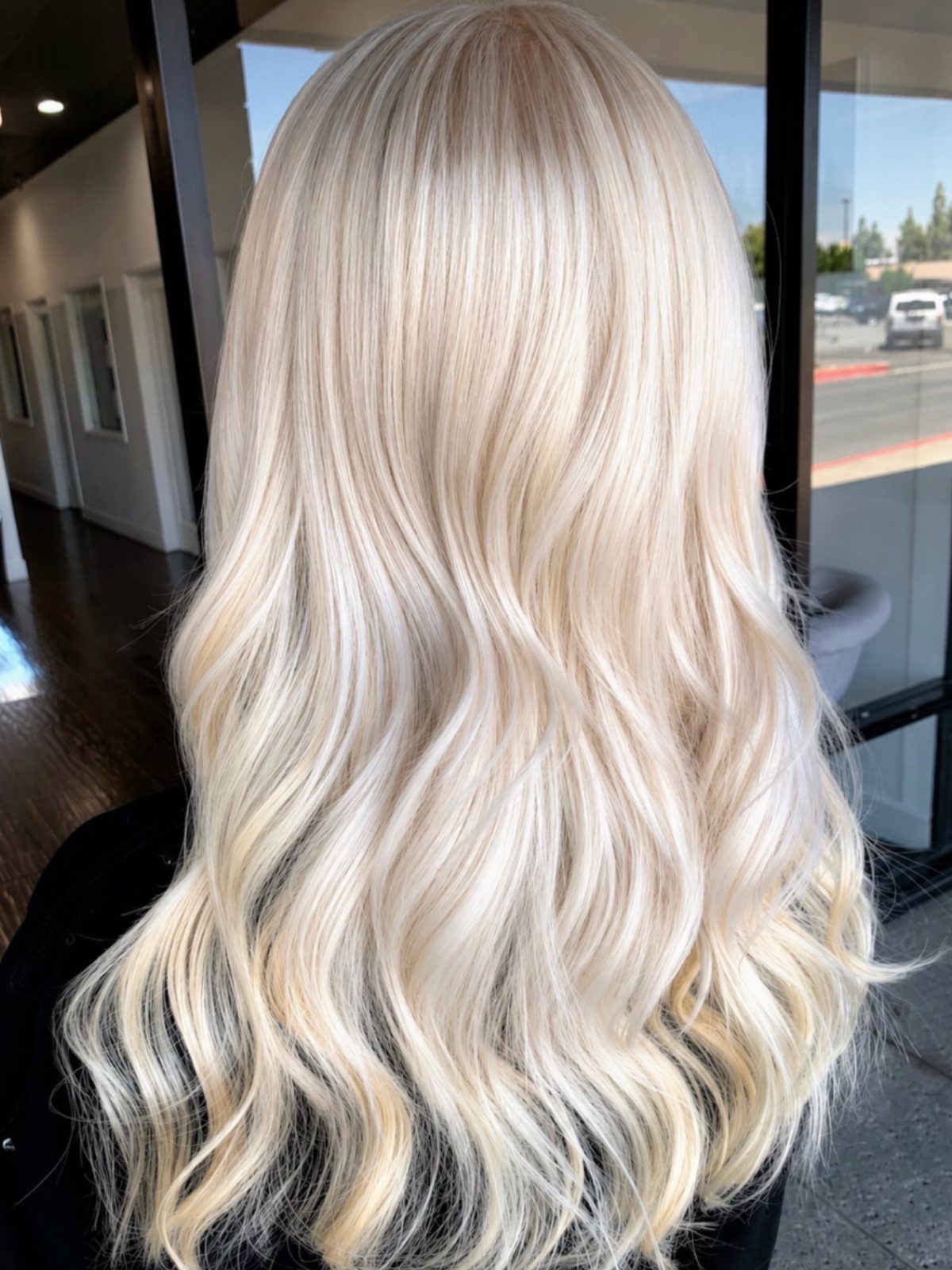
Silver blond is a cool, ashy blond with grey and platinum tones that push out warmth, giving you a finish that reads almost metallic in bright light.
The coolness balances red or pink in pale skin, so the blond looks crisp rather than washed out.
Purple or silver shampoo keeps the grey from disappearing, because the ash goes first and warmth creeps back in fast.
29. Sandy Blonde
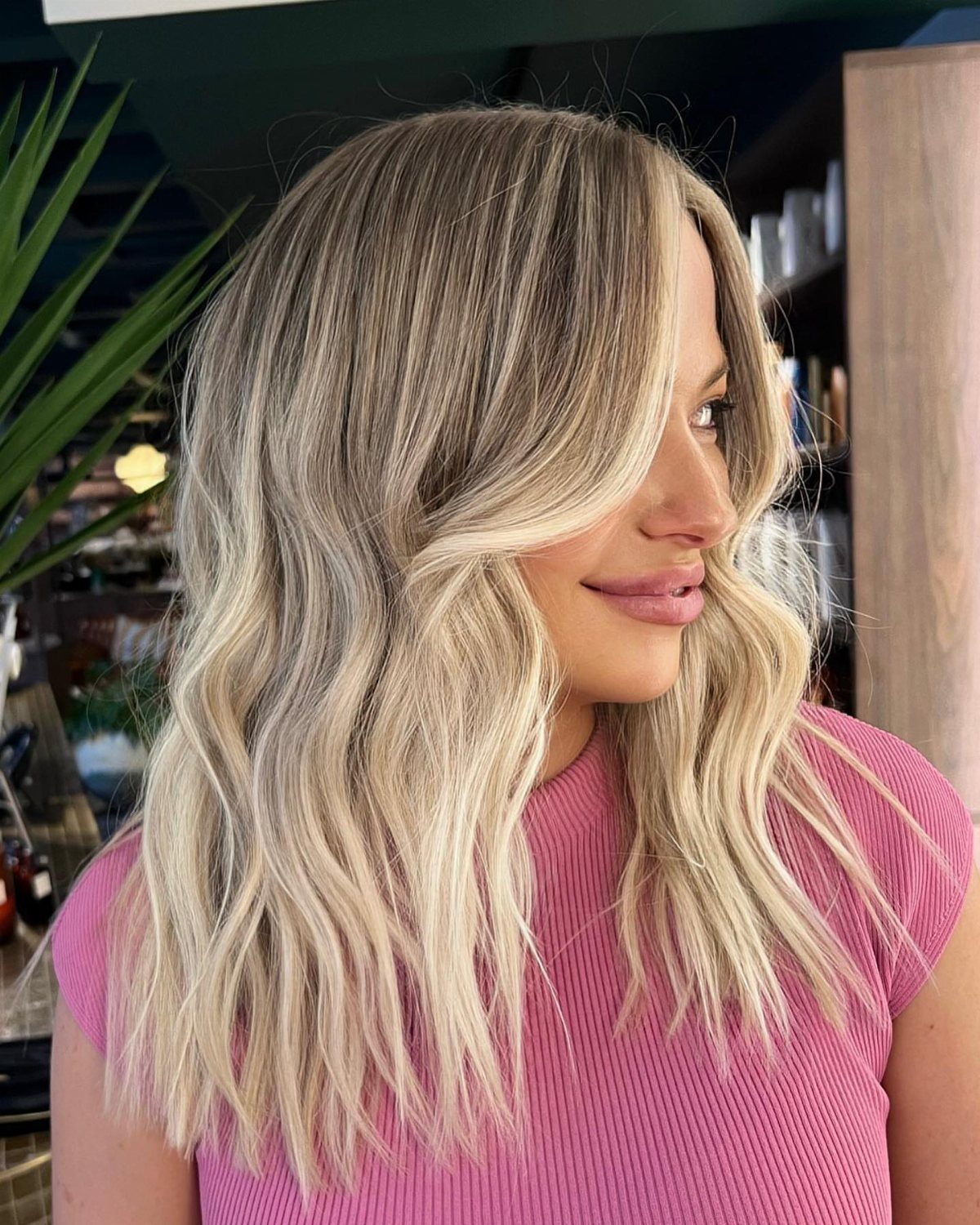
Sandy blond is a neutral, muted blond with beige tones that sit between golden and ash, giving you a blond that stays soft and natural without leaning too warm or too cool.
The tone suits cool and neutral skin because the beige keeps it from going brassy, and the softness balances any redness without washing you out.
Box dyes labeled sandy blond usually deposit less gold than warm blonds but more warmth than ash, so the result reads as a lived-in, low-contrast blond. It fades slowly and stays beige instead of turning yellow.
30. Ash Blonde
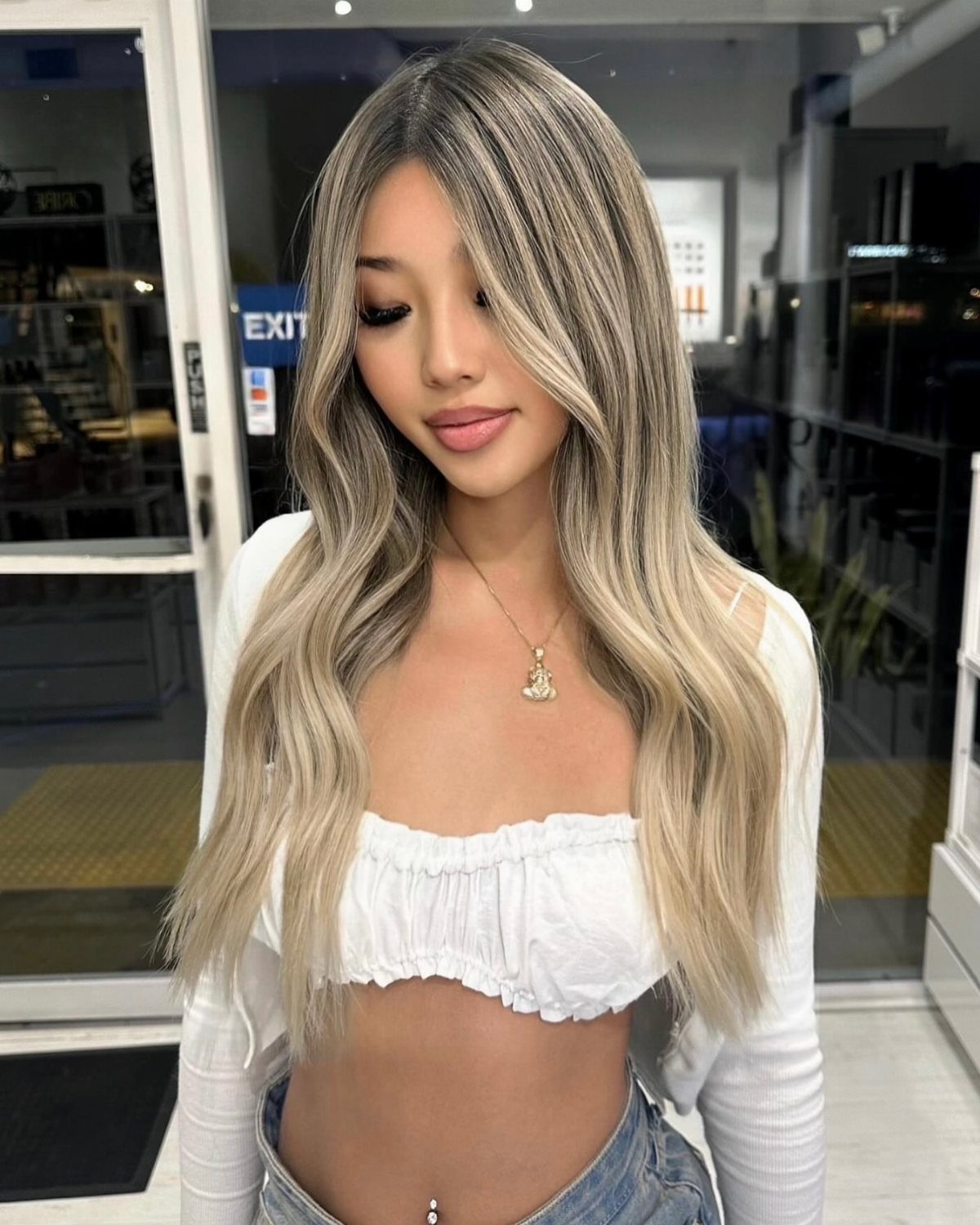
Ash blond sits on the cool side, with grey and silver in the mix that cancel yellow and keep the color reading neutral to cool under most light.
Cool skin wears it well because the grey stops any brassiness, and the coolness balances redness in pale skin without looking too icy.
At home, you need a formula with violet or blue added, because most blond box dyes lean a bit warm on their own.
On warm natural hair, the ash fades toward neutral after a few washes as the cool pigment washes out and your own gold starts showing.
31. Caramel Blonde
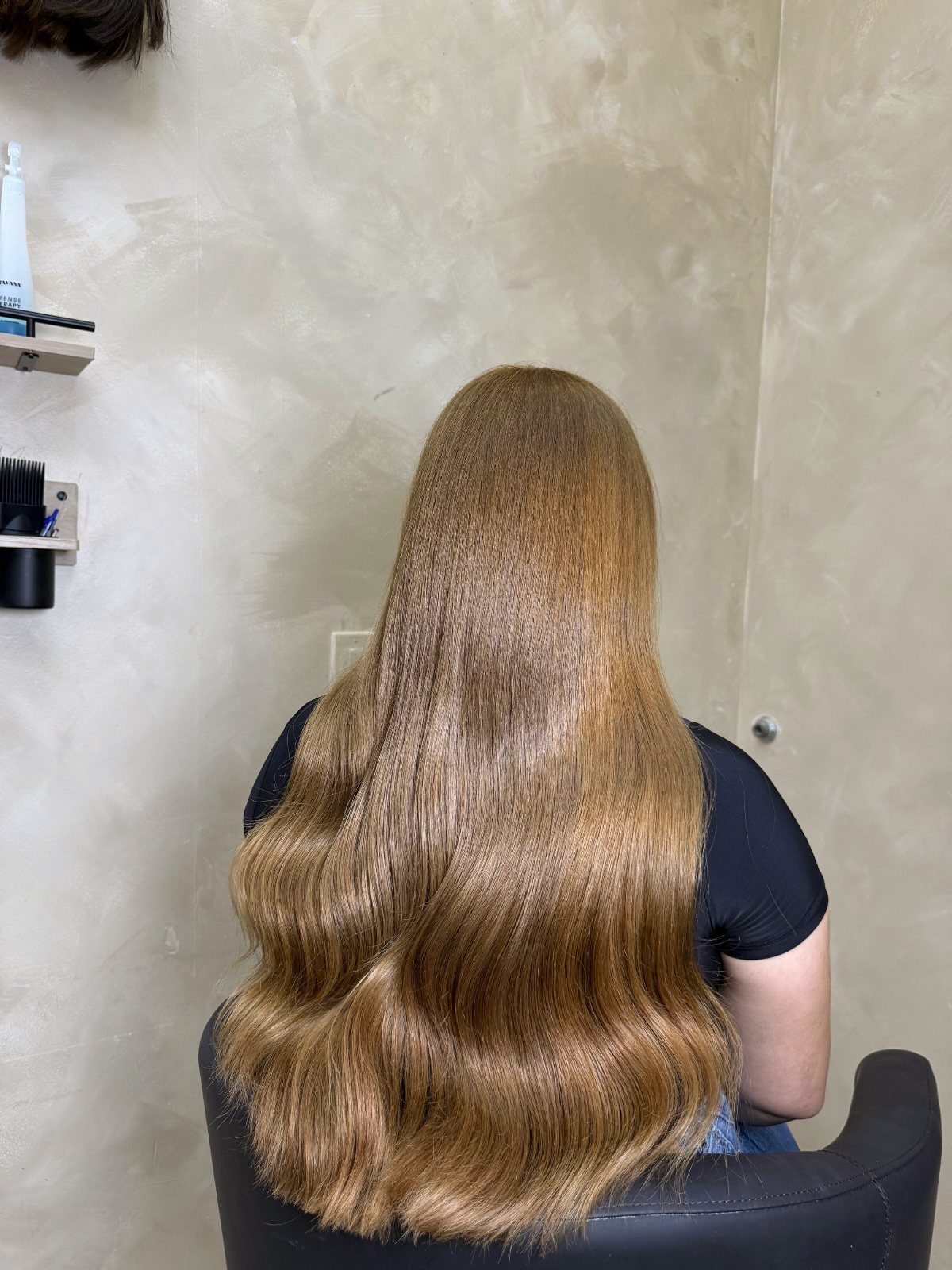
Caramel blond is a warm, lighter blond with honey tones that lean gold rather than beige, giving you more brightness than caramel brown but the same golden warmth.
The tone suits olive skin because the gold stops the blond from looking washed out, and the warmth balances any green or yellow cast without clashing.
Light brown usually gets you there in one go at home. On darker bases, you may need to lift first or the gold will sit too subtle to read as blond.
The warmth fades slowly, keeping the golden tone longer than ash blonds hold their cool.
32. Honey Blonde
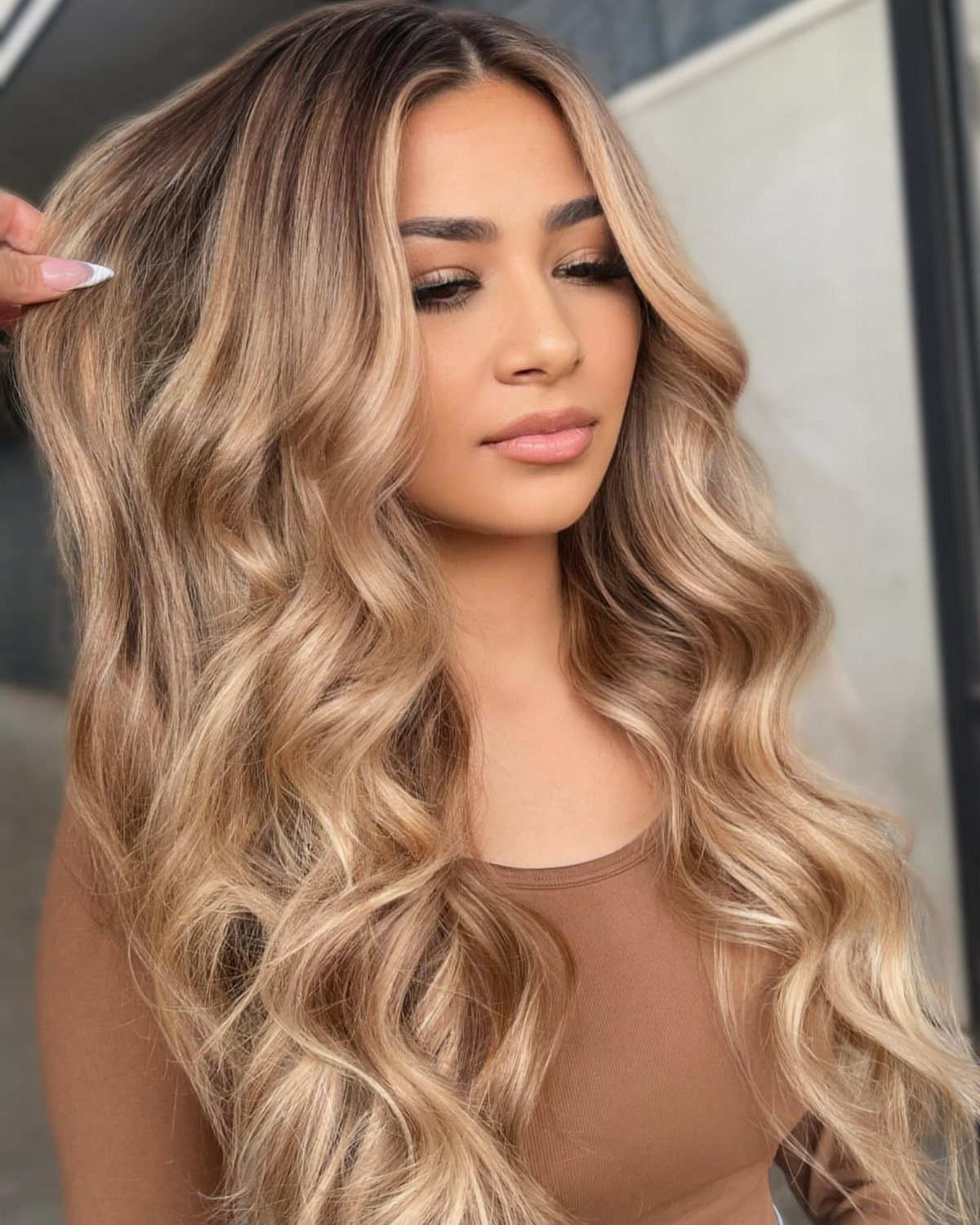
Honey blond is a warm, golden blond with amber tones that sit deeper than most light blonds, reading as a rich, saturated gold rather than pale or beige.
The warmth suits olive skin because the gold keeps the blond from draining color from your face, and the depth gives you contrast without going too light.
Box dyes at this level deposit more gold than neutral blonds, so the result stays warm as it fades.
On medium blond hair, you can hit this shade directly. Starting from light brown, lift a level first or the warmth stays flat.
33. Beige Blonde
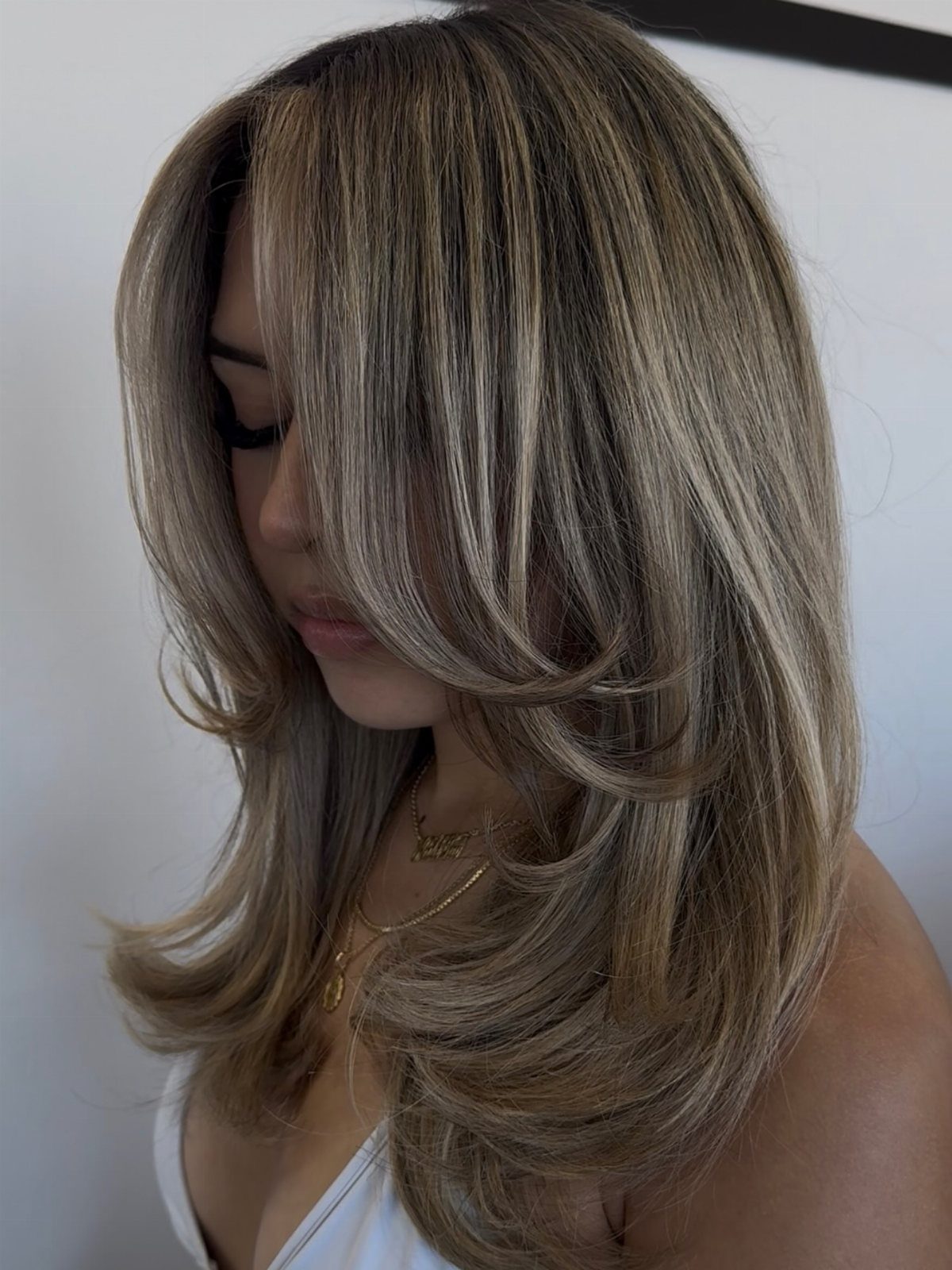
At home, look for violet or ash in the formula to lock the cool in as it fades. On golden blond hair, the beige may shift back toward neutral after a few washes as your natural warmth returns.
34. Dirty Blonde
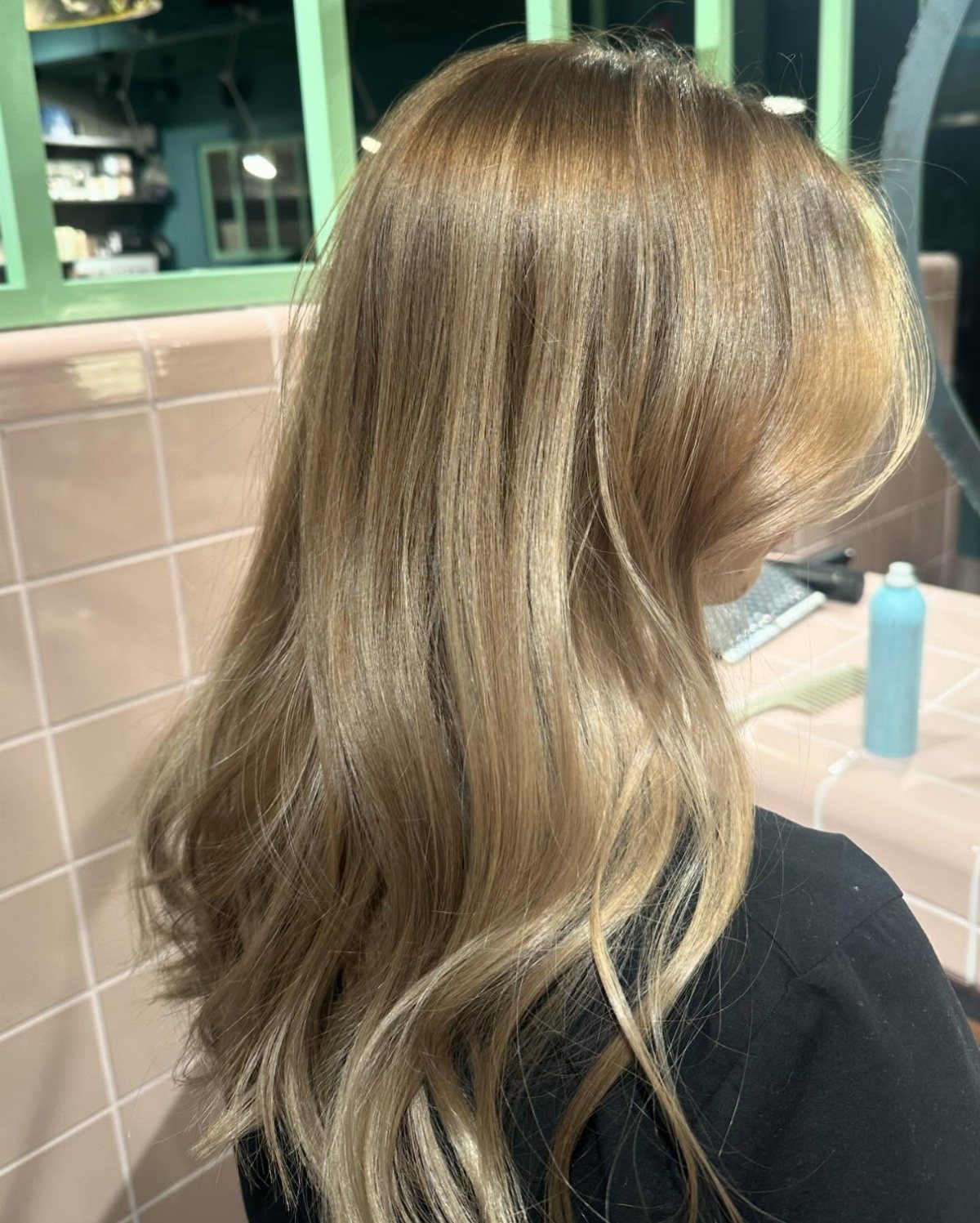
The tone stays balanced between warm and cool, so it suits most skin tones without pulling too brassy or too ashy.
At home, dirty blond formulas deposit less pigment than solid browns or bright blonds, so the color sits close to natural and fades gently. On darker bases, the brown tones may show through more than the blond.
Reading Levels and Tone Codes
Most brand numbering systems put black at level 1 or 2 and lightest blond somewhere between 10 and 12.
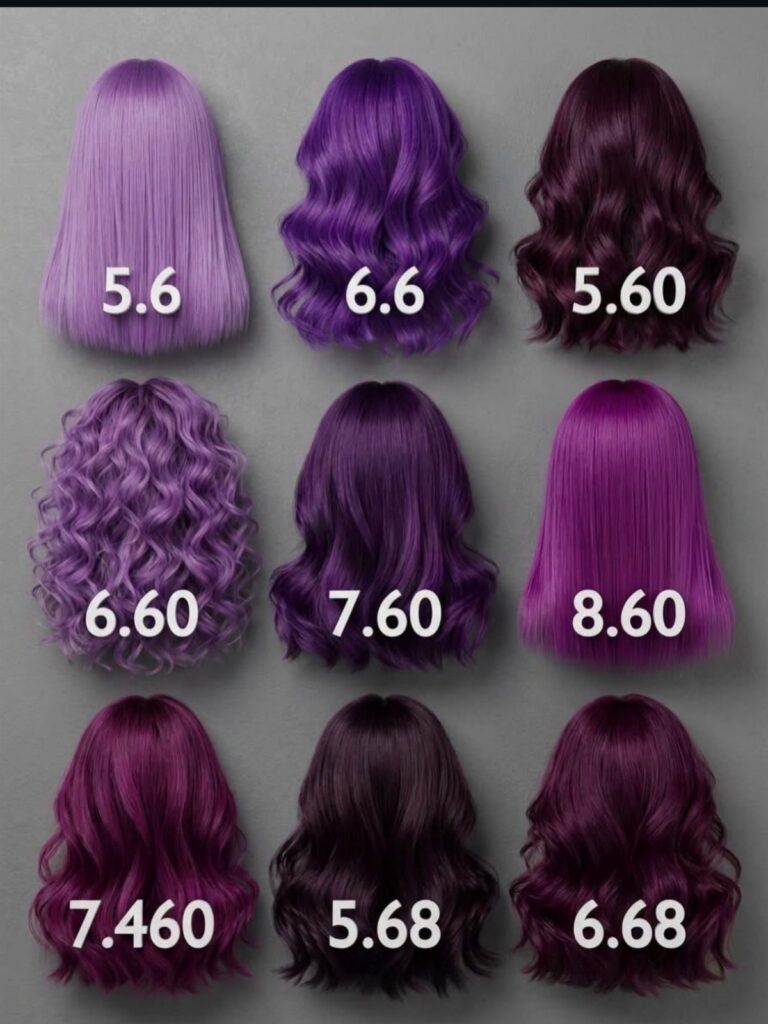
The number tells you depth, the letters or digits after it tell you tone. Gold, copper and red codes mean warm; green, blue and violet pull cool.
The code format changes by brand.
Some use letters, some use numbers after a decimal or a slash, and a few mix both. A 7G at one counter might be 7.3 or 7/3 somewhere else, but all three are marking gold on a level-7 base.
If you’re comparing boxes across brands, match the level number first, then look for tone codes that point the same direction.
The ecocolors chart lines up twenty-plus brands by level and tone so you can see which names land in the same spot, though your hair’s condition and how much gray you have will shift the result.
Choosing a Natural Starting Level
Check your natural level at the roots where new growth shows, right at the part, the crown and along the hairline.
Even if most of what’s growing in is gray, you’ll still see pieces of your natural pigmented color in that regrowth, and that’s the shade you’re matching to.
Box dyes work best within 2 levels of where you’re starting. Going more than two levels in one session raises the chance of uneven lift or a result that doesn’t match the swatch.
If you want a bigger change, a salon can stage the process across appointments or use a pre-lightener to get you there cleanly.
At home, sticking close to your natural base gives you the most predictable result and the easiest regrowth line to manage.
Frequently Asked Questions
What do the numbers on hair dye mean?
The number tells you how light or dark the base shade is, with lower numbers marking darker colors. In most professional systems, a level 1 or 2 is black, level 5 is dark brown, and level 7 to 9 covers the blond range.
The numbering makes it easier to match your natural depth and predict how a shade will deposit on your starting color.
How do I determine my natural color?
Check where your hair grows from the scalp, right at the parting and around the hairline, because that’s where you’ll see your true base color.
Those pigmented strands mixed in with any grey will tell you what your actual starting point is, which matters more than the lengths that have been colored before.
The roots give you the true depth before any fading or previous dye has changed the color down the length.
What does hair tone mean?
Tone is the warmth or coolness in a shade, the finish that shapes how a color reads in light.
Ash tones lean grey or silver and cancel warmth, golden tones add honey and yellow, and neutral tones sit between the two.