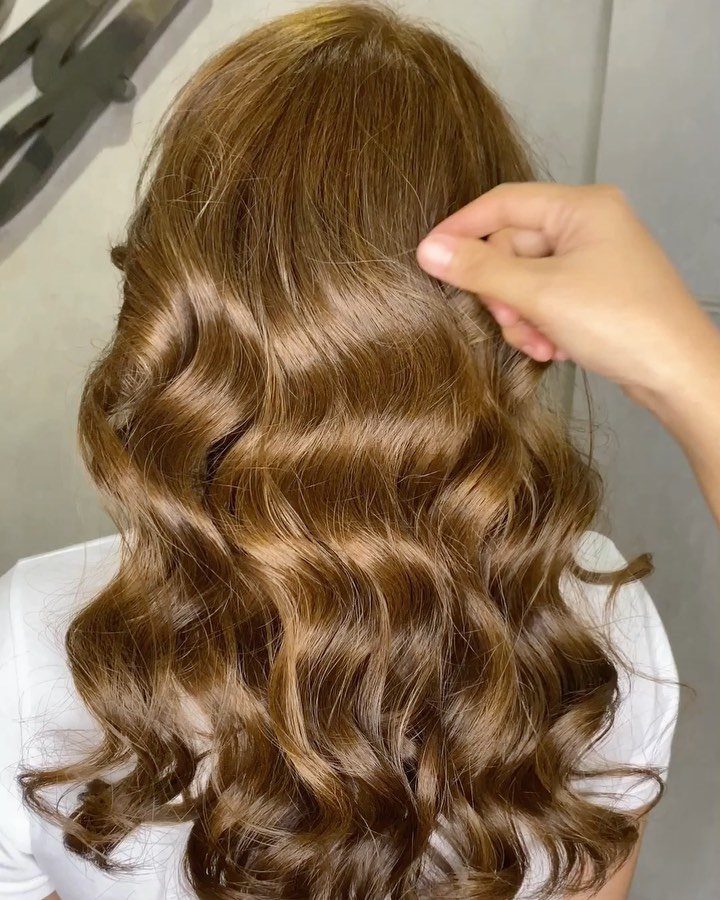
Golden brown sits between pure brunette and blonde, keeping warmth without tipping into auburn.
The tone you pick depends on how much contrast you want: balayage and babylights add dimension without lifting the root, while ombre graduates from dark to light down the length.
1. Golden Brown Balayage
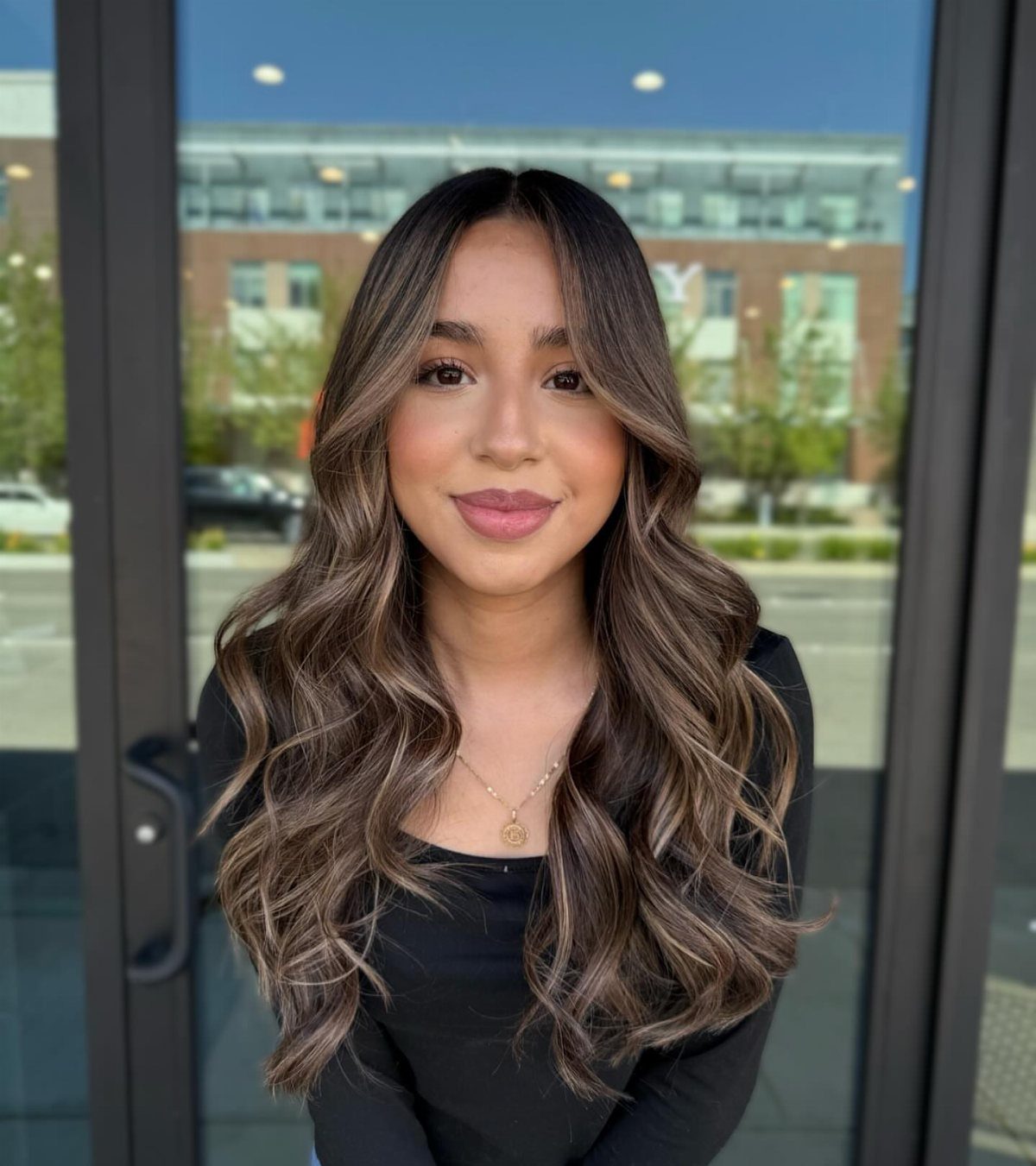
Balayage sweeps golden or caramel pieces through a brown base, lifting the ends and a few face-framing sections while leaving the roots untouched. The hand-painted placement looks softer than foil highlights and grows out without a visible line.
Ask for warmer tones if your skin reads gold in natural light, or stick closer to neutral caramel if you lean cool.
The contrast here is gentle enough that you can stretch salon visits quite a while before the base shows through.
2. Brown Hair with Golden Highlights
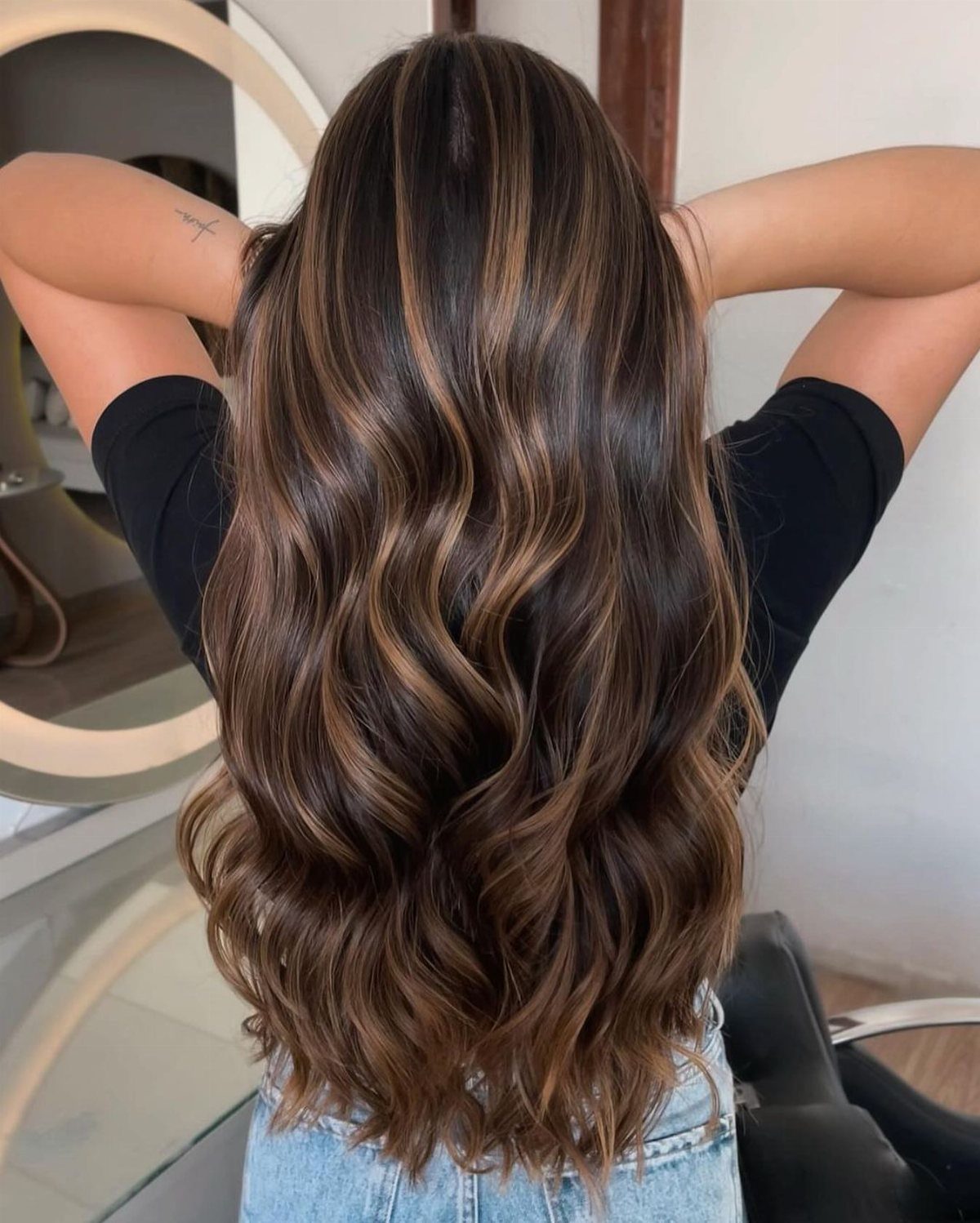
Highlights in golden or blonde tones brighten a brunette base with more contrast than balayage, since the color reaches closer to the root. Foil application gives even coverage, and the lighter pieces catch more light when the hair moves.
If you color at home, a highlighting cap or a balayage kit will get you there.
Salon visits depend on whether you want the roots crisp or prefer a grown-out look. Warmer golds suit most brunettes, but cooler blonde highlights work if your base is neutral or ash.
3. Luminous Warm Light Golden Brown
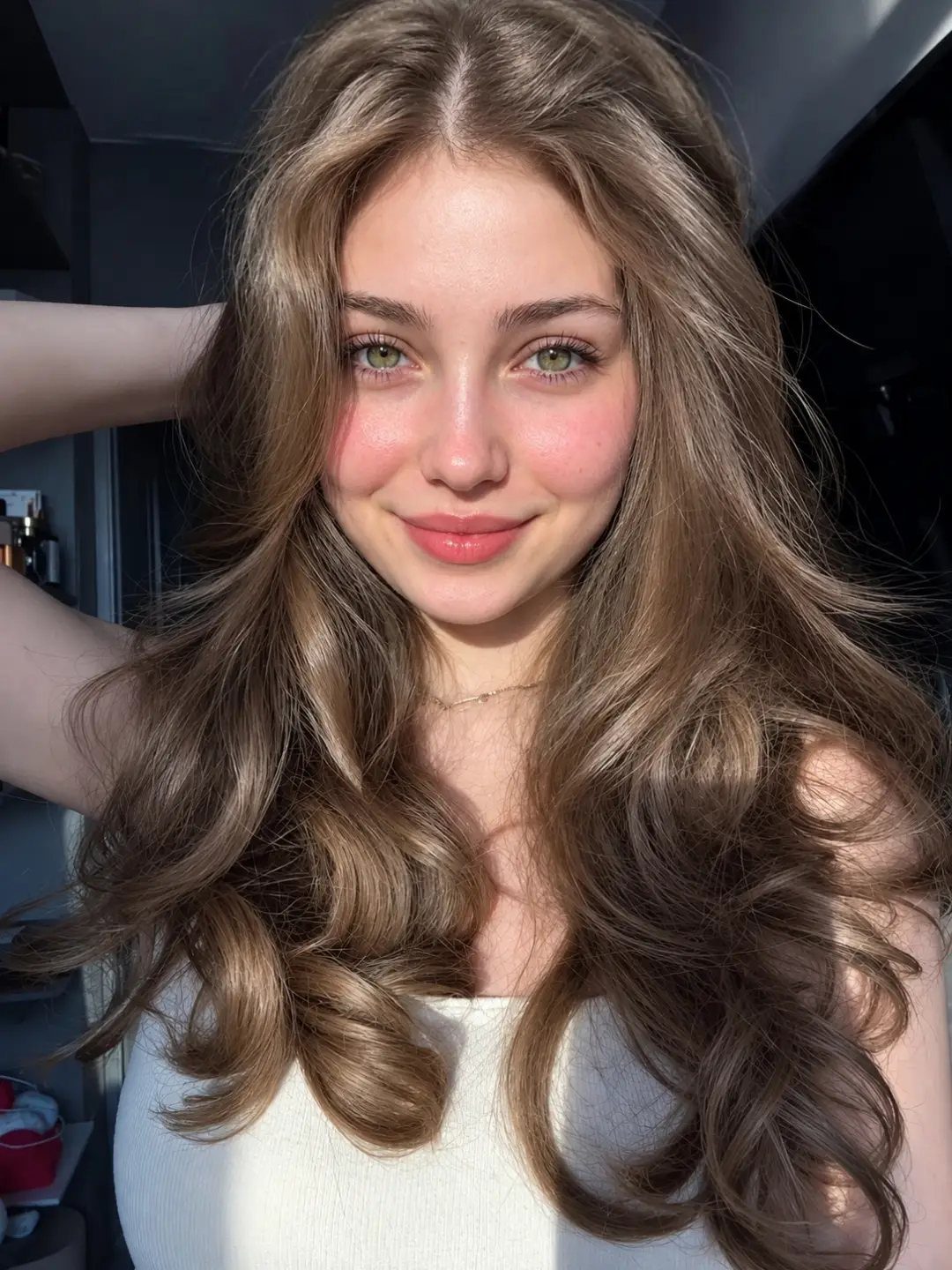
A single warm shade sits between medium brown and dark blonde, with enough gold to read rich rather than mousy.
This is what you get when you lift natural brunette hair a level or two, or when you tone a lighter base toward caramel.
Box dye in light golden brown will match if your starting color is medium brown or lighter.
Darker hair needs a lift first, either with a salon lightening service or a home highlighting kit. The tone holds best on hair that hasn’t been bleached heavily, since the gold can fade brassy on very porous ends.
4. Bronze Balayage
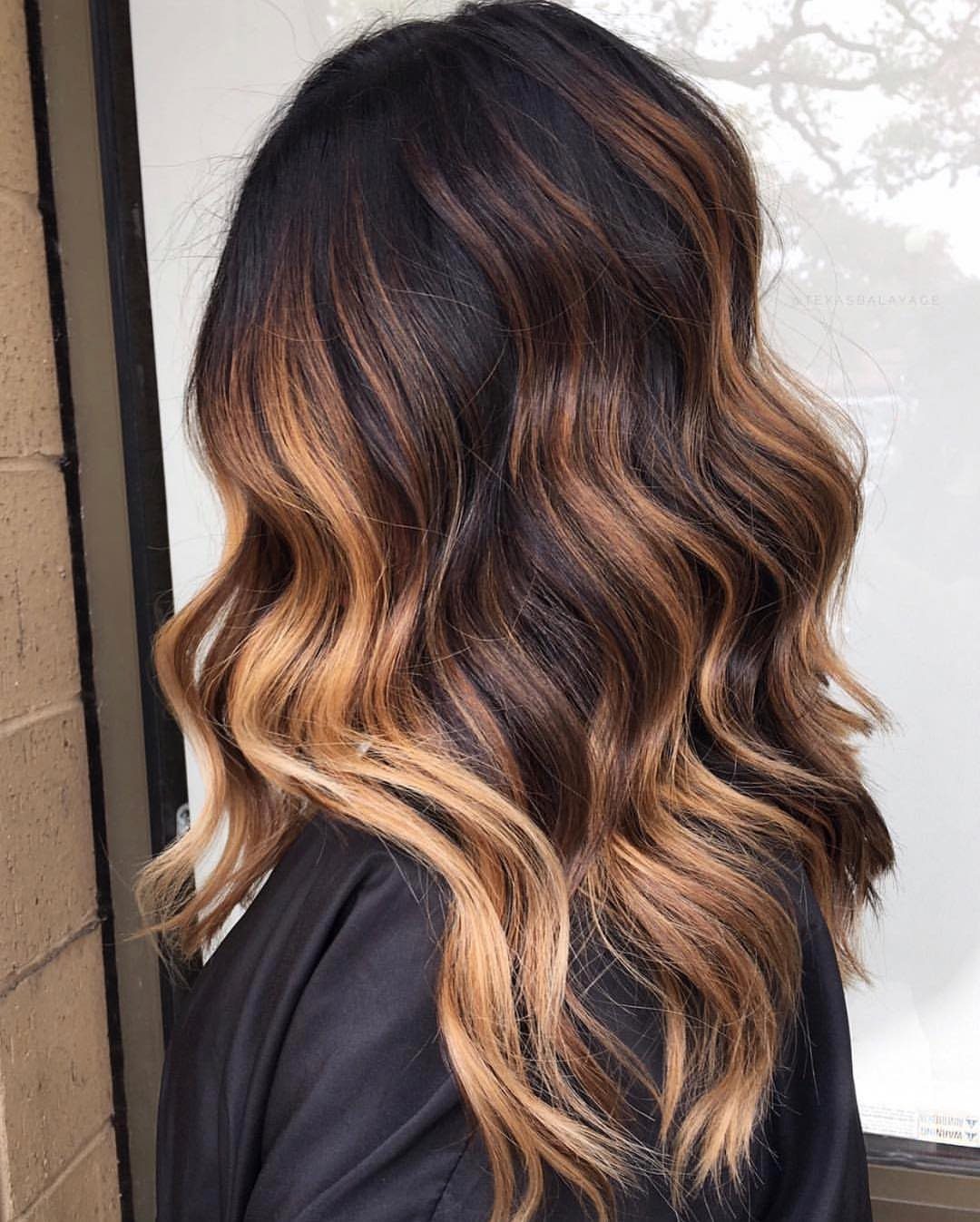
Bronze balayage blends warm copper-brown highlights into a dark base, keeping the tone consistent from root to end so the melt looks smooth rather than striped.
The bronze sits closer to the base color than caramel or gold, which keeps the contrast subtle.
This suits darker brunettes who want dimension without going obviously lighter.
The color holds longer than cooler highlights because the warmth doesn’t pull brassy as it fades. You can push it longer between touch-ups if the base matches your natural root.
5. Coppery Hair with Golden Highlights
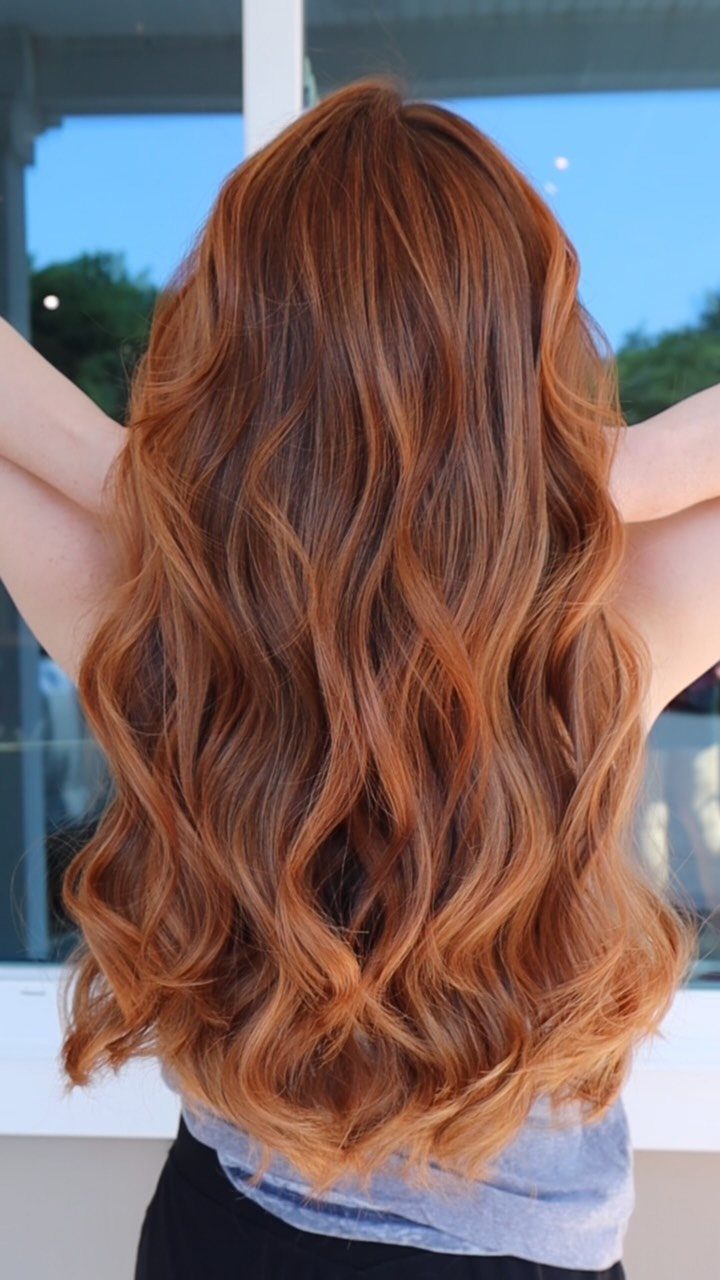
Golden highlights add warmth and catch the light against a copper or red base, which already leans warm. The 2 tones sit close enough that the contrast stays soft, but the gold lifts the overall brightness without going blonde.
If your base is natural copper, a few foils or a balayage application in golden blonde will get you there.
If you’re starting with dyed red hair, test a strand first, since red dye can block lighter tones from lifting evenly. The gold fades faster than the copper, so plan on a gloss to keep it from washing out.
6. Caramel Espresso Balayage
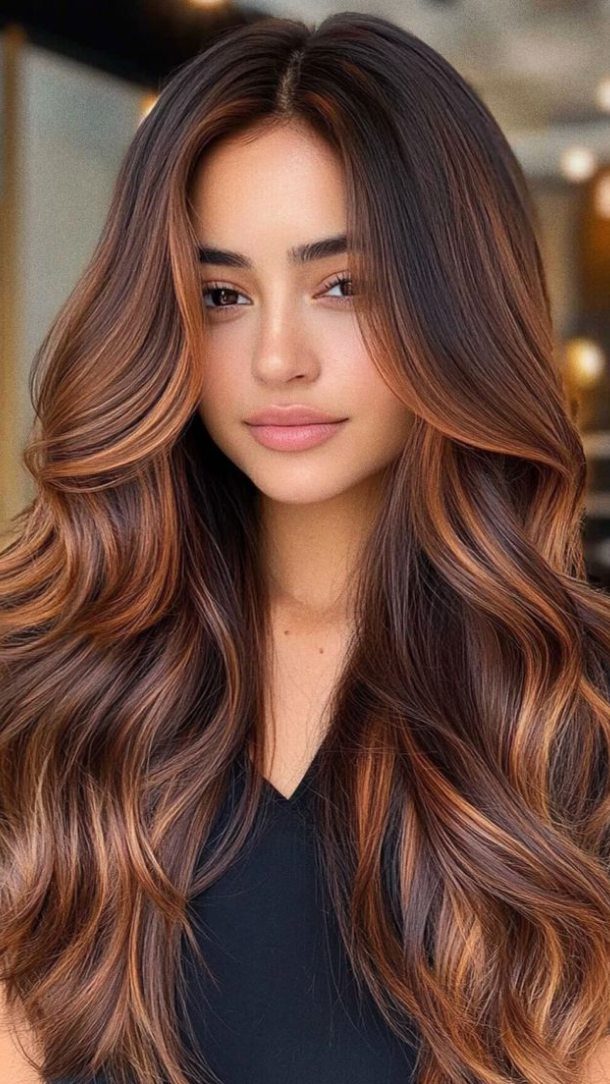
Deep caramel streaks blend into medium or dark espresso-brown hair, warming the base without adding noticeable contrast at the root. The balayage application concentrates color through the mid-lengths and ends, so the transition reads smooth rather than striped.
This works well on natural brunettes who want richness without going lighter, and it suits both warm and neutral skin tones.
The caramel holds longer than blonde highlights because it’s closer to the base, and you can stretch salon visits quite a while before the roots need attention.
7. Light Brown with Caramel Glaze
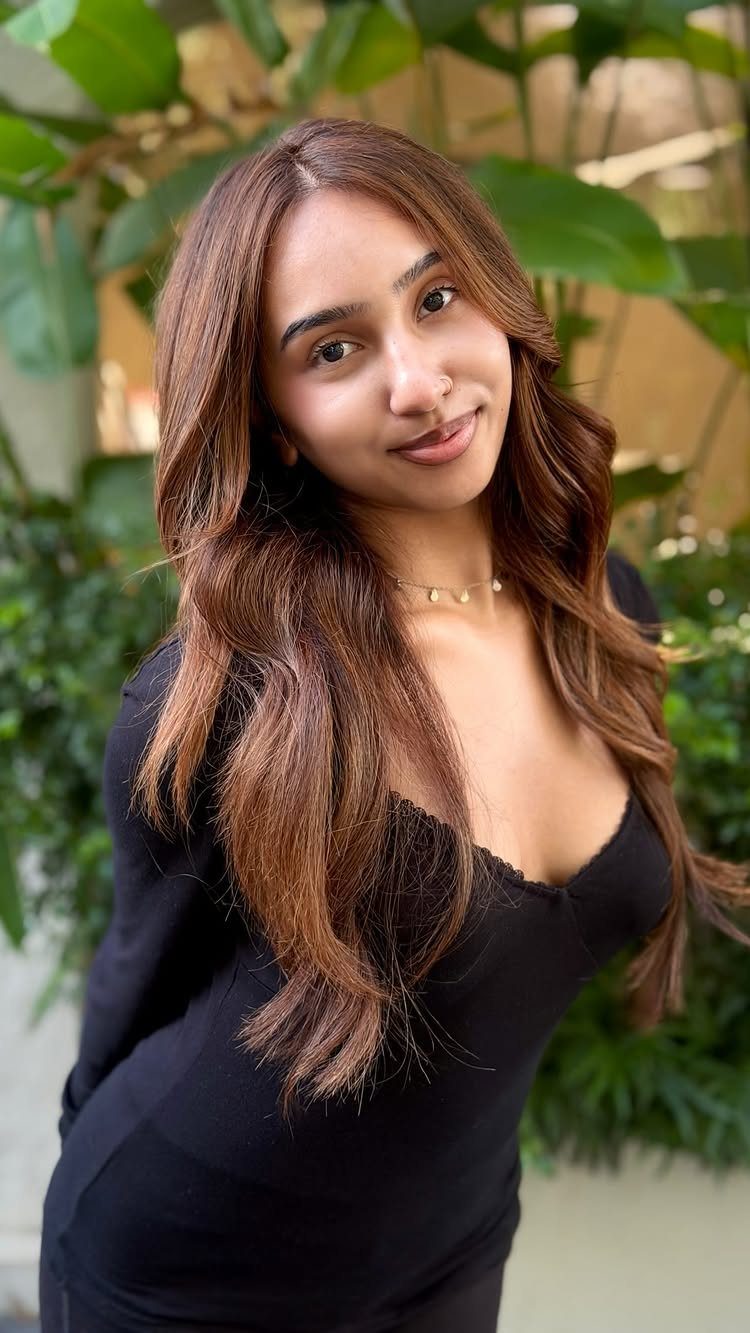
A caramel glaze adds warmth and dimension to light brown hair without pushing it darker or adding obvious contrast.
The tone sits close enough to the base that it reads as shine rather than highlights, and it warms the overall color without lightening the ends.
You can get there with a demi-permanent gloss in caramel or gold, which deposits tone without lifting. The glaze fades gradually, so you can repeat it at home between salon visits.
8. Golden Brown Ombre
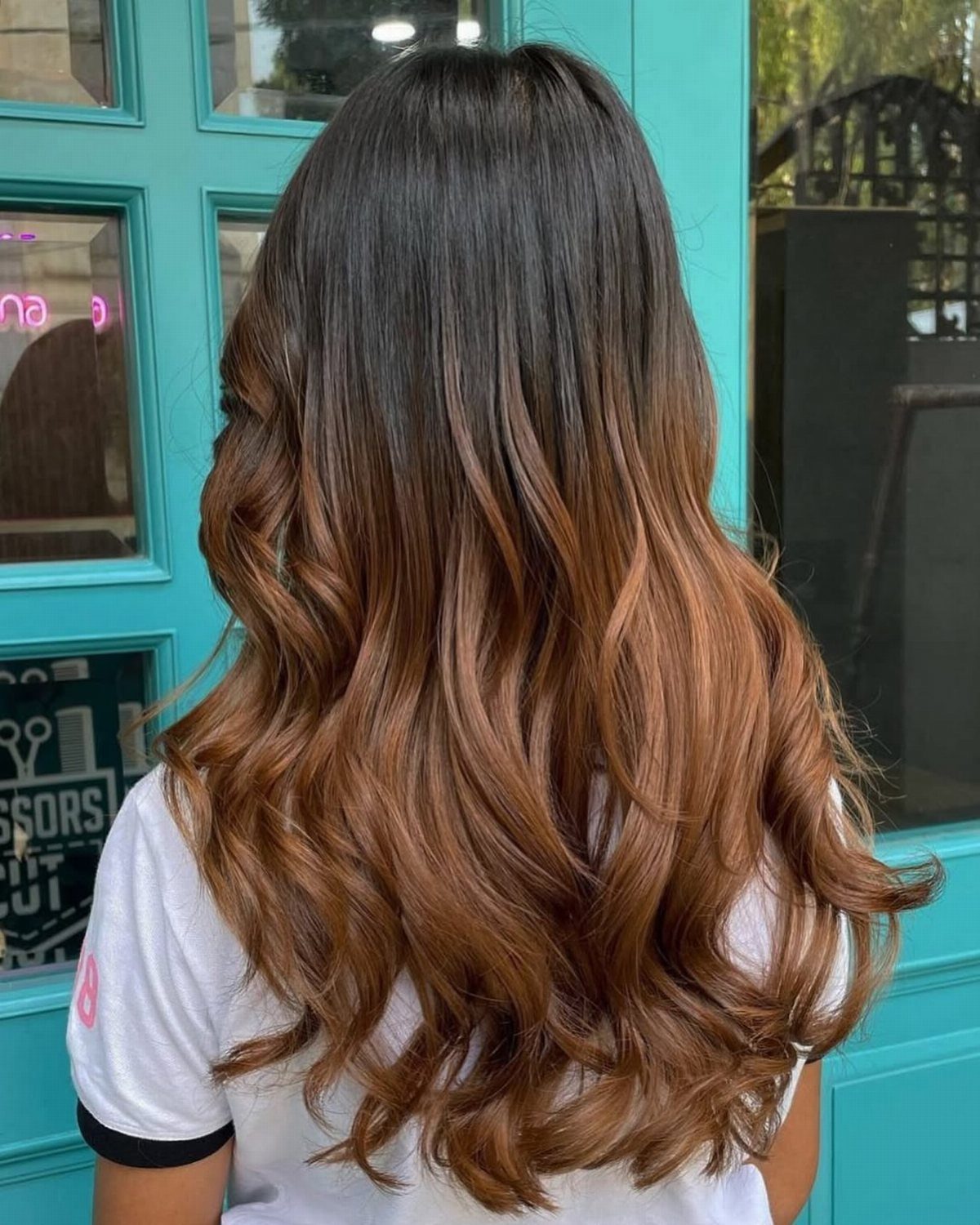
Ombre graduates from a darker root to golden or blonde ends, with the transition sitting somewhere between mid-length and the jaw. The color shift is deliberate, not blended, so the base stays untouched and the ends carry all the lightness.
This grows out cleanly since the root is already dark, and you can stretch salon visits without the line becoming a problem.
At home, an ombre kit will lift the ends in one session if your base is medium brown. Darker hair needs a bleach step first, then toner in caramel or gold to keep the ends from pulling brassy.
9. Cascading Layers with Golden Highlights
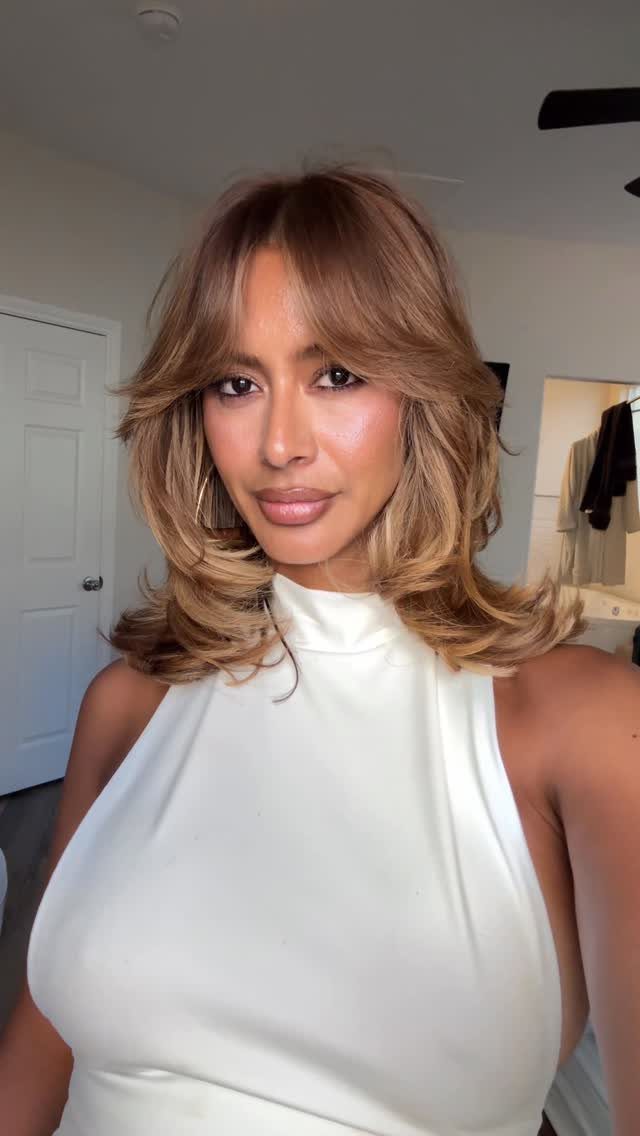
Layers amplify golden highlights because the movement catches more light, so the color reads brighter on textured hair than it would on a blunt cut.
The highlights here follow the layers rather than sitting evenly through the hair, which makes the placement look deliberate.
If you’re getting this done, ask for the highlights to be concentrated where the layers fall, especially around the face.
At home, a balayage kit or highlighting cap will let you control the placement, and you can skip pieces that sit underneath where the light won’t reach them anyway.
10. California Balayage
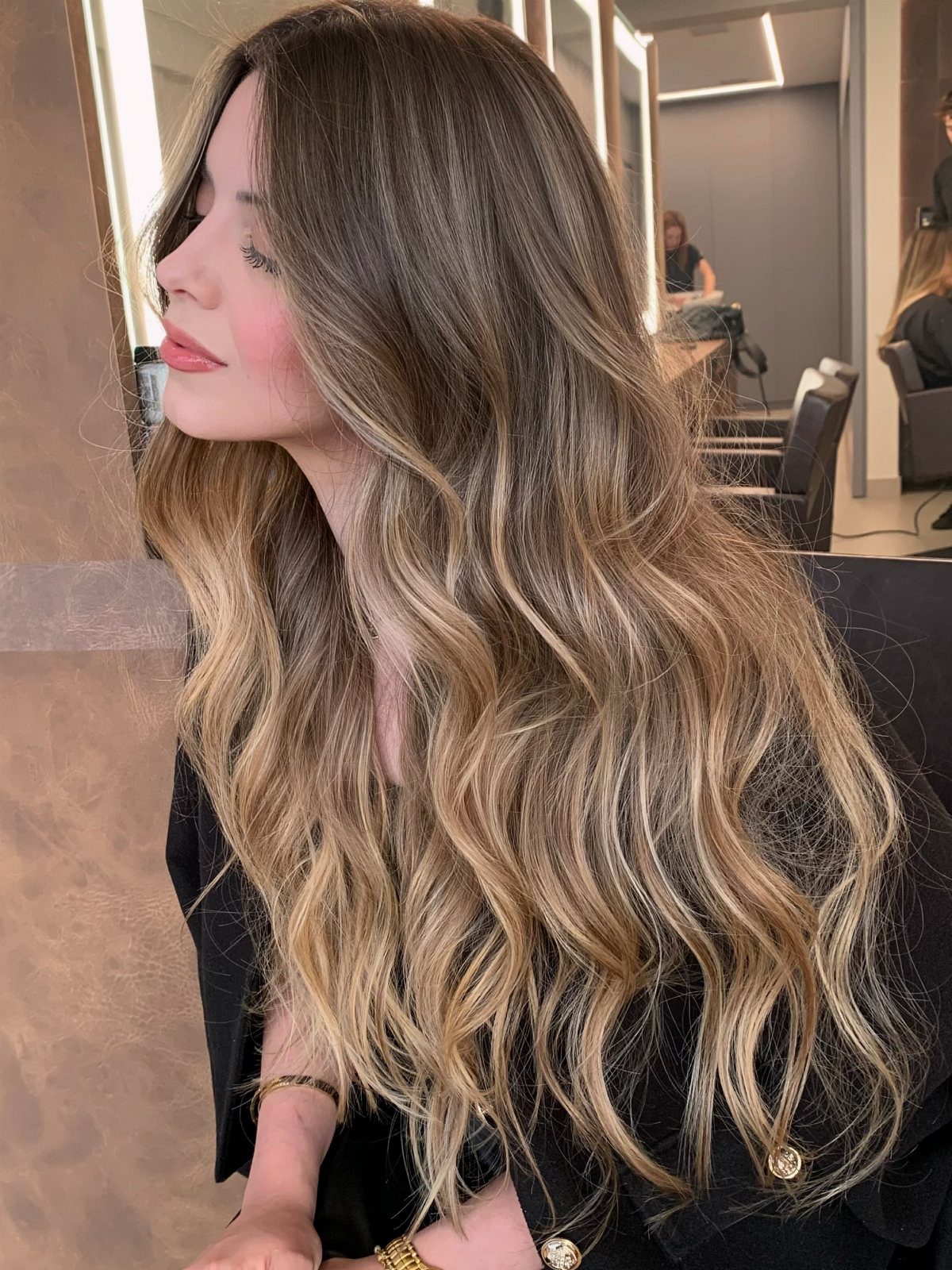
California balayage blends soft golden tones through a brown base to mimic the way hair lightens naturally in the sun.
The color is warmer than ash blonde and lighter than caramel, and the placement is loose enough that it grows out without a harsh line.
This suits most brunettes, especially if your skin reads warm. You can stretch it before the base needs attention.
11. Dark Hair with Warm Highlights
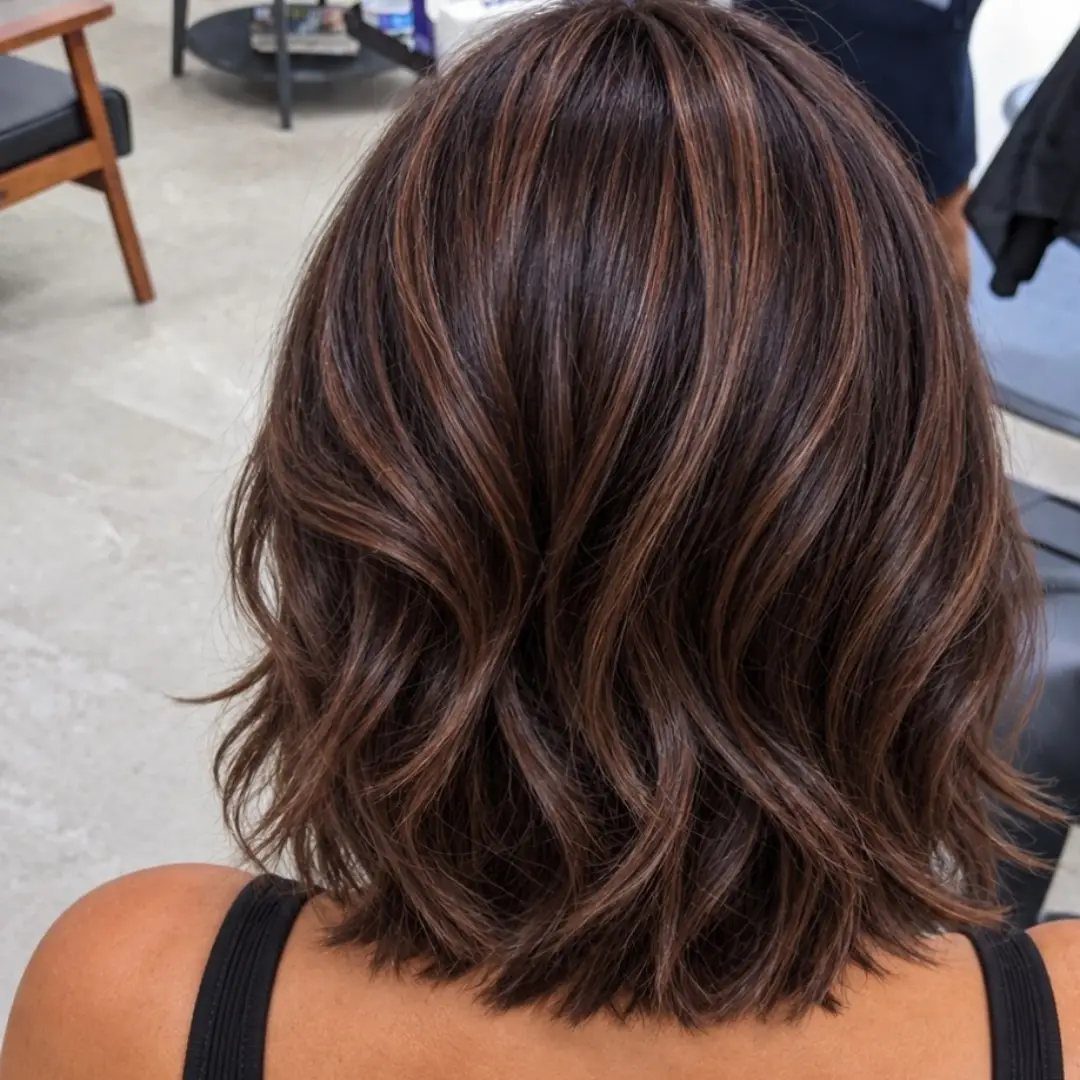
Warm highlights in caramel or copper lift a dark or black base without the contrast of blonde, so the color stays rich rather than stark.
The warmth sits close enough to the base that the highlights blend in most light, then catch when the hair moves.
The warmer the tone, the longer it will hold before fading, and you can push it quite a while before the roots need a touch-up.
12. Sandy Golden Hairstyle

Sandy golden brown sits between light brown and dark blonde, with enough warmth to avoid looking flat but not so much that it reads copper.
The tone suits neutral skin because it doesn’t lean too warm or too cool, and it lifts the face without adding noticeable contrast at the root.
13. Soft Curls with Auburn Tones
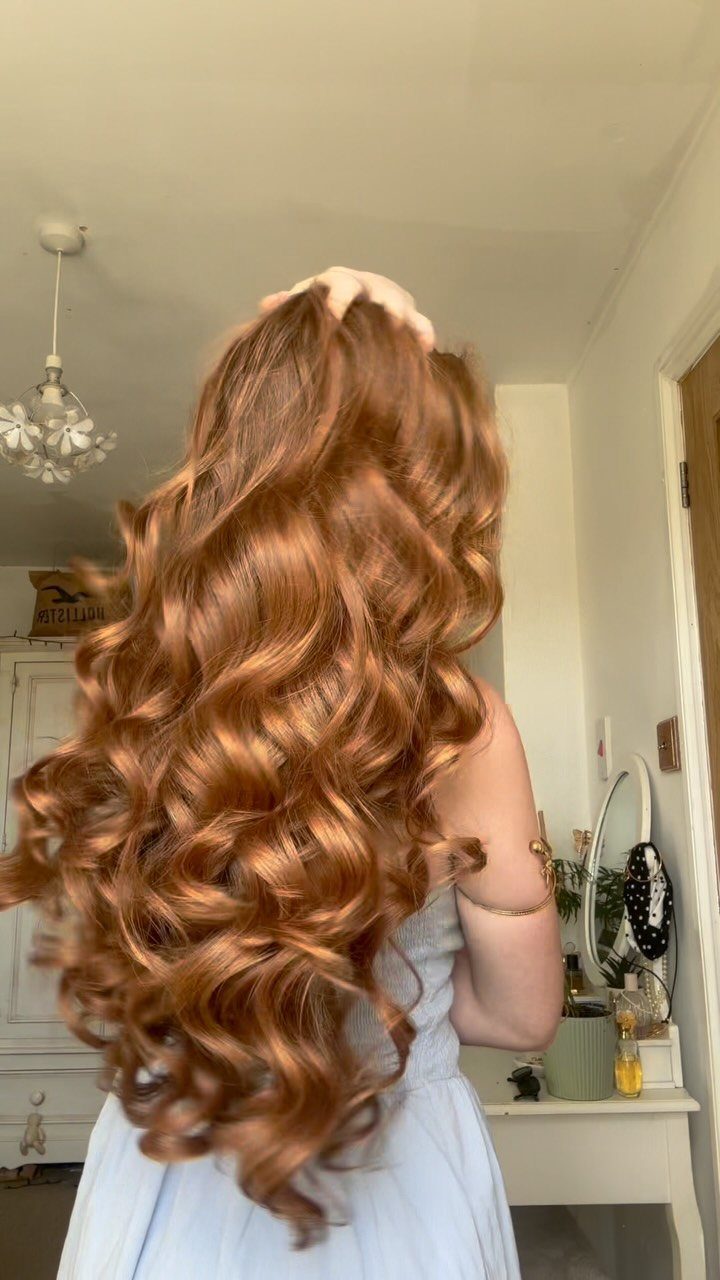
Auburn tones lift a dark brown base with red-gold warmth, sitting richer than caramel but softer than full copper.
The color reads deep in most light and catches when the sun hits it, which makes it work well on textured or curly hair where the dimension shows through the movement.
If you’re starting with medium or dark brown, a semi-permanent auburn will deposit tone without lifting.
Lighter bases need a darker dye to build the depth first, then the auburn on top. The red fades faster than brown, so refresh the tone every few weeks with a color-depositing conditioner.
14. Medium-to-Dark Brown Hair with Subtle Babylights
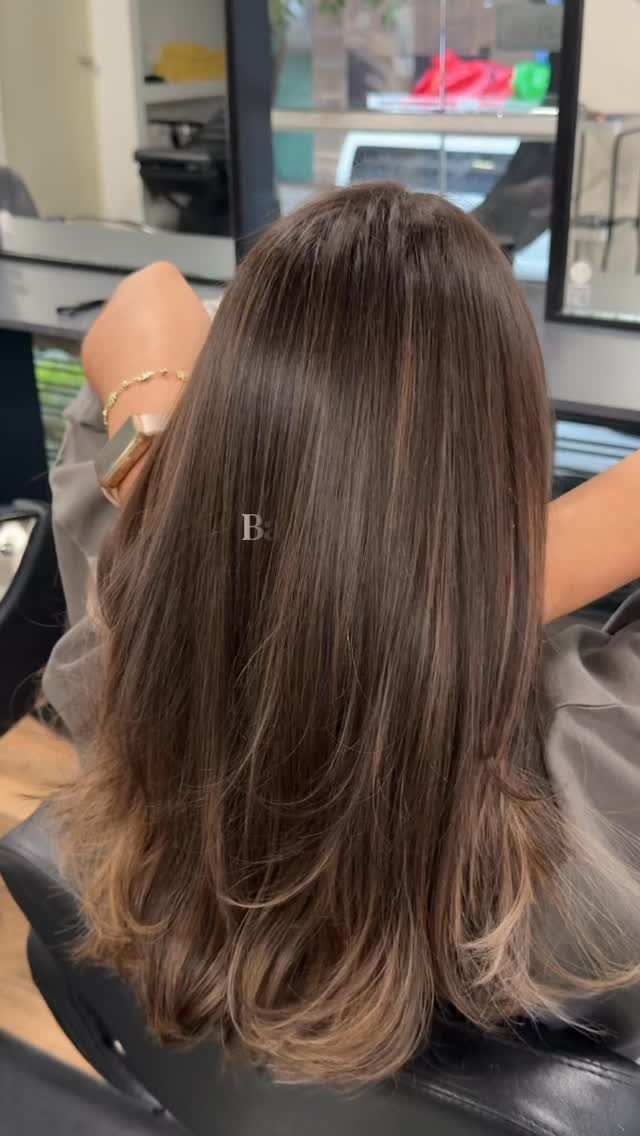
Babylights are finer than standard highlights, so they add brightness without obvious contrast. On medium-to-dark brown hair, the thin ribbons of lighter tone mimic natural dimension rather than reading as deliberate color.
The placement is close to the root, which means more frequent touch-ups if you want the line crisp.
If you’re doing this at home, a highlighting cap with a fine hook will give you the control you need, but foils at a salon will place the color more precisely.
The subtlety here depends on keeping the pieces thin, so resist the urge to pull more hair through each section.
15. Golden-Brown Hair with Blonde Babylights
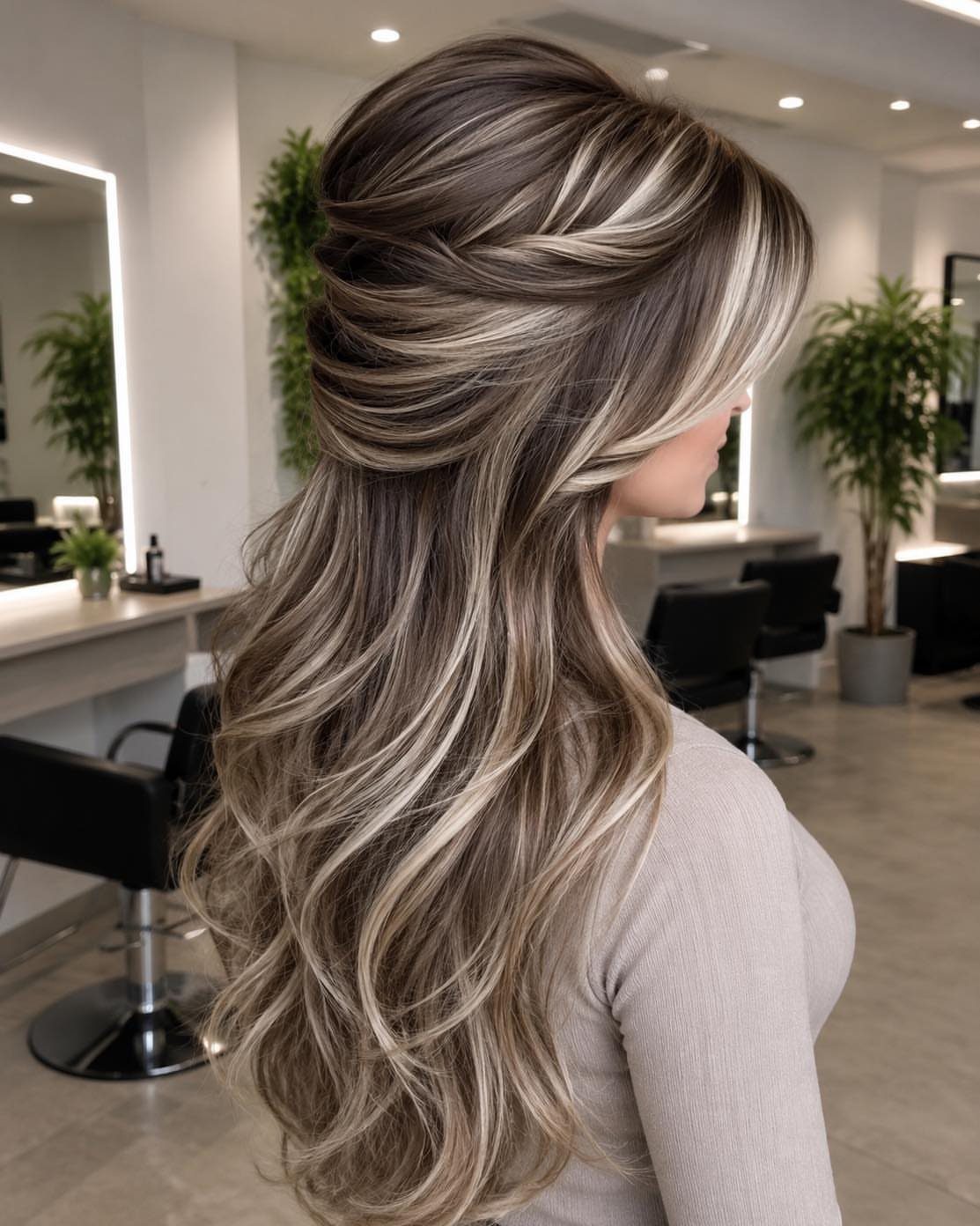
Blonde babylights against a golden-brown base create contrast without going fully highlighted, since the fine strands are spaced far enough apart that the base still dominates.
The blonde reads cooler than caramel, which keeps the overall tone balanced rather than entirely warm.
This works best if your base is already light enough that the blonde lifts cleanly. Darker brown needs a stronger developer or a pre-lightening step to get the blonde bright enough to show.
The finer the sections, the more natural the result, but that also means more time in the chair or more patience at home with a cap.
16. Warm Golden Brown Bob
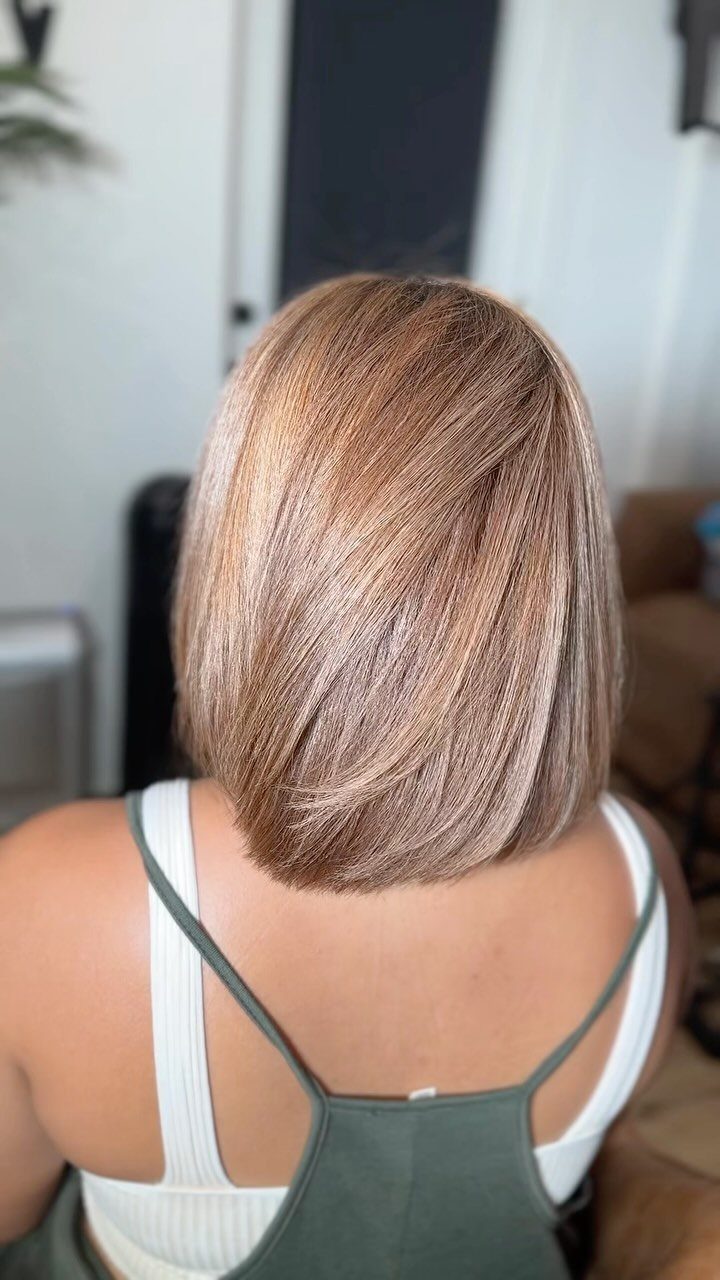
A smooth bob in warm golden brown keeps the color even from root to end, so the tone reads consistent rather than dimensional.
The warmth lifts the overall brightness without adding highlights, and the blunt line shows off the color better than layers would.
The warmth holds longer than cooler tones because it doesn’t fade brassy, and a bob grows out cleanly if you keep the shape trimmed.
Choosing Warm or Cool Tones
Cool ash tones neutralize orange or brass and keep the color crisp if you lean toward silver.
Sandy or neutral browns work if you’re somewhere in between, and they lift the face without pushing too warm or too cool.
If you’re not sure which direction fits, test your skin tone first. Stand in natural light and check whether your veins read blue or green.
Blue leans cool, green leans warm. Or think about which metal you reach for: gold reads warm, silver reads cool.
A strand test will show you how the tone develops on your actual hair before you commit to the full head.
At-home Color Application
Apply color to dry, unwashed hair so the dye grabs evenly. Wet or freshly washed hair dilutes the formula and the color won’t deposit as richly.
Divide your hair into 4 sections and clip each one. Start at the roots where the color needs to deposit most, then pull it through to the ends in the last few minutes if they’re already close to your target shade.
Thin or fine hair needs less product, thick or coarse hair needs more.
Process according to the box instructions. Setting a timer keeps you from rinsing too early or leaving it on too long, both of which affect how the color holds.
A strand test before you start will show you whether the tone lifts the way you expect, especially if your hair has been colored before or if you’re not sure how porous it is.
Frequently Asked Questions
What are the trendy brown hair colors for 2026?
Golden brown in all its forms is holding strong, from balayage and ombre to babylights and bronze tones.
The warmth adds dimension without pushing too light, and the tone suits most skin types. California balayage and caramel-espresso blends are both getting a lot of requests right now.
How does light brown compare with bronde, dark blonde, honey brown, and golden brown?
Light brown stays one solid shade through the whole length, but bronde brings in enough blonde to look intentionally mixed rather than just lifted a level or two.
Dark blonde sits lighter with more yellow-gold, and honey or golden brown adds warm reflections to a light brown base. The differences come down to whether the color is solid or dimensional, and how much warmth or lightness you want.
How do I dye my hair golden brown at home?
Work in sections about 4 inches wide, starting where your roots need the most deposit and pulling color through to the ends only in the last few minutes if they’re already close.
If your hair has seen bleach or previous color, test a hidden piece first so you know whether it will grab too warm or need more time to lift.
How do I keep golden brown hair looking glossy and vibrant?
Smooth the cuticle so it reflects light evenly, which keeps the color from looking dull or brassy.
A color-depositing conditioner every few weeks will refresh the tone, and a gloss adds shine without changing the base. Warmer tones like golden brown hold longer than cooler highlights because they don’t fade brassy as quickly.