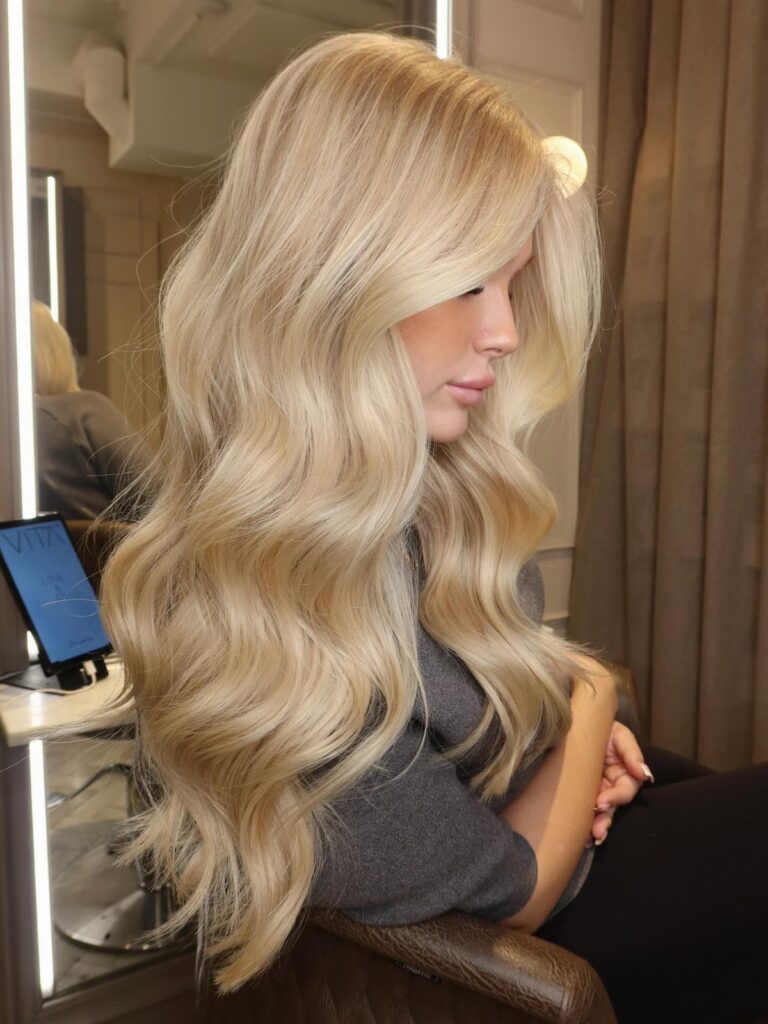
Warm skin tones suit hair color built on gold, copper, honey and amber rather than ash or platinum, because those warm tones mirror the undertones already in your skin.
The match between your complexion and the color keeps the result from washing you out or reading flat.
From there, the choice splits between blonde that holds honey or caramel warmth, brown layered with cinnamon or chestnut tones, or copper and auburn that land fully in the red-orange range.
1. Icy Blonde with Warm Gold Tones
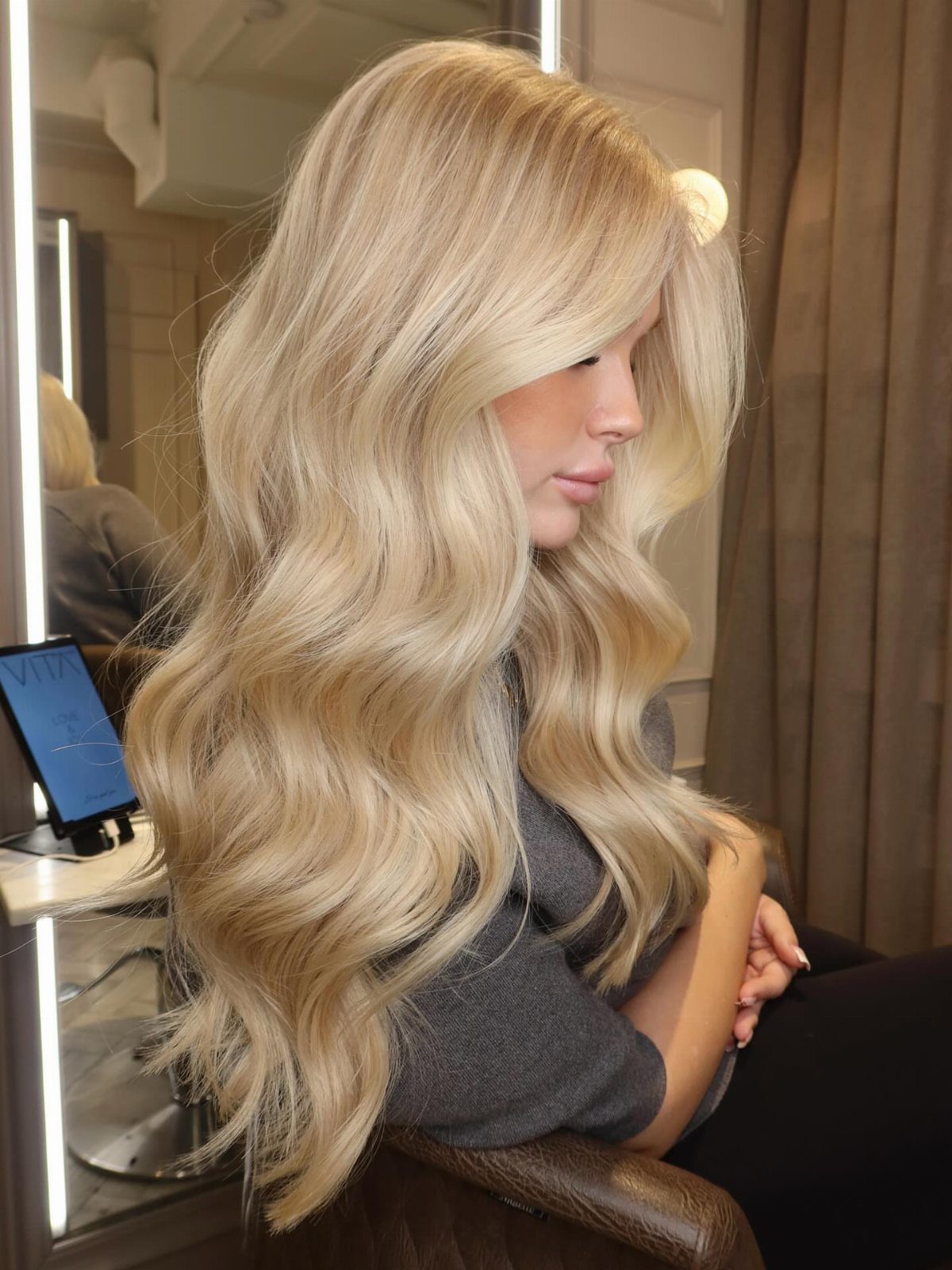
This look layers cool icy tones with streaks of warmer gold, so the overall blonde reads bright without washing out warm skin. The contrast gives dimension that a flat platinum would miss.
If your starting point is already blonde, a toner and some selective lightening can get you there.
Darker hair needs a full bleach session, then toning in 2 passes to get both the icy base and the warmer pieces placed where you want them.
Upkeep means toner and root touch-up if your natural color is dark.
2. Warm Balayage
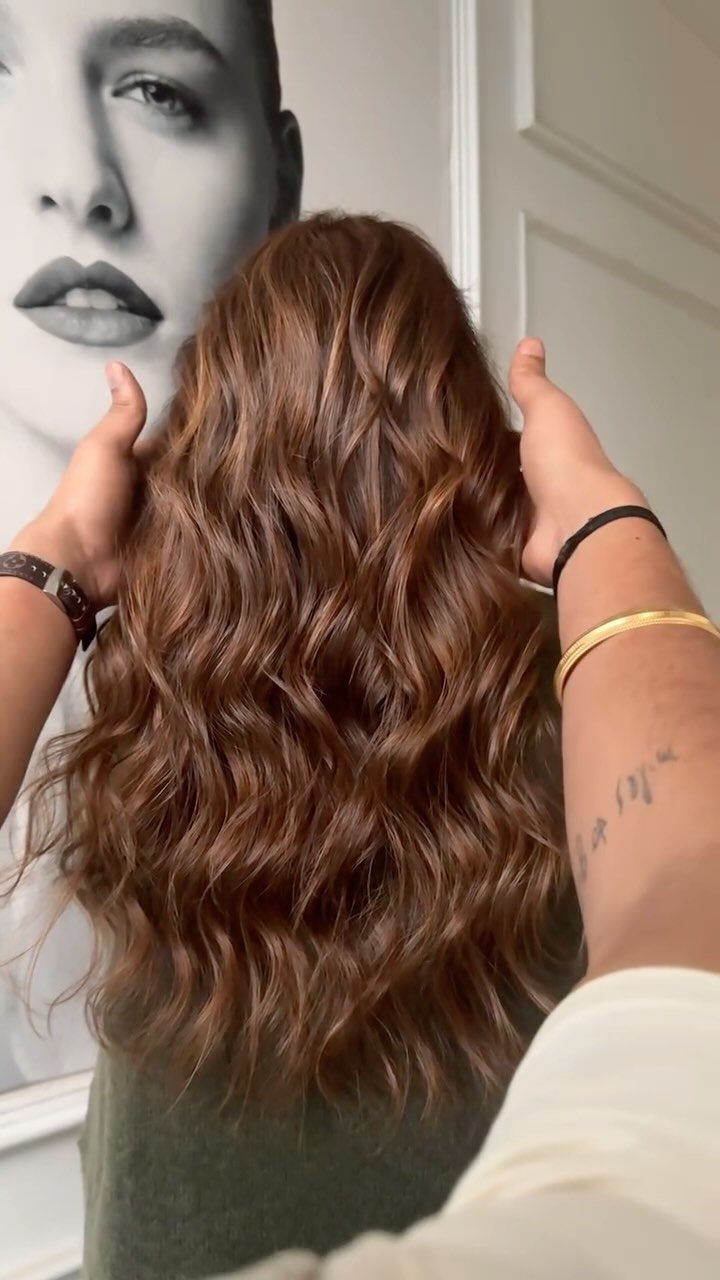
Balayage painted in warm tones gives you lightness that fades naturally at the root, so regrowth blends instead of announcing itself with a line. The hand-painted method concentrates color where sun would hit, which reads softer than foil highlights.
This works on medium to dark brown hair without needing a full bleach. A colorist paints lightener freehand, then tones to honey, caramel or golden shades depending on how light you go.
Mornings stay the same, and a few months in it still looks intentional as it grows.
3. Dimensional Brown and Blonde Balayage
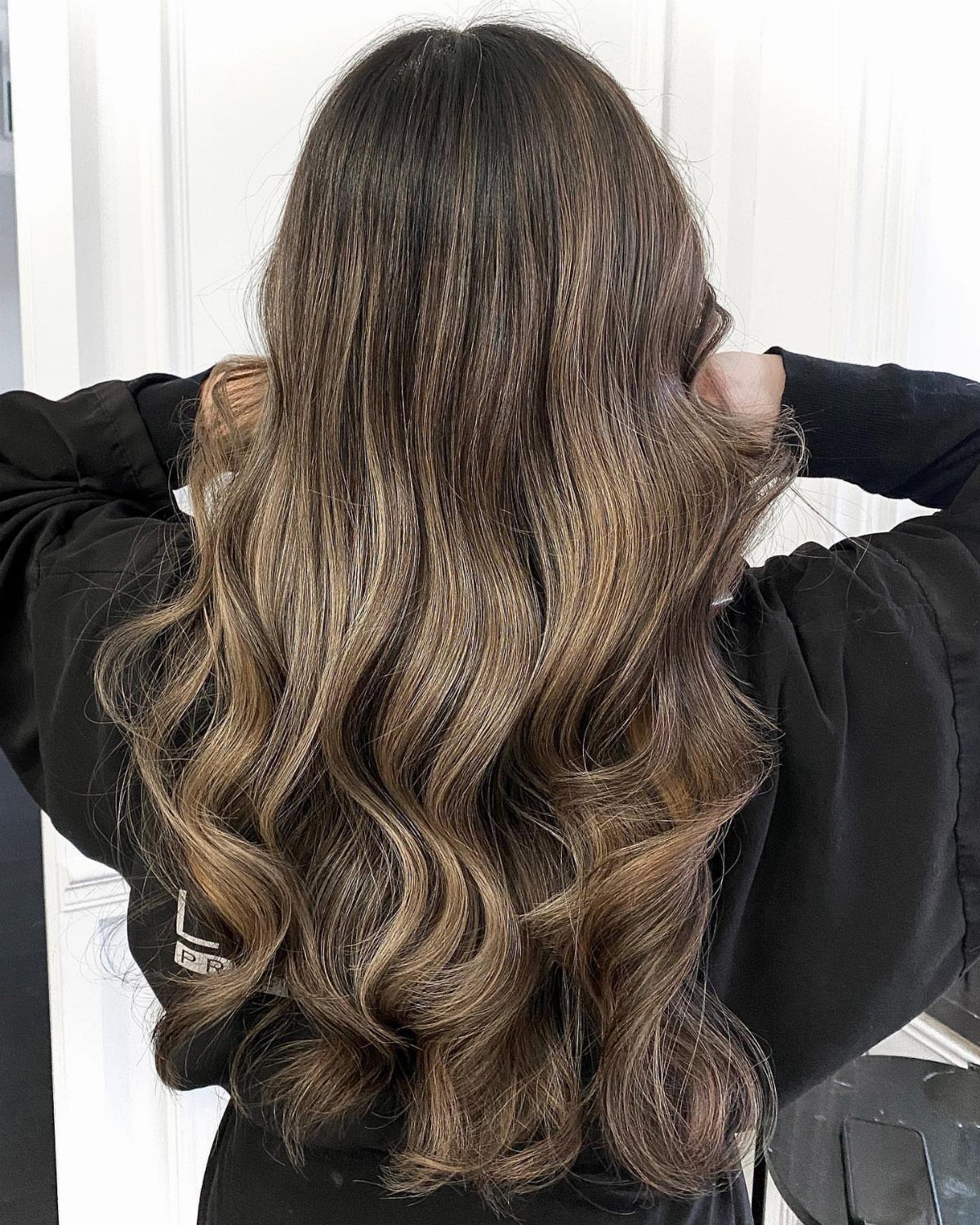
Blending brown and blonde through balayage gives you depth at the root and brightness through the mid-lengths and ends. Some versions lean fully warm, others mix in cooler ash tones for contrast.
Starting from dark brown, the blonde pieces need lightening first, then toning to match your warm undertones. If your hair is already light brown, less lift means less damage and a faster appointment.
Touch-ups keep it looking fresh, and the grown-out phase is forgiving.
4. Honey Blonde
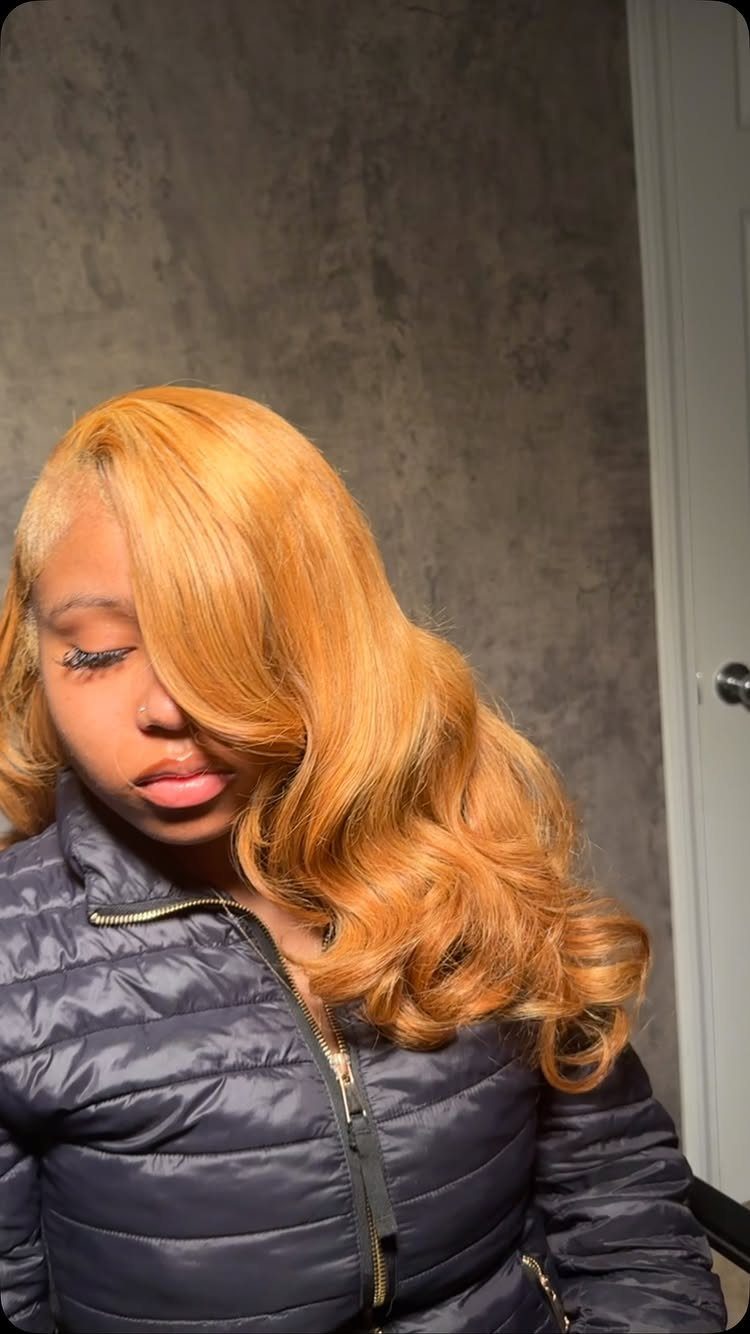
Honey blonde combines gold, amber and sometimes a hint of red or brown, giving you a blonde that holds warmth all the way through. The mix of tones makes it read richer than a single-process blonde.
Getting there from dark hair takes bleach and careful toning to balance the gold without tipping orange. From light brown or already-blonde hair, it’s a simpler lift.
Toning keeps brassiness in check, and a purple shampoo between appointments helps hold the tone longer.
5. Caramel Brown
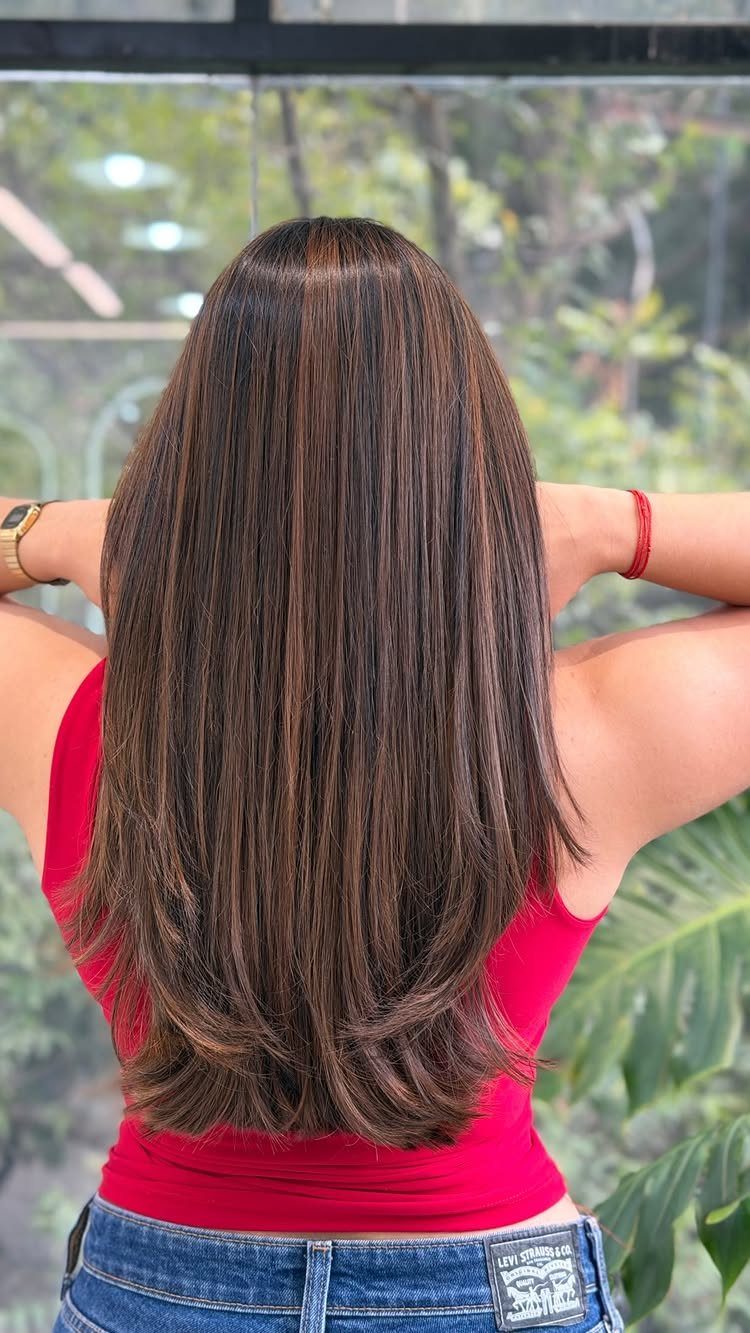
Caramel brown is a warm, golden-amber brown that catches light without reading as highlighted. The tone works especially well on warm skin because it mirrors those same golden undertones.
If you’re starting from dark brown or black, a single-process color or a few shades of lift will get you there. Lighter starting hair might only need a gloss or demi-permanent color to shift the tone.
This is low-maintenance once you’re there. A refresh keeps the warmth from fading, and roots blend easily since the color is close to many natural browns.
6. Cinnamon Brown
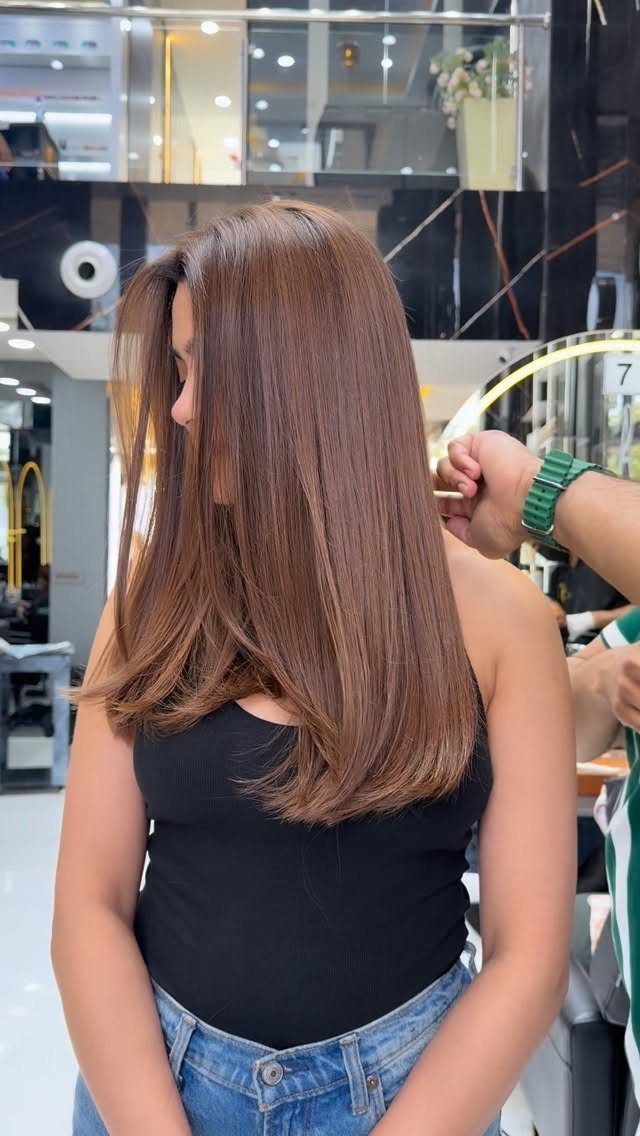
Cinnamon brown brings in warm, spicy red tones that read as auburn-leaning brown. The red keeps the color from looking flat, and it suits warm skin particularly well since the undertones match.
On dark hair, this usually needs a lift and then a deposit of the red-brown tone. Medium brown hair can often get there with demi-permanent color alone, which is gentler.
The red tones fade faster than brown, so expect a refresh. Between appointments, a color-depositing conditioner in copper or auburn can stretch the vibrancy.
7. Brown and Hazelnut Highlights
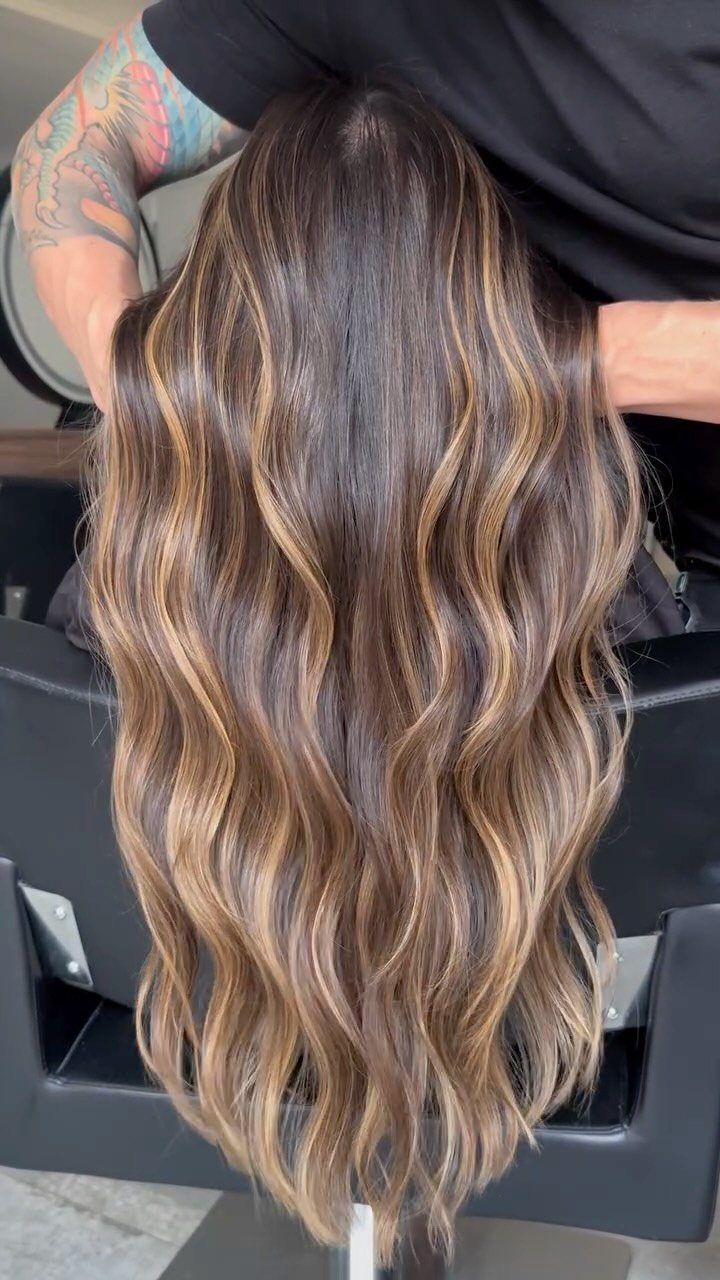
Hazelnut highlights lift brown hair with warm, light tones that stay soft rather than high-contrast. The color is close enough to the base that the result reads as dimensional brown, not striped.
A colorist can place these with foils or balayage, depending on whether you want defined ribbons of color or a blended finish. The stylist lightens strands from your base, then tones them to that warm hazelnut.
The placement means roots grow out gently, and a refresh extends the brightness.
8. Rooted Chestnut Brown
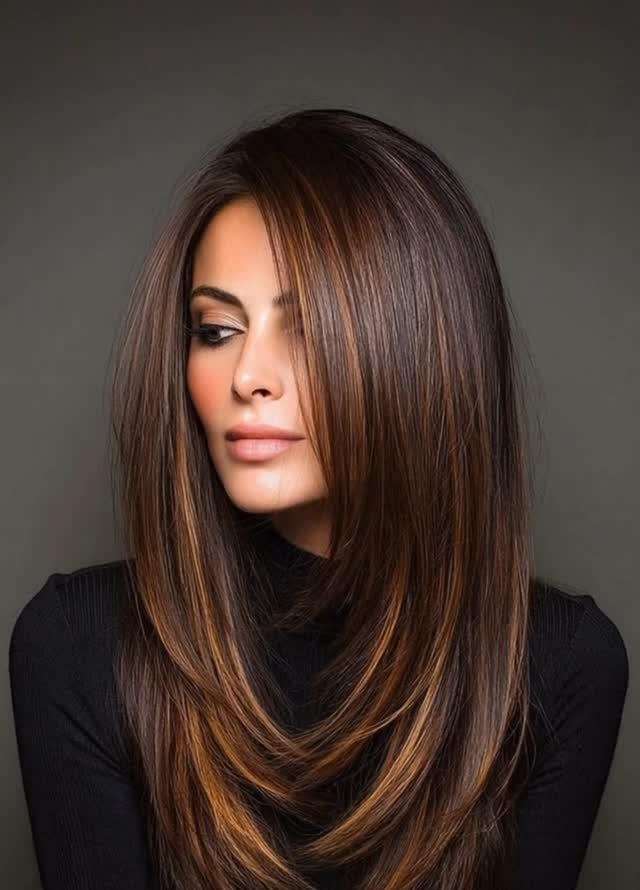
Chestnut brown brings reddish-gold warmth into a medium-to-deep brown base. The tone suits warm skin especially well because the red dimension keeps the color from reading flat or cool.
Getting there from dark hair usually means a lift followed by toning to add that reddish cast.
Red fades faster than brown, so plan for touch-ups. A rooted finish gives you extra time before the next appointment.
9. Auburn Hair
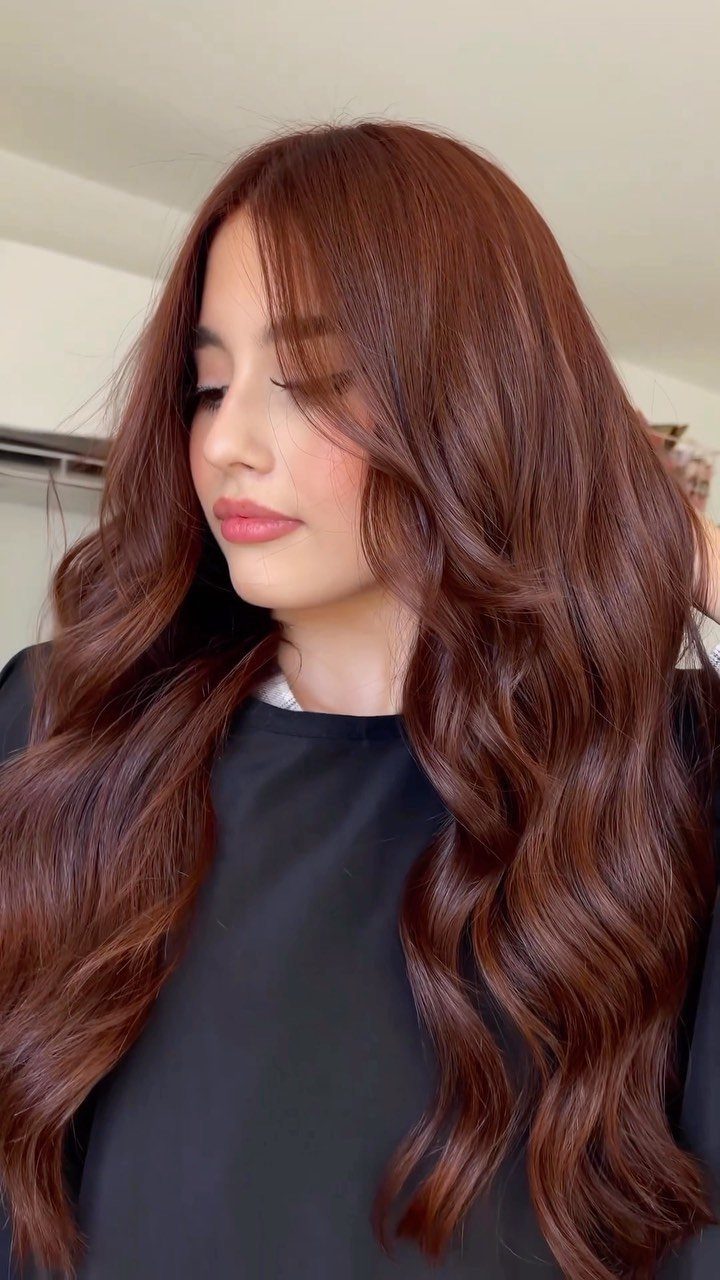
It lands between red and brown, so you get warmth and visible color without going full copper.
Dark hair needs lifting before the red-brown deposit.
Expect fading, since red molecules are smaller and wash out faster. A sulfate-free shampoo and a red-toned conditioner between appointments help hold the color longer.
10. Golden Brown
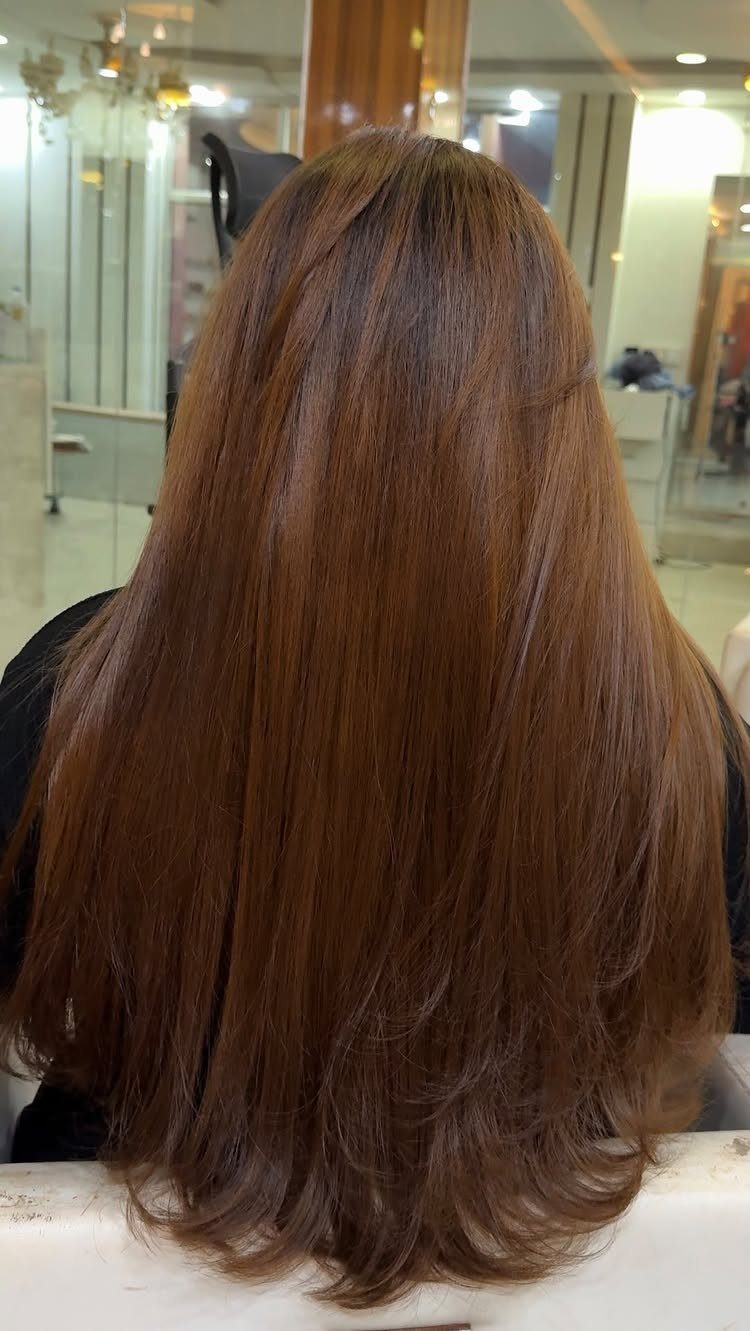
Golden brown holds warmth all the way through, giving you a brown that catches light without looking highlighted. Those gold tones echo the same warmth already in your skin, which is why the match feels natural.
Starting from dark brown, this needs a lift and then toning to shift the base toward gold.
Regrowth blends rather than announces itself, and a refresh every few months stops the warmth from sliding ash.
11. Strawberry Blonde

Strawberry blonde mixes golden blonde with copper or red tones, giving you a color that reads as warm blonde with a pinkish or peachy cast.
How much red versus gold you get depends on your starting point and the toner used.
From light brown or blonde hair, this is achievable with lightening and toning. Darker hair needs more lift, which adds time and maintenance.
The red fades before the blonde does, so touch-ups or a color-depositing treatment between appointments keep the strawberry tone from slipping fully golden.
12. Chocolate Brown
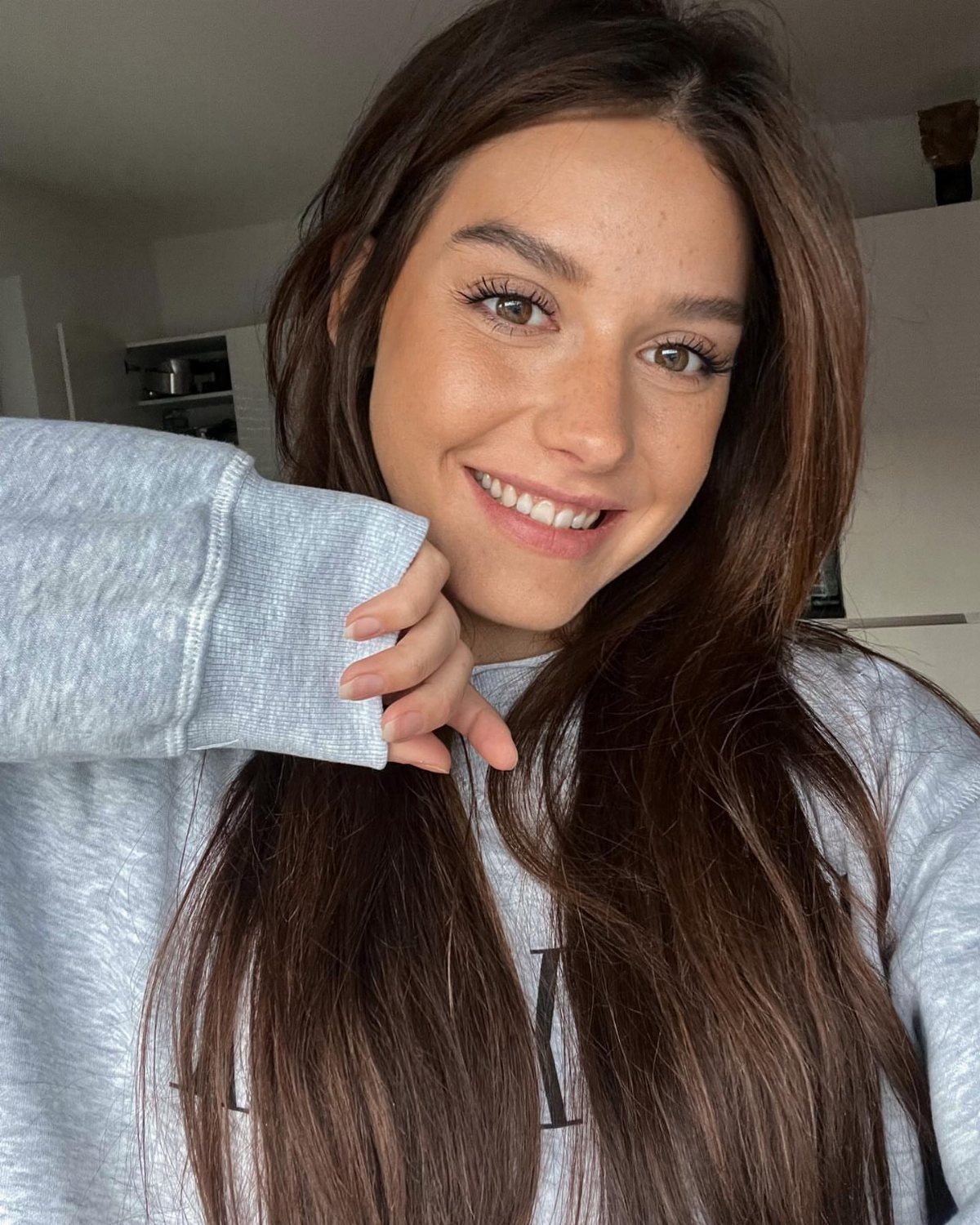
Chocolate brown is a deep, rich brown with warmth running through it rather than cool ash tones. The color has enough depth to read dramatic but stays grounded in brown, not black.
From dark hair, this can be a simple single-process color. Lighter starting hair might need pre-pigmentation so the brown takes evenly and doesn’t fade patchy.
Once you’re there, it holds well.
13. Amber Hair
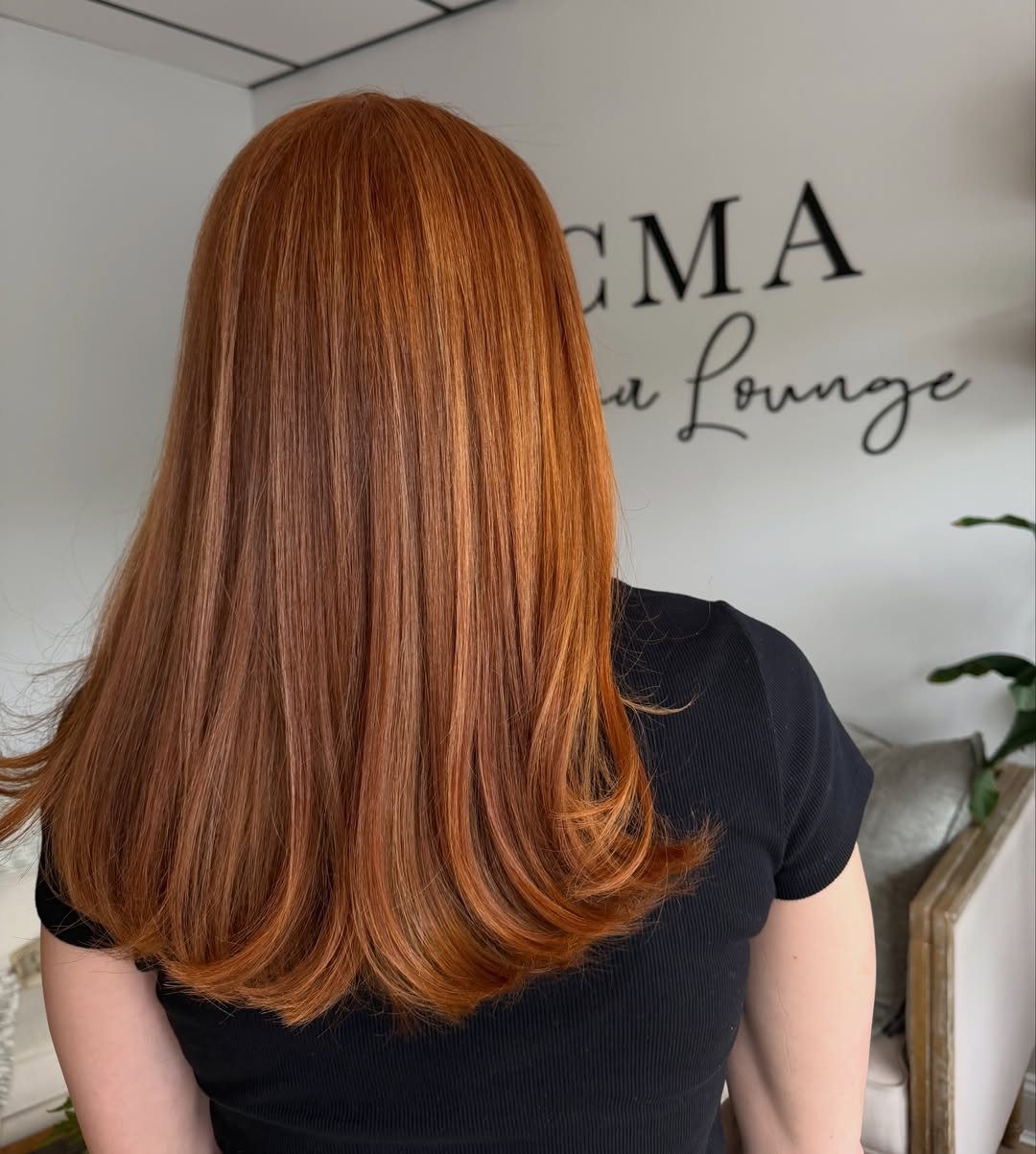
Amber sits between golden blonde and copper, landing in a warm orange-gold range that catches light without reading fully red. The tone suits warm skin particularly well because it amplifies those same undertones.
You’re lifting color and depositing that rich, honey-toned orange in one appointment. Medium brown or already-lightened hair gets there with less damage and a shorter appointment.
Red and orange tones fade faster than brown or neutral blonde, so plan for regular touch-ups. A color-depositing treatment between salon visits holds the vibrancy longer.
14. Vivid Copper Hair

Vivid copper is red-orange hair taken to full saturation, giving you a color that announces itself rather than blending. The warmth in it mirrors warm skin tones, which is why the match works.
Getting there takes lifting to pale yellow, then depositing the copper. The darker you start, the longer the foils stay on to pull enough pigment.
Red fades aggressively. A deposit-only copper gloss every few weeks fills in what the water strips away.
15. Golden Blonde
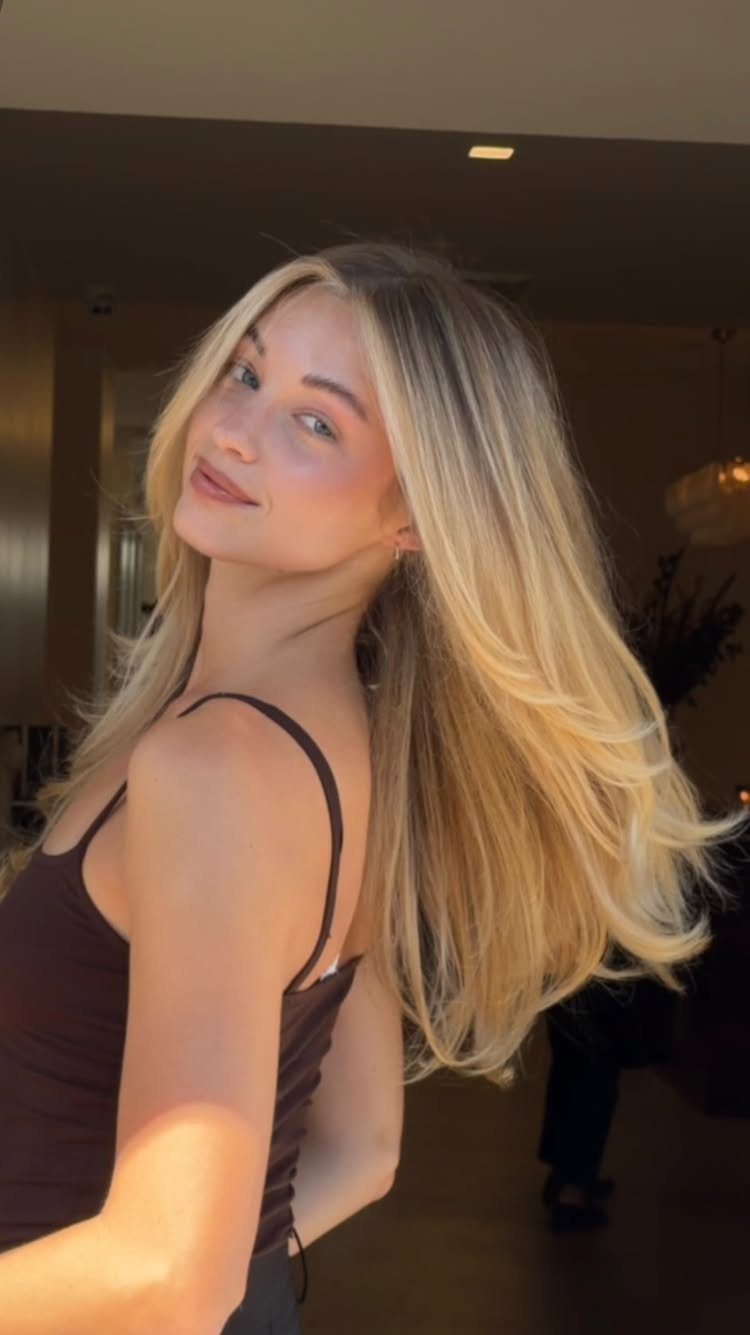
Golden blonde is a warm, bright blonde built on yellow and honey tones rather than ash or platinum. The warmth keeps it from washing out skin that already has golden undertones.
If the placement includes face-framing pieces and the back of the neckline, it still reads blended when you pull hair into a ponytail.
From medium brown or darker, this needs bleach and toning to hit that bright gold. If you’re already blonde, a single toning session can pull you into that warm gold range.
16. Mocha Brown
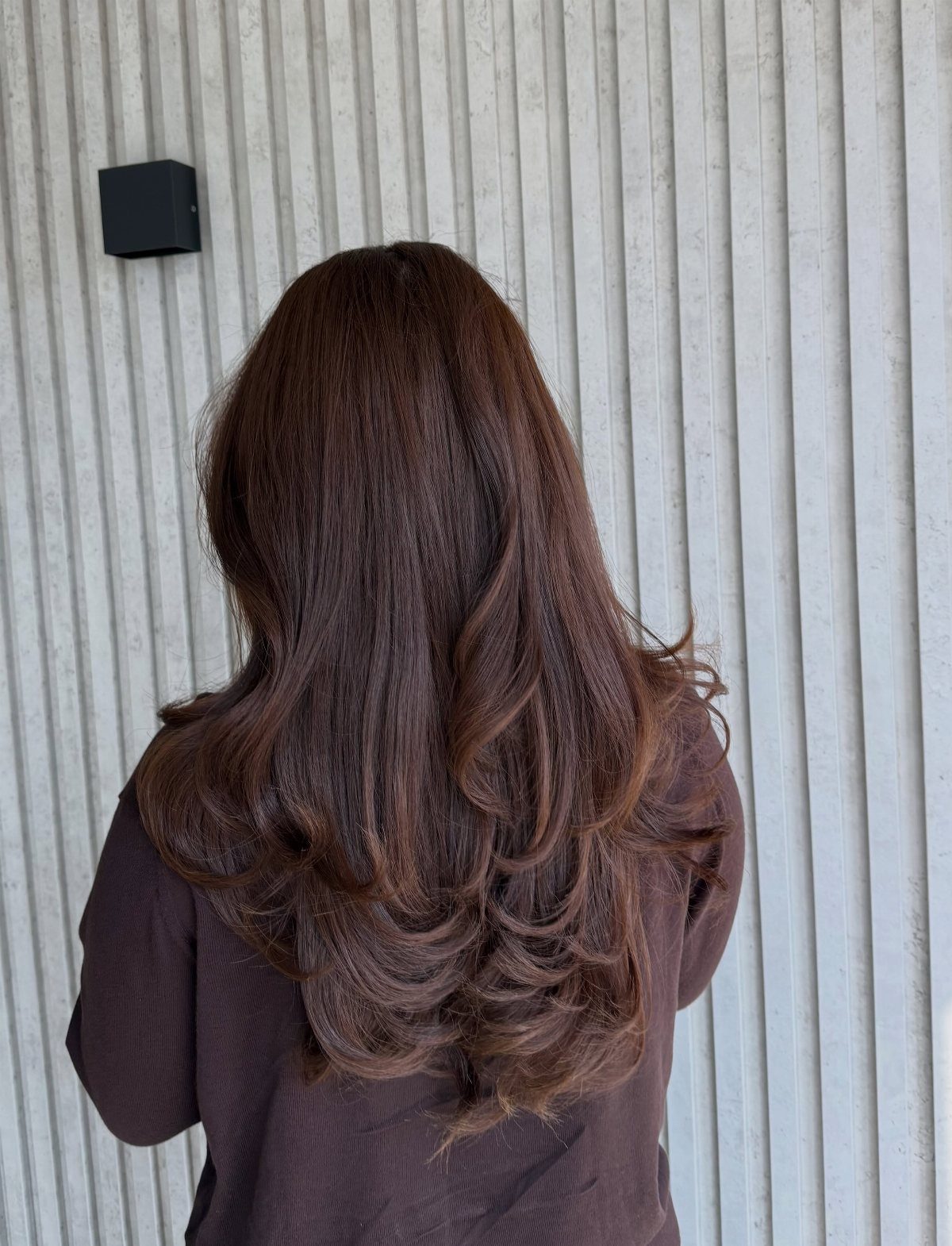
Mocha brown is a deep, coffee-toned brown that holds warmth without leaning red. The color reads rich and dimensional, particularly when paired with soft waves that catch light through the lengths.
On a dark base, the colorist deposits brown with a subtle warmth running through it. Blondes sometimes need a filler first, or the brown grabs unevenly and leaves patches.
Regrowth blends easily, and the tone holds without frequent touch-ups.
17. Face-Framing Blonde-Caramel Balayage
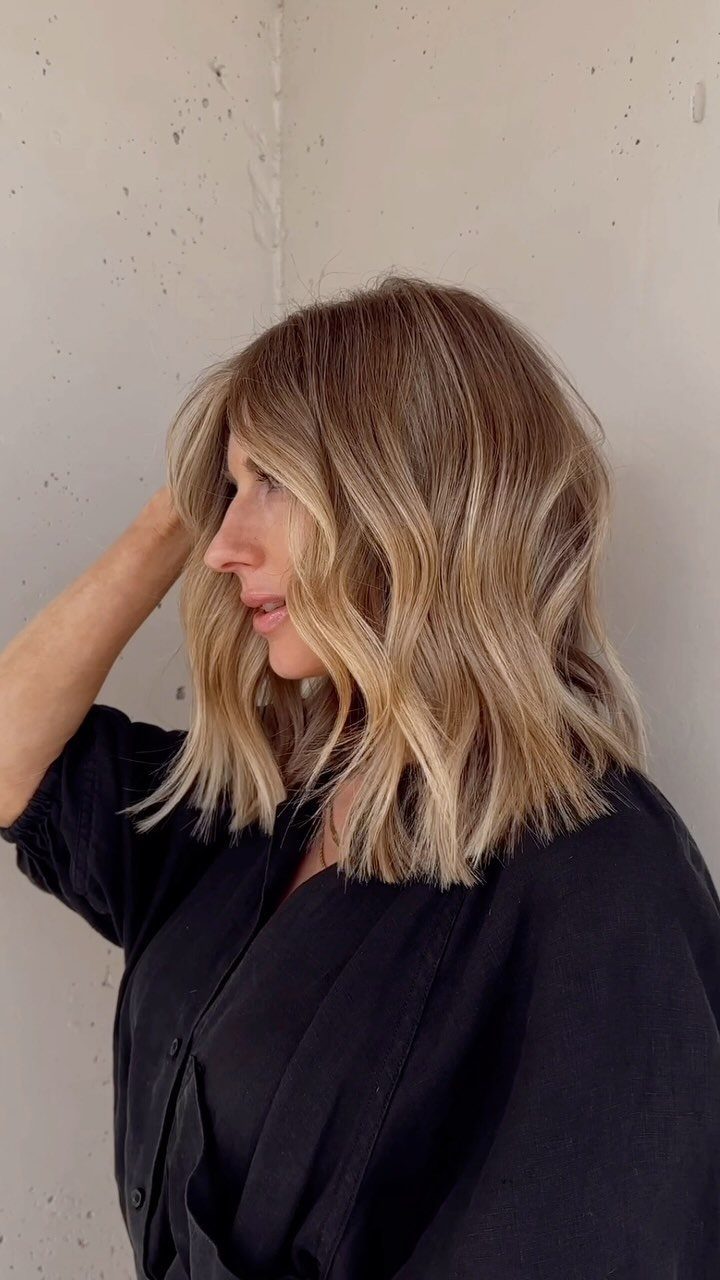
This version places blonde between honey and caramel tones, with buttery depth through the mid-lengths and brighter, paler pieces framing the face. The contrast gives dimension without reading high-maintenance.
A colorist lightens face-framing sections more than the rest, then tones everything to warm blonde. Starting from medium brown, the balayage method means less damage than full highlights.
Grown-out roots stay soft, and the face-framing brightness can be refreshed on its own between full appointments.
18. Golden Sandy Blonde
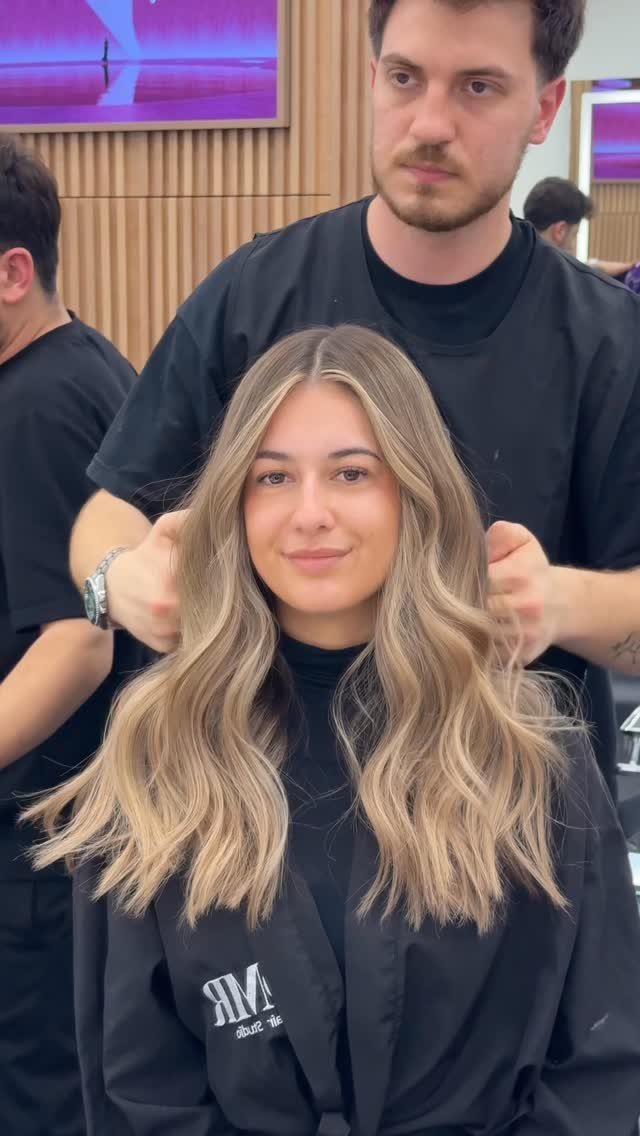
Sandy blonde warmed with golden tones gives you a neutral-to-warm blonde that reads softer than bright gold but richer than ash. The mix keeps it from looking flat or single-note.
Starting from brunette, you’re bleaching up and then toning down into that soft, sun-touched blonde. Already-blonde hair might only need a toner to adjust the warmth.
The tone holds well between appointments, and a purple shampoo keeps any ash from tipping brassy.
19. Root-Shadowed Platinum Blonde
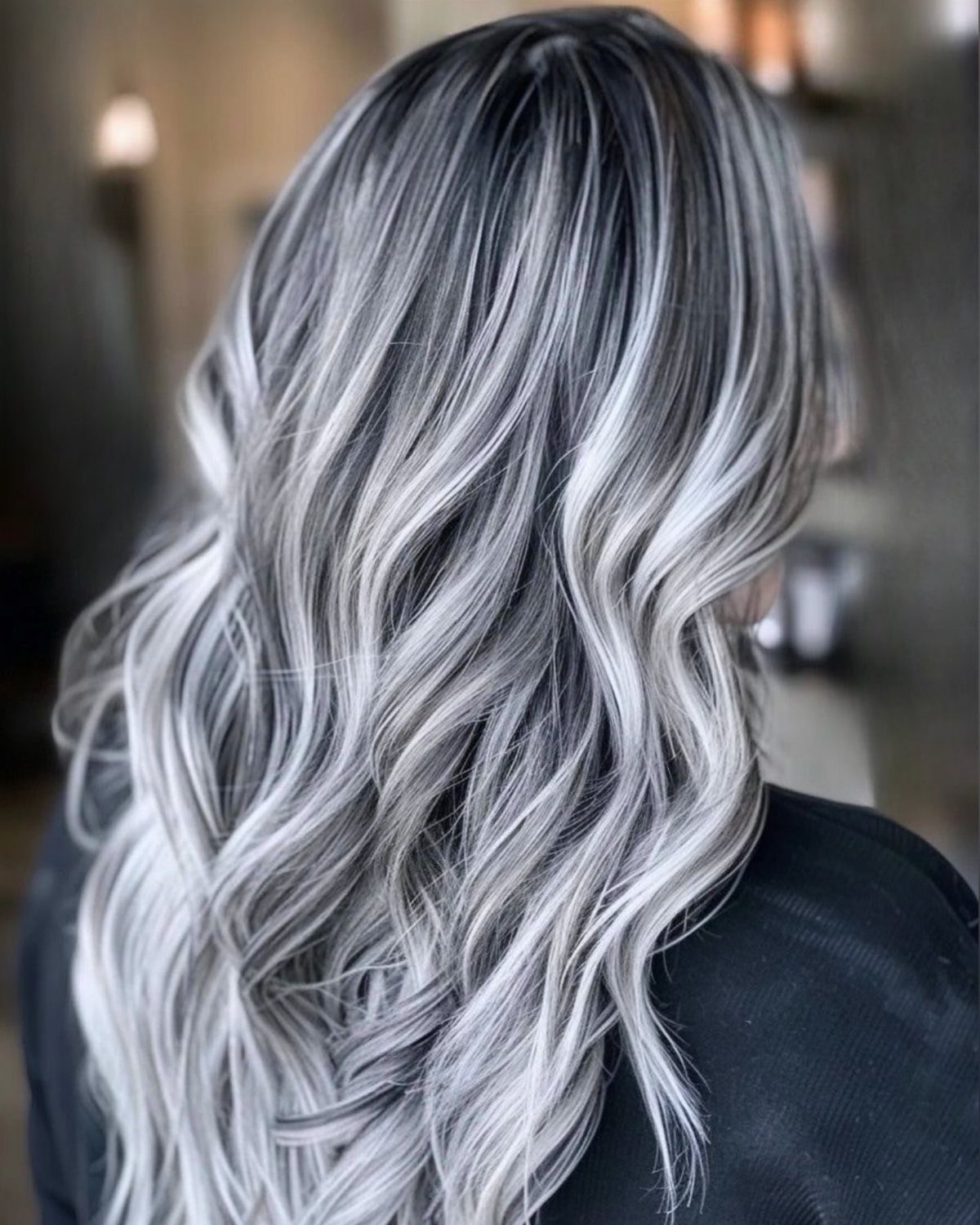
Platinum blonde with a dark root shadow gives you bright, icy blonde through the lengths without the upkeep of bleaching roots every few weeks.
The shadow blends naturally as it grows, so the line between colored and natural hair stays soft.
Getting to platinum takes bleach and a toner that cancels yellow, landing you in that silver-white range. The root shadow is either your natural color left untouched or a darker tone painted on afterward.
This leans cool rather than warm, so it’s not the obvious choice for warm skin, but the contrast can work if you like high-drama color.
20. Midnight Black
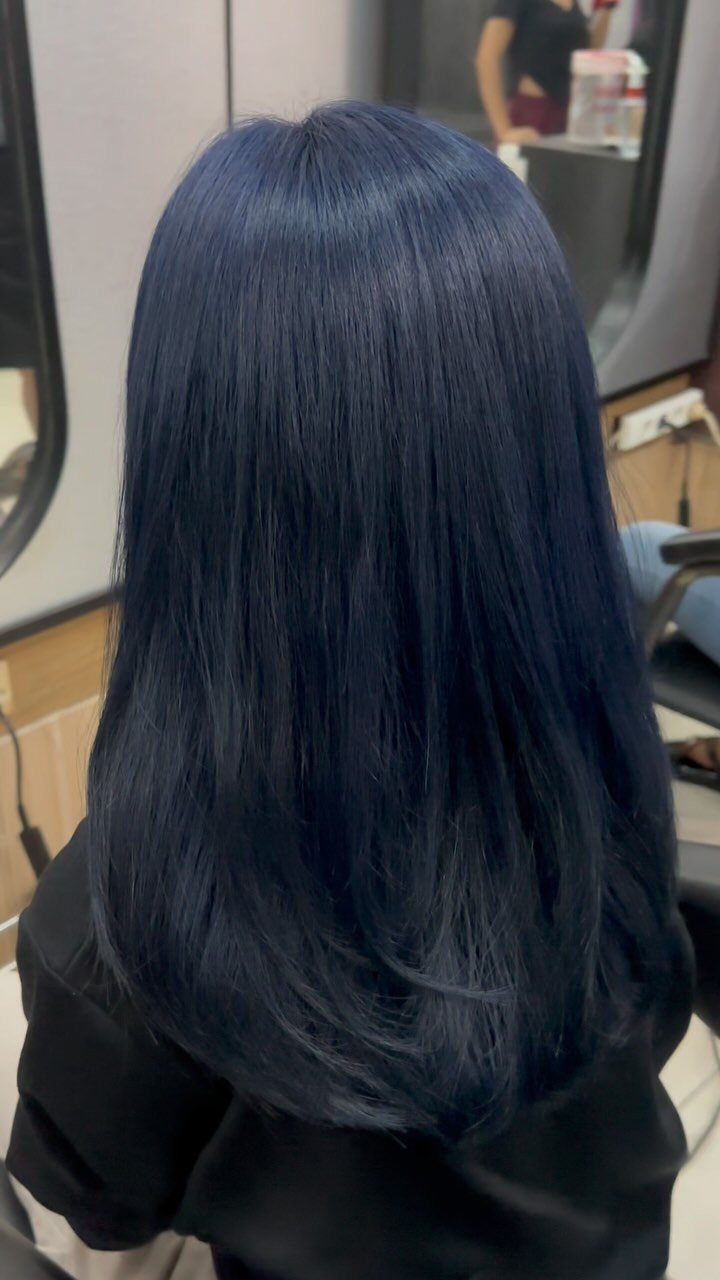
Midnight black with blue tints gives you a black that catches light with a cool, almost-indigo cast rather than staying flat. The blue reads as dimension, not color.
A colorist deposits black with blue tones mixed in, or glosses over black hair with a blue-tinted treatment. If you’re starting from lighter hair, the black needs to go on evenly or it can grab patchy.
The blue fades with washing, and once it does the black underneath stays put. A blue-black gloss between appointments brings the tint back.
21. Mushroom Brown
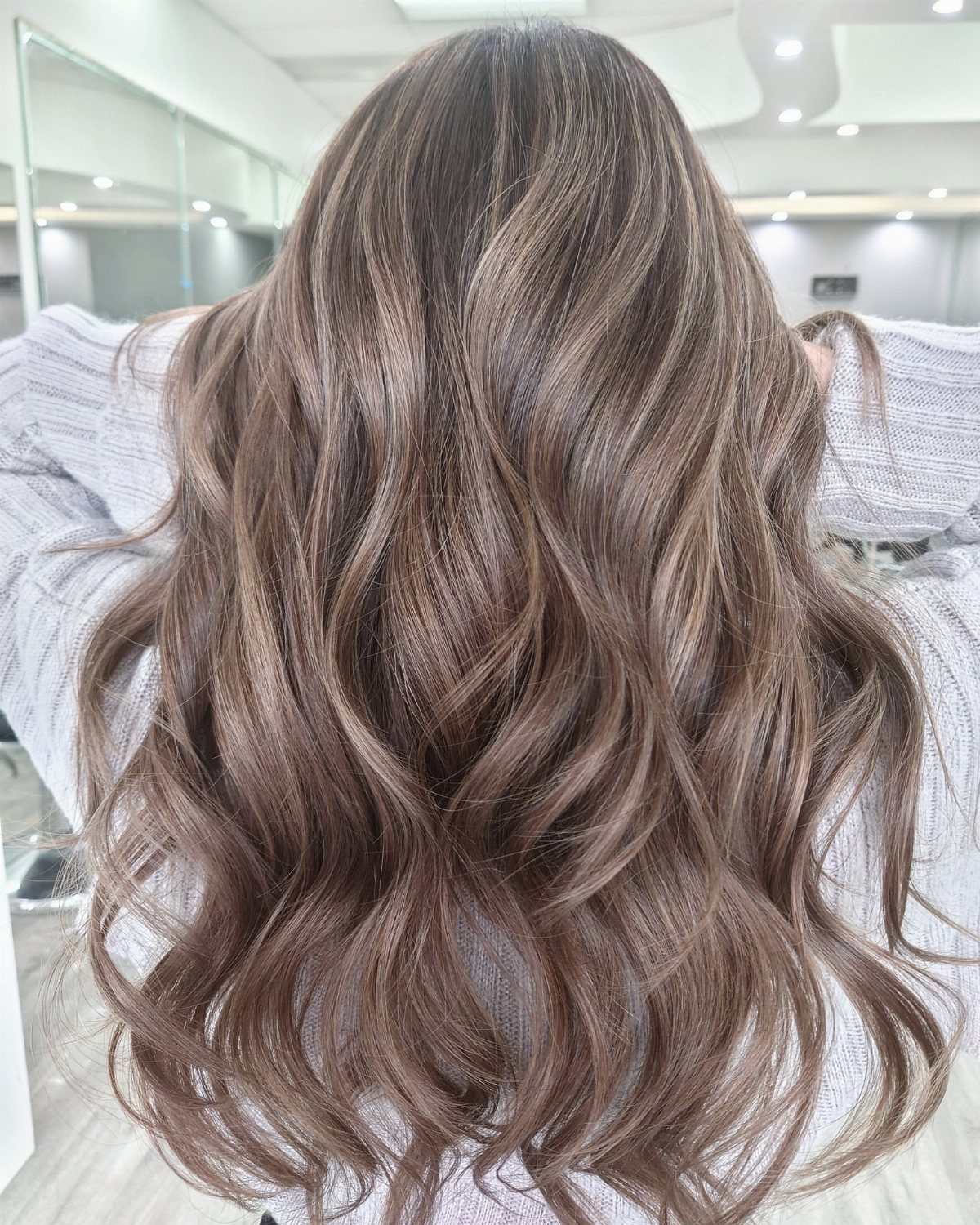
Mushroom brown lands in that odd space where grey meets brown, reading as a soft, ashy taupe.
The tone leans neutral to cool, which makes it an outlier on a warm-skin list, but some people with warm undertones prefer the contrast.
This works best on already-light brown or blonde hair, since the ashy tone needs a pale base to show through. Darker hair has to be lifted first, then toned down into that soft, muted brown.
The cool tones can fade brassy if your hair pulls warm naturally, so a purple shampoo between appointments keeps the ash from slipping gold.
22. Sun-Washed Blonde
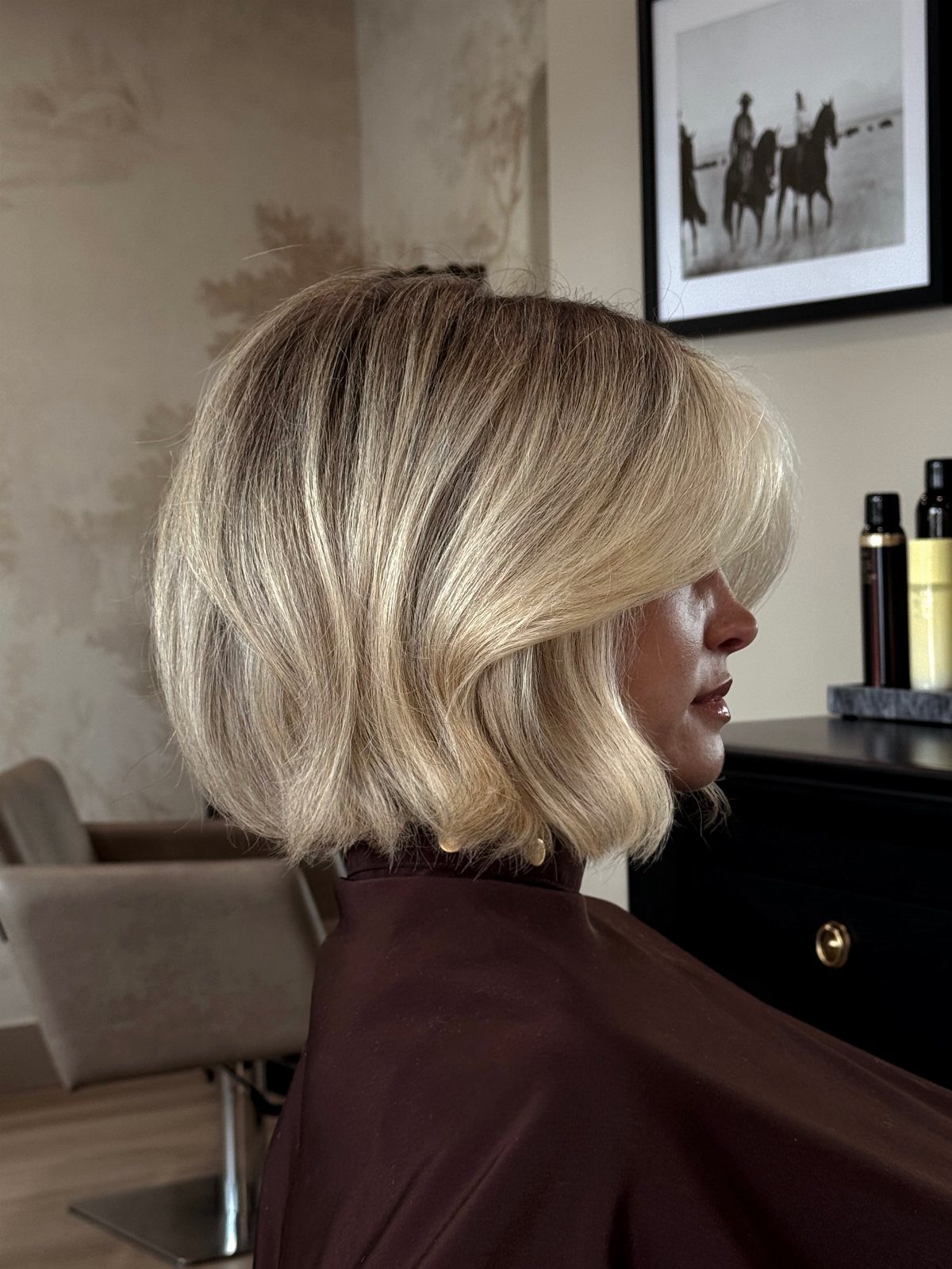
Sun-washed blonde is built to look good grown out, with roots left darker and blonde that reads soft rather than bright. The color mimics what happens when blonde hair spends months in the sun, fading and warming unevenly.
A colorist lightens through the mid-lengths and ends, then tones to a buttery or sandy blonde that holds warmth. The root stays close to your natural color, so regrowth blends from the start.
This buys you time between appointments, and the faded look is part of the plan.
23. Dark Rose Ombre with Face-Framing Streaks
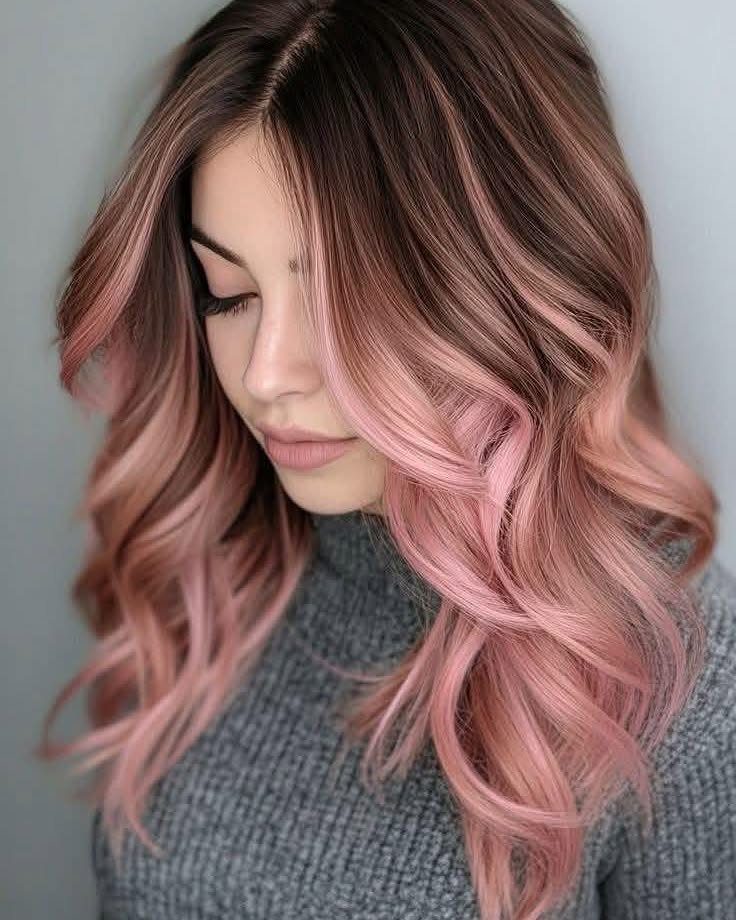
A dark rose ombré fades from brown at the root into dusty pink through the ends, with brighter streaks framing the face. The rose tones hold subtle gold, which keeps the color from reading fully cool.
Getting there means lightening the ends to pale blonde, then depositing rose tones over them. The face-framing pieces are lifted separately and toned brighter for contrast.
24. Expensive Brunette
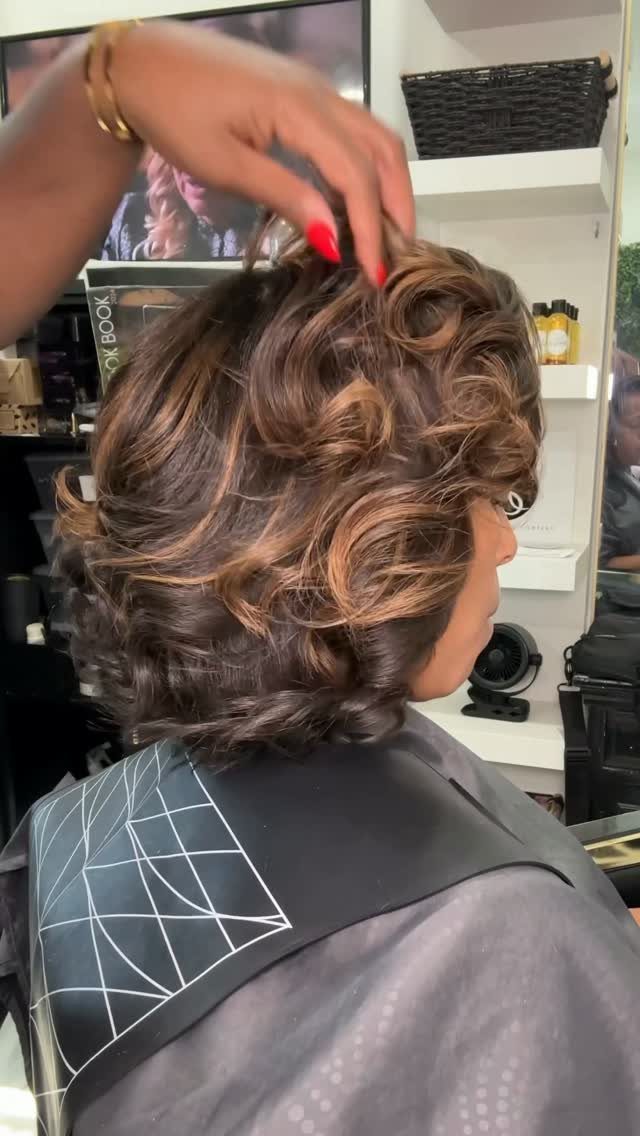
This is rich, glossy chestnut brown with enough warmth to catch light through curls or waves. The term refers to brunette that looks expensive because of the shine and dimension, not a flat single-process brown.
A colorist might add caramel or honey lowlights, or gloss over natural brown to boost the warmth and reflectivity. Starting from dark hair, this can be a gloss alone.
The gloss fades over time, so a refresh keeps the shine and warmth from dulling.
Check Your Skin Undertone
Check your wrist in daylight: if the veins look blue, you’re cool-toned; green means warm. Blue usually means cool undertones, green points to warm, and if you can’t tell which, you’re likely neutral.
Gold jewelry flattering your complexion points to warm undertones, silver to cool. Gold flattering you more than silver is another sign you’re warm-toned, and if both work equally well, that’s neutral again.
A third check is the white fabric test.
Hold bright white and cream fabric near your face in daylight. If cream looks better, that leans warm; if bright white wins, that leans cool.
If your skin tans easily rather than burning, that also suggests warm undertones. Eye color can add a clue too: gold or amber flecks often pair with warm skin.
The jewelry test: Assess how your skin looks against different jewelry colors. Those with warm skin tones typically look best in gold jewelry, while silver jewelry tends to be more flattering on those with cool skin.
Color Upkeep and Fading
Hot water opens the cuticle and strips tone faster, so lukewarm rinses hold color longer.
UV exposure speeds that up, so a hat or a UV-protectant spray helps when you’re outside for long stretches.
Hard water leaves mineral buildup that dulls color over time. A clarifying treatment every few weeks lifts that layer without stripping the color itself.
A root touch-up or gloss treatment is faster and cheaper than a full color redo.
Choosing a Shade with a Colorist
A consultation with a colorist covers your skin undertone, eye color, natural hair depth, and how much grey you’re covering. Those variables together decide which warm shades will read flattering rather than just warm.
If you’ve colored before, the colorist checks what’s already on your hair. Lifting over old color takes longer and can limit how light you can go in one session, so previous treatments change the plan.
Hair condition matters too. Damaged hair doesn’t hold color evenly, and lifting it further risks breakage, so a colorist might suggest a deeper shade or a conditioning treatment first.
Desired upkeep is part of the conversation from the start.
A balayage with a soft root grows out differently than highlights with a clear line, and knowing how often you’re willing to book appointments shapes which placement and tone you choose.
Frequently Asked Questions
What hair color looks best on warm undertone skin?
Golden, copper and amber-based shades suit warm skin: honey blonde and butterscotch for lighter hair, caramel and warm chestnut through the middle, auburn and copper for darker tones.
They pick up the peach or gold already sitting under your skin, so the whole thing glows instead of going flat. Avoid ash, platinum, or cool-toned versions that can make warm skin look dull.
What colors should warm skin tones avoid?
Icy platinum, ash blonde, blue-black, and other cool-toned shades can wash out warm skin and make it look sallow or flat.
Cool tones fight against the golden undertones in your complexion instead of amplifying them. A skilled colorist can make nearly any shade work, but warm colors require less effort to flatter warm skin.
What is a warm skin tone?
Warm skin tone describes the undertone below the surface, which has nothing to do with how light or dark your complexion runs. If yours leans golden, peachy, yellow or soft olive, you fall on the warm side.
How do I know if I have warm undertones?
Check your wrist veins in daylight: green veins point to warm undertones, blue to cool.
If gold jewellery suits you better than silver does, you’re reading warm. Skin that tans easily instead of burning also suggests warmth, and if cream fabric looks better on you than bright white, you’re likely warm-toned.
Can people with warm skin tones go blonde?
Yes, blonde works beautifully on warm skin as long as you choose honey, buttery, or golden blonde instead of icy or ash tones.
Cool platinum or ash blonde can wash out warm complexions, so the shade matters more than the color family.
How do I choose the right hair color for my skin tone?
Match your hair color to your undertone, not to how light or dark your skin reads on the surface.
Warm undertones (golden, peachy, or olive) need warm hair colors with golden, amber, or copper bases, while cool undertones (pink or blue) suit ash, platinum, or cool-toned shades.
Pick a blonde, brunette or red that speaks to your undertone and both hair and skin look better for it.