Professional numbering puts each shade on a 10-level chart, with the first digit marking depth and the second showing undertone.
Blonde, brown and red cover the levels you can lift or darken at home, while highlights and balayage let you add dimension without changing your base all over.
Ash cancels warmth with cool pigment, golden pulls honey into blonde or brown, and purple and pink deposit color where you place them.
1. Brown Hair
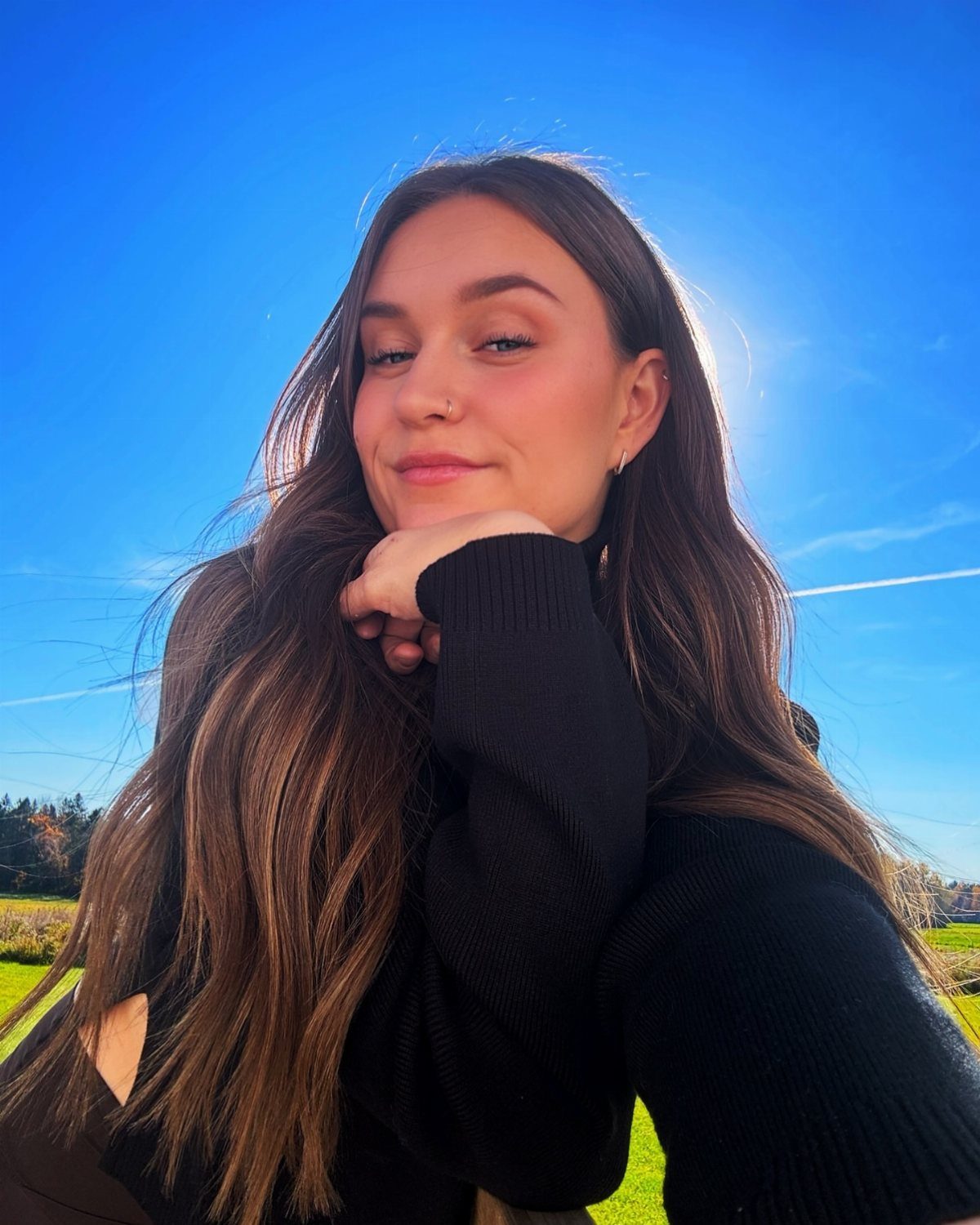
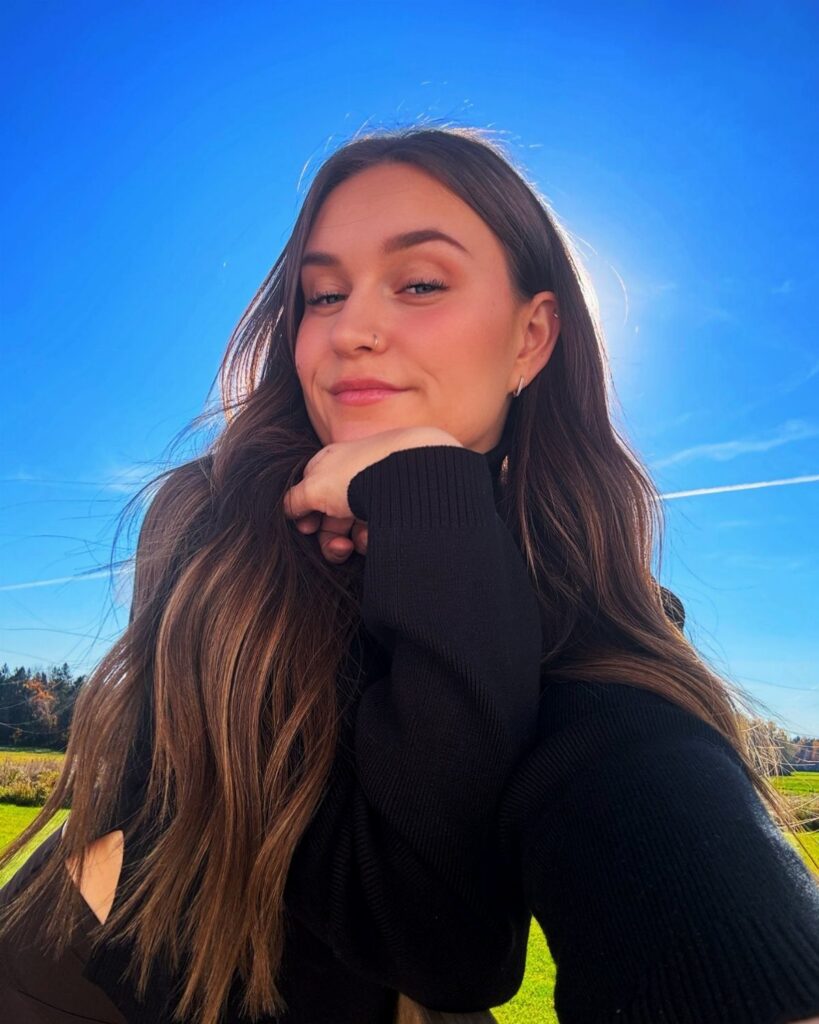
Brown hair covers every shade from a barely-there tint past blonde through to the deepest near-black, and the difference between one level and the next can change how warm or cool the whole thing reads.
Medium brown has enough depth to show dimension but stays light enough that waves catch differently depending on the light.
If you’re lifting your hair to brown from black, that takes time and usually multiple sessions to keep the integrity intact.
Going darker is faster, and if you’re working from blonde, a semi-permanent formula lets you try the depth without committing permanently.
2. Blonde Hair
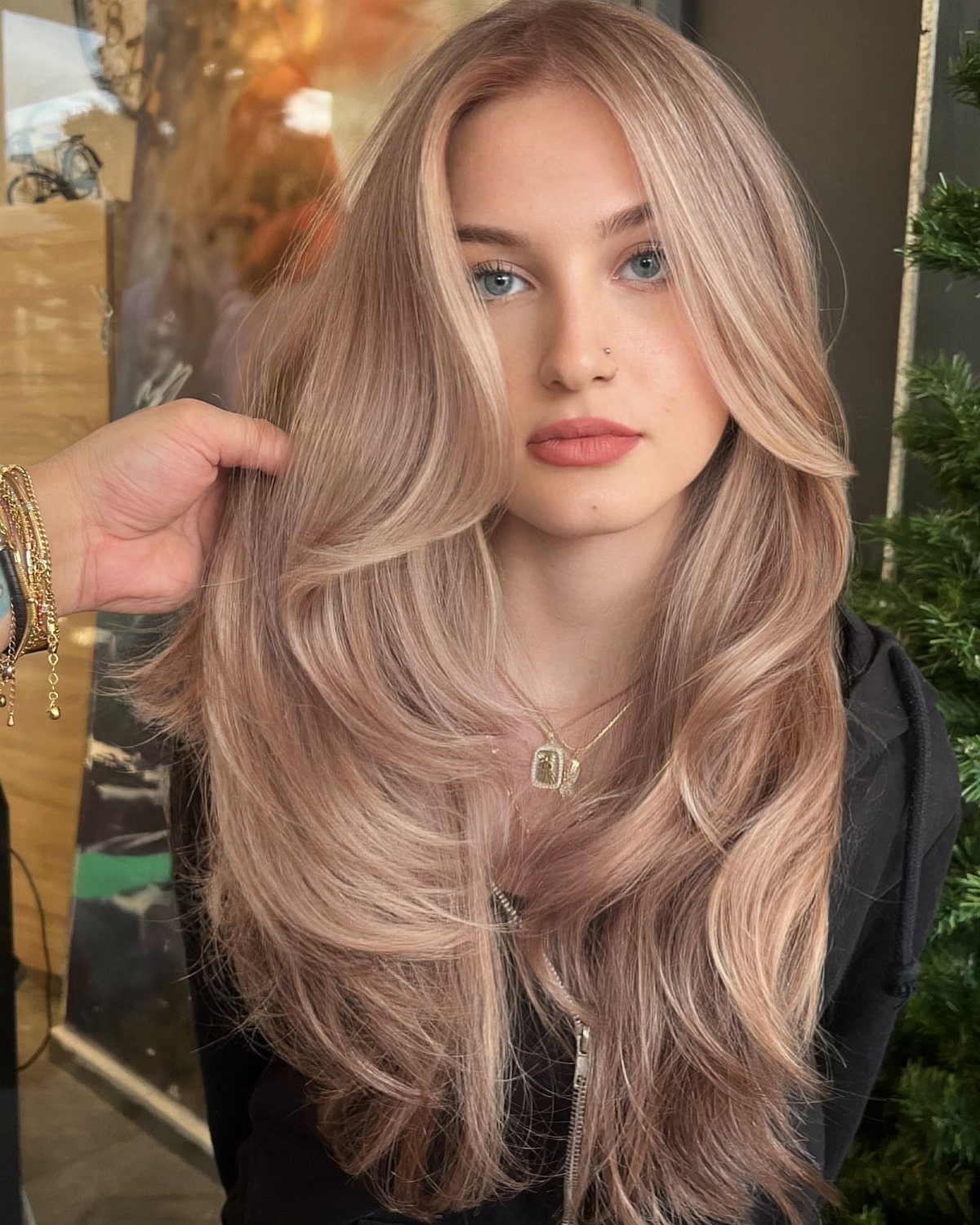
Pale, neutral blonde without much yellow usually starts from a lifted base and gets toned to keep the warmth dialed back.
Getting there from virgin dark hair means bleaching, often more than once, and upkeep depends on how fast your hair grows and how much contrast you can live with at the root.
If you’re starting from light brown, a high-lift color can sometimes get you there in one session.
3. Two Tone Hair
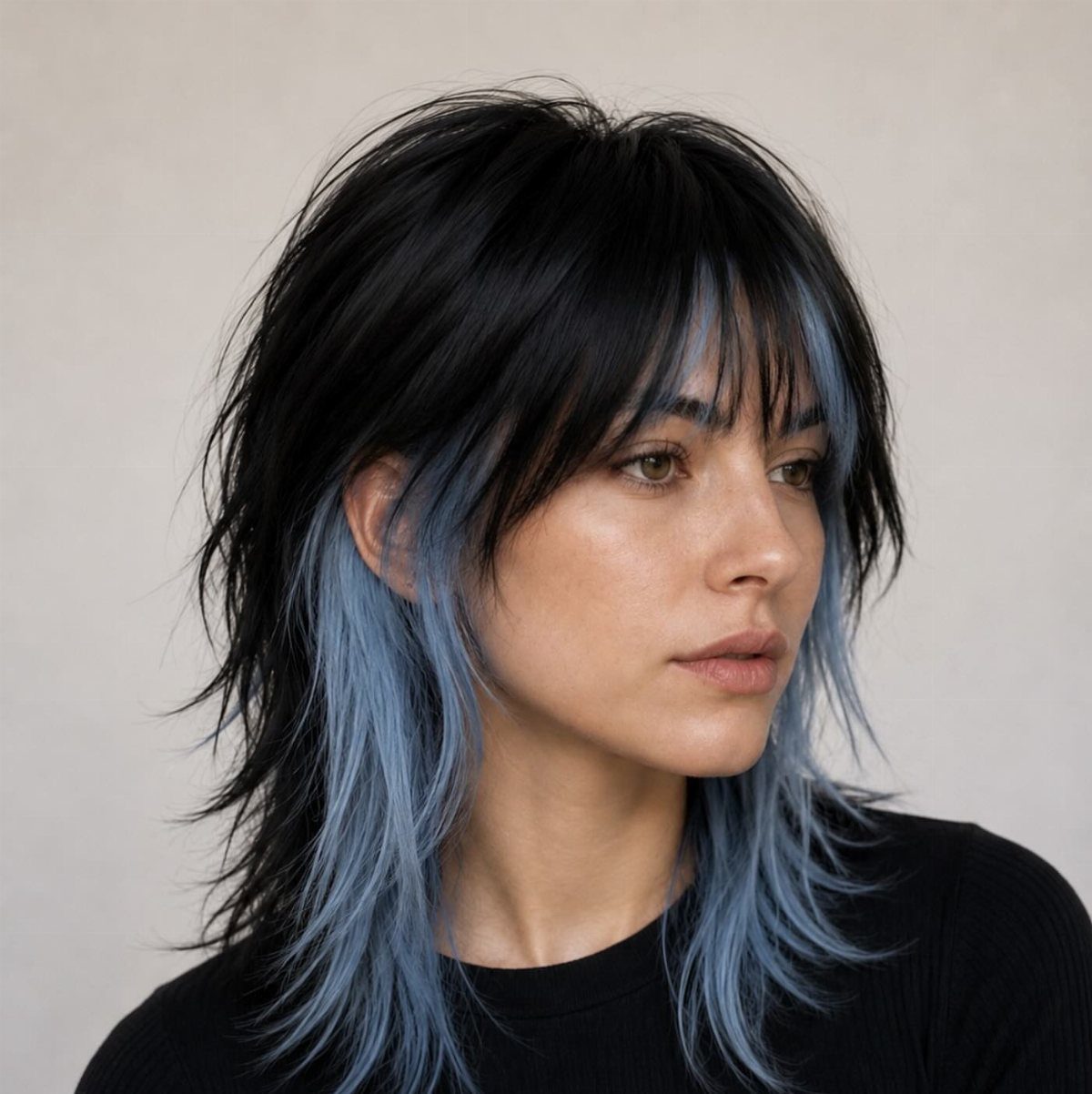
Two tone splits the hair into two distinct colors: one shade through the top and mid-lengths, then a shift to a second color on the lower sections.
That kind of horizontal divide usually happens at the nape or ear level, though some place it higher to show more of the second color when the hair is down.
You can do this at home if you’re comfortable sectioning and keeping the colors from bleeding into each other, and semi-permanent dye for the second color makes it easier to change later.
If your base is already dark, you may need to pre-lighten the ends before applying a pastel or vivid shade so it shows up clearly.
4. Medium Brown
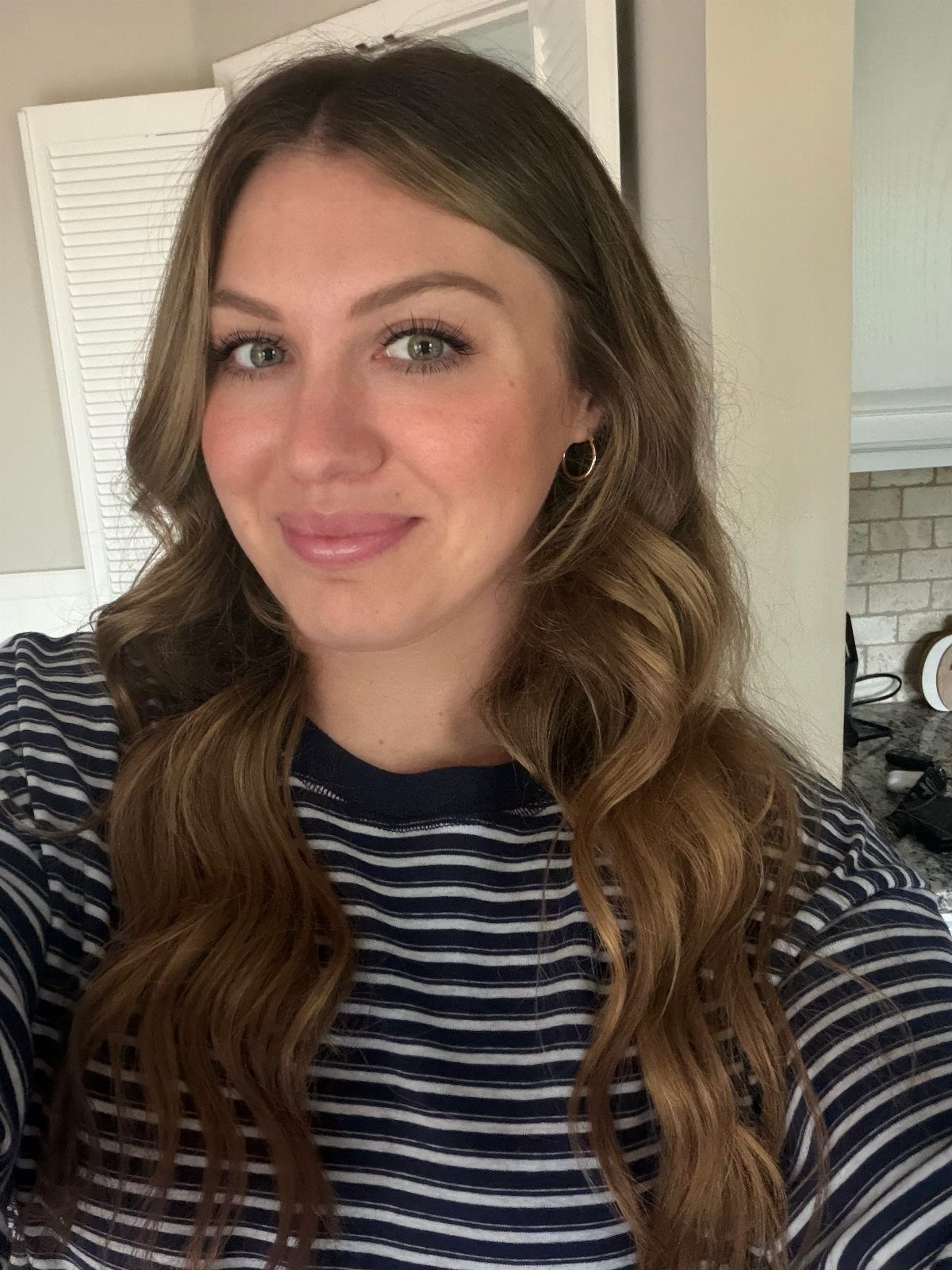
Medium brown is the level that sits between light and dark, usually landing around a 5 or 6 on a 10-level chart.
It has enough depth to look rich indoors but catches light outdoors, and it suits most skin tones because you can steer it warmer or cooler depending on the undertone you choose.
If you’re going lighter from dark brown, this is a sensible halfway point that still looks intentional and not like you stopped mid-process.
Going darker from blonde takes one session with a demi or permanent formula, and root touchups are easier to blend when the color is not at either extreme.
5. Champagne Blonde
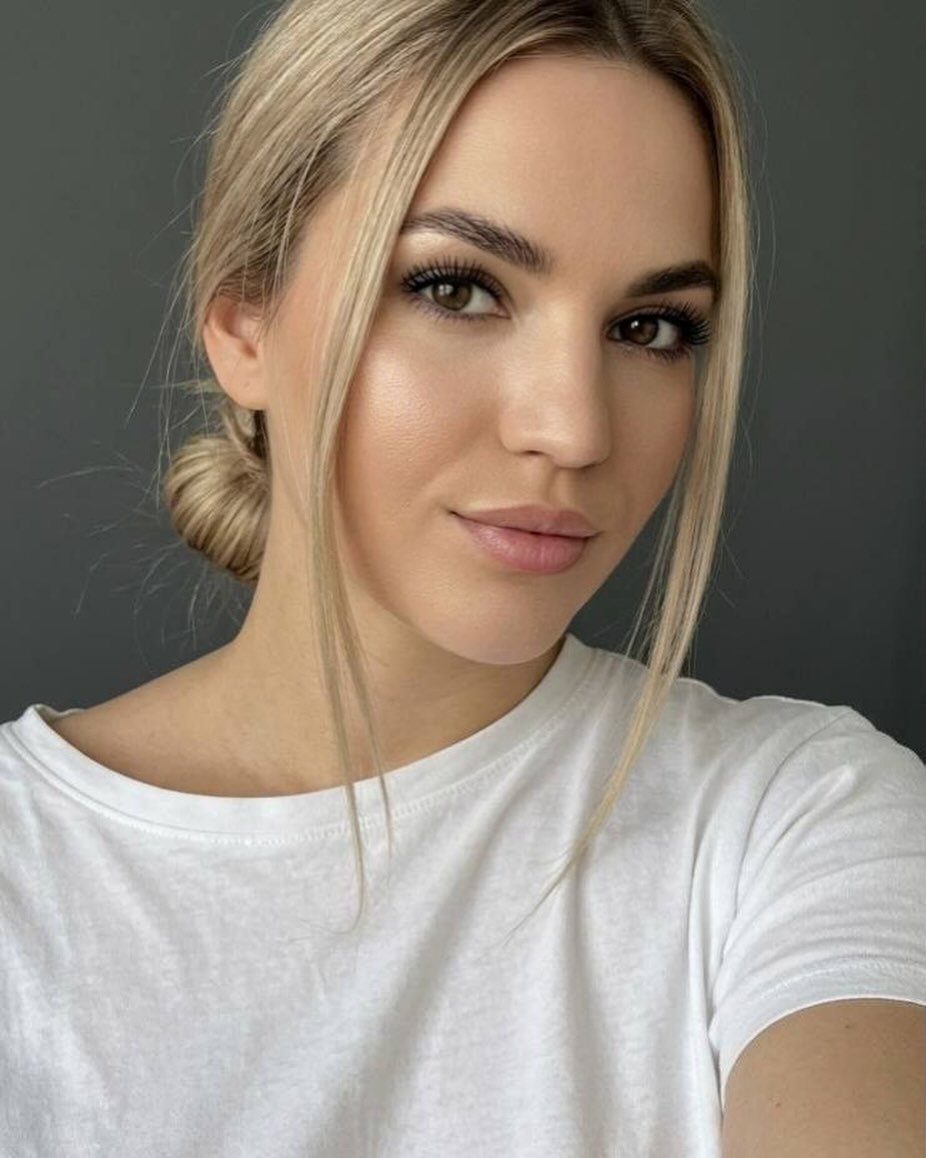
Champagne blonde is a soft, neutral-to-cool shade with just enough warmth to keep it from reading gray, and it pairs well with fair skin and blue eyes.
Pale and even, with no obvious bands of tone, usually means a lifted base toned with something violet-based to cancel any remaining yellow.
This shade fades faster than deeper blondes because it starts so light, so a purple shampoo every few washes keeps it from turning brassy.
If your natural color is medium brown or darker, plan for at least one bleach session and a toner, and expect to refresh the toner regularly.
6. Beige Blonde
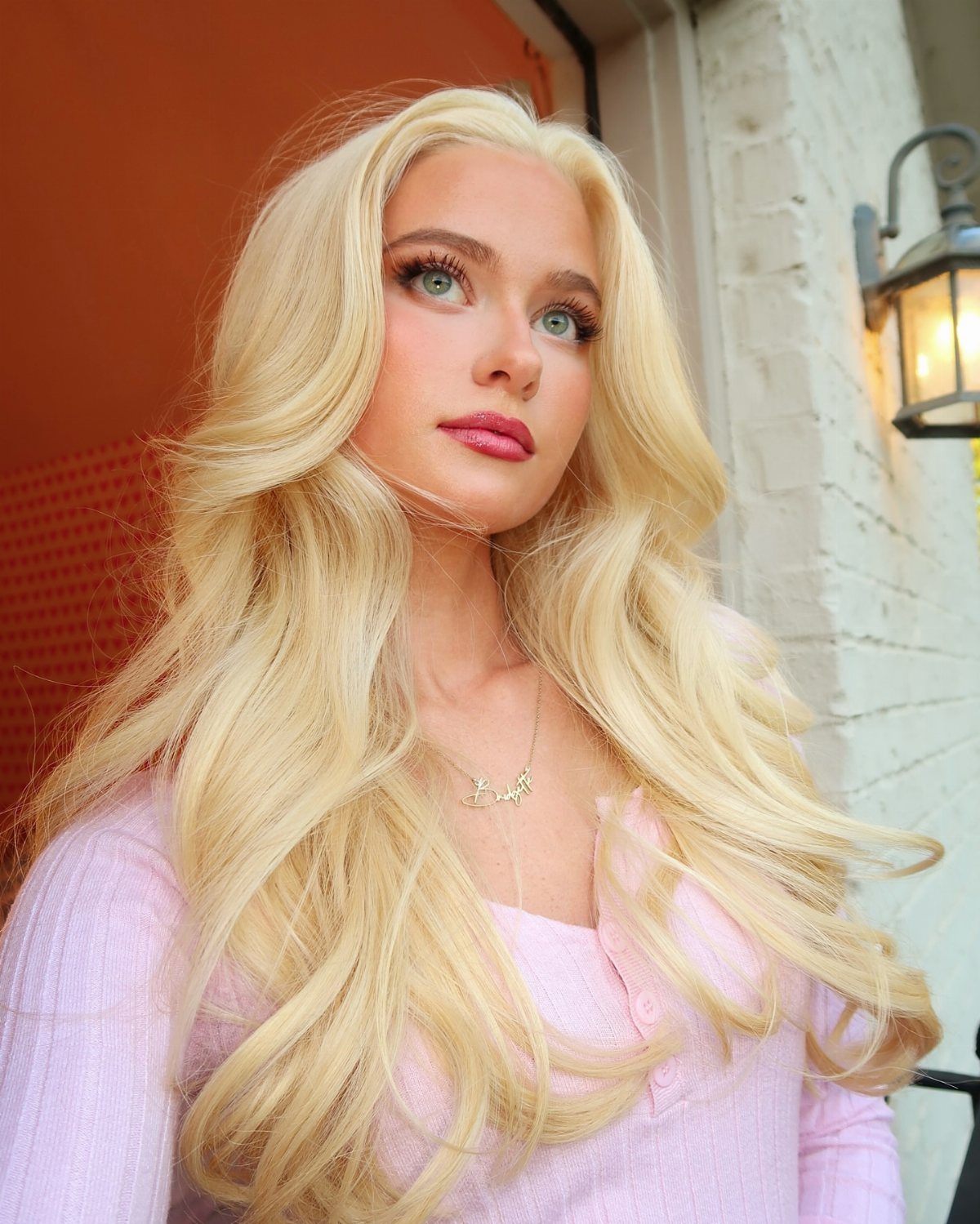
Beige blonde is a pale, slightly sandy shade that skews neutral with a hint of warmth, and it flatters green eyes and skin with a bit of color.
Very light beige without much gold reads consistent from root to ends when the hair is long enough.
This tone usually starts with lifting to pale yellow and then toning with ash or neutral to knock out the brass without going fully cool.
If you have naturally light hair, a beige blonde is easier to reach than platinum because you can stop the lift slightly earlier, and it needs less aggressive toning to stay in range.
7. Ash Hair Color
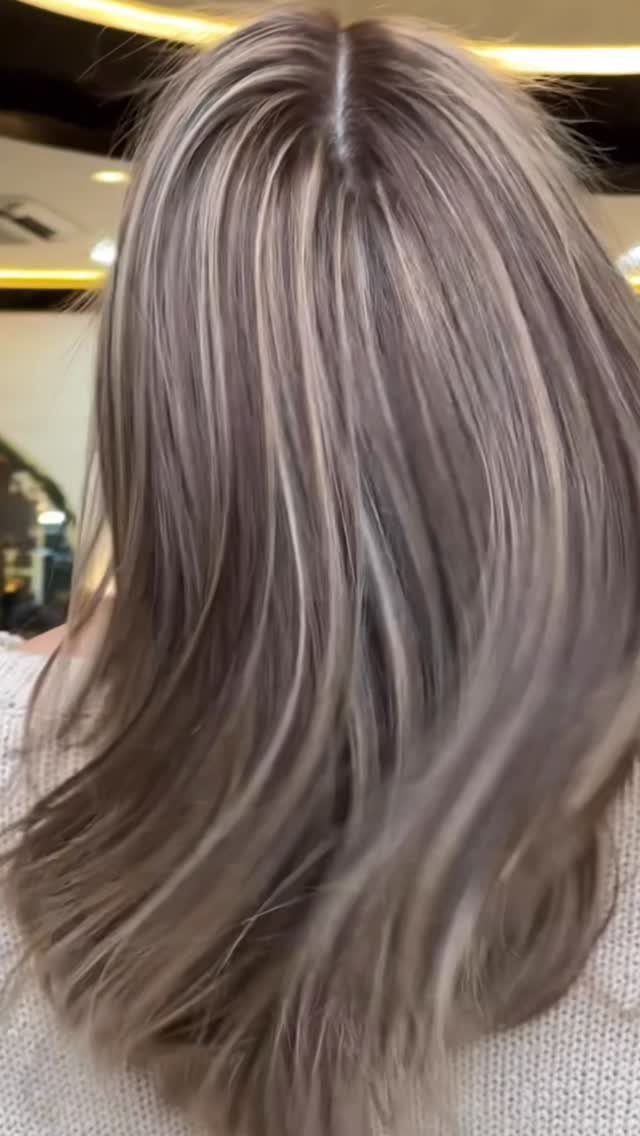
Ash tones lean cool and gray, designed to cancel the orange or yellow that shows up when hair oxidizes or fades.
If your hair tends to go brassy a week after coloring, an ash formula can keep it looking fresher for longer.
Most ash dyes deposit blue or green pigment to neutralize warmth, and they work best on hair that is already light enough to show that shift.
On very warm or dark bases, ash can look muddy instead of cool, so lifting first usually gives a cleaner result.
Whether you talk to your stylist about subtle lowlights or go for a whole head of ashy mushroom brown, the cool-toned look is guaranteed to make you look 25 percent more like an off-duty model.
— Hair.com
8. Golden Hair Color
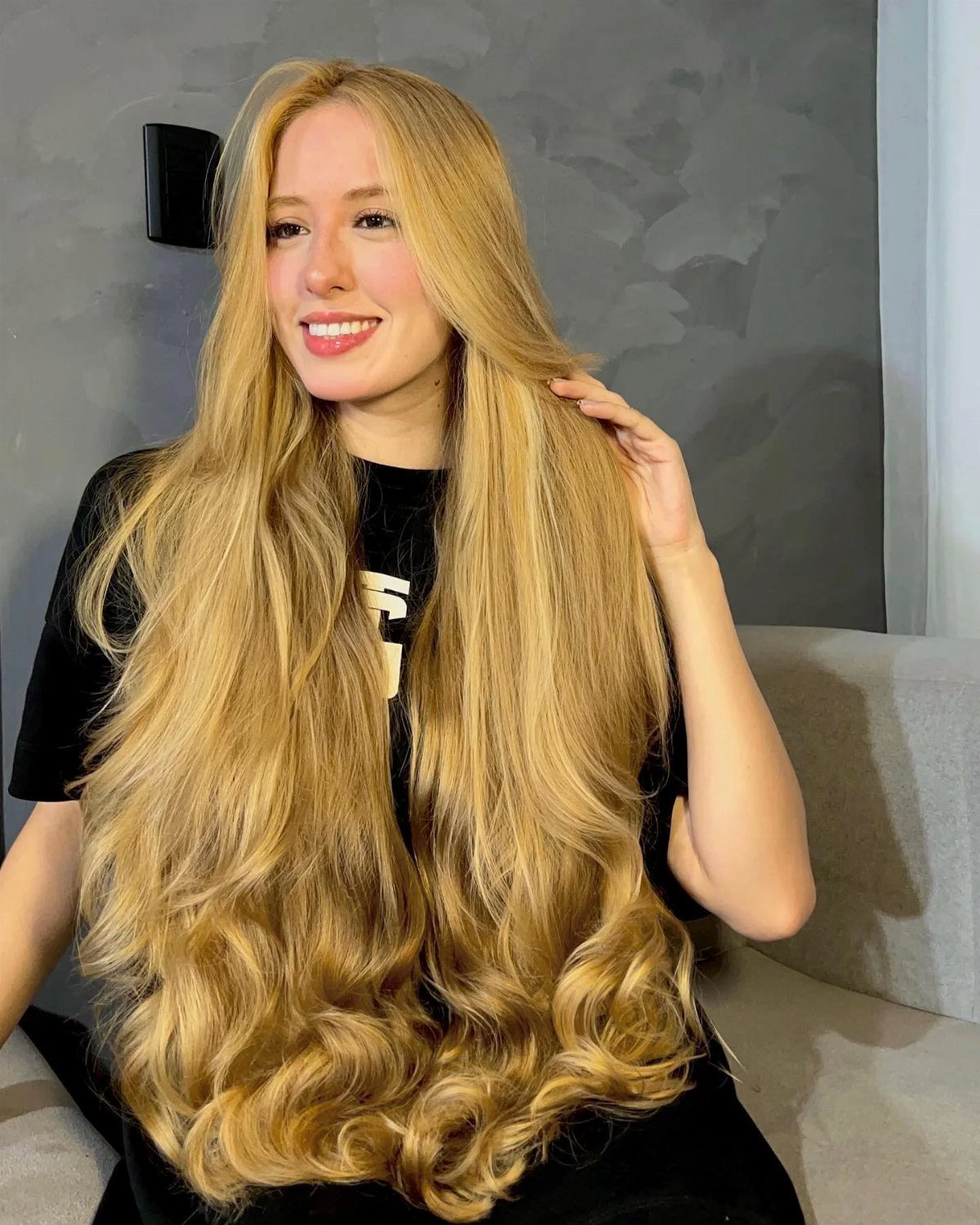
Golden shades pull yellow and warm honey tones into brown or blonde, and they suit skin that has warmth in it. If your natural undertone is olive or golden, this family tends to look more integrated than something cool-toned.
You can add gold to hair that is already light by using a demi-permanent formula with a warm base, or by choosing a developer strength that deposits color without lifting much.
On darker hair, gold shows up best after some lightening, otherwise it reads as a subtle shift rather than a visible change.
9. Red Hair Color
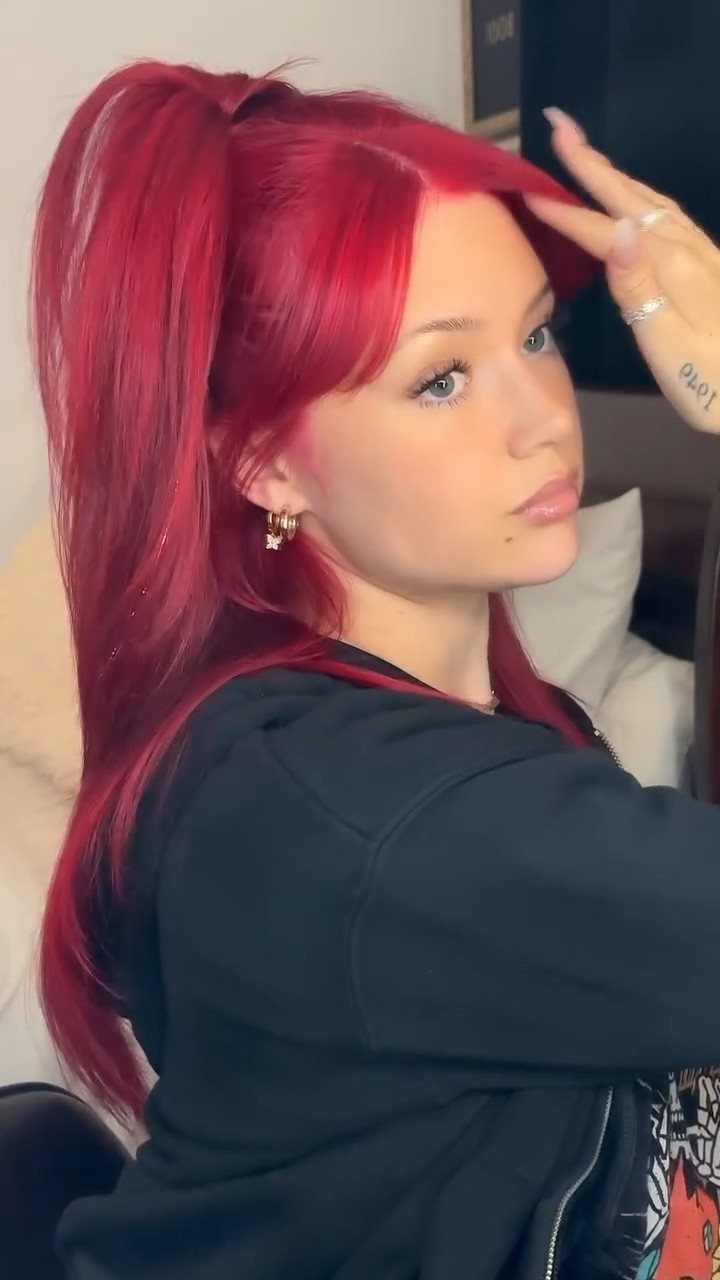
Red spans copper, burgundy and everything in between, and it fades faster than any other color family because the pigment molecules are larger and rinse out more easily. Plan to refresh it regularly if you want it to stay vivid.
If you’re starting from dark hair, lifting to at least a medium brown base helps the red show up true instead of looking muddy.
On already-light hair, a semi-permanent red gives you the color without the commitment, and it washes out gradually over several weeks.
10. Chocolate Brown
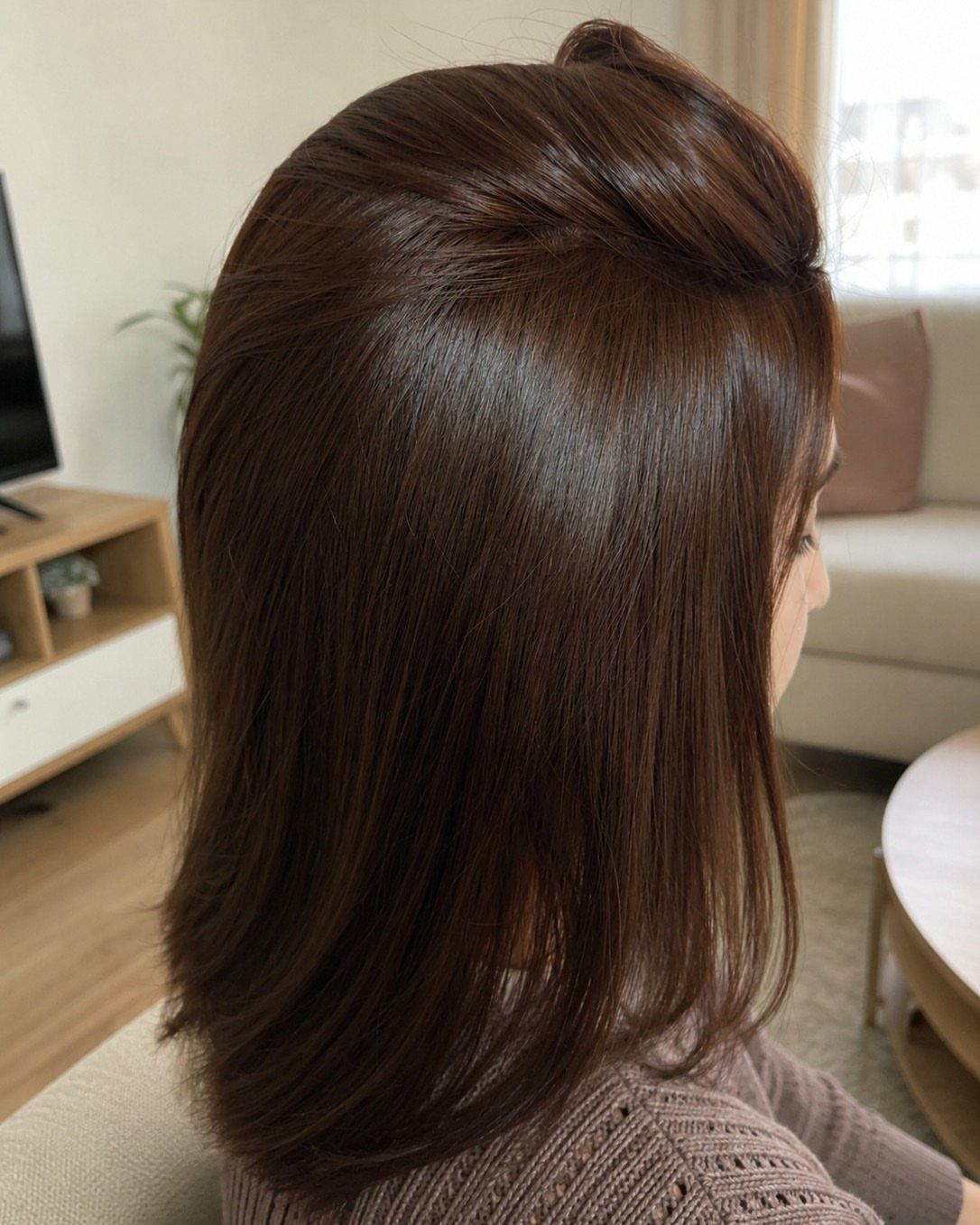
Chocolate brown is a deep, warm shade that sits darker than medium brown but still catches light, and it flatters most skin tones because the warmth keeps it from looking flat.
The slight red or gold undertone gives it dimension, so it does not read as a single block of color.
If you’re lifting from black, this is a gentler stopping point than trying to go straight to caramel or honey.
Going darker from blonde or light brown is straightforward with a permanent formula, and the color holds well between touchups because the depth hides any fading.
11. Auburn Hair
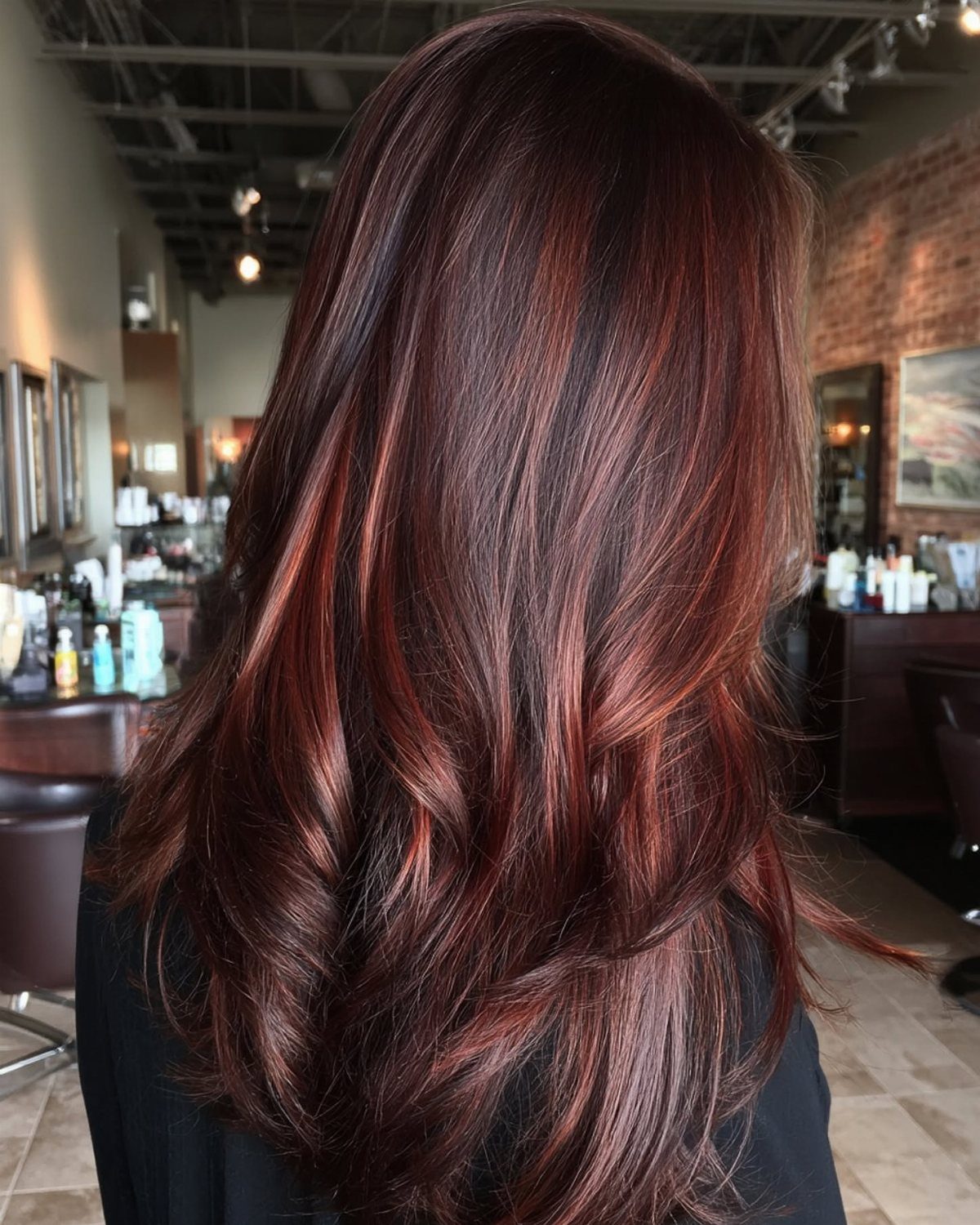
Auburn sits between brown and red, with enough red to read warm but enough brown to stay grounded. Lighter auburn can look almost coppery in sunlight, while deeper auburn leans closer to burgundy or mahogany.
This shade works best on hair that has been lifted to at least a medium brown, because the red tones need a light enough base to show clearly.
If your starting color is very dark, expect to pre-lighten before applying the auburn, and use a color-depositing conditioner between sessions to keep the red from fading too fast.
12. Red Brown
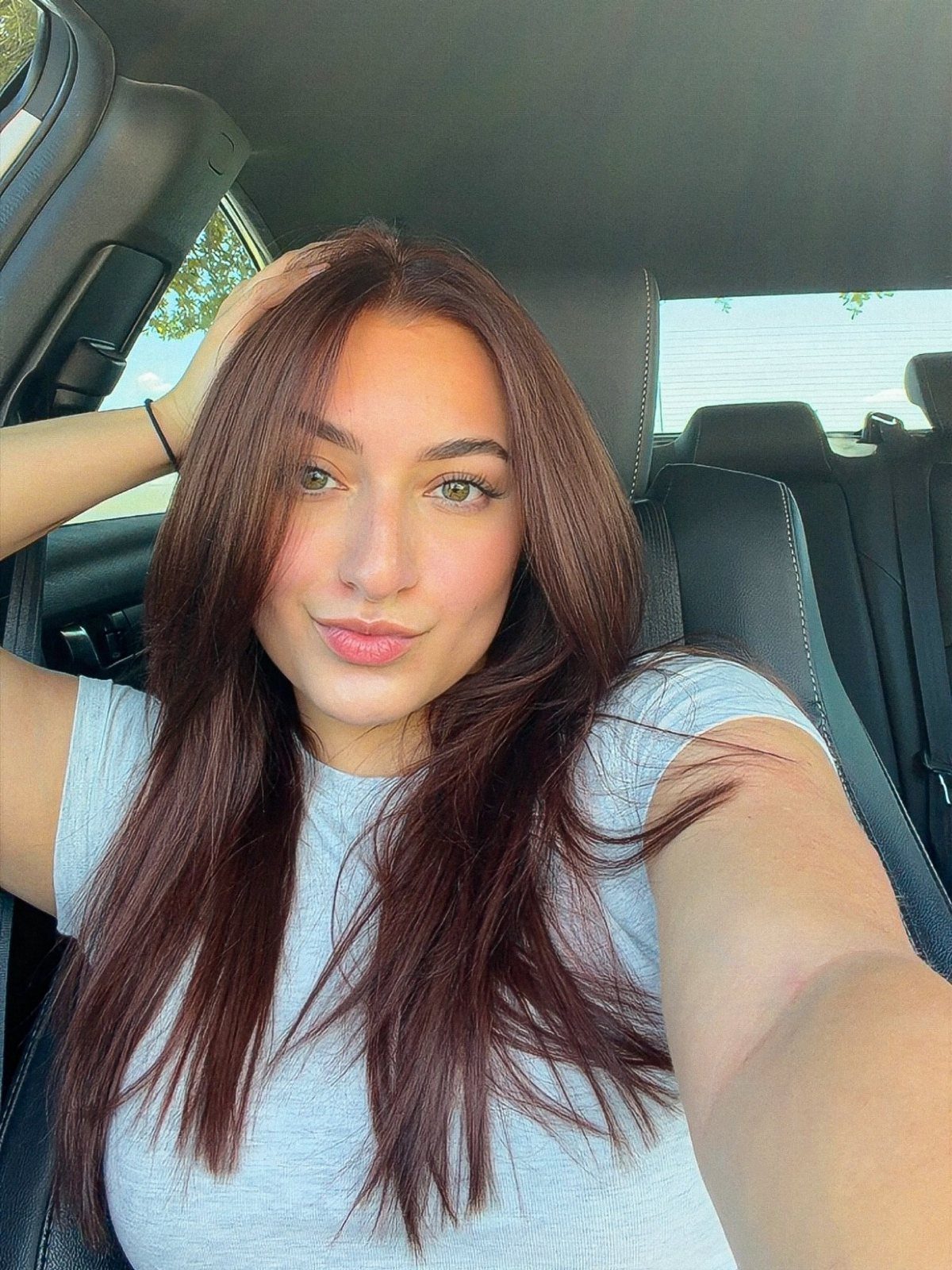
Red brown is brown with a copper or auburn cast, warmer than chocolate but not as vivid as true red.
It suits medium skin tones and hazel eyes, and it tends to fade more gracefully than pure red because the brown base stays even when the red starts to wash out.
You can get this color in one session if you’re starting from light to medium brown, and a demi-permanent formula gives you the shift without a harsh root line as it grows.
On darker hair, lifting a few levels first lets the red tones come through without looking muddy.
13. Light Brown
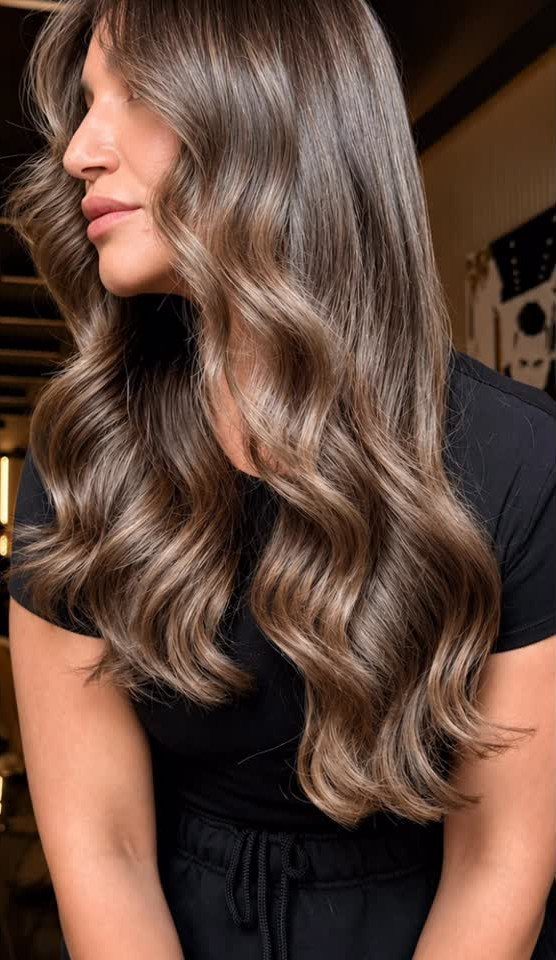
Light brown sits between medium brown and the darkest blondes, reading soft enough to look approachable but still grounded. It suits almost any skin tone because you can adjust the undertone slightly warmer or cooler depending on what flatters you.
If you’re going darker from blonde, this is an easy first step that does not feel too heavy, and if you’re lifting from darker brown, it is a reachable goal in one session.
Root regrowth blends more forgivingly at this level than it does with very dark or very light hair.
14. Dark Brown
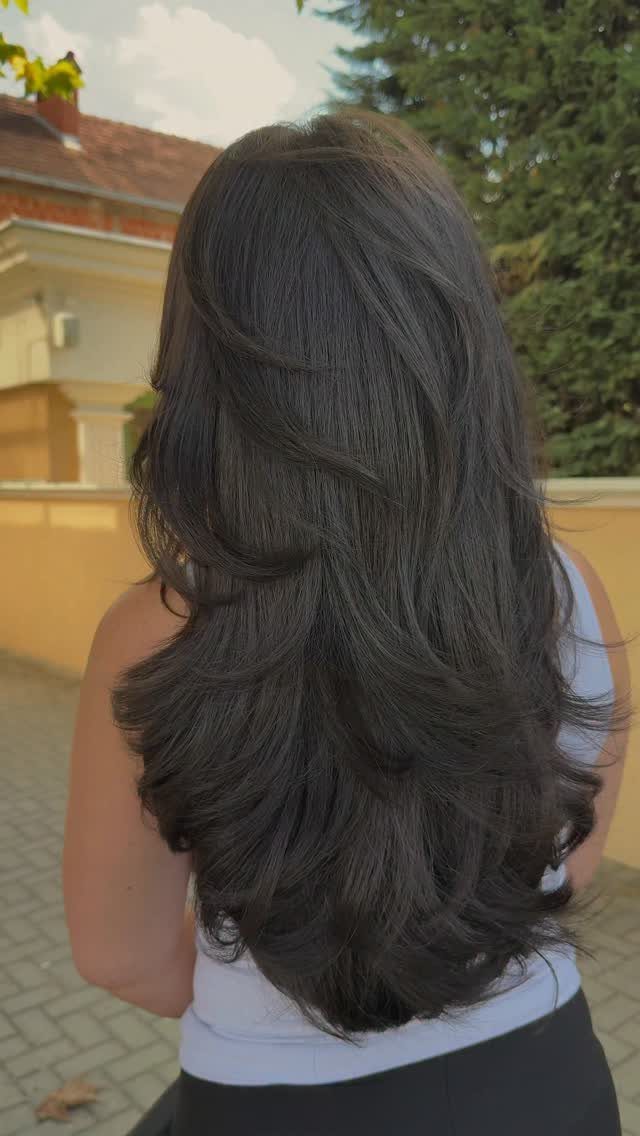
Dark brown is the deepest shade before black, rich enough to look nearly opaque in low light but still showing dimension when the sun hits it. It works on most skin tones and looks polished without needing much styling.
Going from black to dark brown requires lifting, usually with a color remover or bleach, and may take more than one session to avoid damage.
15. Honey Brown
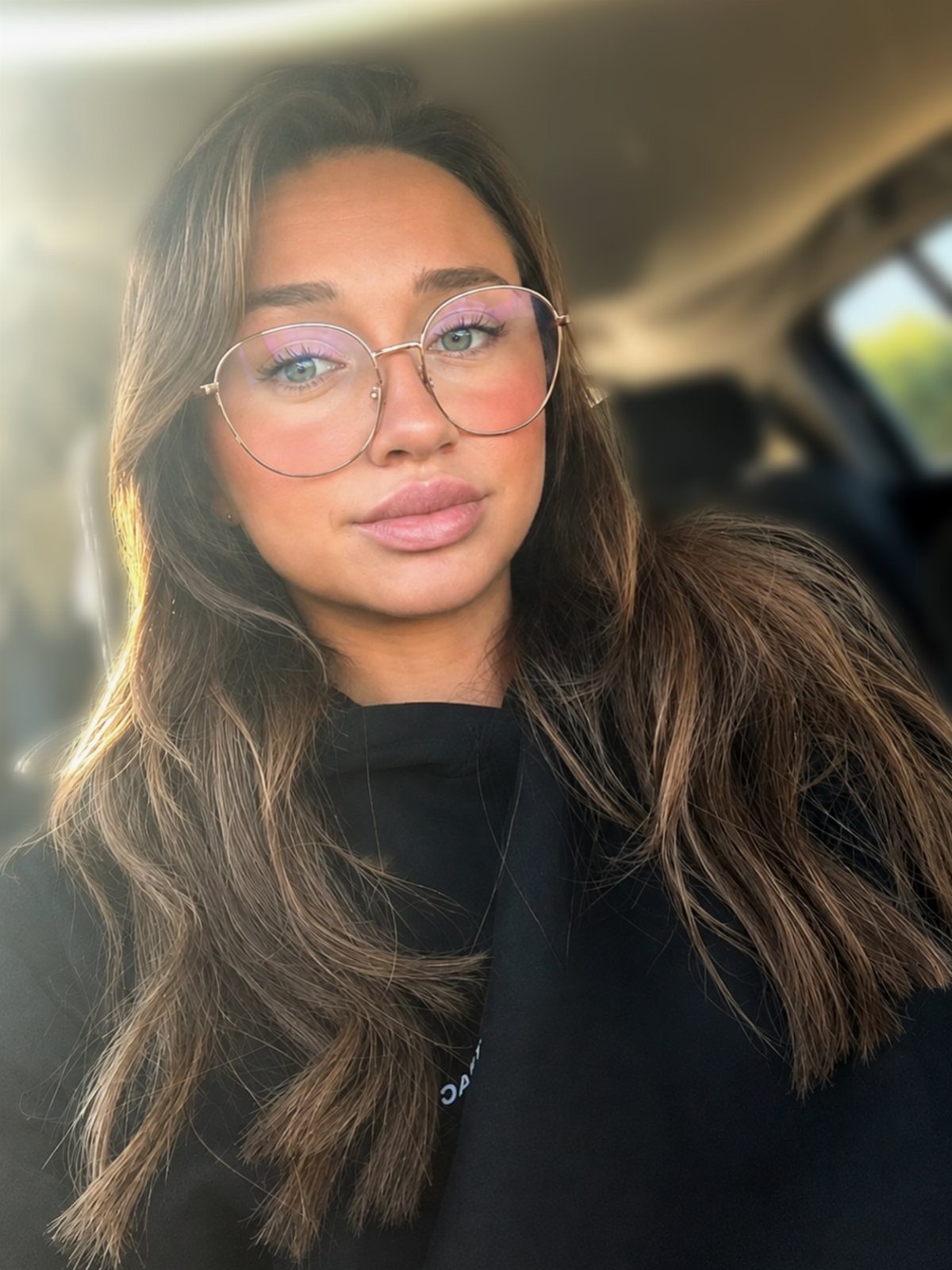
Honey brown is a warm, golden brunette with enough lightness to catch the light, and it suits warm or neutral skin tones. The golden undertone keeps it from looking flat, and it pairs well with brown or hazel eyes.
If you’re starting from medium or dark brown, this usually means lifting a level or two and then toning with something warm to bring out the honey. On lighter hair, a demi-permanent formula can deposit the warmth without much lift.
16. Golden Brown
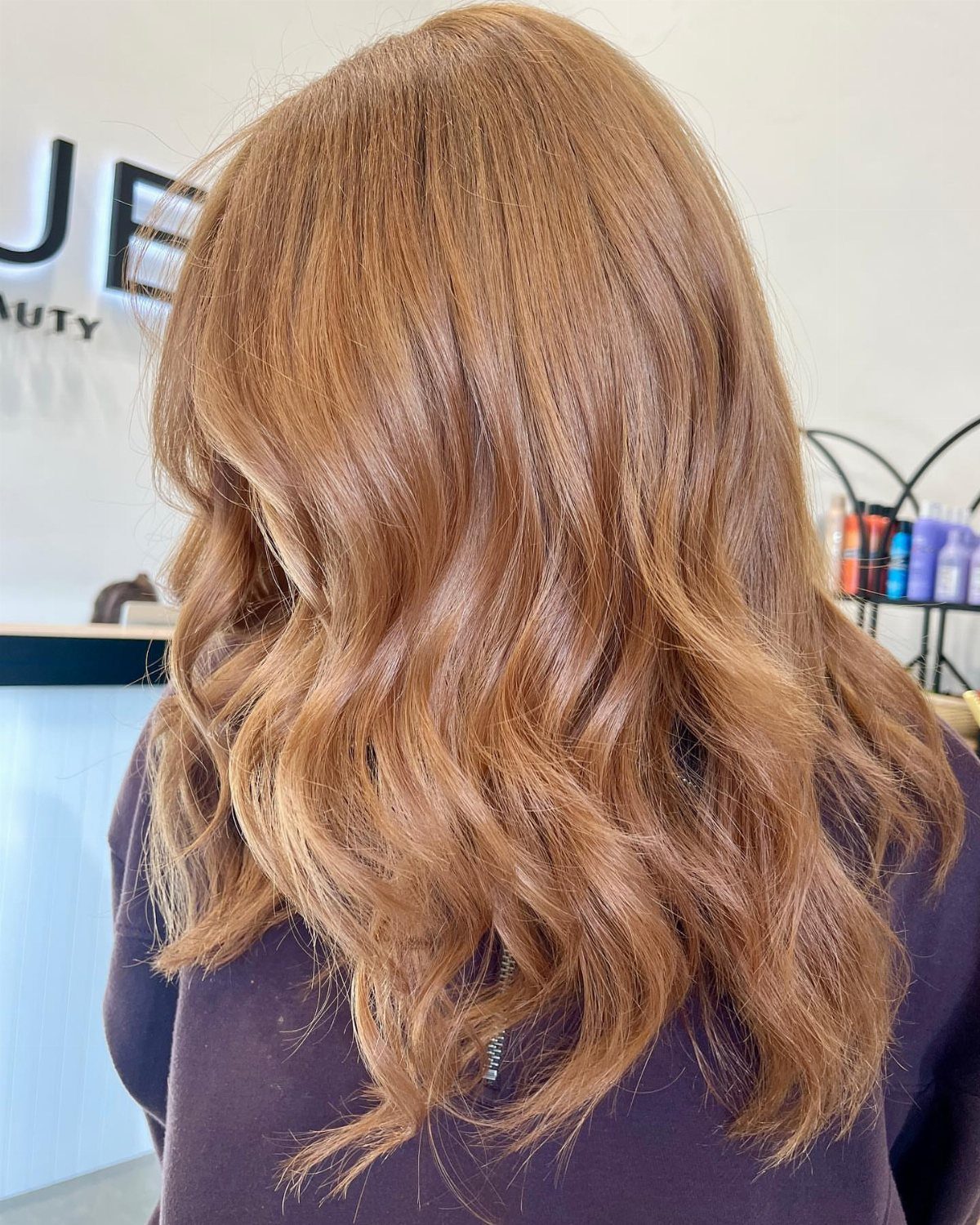
Golden brown is a sun-warmed brunette with caramel and honey tones woven through, and it suits skin with warmth or olive undertones.
The lighter pieces catch differently than the base, so it reads dimensional even when the hair is one overall color.
You can get this by lifting brown hair a level and adding a warm toner, or by placing partial highlights through a medium brown base.
If you’re starting from blonde, a golden brown demi-permanent formula deposits the depth while keeping the warmth.
17. Pink Hair
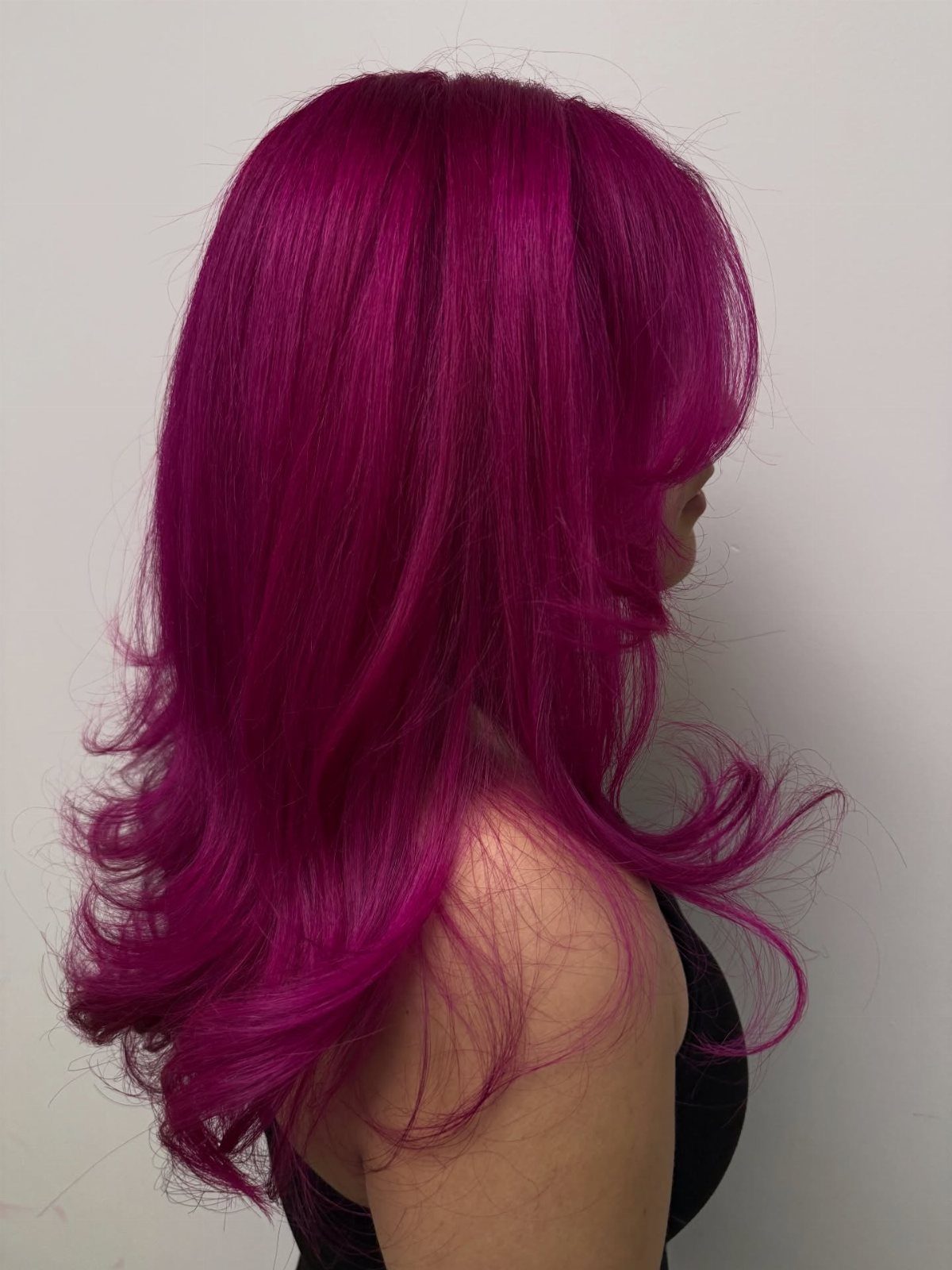
Pink hair ranges from soft pastel to vivid magenta, and it requires pre-lightening if your starting color is anything darker than pale blonde. The brighter the pink, the paler the base needs to be for it to show true.
Semi-permanent formulas fade gradually over several weeks, and you can refresh the color at home between salon visits with a color-depositing conditioner.
Pink fades faster than most colors, and it can leave a peachy or coral tint as it washes out.
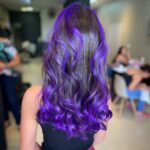
18. Purple Hair
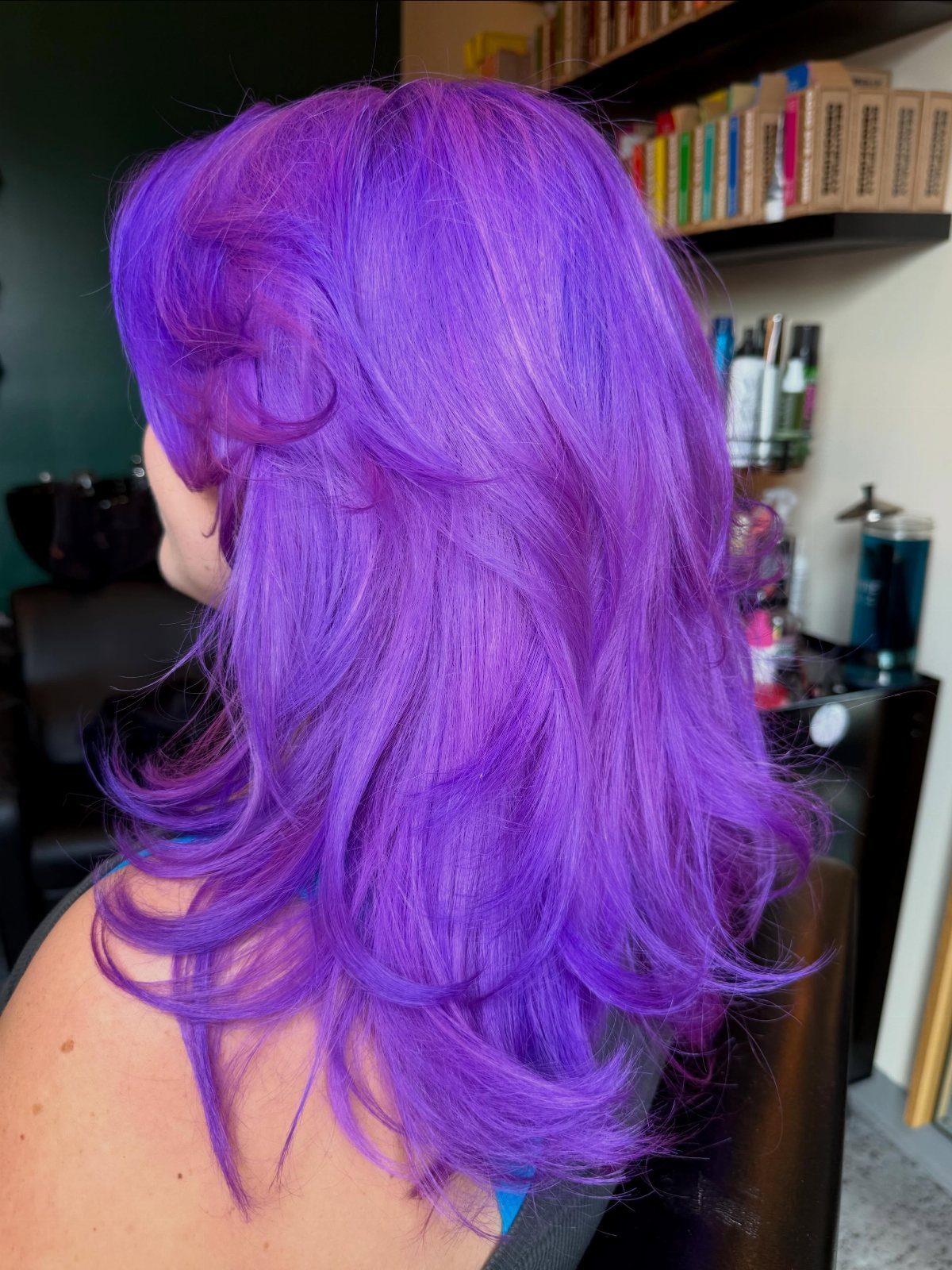
Purple hair can be soft lavender or deep violet, and like pink, it needs a light base to show up clearly.
If your hair is darker than pale blonde, plan to bleach it first so the purple does not turn muddy.
Semi-permanent purple fades over time, often shifting to a cooler tone as the warmth washes out.
A purple-depositing conditioner between color sessions keeps it vivid, and you can let it fade completely if you want to try a different shade later.
19. Copper Hair Color
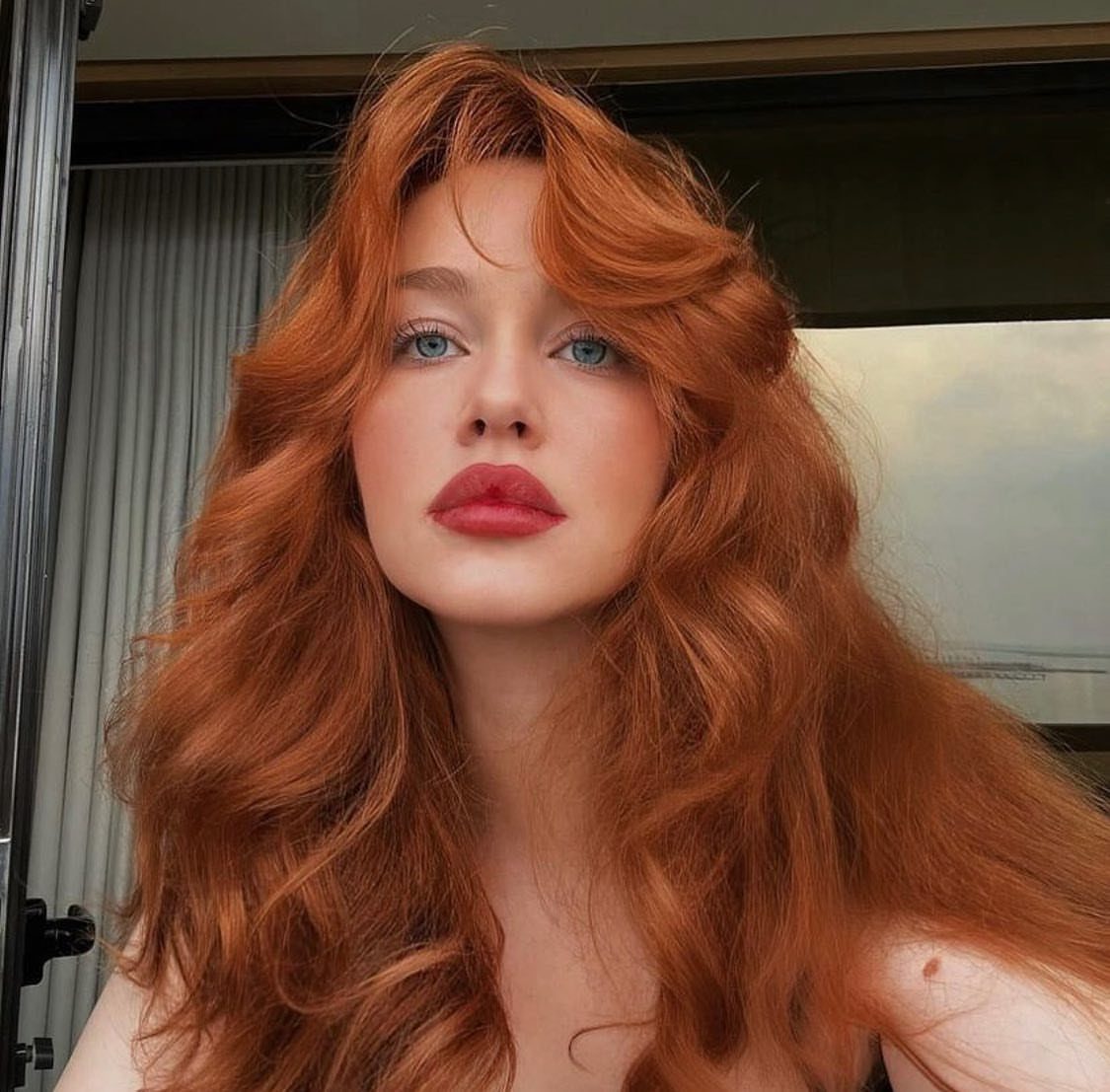
Copper leans orange rather than burgundy, bright and warm enough to catch attention in full sun. Copper flatters warm undertones and makes green or hazel eyes look brighter.
You need a lifted base for true copper to show, usually lightened to at least a medium blonde before applying the color. On darker hair that has not been pre-lightened, copper can turn muddy or read more auburn than orange.
Semi-permanent copper fades quickly, often shifting peach or gold as it washes out, so a copper-depositing conditioner between sessions helps keep it vivid.
20. Violet Hair Color
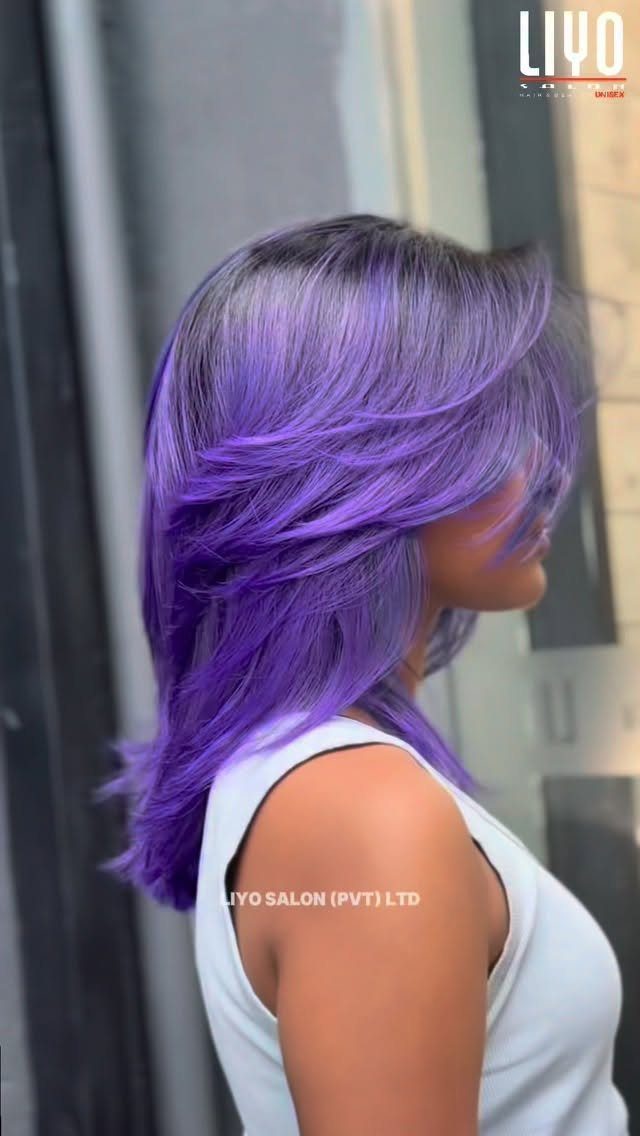
Violet runs cooler than purple, with more blue in the mix, and it can help balance yellow or brassy tones in hair that has been lifted.
If your hair pulls warm after bleaching, a violet toner or semi-permanent color can shift it cooler without going fully silver. On hair that is darker than pale blonde, violet tends to look muddy instead of true.
The red in violet drops out faster than the blue, so the color shifts cooler each wash.
21. Mahogany Hair Color
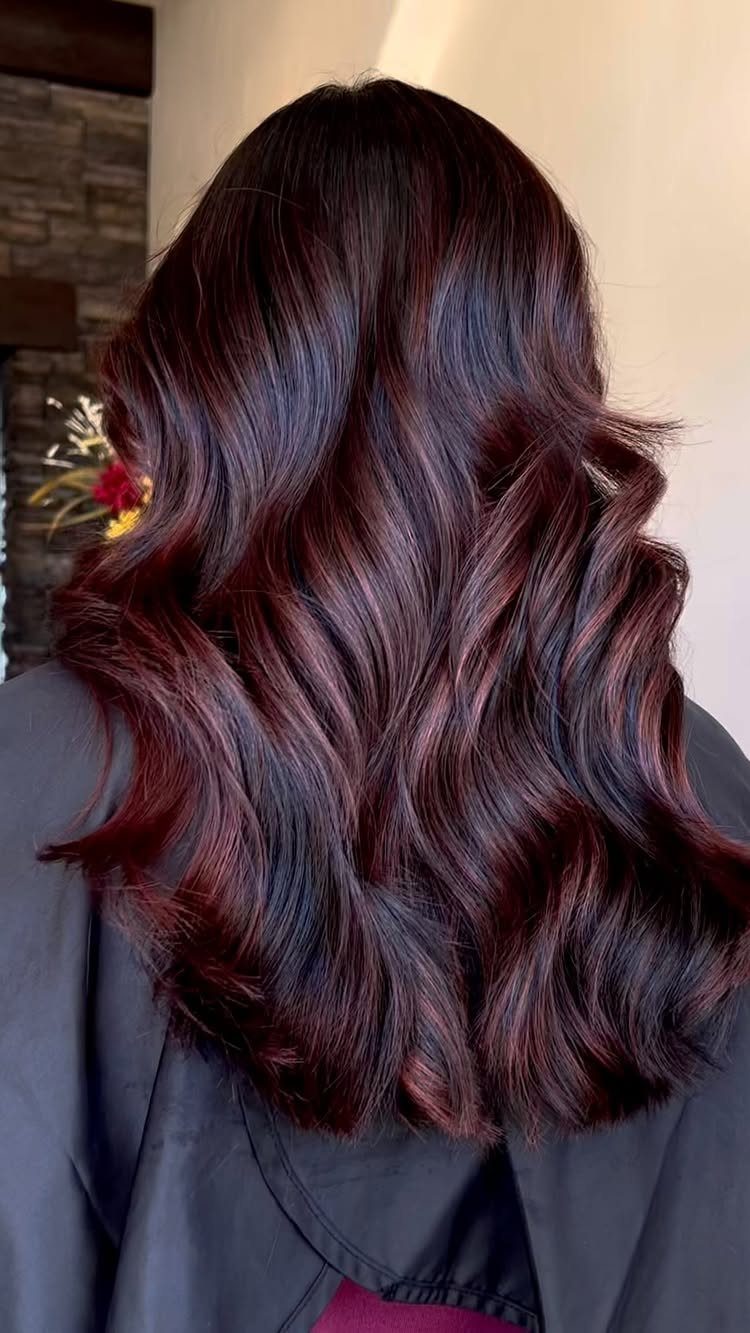
Mahogany blends red and violet into a deep brown, richer than auburn and cooler than chocolate. The violet undertone keeps it from reading orange, and it suits cooler or neutral skin tones.
This shade works best on hair that is already medium brown or darker, because the depth helps the red and violet tones show without looking flat.
If you are starting from very dark hair, lifting a level or two before applying the mahogany gives it more dimension.
The red fades faster than the brown, so the color can lose some of its richness between touchups.
22. Strawberry Blonde
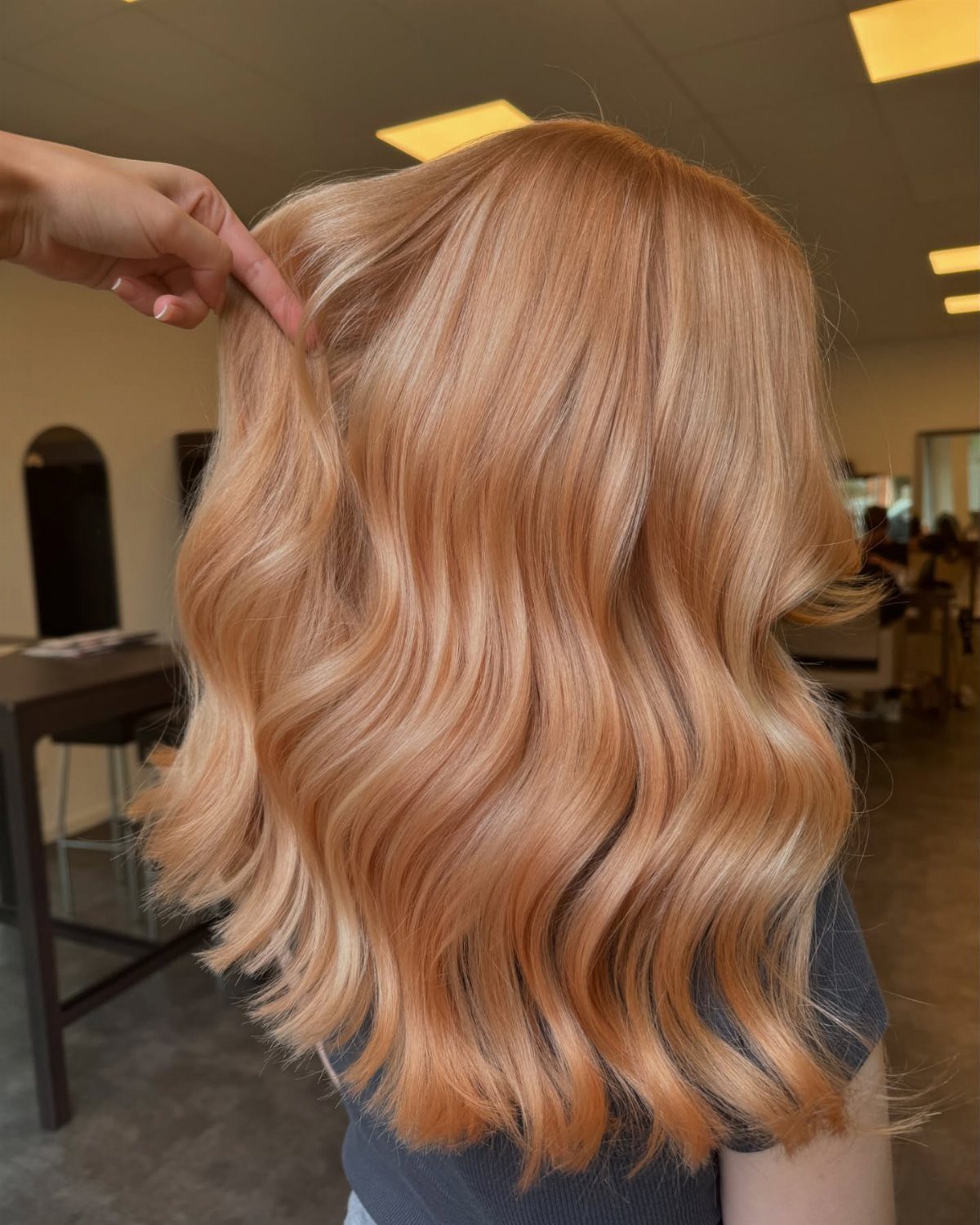
Strawberry blonde is a pale, peachy red-blonde that leans warmer than champagne but softer than copper. It suits fair skin and light eyes, and it reads as a natural-looking shade even though it takes work to get there.
Darker hair needs pre-lightening to at least a pale blonde before the red tones show clearly, otherwise the result can look more golden than peachy.
Plan to top up the tone every few weeks as the red washes out and the blonde comes back through.
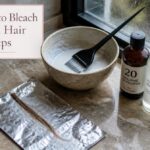
23. Hair Highlights
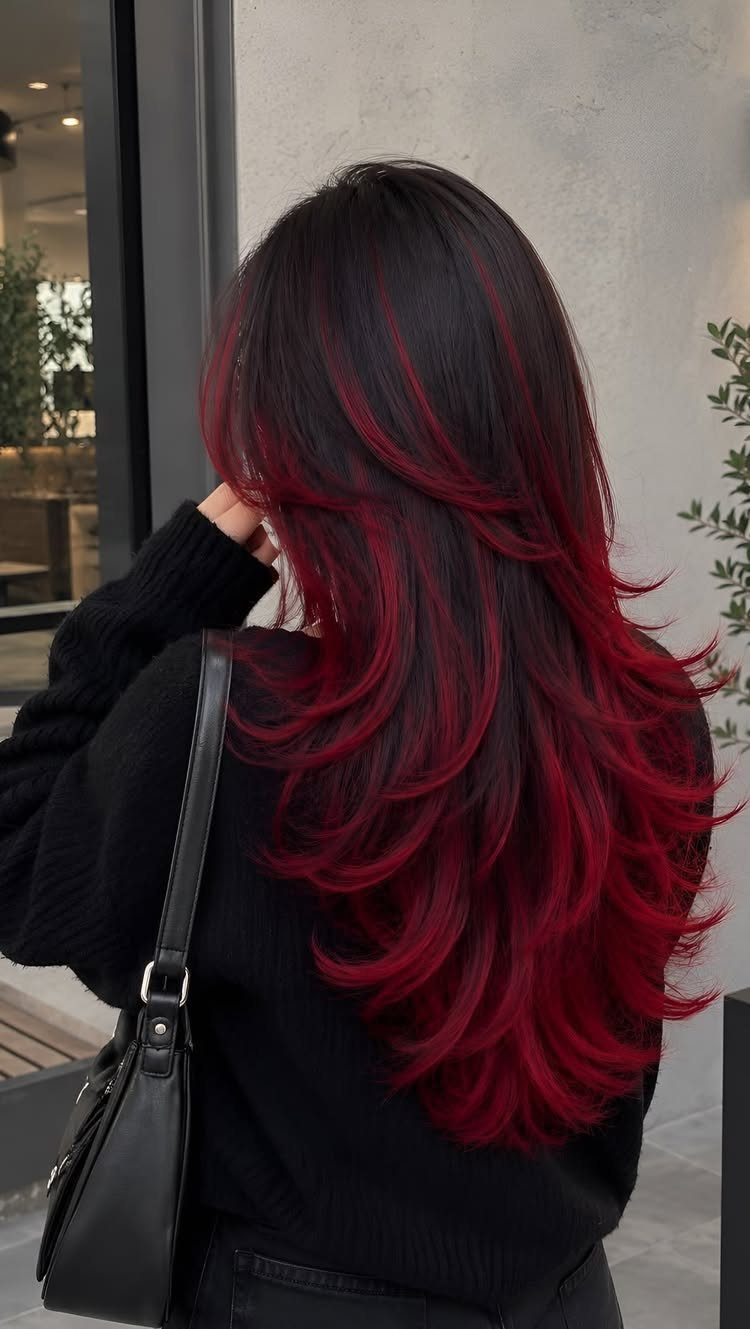
Highlights add lighter strands through the hair without coloring everything, and they create dimension by breaking up one solid shade. You can place them close to the roots for high contrast or lower down for a softer, grown-out look.
Foil highlights give precise placement and sharper lines, while freehand techniques like balayage create a more blended result.
If you are doing it at home, a highlight cap or a kit with a brush gives you more control than trying to section by hand.
Maintenance depends on how much contrast you start with: high contrast needs touchups every few months, while subtle highlights blend into regrowth more forgivingly.
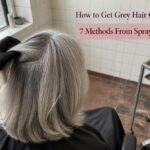
24. Gray Hair
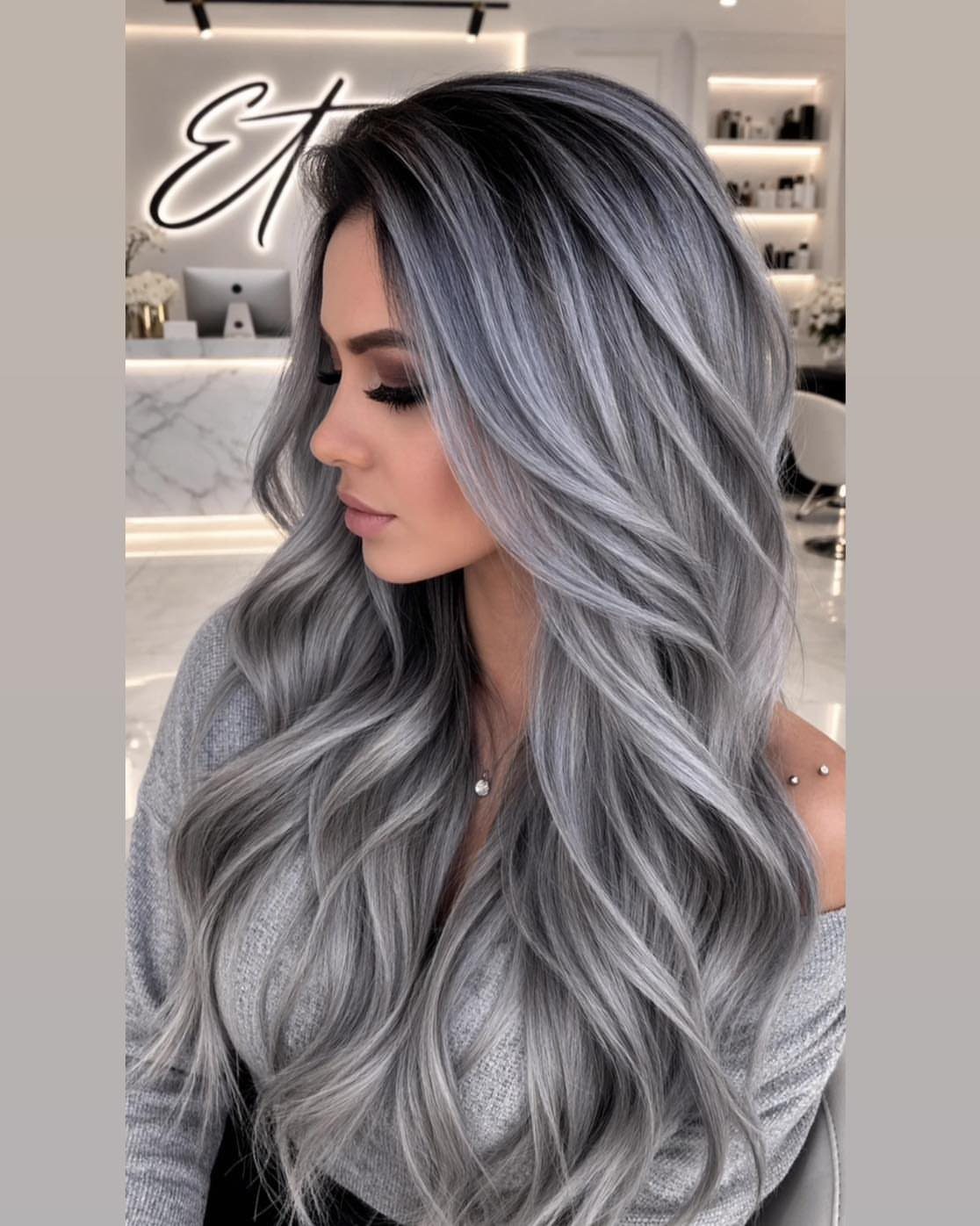
Gray as a color choice rather than natural regrowth sits between silver and charcoal, cooler than blonde but warmer than true silver.
It suits fair or cool-toned skin and can look polished without reading as a fashion color the way pastel shades do.
Achieving an even gray usually means lifting to pale blonde and then toning with a gray or silver formula to cancel any remaining warmth.
Gray holds better than pastel shades because the pigment is less vivid, but it still needs purple or silver shampoo between sessions.
25. Chestnut Brown
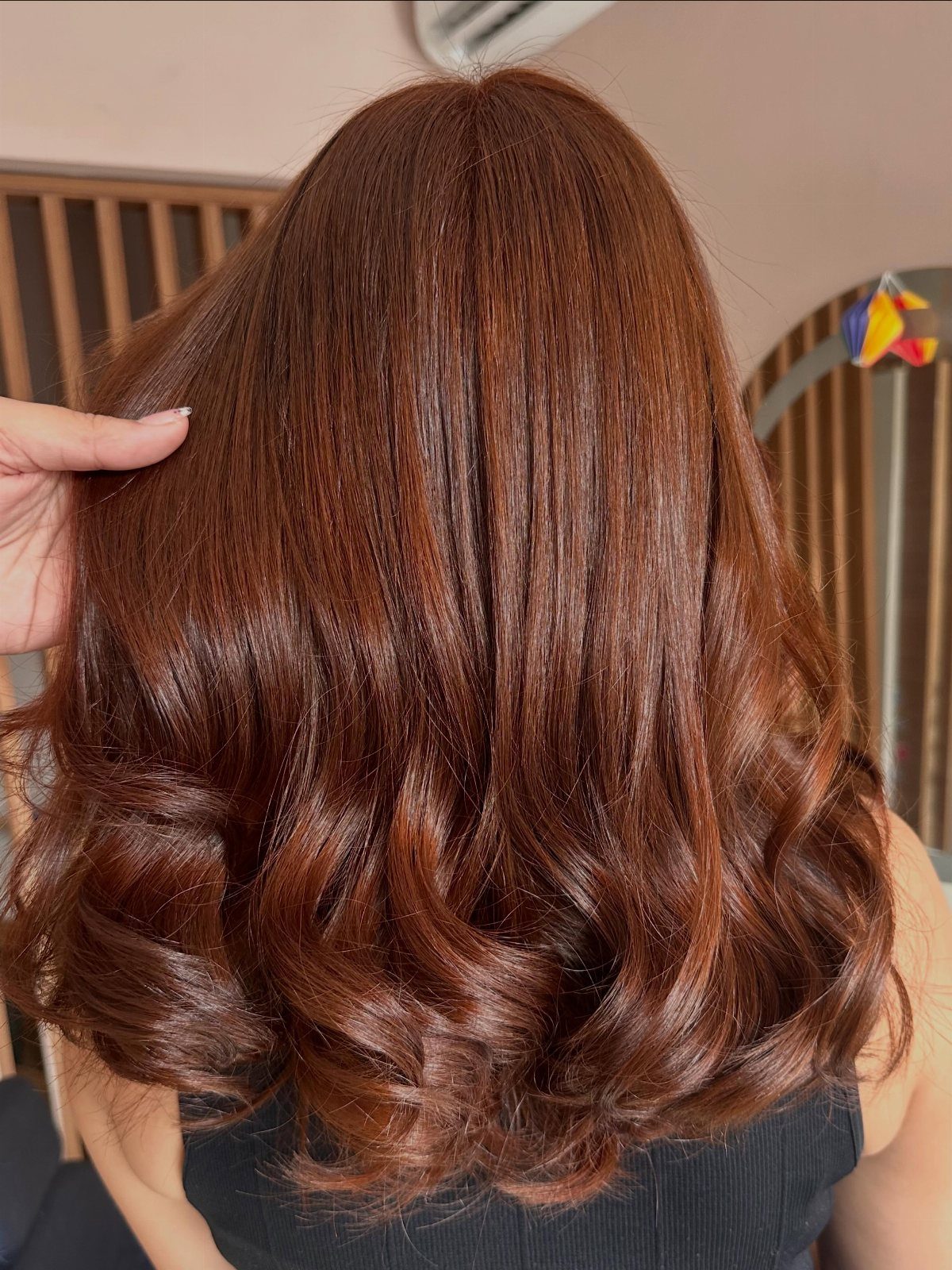
Chestnut brown is a mid-to-deep brown with a soft red cast, warmer than plain dark brown but more grounded than auburn. The red undertone shows most in direct light, giving the color some life without reading as obviously red.
From medium brown, a demi formula adds that warmth without needing to lift. From darker hair, you may need to lift a level first so the warmth comes through instead of disappearing into the base.
26. Reddish Brown
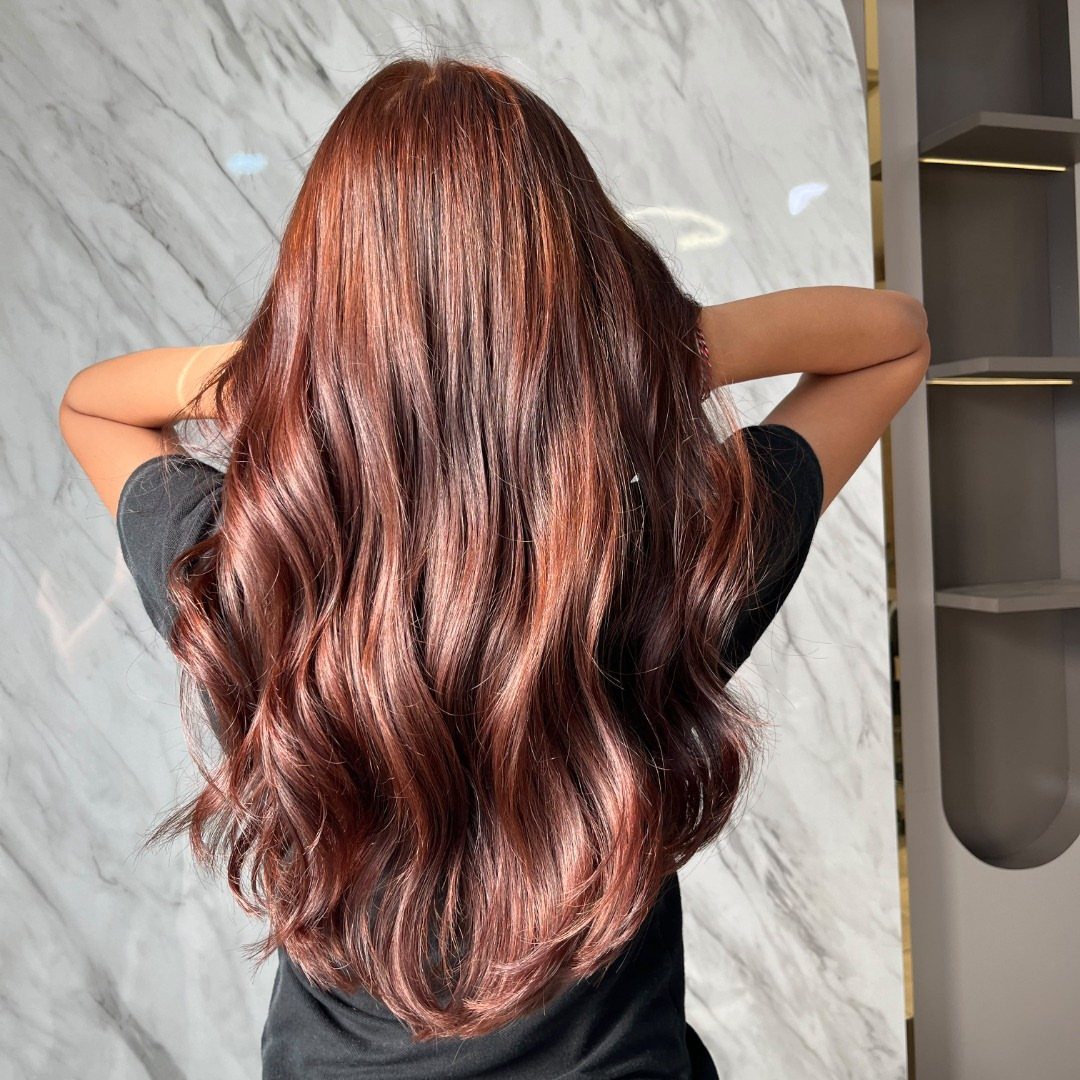
Reddish brown leans more visibly red than chestnut, with enough warmth that the red reads clearly even in low light. The brown keeps it from looking like a fashion color, but the red is the first thing you notice.
On medium brown hair, a permanent formula with red tones gets you there in one session.
Darker hair needs lifting first, and very dark hair may take 2 sessions to reach a base light enough for the red to show true instead of muddy.
Between salon visits, a red-tinted conditioner keeps the warmth from slipping away.
27. Caramel Brown
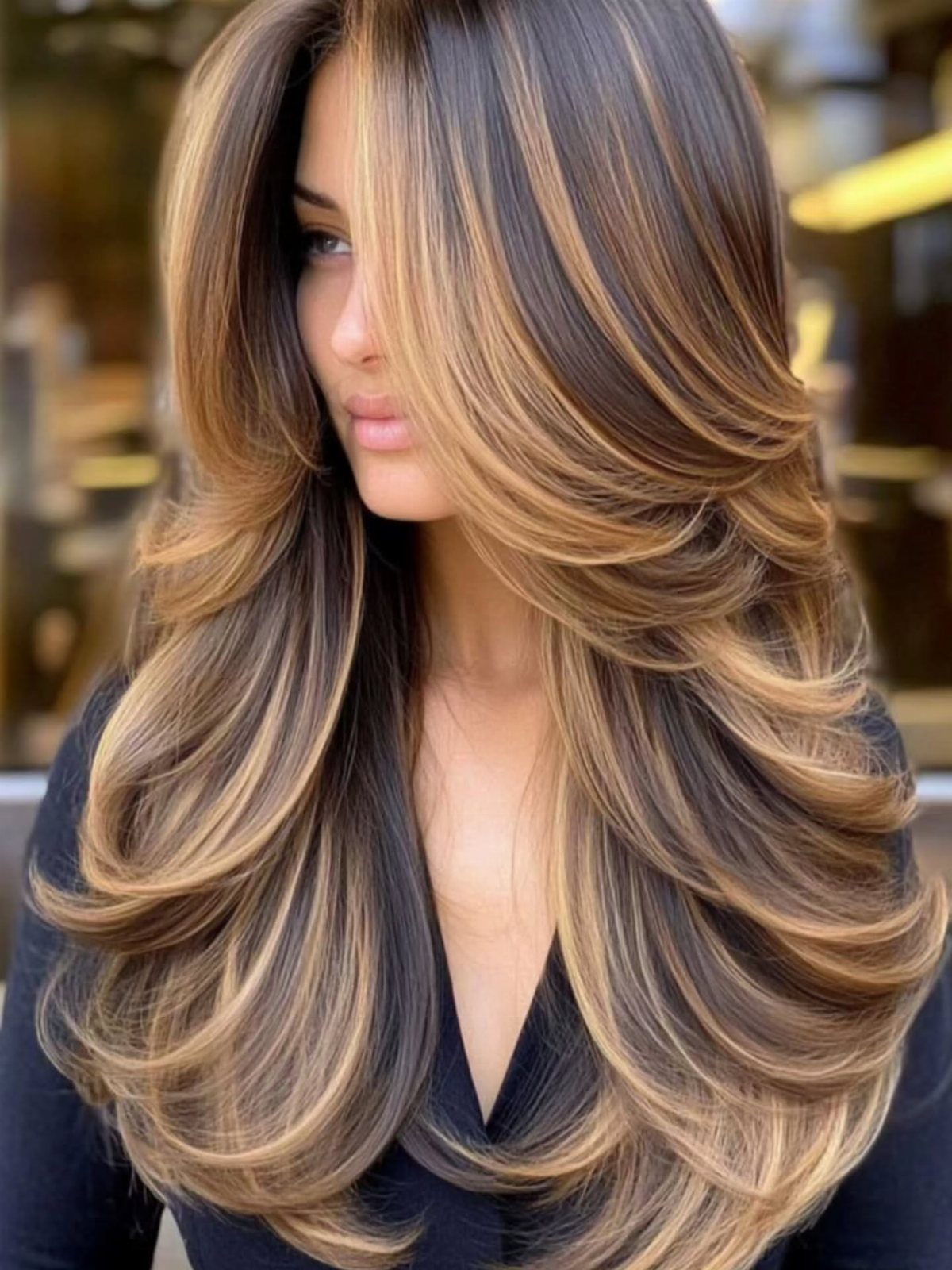
It’s light enough to pick up shine, and you can take it all over or weave it through darker hair as highlights. Gold or olive skin picks up the warmth well, and it flatters brown or green eyes.
Lifting medium brown a level or two and toning with something warm brings out the caramel, or you can place partial highlights to add dimension without coloring everything. On darker hair, expect to pre-lighten before the caramel shows clearly.
28. Blue Hair
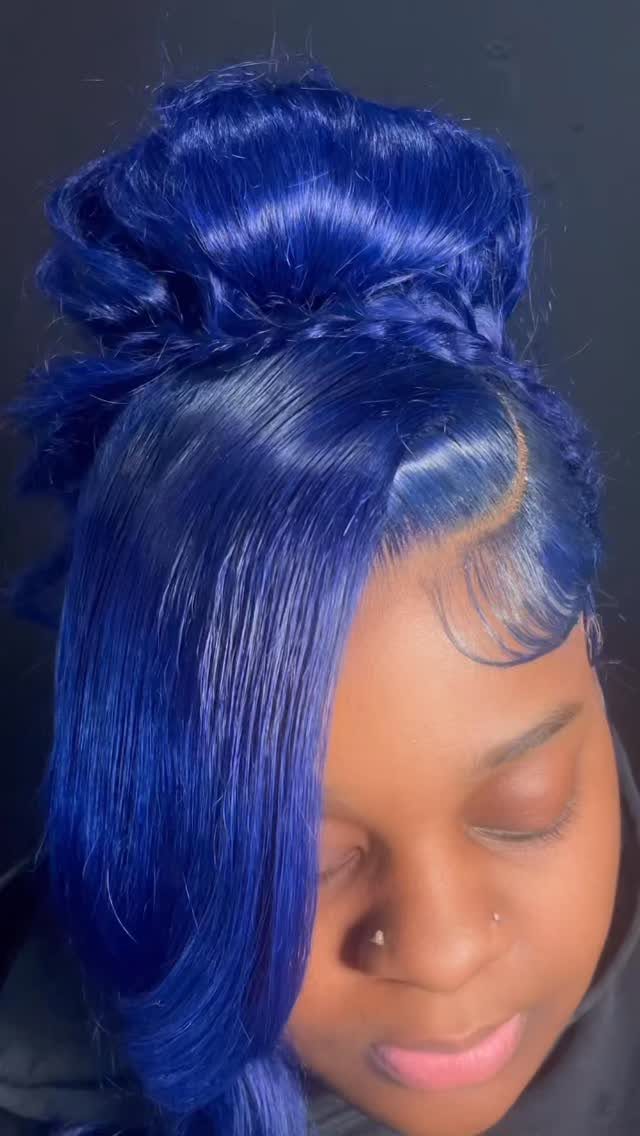
Blue hair needs a very light base to show true, usually pale blonde, because blue pigment reads muddy on anything darker. The brighter the blue, the lighter your starting point needs to be.
As the pigment washes out it tends to pull teal or green, and a blue conditioner brings back the color between dye jobs.
Blue holds longer than pink or purple because the pigment molecules are smaller, but it still needs regular upkeep to stay vivid.
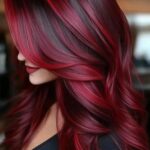
29. Bordeaux Hair
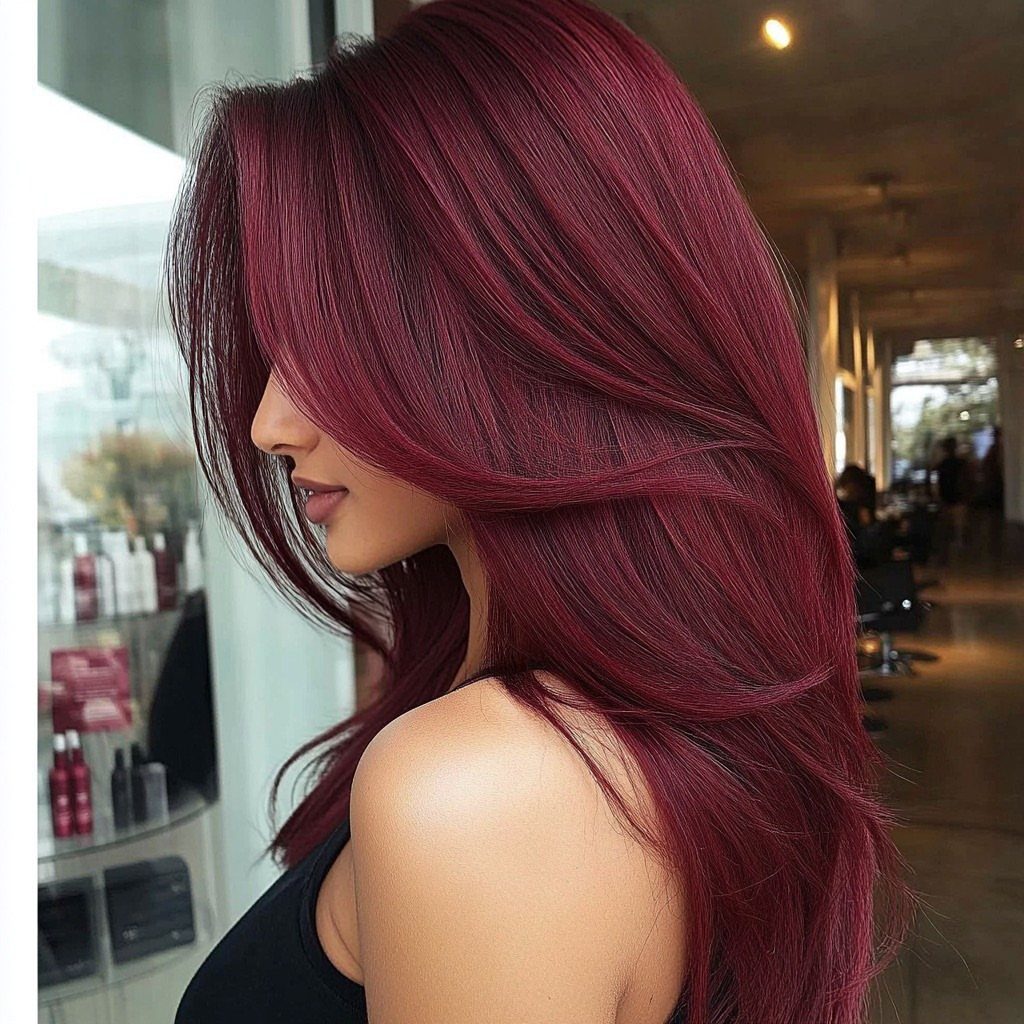
Bordeaux is a deep red with a blue or violet undertone, cooler than burgundy and darker than most fashion reds. That cooler lean stops it tipping orange, and it flatters pink or cool-toned skin.
Hair needs to be lightened to medium brown or paler first, or the color sits too dark to show the red properly. On very dark hair, pre-lightening first prevents the bordeaux from disappearing into the base.
30. Balayage Highlights
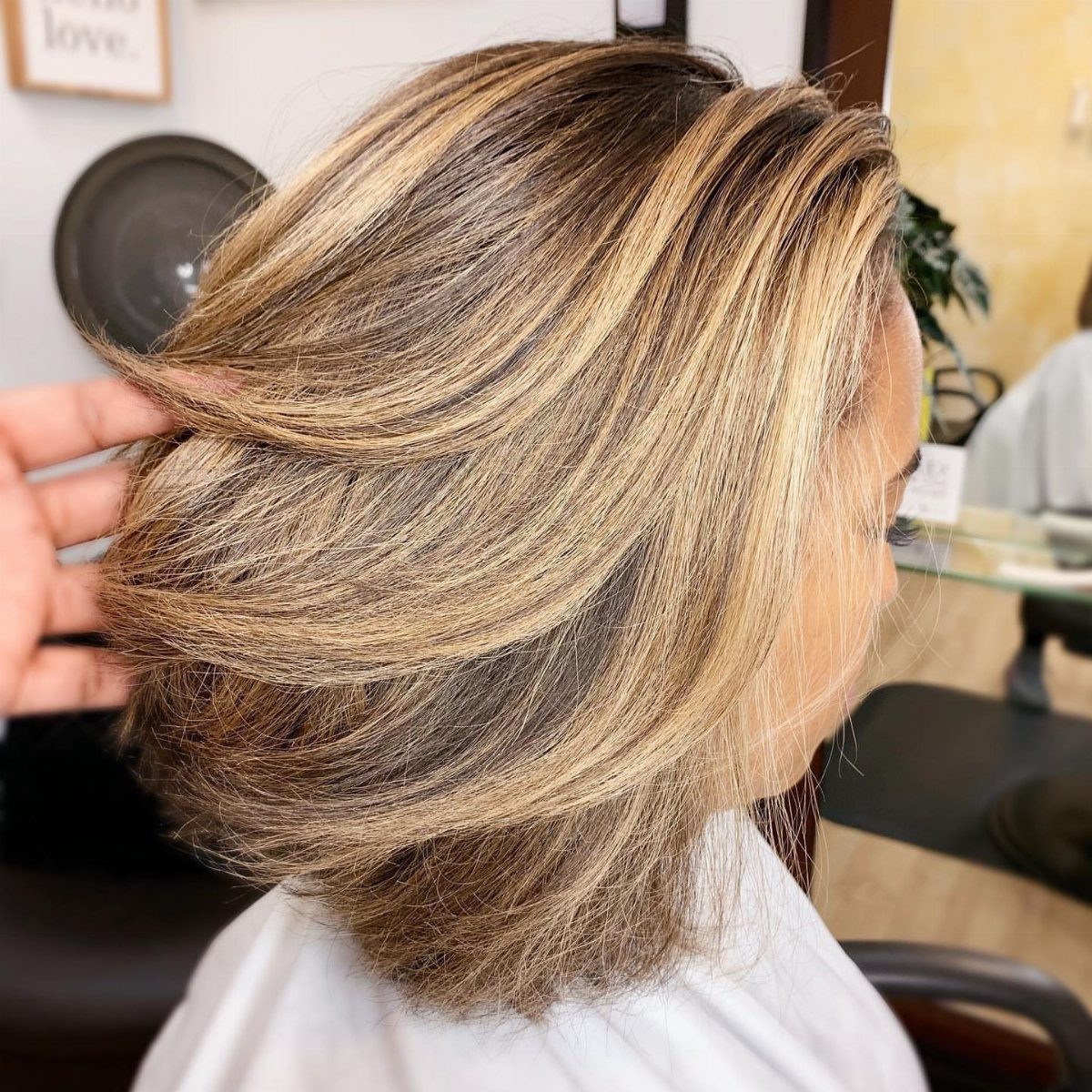
Balayage is a freehand highlighting technique that sweeps lighter color through the hair in a way that mimics how the sun would naturally lighten it, with more color through the ends and face-framing pieces than at the roots.
The result blends more softly than foil highlights because there are no harsh lines.
Root regrowth is less noticeable than with traditional highlights because the color starts lower, so you can go longer between touchups.
Sectioning and painting on lightener with a brush gives better control than a cap, but getting a smooth blend takes some practice.
31. Numbered Hair Color Chart
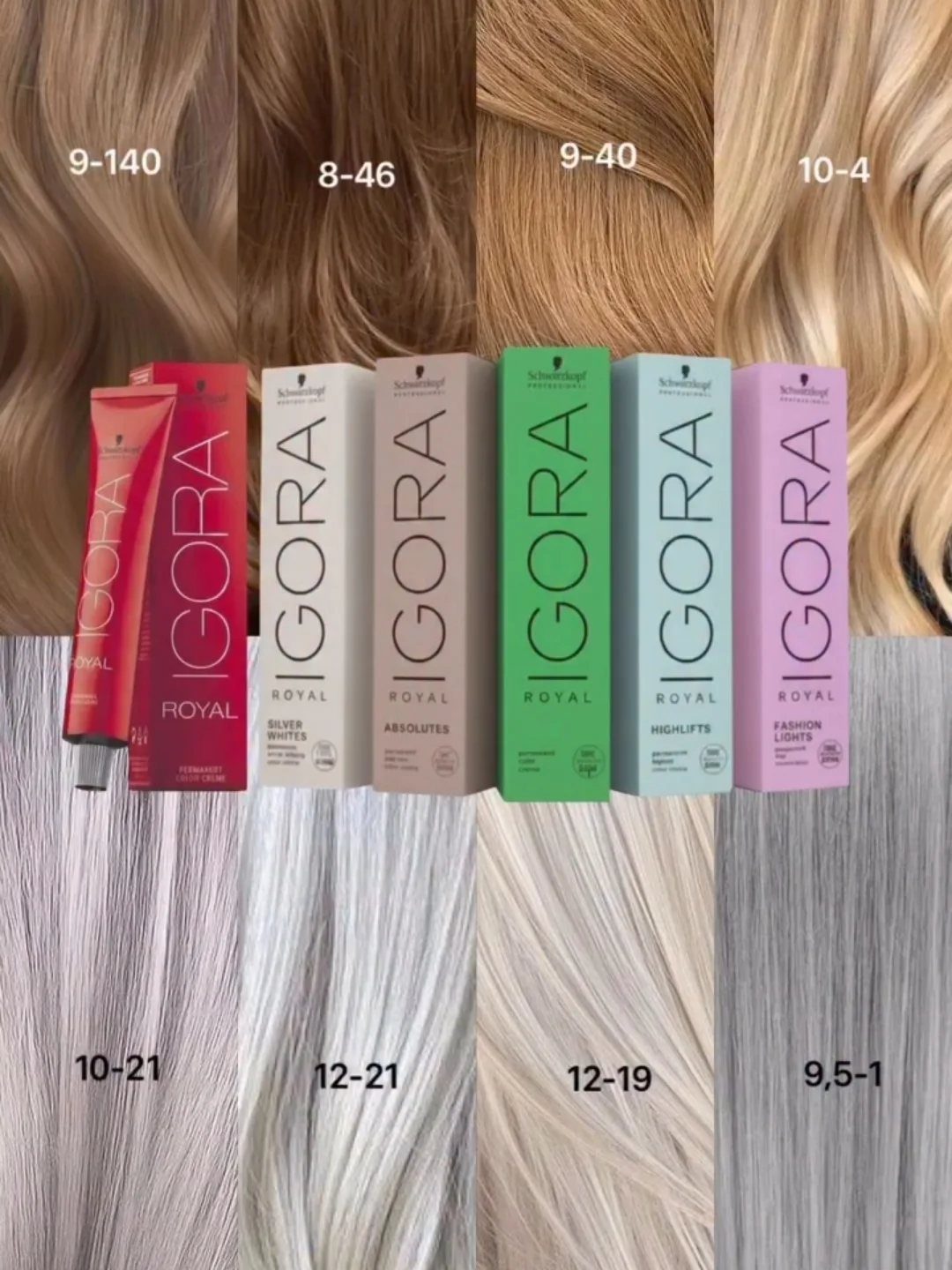
Professional numbering assigns each shade a number based on depth and tone, usually with the first digit showing how light the color is and the second part marking the undertone.
A higher number sits lighter than a lower one, and the code tells you whether the shade runs gold, ash, red or neutral.
The chart lets you compare options side by side before you commit, and it gives you a number to ask for at the salon or look for on the box.
If you know a shade worked once, the number gets you back to it even when packaging changes.
Read Levels and Tones
Depth runs on a numbered scale, typically 1 through 10, where 1 sits at black and 10 at the lightest blonde. Tone describes the direction the color leans: ash, gold, copper, violet, red, or neutral.
A level 7 can come in multiple tones, but the depth stays at 7 regardless.
Read the level first to know where the color sits on the light-to-dark range, then look at the tone to see whether it will pull warm or cool.
Numbering systems change by brand, so check the chart printed on the box or the brand’s own guide rather than assuming the same number means the same shade everywhere.
The hair you start with also affects the final result, because existing pigment shifts how the new color develops.
Assess Your Starting Hair
Compare your hair to a level chart in good lighting, ideally near a window during the day.
For previously colored hair, match the regrowth at your nape to the chart, not the mid-lengths or ends, because that new growth shows your actual base without sun fade or heat damage skewing the read.
Permanent dye can brighten virgin hair by up to 2 levels, but it won’t lift color that’s already been applied. Demi-permanent adds pigment without lifting, so it takes you darker or richer but won’t make you lighter.
Choose Upkeep and Test First
A strand test shows how the color will develop on your own hair before you commit to the full application.
Clip a small section from an inconspicuous area, apply the mixed color, and time it the same way you would on your whole head.
When regrowth is barely visible, either wait for another week or two of growth or check several spots to get a reliable match.
Frequently Asked Questions
How do hair color levels work?
Levels measure how dark or light the color is, running from 1 or 2 at black through to 10 at the palest blonde.
Each step up means visibly lighter hair, and the gap between your natural level and your target decides how much lifting or depositing the formula needs to do. Bigger jumps take more sessions or stronger developer.
What do the numbers and letters on hair color mean?
The number is the level, showing how dark or light the shade sits from black to pale blonde.
Letters tell you the tone: gold and copper lean warm, ash and violet pull cool, and neutral sits in the middle. The first letter is your main tone; anything after that is an undertone tweaking the result.
What level is my hair color?
Pull a section from your crown in natural light and hold it next to a level chart that goes from 1 (black) to 10 (light blonde).
If your hair is colored, check the roots separately from the lengths because the natural regrowth and the dyed ends may sit at different levels.
How do I figure out what tone I want?
Decide whether you want to cancel warmth or add it: ash and violet tones knock out yellow and orange, while gold and copper bring warmth in.
What are the different shades of brown hair?
Brown runs from light brown just past blonde through medium, chocolate, chestnut, dark brown and the near-black deepest shades.
Within that range you can steer warmer with honey, golden, caramel, auburn, red brown or reddish brown, or cooler with ash brown or mahogany.
What shade of blonde?
Champagne and beige blonde sit pale and neutral to cool, flattering fair skin and light eyes, while golden blonde brings warmth that suits skin with color.
Strawberry blonde adds a peachy red cast that reads soft on pale skin, and ash blonde cancels yellow for a cooler result.
What shade of red?
Copper leans bright and orange, flattering warm skin and making green or hazel eyes pop, while auburn and red brown ground the red with brown for a shade that reads warm without looking like a fashion color.
Strawberry blonde adds peachy red to pale blonde and suits fair skin, and mahogany blends red with violet for a cooler, deeper shade.
What hair color is best for covering gray?
Colors with a neutral tone in the formula cover gray most reliably because they deposit enough pigment to match the resistant texture gray hair often has.
Permanent formulas hold better than demi or semi, and staying within a level or two of your natural color keeps regrowth from showing too fast.