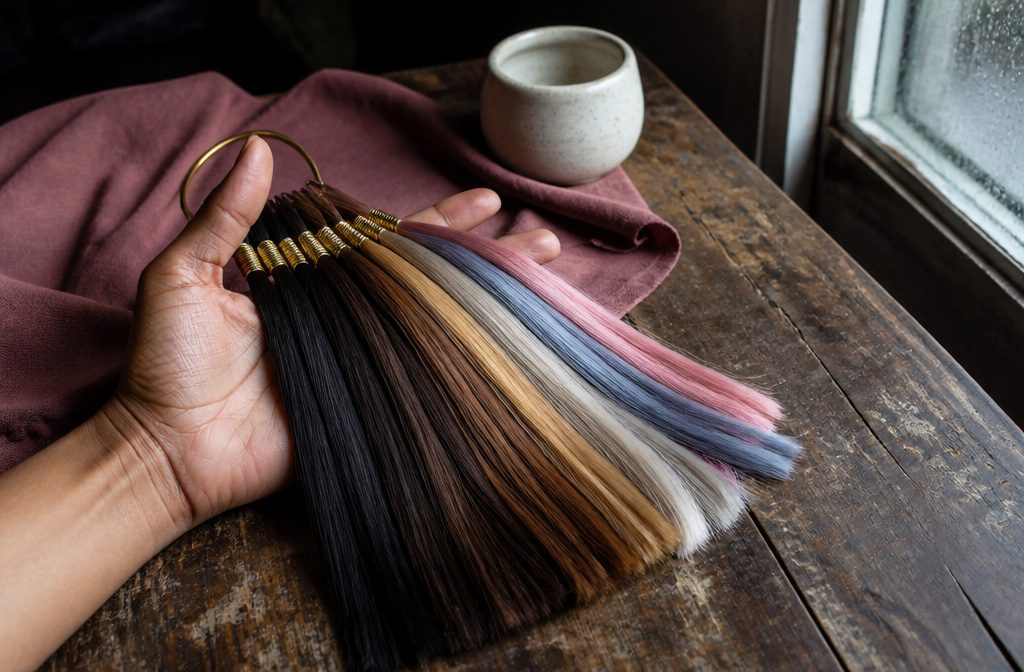
Braiding hair colors are the synthetic or human hair extensions added during braiding, sold in numbered shades that range from jet black (1) to platinum blonde (613), plus fashion colors like grey, blue, and pink.
The numbering system looks simple until you hit blended codes: 4/27 mixes medium brown with honey blonde, but the ratio shifts between brands, so checking the manufacturer’s color card before you buy a full install keeps the shade consistent across every pack.
1. Natural Black and Brown Shades
Natural Black and Brown Shades
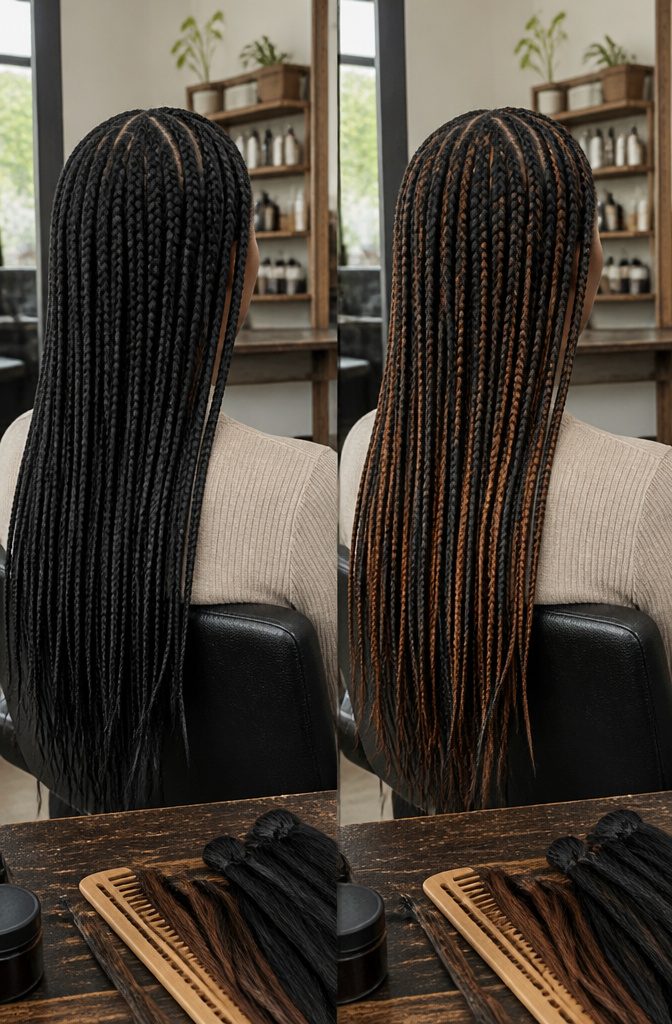
The naturals start with 1, a cooler jet black, and 1B, sold as natural black or off-black depending on the brand.
1 reads as the darkest and coolest option, while 1B sits slightly softer and warmer, making it the safer match for most black hair. When in doubt between the two, 1B wins because it photographs less harsh against most skin tones.
2 is dark brown, and 4 is medium brown.
Both add warm contrast without pulling attention away from the braid pattern itself. 2 matches dark brown natural hair or anyone stepping down from jet black; 4 works for medium brown or color-treated hair that skews lighter.
The browns blend easily with a wide range of skin tones, from deep to medium, and keep the style understated rather than color-forward.
The choice follows the natural roots. Hold the shade against your hair in natural light rather than guessing under store fluorescents, because 1B from one brand may lean warmer or cooler than another.
2. Blonde Shades
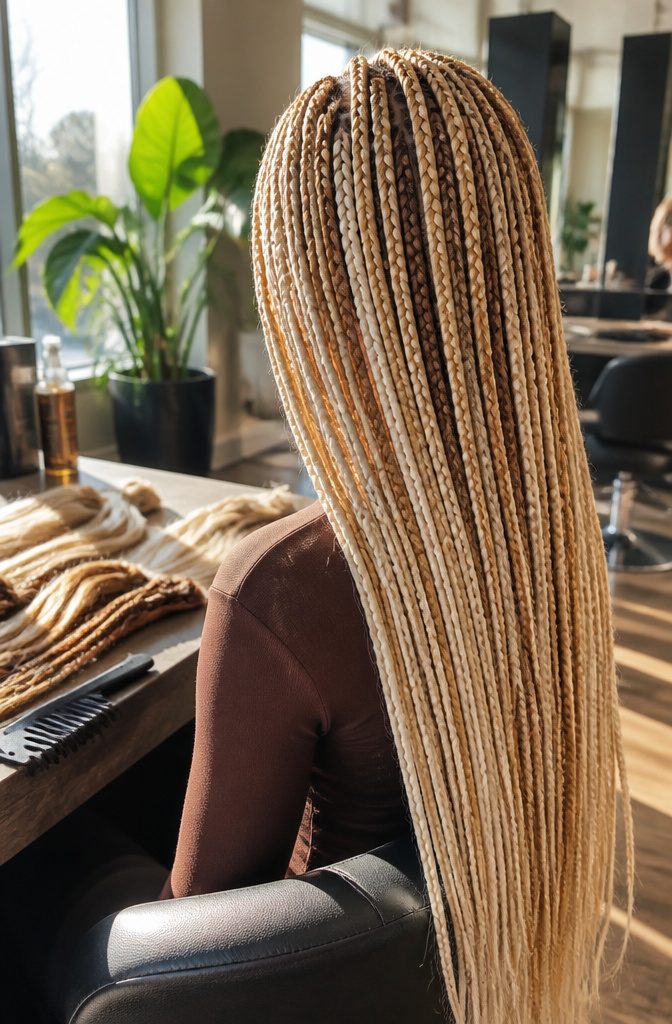
Blonde braiding hair runs from rich honey tones through to icy platinum, and the distance between those two is enough to completely change how the color reads against your skin.
27 is honey blonde, a warm golden shade that adds brightness without looking too far from natural. It photographs with depth and works well blended with darker browns for contrast that still feels grounded.
613 is platinum or bleach blonde, the lightest standard shade and the one that makes the strongest statement. It reads cool and crisp, closer to white than yellow, and it becomes the focal point of whatever style you choose.
Cooler ash blondes sit between those two extremes, blending brown undertones with ashy blonde for a more muted, sophisticated look.
They suit someone who wants blonde but prefers something less stark than 613. Lighter blonde accents, whether woven through darker base colors or used as face-framing pieces, lift the whole style and add dimension without committing to blonde all over.
3. Auburn, Red, and Burgundy
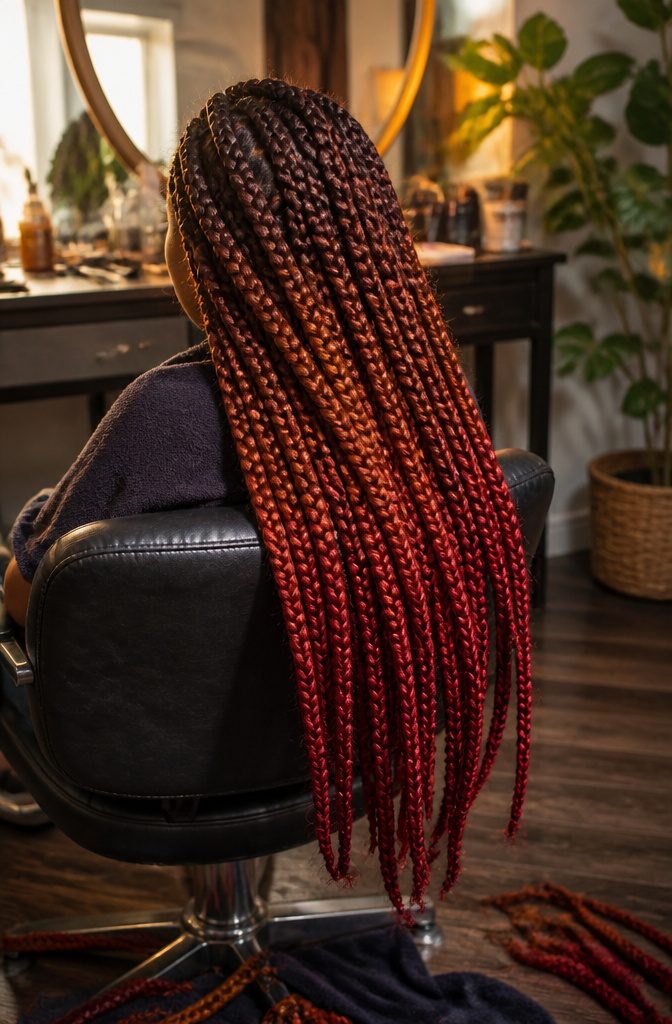
Auburn, red, and burgundy braiding hair runs from subtle warmth to full drama, and the range matters because it changes how the color reads against your skin.
Auburn (30) sits on the natural end—reddish-brown with enough depth that it doesn’t announce itself from across the room but still catches light in a way flat brown doesn’t.
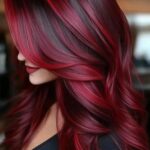
It flatters warm undertones especially, and it works on most skin tones without much risk. Burgundy leans darker and richer, brown with a wine tint that photographs well and carries from day to night without feeling costume-like.
Fiery red is the bold end: vivid, high-contrast, and best on medium to deep skin where the color has something to push against.
Lighter skin can pull off copper or bright red, but the intensity makes it a statement rather than a neutral.
Ombre treatments help—darker roots fading to crimson ends—so the color builds instead of landing all at once. These shades shine in chunky box braids, goddess braids, or twists where the volume gives the color space to show off.
4. Grey and Fashion Colors
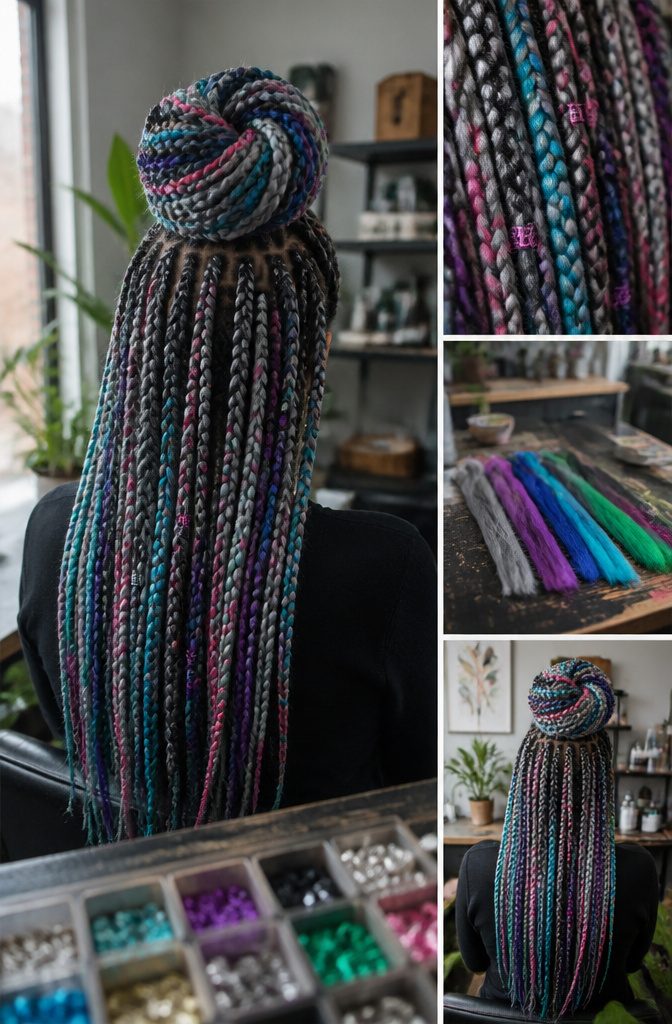
Grey braiding hair has jumped way past "mature" and landed firmly in statement territory. I’ve watched it move from accidental silver to intentional cool-toned edge, and the contrast it creates against medium and deep skin is honestly stunning.
You can lean into it fully with all-grey box braids or knotless styles, or keep it a little safer by mixing grey streaks with black for depth without the full commitment.
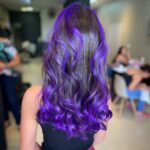
Then there’s the full spectrum: blue, purple, pink, green, turquoise. These shades exist to be seen.
Jewel tones pop hardest on darker skin, while pastels read softer on lighter tones but still hold their own. The color does the talking here, so jumbo box braids and chunky styles give it room to show.
Bubblegum pink with purple streaks, blue and purple ombre, or rainbow braids gathered in a high bun all share the same logic: bold hues need center-stage placement.
You can mix several colors in one style with no rules beyond what feels right to you. Accessories like beads or cuffs amplify the color rather than competing with it.
5. Ombre and Blended Colors
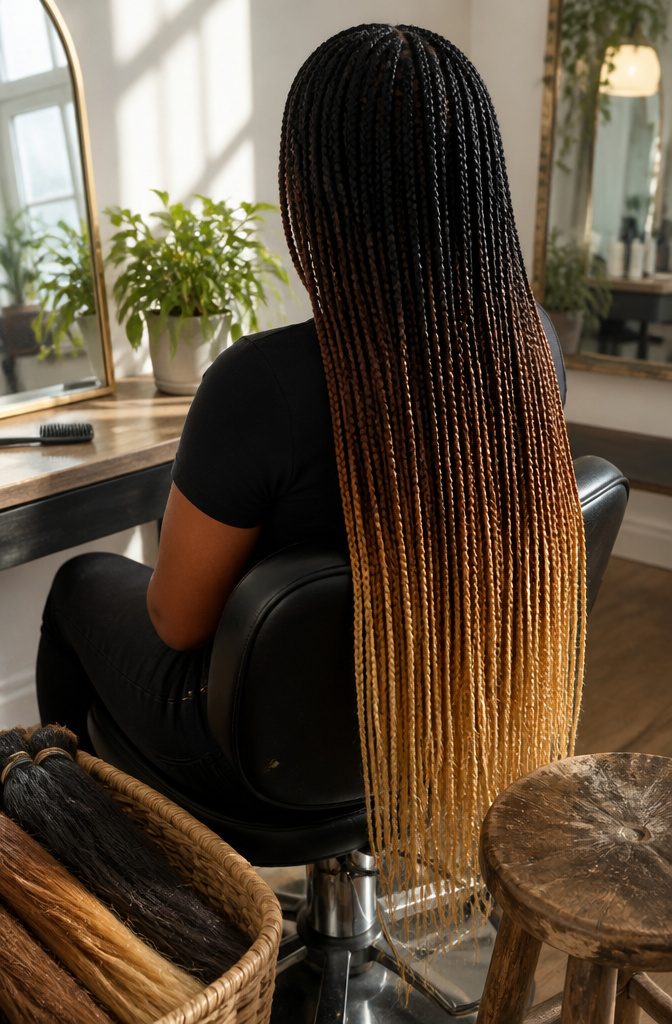
Ombre braids run from a darker shade at the roots to a lighter one at the ends, and length is what makes the gradient readable.
Long styles show the transition best: box braids, jumbo twists, or a braided ponytail give the color room to shift, while a short style shows only a sliver of it.
Black to brown looks sun-kissed. Dark brown to honey blonde and black to burgundy stay understated.
For more drama, I’d go black to blue or dark purple to lavender, adding the brighter extensions from the midshaft down. On a short braided bob, skip the gradient and dip just the ends in baby pink.
6. Highlights, Streaks, and Face-Framing Accents
Highlights, Streaks, and Face-Framing Accents
Selective lighter or contrasting strands let you add a pop of color without committing to full braids in a single shade.
Money pieces frame your face with blonde or white sections at the front, leaving the rest of your dark braids untouched.
The contrast is immediate but localized, so if you decide it isn’t working, you can redo just those sections rather than starting from scratch.
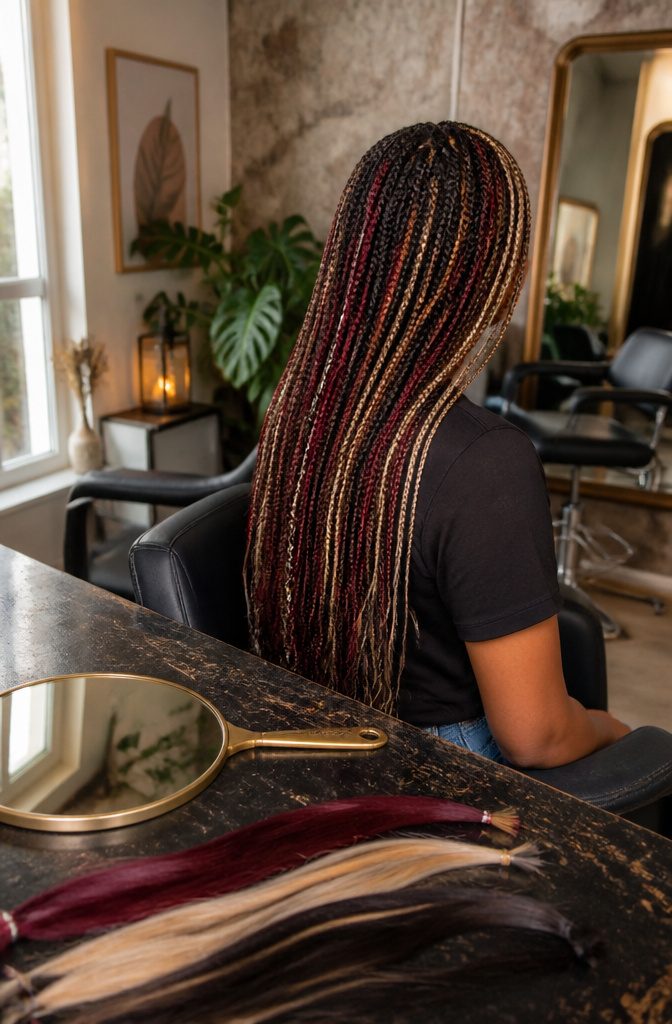
Chunky highlights or streaks run through the length of your braids and add dimension without changing the base.
Blonde streaks in black braids or burgundy highlights in brown create depth that reads as more dimensional rather than flat. Peekaboo sections tucked into the back layer stay hidden until you move, offering contrast without drawing constant attention.
I like that these options work whether you’re testing a shade or simply want variety without redoing every braid.
7. Two-Tone, Color-Blocked, and Multicolor Looks
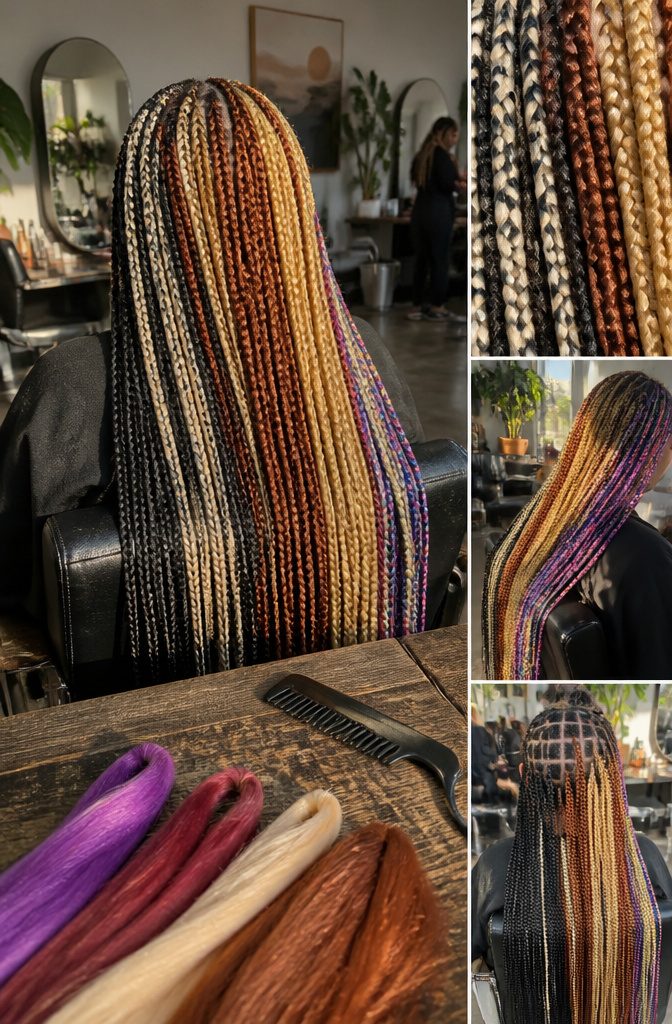
Two-tone braids pair just two colors in a way that sharpens the contrast rather than blending it.
Black with platinum blonde or auburn with golden blonde makes each shade read more clearly, and the effect depends on that sharp line between them. The colors alternate through the braid rather than sitting side by side in separate sections.
Color blocking takes a different approach.
Instead of alternating strands, you place solid sections of different colors in distinct areas of the style. One section might be entirely one shade, another entirely a second shade, and the divisions stay visible rather than weaving together.
Multi-color mixtures combine several colors in one braid without the clean separation of two-tone work. Pastels blended with dark hues or a run of pink, purple, and blue all woven together make the look more layered.
There is no rule about which colors go together, so the result depends on what you choose and how much of each shade you use.
Reading Color Numbers and Blends
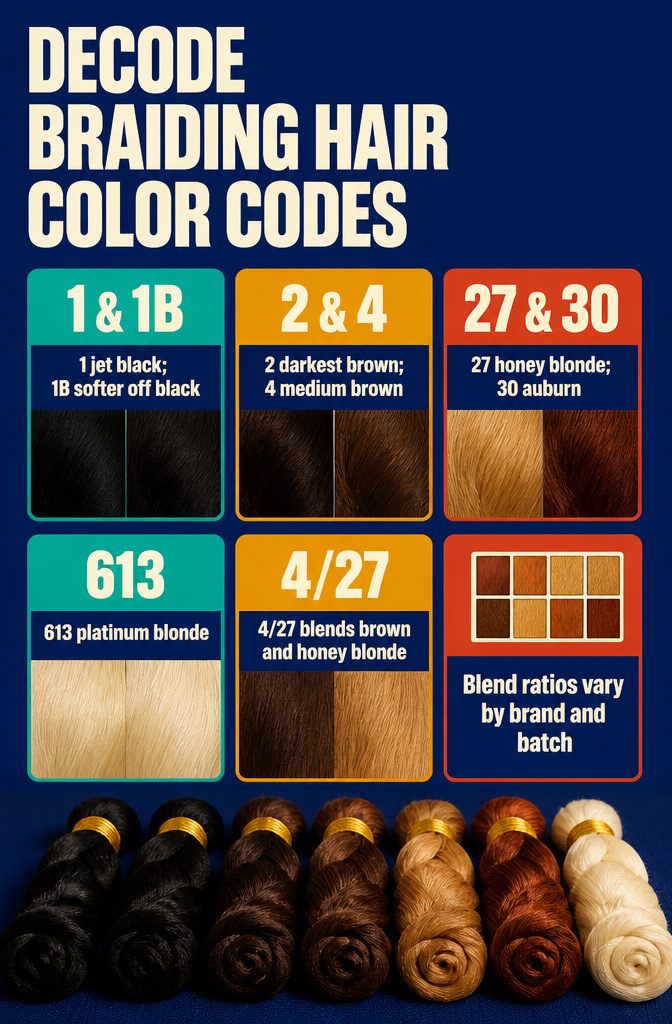
The number tells you the shade depth, and the tone word or letter adds the cast.
1 and 1B are jet black and off black, 2 is the darkest brown, 4 is a medium brown, 27 is honey blonde, 30 is auburn, and 613 is platinum blonde.
The B in 1B usually marks a softer natural tone than pure 1, though brands describe it differently.
A slash means the hair mixes two colors. 4/27 blends medium brown with honey blonde for a bronde shade, warmer and easier to wear than either solid.
The ratio in the name is a guide, not a strict recipe: the mix varies by batch and by brand, and the order of the numbers does not reliably predict which tone dominates.
Check the brand’s color card rather than trusting the code alone. Sensationnel and Outre each publish their own cards, and ordering one install from one batch keeps the mix consistent.
Matching Color to Your Skin Tone
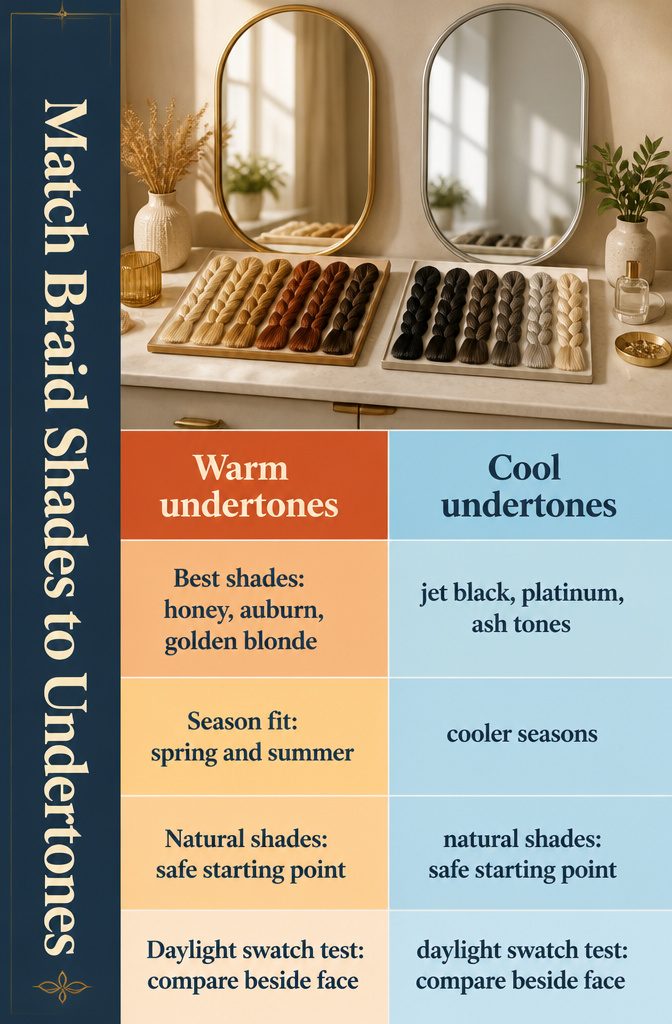
Matching Color to Your Skin Tone
The undertone rule settles most of the match: warm undertones pair well with warm shades like honey, auburn, and golden blonde, while cool undertones suit cooler shades like jet black, platinum, and ash-toned colors.
Neutral undertones can carry most of the range without looking off. The natural shades—1B, 2, and 4—blend with most hair and skin, which makes them safe starting points if the undertone test feels unclear.
I recommend checking the shade in daylight before committing to a full install.
Hold the color next to your face, photograph it, and see which one makes your skin look brighter and the hair look intentional. That photo decides faster than any description.
Blonde braids work best with warm seasons like spring and summer, while red and burgundy suit cooler seasons better. The number system narrows the field; the swatch test closes it.
Frequently Asked Questions
What is the difference between 1 and 1B?
1 is jet black, the coolest and darkest shade available.
1B is off-black or natural black, reading slightly softer and warmer, which makes it the safer match for most black hair and the one that photographs less harsh against most skin tones.
What does the slash mean in 4/27?
The slash signals a blend of 2 colors: 4/27 mixes medium brown with honey blonde for a bronde shade. The ratio varies by brand and batch, so check the brand’s color card rather than trusting the code alone.
Is 613 the same as platinum blonde?
Yes.
613 is the number for platinum or bleach blonde, the lightest standard shade. It reads cool and crisp, closer to white than yellow.
Which braid color suits most skin tones?
Natural shades 1B, 2, and 4 blend with most hair and skin, making them safe starting points. Warm undertones pair well with honey and auburn shades, while cool undertones suit jet black, platinum, and ash-toned colors.
Why does the same color number look different between sellers?
Brand and batch differences shift the tone, even when the number is the same. Ordering from one brand and one batch keeps the mix consistent.
Is 27 or 30 lighter?
27 is lighter. It’s honey blonde, a warm golden shade, while 30 is auburn, a reddish-brown with more depth.
What color is #30 braiding hair?
30 is auburn, a reddish-brown with enough depth that it doesn’t announce itself from across the room. It sits on the natural end of the red spectrum and flatters warm undertones especially.